
2000 Mack Trucks For Sale
Browse 2000 Mack trucks for sale, including highway and vocational models known for durable chassis, strong drivetrains, and rebuild-friendly specs.
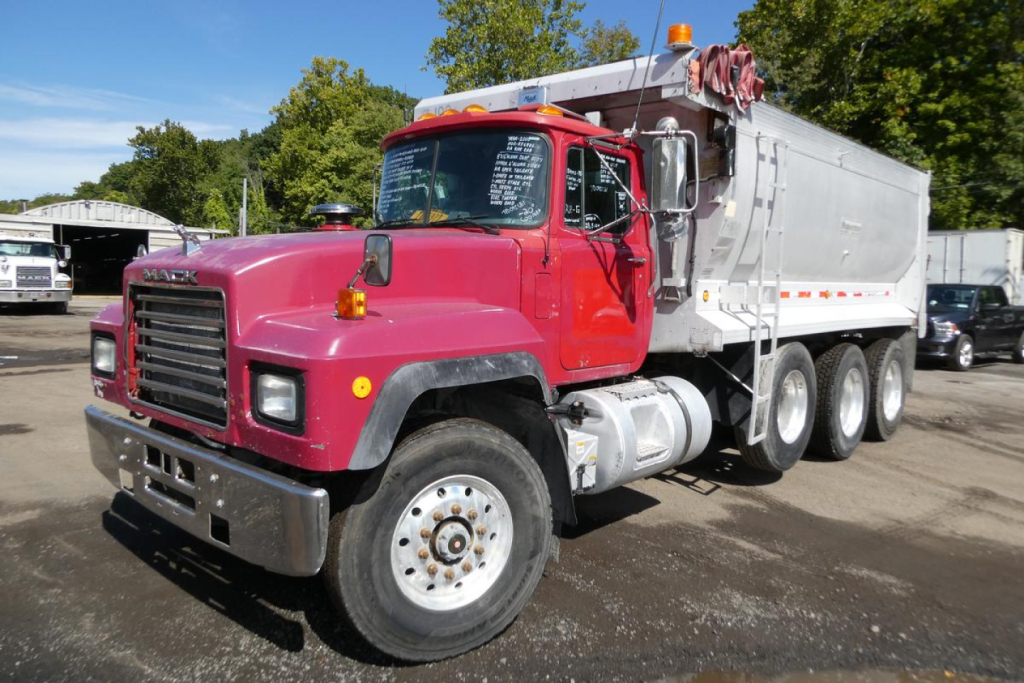
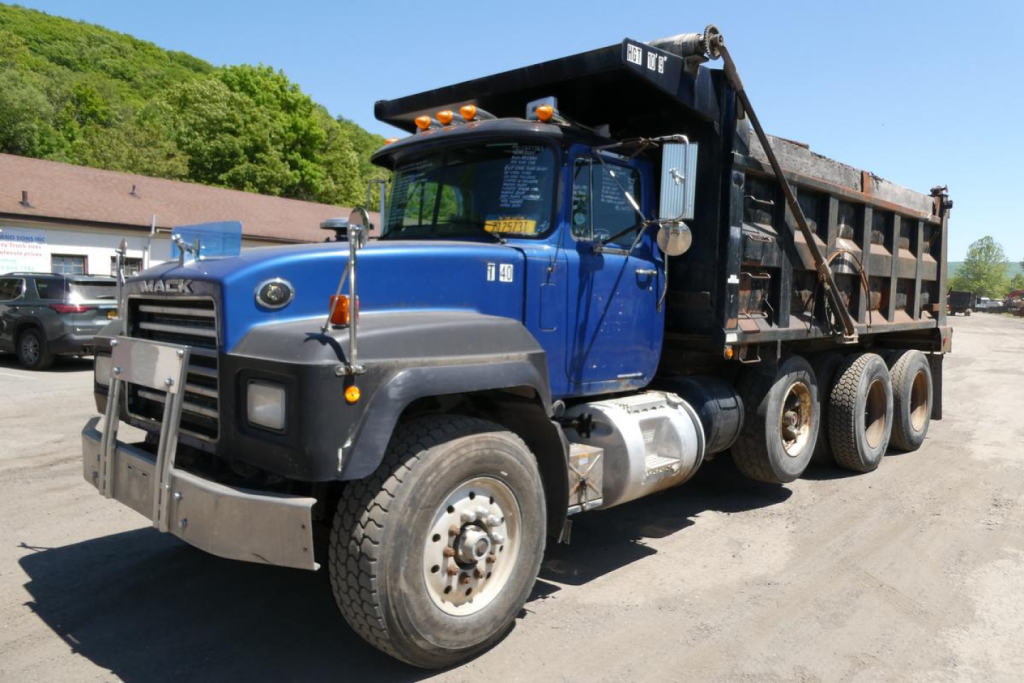
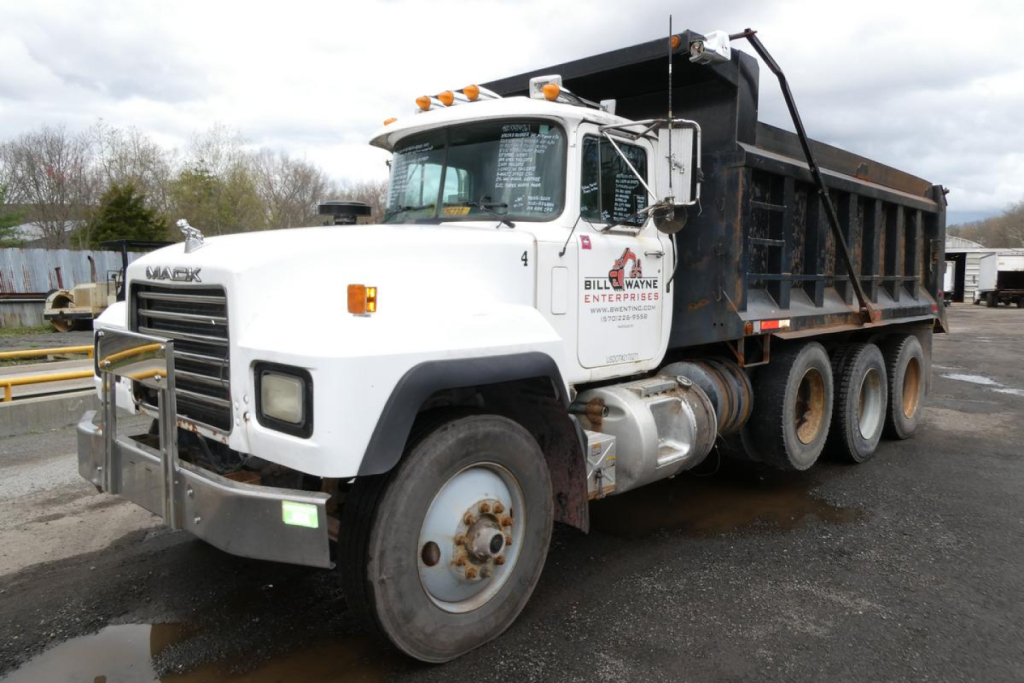
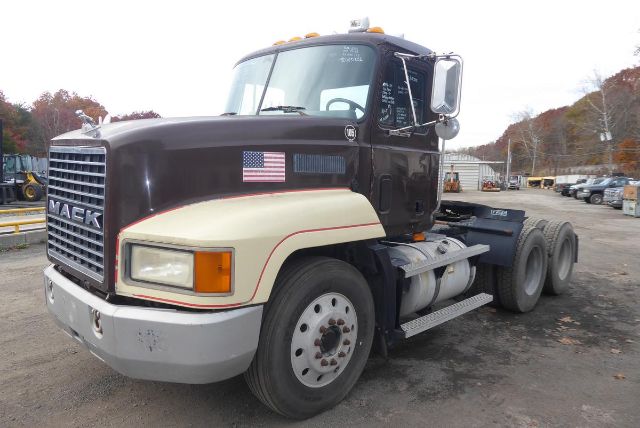
Selling a 2000 mack truck? List your 2000 mack truck for sale and reach thousands of commercial buyers.
2000 Mack Trucks
The biggest buying decision is usually application first, then engine and transmission. In 2000, Mack trucks were commonly spec'd with Mack E7 diesel engines in a range of horsepower ratings, and some units may carry Cummins or Caterpillar power depending on original order and intended duty cycle. Transmissions are often Mack manual, Eaton Fuller manual, or automated options on certain highway specs, while vocational units commonly pair heavier rear suspensions with deep axle ratios for startability and PTO work. Pay close attention to axle ratings, suspension type, wheelbase, frame rail condition, and whether the truck was built for on-road freight, construction, municipal service, or refuse routes. A truck that spent its life on regional highway work will wear very differently than one that backed under asphalt pavers or ran a packed urban sanitation route.
On used 2000 Mack trucks, condition matters more than odometer alone. Buyers should inspect for frame corrosion, cab mount wear, steering play, camelback or air suspension condition, driveline vibration, and evidence of prior vocational body installs or removals. Engine history is critical on any older diesel, so look for documentation on in-frame work, injector service, cooling system repairs, turbo replacement, and clutch or transmission rebuilds. If the truck has a Mack rear end or proprietary drivetrain components, parts access and local service familiarity are worth confirming before purchase. For vocational models, verify PTO operation, hydraulic plumbing layout, hoist compatibility, and body mounting integrity. For tractors, check fifth wheel wear, suspension bushings, and gearing against the load and terrain the truck will actually see.
A well-kept 2000 Mack can still make sense for fleet support, seasonal work, farm use, municipal duty, or an owner-operator who wants a robust platform without the cost of newer equipment. The appeal is usually the same: solid chassis construction, proven driveline options, and a truck that can still be productive when spec and condition match the job. Buyers comparing listings should focus less on paint and more on service records, rust exposure, original vocation, and how the truck is equipped today versus how it needs to work tomorrow.
Frequently Asked Questions about 2000 Mack Trucks
What engines are common in a 2000 Mack truck?
The Mack E7 is one of the most common engines found in 2000 Mack trucks, especially in highway tractors and vocational models. Some trucks from this period were also spec'd with Cummins or Caterpillar engines depending on the buyer's application and regional dealer preferences. The best choice depends on your maintenance support, parts availability, and whether you prefer an all-Mack drivetrain or a more widely cross-supported engine platform.
Is a 2000 Mack truck a good choice for vocational work?
A 2000 Mack truck can still be a strong vocational platform if the chassis, suspension, frame, and hydraulics are in sound condition. Many were originally built for dump, refuse, mixer, roll-off, and municipal service, so they often have the axle ratings, frame strength, and drivetrain gearing needed for severe duty. The key is confirming that the truck's current condition matches the application, since hard vocational use can accelerate wear in suspensions, steering, frames, and PTO-related systems.
What should I inspect first on a used 2000 Mack truck?
Start with frame condition, engine service history, transmission operation, suspension wear, and rust exposure. On older Mack trucks, buyers should also check cab mounts, steering components, brake condition, driveline play, differential noise, and signs of prior heavy vocational stress. If the truck carries a body or hydraulic system, inspect PTO engagement, pump function, hoist performance, and body mounting points before focusing on cosmetic items.
Are 2000 Mack trucks easier to maintain than newer trucks?
Many buyers consider 2000-era Mack trucks easier to maintain because they generally have less emissions complexity than later-model diesel trucks. That can mean fewer electronic aftertreatment components and a more straightforward mechanical layout. Maintenance is still highly dependent on engine family, prior repairs, and parts support in your area, so simplicity alone should not replace a careful inspection and review of service records.
Which 2000 Mack model is best for highway use versus heavy vocational use?
For highway use, buyers often look at Mack CH or similar road-oriented tractor configurations with gearing and wheelbase suited for regional or long-haul work. For heavier vocational applications, RD, DM, MR, CL, and some Granite-related configurations are more likely to offer the axle capacity, suspension design, and frame strength needed for severe service. The best model is the one whose original spec matches the terrain, payload, and body or trailer requirements of the job.