
1999 Mack Trucks For Sale
Shop 1999 Mack trucks for sale. Compare CH, CL, RD, DM and other Mack models built for highway, vocational, dump, mixer, and heavy-haul work.
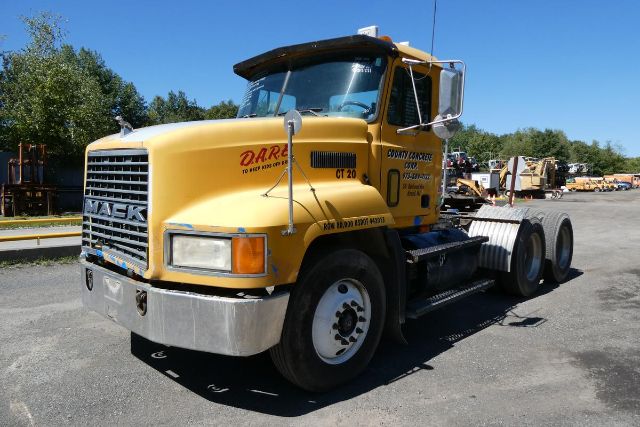
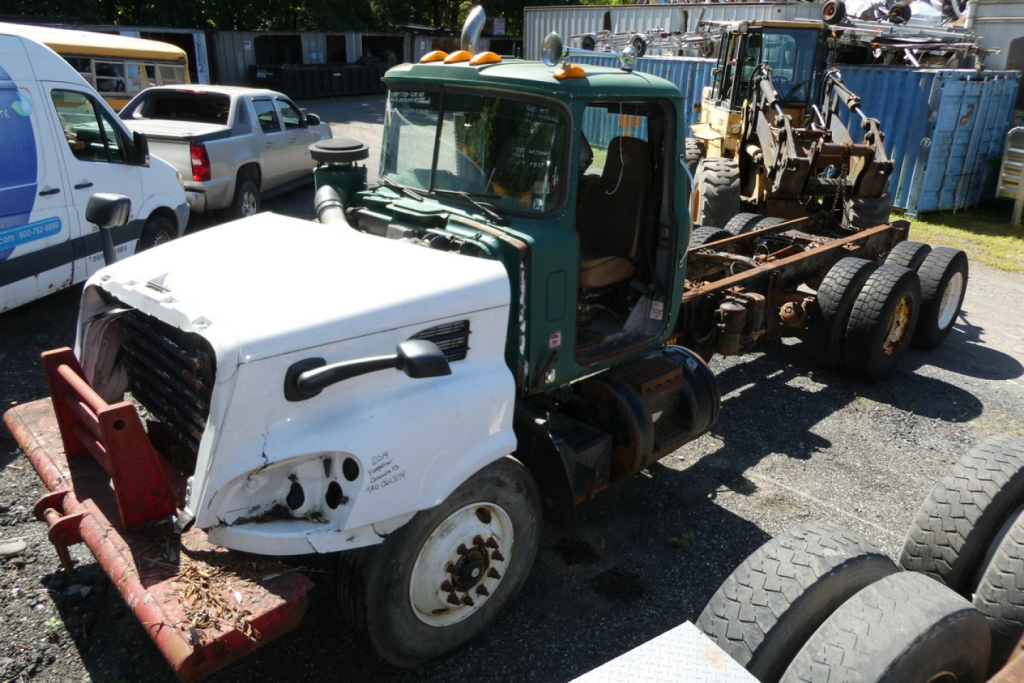
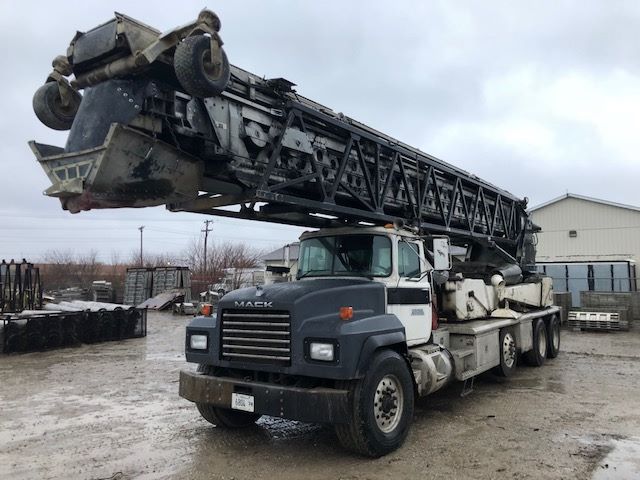

Selling a 1999 mack truck? List your 1999 mack truck for sale and reach thousands of commercial buyers.
1999 Mack Trucks
The first buying decision is usually application, because a 1999 Mack spec can vary widely. A road tractor from this era may have a more aerodynamic hood, highway ratios, air-ride suspension, and sleeper or daycab layouts. A vocational truck is more likely to carry camelback suspension, double-frame rails, heavier front axles, and body-ready PTO setups for dump, mixer, or refuse work. Engine choices often include Mack E7 variants in a range of horsepower ratings, and some trucks from this period may still carry the Mack Maxidyne reputation buyers look for in older fleets. Transmission specs are equally important. Manual boxes are common, with fuller-style multispeed setups or Mack transmissions paired to the intended duty cycle. Rear axle ratios, suspension type, and wheelbase matter more than the badge on the hood when the truck will be backing under a paver, carrying a mixer barrel, or pulling a hopper across state lines.
Condition matters more than age on a 1999 Mack. Buyers should look closely at frame condition, crossmembers, spring hangers, steering components, brake system health, and evidence of prior vocational stress such as cracked body mounts or hard-used hoists. On tractors, check fifth wheel wear, suspension bushings, and signs of drivetrain vibration. On dump and construction specs, inspect the camelback or air suspension, axle housings, steering boxes, and PTO operation. Cab corrosion, electrical repairs, and interior wear can tell you a lot about how the truck was maintained. If the truck has a Mack engine and transmission combination, many buyers see that as a plus for parts familiarity and driveline integration, but service history still matters more than brand consistency alone.
A good 1999 Mack truck can still make sense for local hauling, farm use, municipal work, jobsite service, and backup fleet capacity where newer electronics are not a requirement. The key is matching the spec to the route and payload. Highway use benefits from faster rears, adequate fuel capacity, and a cab setup that fits the driver schedule. Vocational use benefits from axle capacity, suspension durability, PTO compatibility, and a frame that has not been altered poorly over time. Buyers comparing 1999 Mack trucks for sale should focus on model family, axle ratings, engine and transmission pairing, suspension design, and how the truck was actually worked, because those factors will determine operating cost far more than model year alone.
Frequently Asked Questions about 1999 Mack Trucks
What are the most common 1999 Mack truck models buyers look for?
Common 1999 Mack trucks include highway and vocational platforms such as the CH, CL, RD, and DM, along with some early Granite configurations depending on build date and body style. The right model depends on the job. CH and CL trucks are more commonly associated with on-road tractor use, while RD and DM models are well known in dump, mixer, refuse, and construction service where heavier frames and rugged suspensions matter.
What engine is typically found in a 1999 Mack truck?
Many 1999 Mack trucks are equipped with Mack E7 diesel engines, often in horsepower ratings suited to either highway hauling or vocational work. Exact output can vary by application, transmission pairing, and rear ratio. Buyers should confirm the engine family, horsepower tag, injector or pump history where applicable, and any overhaul records. On an older truck, documented maintenance and cold-start behavior are usually more valuable than the factory horsepower rating alone.
Are 1999 Mack trucks good for dump or construction use?
Yes, many 1999 Mack trucks are strong candidates for dump, mixer, and other vocational applications because this was an era when Mack built a large number of severe-duty chassis with heavy front axles, robust frames, camelback suspensions, and PTO-friendly driveline setups. The important step is verifying the actual truck spec. A true vocational chassis is very different from a converted highway tractor, even if both carry the Mack name and the same model year.
What should I inspect before buying a 1999 Mack truck?
Focus on frame integrity, rust, suspension condition, steering wear, brake system health, driveline play, and signs of hard use around the body mounts or hoist area. Check engine blow-by, cooling system condition, transmission shifting, differential noise, and PTO operation if equipped. Also inspect cab floors, electrical repairs, and wiring quality. On a truck of this age, maintenance history and evidence of proper repairs are critical indicators of remaining service life.
Is a 1999 Mack truck a good choice compared with a newer truck?
A 1999 Mack truck can be a smart choice for buyers who value mechanical simplicity, lower acquisition cost, and a chassis intended for demanding commercial work. It may not offer the refinement, emissions technology, or driver amenities of newer models, but it can be easier to maintain in certain fleets and useful in seasonal, municipal, agricultural, or jobsite roles. The tradeoff is that parts condition, prior use, and overall mechanical health become much more important than the model year itself.