
Mack Trucks For Sale in Illinois
Browse Mack trucks for sale in Illinois, including Anthem, CXU, Granite, RD and vocational models for highway, construction, mixer and fleet use.

Selling a mack truck? List your mack truck for sale and reach thousands of commercial buyers.
Mack Trucks in Illinois
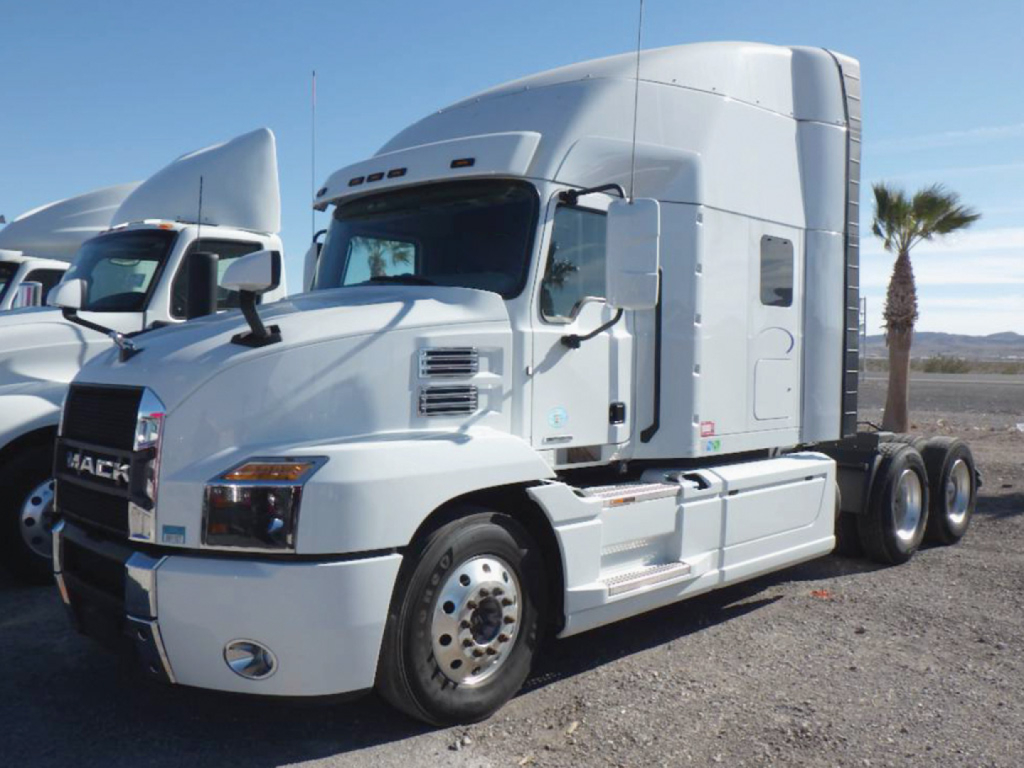
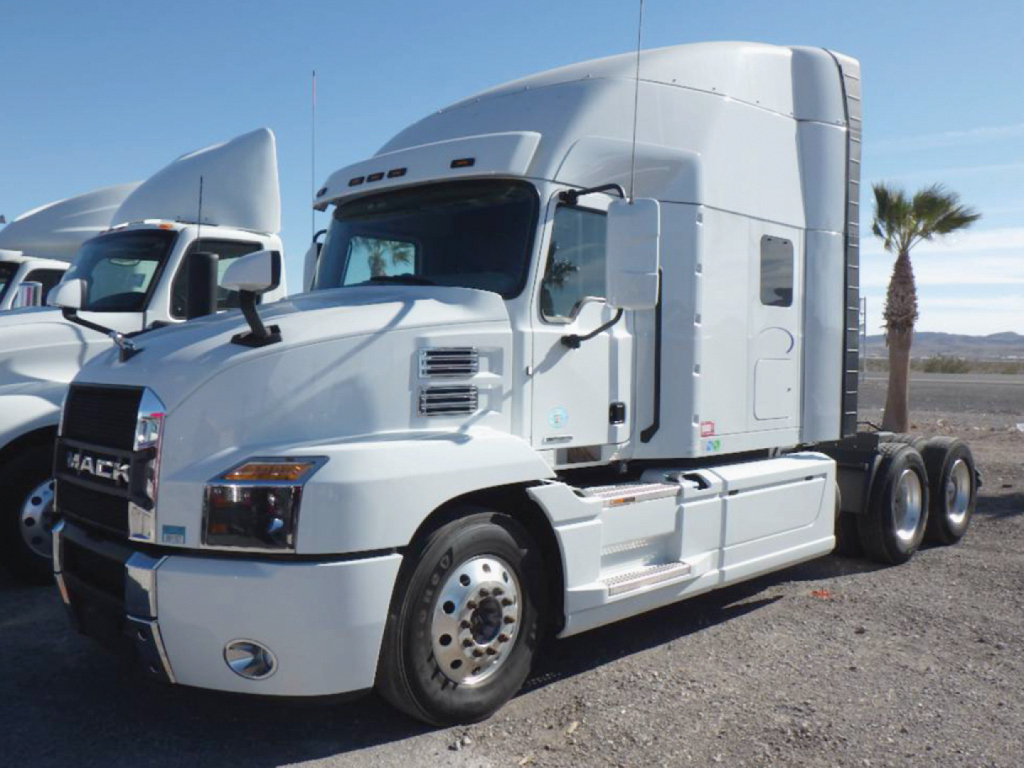
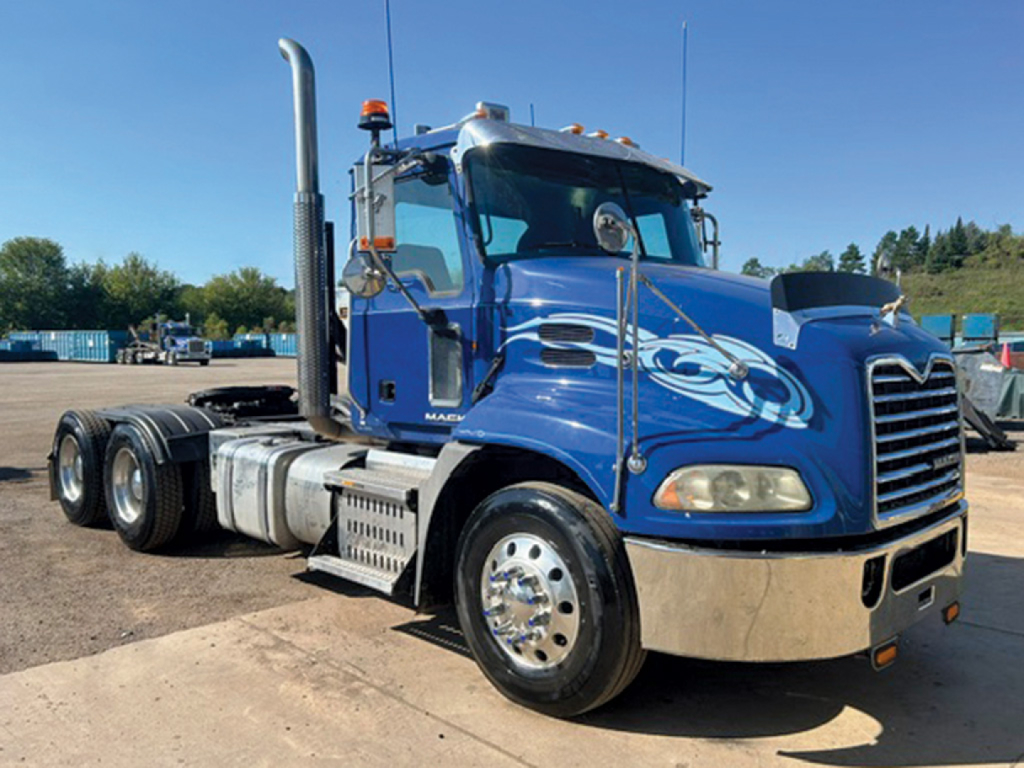
For on-road tractors, common Mack configurations in Illinois include day cab conventionals with MP7 or MP8 diesel engines, mDrive automated manual transmissions, air ride suspension, and rear axle ratios selected for either fuel economy or stop-and-go regional work. A single-axle Mack day cab can be a practical choice for short regional lanes, lighter trailer combinations, and operations that want lower tare weight and better maneuverability around Chicago-area distribution points. Tandem-axle setups, often with 40,000-lb rears, fit heavier freight and more demanding GCW requirements. Wheelbase, fifth wheel adjustability, fairings, tank capacity, and brake specification all deserve close attention because they affect trailer compatibility, bridge law flexibility, and real operating cost.
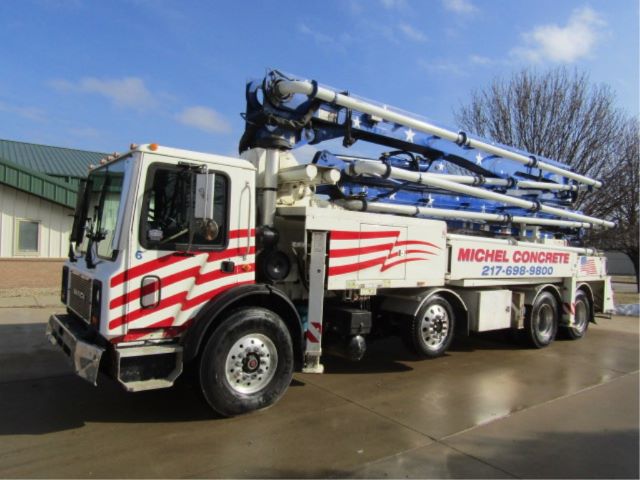
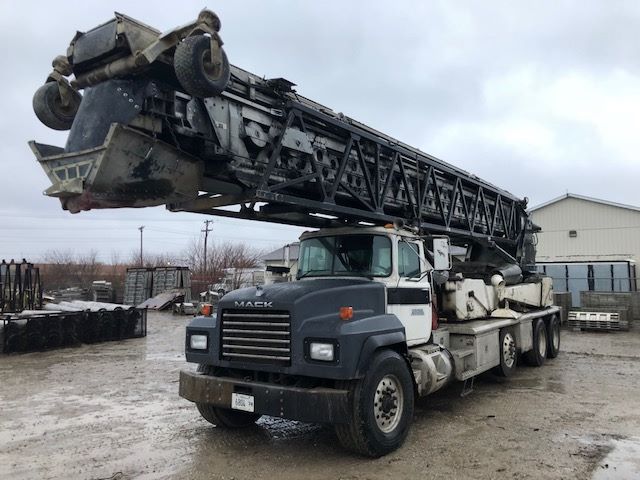
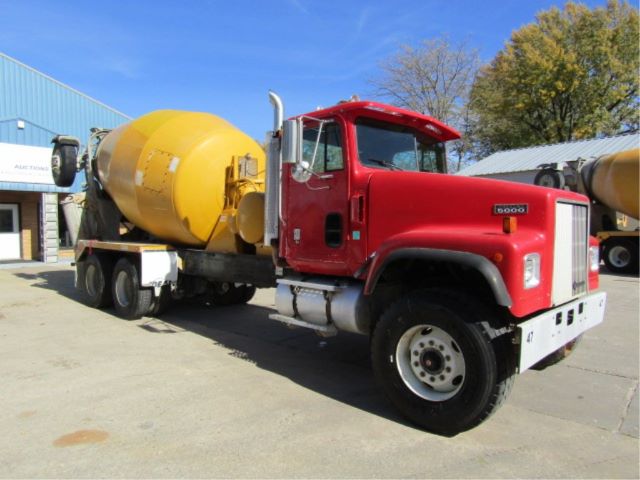
On the vocational side, Mack has a strong reputation in Illinois fleets running mixers, dump bodies, conveyor trucks, and other severe-duty applications. Models like the Granite and older RD-series trucks are common because they were built around construction-grade chassis components, heavier suspensions, and transmissions suited to jobsite starts, PTO operation, and repeated low-speed loading cycles. Buyers should look closely at axle spacing, frame condition, suspension design, transmission type, and engine history, especially on units that have spent years in concrete, aggregate, or municipal service. On mixer trucks, drum capacity, bridge formula compliance, steer axle rating, and remaining useful life of the mixer package can be just as important as cab and engine condition.
Illinois buyers also tend to evaluate Mack trucks through a regional lens. Winter road treatment can accelerate corrosion on frames, cab mounts, wiring, and air system components, so rust inspection is critical on any used Mack truck from the Midwest. For highway units, emissions system service history, idle profile, and maintenance records often tell more than mileage alone. For vocational units, hour meter readings, PTO usage, body condition, and evidence of frame repairs can be more important than odometer numbers. Mack remains a popular choice because the brand combines vocational toughness with modern highway efficiency, but the best fit comes down to matching horsepower, transmission, axle ratings, suspension, and wheelbase to the exact work the truck will perform.
Frequently Asked Questions about Mack Trucks in Illinois
What are the most common Mack truck models buyers look for in Illinois?
Common Mack truck models in Illinois include the Anthem and CXU for highway and regional hauling, along with Granite, RD-series, and other vocational configurations for construction, mixer, dump, and municipal work. The Anthem is generally associated with newer on-road efficiency and driver comfort, while older CXU day cabs remain popular in local and regional fleets. Granite and RD models are often chosen for heavier chassis requirements, PTO-driven applications, and jobs that demand stronger vocational specifications.
Is a Mack day cab or a vocational Mack better for my operation?
That depends on the primary duty cycle. A Mack day cab is usually the better fit for regional freight, local delivery, port work, and short-haul trailer operations where maneuverability, fuel economy, and a highway-oriented chassis matter most. A vocational Mack is better suited for construction, aggregate, concrete, and municipal applications where heavier axles, tougher suspensions, PTO capability, and body integration are part of daily use. The key is to match the truck's axle ratings, wheelbase, transmission, and suspension to the work rather than buying by model name alone.
What should I inspect first on a used Mack truck?
Start with the frame, suspension, engine, transmission, and service history. On Illinois trucks, corrosion around the frame rails, crossmembers, cab mounts, brake components, and electrical connections deserves extra attention because of winter road salt exposure. For highway tractors, check emissions system records, clutch or mDrive service history, rear axle ratio, and fifth wheel setup. For vocational units, inspect PTO operation, body or mixer integration, hydraulic components, axle alignment, and any signs of frame modification or repair.
Are Mack mDrive transmissions a good choice in used fleet trucks?
Mack mDrive automated manual transmissions are widely used in fleet and regional applications because they can improve shift consistency, reduce driver fatigue, and support fuel-efficient gearing. In a used truck, the value of an mDrive depends on maintenance history, software updates, clutch condition, and how the truck was operated. They are generally a strong fit for on-road tractors and many regional day cabs, but buyers should still confirm that the transmission programming and axle ratio are appropriate for the expected load and route profile.
What engine and axle specs matter most when buying a Mack truck?
Horsepower and engine model are important, but they should be considered together with torque, transmission type, rear axle rating, and axle ratio. A Mack MP7 is often well suited for regional and lighter tractor work, while an MP8 is commonly selected for heavier loads and more demanding linehaul applications. Single-axle trucks may prioritize lower tare weight and maneuverability, while tandem-axle trucks with heavier rears are better for higher gross weights. The right specification depends on trailer type, route terrain, legal weight targets, and how much stop-and-go duty the truck will see.