
Mack Construction/Vocational Trucks For Sale in Illinois
Explore Mack construction and vocational trucks, including Granite, RD, and mixer or pump configurations built for demanding jobsite work.
Selling a mack construction/vocational truck? List your mack construction/vocational truck for sale and reach thousands of commercial buyers.
Mack Construction/Vocational Trucks in Illinois
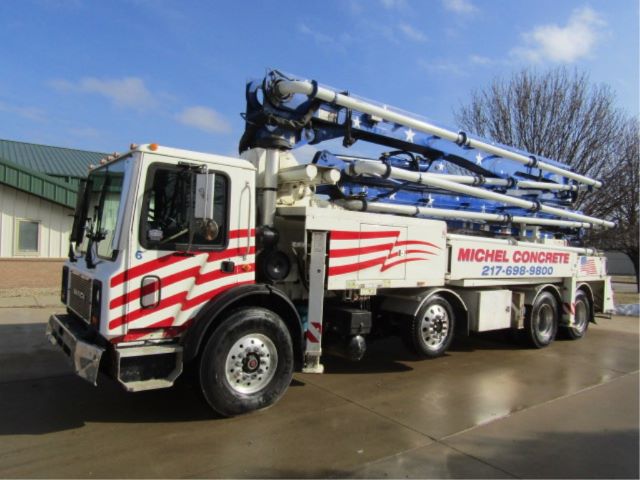
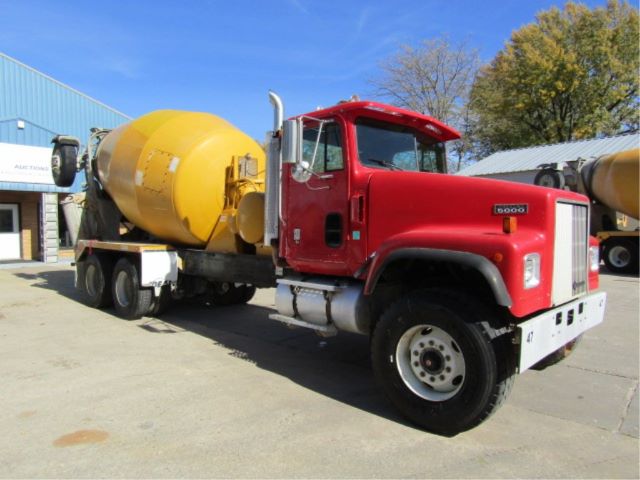
Popular Mack vocational models include the Granite series, older RD and RD688 variants, and cab-forward or low-entry configurations used in specialty concrete and municipal work. Engine and transmission combinations vary by year, but many trucks in this class use Mack diesel power paired with Maxitorque or other manual transmissions in 8, 9, 10, or multi-speed vocational setups. Ratios in the 4.42 range and similar specs are common when launch torque and jobsite mobility matter more than road speed. For mixer and pump applications, buyers should pay close attention to PTO setup, engine hours, drum or boom condition, hydraulic systems, and front-end capacity, since those factors affect both legal payload and long-term maintenance cost.
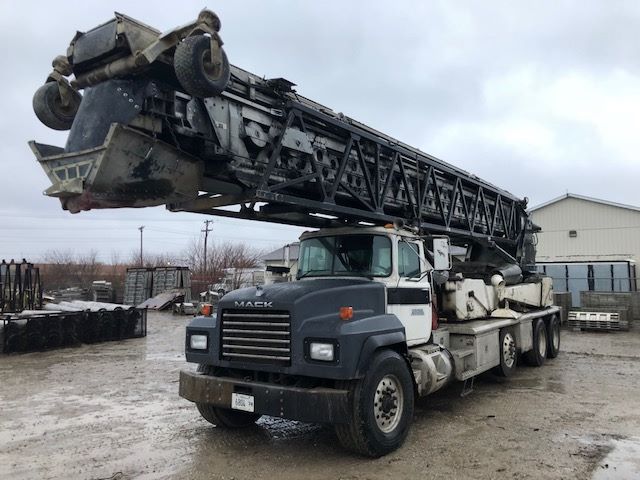
A Mack vocational truck should be evaluated as a complete working package, not just a chassis with a familiar badge. Frame condition, crossmember integrity, spring or beam suspension wear, steering component life, and evidence of concrete, aggregate, or asphalt exposure all matter. On mixer trucks, check barrel condition, chute structure, water system, and subframe mounting points. On pump or conveyor trucks, inspect the auxiliary equipment separately from the truck itself, including boom inspections, hopper wear, outriggers, and pump cycles or service records. Illinois buyers also tend to look closely at corrosion, especially on trucks that have seen winter salt, and at bridge-law implications if the truck will be run on public roads with heavy loads.
The main advantage of a Mack in vocational service is its reputation for handling repetitive punishment with straightforward mechanical layouts and components designed for severe duty. A well-matched Mack construction truck can deliver strong resale value when the chassis spec aligns with the body and the intended work. The best buying decision usually comes down to application fit: mixer, pump, dump, bridge formula, conveyor, or municipal use all require different axle placements, wheelbases, suspension ratings, and PTO provisions. Buyers comparing multiple listings should look past mileage alone and weigh engine hours, body condition, service history, and how the truck was originally spec'd for the job.
Frequently Asked Questions about Mack Construction/Vocational Trucks in Illinois
What Mack models are most common in construction and vocational truck applications?
Mack Granite models are among the most common vocational trucks, especially for mixers, dumps, and heavy material hauling. Older RD and RD688 trucks remain common in severe-service work because of their durable chassis and simple mechanical layouts. Specialty applications may also use cab-forward or low-entry Mack configurations for concrete pumping, refuse, or municipal work where maneuverability and body integration are important.
What specs matter most when buying a Mack vocational truck?
Axle ratings, wheelbase, suspension type, transmission, gear ratio, and PTO compatibility are usually the key specs. In vocational work, these details have a bigger impact than raw horsepower because they determine payload legality, launch performance, body fitment, and durability under repeated stop-and-go service. Buyers should also confirm frame rail dimensions, front axle capacity, and whether the truck was originally built for the intended body type.
Is mileage or engine hours more important on a Mack construction truck?
Both matter, but engine hours often tell the better story on vocational trucks. A mixer, pump, or conveyor truck may spend long periods operating auxiliary equipment at low road mileage, which creates wear that does not show up on the odometer alone. The better approach is to compare mileage, engine hours, PTO usage, maintenance records, and the condition of the body or mounted equipment as one package.
What should I inspect on a used Mack concrete mixer or pump truck?
Start with the chassis, including frame rails, suspension, steering, brakes, driveline, and signs of overload or corrosion. Then inspect the vocational equipment separately. On a mixer, that means the drum or barrel, rollers, chutes, water system, hydraulics, and subframe. On a pump truck, it means boom condition, wear parts, hopper, outriggers, hydraulic function, and service documentation. The mounted equipment can represent as much buying risk as the truck itself.
Are Mack vocational trucks a good fit for Illinois jobsite and municipal work?
They are a strong fit because Mack vocational chassis are commonly spec'd for heavy local hauling, concrete work, municipal service, and other severe-duty applications. Illinois buyers often value stable load handling, strong front axle capacity, and durable suspension setups for rough surfaces and frequent short trips. The main concern in this region is corrosion from winter road treatment, so underbody and frame inspection should be part of any serious evaluation.