
Mack Refrigerated Trucks For Sale
Shop Mack refrigerated trucks built for cold-chain delivery, with reefer bodies, medium-duty specs, and dependable urban route performance.
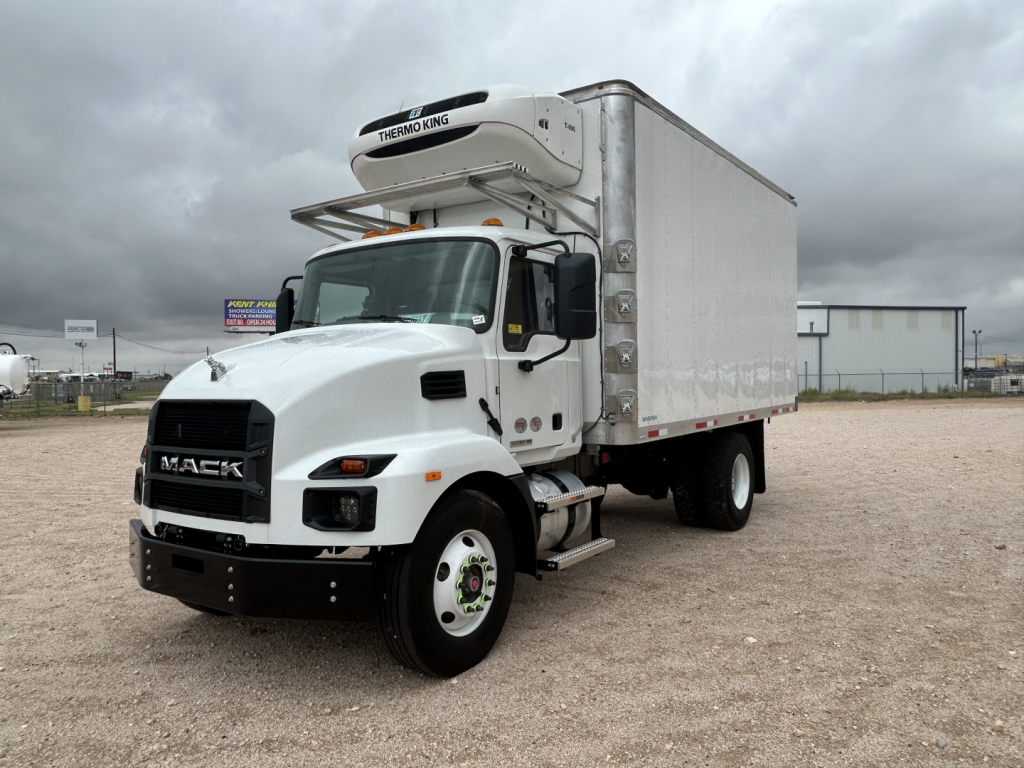
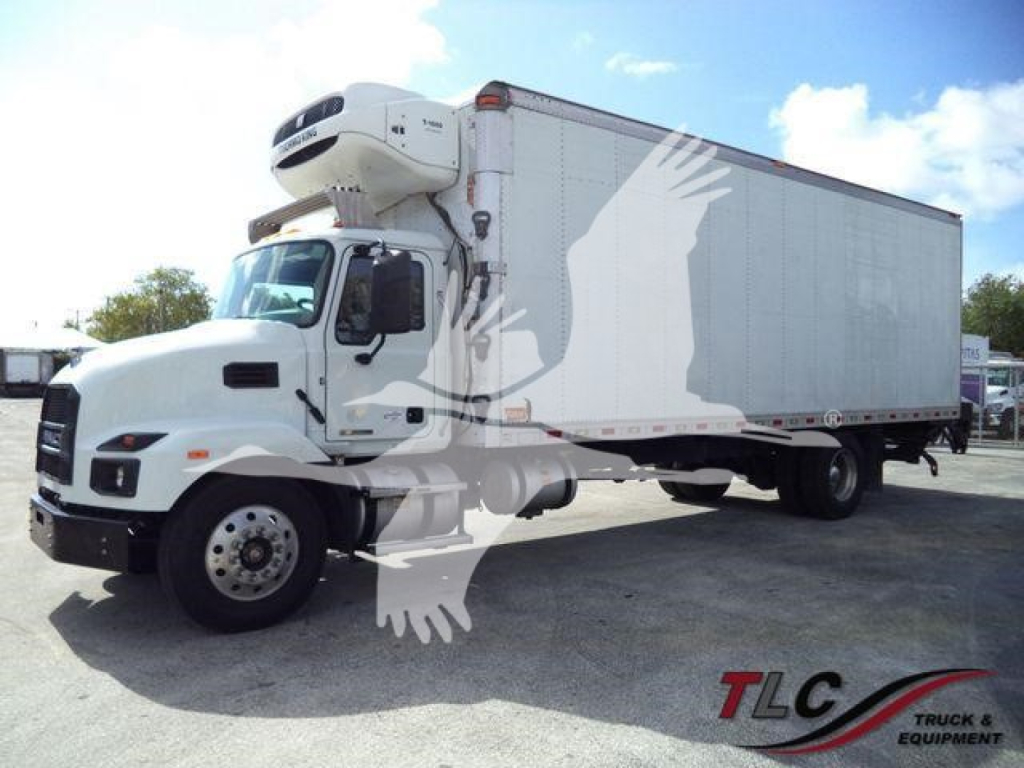
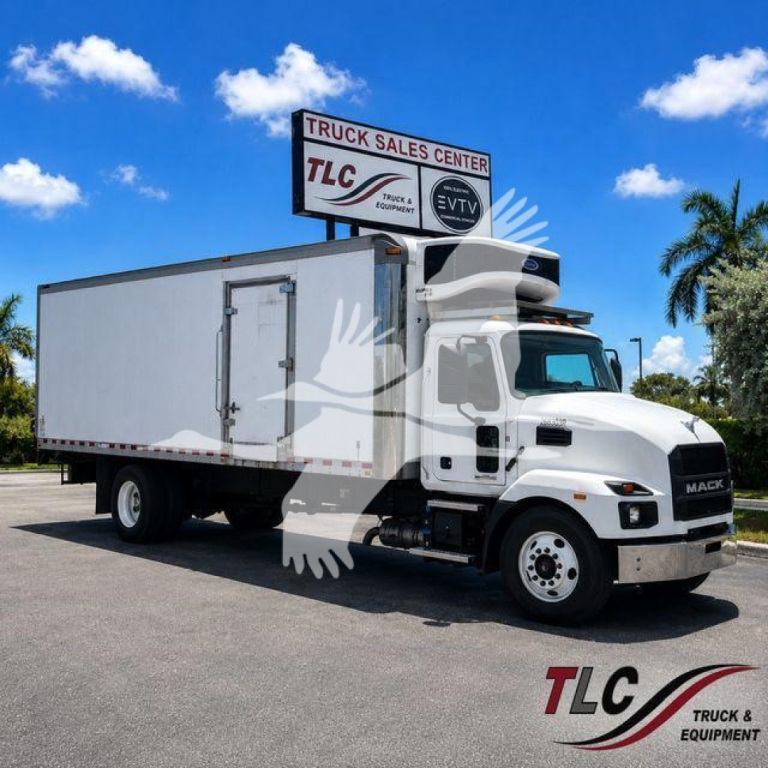
Selling a mack refrigerated truck? List your mack refrigerated truck for sale and reach thousands of commercial buyers.
Mack Refrigerated Trucks
A typical Mack reefer truck in this class pairs a diesel engine in the 6.7L range with an Allison automatic transmission, a combination that fits stop-and-go delivery cycles well. Around 300 horsepower is a common target for balancing launch performance, refrigeration load, and operating cost. Buyers should pay close attention to GVWR, front and rear axle ratings, wheelbase, and rear ratio because these numbers determine payload, body compatibility, and how the truck behaves in dense urban service. A non-CDL-friendly setup may be especially attractive for operations trying to widen the driver pool, but it only works if the finished truck, body, fuel, and cargo still fit the intended weight threshold.
The refrigerated body matters as much as the chassis. Look closely at the reefer unit brand and model, body insulation thickness, door configuration, floor construction, and interior dimensions. Features like aluminum T-flooring, liftgates or ramp-and-cage setups, bulkheads, standby electric, and backup cameras can make a major difference in daily productivity. For multi-drop work, the right spec is not just about keeping product cold. It is about recovery time after door openings, ease of loading, and preventing damage from shifting pallets or hand-cart traffic. If the route includes frozen product, confirm the unit can reliably hold the target temperature in the box size you are considering.
For buyers comparing Mack refrigerated trucks for sale, the real decision is matching chassis capacity to body and route demands. Spring suspension, single-axle configurations, 11R22.5 tires, and practical wheelbase specs are common in this segment because they support stable handling and straightforward maintenance. Check reefer service history, hours on the refrigeration unit, and whether the truck was used for fresh, frozen, or mixed-temp freight. A well-matched Mack reefer truck can be a strong fit for distributors that need a durable medium-duty platform with the visibility, maneuverability, and temperature-control capability required for daily delivery work.
Frequently Asked Questions about Mack Refrigerated Trucks
What are Mack refrigerated trucks typically used for?
Mack refrigerated trucks are commonly used for local and regional delivery of temperature-sensitive freight such as food, beverages, dairy, meat, produce, floral products, and some pharmaceutical loads. In the medium-duty segment, they are especially well suited for multi-stop routes, restaurant supply, grocery distribution, and institutional delivery where maneuverability and frequent door openings are part of the job.
What should I look for when buying a used Mack reefer truck?
Focus on both the chassis and the refrigeration system. On the truck side, review GVWR, axle ratings, wheelbase, engine and transmission spec, maintenance records, and signs of overload or harsh route service. On the reefer side, check unit hours, service records, temperature performance, insulation condition, door seals, floor wear, and whether the body has any hidden moisture intrusion or structural damage. A clean engine spec does not make up for a weak reefer unit or a compromised insulated body.
Are Mack refrigerated trucks available in non-CDL configurations?
Yes, many Mack refrigerated trucks in the medium-duty category can be configured to fit non-CDL operation, typically by keeping the finished vehicle under the 26,001-pound GVWR threshold. That said, buyers need to verify the actual completed weight with the reefer body, fuel, driver, and expected payload. A non-CDL rating can be valuable for staffing flexibility, but only if the payload capacity still matches the route's delivery requirements.
How important is the reefer unit brand and model on a Mack refrigerated truck?
It is extremely important because the refrigeration unit directly affects temperature pull-down, recovery after stops, fuel use, noise level, and long-term service support. Well-known systems from major manufacturers are often preferred because parts availability and technician familiarity are better in most markets. Buyers should match the reefer unit's capacity to the body size and the temperature range required for chilled or frozen freight.
What body features add the most value on a Mack reefer truck?
The highest-value body features depend on the application, but buyers often prioritize durable flooring, strong rear door seals, a practical cargo access setup, and options that improve delivery efficiency. Aluminum T-flooring, liftgates, ramp-and-cage systems, backup cameras, interior lighting, and bulkheads are all useful depending on the cargo and stop pattern. For foodservice and hand-unload work, cargo access and floor durability can matter just as much as the refrigeration unit itself.