
Mack Refuse Rear Load Trucks For Sale
Mack refuse rear load trucks built for municipal and private waste routes, with durable chassis, packer bodies, lifters, and automatic transmissions.
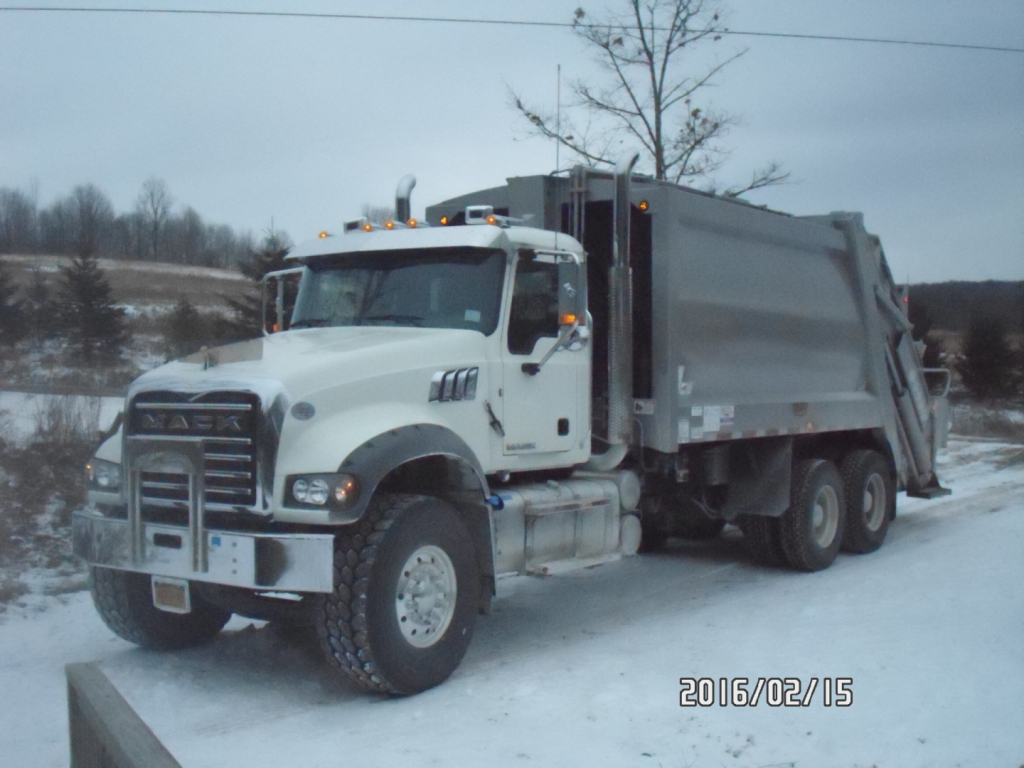
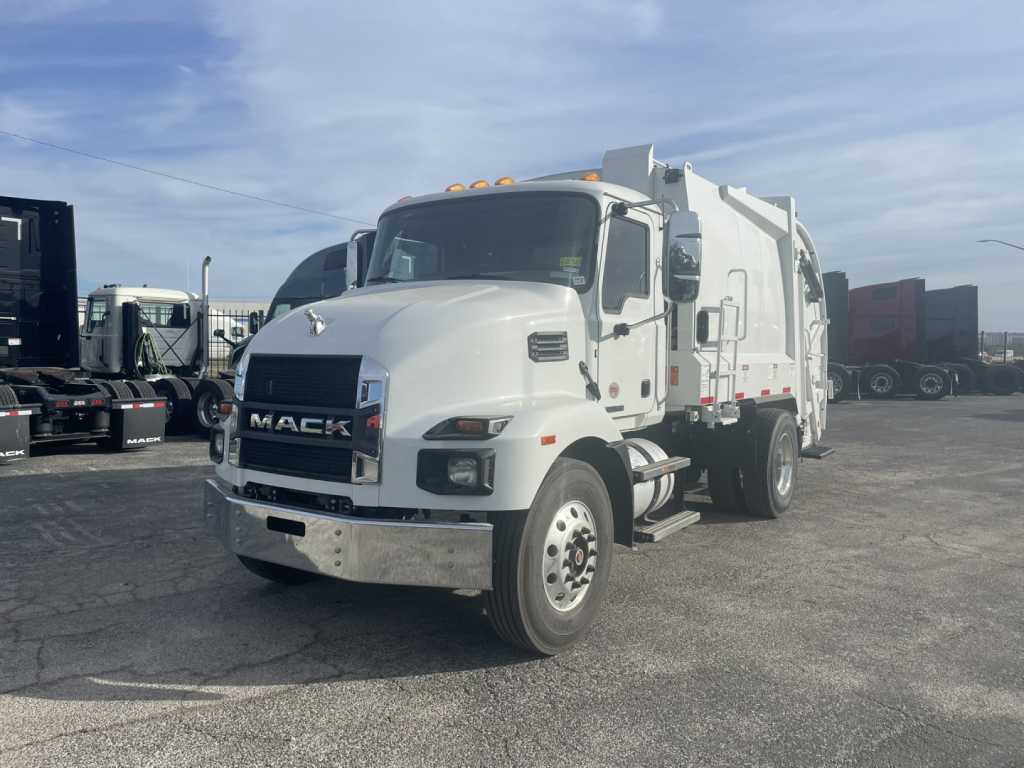
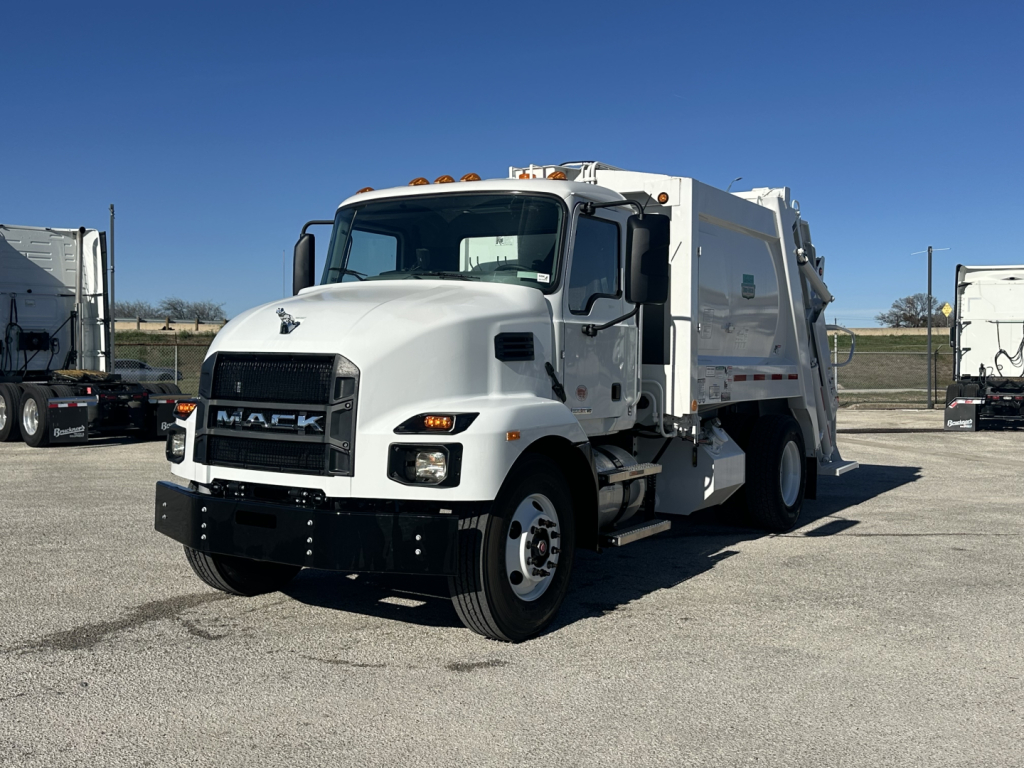
Selling a mack refuse rear load truck? List your mack refuse rear load truck for sale and reach thousands of commercial buyers.
Mack Refuse Rear Load Trucks
Body size and route density are the first decisions to make. Rear load refuse trucks in this class are often equipped with 11-yard to 12-yard packer bodies for residential, park, campus, and light commercial collection. A shorter wheelbase can improve maneuverability in alleys, tight subdivisions, and urban service areas, while a longer wheelbase may better support body placement, lifter geometry, and payload distribution. Buyers should compare GVWR, front and rear axle ratings, rear axle ratio, and suspension type to make sure the chassis can handle repeated compaction cycles and frequent starts under load. Multi-leaf spring rear suspensions, deep rear ratios such as 5.57, and drum brakes are common on vocational specs built for low-speed route work.
The rear loader body and hopper equipment have a major impact on productivity. Common upfit features include tuckaway lifters, cart tippers, winch systems, street-side throttle advance, live PTO operation, hopper work lights, backup cameras, and tailgate open or reverse alarms. If the truck will handle residential cart service, confirm the lifter type, cycle speed, and container compatibility. For hand-load or mixed-route applications, look closely at hopper height, packer panel design, access door layout, and visibility around the tailgate area. Safety equipment such as LED warning lights, conspicuity tape, strobe packages, and in-cab body controls should be evaluated as part of the spec, not as afterthoughts.
A Mack rear load refuse truck should also be judged on serviceability and route fit. Allison RDS transmissions are popular here because they simplify training and hold up well in constant stop-start operation. Engine brake availability, differential lock, axle capacity, and wheel and tire choices can all affect uptime in wet transfer stations, steep neighborhoods, or winter municipal use. Buyers comparing listings should pay attention to how the chassis and body are matched, because the best rear loader spec is the one that balances compaction performance, legal payload, turning radius, and operator efficiency for the exact route profile.
Frequently Asked Questions about Mack Refuse Rear Load Trucks
What is the typical use for a Mack rear load refuse truck?
A Mack rear load refuse truck is typically used for residential waste collection, park and campus routes, small commercial stops, and municipal sanitation work. Rear loaders are especially effective on routes that involve manual loading, cart tipping, or a mix of bagged trash and containers. They are valued for their compact overall footprint, strong packer performance, and the ability to work efficiently in tighter service areas than many larger side loader setups.
What Mack models are commonly used for rear loader refuse applications?
Mack MD6 and MD7 chassis are common choices in this category. These models are well suited for medium-duty and vocational refuse work where a single-axle truck with a rear packer body is the right fit. Buyers will often find them paired with Cummins ISB 6.7L diesel engines and Allison automatic transmissions, along with axle and suspension specs chosen to support repeated stop-and-go service and PTO body operation.
How do I choose the right body size on a rear load refuse truck?
The right body size depends on route density, waste type, legal weight limits, and available unloading intervals. An 11-yard or 12-yard rear loader can be a practical fit for municipal routes, private hauling, and smaller collection zones where maneuverability matters. A buyer should match body capacity to axle ratings, wheelbase, and compaction demands so the truck can carry a productive load without becoming overweight before the route is complete.
Why are Allison RDS automatic transmissions common in rear load refuse trucks?
Allison RDS automatics are common because rear load refuse work involves constant starts, stops, reversing, and PTO-related body operation. An automatic transmission reduces driver fatigue, simplifies training, and generally performs well in low-speed vocational duty cycles. In refuse service, that ease of operation can improve route consistency and help reduce wear associated with constant clutching or shifting in dense neighborhoods.
What features should I look for on a Mack refuse rear loader body?
Important body features include the lifter or tipper setup, hopper capacity, packer cycle performance, PTO controls, backup camera systems, tailgate alarms, work lighting, and visibility around the rear loading area. Buyers should also confirm whether the truck has street-side controls, strobe lighting, a winch kit, access doors, and container handling equipment that matches the waste stream. The body spec should support the route’s loading method and safety requirements just as much as the chassis spec supports payload and durability.