
Refuse Rear Load Trucks For Sale
Compare refuse rear load trucks with 20-32 yd bodies, high-compaction packers, 4x2 or 6x4 chassis, diesel or CNG, cart tippers, and low-entry options.
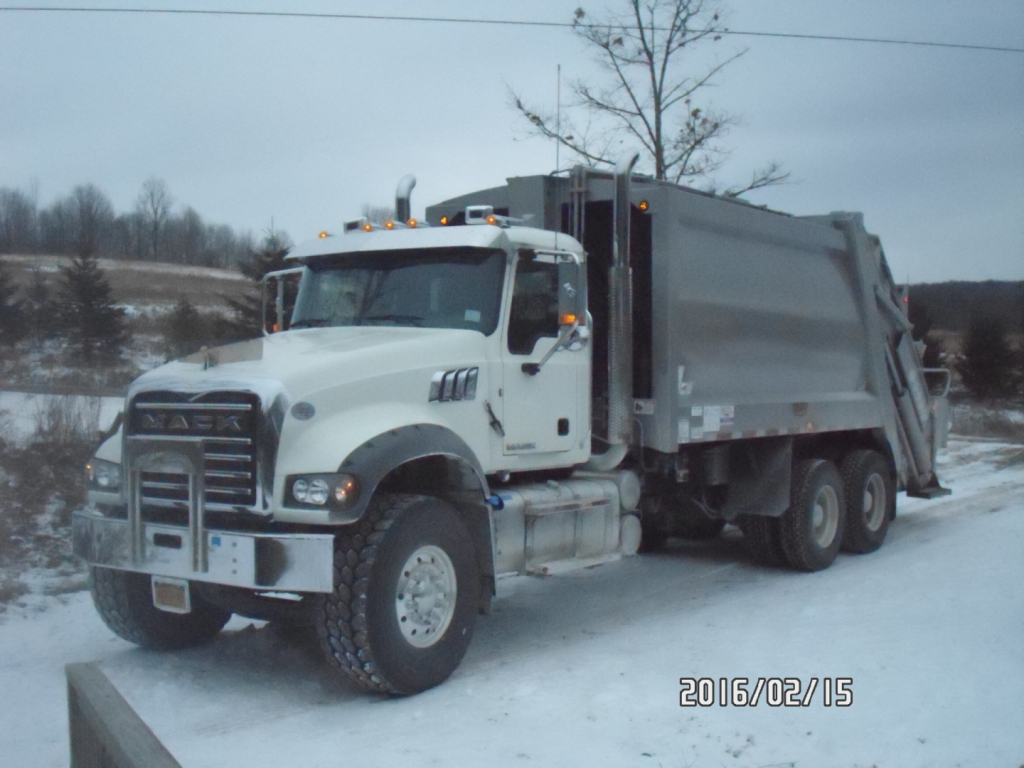
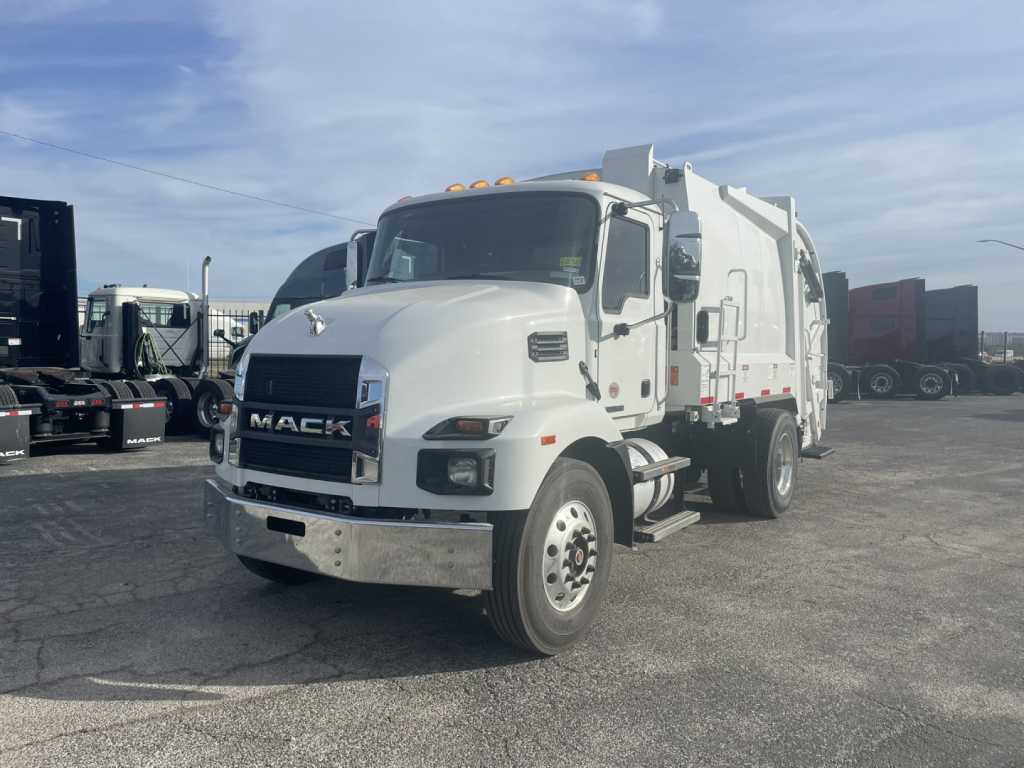
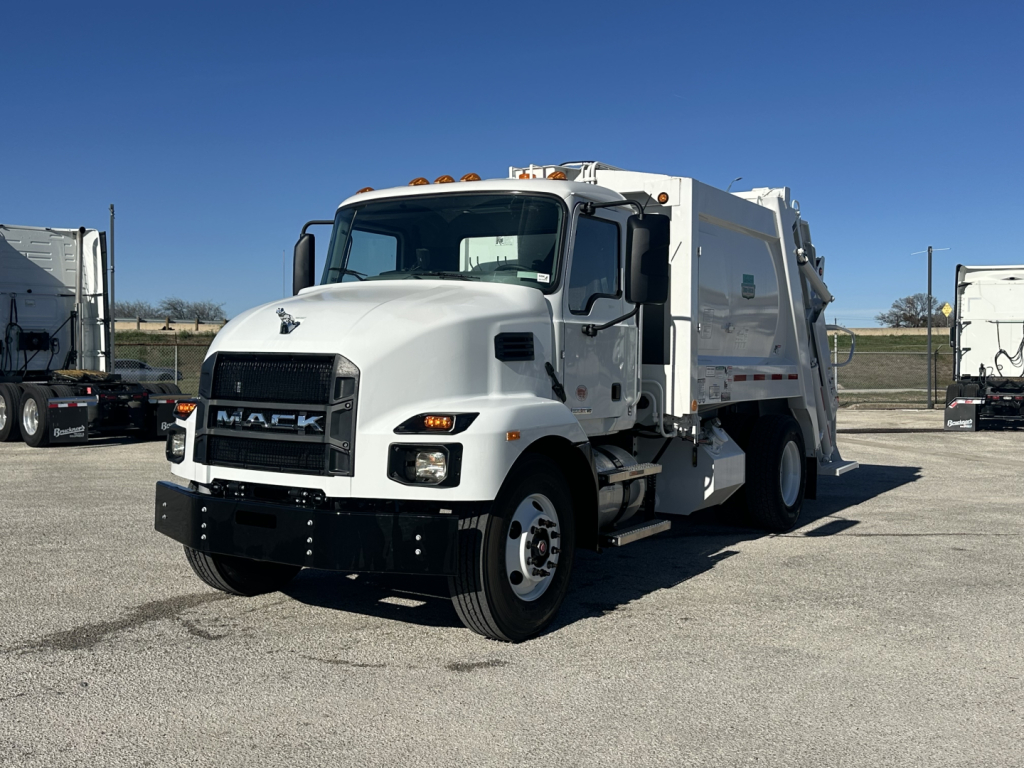
Selling a refuse rear load truck? List your refuse rear load truck for sale and reach thousands of commercial buyers.
Refuse Rear Load Trucks
Chassis selection sets payload, maneuverability, and crew ergonomics. A 4x2 at 33,000 to 37,000 GVWR is agile for alley work and tight cul-de-sacs, while a 6x4 at 54,000 to 66,000 GVWR carries heavier commercial waste and construction debris with better weight distribution. Popular powertrains pair a Cummins L9 or PACCAR PX-9 with an Allison 3000 or 3500 RDS and hot-shift PTO for packer hydraulics. Low-entry cabs from Mack LR, Autocar ACX, and Peterbilt 520 reduce step height and improve curbside visibility, though conventional cabs like Freightliner M2, International HV, and Kenworth T4 series remain common. Wheelbase and axle spacing should balance bridge law compliance with turning radius, and suspension choices like Hendrickson walking beam or heavy air ride affect stability at the landfill face.
Rear loaders focus on versatility at the tailgate. Look for hopper sill height that favors manual loading, dual cart tippers that accept common ANSI compliant carts, kick-bar or winch options for bulky items, and packer cycle times in the 12 to 18 second range for route productivity. Hydraulics with appropriate pump flow and cooling keep cycle speed consistent in hot weather. Body construction with AR steel floors and packer wear plates, scuff liners, drip rails, and tight tailgate seals minimizes corrosion and leachate issues. Safety and uptime features such as interlocks, e-stop switches, rear and hopper cameras, LED work lights, auto lube, and onboard scales or telematics streamline daily operations and compliance with ANSI Z245 standards.
Match the spec to material stream and region. Yard waste and bulky pickups push you toward heavier duty bodies and 6x4 chassis, dense residential routes reward fast-cycle packers and low-entry cabs. Diesel remains the simplest nationwide, while CNG reduces noise and emissions for municipal contracts, with roof or behind-cab tanks typically 60 to 90 DGE and added weight to plan around. In emissions-restricted areas, verify CARB compliance and aftertreatment history. For used units, prioritize body hours and packer cycle counts over odometer miles, then inspect pins and bushings, tailgate seals, cylinder rods, hopper and trough wear, frame corrosion, hydraulic leaks, and CNG tank certification dates. Choosing the right blend of body capacity, compaction, chassis configuration, and crew ergonomics drives route productivity and cost per stop.
Also known as: Rear Loader Garbage Truck, Rear Load Packer Truck, Rear Loader Trash Truck
Frequently Asked Questions about Refuse Rear Load Trucks
What body size is best for my rear loader route?
Urban routes with frequent dumps and short transfer hauls typically run 20 to 25 yd bodies for maneuverability and quick turnaround. Suburban or rural routes with longer distances to the transfer station often benefit from 27 to 32 yd bodies to reduce trips. If the waste stream is dense and compactable, prioritize higher compaction. If it is bulky, choose a body that favors faster cycle speed and hopper volume over extreme compaction.
Should I choose a 4x2 or 6x4 chassis for a rear load truck?
A 4x2 offers a tighter turning radius and lower tare weight, making it ideal for narrow alleys and dense residential routes. A 6x4 adds traction, stability, and legal payload capacity for heavier commercial service, construction debris, or hilly terrain. Balance the choice with local bridge laws, expected payload, and the container sizes you service. Many fleets standardize on 6x4 for flexibility, then spec shorter wheelbases for urban work.
What matters more on used rear loaders, miles or hours?
Body hours and packer cycle counts are the better indicators of wear. Rear loaders spend significant time idling and compacting, so odometer miles understate utilization. Inspect packer blade wear, pins and bushings, tailgate seals, hopper and trough plating, hydraulic hoses and cylinders, and chassis frame rails for rust. Review aftertreatment service history on diesel units and tank certification dates on CNG trucks.
Is CNG a good choice for refuse rear load trucks?
CNG can lower fuel cost, reduce noise, and help meet municipal emissions targets. It adds weight and requires certified tank inspections, and range depends on DGE capacity and route profile. Availability of fueling infrastructure and technician expertise are key. Diesel remains simpler to deploy in mixed fleets and remote areas, while CNG shines in city contracts with central fueling and predictable routes.
Which features improve crew safety and productivity on rear loaders?
Low-entry cabs or driver assist steps reduce fatigue, while dual cart tippers speed residential service. Rear and hopper cameras, bright LED work lights, backup alarms, and strobes improve visibility. Auto lube systems cut maintenance time and extend bushing life. Robust tailgate seals, drip rails, and liners control leachate and corrosion. Confirm that ANSI-compliant interlocks and e-stops function correctly during inspection.