
Mack Trucks For Sale in Pennsylvania
Browse Mack trucks for sale in Pennsylvania, including Anthem, Pinnacle, dump, day cab, and cab & chassis models for highway and vocational work.


Selling a mack truck? List your mack truck for sale and reach thousands of commercial buyers.
Mack Trucks in Pennsylvania
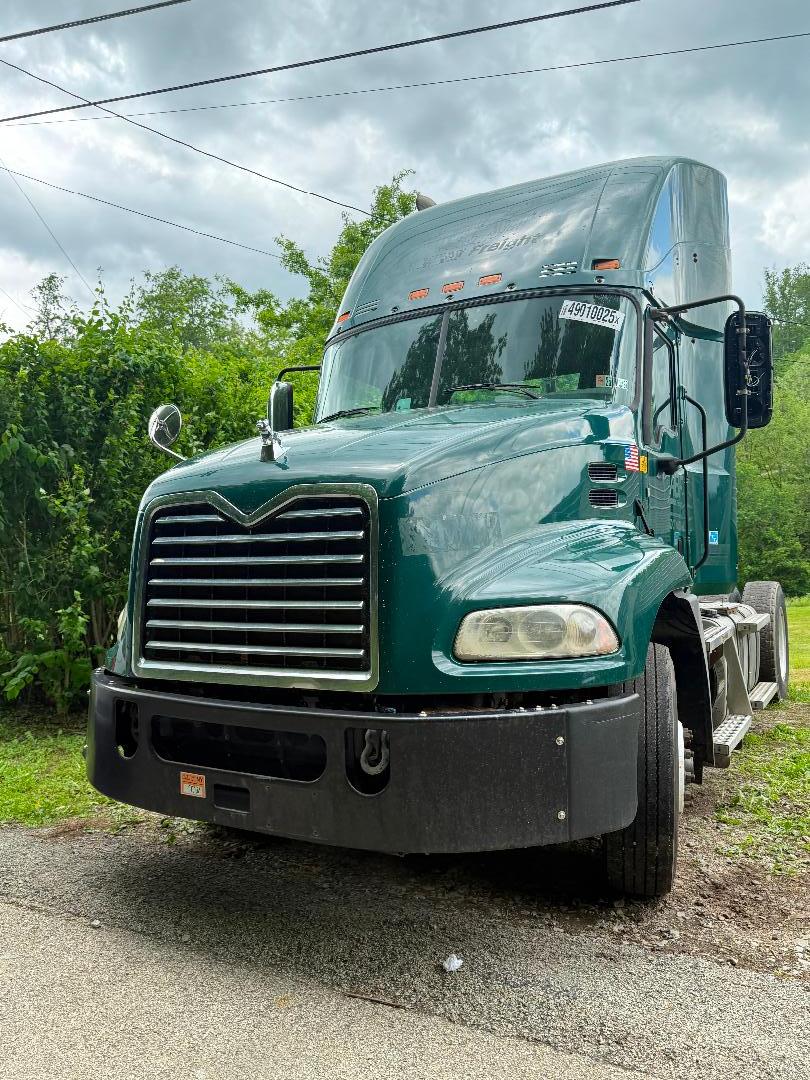
For highway use, the most common Mack trucks on the used market are conventional day cabs and sleepers with MP7 or MP8 diesel engines, manual or automated transmissions, and tandem rear axles rated around 38,000 to 40,000 pounds. Buyers comparing Anthem or Pinnacle models should pay close attention to horsepower, rear axle ratio, wheelbase, suspension type, and fifth wheel setup. A 3.08 ratio with a 10-speed may make sense for fuel-conscious regional service, while a different gearing package may be better for heavier loads or steeper terrain. Day cabs are common in Pennsylvania freight lanes where port, warehouse, steel, aggregate, and short regional runs favor maneuverability over sleeper space.
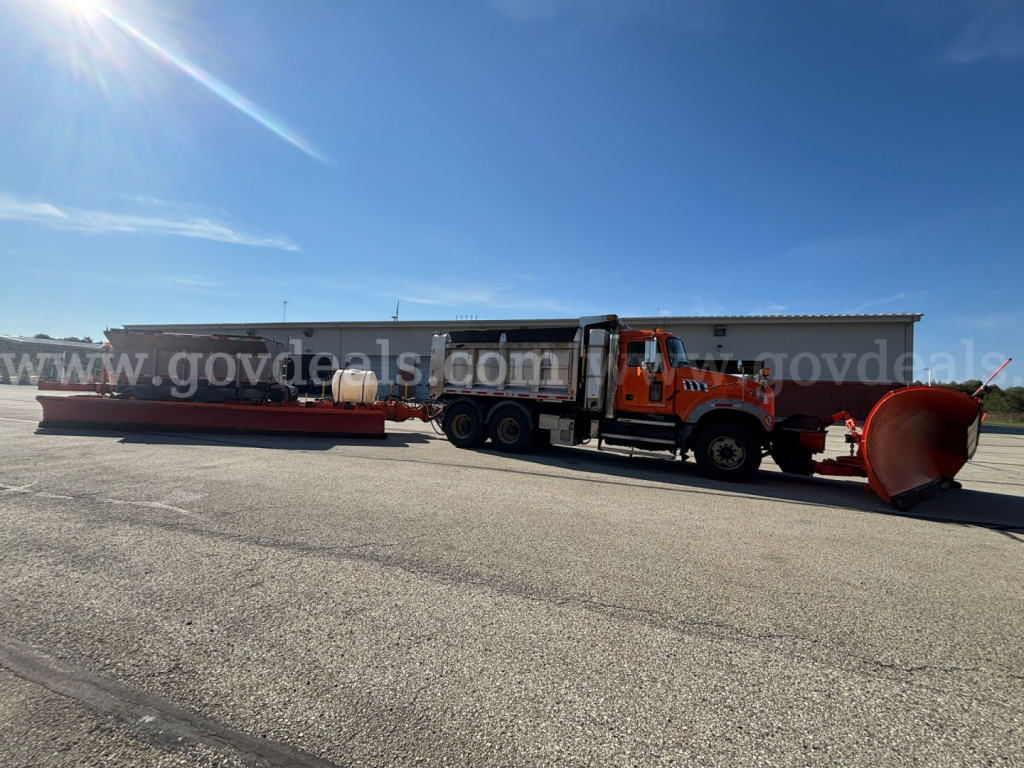
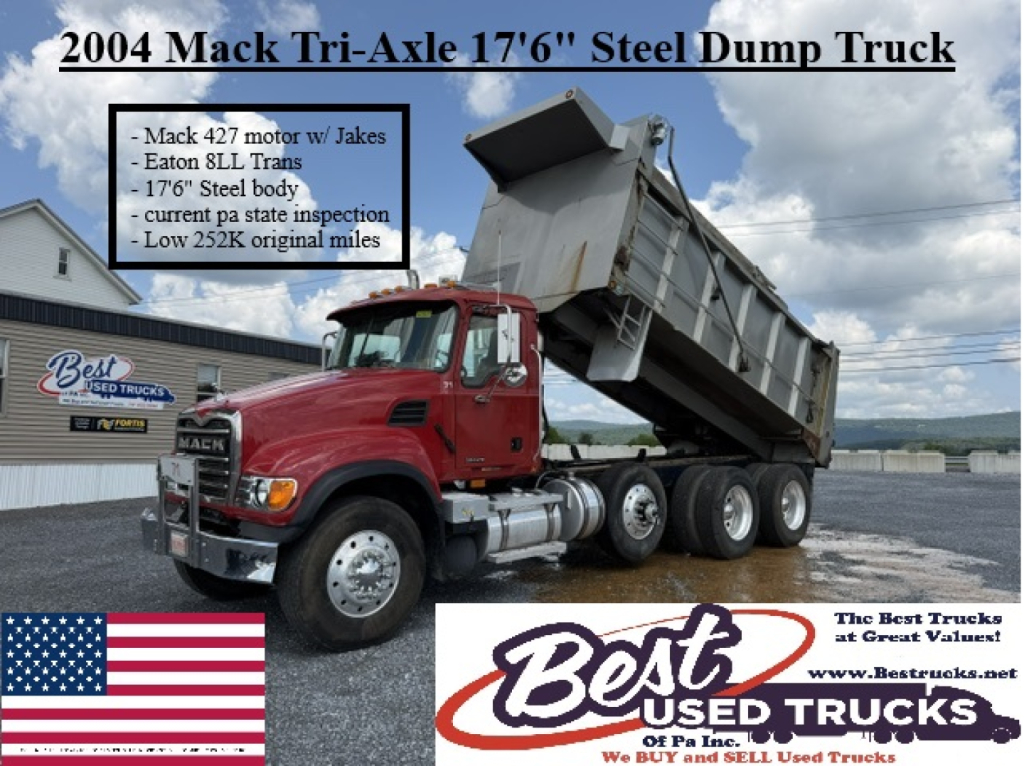
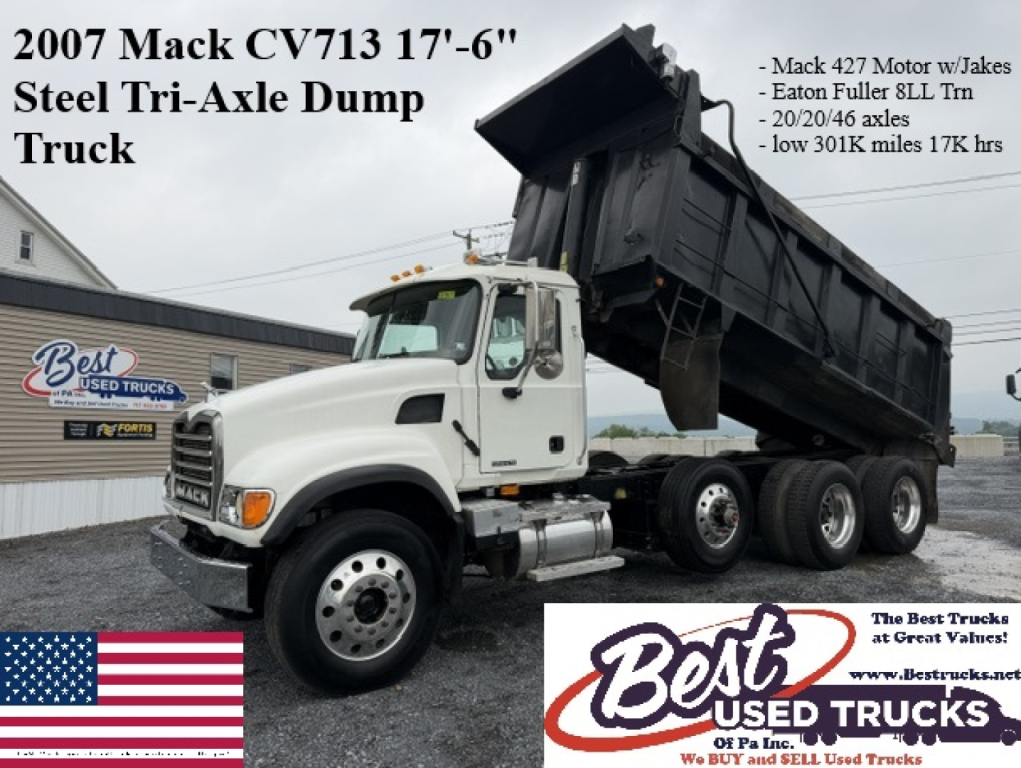
On the vocational side, Mack is especially well known for dump truck and severe-service applications. Older single axle dumps and cab and chassis trucks are still sought after because Mack frames, suspensions, and vocational drivetrains were built with jobsite use in mind. Buyers should look beyond engine hours and odometer readings and focus on the truck's actual vocation history. Frame condition, hoist or body mounting integrity, suspension wear, steer axle condition, PTO operation, and signs of hard off-road use often tell more than the badge or model year. In Pennsylvania, corrosion is also a real buying factor, so it is smart to inspect cab mounts, crossmembers, brake components, wiring, and the underside for rust from winter road treatment.
A good Mack truck purchase comes down to matching the spec to the work. For a road tractor, review engine brake performance, transmission operation, axle ratings, and maintenance records for emissions, cooling, and suspension systems. For a dump or cab and chassis, verify body compatibility, wheelbase, front axle capacity, and whether the truck has the gearing and frame strength for the intended payload. Mack trucks are also known as conventional tractors, day cabs, highway tractors, dump trucks, and cab and chassis trucks depending on configuration. Buyers who compare specs carefully usually end up with a truck that is easier to keep productive and better suited to the route, terrain, and body application.
Frequently Asked Questions about Mack Trucks in Pennsylvania
What are the most common Mack truck models buyers look for on the used market?
The most common used Mack truck models include the Anthem and Pinnacle for highway service, along with vocational configurations such as dump trucks and cab and chassis units. Anthem trucks are often spec'd for modern regional and over-the-road tractor work, while Pinnacle models remain popular in fleet and owner-operator applications. In vocational work, Mack dump trucks are widely recognized for heavy-duty chassis design, axle capacity, and durability in construction, municipal, and aggregate service.
What should I check first when buying a used Mack day cab or highway tractor?
Start with the engine, transmission, axle ratio, suspension, and wheelbase because those specs determine how well the truck fits the job. On a used Mack tractor, buyers should also review maintenance history, fault codes, clutch or transmission condition, engine brake operation, and emissions-related service records. Tire wear, driveline vibration, frame condition, and fifth wheel adjustment are also important because they can reveal alignment issues, neglected maintenance, or a mismatch between prior use and the truck's current intended application.
Are Mack trucks a good choice for dump and vocational work?
Yes. Mack has a strong reputation in dump and vocational service because many of its trucks were engineered for demanding chassis loads, rough jobsite conditions, and frequent stop-and-go work. Buyers should still verify the exact spec, including front axle rating, rear axle capacity, suspension type, PTO setup, frame condition, and any body or hoist installation details. A Mack badge alone does not confirm severe-service suitability, but properly spec'd Mack vocational trucks are widely respected in construction and municipal fleets.
What engine and drivetrain specs are common in used Mack trucks?
Used Mack trucks commonly feature MP7 or MP8 diesel engines, with horsepower ranging from medium-duty regional specs into heavier highway and vocational ratings. Transmissions may be manual, automated manual, or automatic depending on the truck's age and application. Tandem rears in the 38,000 to 40,000 pound range are common on highway tractors, while vocational trucks may vary more based on payload and body type. Buyers should compare horsepower, torque, rear axle ratio, transmission type, and suspension setup as one package rather than looking at any single spec by itself.
Why does Pennsylvania location matter when shopping for a used Mack truck?
Pennsylvania is a strong market for Mack trucks because the state supports a mix of construction, regional freight, industrial hauling, and municipal use. That also means truck condition can vary widely based on prior service. A Pennsylvania truck may have the right gearing and axle setup for hills, short hauls, or heavy regional work, but buyers should inspect carefully for corrosion from winter road salt, especially on frames, crossmembers, brake hardware, wiring, and cab supports. Regional history matters just as much as mileage when evaluating a used truck in this market.