
Dump Trucks For Sale
Browse dump trucks for hauling gravel, dirt, asphalt, debris, and snow. Compare body sizes, axle setups, GVWR, PTO hydraulics, and specs.
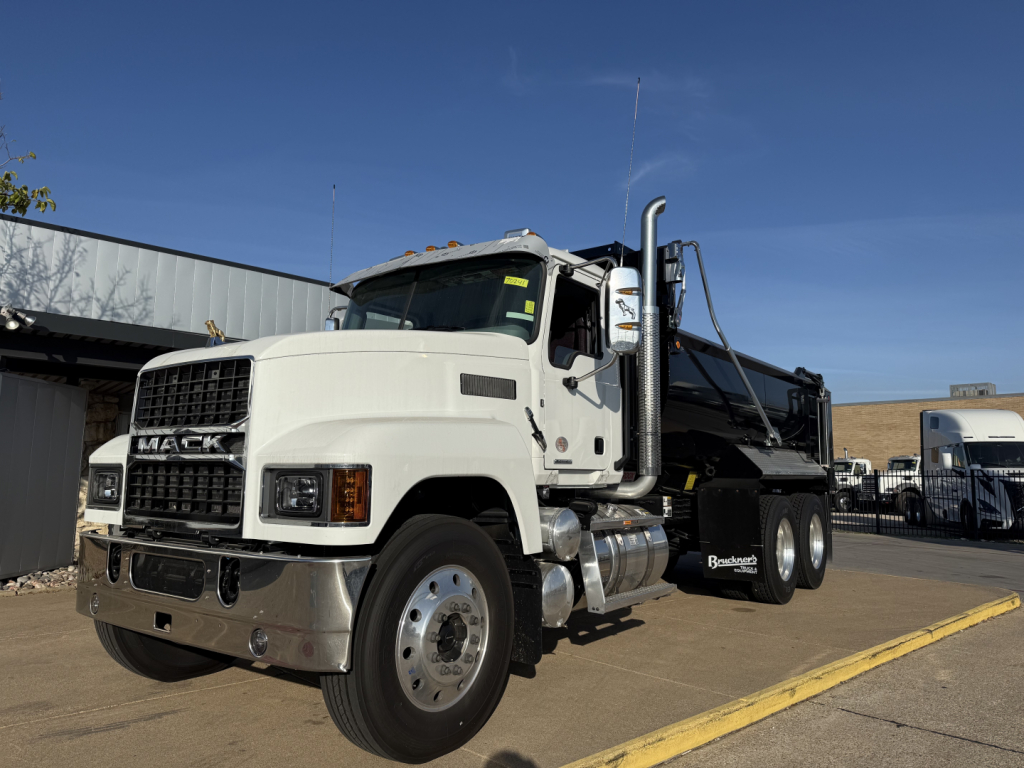
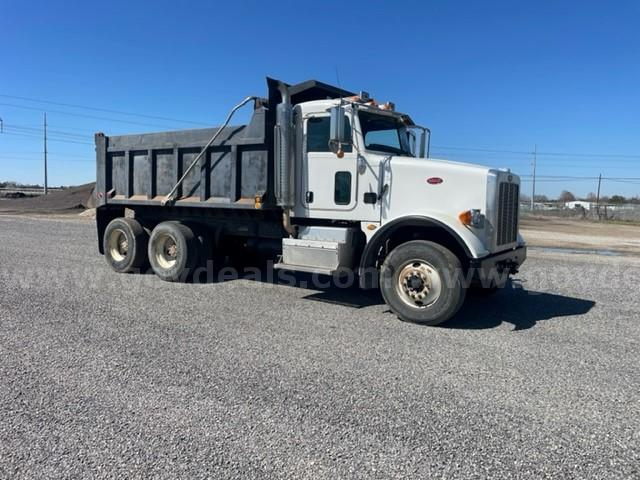
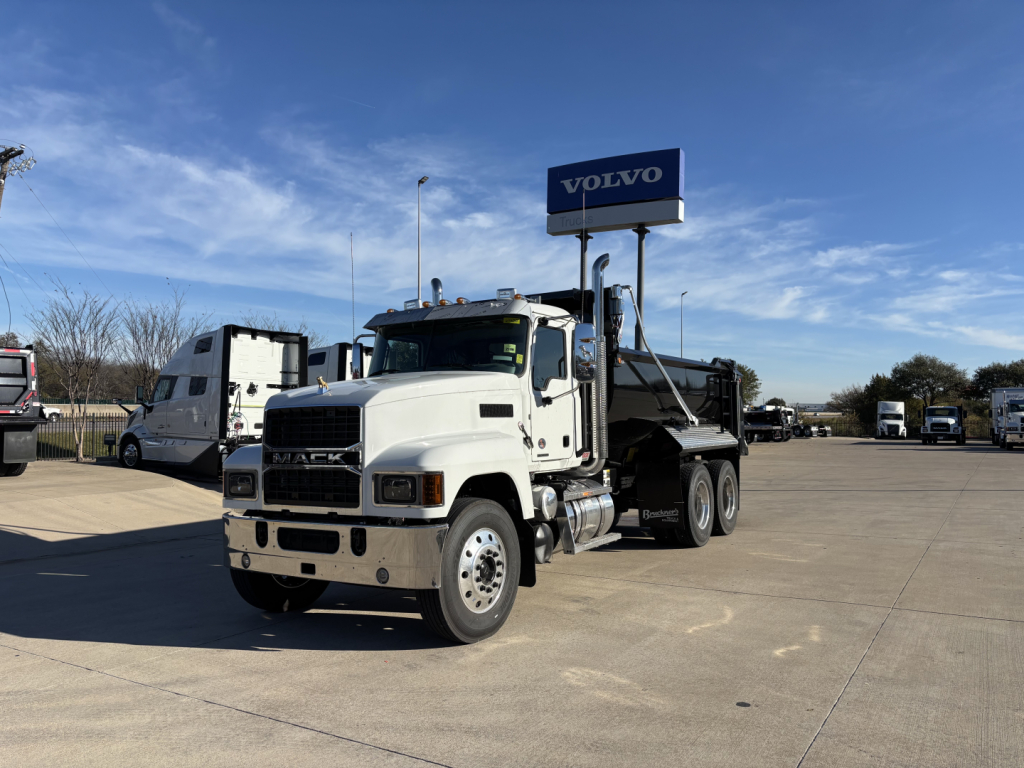
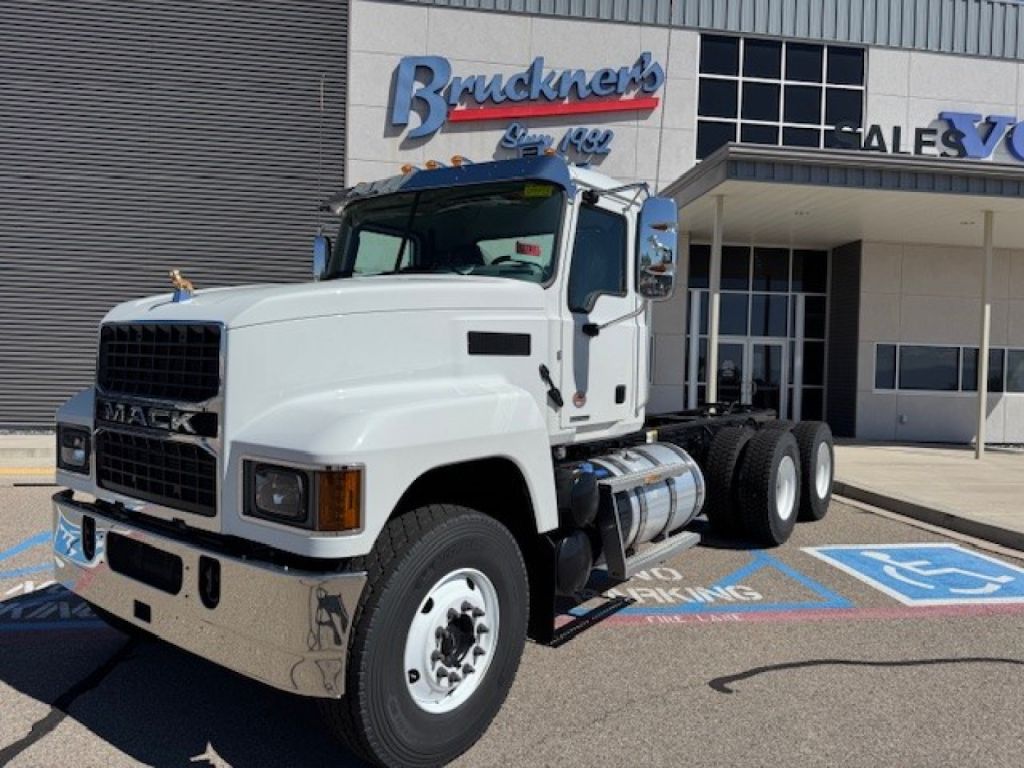
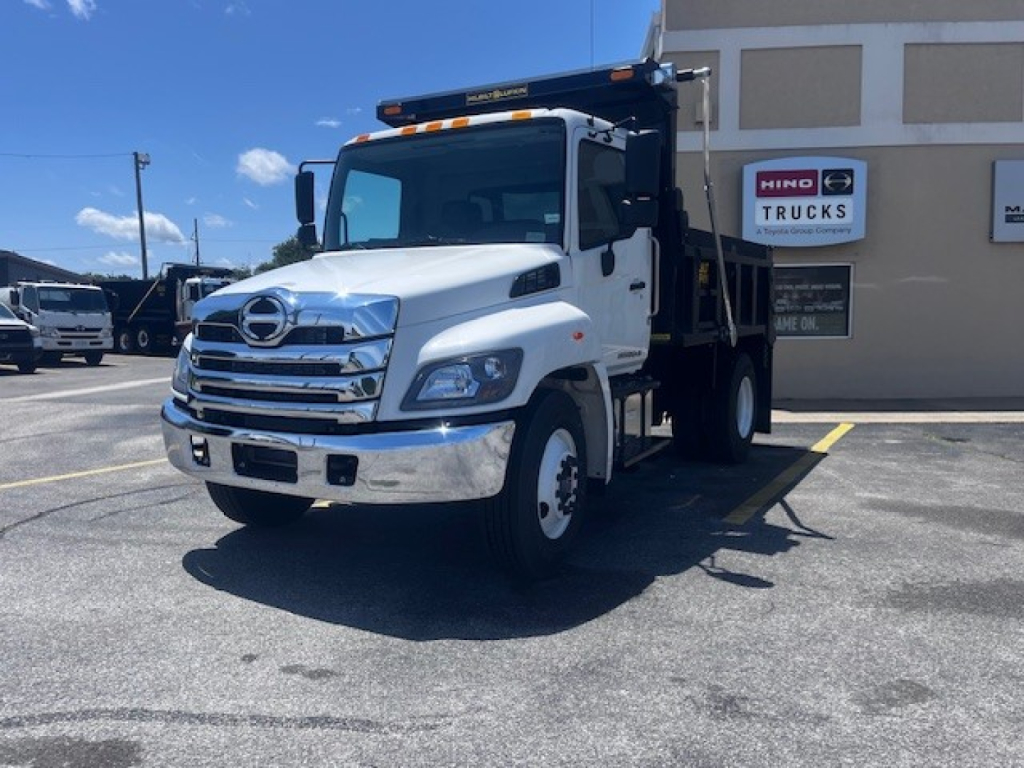
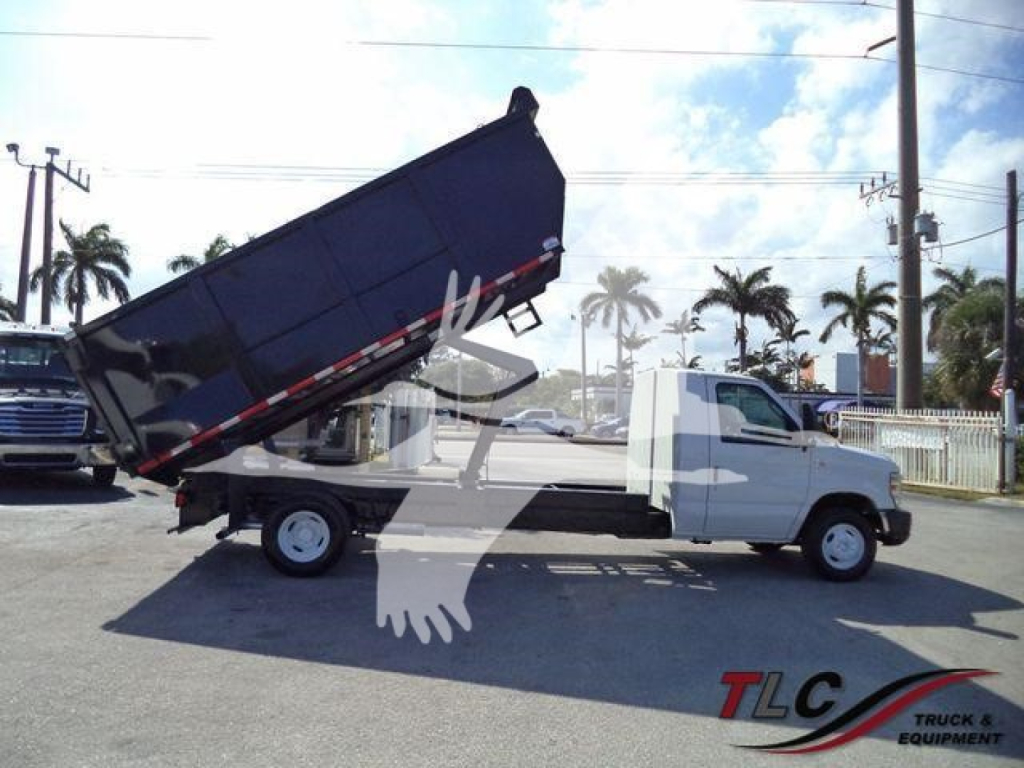
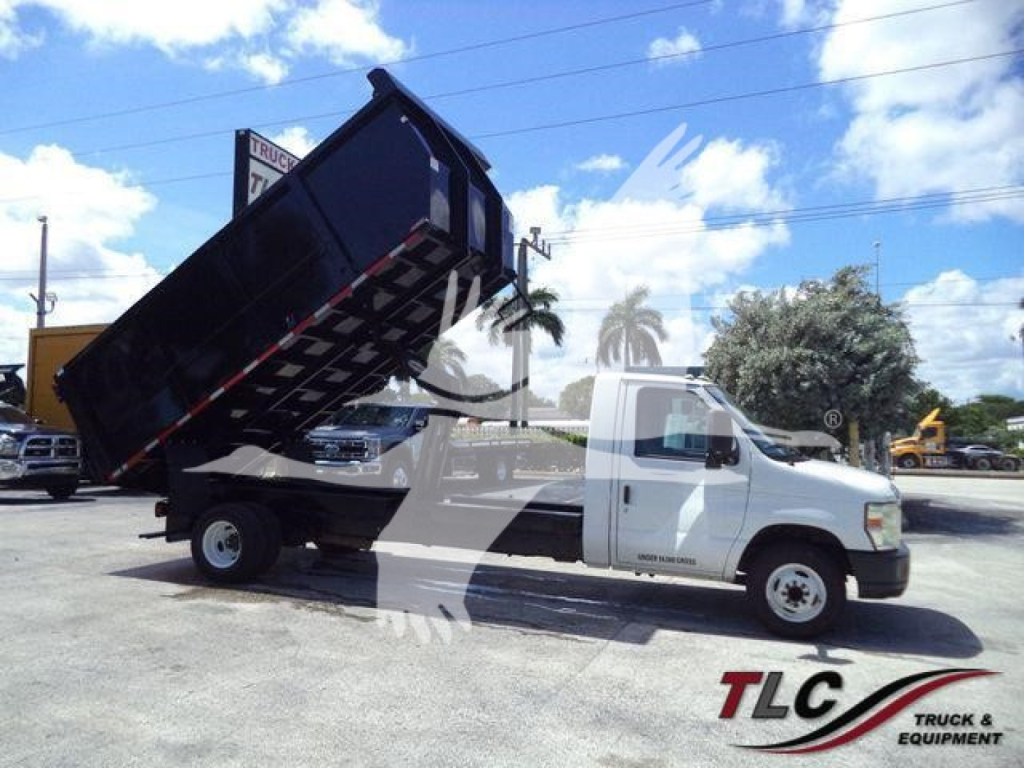
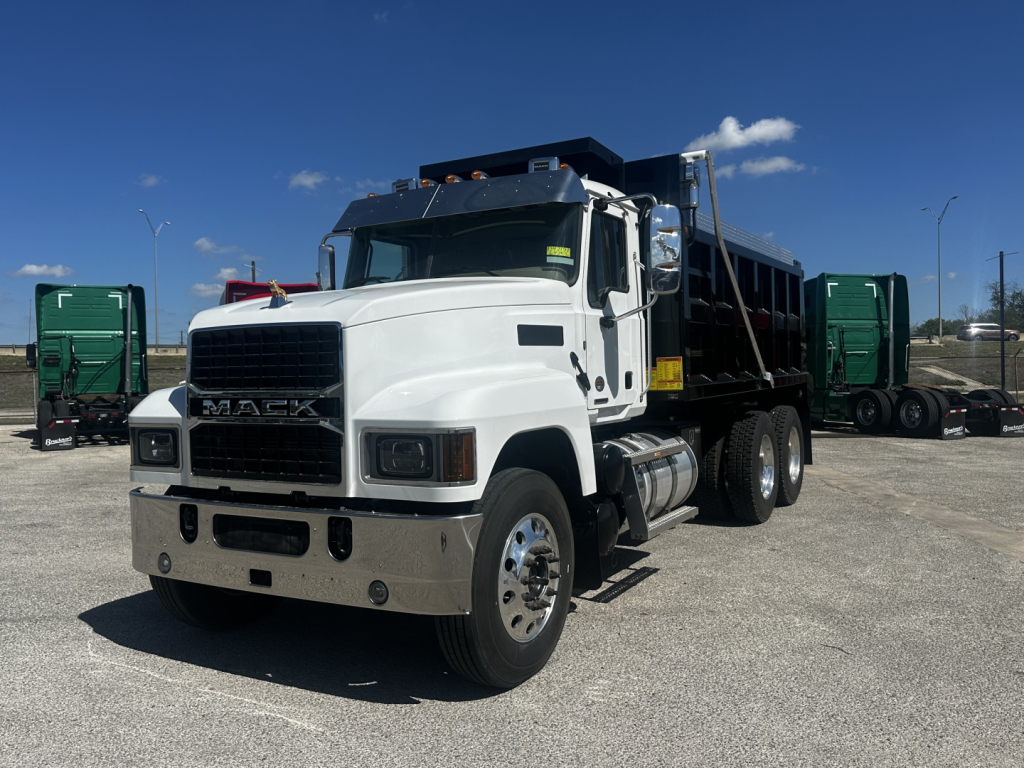
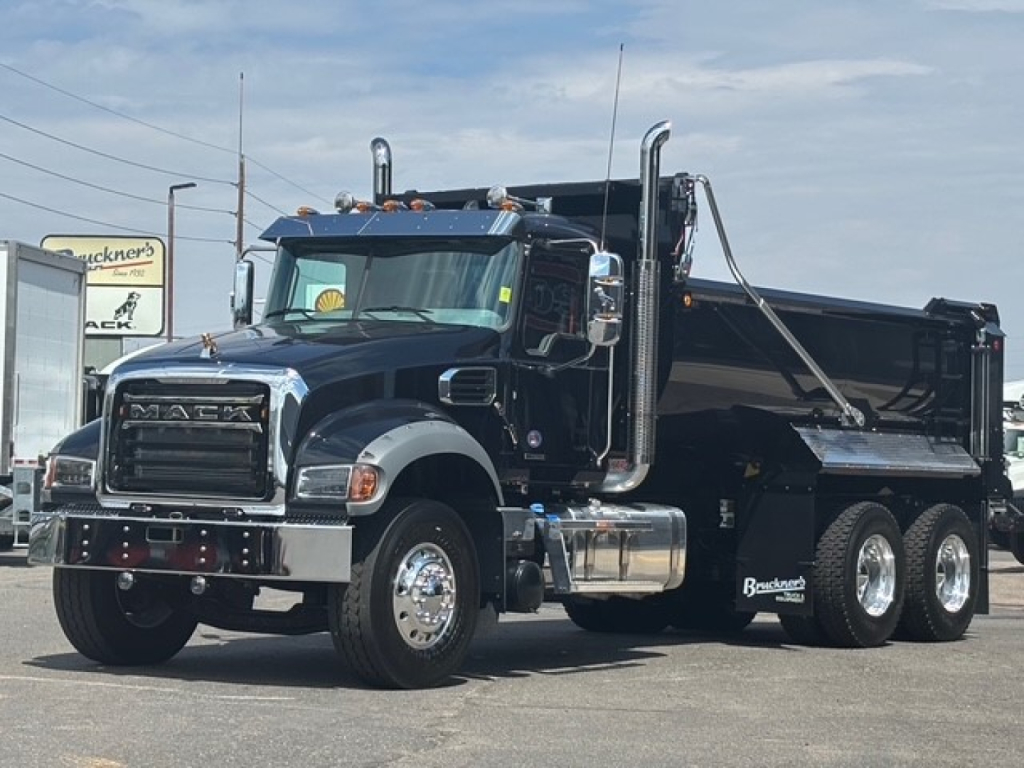
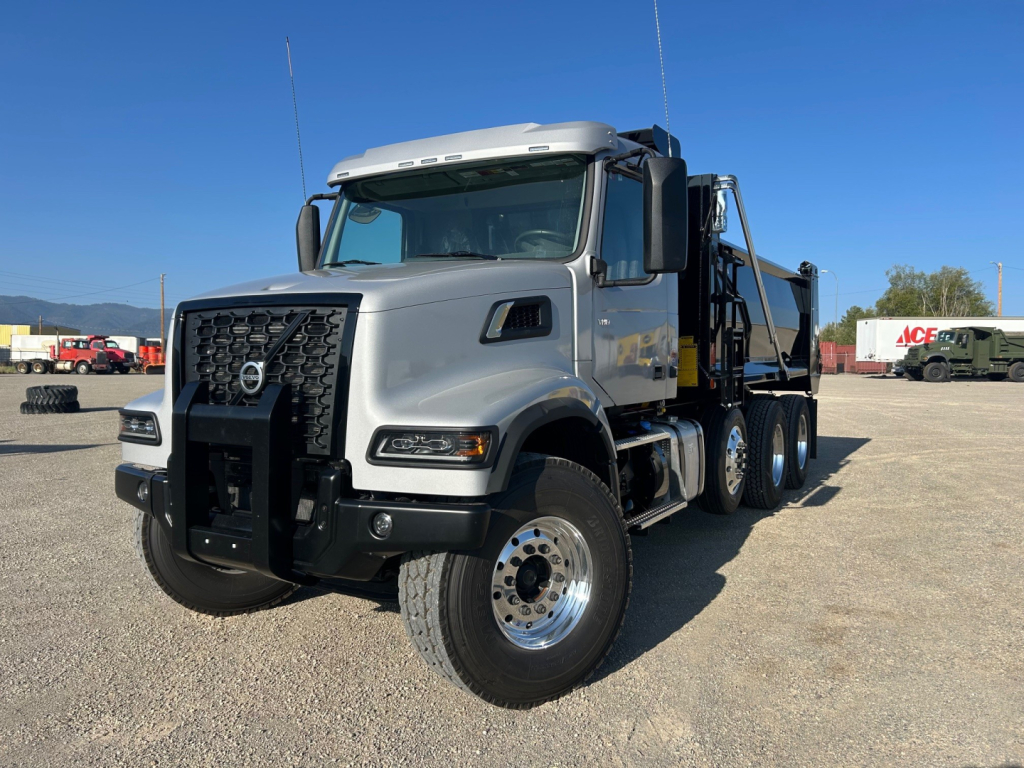
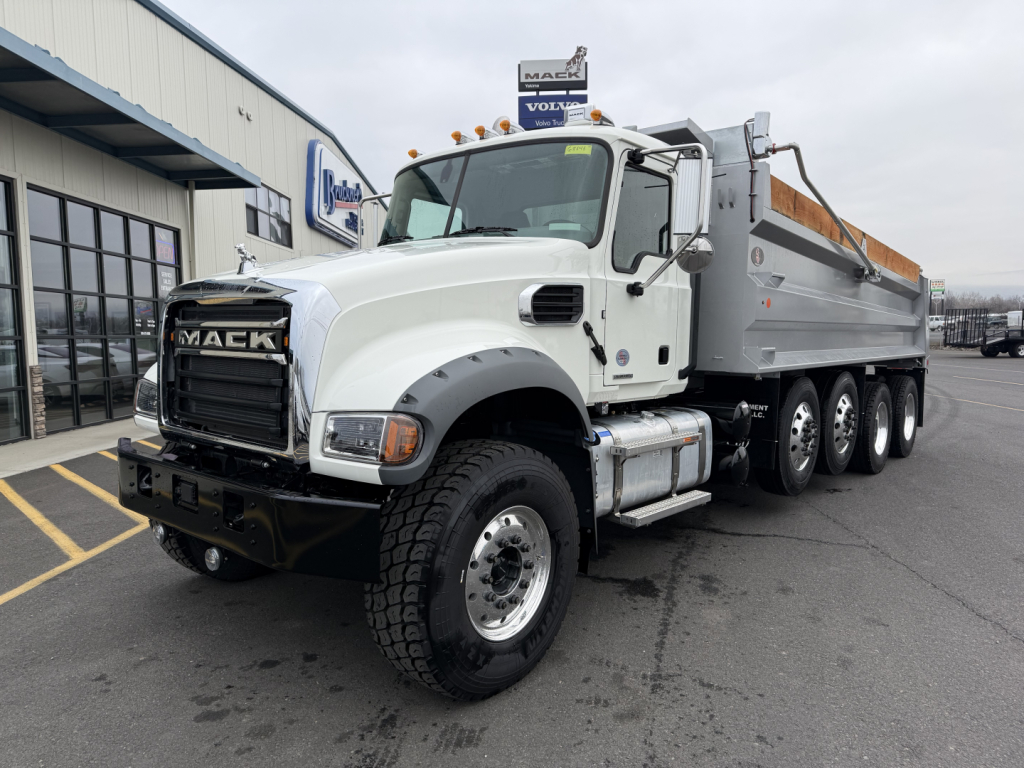
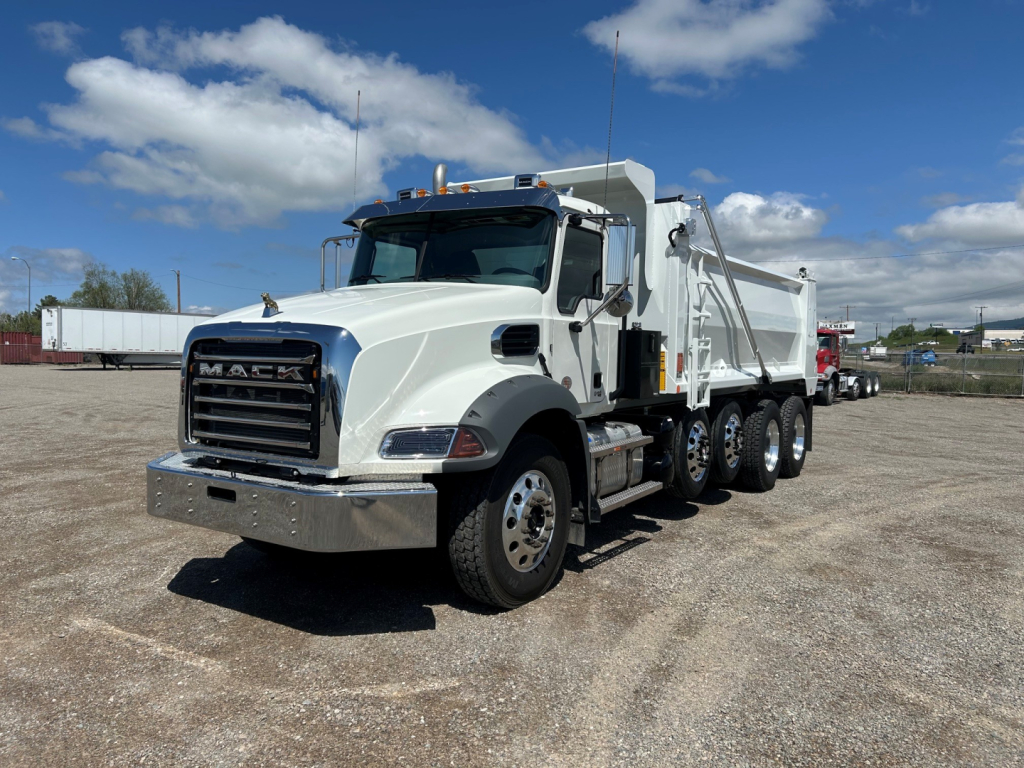
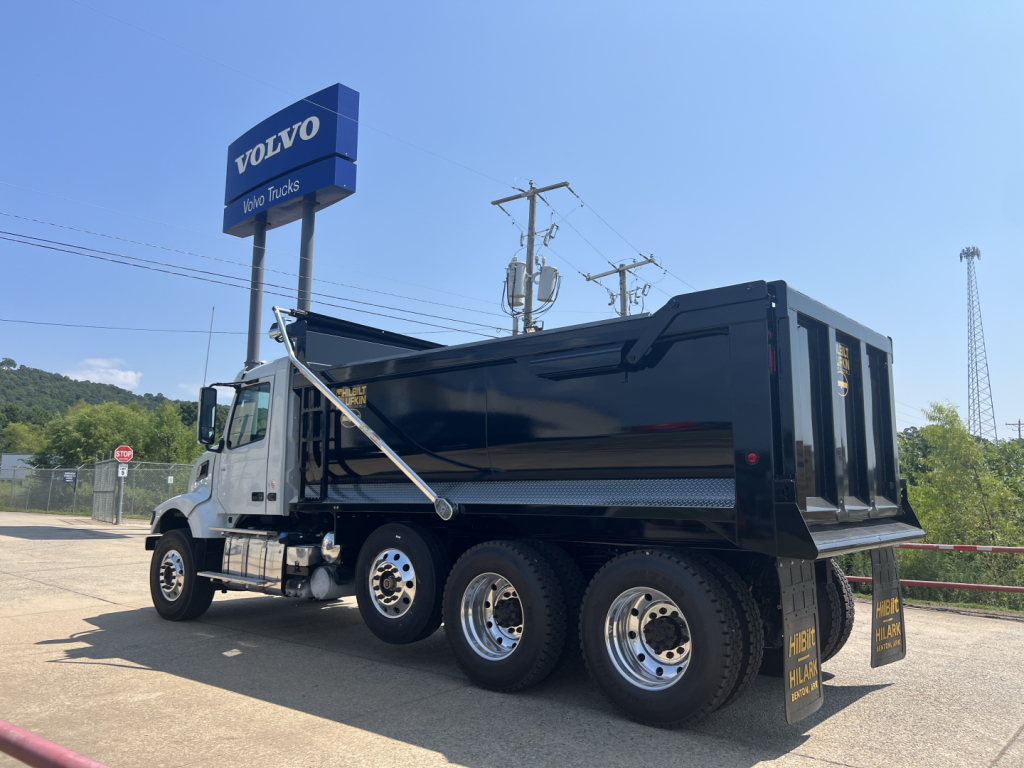
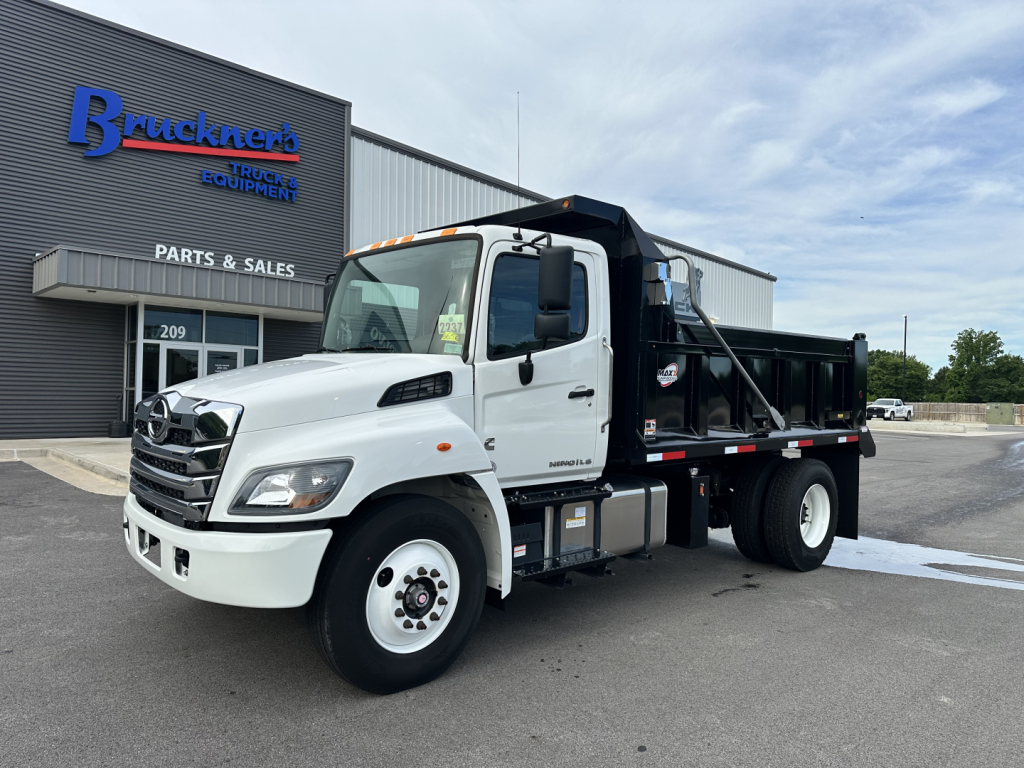
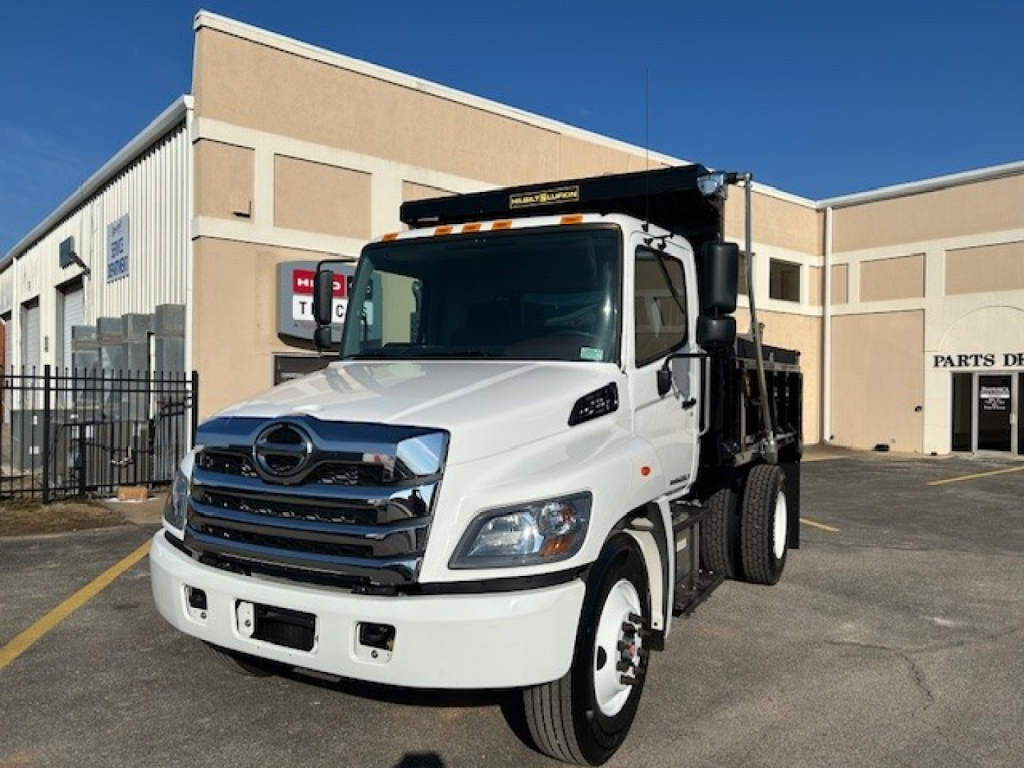
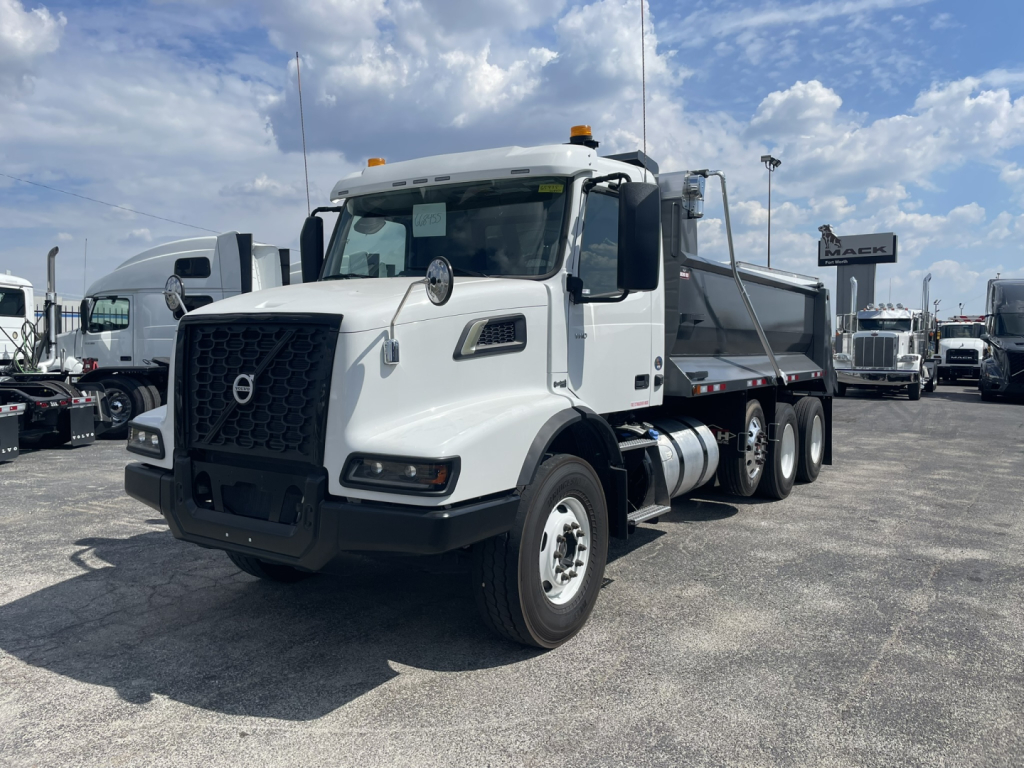


Showing 145 to 168 of 322 results
Have dump truck to sell? List it here to reach thousands of buyers.
Dump Trucks
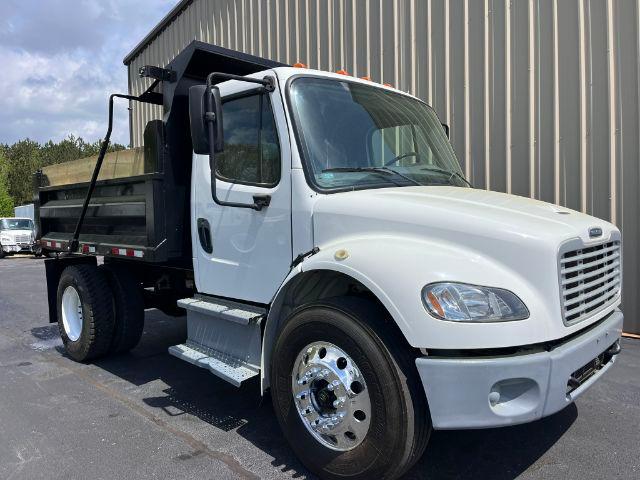
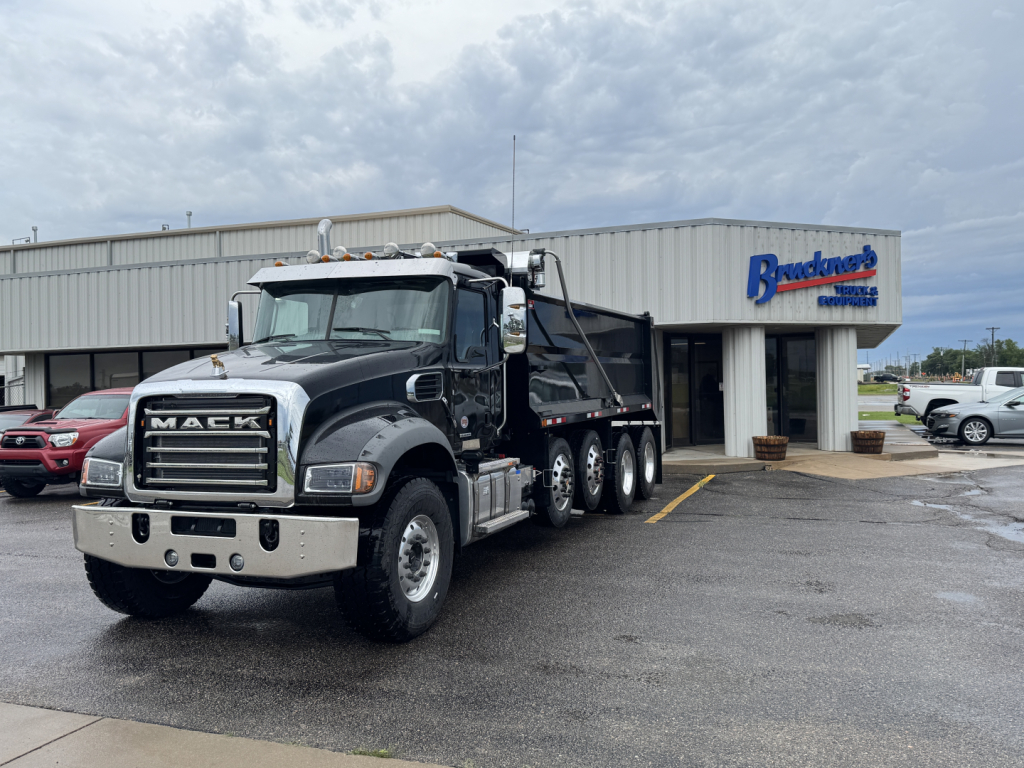
One of the biggest buying decisions is truck class. A Ford F-450, F-550, or E-450 style dump is often used by landscapers, hardscape crews, utility contractors, and municipal departments that need maneuverability, easier CDL compliance in some applications, and the ability to tow compact equipment. Medium-duty models such as Freightliner M2, International MV, or similar platforms step up payload and durability for more frequent cycle work. Heavy vocational units like a Western Star 47X, Mack Granite, or Kenworth T880 are designed for severe-duty service with tandem axles, heavier frame rails, higher horsepower and torque, and suspension options suited for off-road or mixed-surface jobs. If the truck will spend time in quarries, on paving crews, or under a loader every day, axle rating, frame spec, and transmission choice matter more than cab trim.
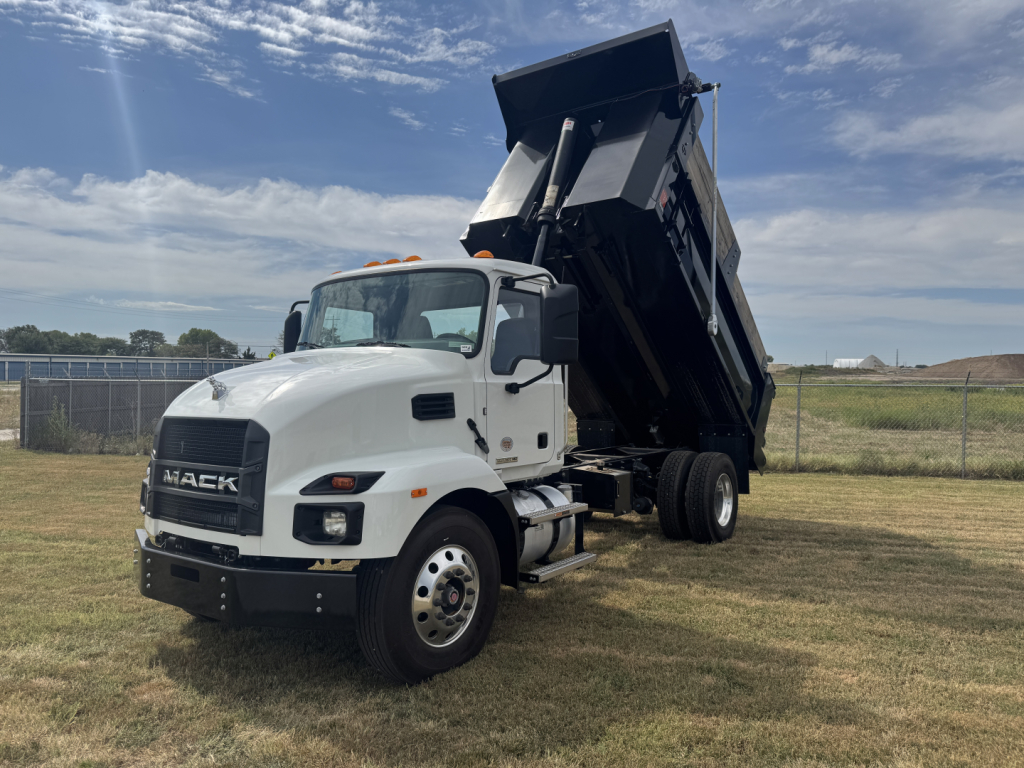
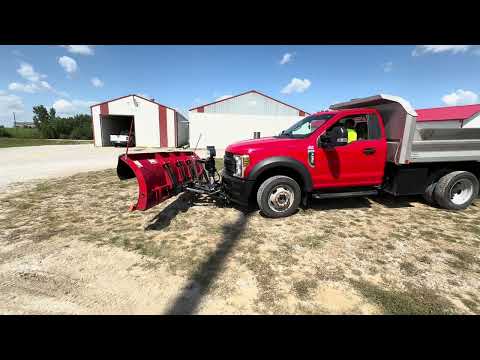
Body configuration deserves close attention. Common dump body lengths range from compact 9-foot municipal and contractor bodies up to 15-foot and larger landscape or trash dump bodies, with side heights varying widely depending on whether the truck is hauling stone, dirt, brush, or construction debris. Steel bodies handle abrasion and impact better for rock, concrete, and demo material, while aluminum can reduce tare weight where corrosion resistance and payload are priorities. Buyers should look at hoist type, floor thickness, side construction, crossmember spacing, tarp system, hitch setup, electric brake controller, and rear door design such as high-lift gate, barn door, or spreader gate. For winter service, many dump trucks are also spec'd with front plows, tailgate spreaders, central hydraulics, and in-cab controls, making them useful year-round in municipal and contractor fleets.
A good dump truck spec balances payload, durability, and turnaround speed. Check GVWR, front and rear GAWR, wheelbase, body capacity in cubic yards, PTO and hydraulic condition, brake type, tire condition, and signs of frame or hoist stress around hinge points and body mounts. On used units, service records, idle hours, corrosion around the cab and body, and evidence of prior overloading can tell you as much as the odometer. Buyers running short urban routes may prioritize visibility, turning radius, and automatic transmissions, while site and highway operators may focus on powertrain longevity, axle ratio, and legal bridge compliance. The best dump truck is the one matched to the material, route, and loading method it will actually see every day.
Frequently Asked Questions about Dump Trucks
What size dump truck is best for landscaping or light contractor work?
Light-duty and medium-duty dump trucks are usually the best fit for landscaping, tree service, hardscaping, and small construction crews. Common setups include 9-foot to 12-foot dump bodies on chassis such as Ford F-450, F-550, or similar cab chassis models. These trucks are easier to maneuver in neighborhoods and tighter jobsites, and they can often tow skid steers, mini excavators, or compact loaders. Buyers should match the truck to material density, because mulch, brush, topsoil, and gravel place very different demands on body volume and legal payload.
Should I choose a steel or aluminum dump body?
Steel dump bodies are generally preferred for abrasive, high-impact materials like rock, asphalt millings, broken concrete, and demolition debris because they resist denting and wear better. Aluminum bodies reduce empty weight and can improve available payload, which is valuable for lighter bulk materials and operations where corrosion resistance matters. The tradeoff is that aluminum is typically less suited to repeated impact loading from heavy aggregate. Body floor thickness, side reinforcement, and liner options are just as important as material when the truck will work under a loader every day.
What should I inspect on a used dump truck before buying?
Focus on the hoist, frame, and body before cosmetic details. Inspect hinge points, body mounts, hoist cylinders, hydraulic lines, PTO engagement, and the rear sill for cracks, rewelds, leaks, or distortion. Check the frame rails for corrosion, flaking, or signs of overloading, especially near suspension hangers and hoist mount areas. On the chassis side, review engine hours, idle hours, transmission operation, brake condition, tire wear, and service history. Uneven body lift, tailgate misalignment, and severe rust around the floor and crossmembers are common warning signs on vocational trucks.
Do I need a tandem-axle dump truck or will a single-axle work?
A single-axle dump truck works well for lighter payloads, tighter routes, and urban or residential work where maneuverability matters. Tandem-axle dump trucks are better suited for heavier legal payloads, harsher jobsite conditions, and repetitive hauling of stone, dirt, asphalt, or demolition material. The decision usually comes down to local weight laws, typical haul distance, loader size, and how much material must move per trip. If production volume is high and loads are dense, tandem axles usually provide the durability and carrying capacity needed for lower cost per ton moved.
Can a dump truck be used year-round for snow and municipal work?
Yes. Many dump trucks are spec'd as multi-season municipal units with front plows, underbody scrapers, tailgate spreaders, and central hydraulic systems. A dump body makes the truck useful after winter for hauling road patch, stone, brush, and debris, which helps justify ownership across more months of the year. Buyers considering snow service should verify front axle capacity, plow mount compatibility, hydraulic controls, electrical provisions, and corrosion condition, because winter use can accelerate wear on the chassis, body, and wiring.