
2021 Dump Trucks For Sale
Browse 2021 dump trucks for hauling gravel, asphalt, debris, and site material. Compare axle setups, body specs, PTO hydraulics, and drivetrains.
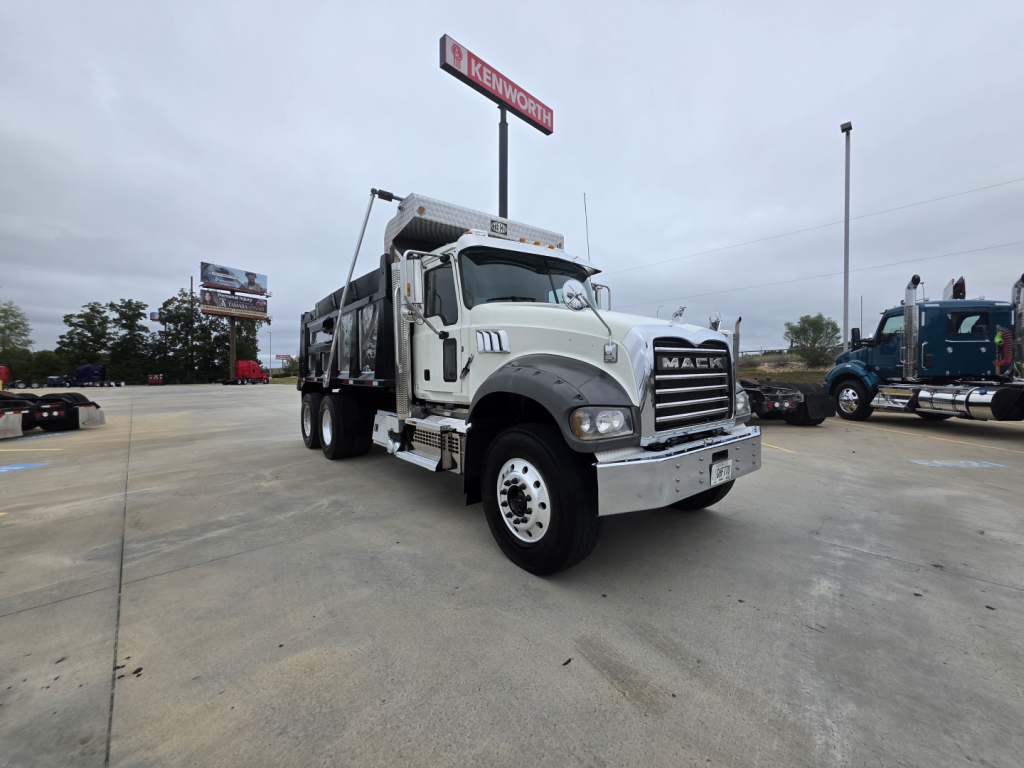
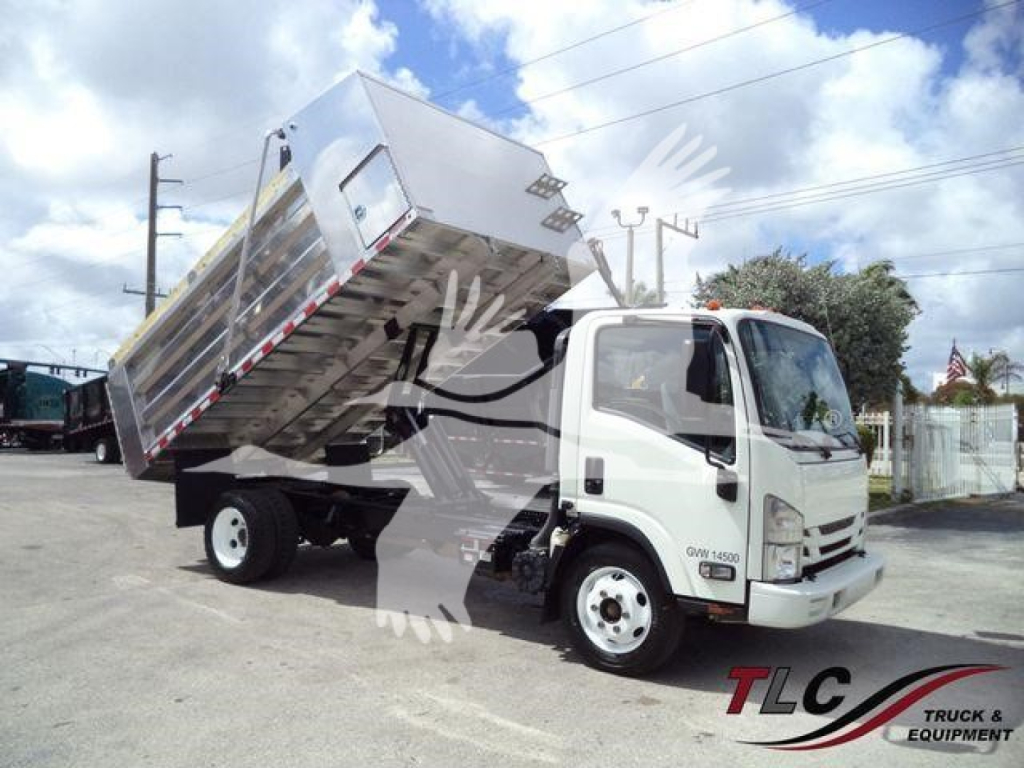
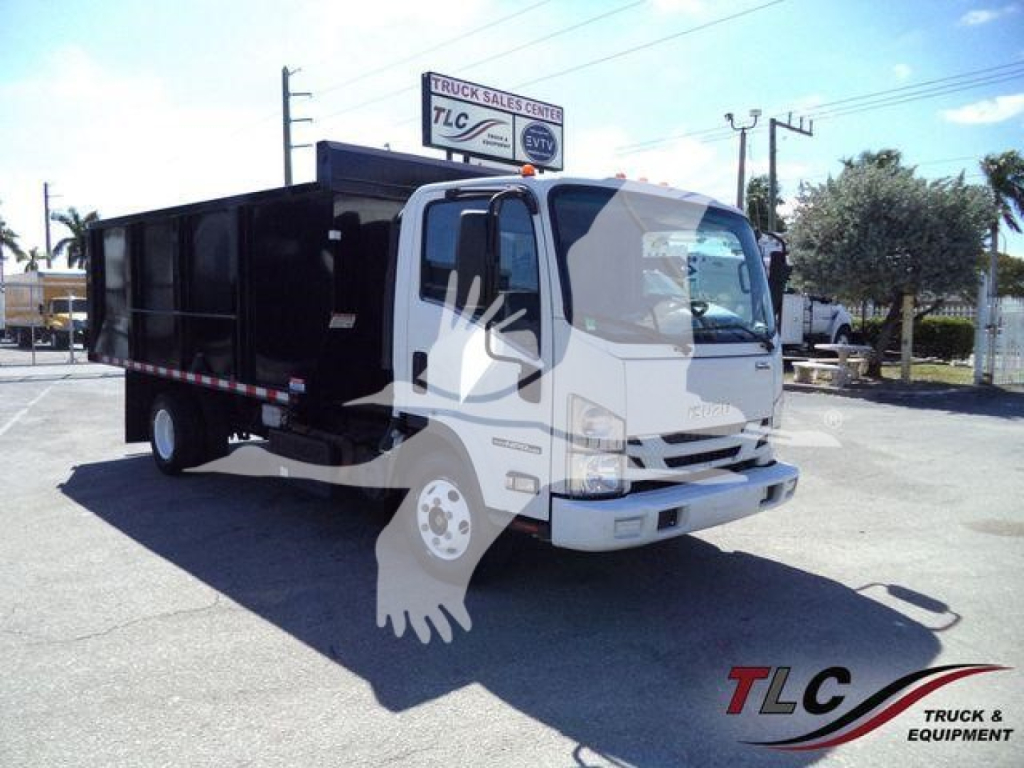
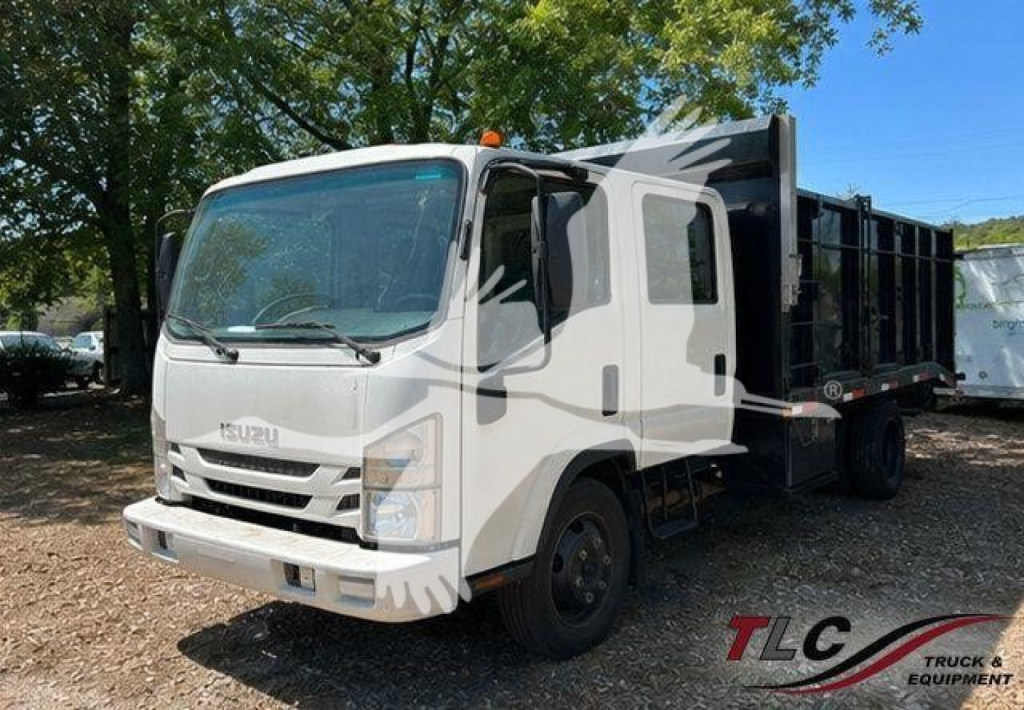
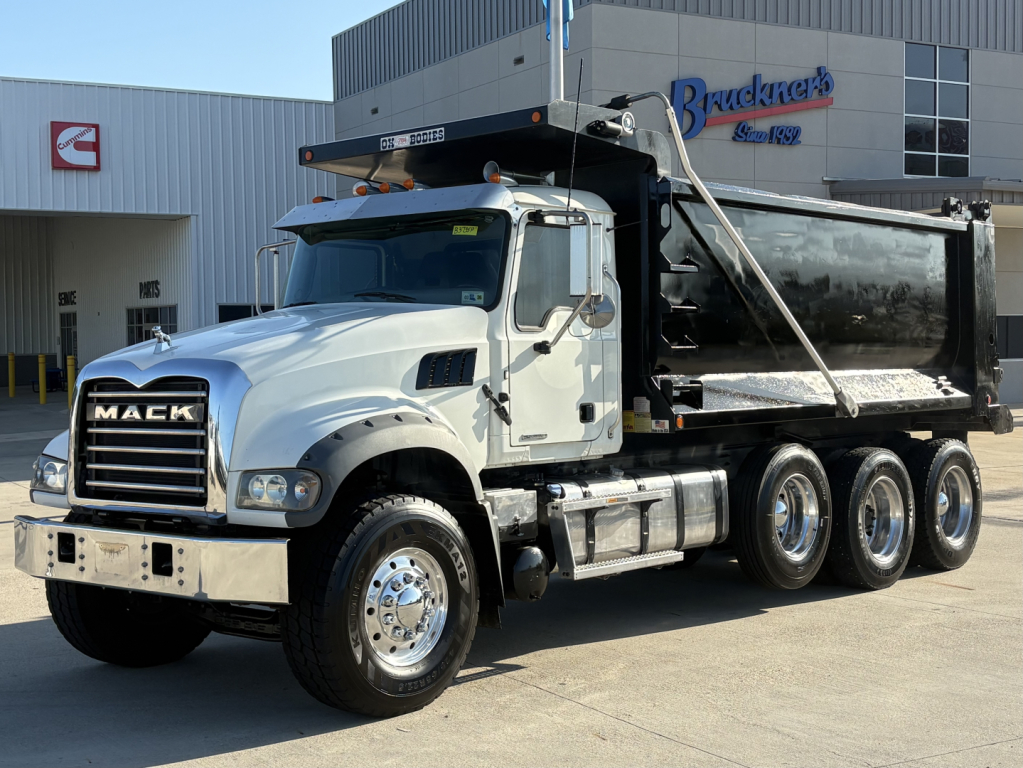
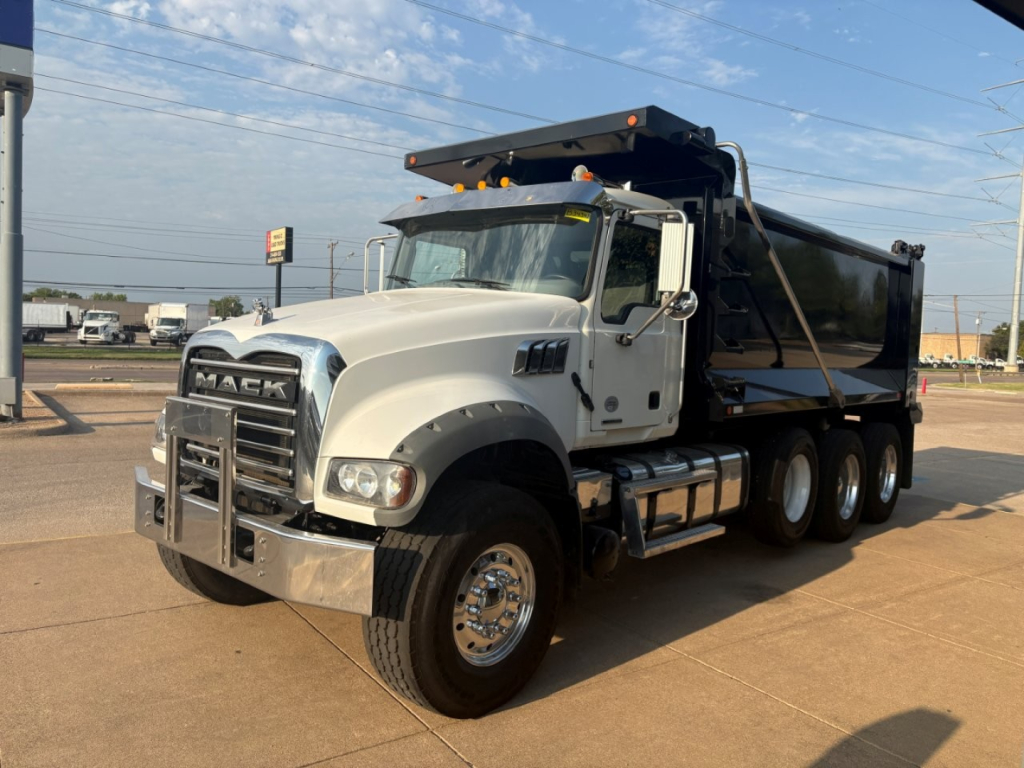
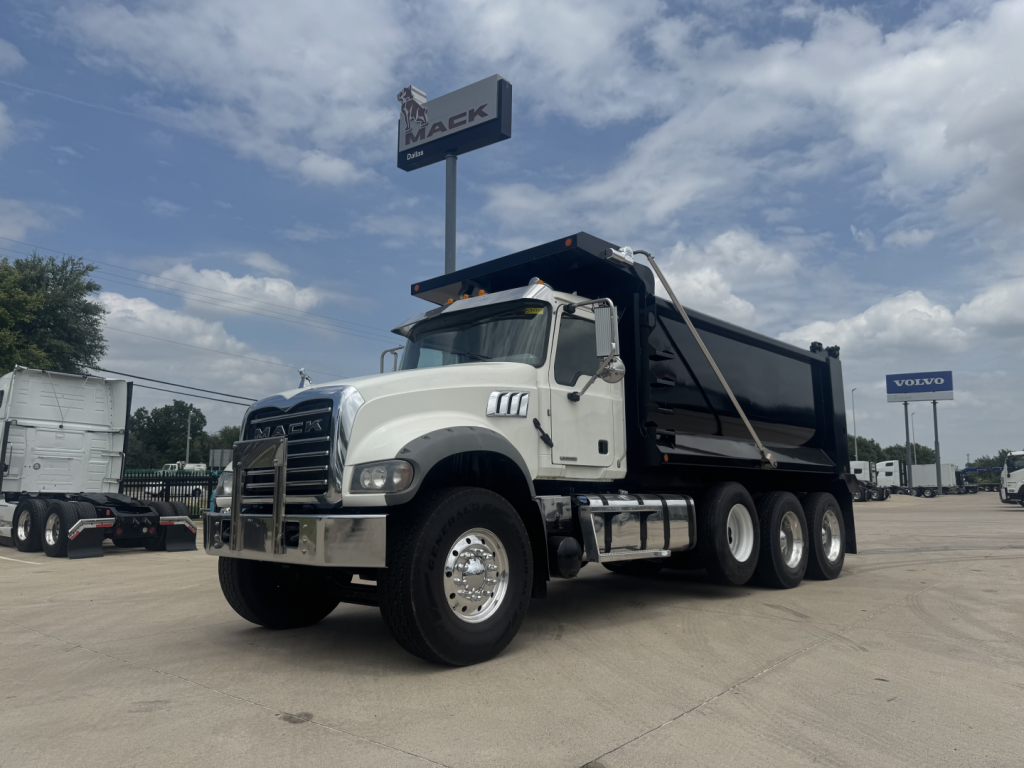
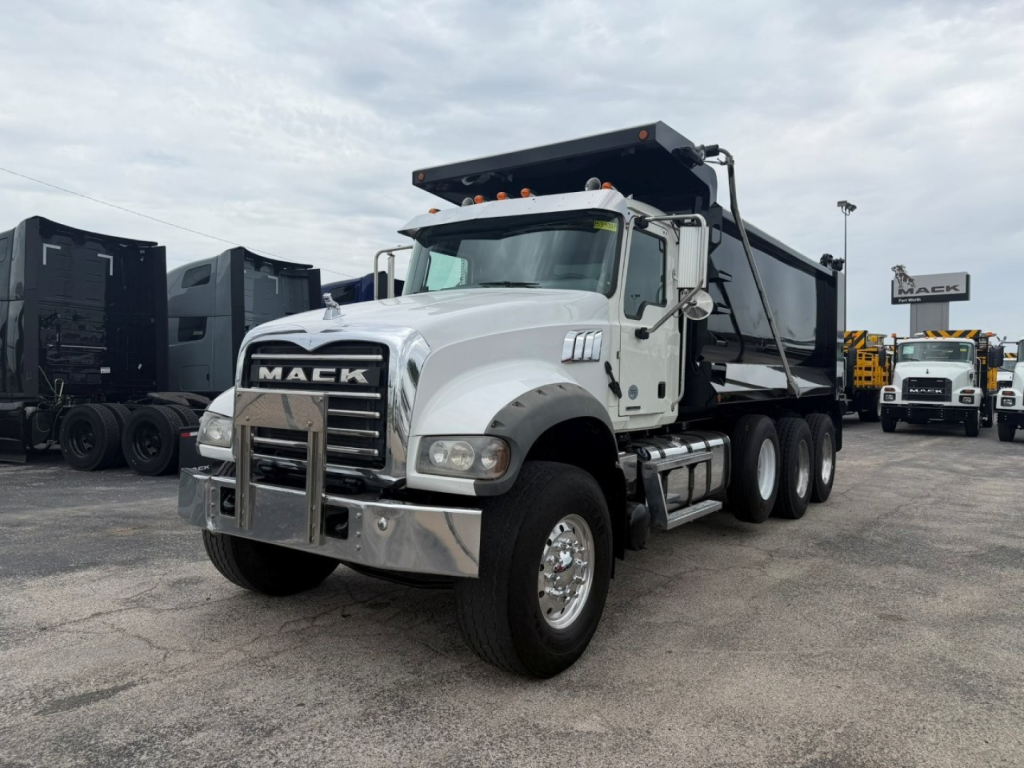
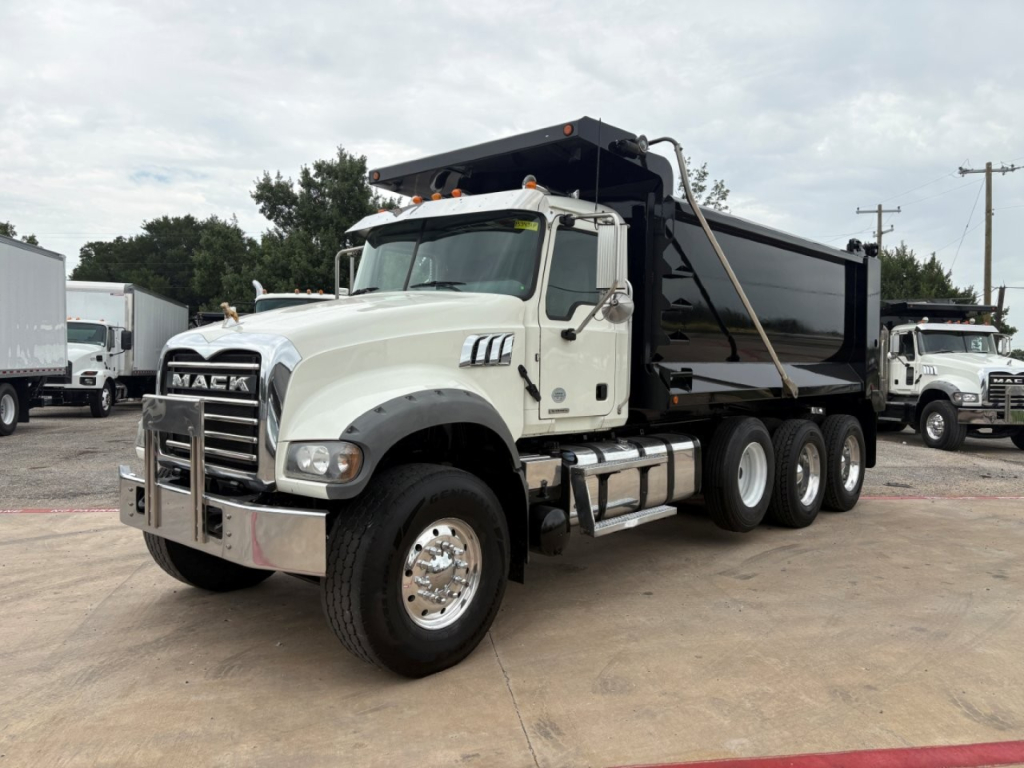
Selling a 2021 dump truck? List your 2021 dump truck for sale and reach thousands of commercial buyers.
2021 Dump Trucks
The first decision is usually chassis class and axle configuration. A 2021 single-axle dump truck is often the practical choice for tighter jobsites, lighter payloads, and lower operating cost. Tandem and tri-axle dump trucks are more common where payload, bridge law compliance, and jobsite productivity matter most. Buyers should compare GVWR, front axle rating, rear suspension type, wheelbase, lift axle setup, and differential lock configuration before focusing on engine horsepower alone. A truck with the right axle spread, body length, and suspension package will generally outperform a higher-horsepower truck that is mismatched to the work.
Body and hydraulic specs matter just as much as the chassis. In 2021 dump trucks, common body lengths run from roughly 9 to 16 feet on smaller and medium-duty units, and into the 15 to 19 foot range on heavier vocational trucks. Steel bodies are standard for abrasive material like rock, millings, and demolition debris, while lighter aluminum bodies may make sense for payload-sensitive applications. Look closely at floor thickness, side wall gauge, crossmember spacing, hoist type, tailgate style, tarp system, and any liners or hard-wearing materials such as AR plate or Hardox. PTO-driven hydraulics, high-lift gates, pintle hitches, trailer plugs, and plow or spreader prep can add real value depending on the season and duty cycle.
Powertrain choices on 2021 dump trucks often include diesel engines paired with Allison automatic or automated manual transmissions, depending on application and region. For stop-and-go municipal or paving work, an automatic can improve driver acceptance and consistency. For heavier hauling, buyers often pay closer attention to rear gear ratio, torque curve, cooling capacity, and suspension durability. Also review emissions history, idle hours, frame condition, body mounting, hydraulic leaks, brake type, and tire wear patterns. A well-spec'd 2021 dump truck should be evaluated as a complete vocational package, not just by model year and odometer, because uptime and payload efficiency are what determine long-term value.
Frequently Asked Questions about 2021 Dump Trucks
What should I look for first when buying a 2021 dump truck?
Start with the truck's intended payload and application, then match that to axle configuration, GVWR, body size, and suspension. A 2021 dump truck used for asphalt, aggregates, demolition, or snow work can look similar on paper but perform very differently in the field. The right combination of front axle capacity, rear axle ratio, wheelbase, hoist, and body material is usually more important than buying solely by engine rating or price.
Are 2021 dump trucks a good value compared with newer models?
For many fleets and owner-operators, yes. A 2021 model can offer newer cab design, current vocational features, and relatively recent drivetrain technology without the cost of a brand-new unit. Buyers still need to check maintenance records, emissions system history, PTO and hydraulic condition, and signs of hard off-road use, but this model year is often attractive for balancing age, capability, and acquisition cost.
What body material is best on a 2021 dump truck?
Steel is usually preferred for rock, concrete chunks, scrap, demolition debris, and other abrasive or impact-heavy loads because it handles abuse better. Aluminum can reduce empty weight and improve legal payload in some applications, but it is not always the best fit for severe-duty hauling. Body floor thickness, side construction, and any wear-resistant lining can matter as much as the base material itself.
Is an automatic transmission better in a dump truck?
It depends on the route and duty cycle. Allison automatic transmissions are popular in dump truck service because they work well in stop-and-go conditions, reduce driver fatigue, and can help with consistency on paving and municipal jobs. Automated manuals and manual transmissions can still make sense for some heavier vocational applications, especially where gearing, driver preference, and service strategy favor them.
How do I choose between a single-axle, tandem, and tri-axle 2021 dump truck?
Choose based on legal payload, turning radius needs, local bridge laws, and the type of material being hauled. Single-axle trucks are easier to maneuver and often cost less to run, making them useful for lighter local work. Tandem and tri-axle trucks are better suited for higher payloads and production-driven hauling, especially on construction and aggregate jobs where capacity and axle distribution directly affect profitability.