
Dump Trucks For Sale in Colorado
Browse dump trucks for sale in Colorado, including tandem axle and heavy-spec models for construction, aggregates, asphalt, and site work.
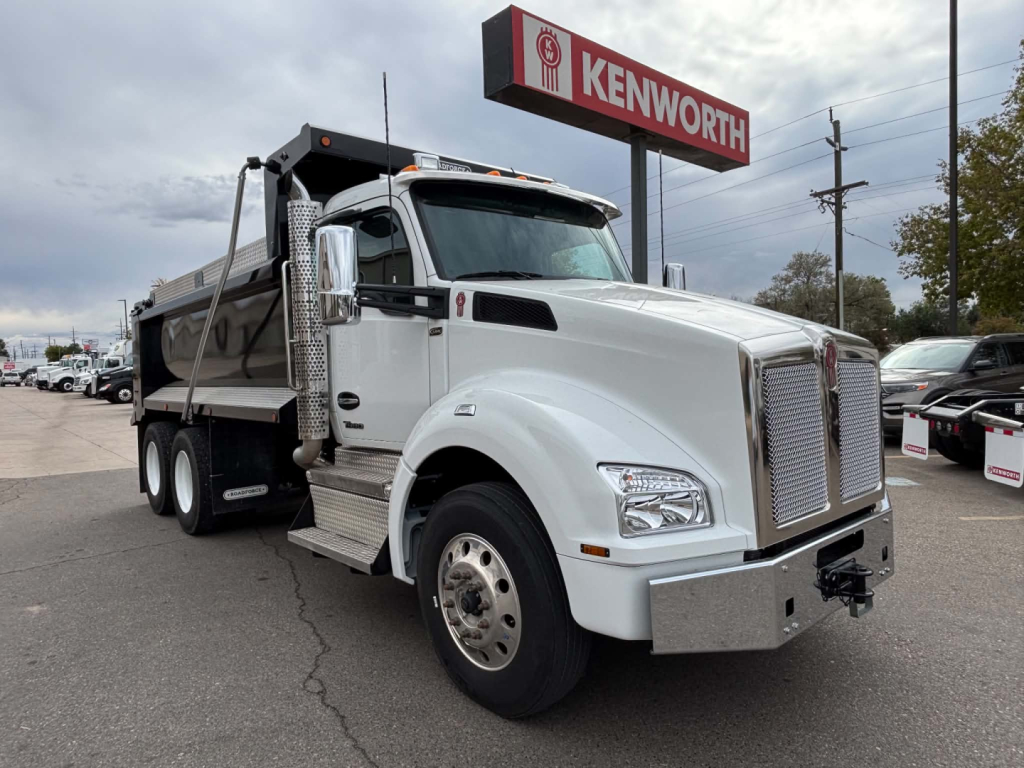
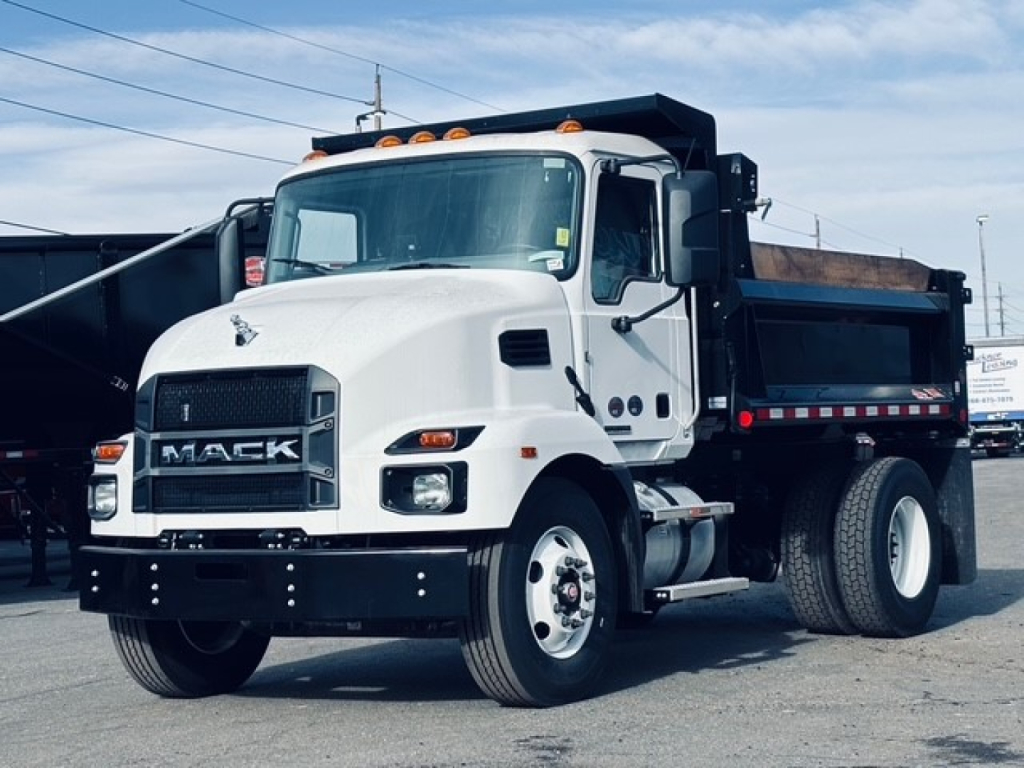
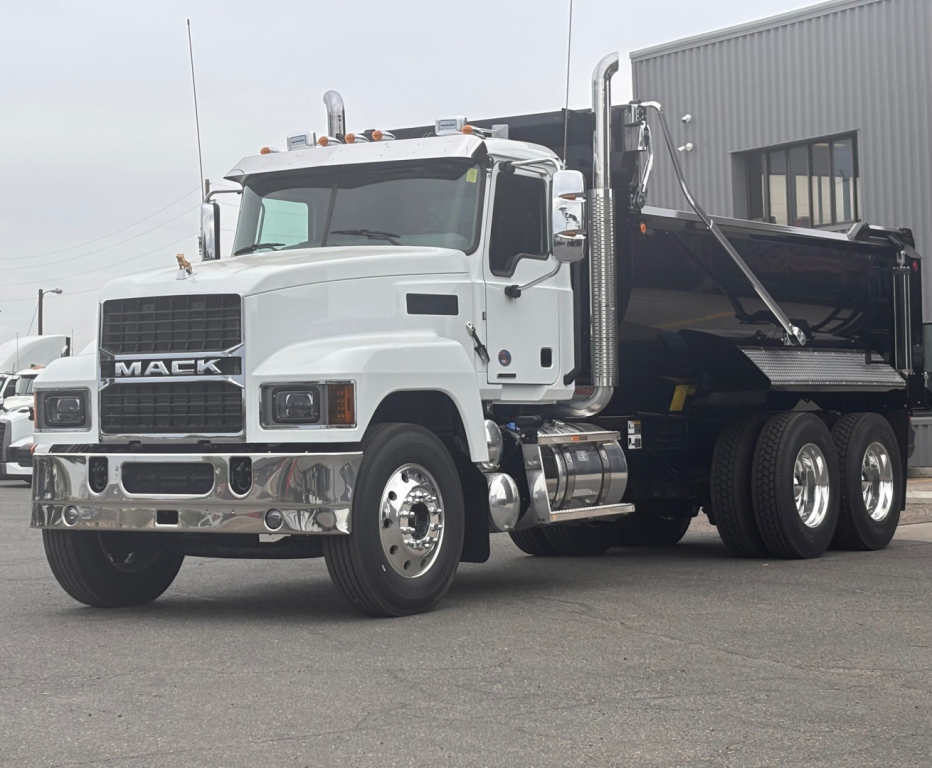
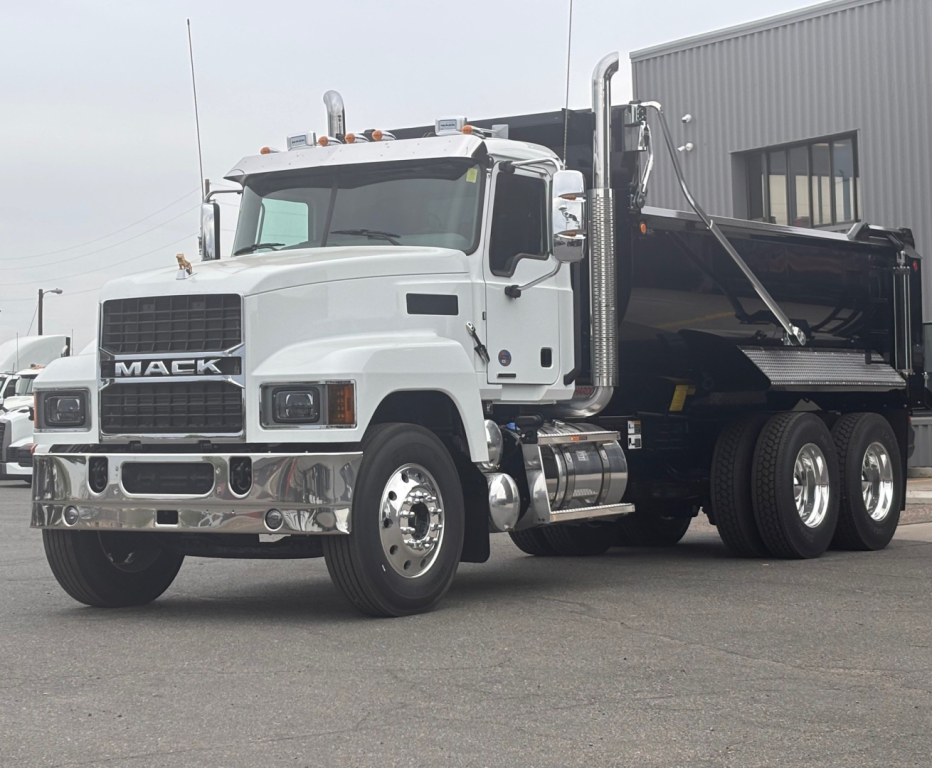
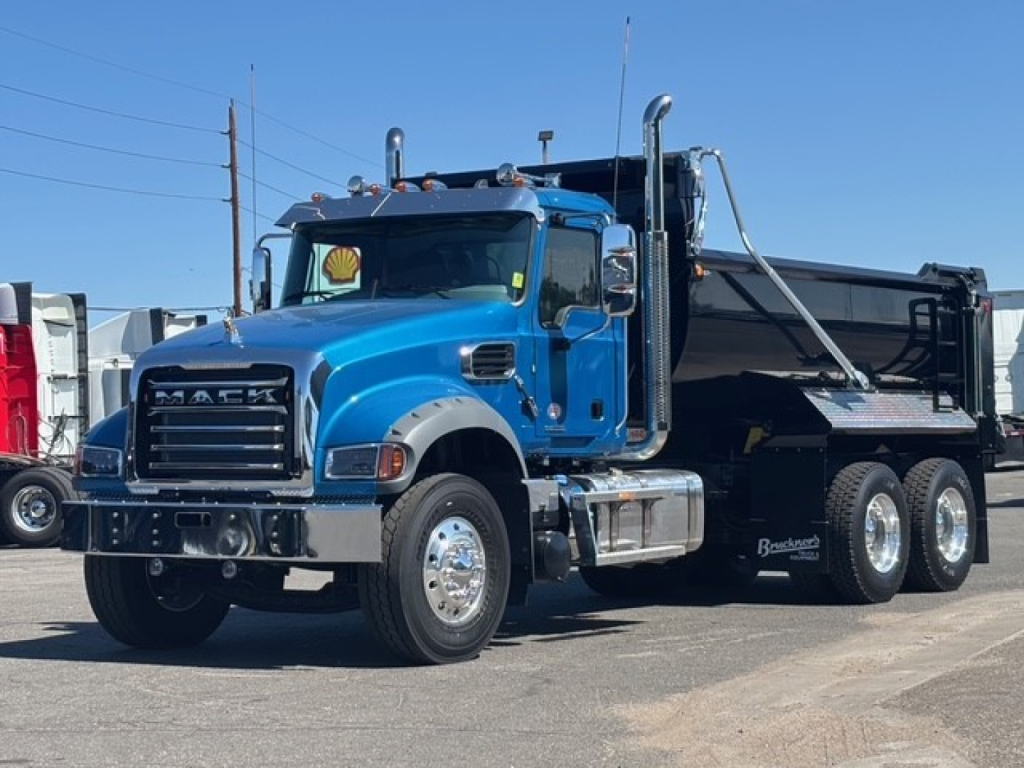
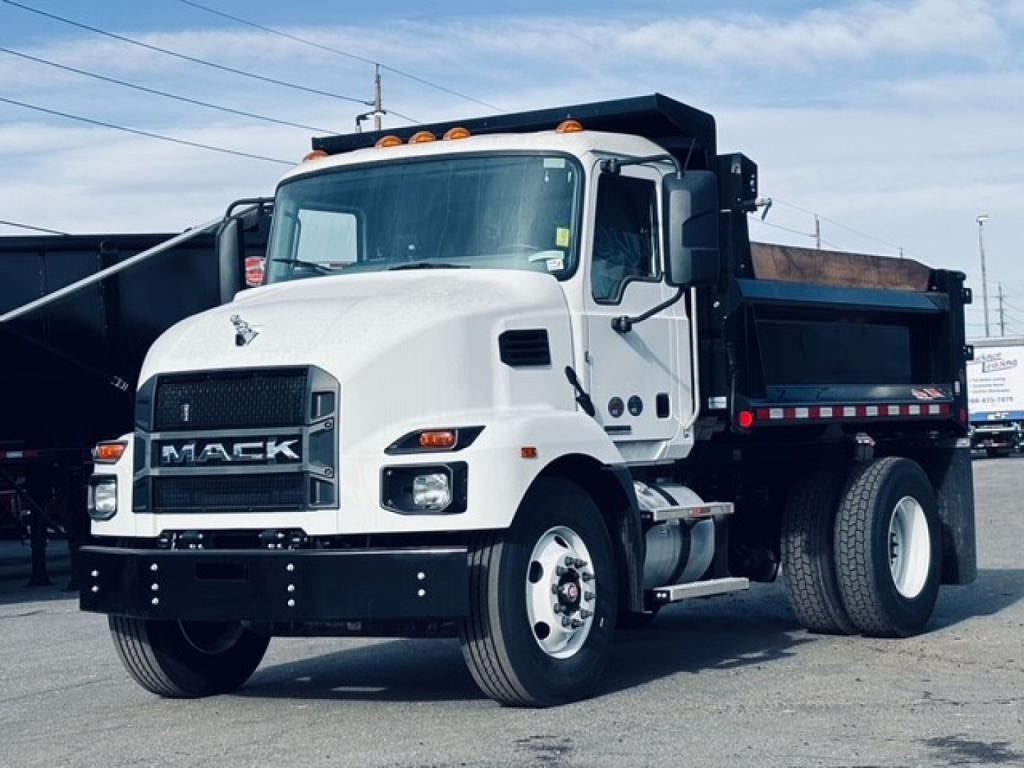
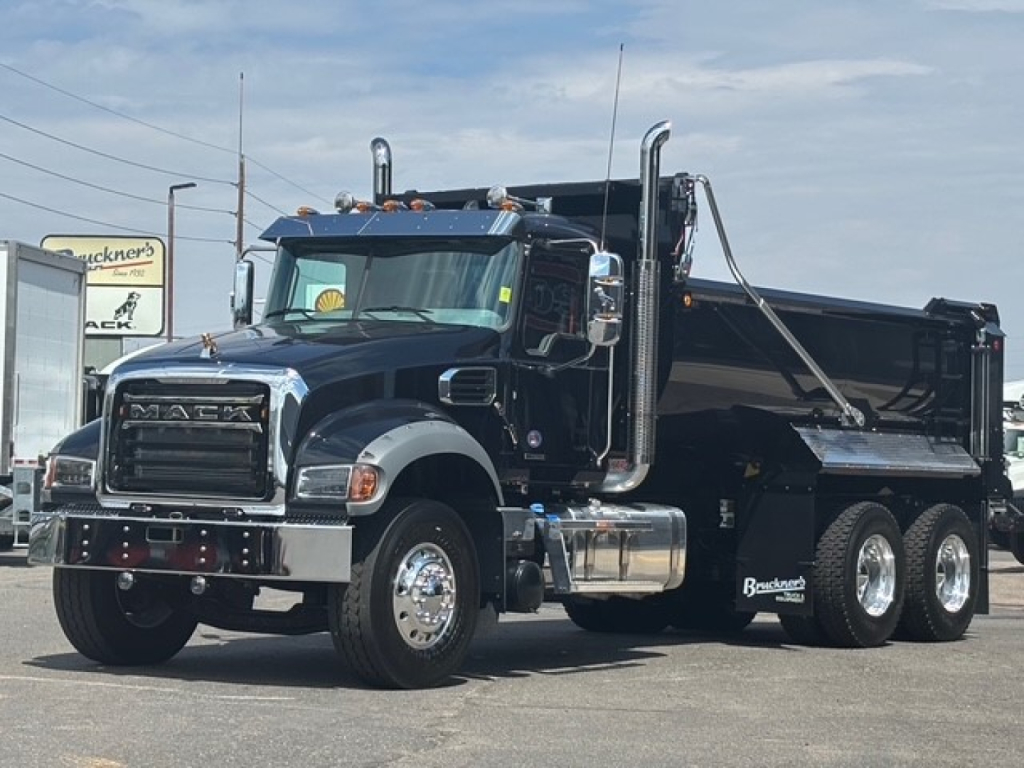

Selling a dump truck? List your dump truck for sale and reach thousands of commercial buyers.
Dump Trucks in Colorado
Body design matters as much as chassis spec. Contractors hauling riprap, demo debris, or blasted material often look for heavy-duty rock bodies or elliptical boxes with abrasion-resistant steel such as Hardox in the floor and sides. Asphalt and general construction fleets may prioritize a lighter body to preserve payload, along with smooth sidewalls and an easy-clean floor. Buyers should also compare body length, side height, hoist capacity, gate style, and liner or body reinforcement. A 16-foot body is a common fit on tandem dumps, but the right length depends on material density, axle spacing, and local bridge-law constraints.
Powertrain choices affect both productivity and operating cost. Modern dump trucks are commonly spec'd with diesel engines in the 400 to 500 horsepower range, paired with automated manual or traditional manual transmissions. In hilly terrain, rear axle ratio, transmission gearing, and suspension type make a noticeable difference in launch, gradeability, and driver control. Heavy front axles, 44,000 lb rears, vocational suspensions like multi-leaf or Camelback-style setups, and locking differentials are common on severe-duty trucks. Buyers in Colorado also tend to pay close attention to cooling capacity, engine brake performance, and tire selection for mixed paved and unpaved use.
A good dump truck spec matches the material, route, and loading method. If the truck will spend most of its time on public roads, payload efficiency, ride quality, and legal axle weights usually drive the decision. If it will live in pits, quarries, or rough site conditions, frame strength, ground clearance, body durability, and hoist reliability move to the top of the list. Useful details to compare across listings include wheelbase, GVWR, front axle rating, suspension, body builder, tarp system, hitch equipment, and any PTO or hydraulic options. Also known as a dump body truck or tandem dump truck, this equipment class remains one of the most versatile tools in construction and material hauling.
Frequently Asked Questions about Dump Trucks in Colorado
What is the best dump truck configuration for Colorado hauling?
For many Colorado applications, a tandem axle dump truck is the most practical starting point because it balances payload, maneuverability, and jobsite durability. Mountain grades and mixed on-road and off-road use make horsepower, rear axle ratio, engine brake performance, and suspension spec especially important. Buyers hauling heavy rock or running rough access roads may need a more severe-duty chassis, while municipal, asphalt, and general construction work may favor a lighter payload-focused setup.
What body material is best for a dump truck?
Steel is the standard choice for most dump truck bodies because it handles impact and abrasion well, especially in rock, demolition, and aggregate service. Abrasion-resistant steels such as Hardox are commonly used when body life and dent resistance matter. Aluminum can reduce tare weight, but it is less common in severe-duty dump applications where durability is the priority. The right choice depends on what material you haul, how the truck is loaded, and how rough the jobsite conditions are.
How much horsepower does a dump truck need?
Many tandem dump trucks are spec'd in the 400 to 500 horsepower range, which is typically enough for loaded starts, PTO work, and sustained pulling in hilly terrain. Horsepower alone does not tell the full story because torque, transmission gearing, rear ratio, and total gross weight all affect performance. A properly matched drivetrain will usually outperform an overpowered truck with the wrong gears for the work.
What should I check when comparing used or new dump trucks?
Start with axle ratings, GVWR, wheelbase, suspension, body length, and body material because those determine payload, legality, and durability. Then review the transmission, rear ratio, locking differential spec, hoist setup, tailgate design, tarp system, and any hitch or hydraulic options. If the truck will work in steep or off-road conditions, pay close attention to front axle capacity, frame condition, cooling package, and brake performance. These details usually matter more than cosmetic differences.
Are elliptical dump bodies better than square dump bodies?
Elliptical dump bodies are popular because they can improve material flow during unloading and may reduce material hang-up compared with some square body designs. They are often chosen for aggregate, asphalt, and other materials that need clean discharge. Square bodies still have a place, especially where sidewall shape, body volume, or specific contractor preference matters. The better option depends on the material being hauled, the loading method, and how the truck is used day to day.