
2011 Dump Trucks For Sale
Shop 2011 dump trucks with specs that matter, including GVWR, body size, hoist type, axle setup, PTO, and application fit.
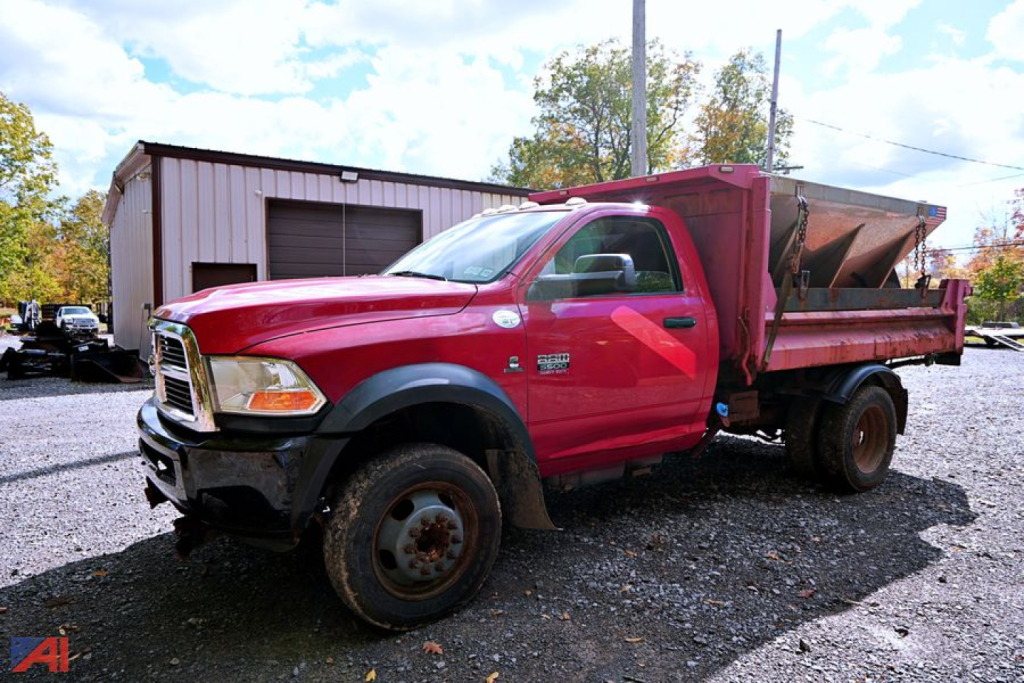
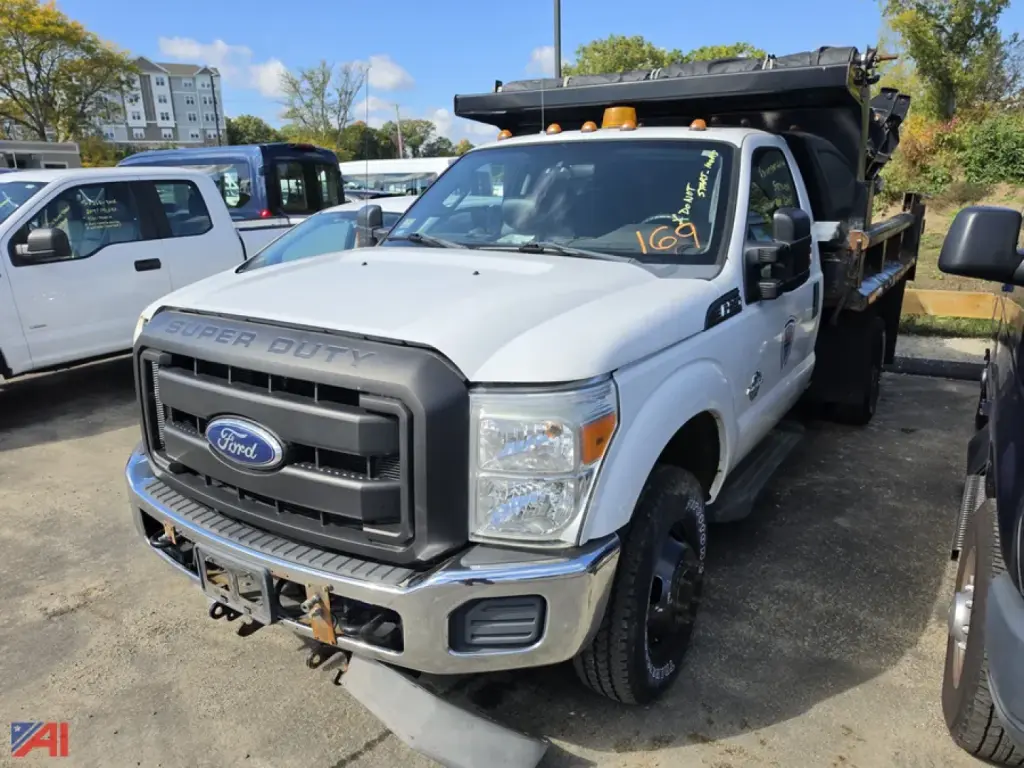
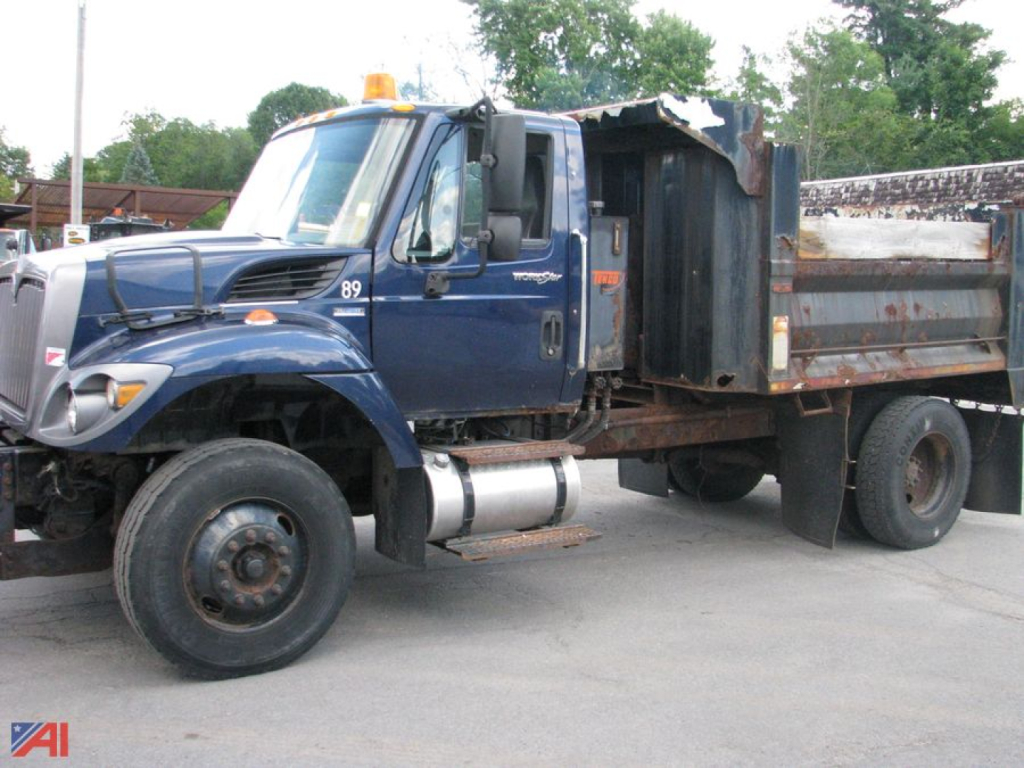
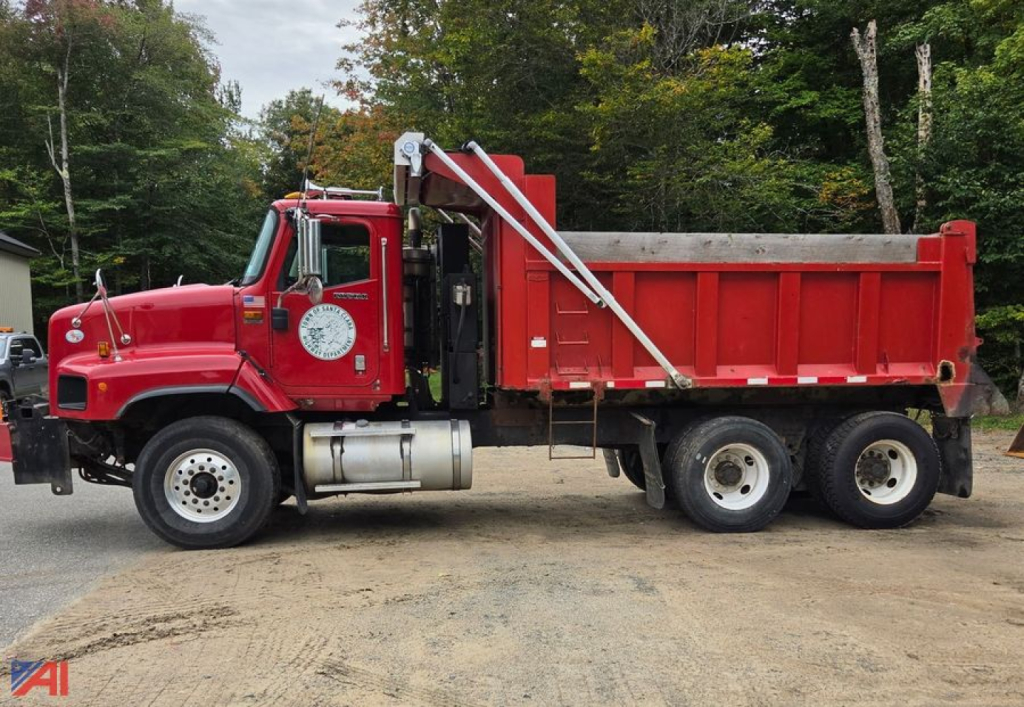
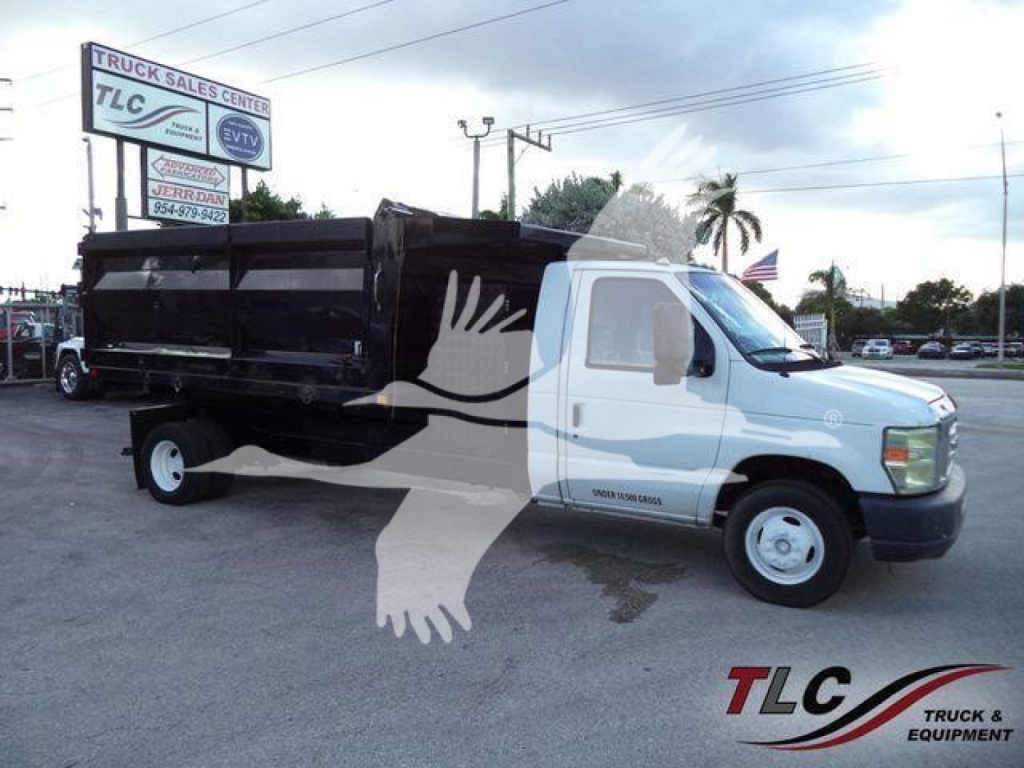
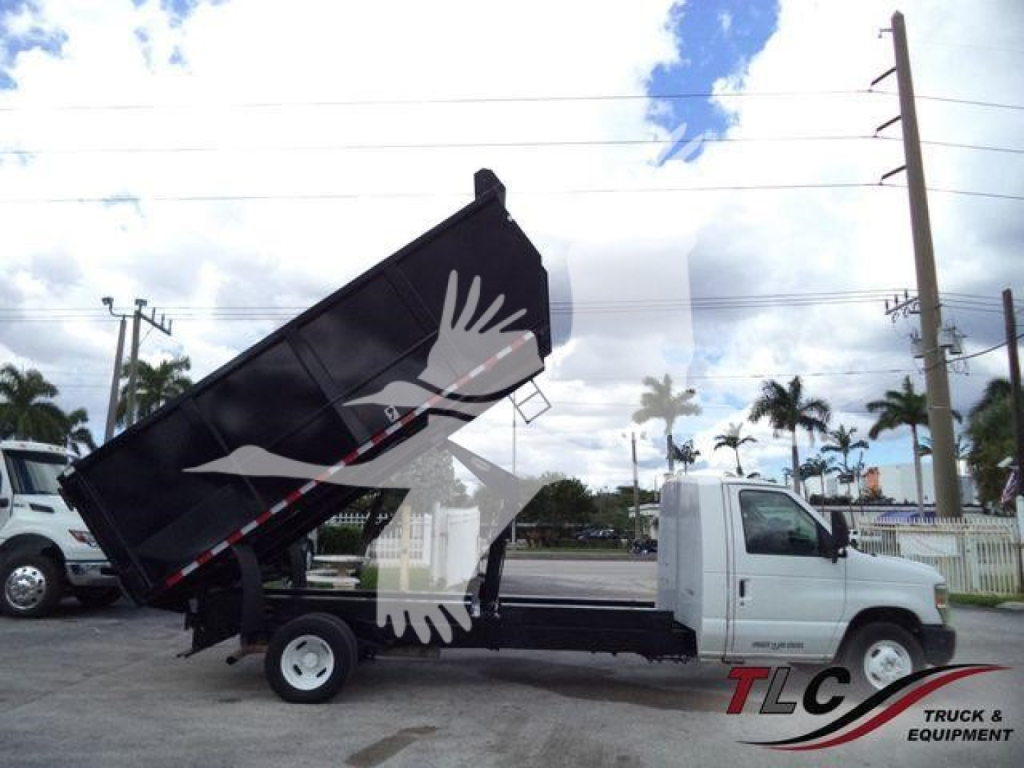
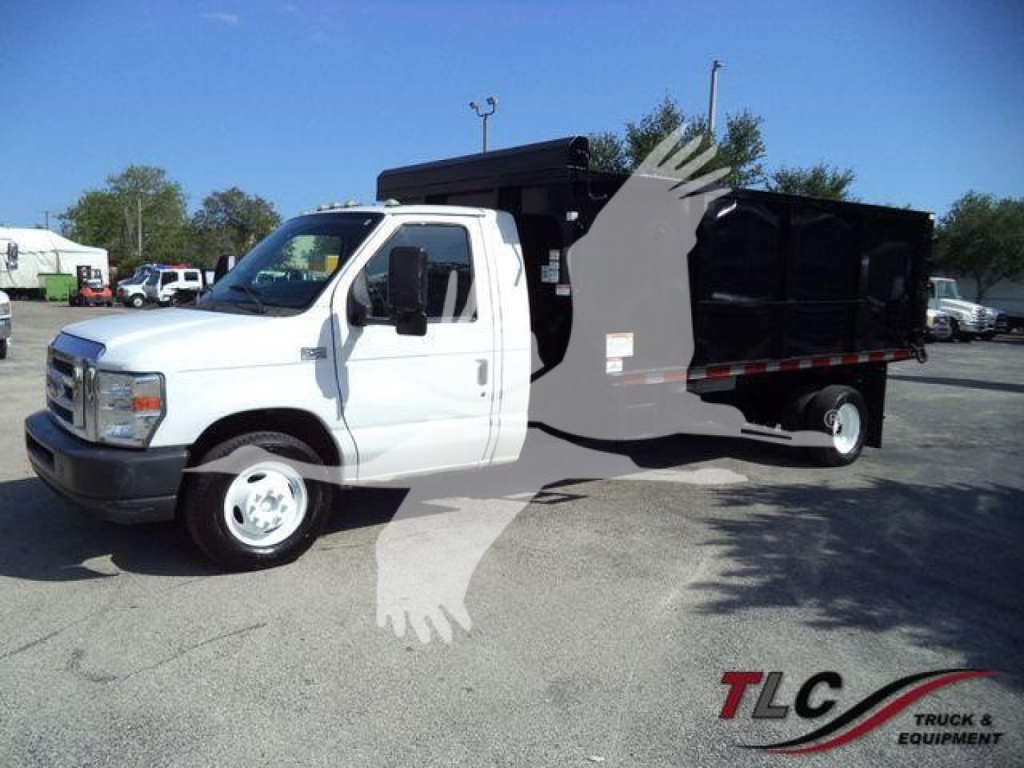
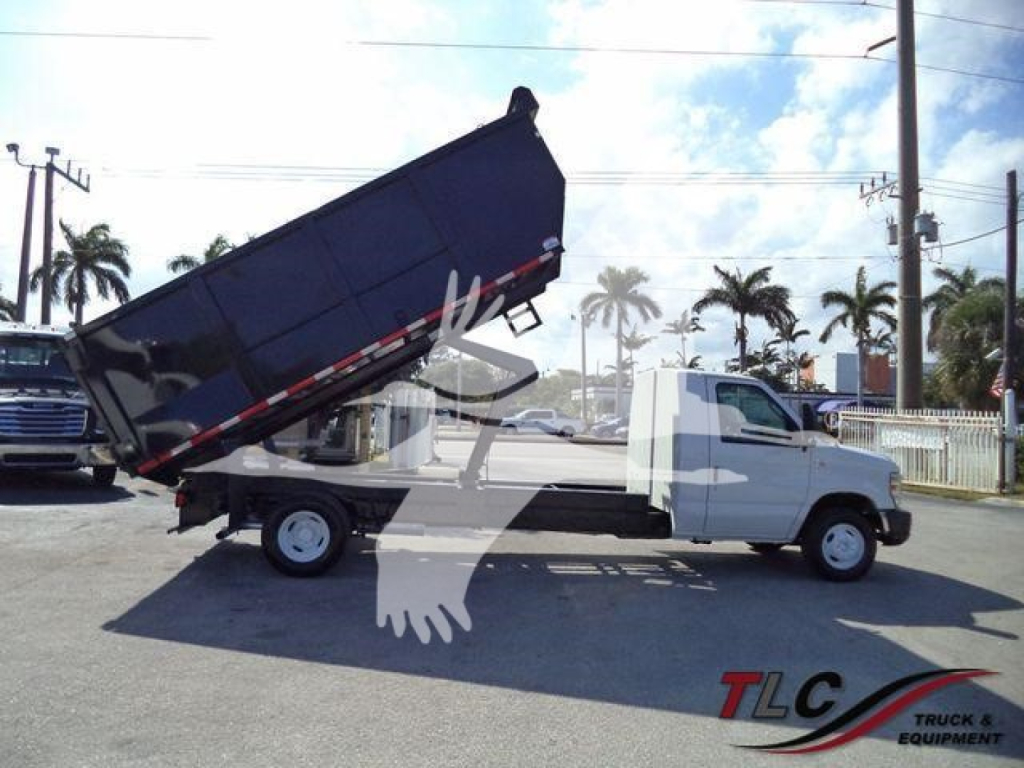
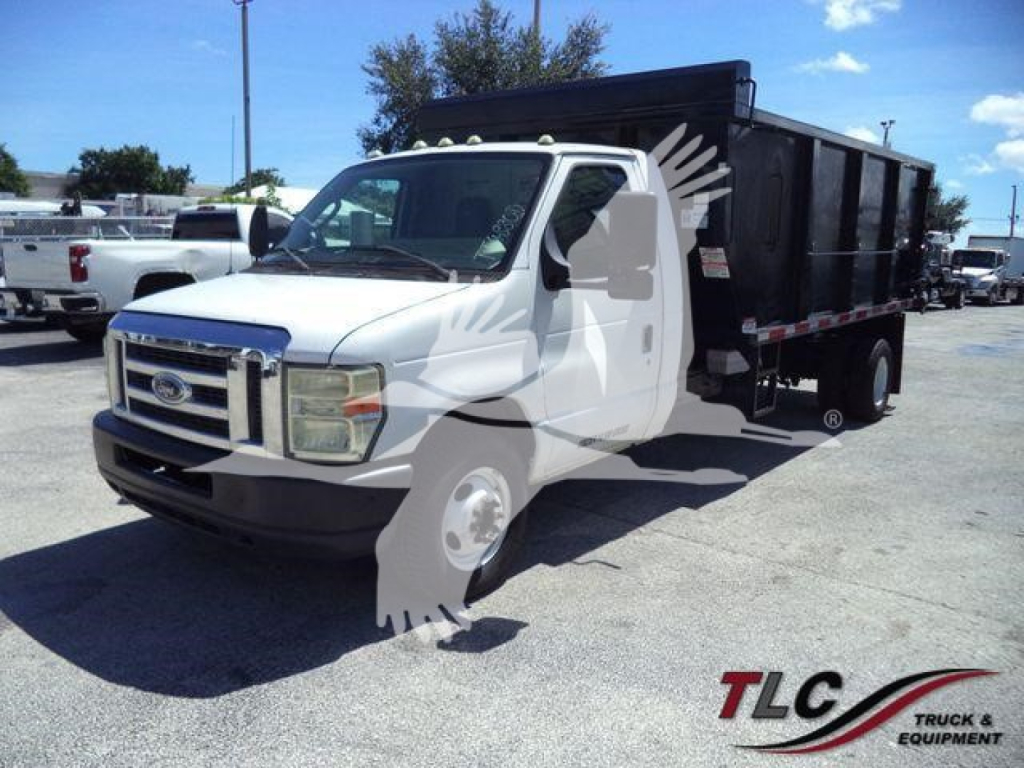
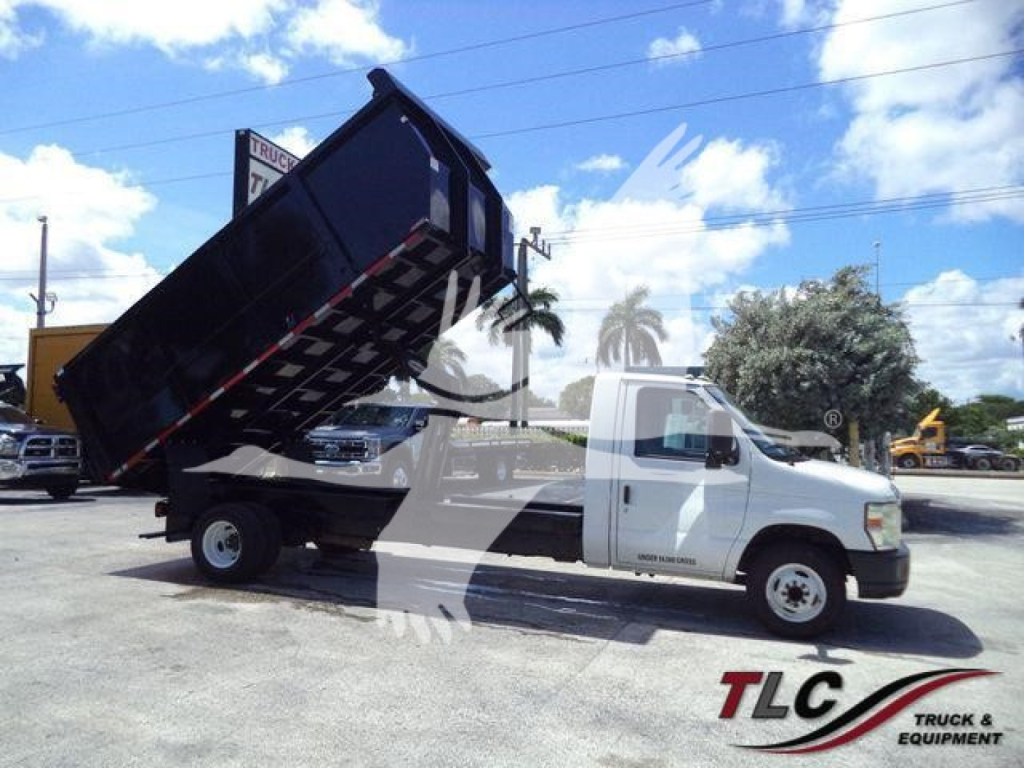
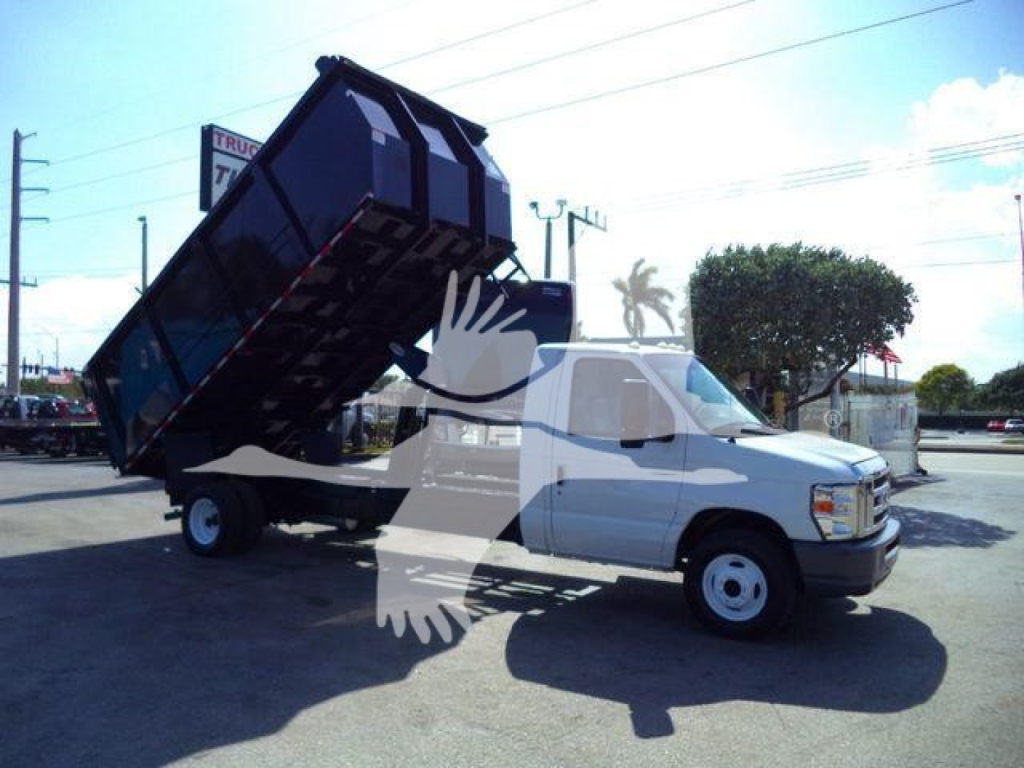
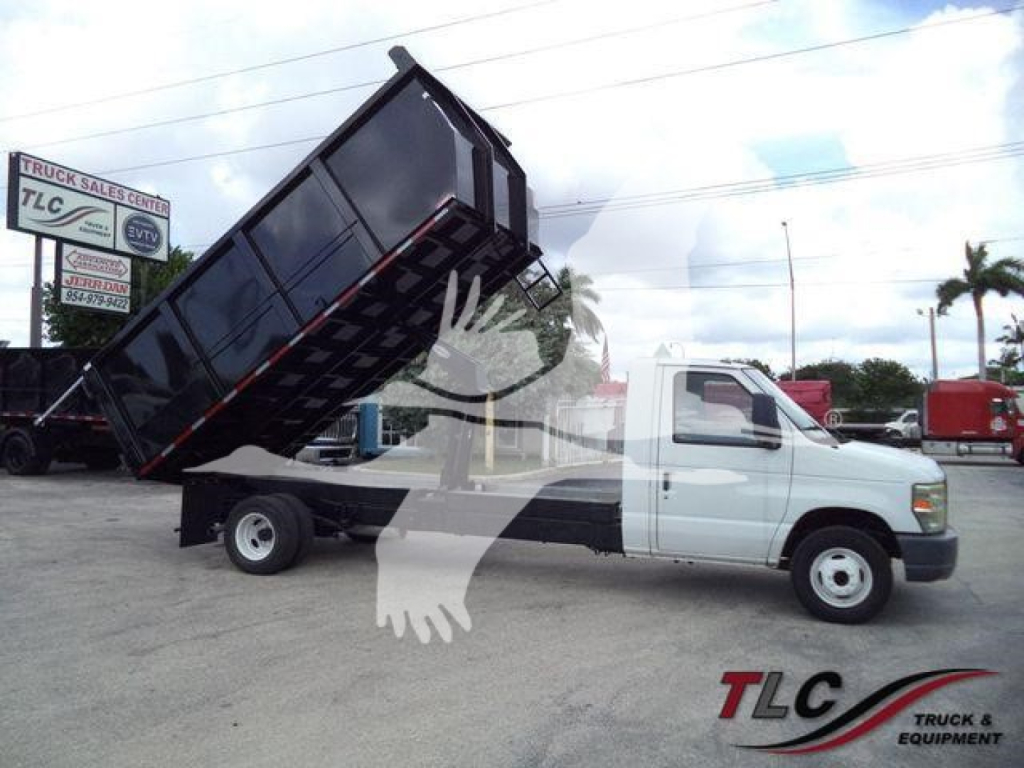

Selling a 2011 dump truck? List your 2011 dump truck for sale and reach thousands of commercial buyers.
2011 Dump Trucks
Frequently Asked Questions about 2011 Dump Trucks
What should I check first on a 2011 dump truck?
Start with the chassis and hydraulic system. Confirm GVWR, front and rear axle ratings, suspension type, transmission, PTO operation, hoist condition, and body construction. On a used 2011 dump truck, buyers should look closely for frame corrosion, body floor wear, hinge and trunnion play, hydraulic leaks, and signs of overloading such as cracked crossmembers or distorted side panels. Service records matter because dump applications are hard on driveline, brakes, steering, and suspension components.
What body types are common on 2011 dump trucks?
Common body configurations include landscape dump bodies, contractor dumps, trash dumps, and heavy steel rock boxes. Landscape bodies often have taller sides, lighter payloads, and rear or combination gates for brush, mulch, and loose material. Heavy vocational bodies are typically shorter and stronger, with thicker floors and side sheets, high-lift tailgates, and tarp systems designed for gravel, asphalt, and demolition material. The right body depends on material density and how often the truck runs on pavement versus rough job sites.
Is a 2011 dump truck better with an automatic or manual transmission?
That depends on route profile, driver pool, and payload. Automatic and automated transmissions can improve ease of use in stop-and-go work, municipal routes, and multi-driver fleets. Manual transmissions still appeal in severe-duty applications where buyers want direct control and simpler serviceability. The key is matching the transmission to the engine torque curve, rear axle ratio, and expected terrain so the truck can launch cleanly under load without giving up road speed or durability.
What features matter most for construction and aggregate work?
For construction and aggregate service, buyers usually prioritize axle capacity, suspension, frame strength, hoist design, and body material. A severe-duty suspension, locking differentials, double-frame or reinforced frame sections, and a steel body with abrasion-resistant floor material can make a major difference in service life. Other useful features include pintle hitches, electric or manual tarp systems, high-lift gates, cab protection, heated bodies for asphalt, and lift axles where bridge law and payload targets justify them.
How do I know if a 2011 dump truck is spec'd correctly for my operation?
Match the truck to the material, job cycle, and legal operating environment. Light debris, mulch, and municipal cleanup call for a different spec than crushed stone, millings, or demolition waste. Review body volume in cubic yards, actual empty weight, wheelbase, turning radius, tire size, brake configuration, and PTO-driven hydraulic setup. A correctly spec'd dump truck carries useful payload without becoming unstable, overweight, or hard to maneuver on the roads and jobsites it sees every day.