
2011 Ford Dump Trucks For Sale
Browse 2011 Ford dump trucks for sale. Compare GVWR, body size, axle ratings, PTO hydraulics, and cab options for hauling and site work.
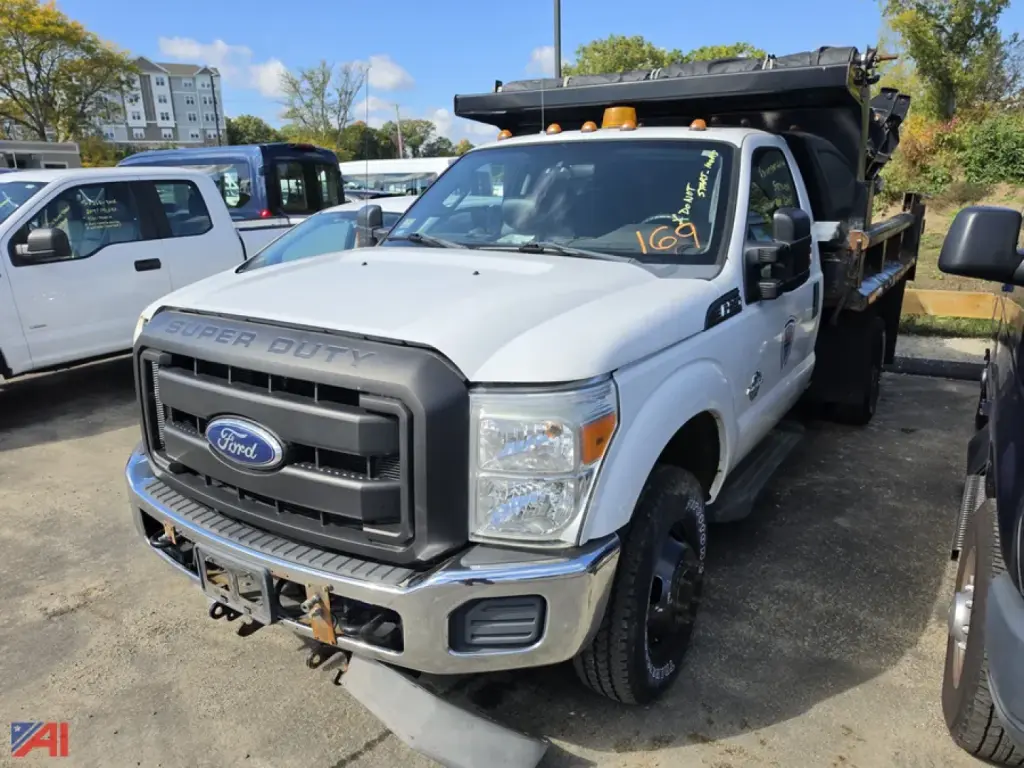
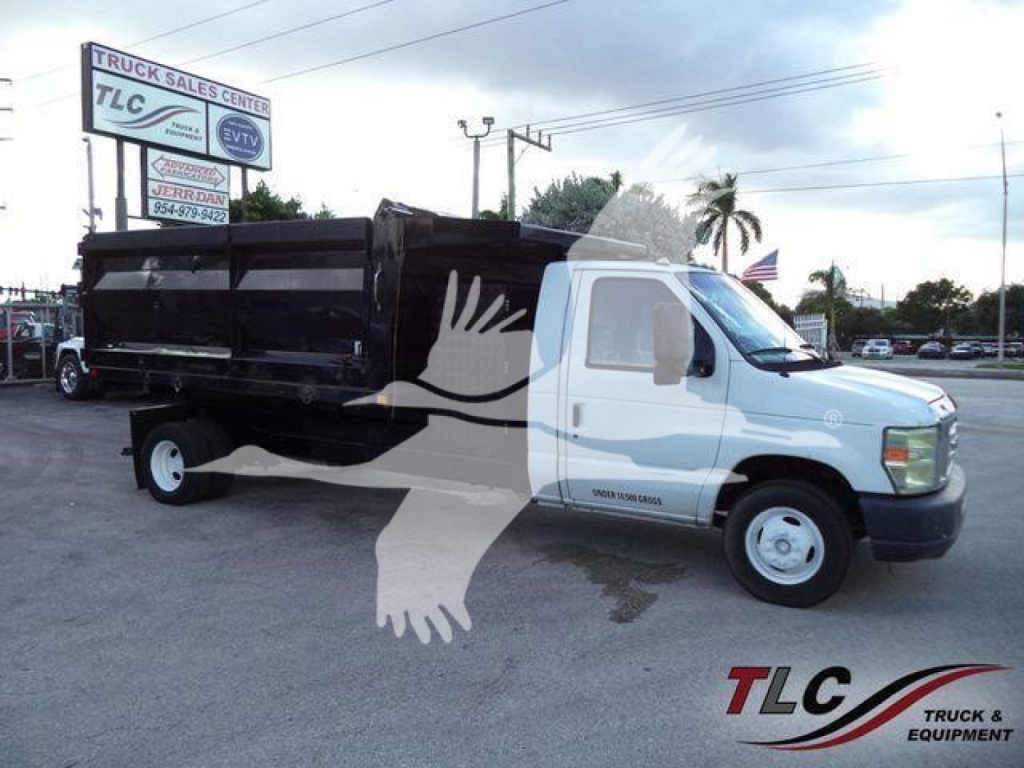
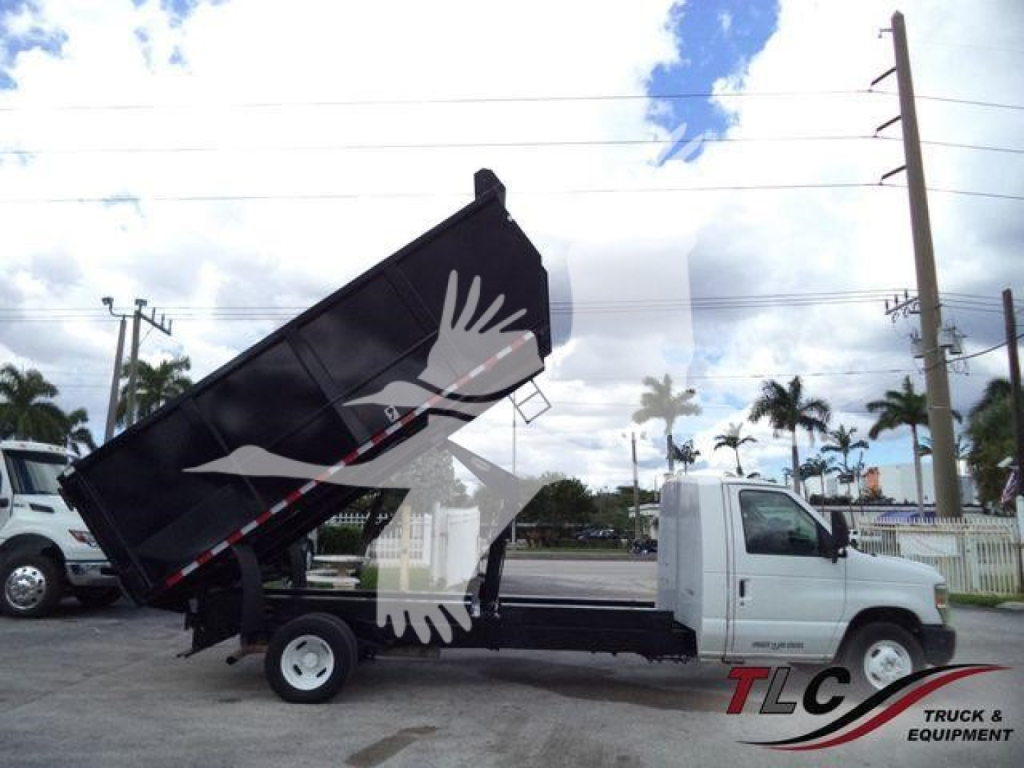
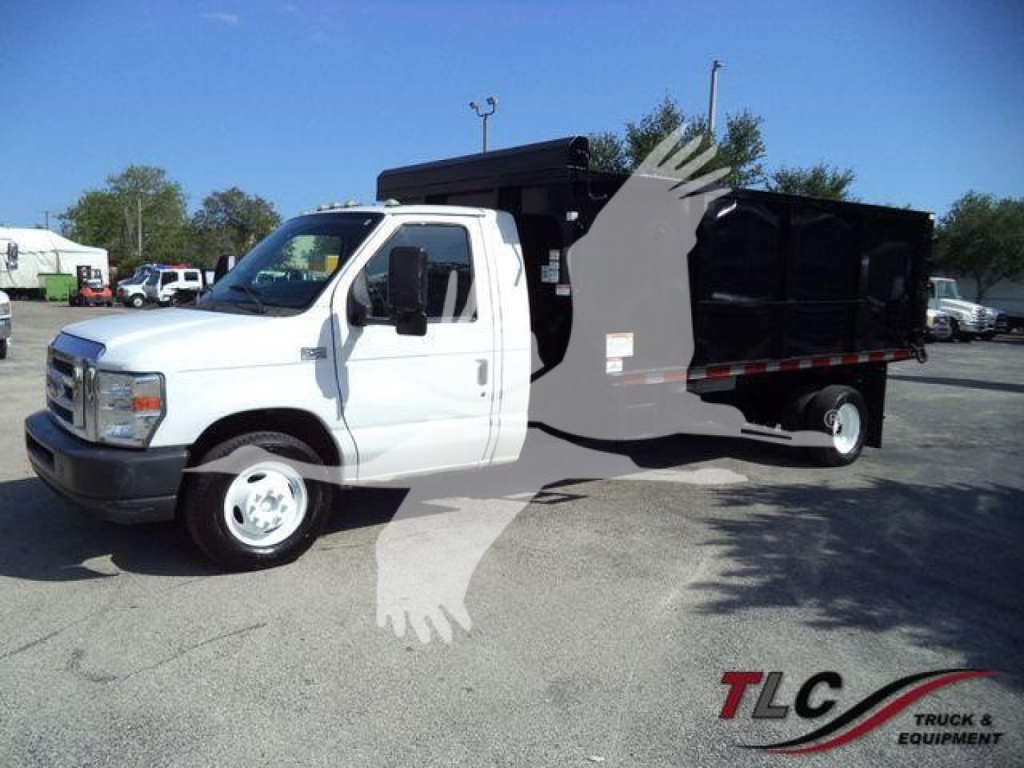
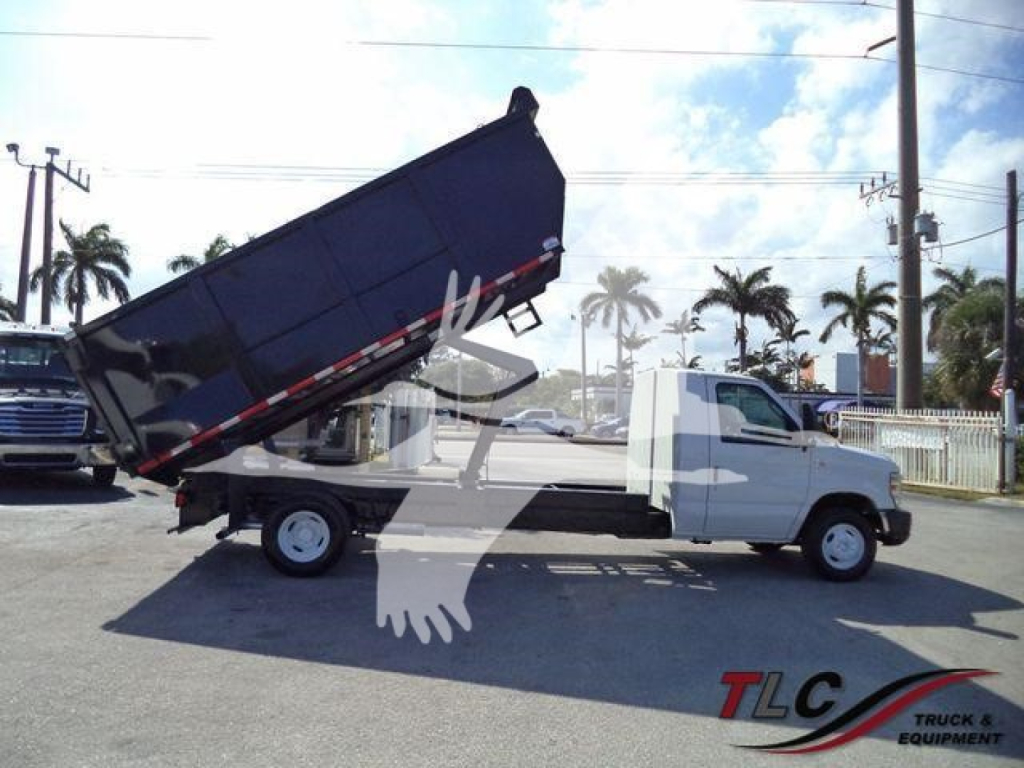
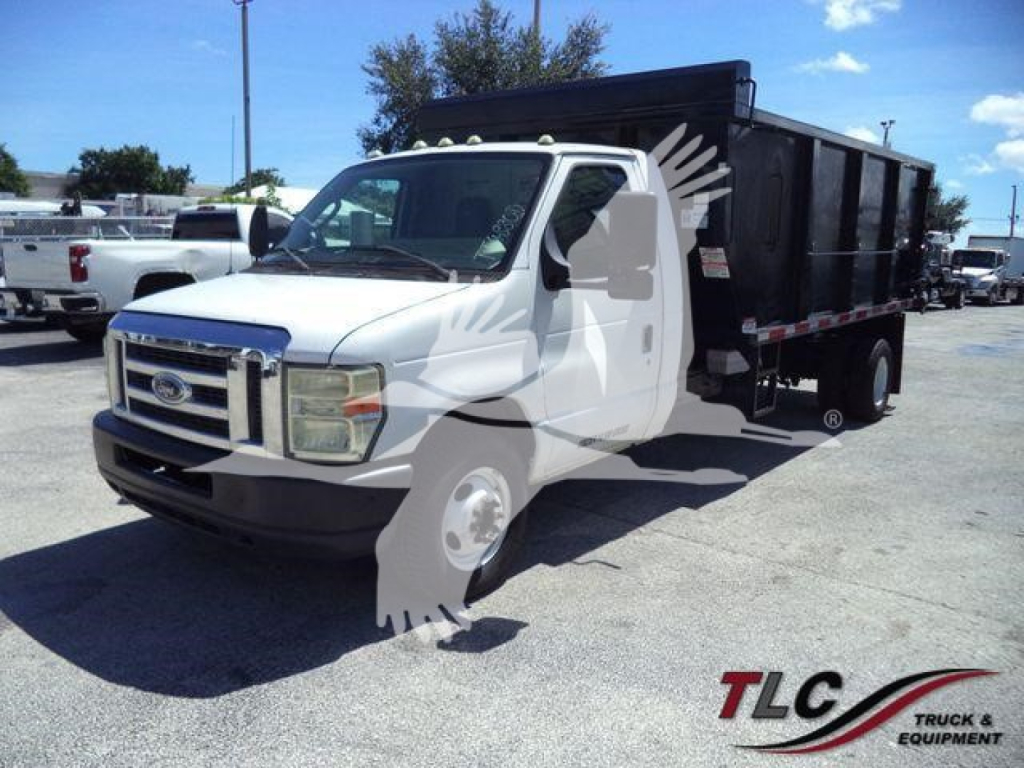
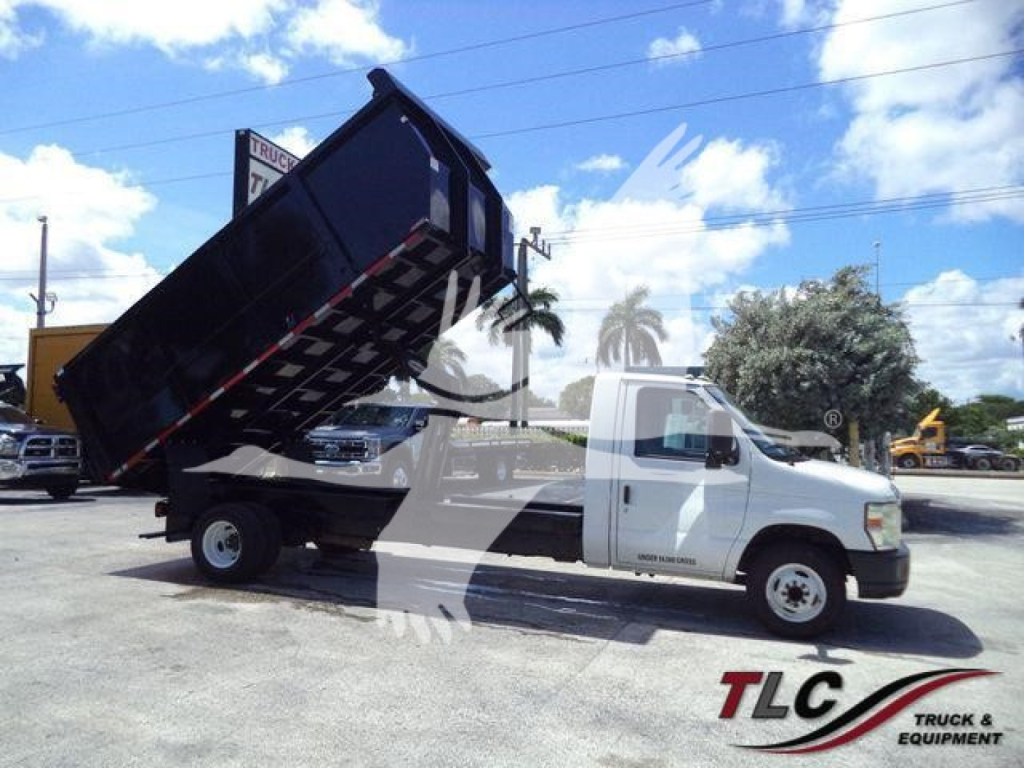
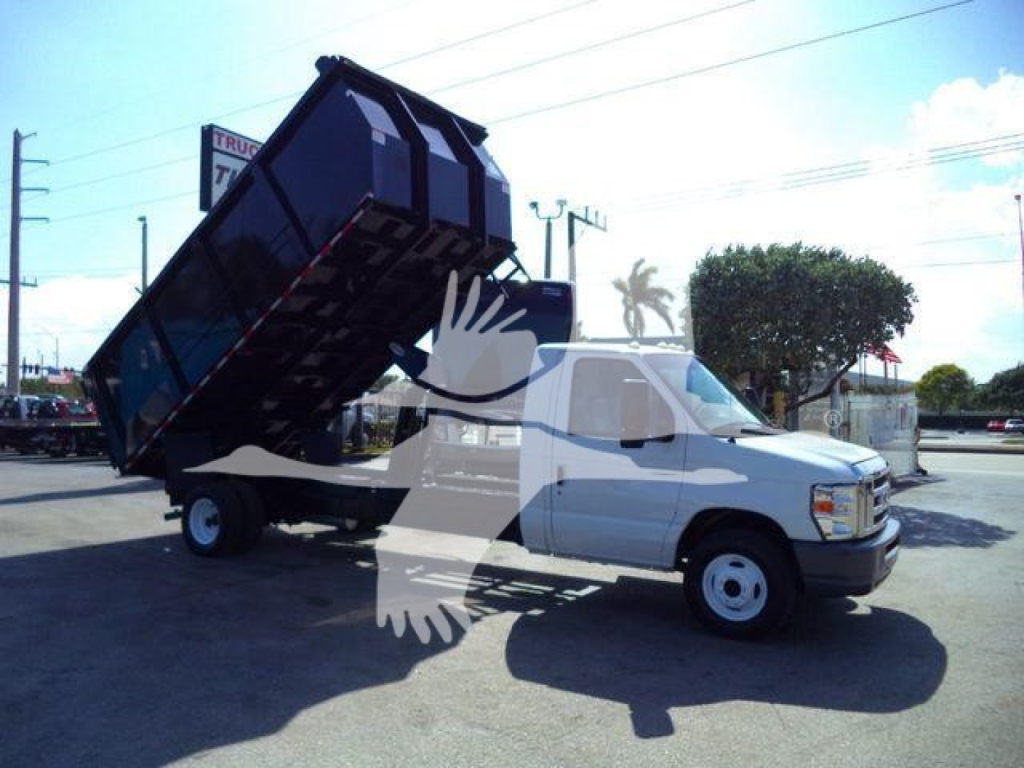
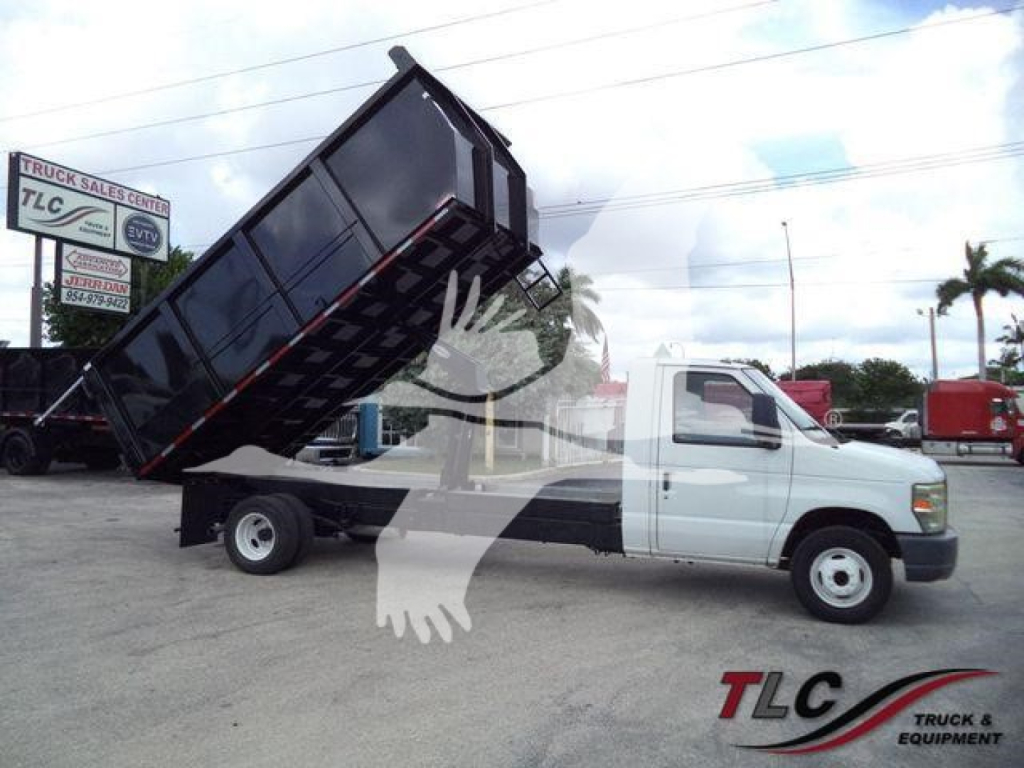
Selling a 2011 ford dump truck? List your 2011 ford dump truck for sale and reach thousands of commercial buyers.
2011 Ford Dump Trucks
Body specification matters as much as the cab and chassis. Common dump body lengths on Ford platforms run from about 9 to 12 feet on lighter trucks and longer on medium-duty models, with steel bodies favored for demolition, stone, and scrap, while aluminum bodies can reduce empty weight and improve legal payload. Buyers should look closely at side height, floor thickness, hoist type, tailgate configuration, tarp setup, and whether the truck has a barn-door, spreader, or combination gate. If the truck will run in winter service, it is worth checking for central hydraulics, plow mounts, sander controls, and PTO-driven systems already in place.
Powertrain choice on a 2011 Ford dump truck depends on duty cycle and service access. In the lighter Super Duty range, gas engines are common and can make sense for local routes, seasonal use, and lower annual miles. Diesel-equipped trucks are more common as GVWR and daily payload increase, especially where torque, engine braking characteristics, and long-term fuel efficiency matter. Transmission type, rear axle ratio, suspension, and brake spec all affect how the truck performs with a loaded body. On any used dump, pay attention to frame condition, hoist wear, hydraulic leaks, hinge and crossmember integrity, PTO engagement, and signs of hard corrosive-service use around the body, understructure, and electrical system.
Cab layout and operating environment also deserve attention. Regular cab trucks maximize body length in a compact wheelbase, while SuperCab and crew cab versions give more room for labor crews, municipal teams, or landscape operations carrying tools and personnel. Buyers comparing listings should verify wheelbase, cab-to-axle measurement, front and rear axle ratings, tire size, and actual body manufacturer, since those details determine upfit quality and job fit more than the badge alone. A well-matched 2011 Ford dump truck is often valued for straightforward serviceability, familiar controls, and a broad range of vocational setups across construction, paving, utility, and property maintenance work.
Frequently Asked Questions about 2011 Ford Dump Trucks
What should I check first on a 2011 Ford dump truck?
Start with the truck’s GVWR, axle ratings, wheelbase, and dump body dimensions. Those numbers determine payload, registration class, maneuverability, and whether the truck fits your work. After that, inspect the hydraulic hoist, PTO operation, frame rails, rear suspension, and body structure for cracks, corrosion, or signs of overload. On a dump truck, the upfit condition is just as important as the engine and transmission.
Are 2011 Ford Super Duty dump trucks different from Ford medium-duty dump trucks?
Yes. Super Duty-based dump trucks such as the F-350, F-450, and F-550 are typically used for lighter payloads, tighter routes, and mixed-duty fleets that also need towing or plow capability. Medium-duty Ford models such as the F-650 and F-750 are better suited for higher payloads, larger bodies, heavier rear axles, and more frequent hauling. The right choice depends on material type, trip frequency, and whether you need a truck that stays under certain CDL or registration thresholds.
Is steel or aluminum dump body better on a 2011 Ford dump truck?
Steel dump bodies are generally preferred for abrasive, high-impact materials like broken concrete, riprap, asphalt, and demolition debris because they handle abuse better. Aluminum bodies reduce tare weight, which can improve payload and fuel efficiency, and they are often a good fit for mulch, topsoil, or lighter bulk materials. The better choice depends on what the truck hauls every day, not just the body material alone.
What options are important if the truck will be used for snow and municipal work?
For snow and municipal use, look for front plow mounts, hydraulic controls, central hydraulics, sander compatibility, higher-output charging systems, and durable corrosion protection on the body and wiring. Buyers should also confirm the truck has the correct front axle capacity for plow weight and enough electrical and hydraulic support for simultaneous accessories. A dump truck set up for year-round work often carries more value than a basic seasonal configuration.
How important is engine type on a 2011 Ford dump truck?
Engine type matters, but it should be matched to the truck’s duty cycle. Gas engines can be practical for shorter routes, lower annual miles, and fleets that want simpler service and lower acquisition cost. Diesel engines usually make more sense for heavier loads, more frequent hauling, and applications where low-end torque and sustained work matter. The best buying decision comes from matching engine, transmission, axle ratio, and body size to the actual job.