
2005 Dump Trucks For Sale
Shop 2005 dump trucks with practical guidance on GVWR, body size, axle setups, engine options, hydraulics, and vocational job fit.
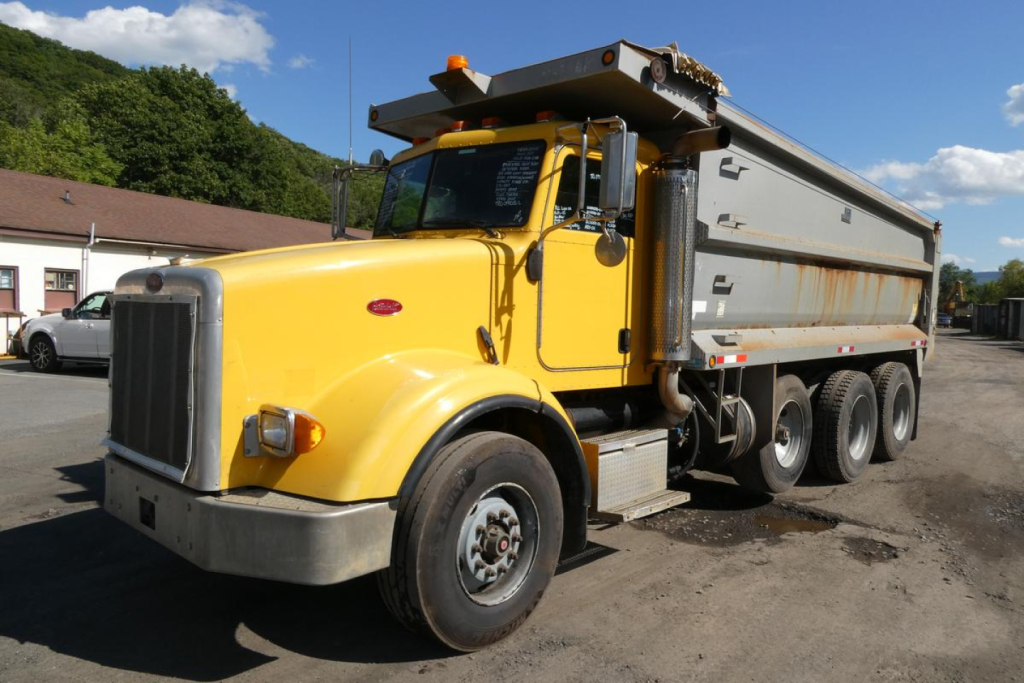
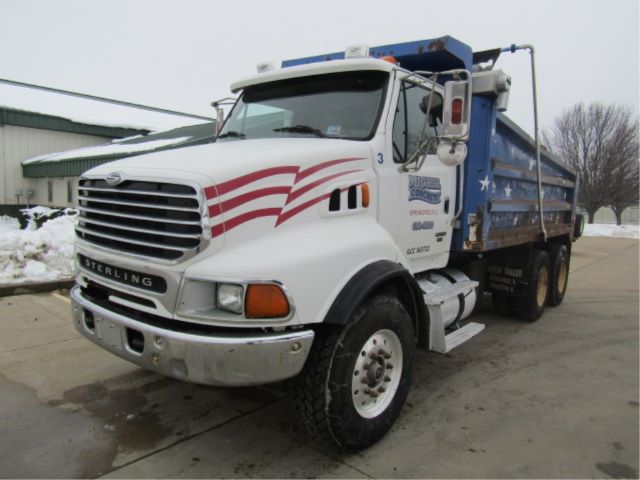
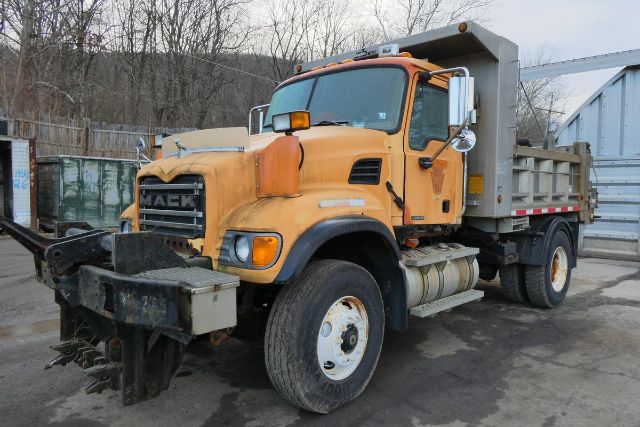

Selling a 2005 dump truck? List your 2005 dump truck for sale and reach thousands of commercial buyers.
2005 Dump Trucks
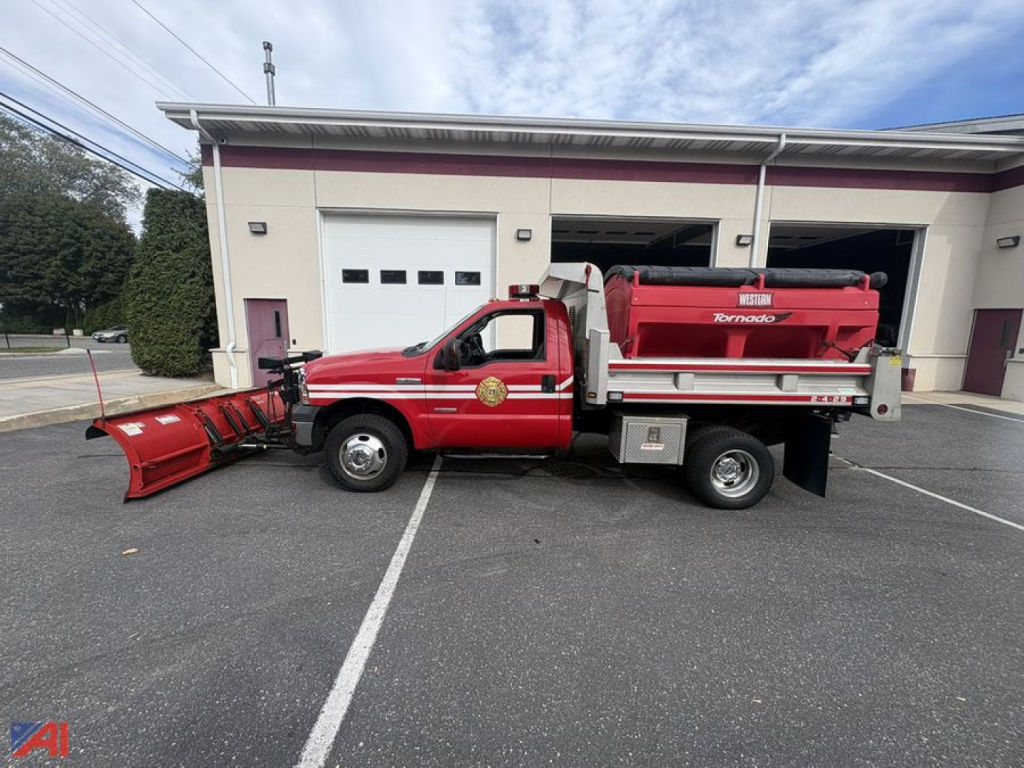
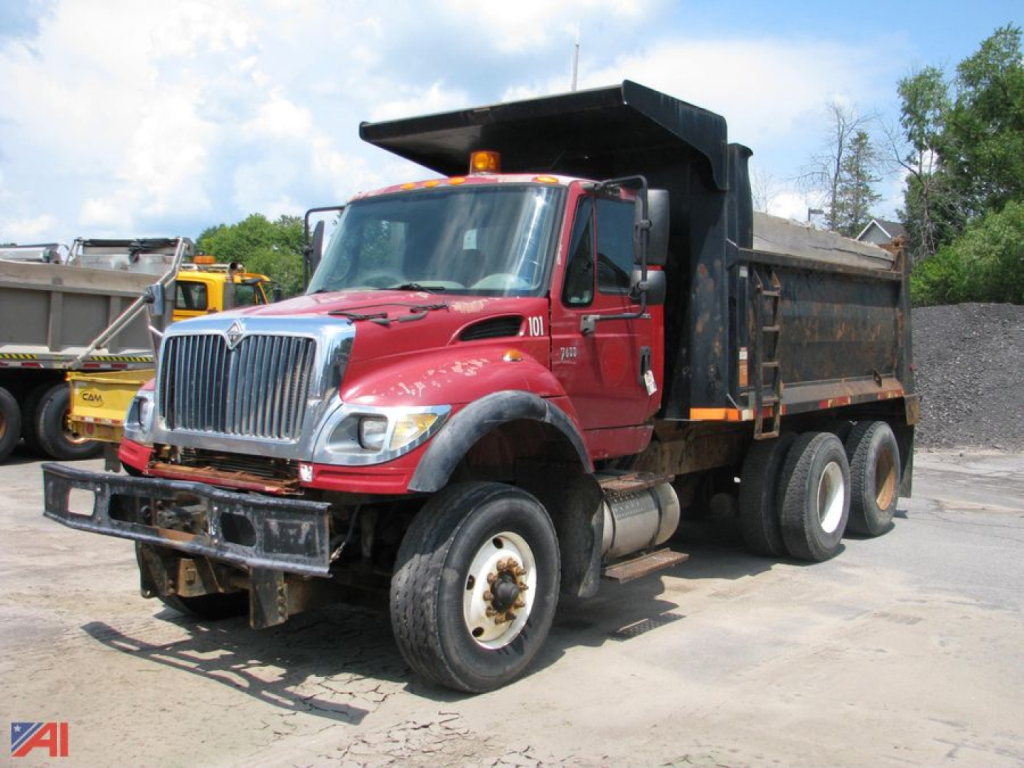
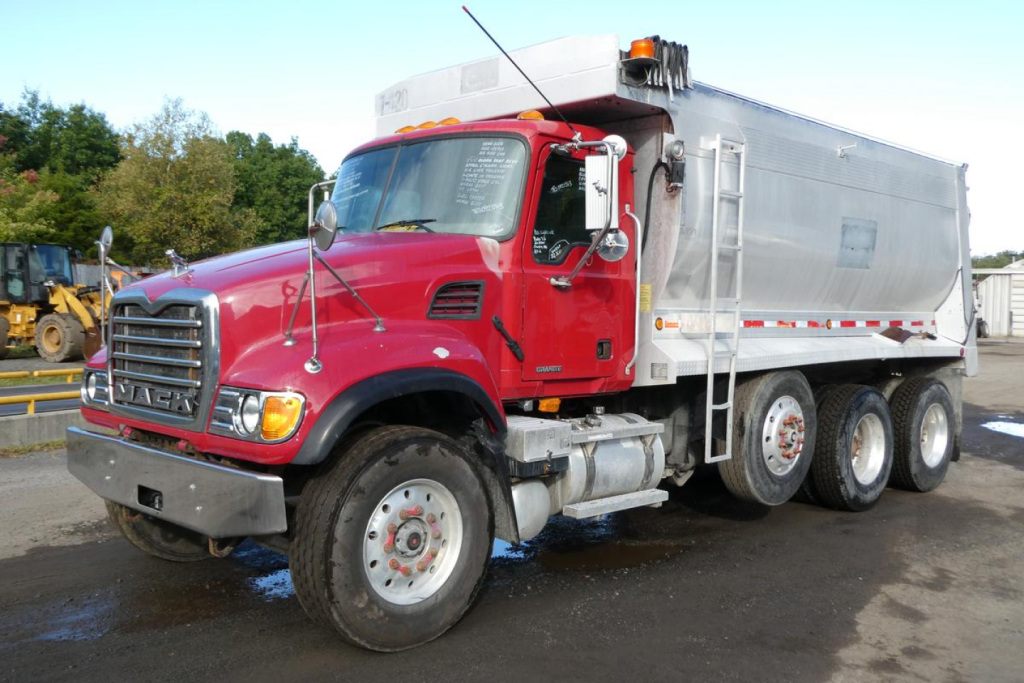
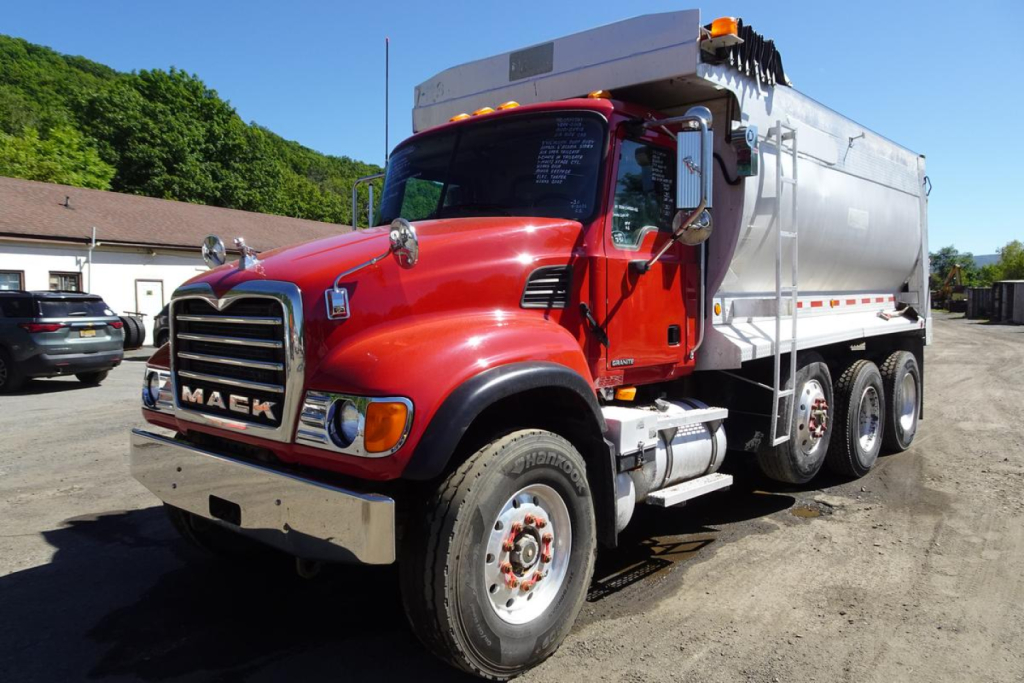
Body and chassis specs matter more than appearance. Common body lengths range from about 9 to 16 feet on lighter trucks and 15 to 18 feet or more on heavier tandem units. Steel bodies are common for rock, scrap, and demolition because they tolerate abrasion and impact better, while aluminum bodies can help payload on applications where weight savings matters more than abuse resistance. Check side height, floor thickness, tailgate style, hoist type, and whether the truck has a tarp system, pintle hitch, electric brake controller, or cab shield. On a 2005 truck, buyers should pay close attention to cylinder leaks, hinge wear, PTO engagement, pump noise, and any frame cracking around the hoist mounts or body saddles.
Powertrain choice on a 2005 dump truck depends on the route and payload. Medium-duty units from this era often used gas V8 or V10 engines for local property maintenance, landscaping, and municipal duty, while heavier vocational trucks typically ran diesel engines from Caterpillar, Cummins, Detroit, or Mack paired with manual, automated, or Allison automatic transmissions. Tandem and tri-axle trucks may have locking differentials, double frames, and severe-service suspensions that are better suited to off-road jobs and repeated loading cycles. If the truck will spend time on soft ground or steep grades, axle ratio, tire size, and suspension setup can matter as much as horsepower. Buyers should also factor in pre-emissions simplicity on many 2005 diesel trucks, while still verifying local compliance rules and the real condition of the engine, injectors, turbo, and cooling system.
A good 2005 dump truck buyer focuses on service history and upfit quality. Fleet-maintained municipal and contractor trucks can be solid values, but corrosion, plow-duty wear, overloaded operation, and hydraulic neglect can shorten remaining life fast. Inspect the bed crossmembers, cab mounts, spring hangers, steering components, brake condition, and signs of hard use around the pintle plate and rear frame. If the truck has been used with a spreader, snowplow, or trailer, inspect wiring, controls, and front axle wear carefully. For buyers comparing listings, the most useful questions are payload capacity, body dimensions, axle configuration, engine hours if available, transmission type, and recent work to brakes, hydraulics, tires, and suspension.
Frequently Asked Questions about 2005 Dump Trucks
What should I inspect first on a 2005 dump truck?
Start with the frame, hoist, and body. Look for rust-through, cracked welds, bent crossmembers, leaking hydraulic cylinders, noisy PTO operation, and wear at the hinge pins and hoist mounts. After that, inspect suspension, brakes, steering linkage, and tire wear patterns, because dump trucks often work overloaded or off-road and those areas show abuse quickly.
Are 2005 dump trucks good for commercial hauling?
They can be, if the truck is properly spec'd and has been maintained. A 2005 dump truck can still serve well in landscaping, municipal work, construction support, aggregate hauling, or demolition when the axle ratings, body capacity, and drivetrain match the job. The truck's condition matters more than age alone, especially on vocational equipment that may have seen heavy loading cycles.
What body material is better on a dump truck, steel or aluminum?
Steel is generally preferred for severe-duty applications such as rock, scrap, and demolition because it handles impact and abrasion better. Aluminum reduces empty weight and can improve payload on lighter bulk materials, but it is typically less tolerant of hard impact and abusive loading. The right choice depends on what the truck hauls every day, not just the purchase price.
Is an automatic transmission a good choice in a dump truck?
An Allison automatic is popular in dump applications because it is easy to operate in stop-and-go work, backing situations, and jobsite driving. Manual transmissions still appeal to buyers who want direct control, lower complexity in some cases, or a specific drivetrain setup. The best choice depends on driver experience, route type, and whether the truck works mostly on-road, in quarries, or on mixed jobsite duty.
Do 2005 dump trucks usually have emissions equipment?
Many 2005 diesel dump trucks fall into a pre-DPF era, which is attractive to some buyers because the emissions systems are generally simpler than later trucks. That said, specifications vary by engine and region, and local regulations can still affect where and how the truck can be used. Buyers should confirm engine family, emissions configuration, and any compliance requirements before making a decision.