
Dump Trucks For Sale in Alaska
Browse dump trucks for Alaska jobsites, hauling gravel, rock, snow, and debris with specs for GVWR, axle setup, body style, and driveline.
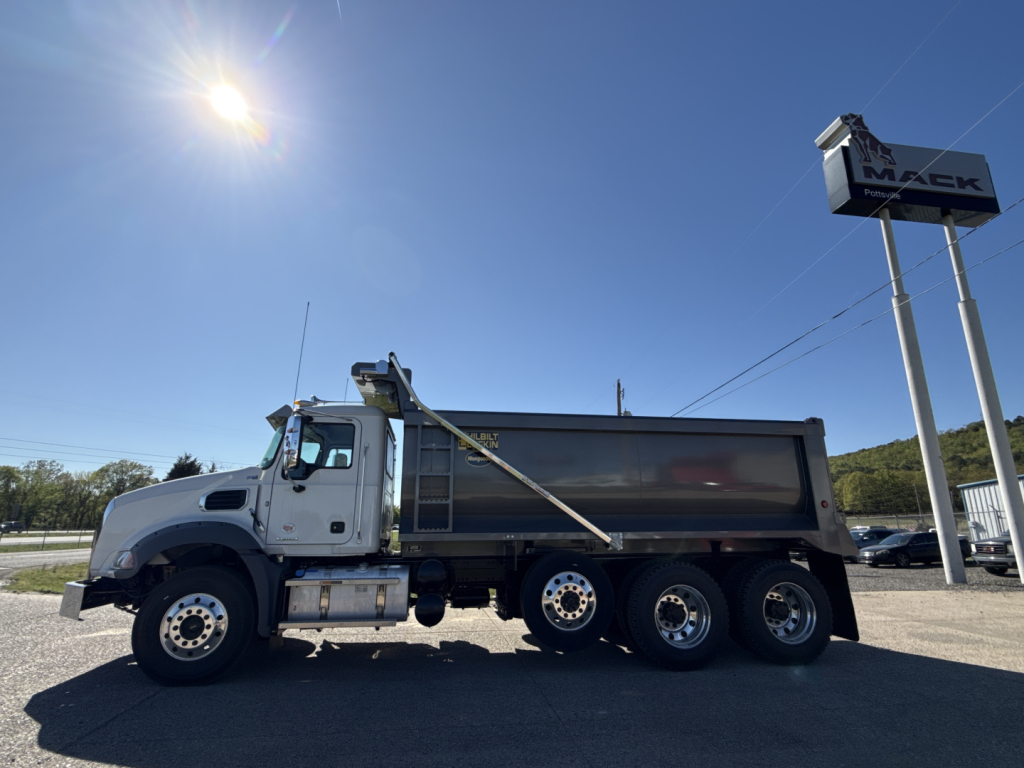
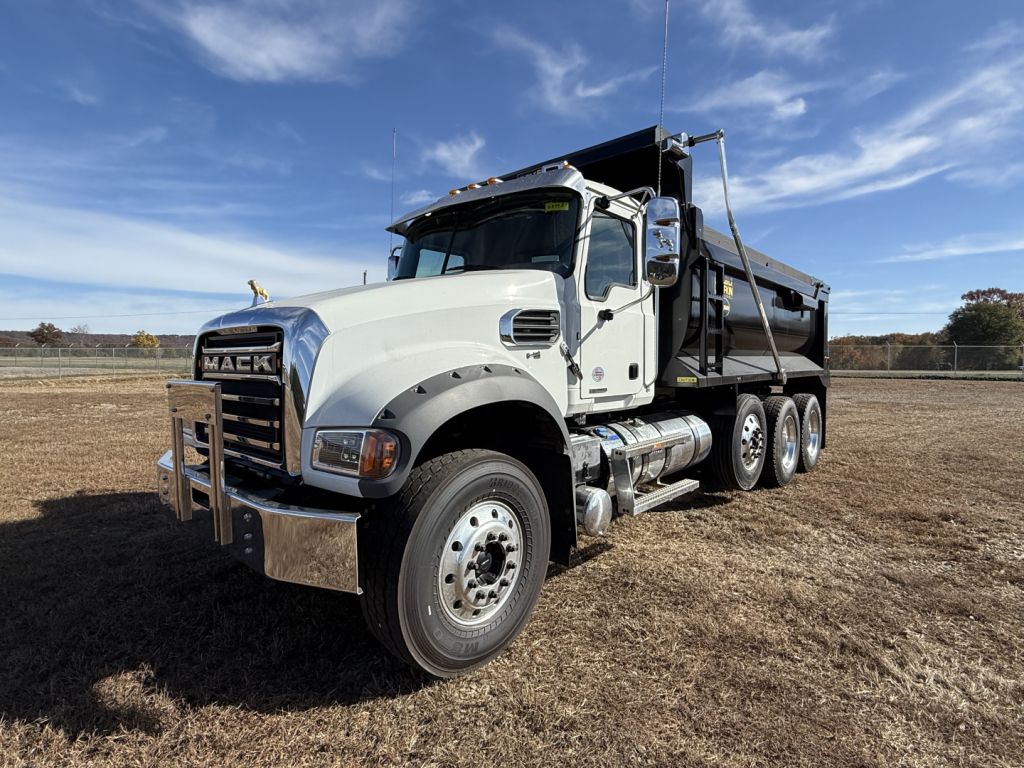
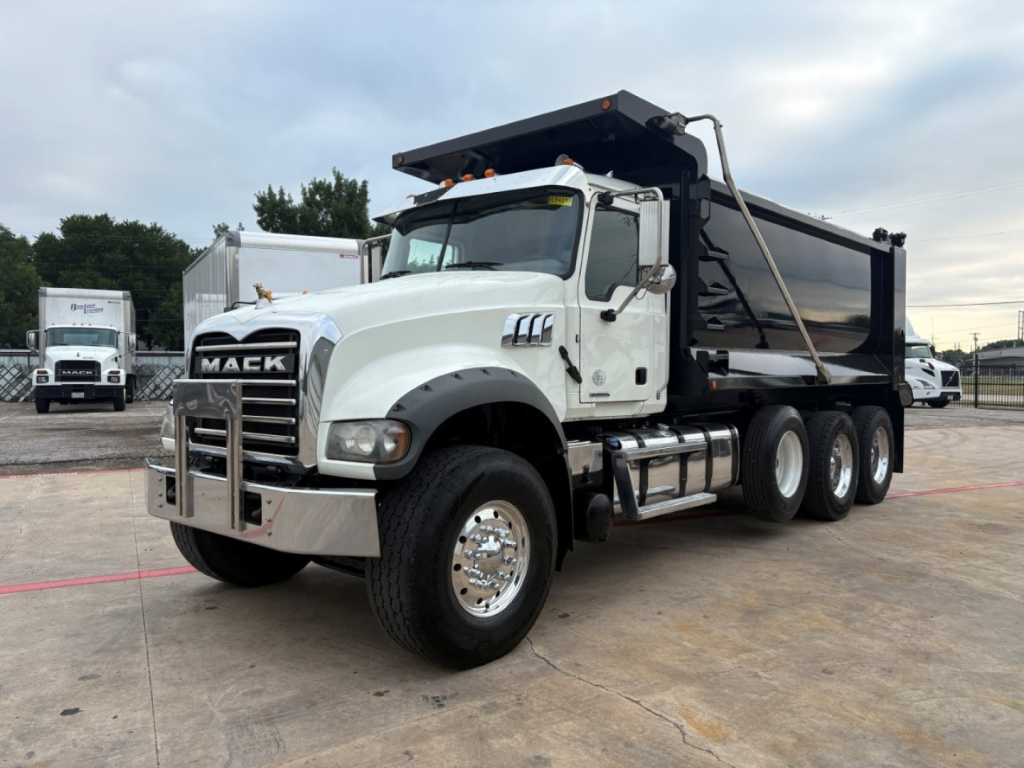

Selling a dump truck? List your dump truck for sale and reach thousands of commercial buyers.
Dump Trucks in Alaska
For lighter municipal, landscape, and general contractor work, a Class 6 or Class 7 dump truck with a 6.7L diesel and an automatic transmission is a common fit. Trucks in this range are often used for gravel, sand, asphalt patch, snow removal, and debris hauling where tighter turning radius and easier operation matter more than maximum payload. On the heavier end, severe-duty dump trucks with 20,000 lb front axles, 46,000 lb rears, camelback or heavy multi-leaf suspensions, and 13-speed automated or manual transmissions are better suited for aggregate, excavation, quarry work, and off-pavement hauling. Higher horsepower engines in the 400 to 500 hp range are common when the truck is expected to pull through deep material, carry heavy bodies, or run in hilly terrain.
Body spec matters as much as chassis spec. Buyers should compare body length, side height, steel thickness, hoist type, tailgate design, and whether the truck has an elliptical or traditional material body. Elliptical bodies can improve cleanout and reduce material carryback, while heavier square bodies may be preferred for abrasive aggregate or demolition material. Other useful features include heated bodies for cold-weather dumping, tarp systems, pintle hitches, PTO setup, lockable differential options, and front plows or wing prep for snow service. In Alaska, corrosion resistance, battery and block heater provisions, cold-start reliability, and cab insulation deserve extra attention, especially for trucks that sit outside or work in remote areas.
A good dump truck is not just about peak payload. It has to match the job cycle, operator skill level, and the roads it will run every day. Short wheelbase single-axle trucks are easier to place in town and on smaller jobsites, while tandem and tri-axle units bring the axle capacity and frame strength needed for high-volume material movement. Transmission choice also matters. Allison automatics are popular in stop-and-go and vocational service, while heavy automated manuals with creeper ratios are common in severe-duty applications where gradeability and low-speed control count. Buyers sorting through dump trucks for sale should focus on legal payload, body condition, hoist performance, frame integrity, suspension spec, and cold-weather readiness before comparing cosmetic details.
Frequently Asked Questions about Dump Trucks in Alaska
What size dump truck is best for Alaska work?
The best size depends on the material, haul distance, and road conditions. A single-axle dump truck in the 26,000 to 33,000 GVWR range fits lighter contractor work, municipal use, and tighter urban jobsites. Tandem and tri-axle dump trucks are better for aggregate, excavation, and heavier payloads, especially where axle capacity and frame strength matter. In Alaska, buyers also need to consider traction, cold starts, frost-heaved roads, and whether the truck will run on pavement, gravel, or mixed surfaces.
What should I look for in a dump truck body?
Focus on body type, steel thickness, hoist setup, and tailgate design. Material bodies are common for gravel, sand, and asphalt, while heavier-duty bodies are often preferred for rock, demolition debris, or abrasive loads. Elliptical bodies can improve unloading and cleanout, which helps in wet or freezing conditions. Buyers should also check for body heat, tarp systems, liner condition, hinge wear, and signs of hard use around the hoist mounts and rear frame area.
Is an automatic or manual transmission better in a dump truck?
Automatic transmissions are popular in medium-duty dump trucks because they are easier to operate in traffic, around jobsites, and during frequent stops. They also reduce driver fatigue and can be a good fit for municipal and contractor fleets with multiple operators. Manual and automated manual transmissions are common in heavy dump applications where low-speed control, grade climbing, and heavy payload performance are priorities. The best choice depends on terrain, driver preference, and how severe the duty cycle is.
Why do axle ratings and suspension matter so much on a dump truck?
Axle ratings and suspension determine how much weight the truck can legally and safely carry, and how well it holds up under repeated loading. A dump truck with a 12,000 lb front axle and 21,000 lb rear axle serves a very different job than one with a 20,000 lb front and 46,000 lb rear setup. Heavy multileaf and camelback suspensions are common in severe-duty trucks because they handle concentrated loads and rough roads better than lighter vocational suspensions. These specs affect payload, durability, ride quality, and resale value.
What cold-weather features are important on a dump truck in Alaska?
Cold-weather readiness can be as important as horsepower in Alaska. Block heaters, battery warmers, heated mirrors, cold-rated hydraulics, body heat, reliable PTO operation, and strong cab heat all help keep a dump truck productive in freezing conditions. Buyers should also pay attention to corrosion protection, electrical system condition, and whether the truck has the tire and traction setup needed for snow, ice, and unpaved roads. A truck that is properly spec'd for cold weather usually delivers better uptime and easier starts through the winter.