
Mack Dump Trucks For Sale in Alaska
Shop Mack dump trucks for hauling, construction, and municipal work in Alaska, with specs on GVWR, axle setups, engines, and dump body options.
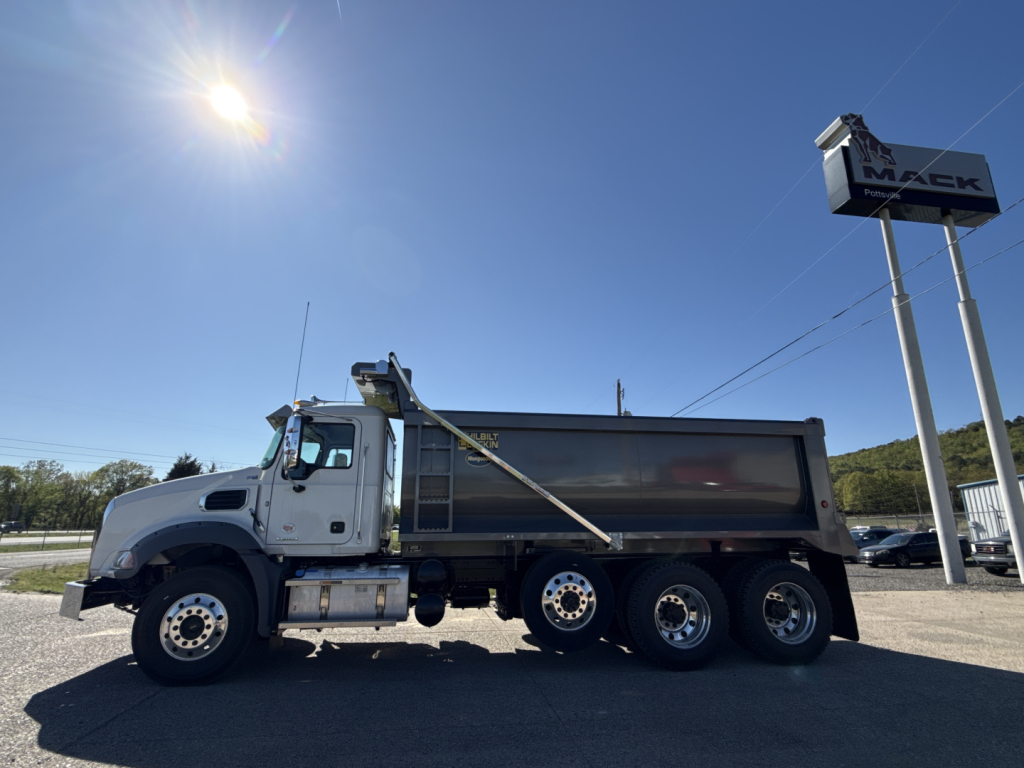
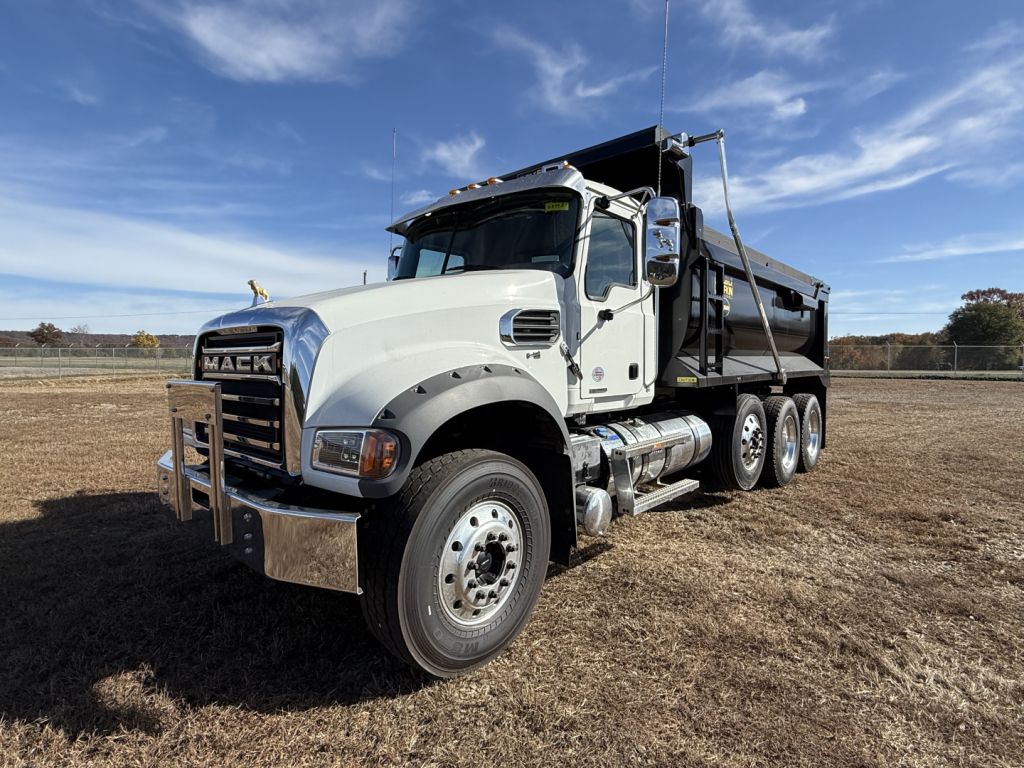
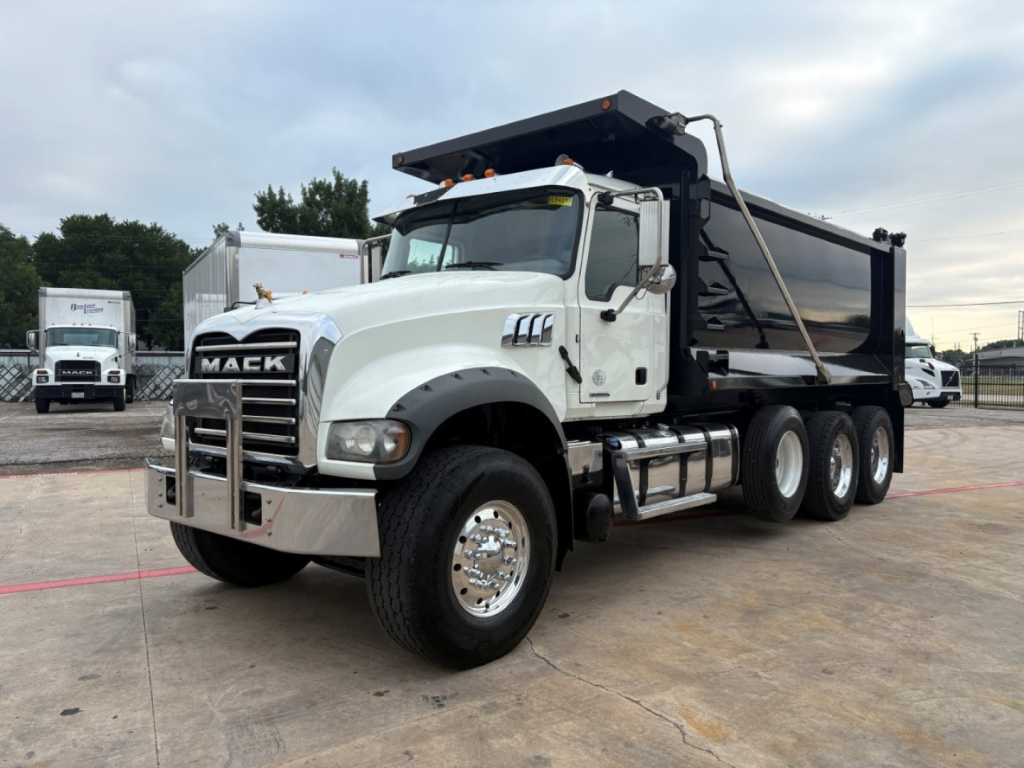

Selling a mack dump truck? List your mack dump truck for sale and reach thousands of commercial buyers.
Mack Dump Trucks in Alaska
Powertrain choice affects jobsite performance as much as payload. Heavy Mack dump trucks are often spec'd with Mack MP engines, including the MP8 in the 400-plus horsepower range, paired with Mack mDRIVE automated manual transmissions or traditional manual options. Medium-duty models may use the Cummins ISB 6.7 with an Allison automatic, a practical setup for stop-and-go routes and drivers who need simple operation. Rear axle ratios, creeper gearing, and multi-speed reverse are worth close attention on dump applications because they directly affect low-speed control, gradeability, and backing into soft or uneven ground. Mack Camelback and other heavy multi-leaf suspensions remain popular because they are proven in harsh vocational service and hold up well under repeated loading cycles.
The body spec is just as important as the chassis. Buyers should look at dump body length, side height, floor thickness, hoist type, tailgate style, and liner options based on the material being hauled. Sand, gravel, riprap, asphalt millings, demolition debris, and wet clay all place different demands on the body and hoist. For Alaska operations, corrosion resistance, heated bodies, hydraulic routing protection, and cold-weather starting equipment can be especially relevant. Traction features such as inter-axle and cross-axle locks, proper tire selection, and weight distribution across the bridge are also critical when the truck will see unimproved roads, mud, frost-heaved surfaces, or winter service.
A good Mack dump truck spec balances legal payload, durability, and maneuverability for the actual work mix. Wheelbase affects body length and turning radius. Axle spread affects bridge compliance and payload. Suspension choice influences ride, articulation, and long-term maintenance. Buyers comparing Mack dump trucks should focus less on badge alone and more on how the chassis, drivetrain, and body were ordered for the job. The best fit is usually the truck that can carry the target material efficiently, survive jobsite abuse, and stay productive through short haul cycles, seasonal weather swings, and high idle vocational use.
Frequently Asked Questions about Mack Dump Trucks in Alaska
What is the difference between a Mack Granite dump truck and a Mack MD dump truck?
A Mack Granite is a heavy-duty vocational truck designed for severe-duty work such as excavation, aggregate hauling, paving support, and construction jobs that require higher GVWR, heavier axles, and more robust suspension options. A Mack MD is a medium-duty platform better suited to lighter dump applications such as municipal work, landscape materials, snow and ice support, and local delivery-style routes. The right choice depends on payload target, terrain, body size, and how much off-road or jobsite use the truck will see.
What axle setup is best for a Mack dump truck in Alaska?
The best axle setup depends on payload, legal road limits, and where the truck will run. Single-axle dump trucks are easier to maneuver and often fit municipal or lighter material work. Tandem and tri-axle configurations are more common for heavier construction and aggregate applications because they support greater payload and better distribute weight. In Alaska, buyers should pay close attention to axle ratings, axle spread, traction equipment, and how the truck is spec'd for seasonal road conditions and mixed paved-to-unpaved operation.
Are Mack dump trucks commonly available with automatic or automated transmissions?
Yes. Mack dump trucks are commonly spec'd with Mack mDRIVE automated manual transmissions on heavy-duty models and Allison automatic transmissions on many medium-duty applications. An automated or automatic transmission can improve driver consistency, reduce clutch wear, and simplify stop-and-go work. Buyers doing steep grades, deep mud, or precise backing should also look at low-speed gearing, creeper ratios, and reverse performance, not just the transmission type.
What suspension is common on a Mack dump truck?
Heavy Mack dump trucks are often equipped with Mack Camelback or other heavy multi-leaf rear suspensions because they are durable and well-suited to rough vocational use. These suspensions are valued for load stability and long service life in demanding conditions. Medium-duty dump trucks may use lighter multi-leaf spring suspensions that balance payload support with ride quality. Suspension choice should match body size, material density, terrain, and how often the truck leaves improved roads.
What should I look for in a used Mack dump truck spec?
Focus on GVWR, axle ratings, engine horsepower and torque, transmission model, rear axle ratio, suspension type, wheelbase, and dump body construction. It is also important to verify hoist condition, frame integrity, PTO operation, hydraulic system health, and signs of body floor or hinge wear from abrasive material. For trucks used in cold climates, buyers should also inspect corrosion exposure, cold-start equipment, tire condition, and whether the truck has locking differentials or other traction features that matter in winter and off-road service.