
2025 Dump Trucks For Sale
Shop 2025 dump trucks for hauling aggregate, debris, asphalt, and site materials. Compare GVWR, axle setups, body specs, and PTO options.
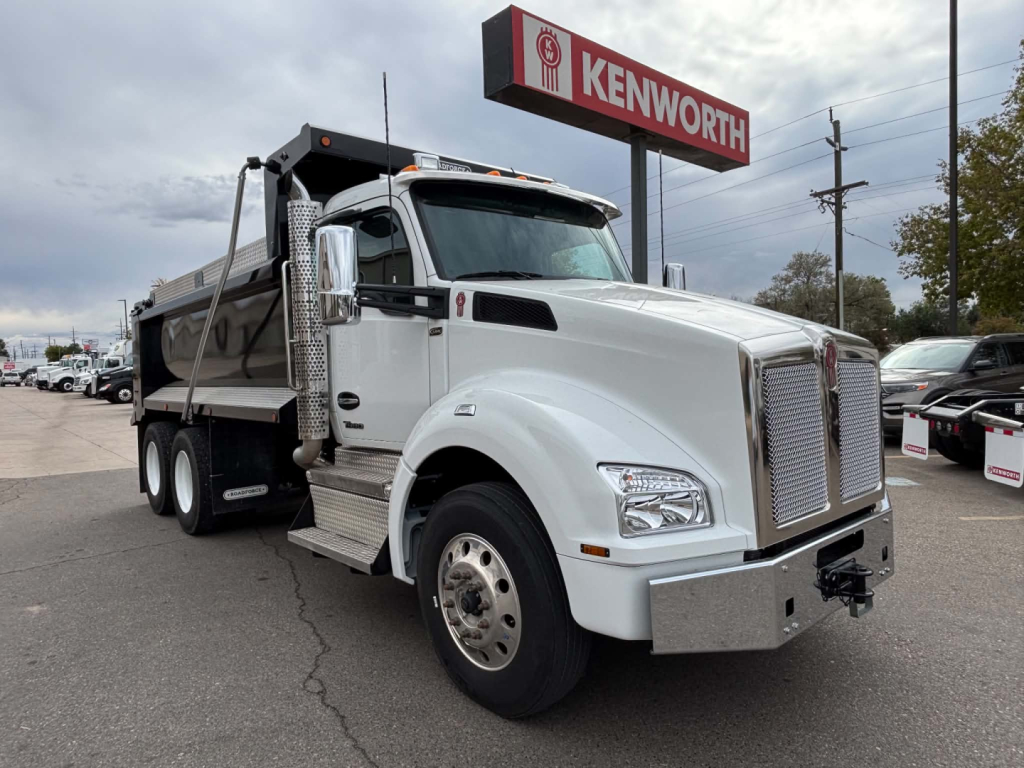
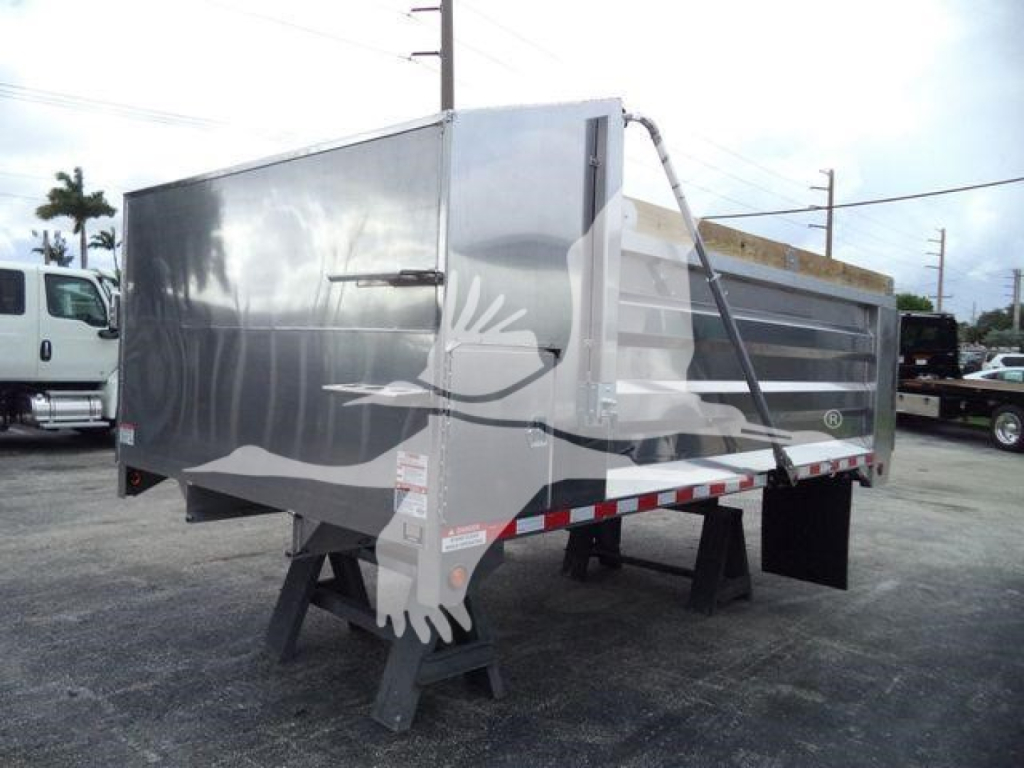
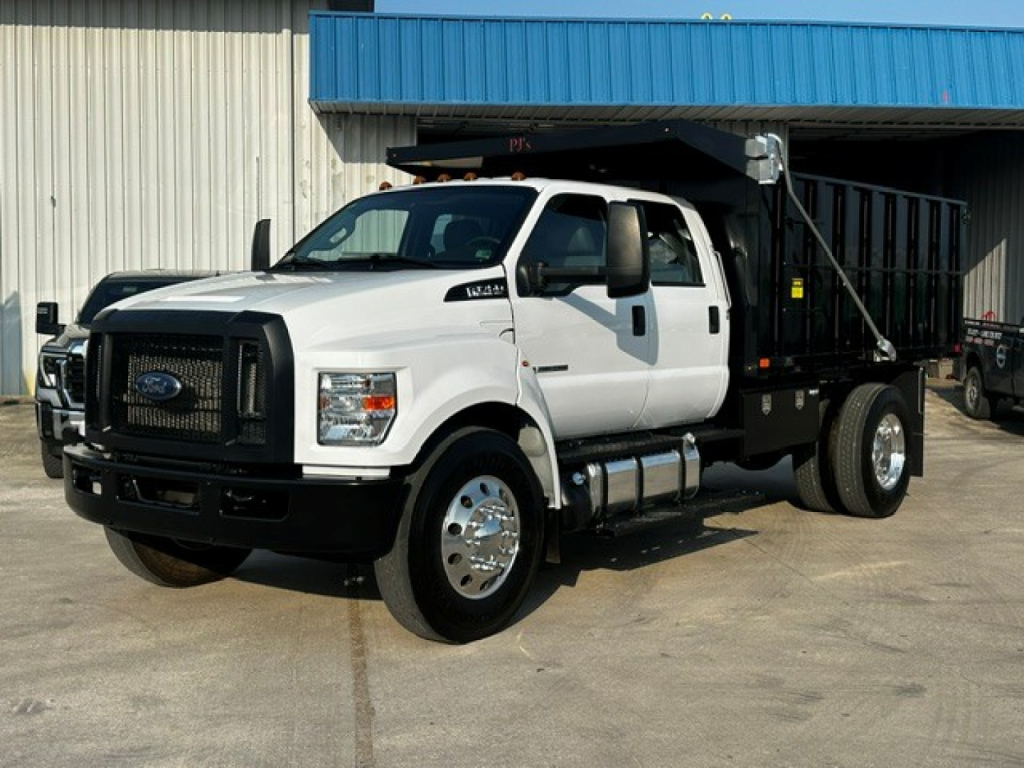
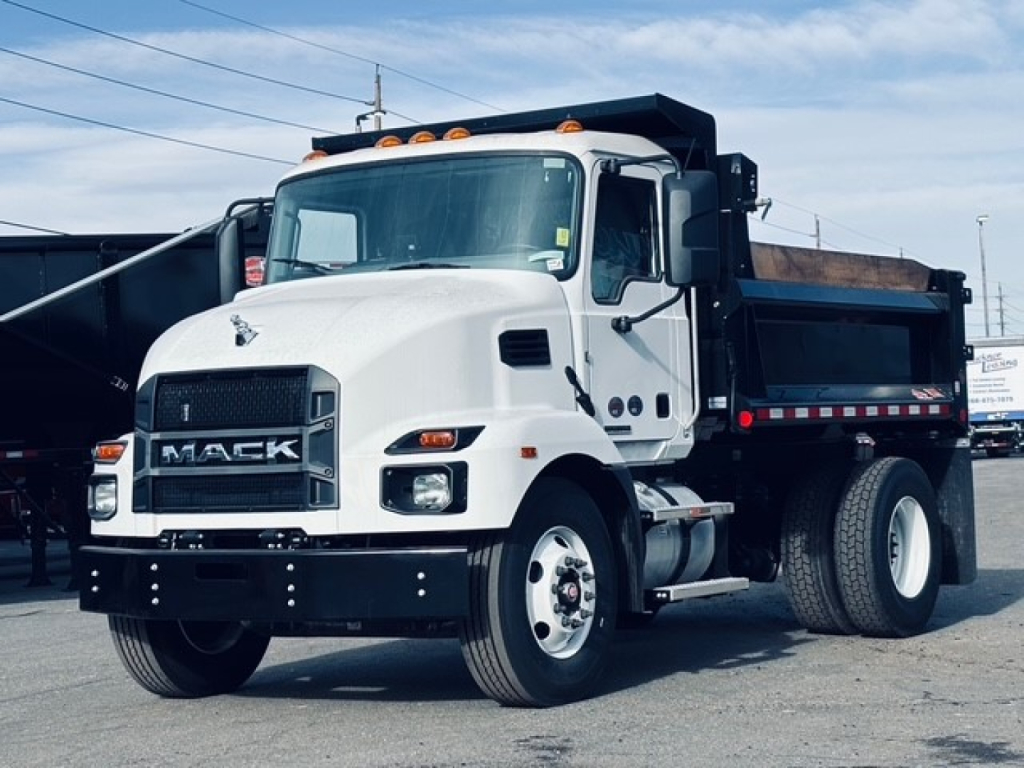
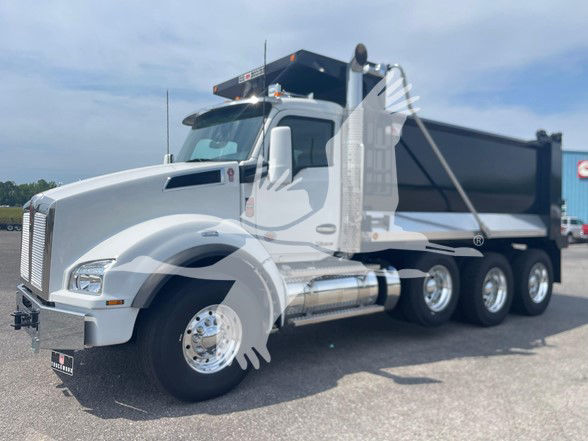
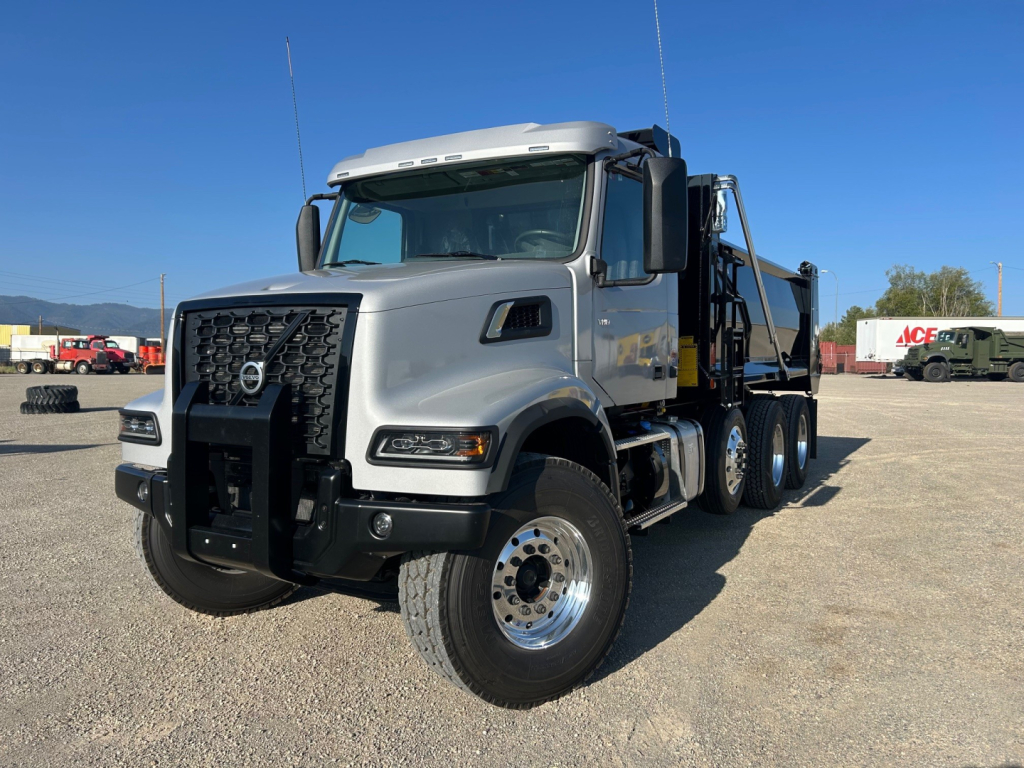
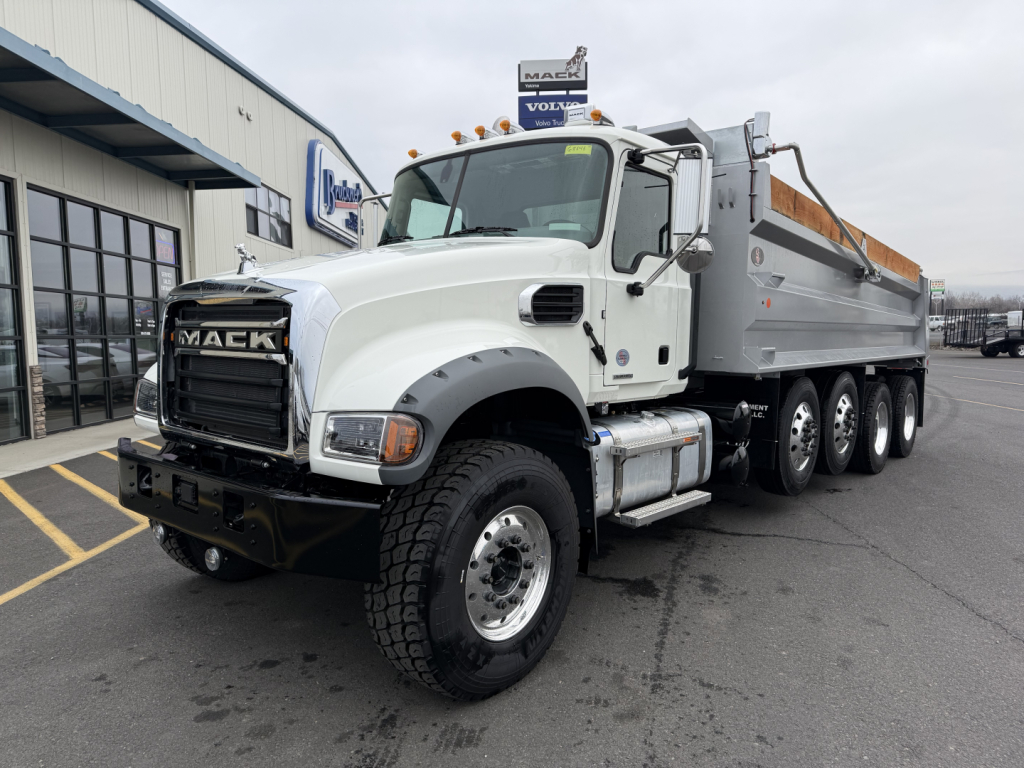
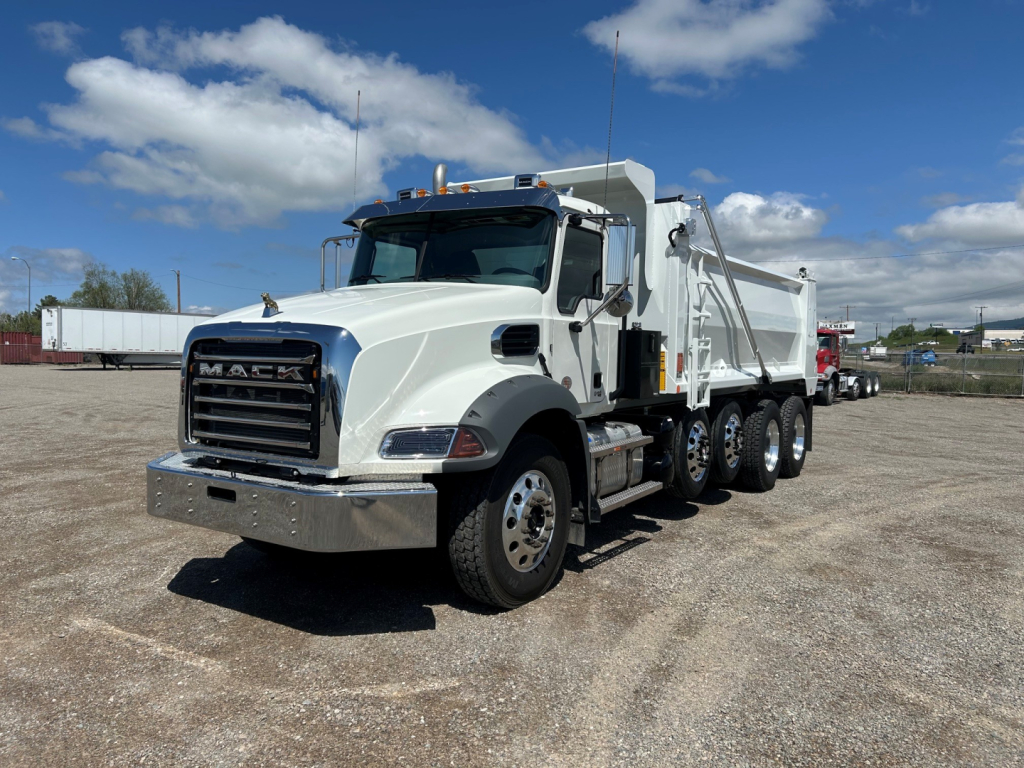
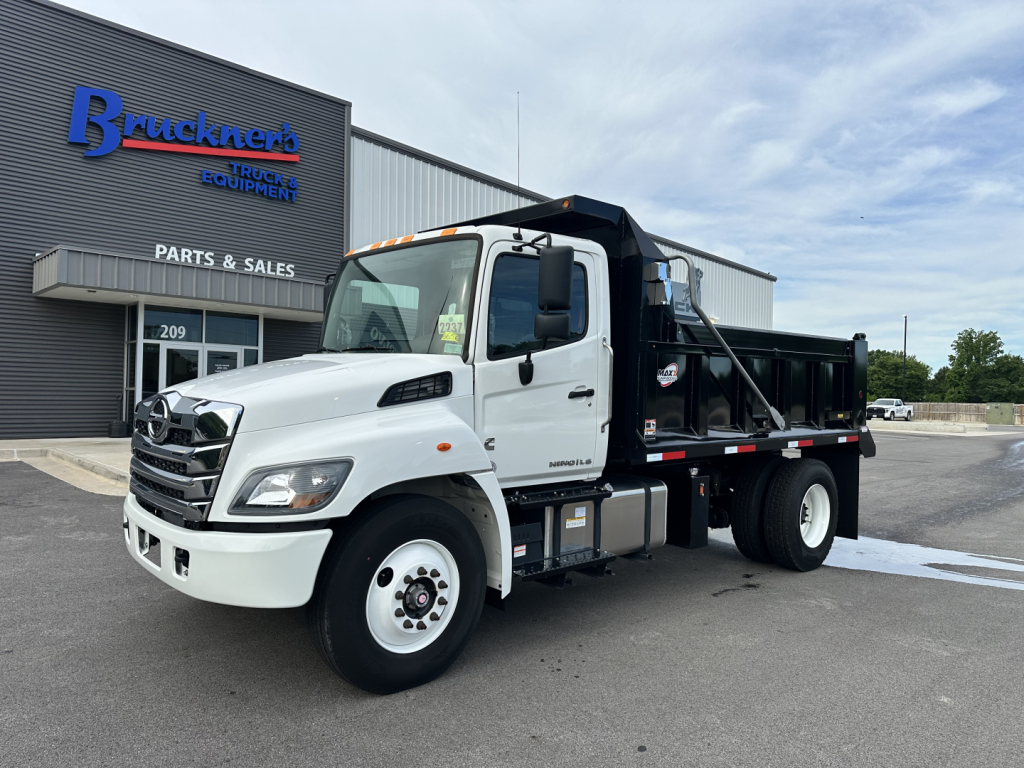
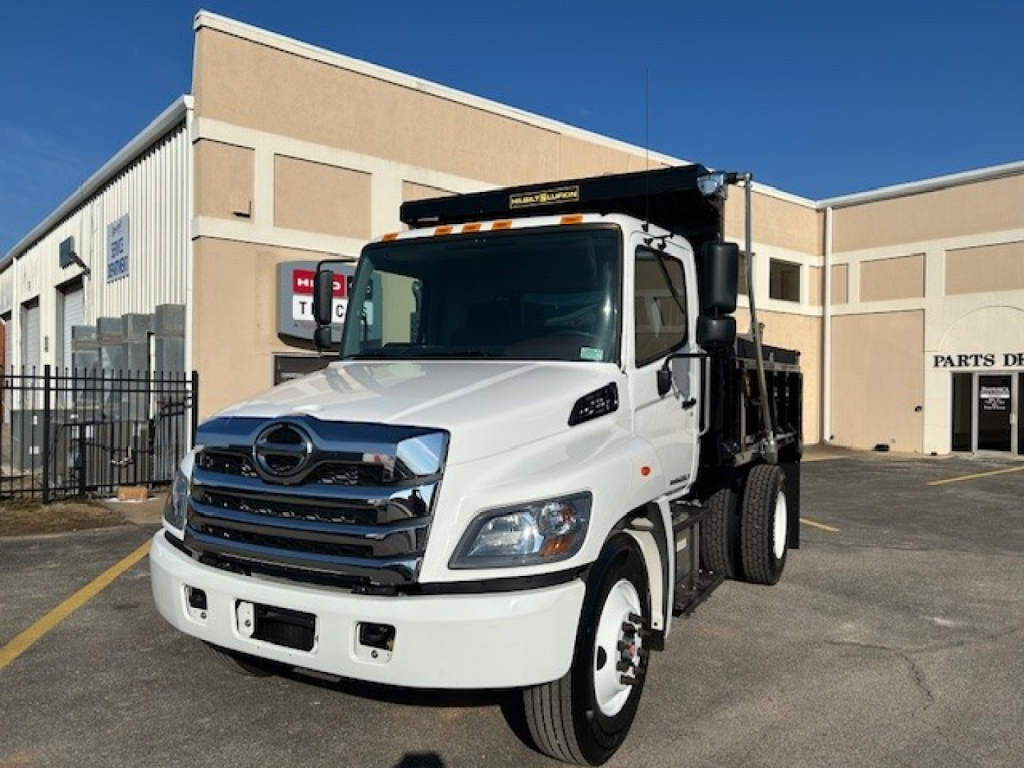
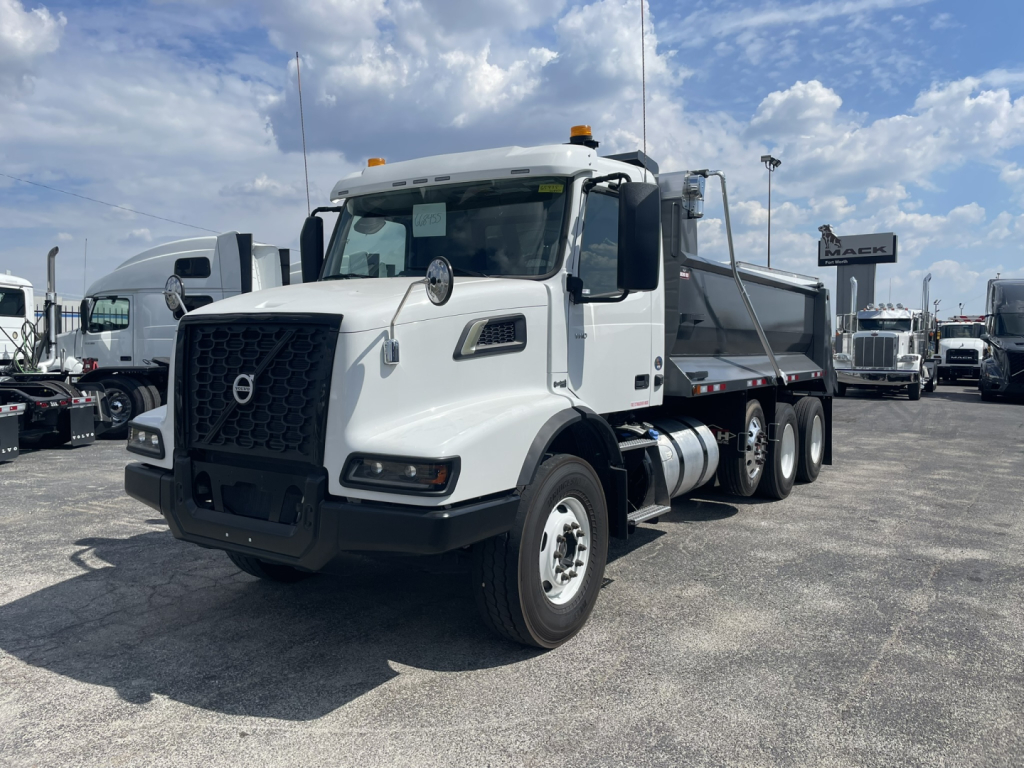
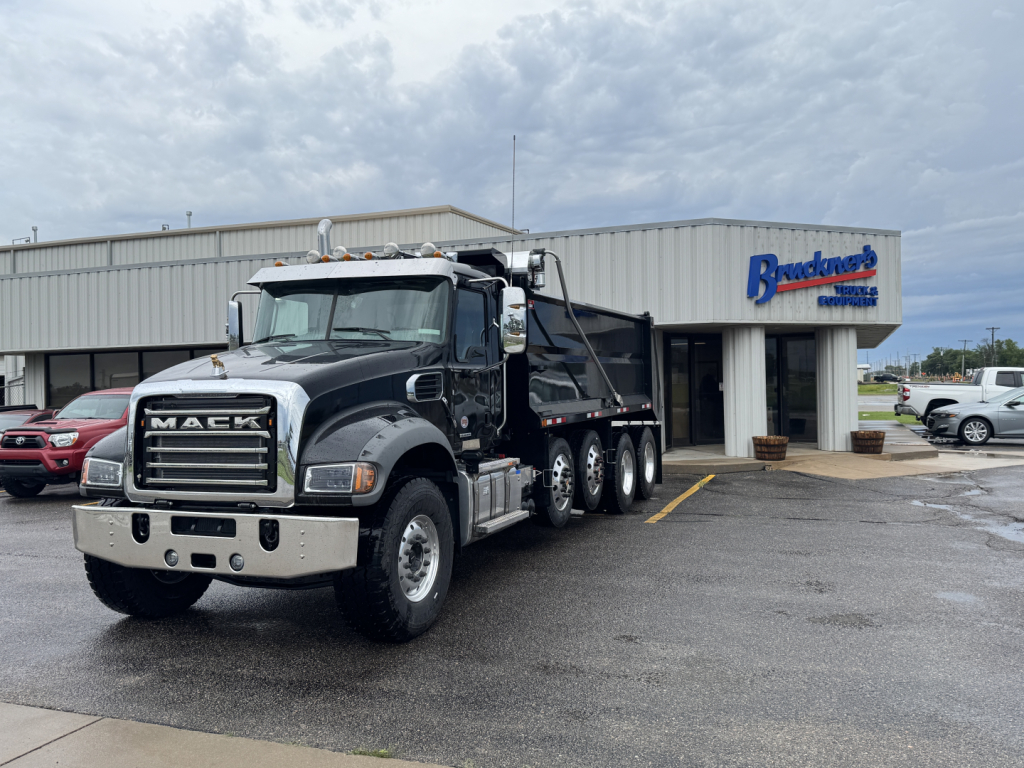
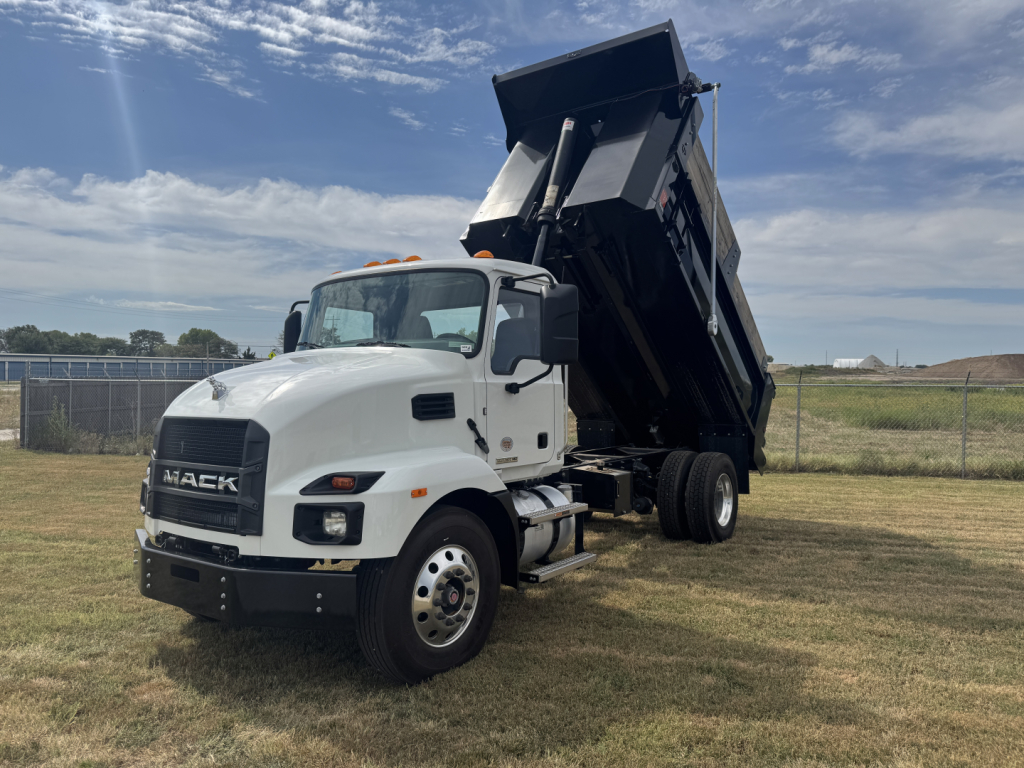

Selling a 2025 dump truck? List your 2025 dump truck for sale and reach thousands of commercial buyers.
2025 Dump Trucks
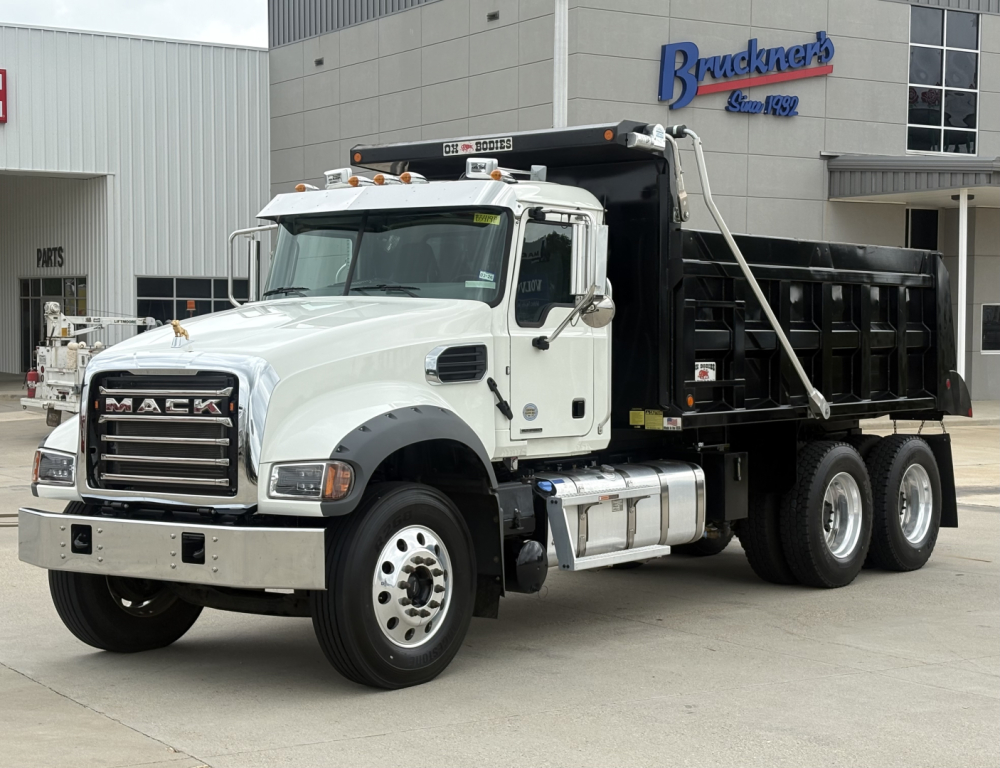
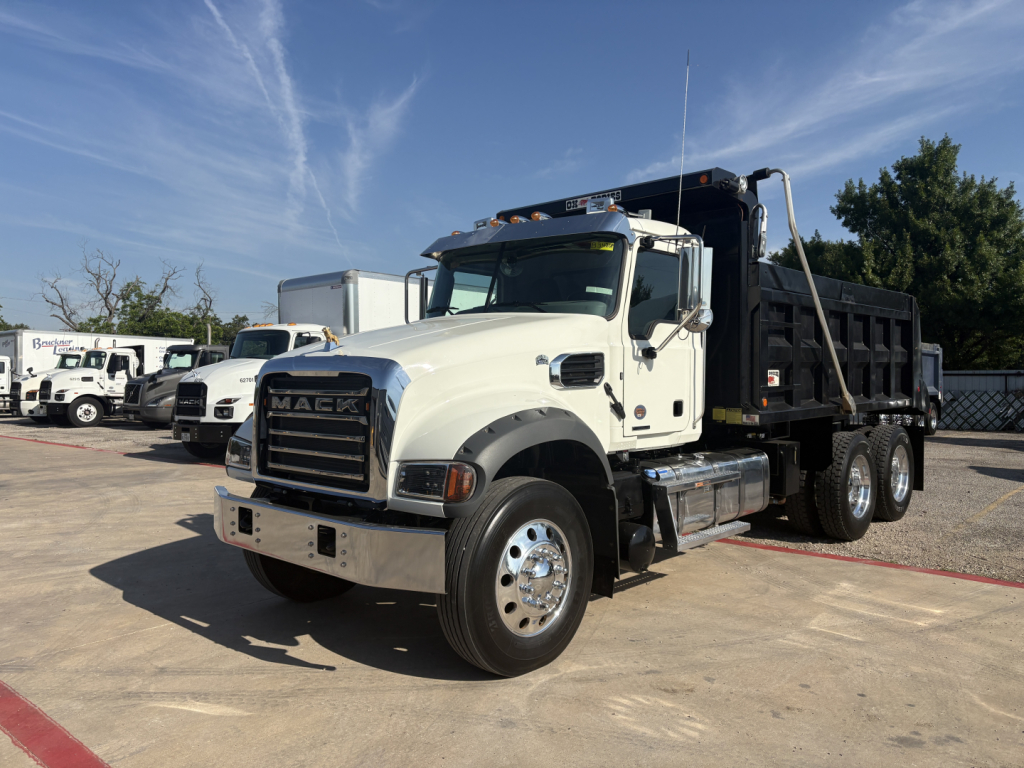
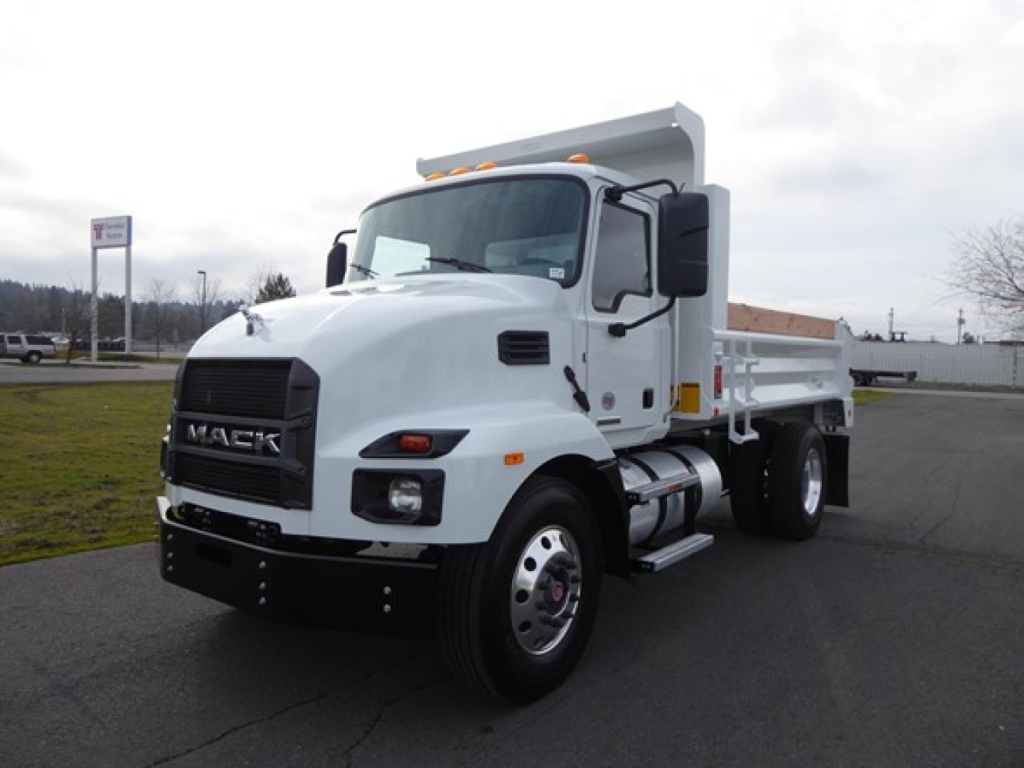
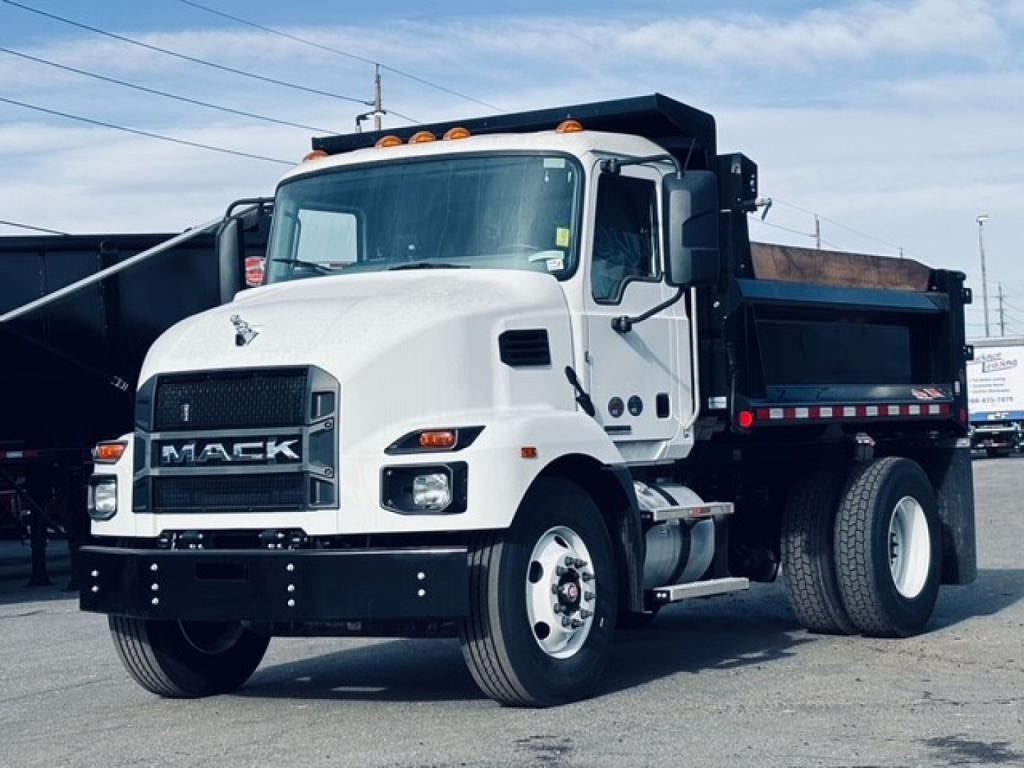
Body spec matters as much as the chassis. Common dump body lengths range from about 9 to 12 feet on lighter chassis and up to 15 to 17 feet or more on heavy vocational trucks. Steel bodies are common for demolition, rock, and abrasive material, while lighter bodies can make sense when payload is the priority. Side height, floor thickness, hoist design, crossmember spacing, and tailgate style all affect how the truck performs. A high-lift tailgate, air-operated gate, manual or electric tarp system, cab shield, and shovel rack can be important depending on the work. For material retention and durability, many buyers also look for body liners, reinforced sides, and well-matched hoists with stable dump angles.
Powertrain choices on 2025 dump trucks are driven by terrain, start-stop frequency, and driver preference. Diesel engines remain the standard on heavier dump applications, typically paired with automated manual, full automatic, or manual transmissions. Automatic and automated transmissions are popular in construction and municipal fleets because they reduce driver fatigue and help with recruitment, while manual gearboxes still appeal in certain vocational applications. Rear axle ratios, locking differentials, PTO setup, and suspension choice can make a major difference in launch performance and off-pavement traction. Hendrickson, Camelback, Chalmers, and air ride suspensions all show up in this segment, but not all are ideal for the same mix of highway travel and rough-site use.
A buyer looking at 2025 dump trucks should also evaluate the truck as a complete vocational package, not just a cab and engine. Check hoist capacity, hydraulic routing, frame reinforcement, brake type, tire size, steer axle rating, and whether the truck is already configured for a pup trailer, plow gear, spreader, or pintle hitch. Visibility, cab layout, ingress, and controls matter on a truck that may make dozens of stops a day. If the application includes asphalt, winter maintenance, or waste handling, the right body and auxiliary equipment can be more important than headline horsepower. The best 2025 dump truck is the one whose axle ratings, body spec, and hydraulic system line up with the material being hauled and the roads it runs every day.
Frequently Asked Questions about 2025 Dump Trucks
What is the most important specification to compare on a 2025 dump truck?
GVWR and axle ratings are usually the first specs to compare because they determine legal payload and how the truck fits your hauling application. A dump truck with the right engine and body can still be a poor choice if the steer axle, rear axles, suspension, or wheelbase do not support the loads you plan to carry. Buyers should compare front axle capacity, rear axle capacity, body size, and local weight laws together rather than looking at horsepower alone.
Should I choose a single-axle, tandem, or tri-axle dump truck?
That depends on route density, legal weight limits, and the type of material being hauled. Single-axle dump trucks are easier to maneuver in cities, residential work, and landscaping applications, but they carry less payload. Tandem dump trucks are the standard choice for construction and aggregate work because they balance capacity, durability, and operating cost. Tri-axle dump trucks are often selected when maximizing legal payload is critical, especially in states where axle spacing and bridge formulas allow higher weights.
Are steel dump bodies better than lighter-weight bodies?
Steel dump bodies are generally preferred for abrasive and high-impact materials such as rock, concrete, demolition debris, and scrap because they resist damage better under severe use. Lighter-weight body configurations can improve payload potential and may work well for mulch, topsoil, grain, or other less abusive loads. The right decision depends on the material, loading method, and how much body life matters versus payload efficiency.
What transmission works best in a dump truck?
Automated manual and fully automatic transmissions are common in newer dump trucks because they improve ease of operation in stop-and-go work and can reduce driver fatigue on long days. Manual transmissions still have support among some vocational operators who want direct control on grades, in mud, or on rough jobsites. The best transmission choice depends on driver mix, terrain, PTO requirements, and how often the truck runs loaded starts, backing maneuvers, and short-haul cycles.
What dump body features should a buyer look for on a vocational truck?
Important dump body features include body length, side height, floor thickness, hoist type, tailgate design, tarp system, and cab protection. Buyers should also look at crossmember construction, hydraulic plumbing, hinge design, and whether the body has liner options or reinforcement for abrasive material. These details affect stability, clean dump performance, material retention, and long-term durability more than appearance alone.