
2025 Dump Trucks For Sale in Washington
Shop 2025 dump trucks for sale in Washington. Compare axle setups, body specs, PTO-hydraulic systems, and vocational features for hauling.
Selling a 2025 dump truck? List your 2025 dump truck for sale and reach thousands of commercial buyers.
2025 Dump Trucks in Washington
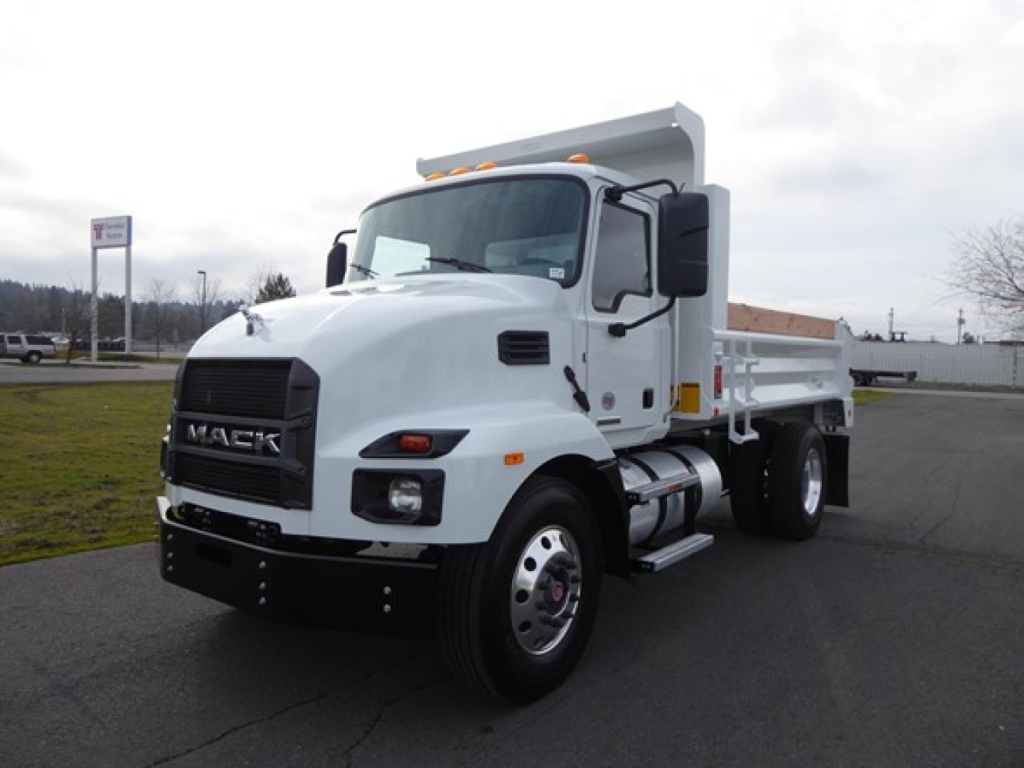
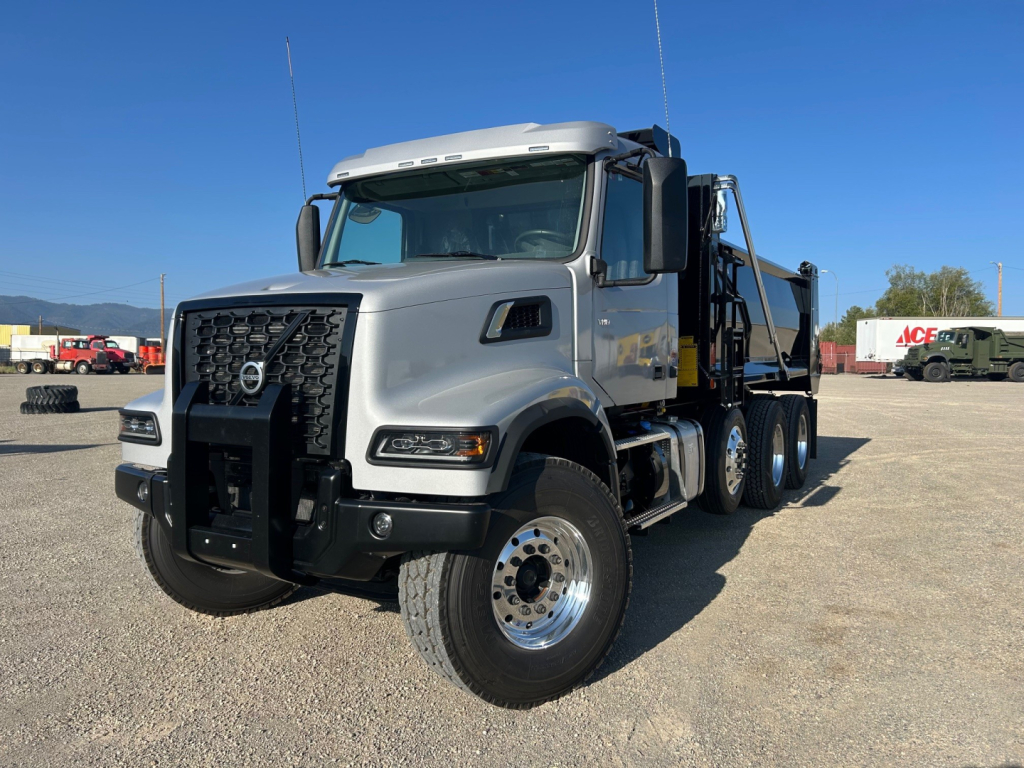
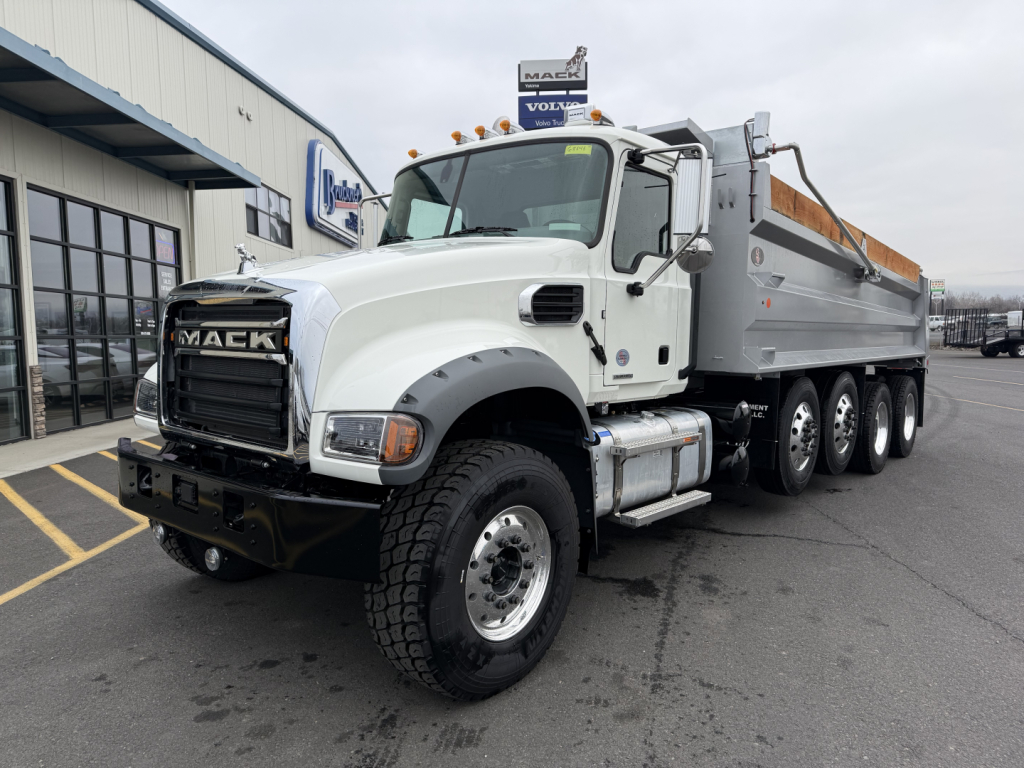
Body spec drives long-term value just as much as the chassis. Steel dump bodies remain the standard for rock, asphalt millings, riprap, and demolition debris, while lighter configurations may fit sand, topsoil, and general contractor work. Common body lengths run roughly from 10 to 16 feet depending on wheelbase and intended payload. Look closely at floor thickness, side wall gauge, crossmember spacing, hoist capacity, tailgate style, and liner options. Elliptical and half-round bodies are popular for sticky material because they shed loads cleanly, while square bodies can be easier to match to certain hauling applications. Hardox and other abrasion-resistant steels are worth attention if the truck will spend its life in quarry, transfer, or heavy excavation service. A properly matched tarp system, high-lift gate, pintle hitch, and trailer connections can also expand how the truck fits into a fleet.
On the chassis side, most late-model dump trucks use diesel engines in the vocational horsepower range with torque tuned for low-speed pulling, paired with automated manual or heavy-duty automatic transmissions. PTO and hydraulic system spec is critical because body response depends on more than engine power alone. Front axle ratings, rears, frame reinforcement, wheelbase, and tire package all affect how the truck carries a load and how stable it feels when the box is up. For Washington operators, wet and uneven jobsite conditions make tread selection, differential locks, axle spread, and lift axle placement especially relevant. If the truck will see state routes, county roads, and urban paving zones, turning radius and cab visibility can be just as important as rated capacity.
A good dump truck spec is really an application decision. Contractors hauling blasted rock need a different truck than a paving crew, utility contractor, or municipality handling storm cleanup and material delivery. Buyers should compare GVWR, body dimensions, hoist type, axle ratings, PTO setup, hitch equipment, and cab features like heated mirrors, camera systems, and easier ingress for multi-stop work. A 2025 model year often brings updated safety systems, emissions hardware, and driver-assist technology, but the right truck still comes down to simple vocational fundamentals: a strong frame, the right body, stable suspension, and a payload package that matches the routes and material being hauled.
Frequently Asked Questions about 2025 Dump Trucks in Washington
What is the best axle configuration for a 2025 dump truck in Washington?
The best axle configuration depends on payload targets, road restrictions, and jobsite conditions. Tandem axle dump trucks are a common choice for general construction, excavation, and municipal work because they offer a good balance of maneuverability and legal payload. Tri-axle and lift-axle setups can increase legal carrying capacity when state regulations and route density justify them, but they add complexity, weight, and maintenance. In Washington, buyers should pay close attention to bridge laws, axle spacing, and traction needs on wet or uneven surfaces before deciding.
What dump body material is best for heavy hauling applications?
For heavy hauling applications such as rock, demolition, and abrasive material, steel bodies are typically preferred because they resist impact and wear better than lighter materials. Abrasion-resistant steel such as Hardox is especially valuable when the truck will spend long hours hauling quarry rock, millings, or other high-wear loads. Buyers should also evaluate floor thickness, side construction, and body shape. An elliptical or half-round body can improve material flow and reduce carryback, while a square body may fit certain load profiles and contractor preferences better.
How important is the PTO and hydraulic system on a dump truck?
The PTO and hydraulic system are central to dump truck performance because they power the hoist and determine how efficiently the body raises and lowers under load. A truck can have strong engine and axle specs but still perform poorly if the hydraulic system is undersized or mismatched to the body and material type. Buyers should confirm hoist design, reservoir capacity, pump setup, cylinder arrangement, and cycle speed. A properly matched PTO-hydraulic package improves reliability, safer dumping, and daily productivity.
Are automatic transmissions a good choice in a dump truck?
Automatic and automated manual transmissions are both common in modern dump trucks, and each has advantages. Heavy-duty automatics are popular in stop-and-go, urban, and mixed-driver fleets because they are easy to operate and can reduce driver fatigue. Automated manuals often appeal to fleets focused on fuel efficiency and vocational torque management. The right choice depends on terrain, driver pool, haul cycle, and maintenance preference. For frequent starts on grades or tight jobsite maneuvering, transmission calibration and low-speed control matter more than marketing labels.
What should buyers compare first when shopping dump trucks for sale?
Buyers should compare the truck's intended application against the core vocational specs first: axle configuration, GVWR, body size, body material, hoist type, suspension, and engine-transmission pairing. After that, review wheelbase, frame rating, front and rear axle capacities, differential locks, and any lift axle details. Secondary equipment such as tarps, pintle hitches, trailer hookups, camera systems, and heated mirrors can make a major difference in daily usefulness. The best dump truck is the one whose chassis and body were designed to work together for the exact material, routes, and duty cycle involved.