
Freightliner Dump Trucks For Sale
Browse Freightliner dump trucks for hauling, site work, paving, and municipal service. Compare body sizes, axle ratings, drivetrains, and specs.
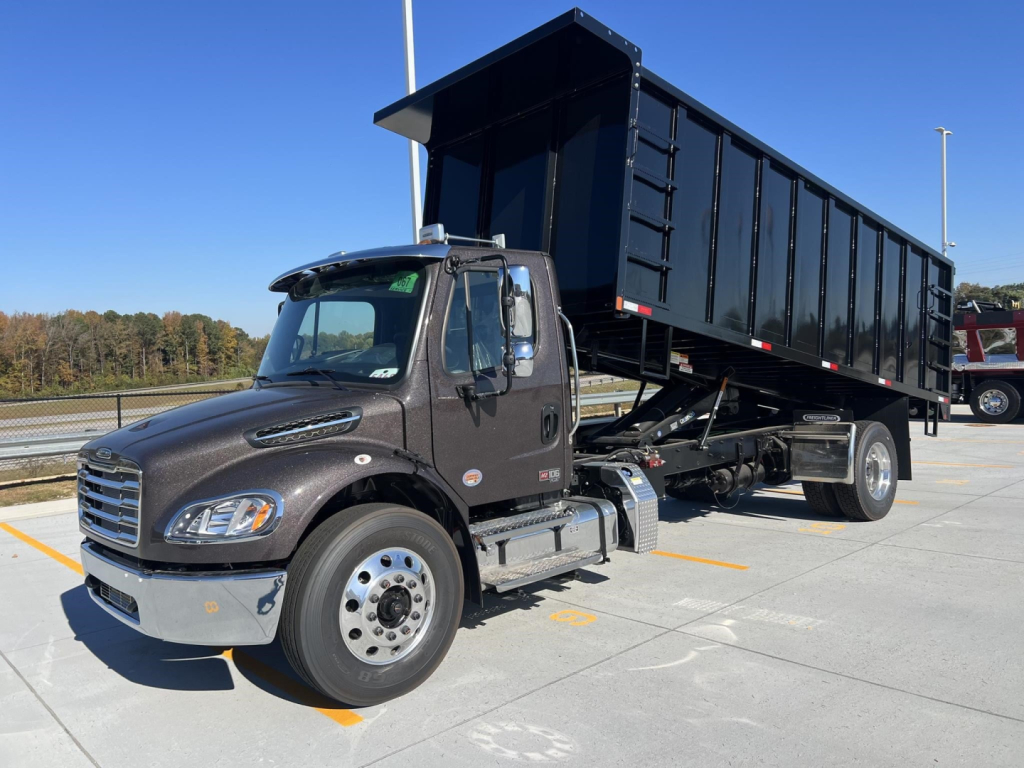
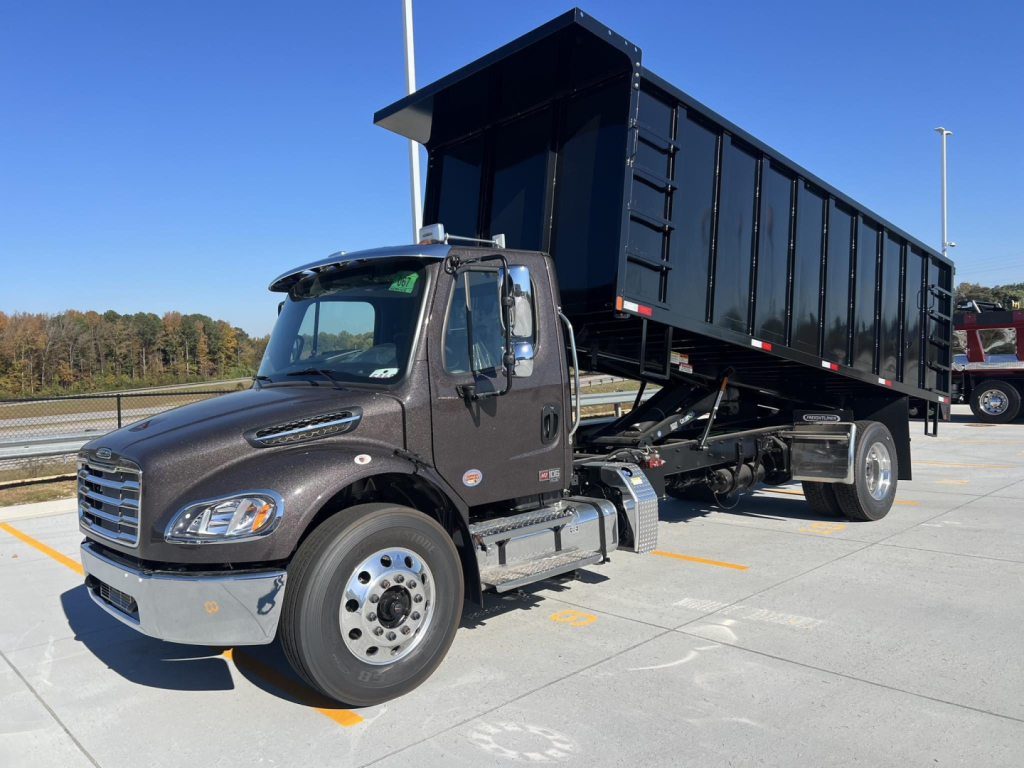
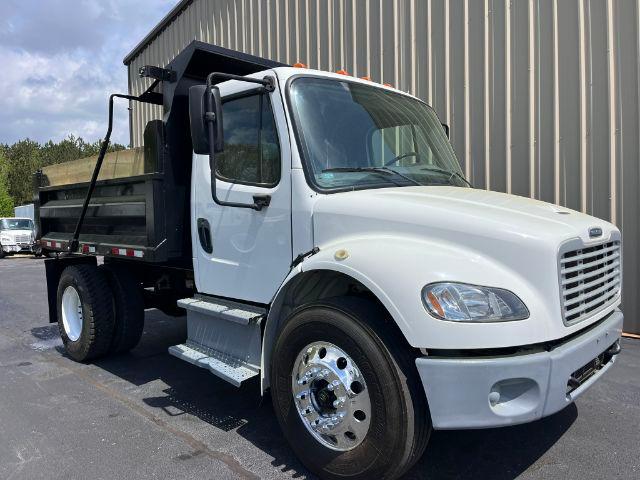
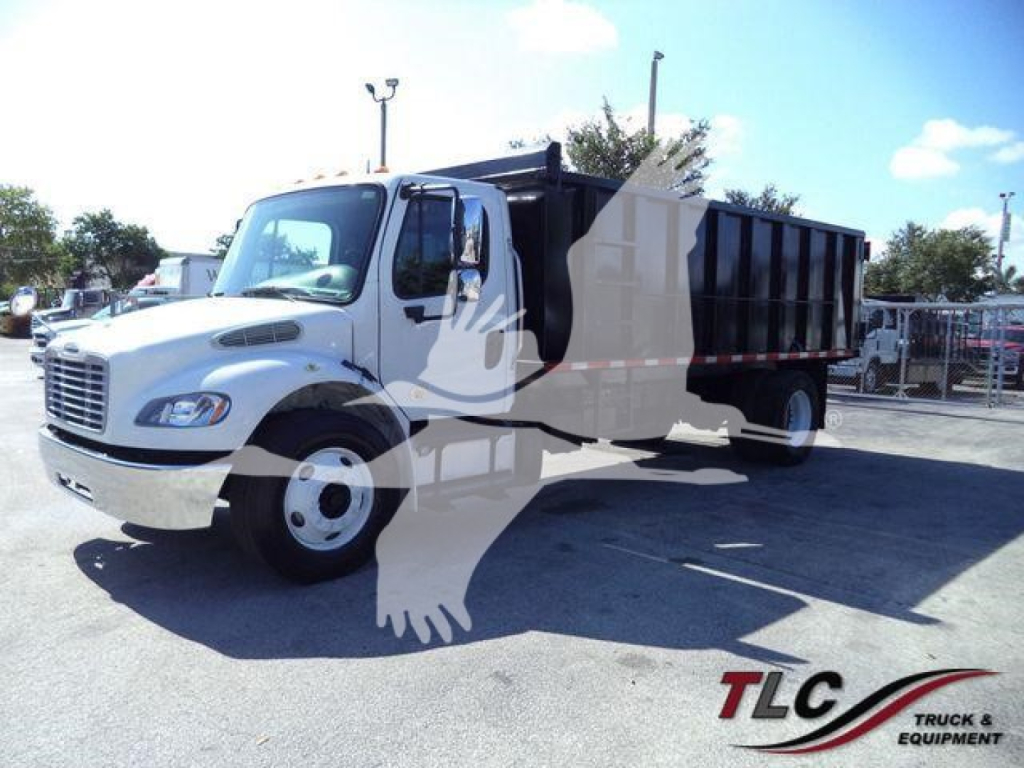
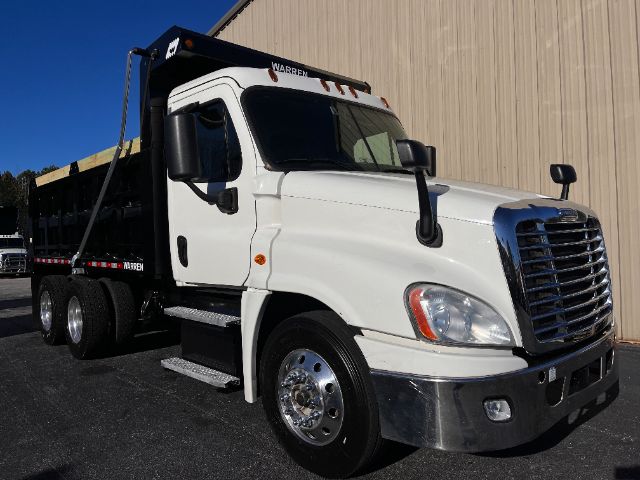
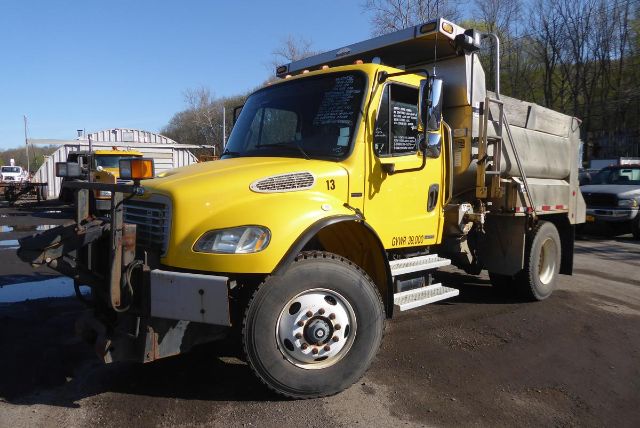
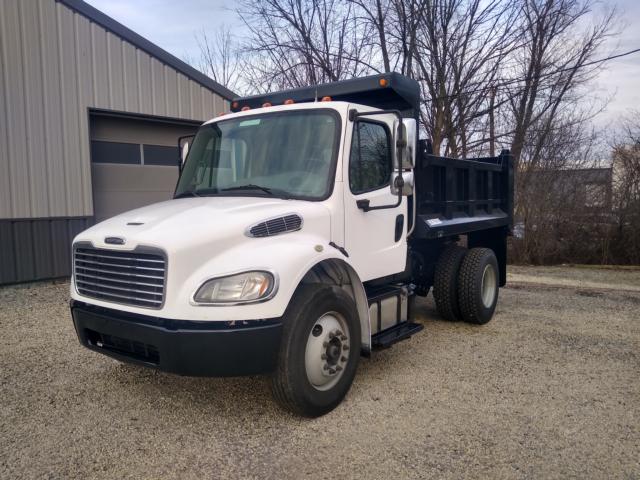
Selling a freightliner dump truck? List your freightliner dump truck for sale and reach thousands of commercial buyers.
Freightliner Dump Trucks
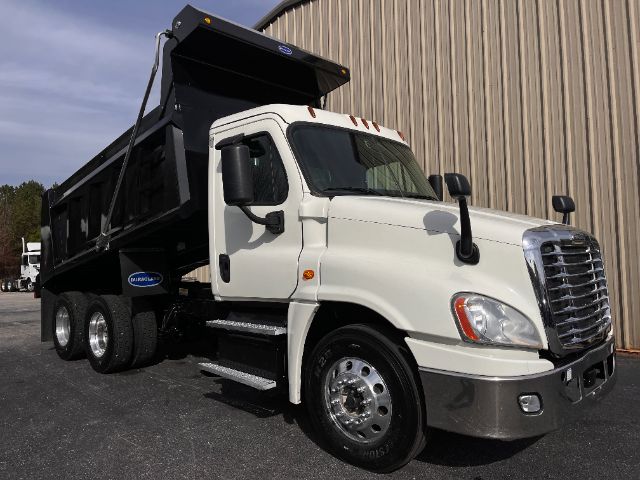
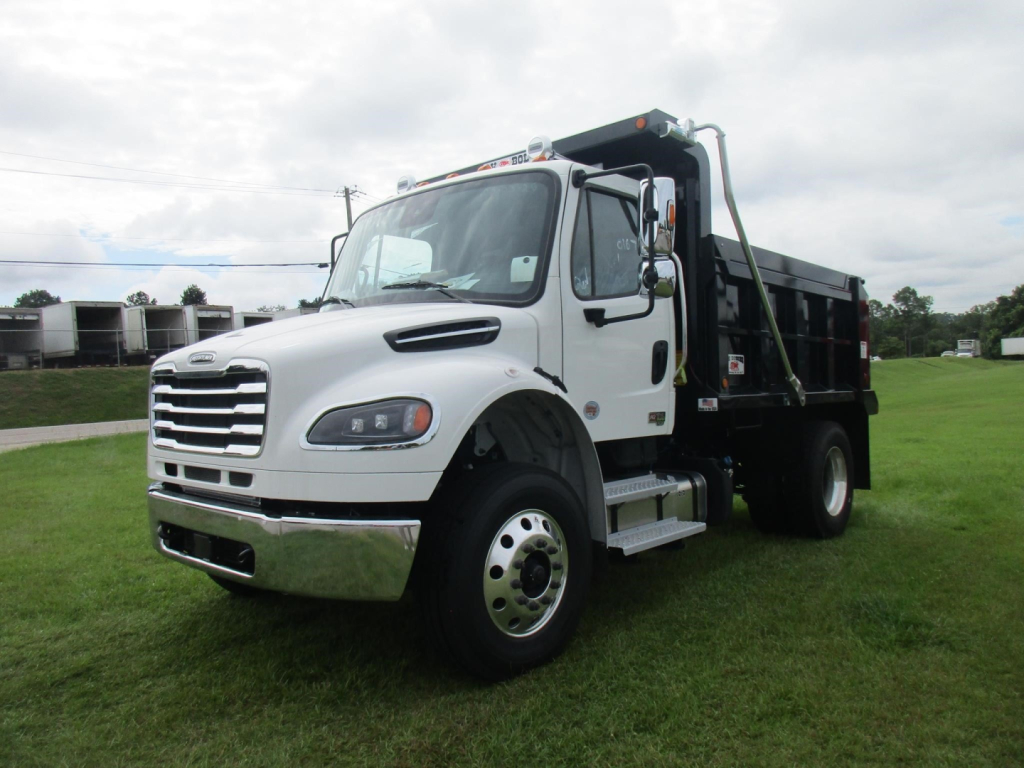
The first spec decision is usually chassis strength and axle package. Freightliner dump trucks are commonly set up as 6x4 tandems with front axle ratings around 14,000 to 20,000 lbs and rear axles in the 40,000 to 46,000-lb range. Wheelbase, axle spread, and suspension all affect body length, bridge compliance, turning radius, and how the truck carries weight. Buyers comparing newer 114SD trucks will often look for severe-duty features like double frame rails, locking differentials, Hendrickson rear suspension options, engine brake, and PTO-ready transmission setup. Body specs are just as important as chassis specs. Common dump body lengths run roughly 15 to 16 feet on tandem trucks, with steel bodies still preferred for hard material service and insulated bodies favored in asphalt work. Electric tarps, air tailgates, pintle hitches, and tow packages are common add-ons for crews that need one truck to cover multiple tasks.
Powertrain choice should match the route and material. Detroit DD13 engines are common in newer Freightliner vocational trucks, typically paired with Allison automatics or automated manual transmissions such as Eaton UltraShift. An Allison is often preferred in stop-and-go work, paving support, and mixed-driver fleets because it is easy to operate and smooth under load. An automated or manual transmission may appeal to buyers who want more direct control or are focused on purchase price and service familiarity. Rear ratios in the mid-4s are common on vocational tandems where startability and grade performance matter more than highway fuel economy. On converted highway chassis like a Cascadia dump, ride quality and road manners can be strong, but buyers should still verify frame reinforcement, PTO compatibility, suspension suitability, and body installation quality before comparing it directly to a purpose-built severe-duty model.
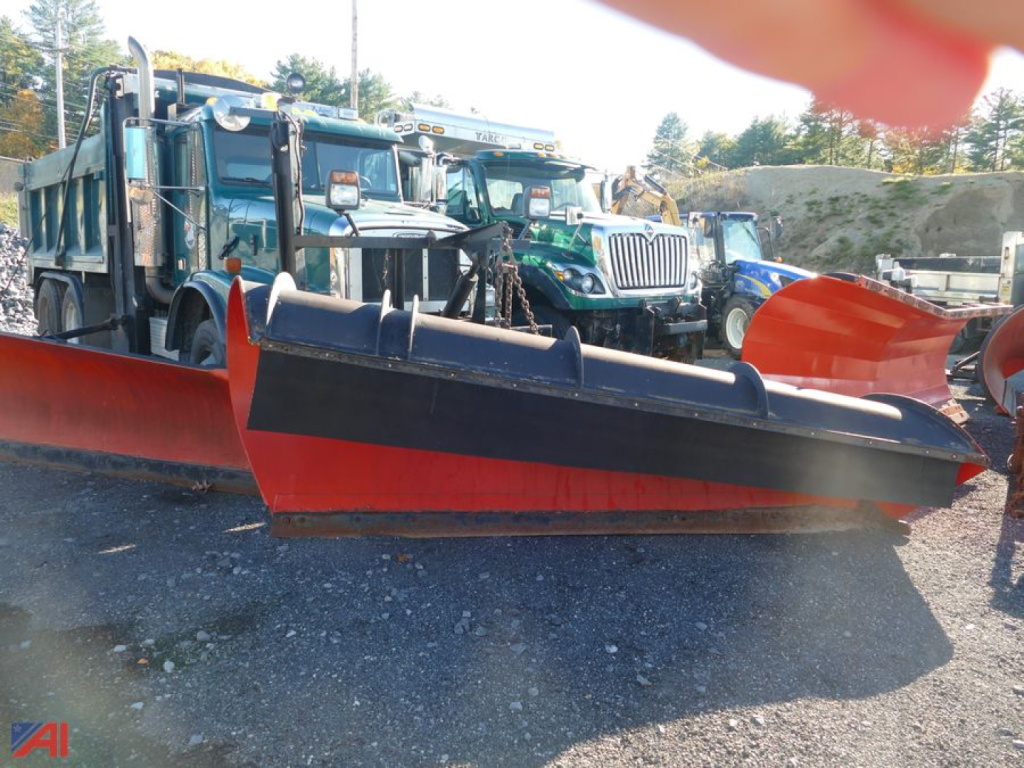
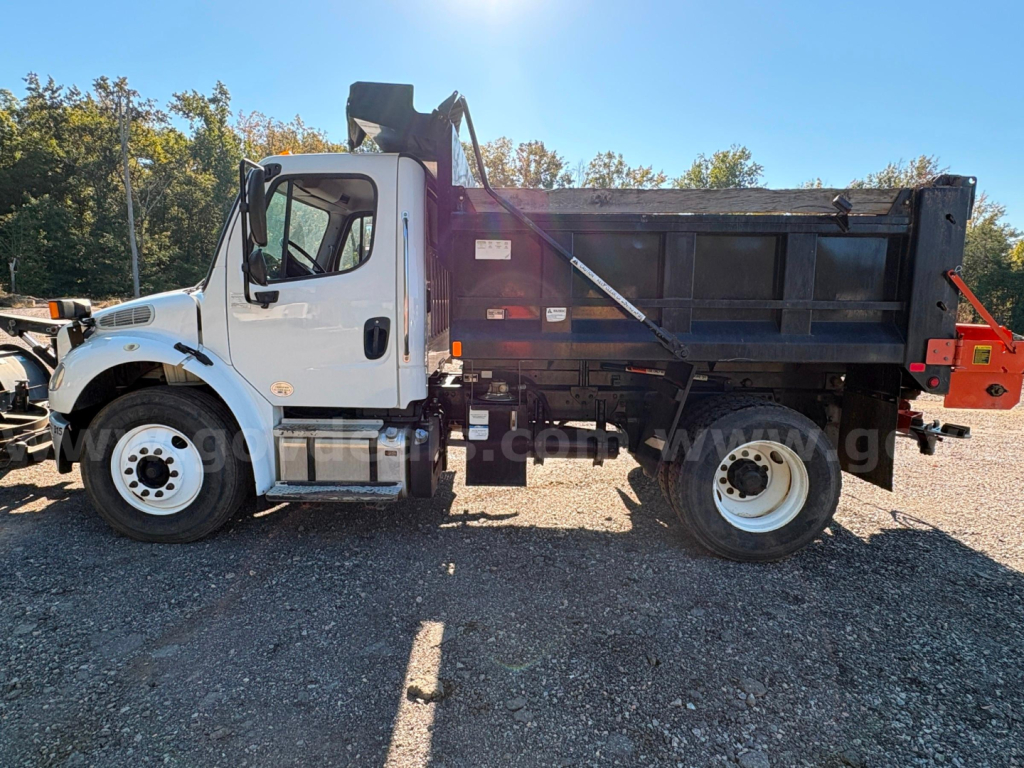
Used Freightliner dump trucks should be evaluated beyond engine hours and mileage. Check hoist type, body floor thickness, crossmember condition, tailgate operation, tarp system, hydraulic leaks, frame repairs, and signs of hard loading such as cracked welds or distorted body sides. On snow and municipal units, inspect plow mounts, central hydraulics, spreader controls, corrosion around the cab and underbody, and any belly blade equipment. Tire condition, brake life, steer axle wear, and suspension bushing condition can change operating cost quickly on a dump truck. Freightliner remains a strong fit for fleets that want broad parts support, familiar Detroit power, and chassis choices that range from local government service trucks to newer Class 8 vocational haulers.
Frequently Asked Questions about Freightliner Dump Trucks
What is the best Freightliner dump truck model for heavy construction hauling?
For heavier aggregate, excavation, and paving work, buyers usually focus on the Freightliner 114SD or a similarly severe-duty tandem axle configuration. These trucks are built for vocational use with stronger frame options, higher front and rear axle ratings, and components better suited for off-road jobsite conditions. Older FL-series trucks can still be effective for lighter hauling or municipal work, but a purpose-built severe-duty chassis is generally the better fit for consistent payload, rough access roads, and body-up time.
Are Freightliner Cascadia dump trucks a good choice compared with a severe-duty dump chassis?
A Freightliner Cascadia dump truck can make sense when the truck spends more time on pavement, runs longer distances, or started life as a day cab and was later fitted with a dump body. These trucks can offer a comfortable cab, good highway manners, and solid powertrain options. The key is confirming the vocational conversion was done correctly, including frame capacity, PTO setup, suspension spec, and body installation. For repeated off-road use and higher structural demands, a 114SD or other severe-duty chassis is usually the stronger long-term choice.
What body size is common on a Freightliner tandem axle dump truck?
A common body size on a Freightliner tandem dump truck is about 15 to 16 feet, though exact length depends on wheelbase, axle placement, legal weight targets, and the type of material being hauled. Steel bodies are widely used for rock, dirt, and demolition debris, while insulated bodies are common in asphalt service. Buyers should compare body capacity with empty weight, because a larger body does not always mean a better payload if the truck becomes too heavy.
Should I choose an Allison automatic or an Eaton automated transmission in a Freightliner dump truck?
An Allison automatic is a strong choice for stop-and-go hauling, municipal routes, paving support, and fleets with multiple drivers because it is simple to operate and performs smoothly under load. An Eaton automated manual such as an UltraShift can still work well in dump applications and may appeal to buyers familiar with that system or looking for a certain balance of cost and driveline feel. The right choice depends on terrain, driver experience, duty cycle, and service support in your area.
What should I inspect first on a used Freightliner dump truck?
Start with the frame, body, and hydraulic system before focusing on cosmetic condition. Check for frame cracks, reinforcements, rust, hoist leakage, PTO engagement, tailgate function, and wear in the dump body floor and sidewalls. Then review axle ratings, suspension wear, brake condition, tire match, and signs of overloading. On municipal or snow-service trucks, corrosion and hydraulic accessory wear are often just as important as engine and transmission condition.