
2013 Freightliner Dump Trucks For Sale
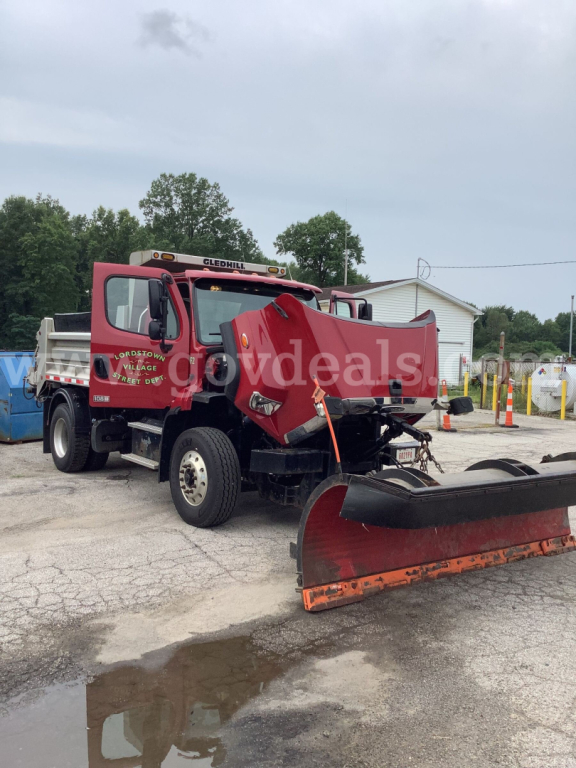
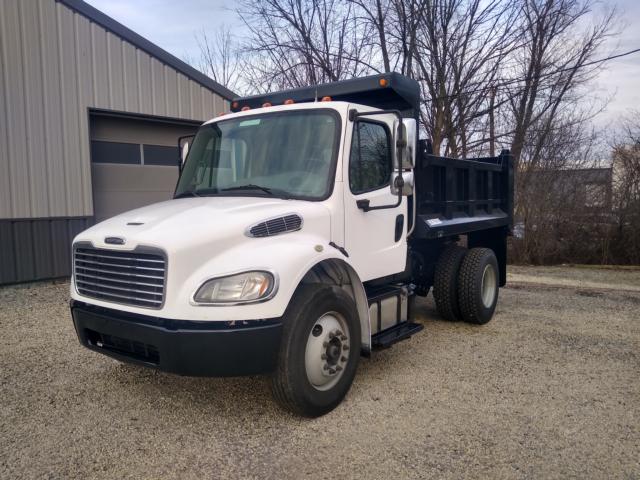

Have 2013 freightliner dump truck to sell? List it here to reach thousands of buyers.
2013 Freightliner Dump Trucks
Powertrain matters more on a dump truck than it does on many on-road vocational trucks because stop-and-go hauling, PTO operation, and jobsite terrain all put extra demand on the driveline. Common 2013 Freightliner dump specs include Cummins ISB or ISL engines, Mercedes or Detroit diesels in some applications, and Allison automatic or Eaton manual transmissions. Buyers should match horsepower, torque, rear axle ratio, and transmission type to the intended work. An automatic can be a strong fit for urban routes, municipal service, and crews with multiple drivers. A manual may still appeal in heavier vocational use where gearing control and service familiarity matter. Check GVWR, front axle rating, rear axle rating, suspension type, and whether the truck has a locking rear or full locking tandem if traction is important.
Body configuration is just as important as the cab and engine. On 2013 Freightliner dump trucks, body lengths commonly range from around 10 to 16 feet, with higher-side landscape and trash bodies extending longer in some builds. Steel bodies are common for demolition, rock, and construction use, while lighter aluminum bodies can make sense where payload and corrosion resistance are priorities. Useful details include hoist type, PTO and hydraulic setup, air or barn-door tailgate, electric or manual tarp, hitch package, pintle or receiver arrangement, and any wetline or plow wiring if the truck has year-round municipal potential. Buyers should also look closely at floor condition, crossmembers, hinge points, tailgate seals, and signs of hard loading from heavy material.
On a used 2013 unit, condition and prior application often matter more than badge or advertised horsepower. A former municipal truck may have lower miles but more idle time, seasonal corrosion, and added hydraulic circuits for plows or spreaders. A contractor-owned truck may show more body wear but be spec'd better for payload and daily hauling. Pay attention to frame condition, body mount integrity, PTO engagement, cylinder performance, brake condition, tire match, and any evidence of stress around the hoist cradle or rear suspension. If the truck is a tandem-axle dump, verify bridge compliance, wheelbase, and turning radius against the routes you run. The right 2013 Freightliner dump truck is the one whose axle ratings, dump body, and drivetrain line up cleanly with the material being hauled and the distance it will haul it.
Frequently Asked Questions about 2013 Freightliner Dump Trucks
What are the most common 2013 Freightliner dump truck models?
The most common 2013 Freightliner dump truck platforms are the M2 106, 114SD, and some Cascadia day cab conversions used in heavier tandem applications. The M2 is common in medium-duty and municipal work, while the 114SD is better known as a purpose-built vocational chassis with stronger axle, frame, and suspension options for construction and aggregate hauling. Cascadia-based dumps are less typical but do appear where operators wanted a highway-oriented cab paired with a dump body.
Is a 2013 Freightliner dump truck better with an Allison automatic or a manual transmission?
That depends on the route and material. Allison automatics are popular in dump service because they reduce driver fatigue, work well in stop-and-go conditions, and are common in municipal and fleet environments. Manual transmissions still make sense for some heavier vocational applications where drivers want more direct control over gearing and engine braking. The better choice is the one matched to the truck's axle ratio, engine torque, terrain, and driver pool.
What should I inspect first on a used 2013 Freightliner dump truck?
Start with the frame, dump body, hoist, PTO, and hydraulic system because those items directly affect jobsite usability and repair cost. Then check axle ratings, suspension condition, brake wear, tire condition, and signs of overloading or body twist. On 2013 units, it is also smart to evaluate corrosion, especially on municipal trucks, and confirm the dump cylinder lifts smoothly under load without drift, leakage, or binding.
How do I choose between a single-axle and tandem-axle 2013 Freightliner dump truck?
A single-axle dump truck is usually easier to maneuver, lighter, and often less expensive to maintain, which makes it a practical choice for landscape supply, local material delivery, and tighter urban work. A tandem-axle dump truck is the better fit for higher payloads, heavier aggregate, and commercial construction hauling. The choice should be based on payload targets, legal weight limits, turning radius needs, and the type of jobsite access your work requires.
What dump body features matter most on a 2013 Freightliner?
Body material, side height, floor condition, tailgate style, tarp system, and hoist design have the biggest impact on day-to-day use. Steel bodies usually hold up better in severe service, while aluminum can improve payload. High sides are useful for mulch, brush, and lighter bulk material. Air-operated tailgates, electric tarps, and trailer or tow packages add versatility, but they should be inspected closely because repairs to hydraulic and electrical accessories can add up quickly on an older vocational truck.