
2026 Freightliner Dump Trucks For Sale
Shop 2026 Freightliner dump trucks with specs, body options, axle setups, PTO choices, and application guidance for construction and municipal work.
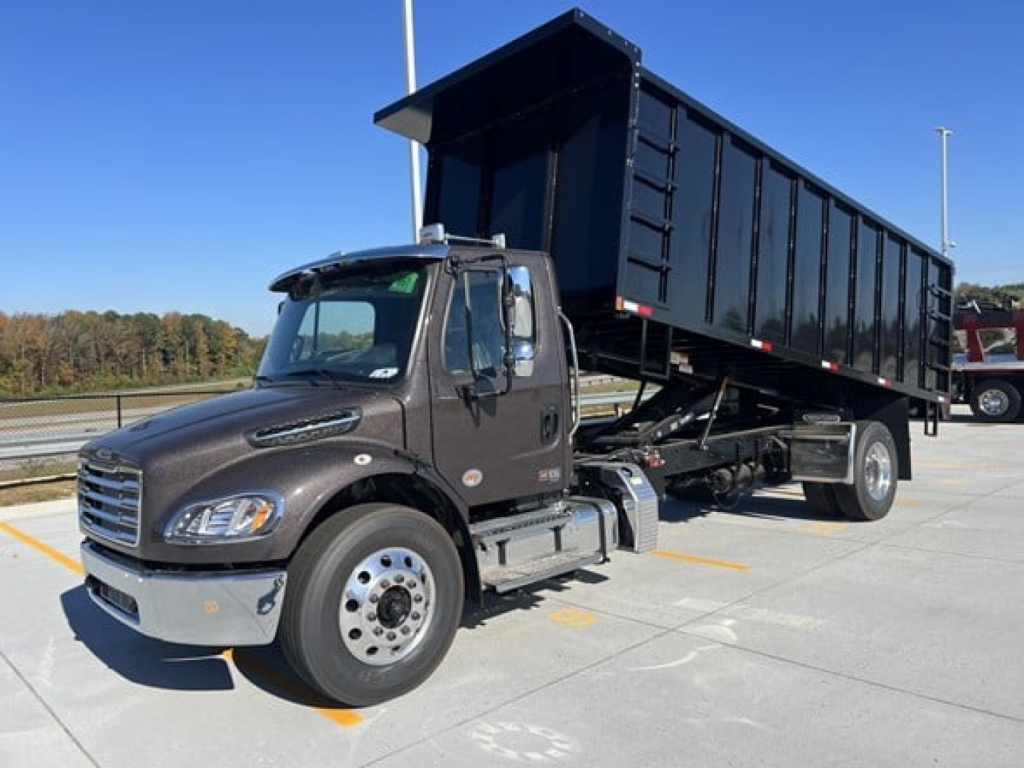
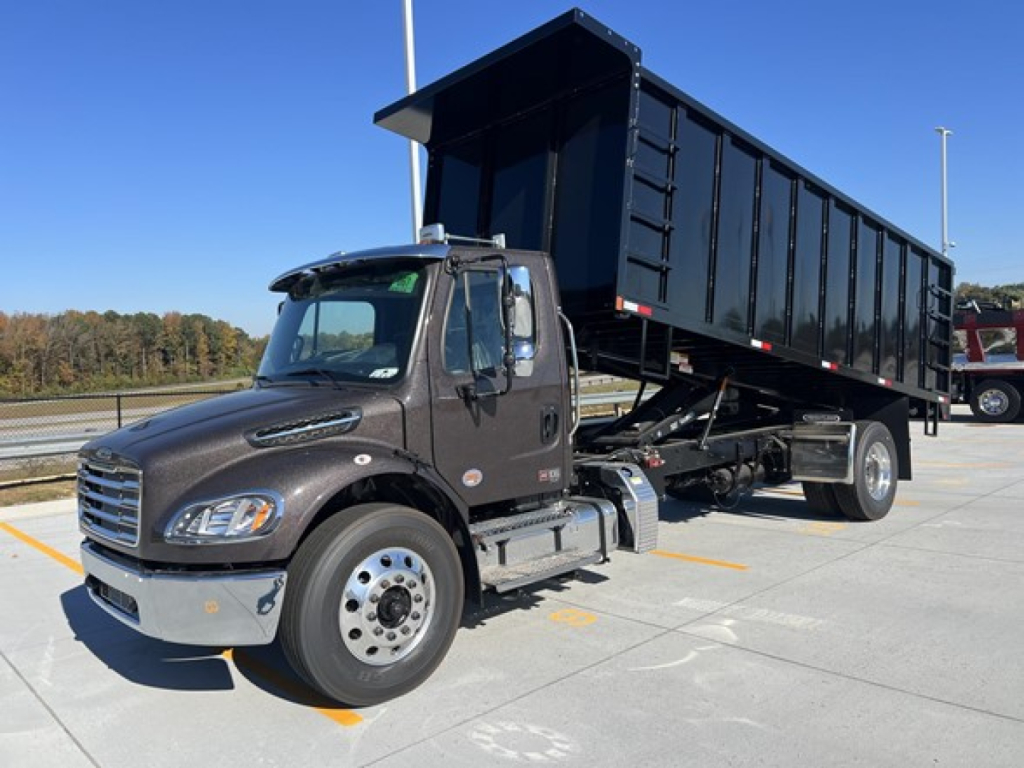
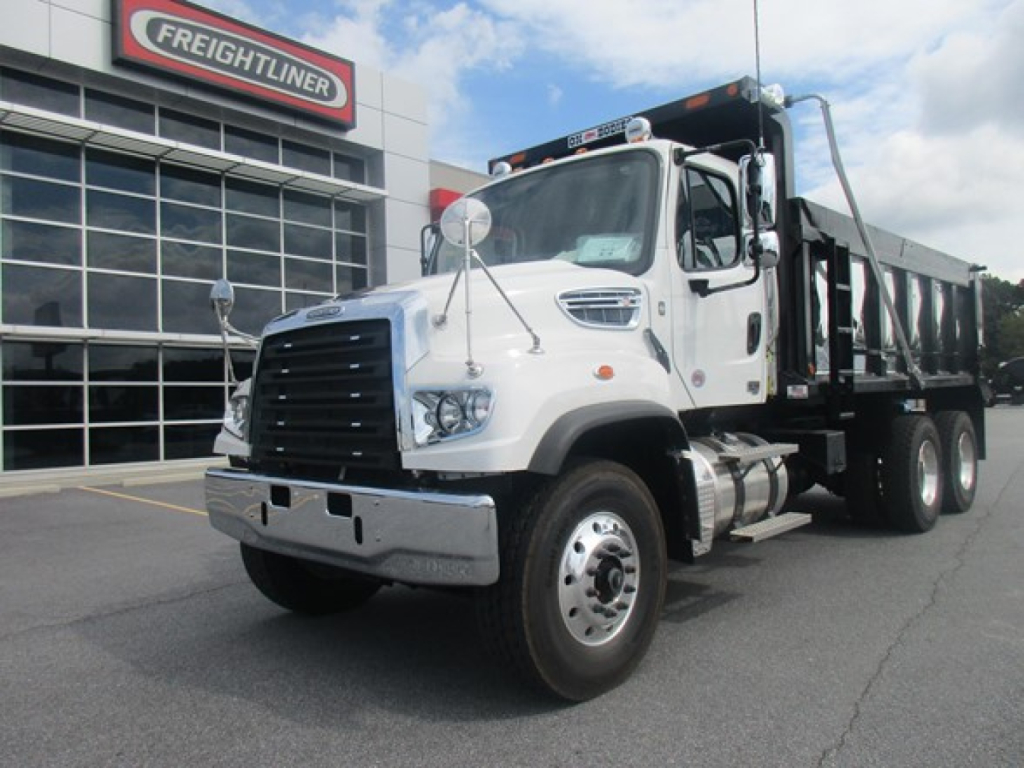
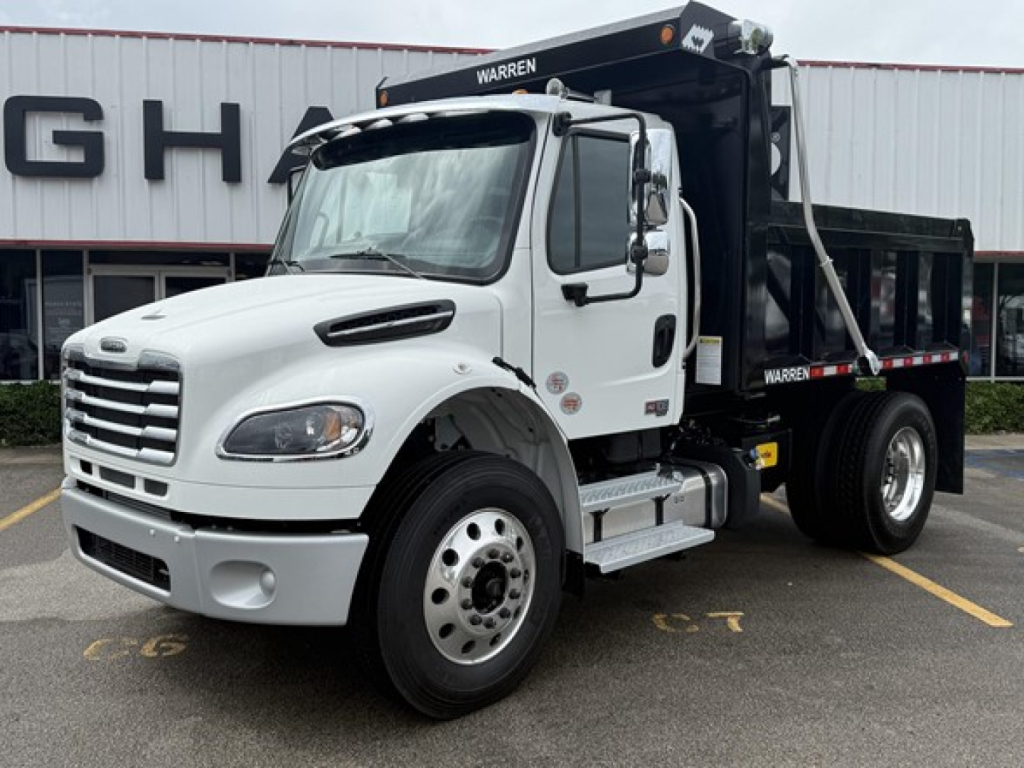
Have 2026 freightliner dump truck to sell? List it here to reach thousands of buyers.
2026 Freightliner Dump Trucks
Freightliner dump applications are commonly built on vocational chassis such as the 108SD, 114SD, and medium-duty M2 platforms, although some specialized builds use highway-based chassis for lighter-duty regional work. Engine choices usually center on diesel platforms from Cummins or Detroit, paired with Allison automatic transmissions or automated manuals depending on the job. For stop-and-go hauling, paving support, snow operations, and municipal work, an Allison automatic remains a popular spec because it simplifies driver training and improves low-speed control. Buyers should pay close attention to PTO setup, rear suspension type, wheelbase, axle spread, and front axle capacity, especially if the truck will carry a plow, spreader, underbody scraper, or other front-mounted equipment.
The dump body itself often determines how productive the truck will be. Common specs include steel or aluminum bodies, conventional or semi-elliptical designs, air-operated tailgates, electric or mesh tarp systems, hitch and tow packages, and underbody or telescopic hoists. Steel bodies are generally preferred for abrasive material and demolition use, while aluminum can help reduce tare weight for legal payload gains. Body length, side height, floor thickness, and liner options should match the material being hauled. If the truck will be used for municipal or four-season work, details like hydraulic plumbing, spreader controls, central hydraulics, and corrosion protection become just as important as engine horsepower.
A good 2026 Freightliner dump truck spec is usually a balance between legal payload, jobsite access, and long-term maintenance cost. Buyers comparing listings should verify GVWR, front and rear axle ratings, brake type, suspension, tire size, body manufacturer, and exact body dimensions instead of relying only on model name. It also helps to confirm if the truck is set up for a contractor body, landscape body, municipal plow package, or asphalt configuration, because those details affect resale value and day-one usability. Freightliner remains a strong option in this category because parts availability, dealer coverage, and familiar vocational chassis specs make these trucks straightforward to place into construction, site development, utility, and public works service.
Frequently Asked Questions about 2026 Freightliner Dump Trucks
What Freightliner models are most commonly used as dump trucks?
Freightliner dump trucks are most often built on the M2 106 for lighter and medium-duty applications and on the 108SD or 114SD for heavier vocational service. The M2 platform is common for single-axle dumps, landscape work, and 26,000-GVWR applications. The SD models are better suited to higher front axle ratings, tandem configurations, severe-duty suspension packages, and equipment such as plows, spreaders, and heavier dump bodies.
Is a single-axle or tandem-axle Freightliner dump truck better?
The right axle configuration depends on payload, road restrictions, and maneuverability needs. A single-axle Freightliner dump truck is easier to operate in tight spaces, usually costs less to maintain, and is often used for local material delivery, landscape supply, and lighter construction work. A tandem-axle truck offers higher legal payload potential and better suitability for aggregate, asphalt, demolition, and sustained vocational hauling, but it adds weight, tire cost, and operating complexity.
What transmission is best in a Freightliner dump truck?
Allison automatic transmissions are widely preferred in dump truck service because they perform well in stop-and-go routes, jobsite maneuvering, plow work, and applications with multiple drivers. They also pair well with PTO-driven hydraulic systems and reduce clutch wear in severe service. Automated and manual transmissions still have a place in certain heavier haul or cost-sensitive applications, but many buyers prioritize the Allison for ease of use and uptime.
What should I check on the dump body and hoist?
The most important items are body material, body dimensions, hoist type, hydraulic condition, tailgate operation, and tarp functionality. Buyers should also confirm floor thickness, side construction, hinge condition, cylinder leakage, PTO engagement, and whether the body is designed for rock, asphalt, dirt, mulch, or mixed-duty hauling. On municipal or contractor-spec units, it is also smart to check for hitch equipment, spreader integration, plow hydraulics, and any underbody scraper or central hydraulic plumbing.
Are Freightliner dump trucks a good fit for municipal and snow work?
Freightliner dump trucks are commonly used by municipalities because they can be configured for year-round service. Many vocational specs support front plows, wing plows, salt spreaders, underbody scrapers, and additional hydraulic controls. The key is matching front axle capacity, frame spec, electrical integration, and corrosion protection to the attachment package, because a general-purpose dump spec is not always the same as a true municipal snow and ice setup.