
2020 Dump Trucks For Sale
Browse 2020 dump trucks for hauling aggregate, debris, and site materials. Compare GVWR, body style, axle setup, hoist type, and PTO specs.
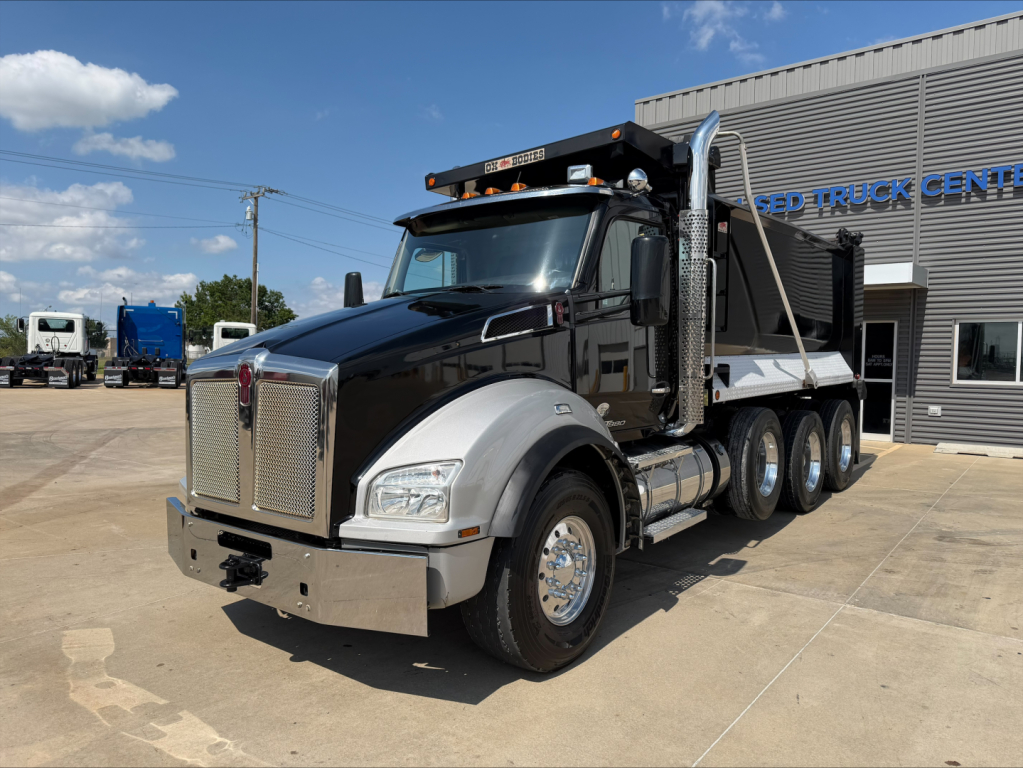
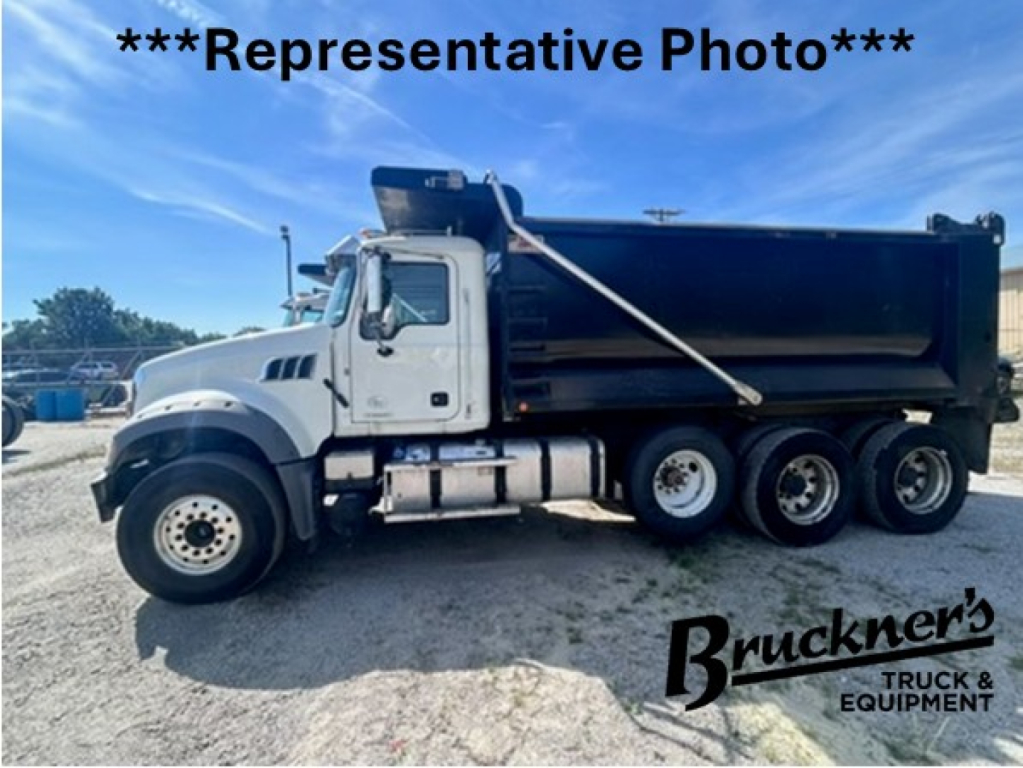
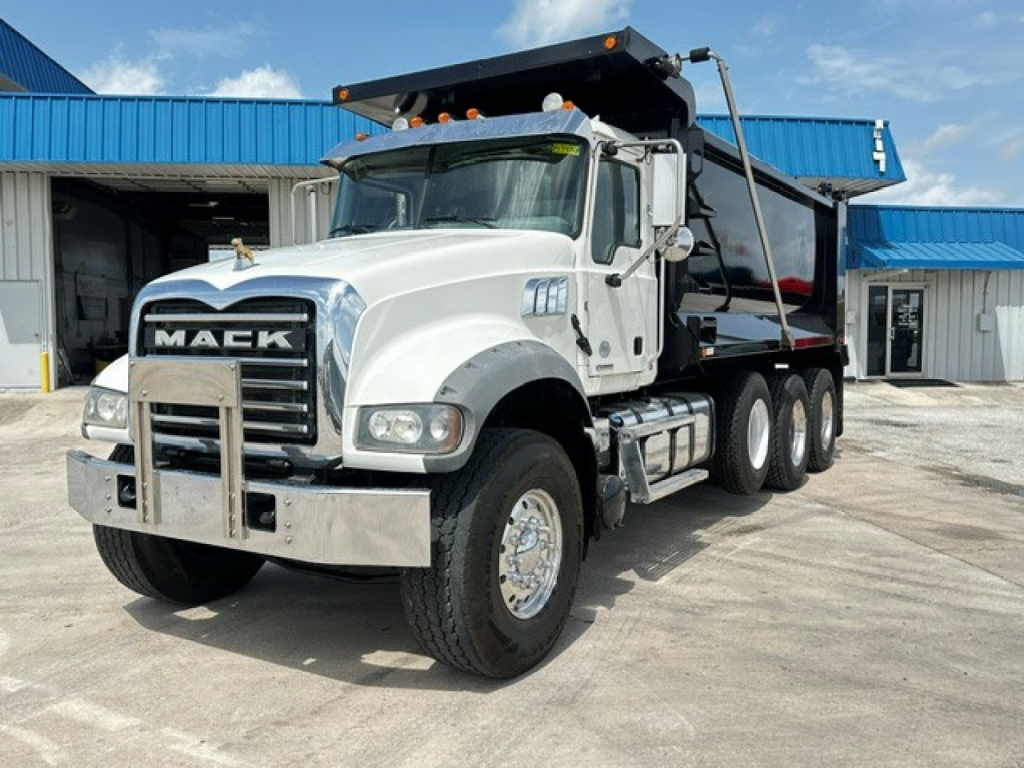
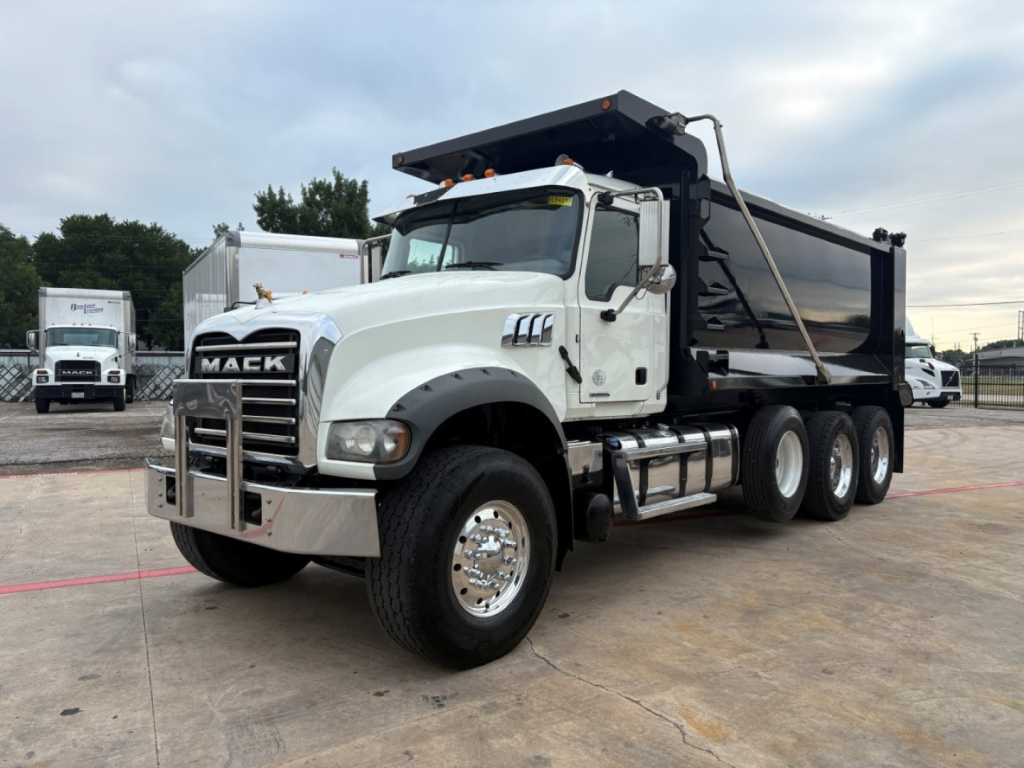
Selling a 2020 dump truck? List your 2020 dump truck for sale and reach thousands of commercial buyers.
2020 Dump Trucks
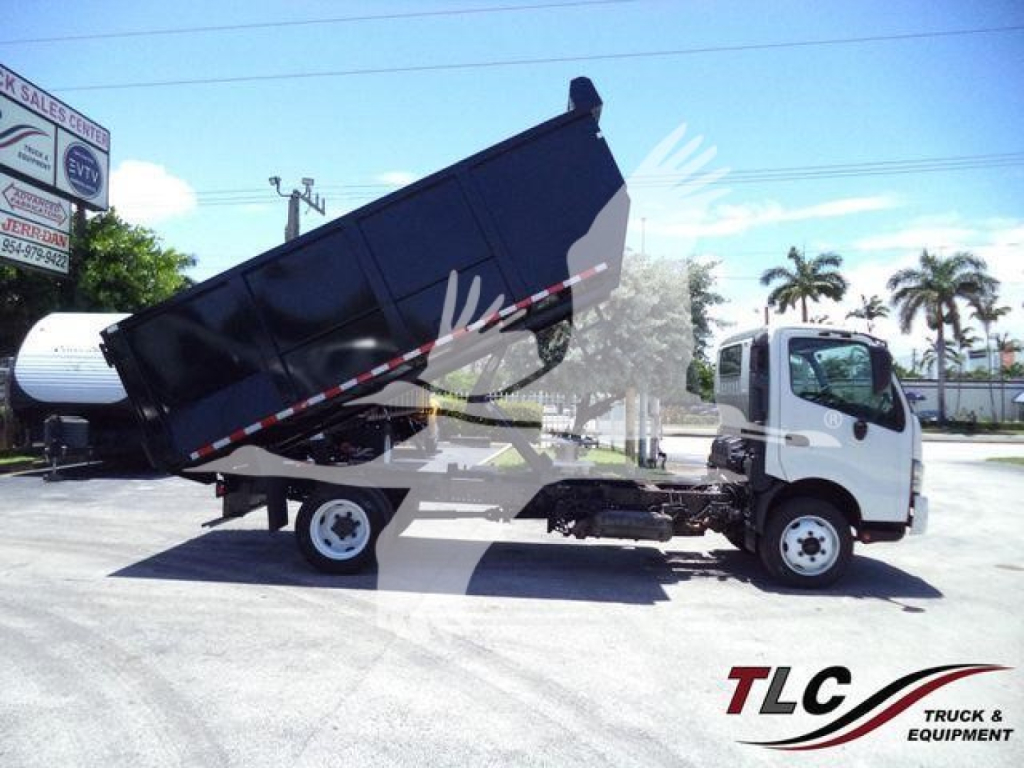
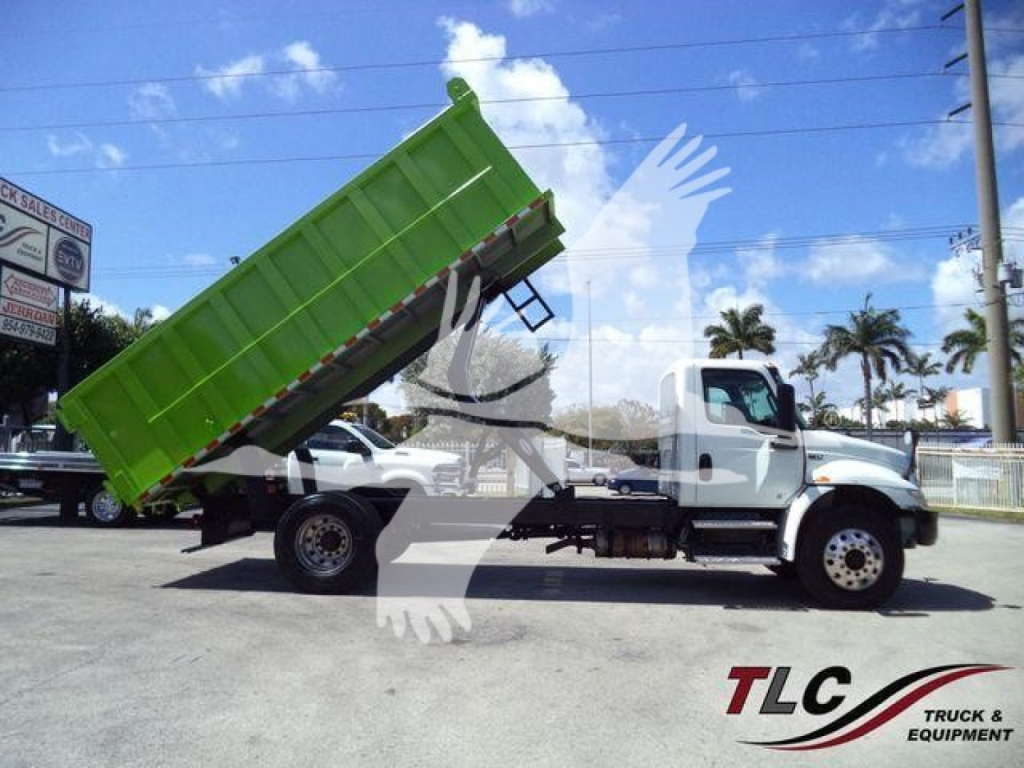
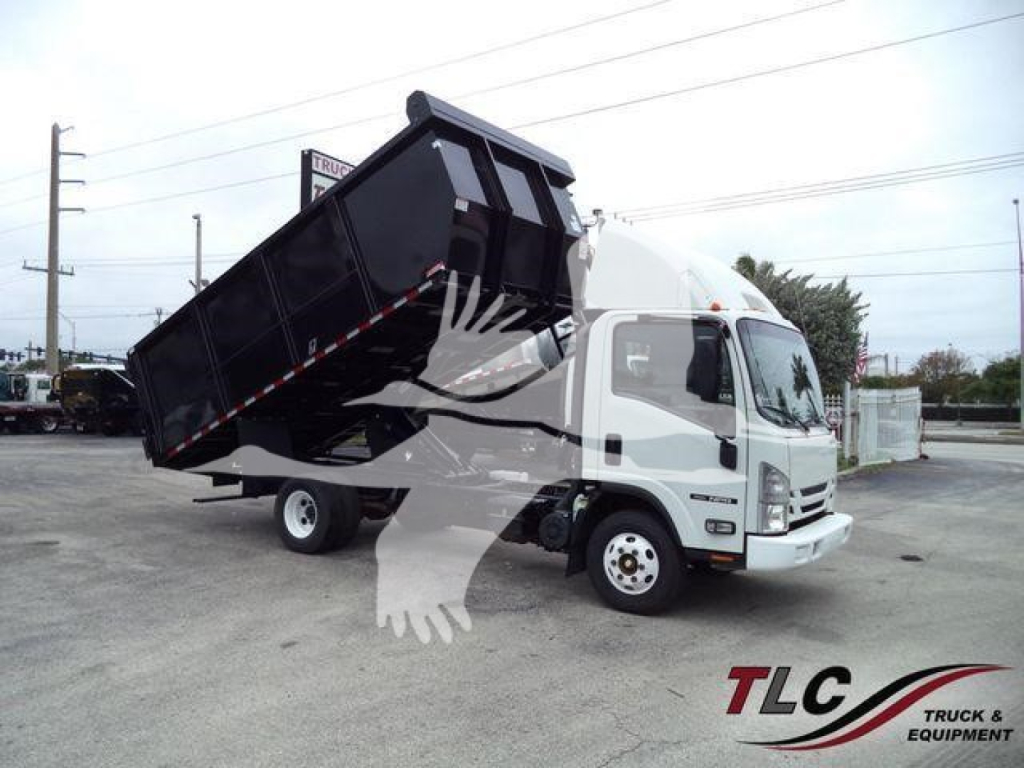
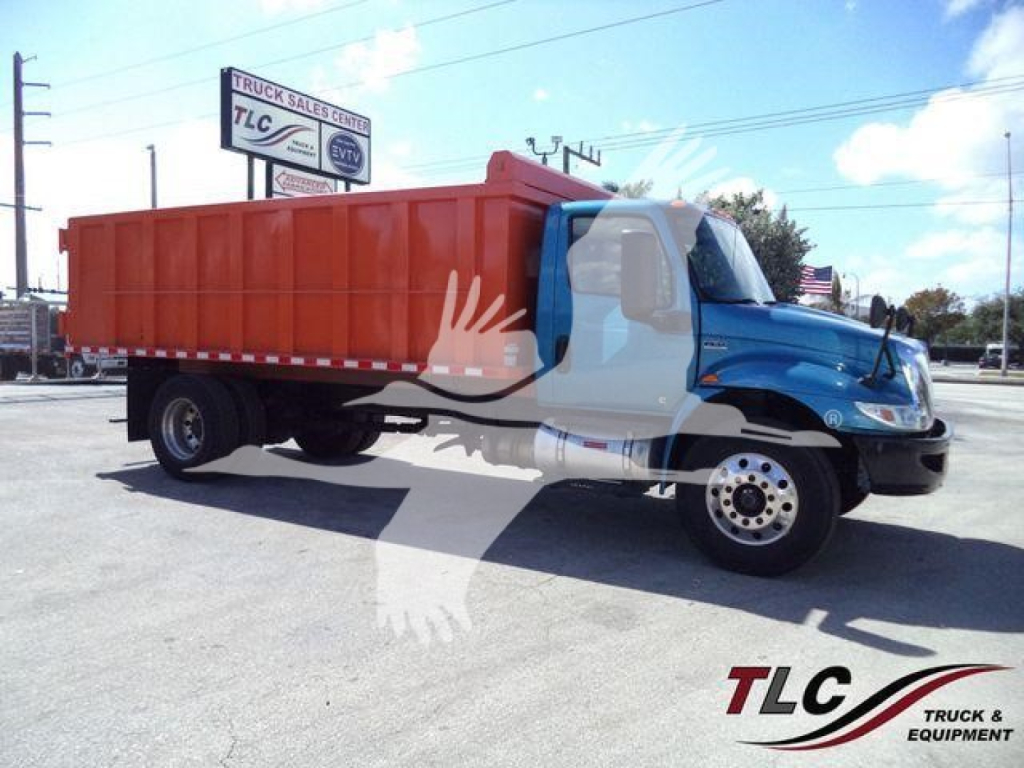
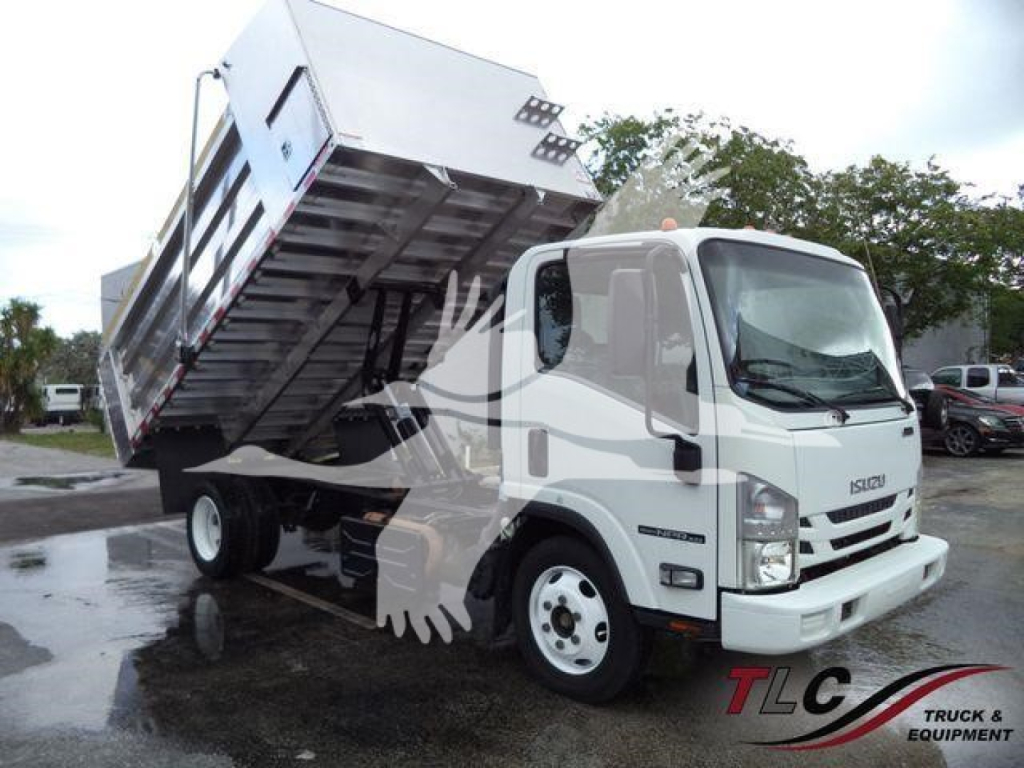
Body construction drives long-term value. Steel dump bodies are common for abrasive material and jobsite punishment, while aluminum bodies help reduce tare weight and improve legal payload on lighter applications such as landscape, leaf, and trash hauling. Buyers should look closely at body length, side height, floor thickness, crossmember spacing, tailgate style, and hoist design. Scissor hoists are common on shorter bodies and many medium-duty applications, while underbody hoists are often preferred on larger vocational dumps for stability and serviceability. Features like a manual or electric tarp system, hitch package, pintle plate, barn doors, spreader chains, cab shield, and fold-down sides can make a major difference depending on whether the truck will handle asphalt, demolition, snow work, or general contractor duty.
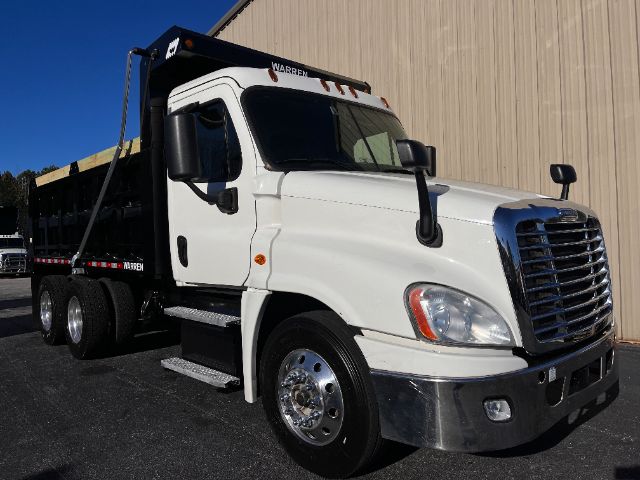
On a 2020 dump truck, powertrain spec matters as much as body spec. Diesel engines remain standard in heavier vocational trucks, paired with automatic or automated transmissions and PTO-driven hydraulic systems. Key items to compare include GVWR, front and rear axle ratings, suspension type, wheelbase, cab-to-axle measurement, rear axle ratio, brake setup, and tire size. For tighter urban routes or landscape crews, a shorter wheelbase and higher cab visibility can be more valuable than maximum body length. For off-road or quarry use, heavier suspensions, locking differentials, double-frame construction, and severe-duty components are worth prioritizing. On emissions-equipped 2020 models, maintenance history for the DPF, SCR, and DEF systems is also important because downtime in a vocational truck usually shows up quickly in missed loads and idle labor.
A good 2020 dump truck should be matched to material density, route conditions, loading method, and job cycle time. Contractors hauling broken concrete need a different truck than crews moving topsoil or municipal leaf collection. Buyers comparing listings should pay attention to actual body capacity in cubic yards, not just body length, and should confirm whether the truck is set up for a contractor body, landscape body, or traditional dump configuration. If the truck will also run a plow, spreader, or other hydraulic attachments, wet kit and PTO configuration become critical. The best choice is usually the one with the right axle, hoist, and body combination for the work, not simply the highest horsepower or largest box.
Frequently Asked Questions about 2020 Dump Trucks
What should I look for first when comparing 2020 dump trucks?
Start with the truck’s intended material and payload target. GVWR, axle ratings, body construction, hoist type, and wheelbase will tell you more about real-world suitability than appearance or horsepower alone. A truck hauling mulch, brush, or light debris can use a lighter chassis and taller landscape sides, while a truck hauling stone, asphalt, or demolition debris needs a heavier frame, stronger suspension, and a body designed for dense material.
Is a steel or aluminum dump body better on a 2020 dump truck?
Steel bodies are typically better for abrasive, high-impact materials such as gravel, broken concrete, and construction debris because they resist jobsite abuse better. Aluminum bodies reduce empty weight and can improve payload capacity, which makes them attractive for landscape, trash, leaf, and lighter bulk material applications. The better choice depends on the density of the material, expected wear, and how important legal payload is in your operation.
What is the difference between a landscape dump and a standard dump truck?
A landscape dump usually has higher side walls, lighter-duty construction, and a body designed for bulky but lighter materials such as mulch, brush, leaves, and trash. A standard dump truck used in construction typically has lower sides, heavier body floors, and stronger hoists to handle dense material like sand, aggregate, asphalt, or demolition debris. The body may look similar in photos, but payload profile and body durability are very different.
Are emissions systems a major concern on 2020 dump trucks?
Yes, they should be part of any inspection and service history review. Most 2020 diesel dump trucks use aftertreatment systems that include DPF and SCR components, and those systems can create downtime if they have been neglected or operated improperly. A buyer should review fault history, regeneration patterns, DEF system operation, and maintenance records because vocational trucks often idle, run short routes, and see stop-and-go duty cycles that can be harder on emissions equipment.
Which hoist type is best for a dump truck?
Scissor hoists are common on shorter and medium-duty dump bodies because they provide strong lifting power in a compact layout. Underbody hoists are often favored on larger and heavier vocational trucks because they can offer better stability and are common in more traditional contractor and aggregate applications. The best hoist depends on body length, material type, operating conditions, and how the truck will be loaded and unloaded each day.