
2013 Dump Trucks For Sale
Browse 2013 dump trucks for sale, including single-axle and tandem models built for hauling aggregate, debris, asphalt, and municipal work.
Selling a 2013 dump truck? List your 2013 dump truck for sale and reach thousands of commercial buyers.
2013 Dump Trucks
In this year range, you will see everything from Class 4-5 dump bodies on pickup-based chassis up to Class 7-8 conventionals from Mack, Freightliner, International, Ford, Kenworth, and Peterbilt. Engine choices often include diesel platforms such as the Cummins ISB, PACCAR PX, MaxxForce, or larger vocational engines depending on GVWR and intended payload. Transmission spec matters. Allison automatics are common in municipal and stop-and-go applications, while manual and automated options show up in heavier vocational fleets. Rear axle ratio, suspension type, wheelbase, and bridge law compliance all affect payload, maneuverability, and how the truck performs with stone, millings, topsoil, or wet clay.
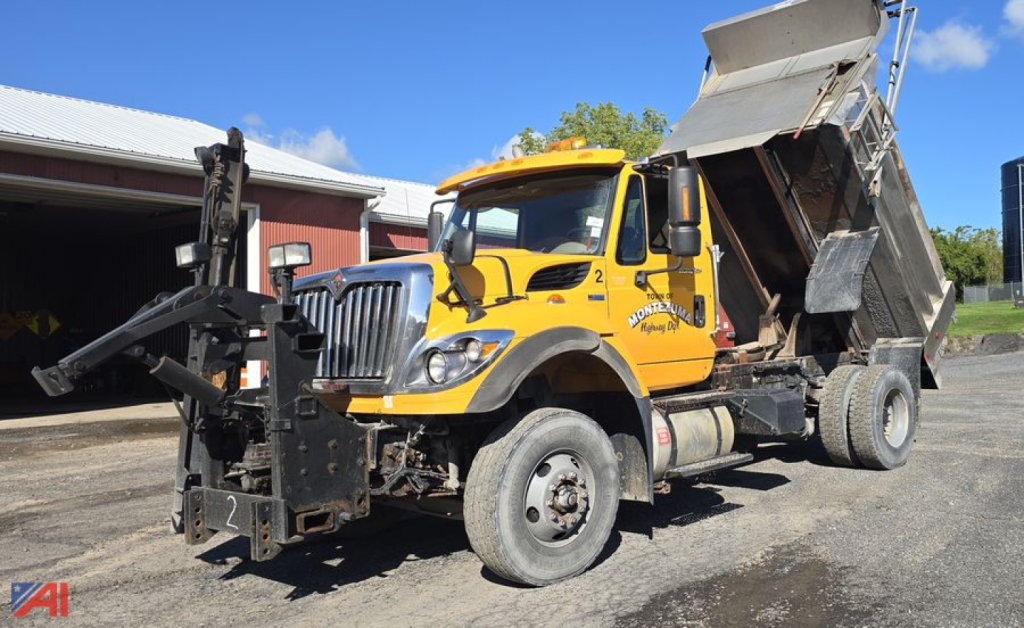
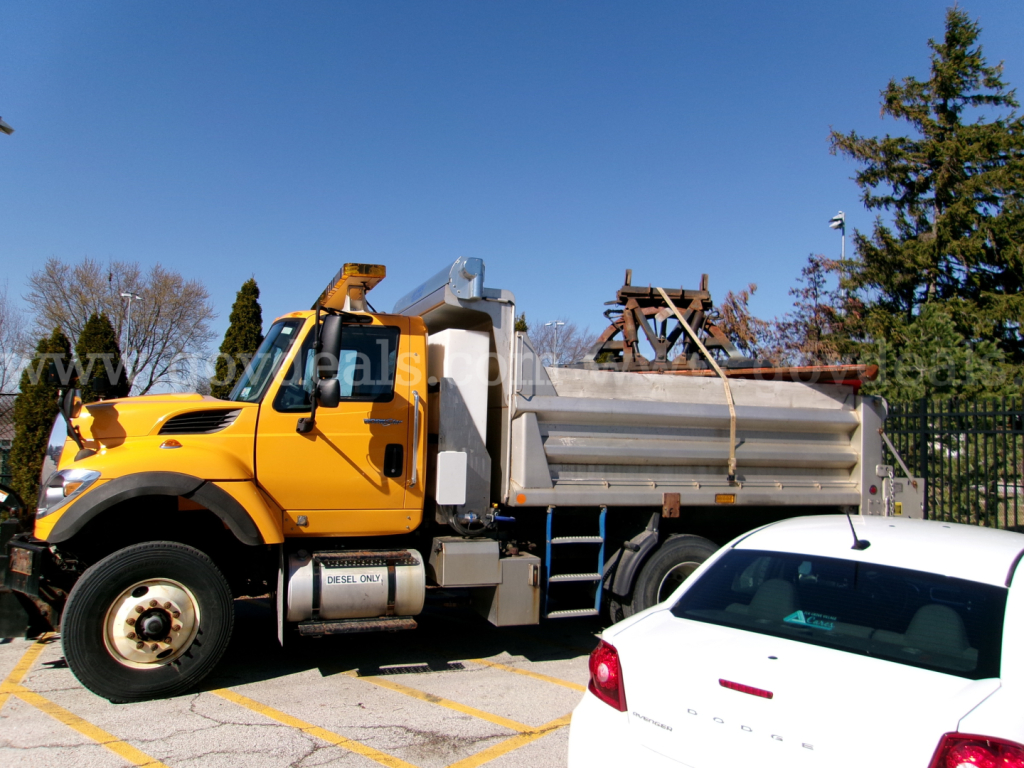
Body and hydraulic condition usually matter as much as the chassis. A buyer should inspect floor thickness, crossmember condition, tailgate design, hoist cylinder operation, hinge wear, and any signs of body twist or patchwork in the box. Municipal 2013 dump trucks may also carry valuable upfit equipment such as underbody scrapers, plows, wing plows, sanders, central hydraulics, and stainless spreader bodies. Those trucks can be a strong value in snow states, but corrosion exposure around the frame, wiring, hydraulic lines, and cab mounts deserves close attention. If the truck has a liner, tarp system, air gate, or high-lift tailgate, those details can directly affect cycle time and material control.
For buyers focused on operating cost, a 2013 dump truck sits in a range where maintenance history becomes a major part of value. Look at engine hours versus odometer miles, PTO usage, brake and suspension wear, and the condition of the steering components if the truck spent time on rough jobsites. It also helps to confirm tire size, remaining rubber, and whether the front axle and spring capacity are adequate for plow use or heavy apron loads. The best 2013 dump truck is not simply the lowest-hour truck. It is the one with the right body, hoist, axle spec, and vocational history for the material and route profile you run every day.
Frequently Asked Questions about 2013 Dump Trucks
What should I check first on a 2013 dump truck?
Start with the dump body, hoist, frame, and PTO system because those components define how the truck earns money. Check the body floor, crossmembers, hinge points, hoist cylinder, hydraulic lines, and tailgate operation for wear, leaks, rust, or poor repairs. Then verify axle ratings, suspension, transmission spec, and engine condition to make sure the chassis matches the payload and duty cycle you plan to run.
Are 2013 dump trucks good for municipal and snow service work?
Many 2013 dump trucks are well suited for municipal duty, especially units spec'd with central hydraulics, plows, wing plows, underbody scrapers, and spreaders. These trucks can be versatile assets for year-round work, but they often see heavy corrosion from salt exposure. Buyers should inspect the frame, electrical connectors, cab mounts, hydraulic plumbing, and body mounts carefully before valuing the snow equipment as an advantage.
What is the difference between a light-duty and heavy-duty 2013 dump truck?
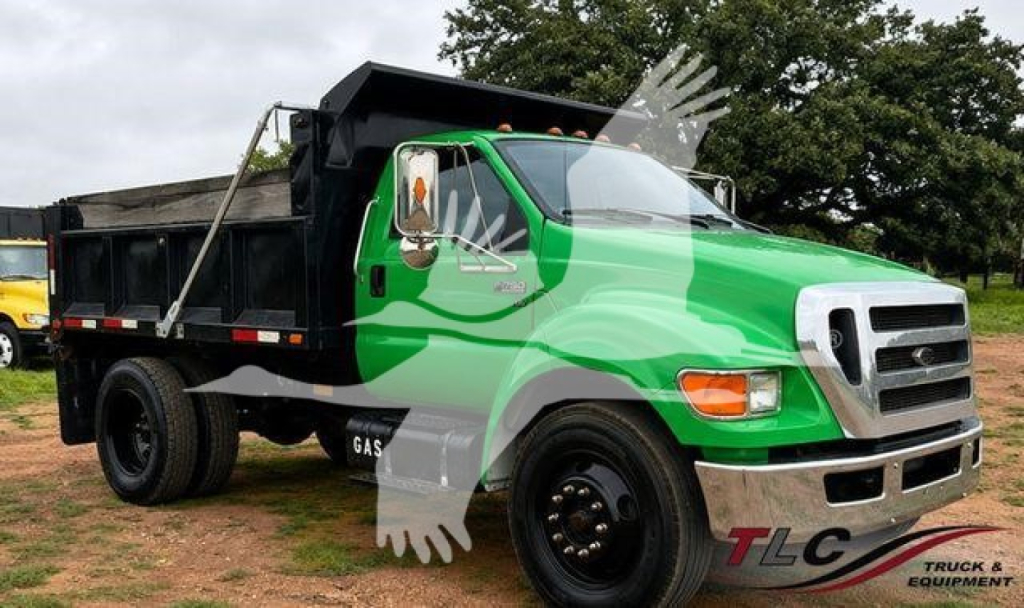
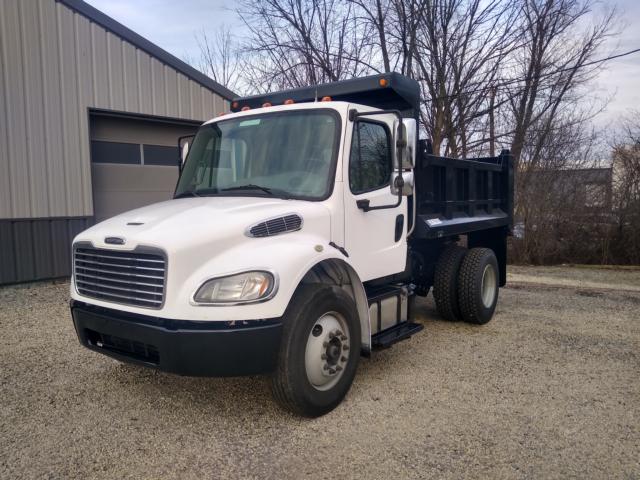
Light-duty and medium-duty 2013 dump trucks are typically easier to maneuver, cheaper to operate, and better for landscaping, small paving crews, and local material delivery. Heavy-duty vocational dump trucks usually offer higher GVWR, stronger frames, larger bodies, heavier rear suspensions, and tandem-axle configurations for aggregate, demolition, and construction hauling. The right choice depends on payload target, road restrictions, and whether the truck spends more time in tight neighborhoods or on production jobsites.
Is mileage or engine hours more important on a 2013 dump truck?
On a dump truck, mileage alone does not tell the full story because PTO work, idling, and jobsite operation can add substantial wear without adding many road miles. Engine hours help show how much total use the truck has seen, especially in municipal, plow, or construction service. The best evaluation uses both figures together, along with maintenance records, driveline condition, hydraulic performance, and visible chassis wear.
Which body material is better on a 2013 dump truck, steel or aluminum?
Steel dump bodies are common when the truck will haul demolition debris, riprap, asphalt, or other abrasive material that demands impact resistance. Aluminum bodies reduce tare weight and can improve payload on certain applications, but they are generally better suited to material where corrosion resistance and lower weight matter more than heavy impact durability. The better choice depends on what the truck hauls most often and how rough the loading environment is.