
Dump Trucks For Sale in Oklahoma
Browse dump trucks for sale in Oklahoma. Compare axle ratings, body sizes, horsepower, PTO setup, and suspension for construction hauling.
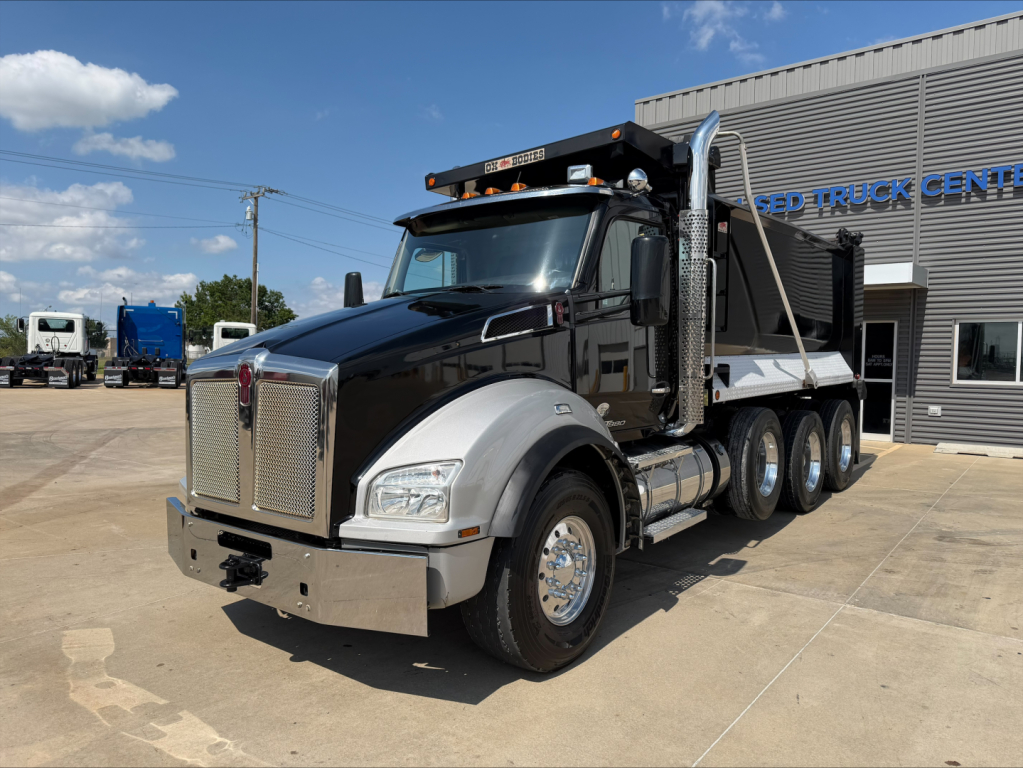
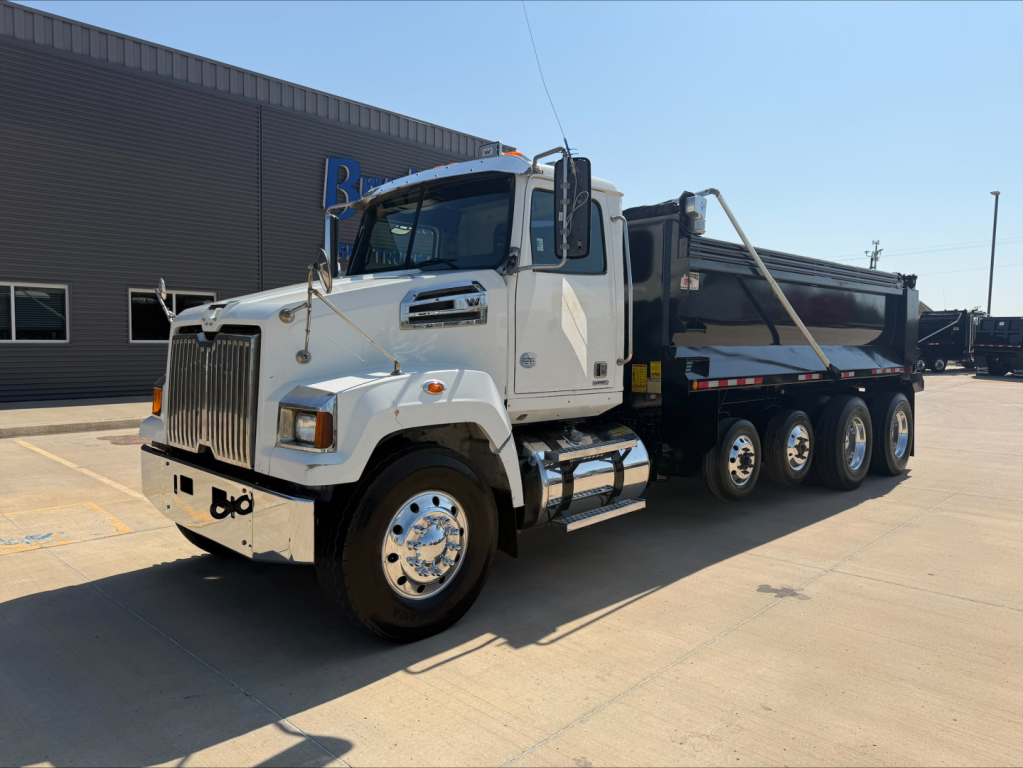
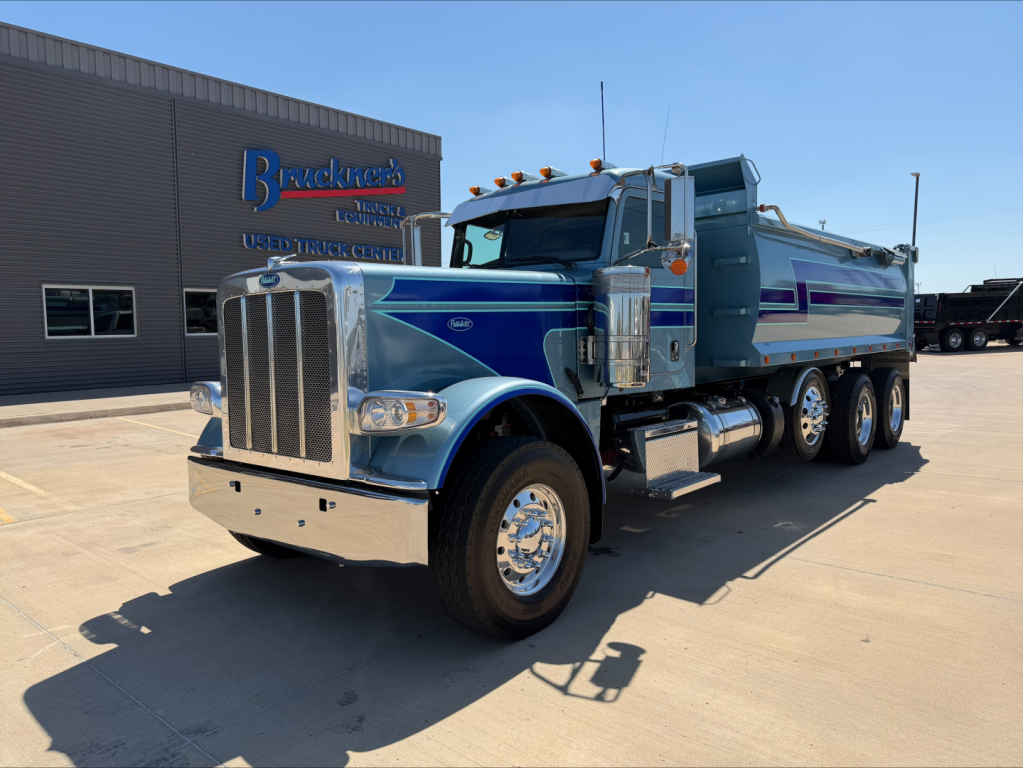
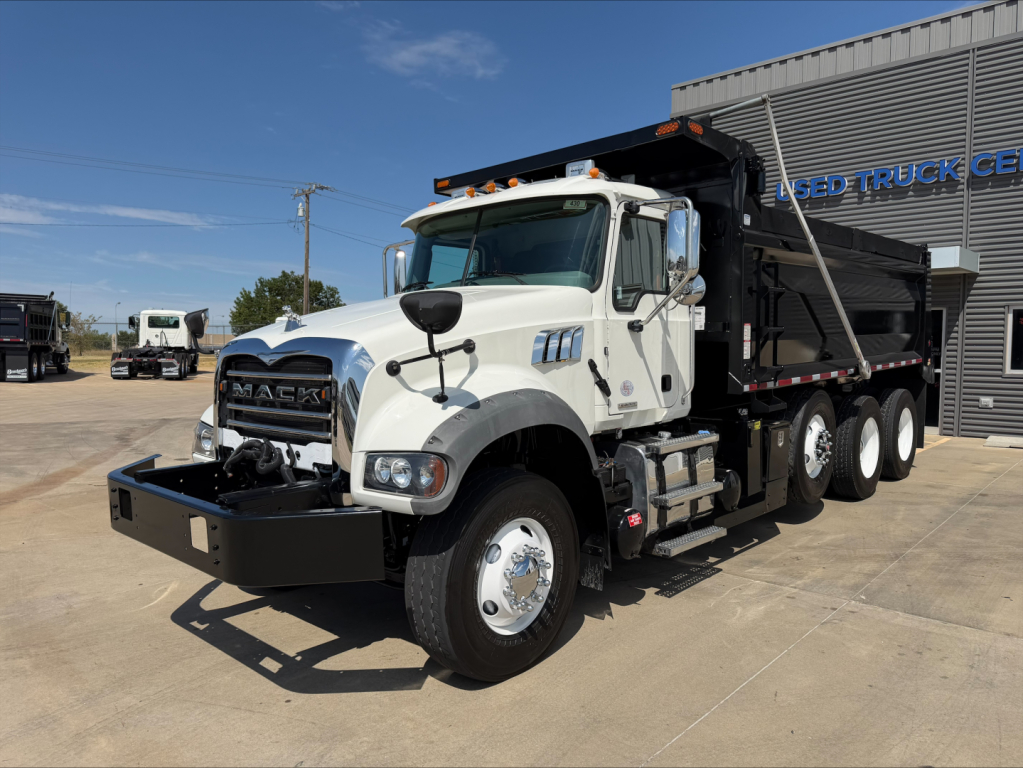

Selling a dump truck? List your dump truck for sale and reach thousands of commercial buyers.
Dump Trucks in Oklahoma
Powertrain choices matter more in a dump truck than in many highway applications. Engines in the 400 to 500 horsepower range are common for heavier vocational work, especially when the truck is expected to pull grades, launch loaded on soft ground, or run a pup trailer. Automated manual transmissions and traditional manual transmissions are both common, but the right choice depends on terrain, driver preference, and how often the truck backs into rough sites. A deep reduction or creeper gear can be valuable for off-road starts and precise maneuvering. Rear ratios, suspension design, and wheelbase also deserve close attention. A shorter wheelbase improves turning radius, while a longer wheelbase can help balance body length and bridge law requirements.
The dump body itself is where productivity is won or lost. Buyers should look at side height, front and rear wall design, floor thickness, hoist type, liner options, tailgate configuration, and whether the body is built for rock, sand, asphalt, or mixed construction material. Half-round and elliptical bodies can improve material flow, while square bodies remain common for general construction use. For Oklahoma conditions, it also makes sense to consider suspension durability, traction in unpaved yards, and how the truck will perform in heat, dust, and seasonal mud. Locking differentials, heavy-duty rear suspensions, and durable vocational tires are often high-value specs on trucks that spend real time off pavement.
A good dump truck spec is not just about maximum payload. It is about matching the body, chassis, and driveline to the work cycle. Contractors comparing dump trucks should pay close attention to frame strength, PTO and hydraulic compatibility, axle ratings, brake package, and any weight-sensitive local or state requirements. Also known as a dump truck or dump body truck, this equipment class covers everything from site trucks and aggregate haulers to municipal and paving support units. The best choice is the one that can carry legal payload consistently, dump cleanly, hold up under repeated loading, and stay serviceable in a hard vocational environment.
Frequently Asked Questions about Dump Trucks in Oklahoma
What axle configuration is best for a dump truck in Oklahoma?
The best axle configuration depends on payload targets, state bridge and weight rules, and where the truck will operate. Tandem axle dump trucks are common for general construction and offer a good balance of payload, maneuverability, and lower operating complexity. Tri-axle and quad-axle configurations can improve legal payload capacity and spread weight more effectively, but they add cost, tire wear, and maintenance. Buyers hauling aggregate, asphalt, or high-volume material should compare legal weight limits with actual empty weight before choosing the axle count.
What horsepower is typical for a vocational dump truck?
Many dump trucks are spec'd in the 350 to 500 horsepower range, with heavier applications often landing around 425 to 455 horsepower or more. The right horsepower depends on gross weight, terrain, transmission gearing, and how much off-road or stop-and-go work the truck sees. A truck running loaded in hilly areas or soft jobsite conditions benefits from stronger low-end torque and appropriate rear axle ratios more than headline horsepower alone. The engine, transmission, and rear ratio should be evaluated as a package.
How do I choose the right dump body size?
Body size should be chosen based on material type, payload density, and axle ratings, not just cubic yard capacity. Dense material like gravel or broken concrete can max out legal weight before the body is full, while lighter material may require more volume. Common vocational dump bodies are often in the 14-foot to 18-foot range, but side height, floor thickness, and body style matter just as much as length. A properly matched body helps the truck load efficiently, dump cleanly, and stay within legal axle weights.
Is an automated manual transmission a good choice for a dump truck?
An automated manual transmission can be a strong choice for a dump truck when it is properly spec'd for vocational use. Modern automated manuals can improve driver consistency, reduce clutch wear, and help in fleets with mixed driver experience. For severe-duty work, buyers should confirm features such as creeper gearing, multi-speed reverse capability, PTO compatibility, and software calibrated for off-road conditions. In some operations, a traditional manual is still preferred for driver control and familiarity, especially in highly specialized jobsite work.
What should I inspect first on a used dump truck?
Start with the frame, hoist, body condition, and driveline because those areas reveal how the truck was worked and maintained. Check for frame cracks, signs of welding or reinforcement, hoist leaks, uneven body lift, tailgate wear, and floor or sidewall damage from abrasive material. Then review suspension condition, axle ratings, brake wear, PTO operation, hydraulic lines, and tire wear patterns. A dump truck may look acceptable cosmetically while hiding expensive vocational wear in the chassis and body structure.