
Dump Trucks For Sale in Florida
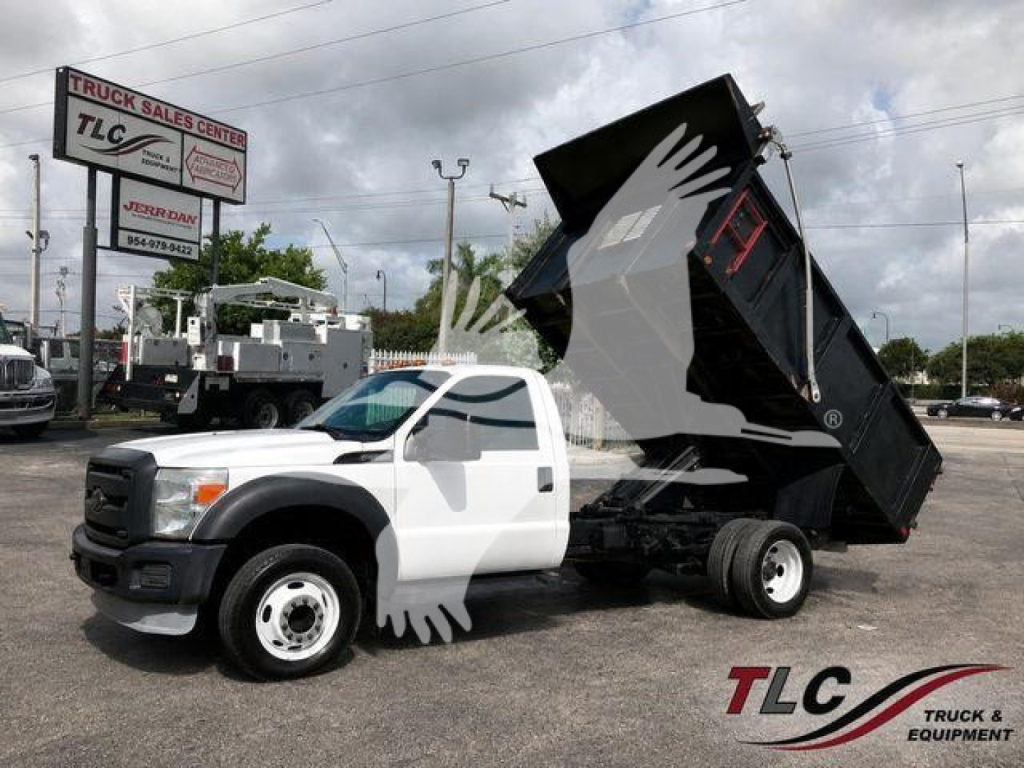
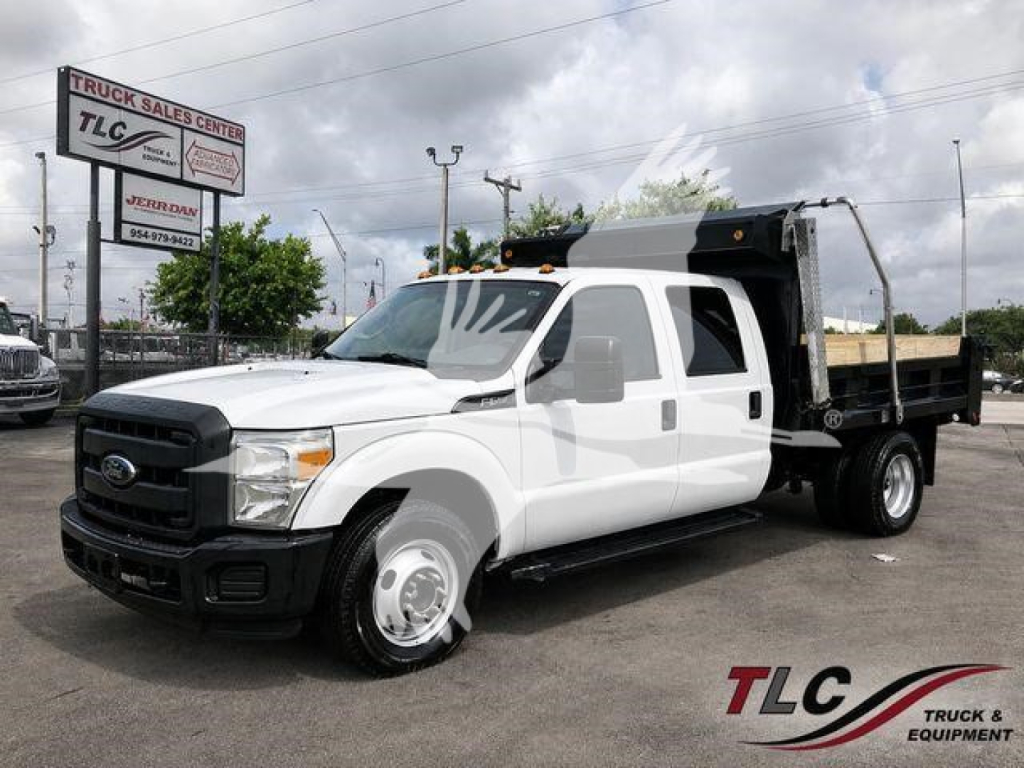
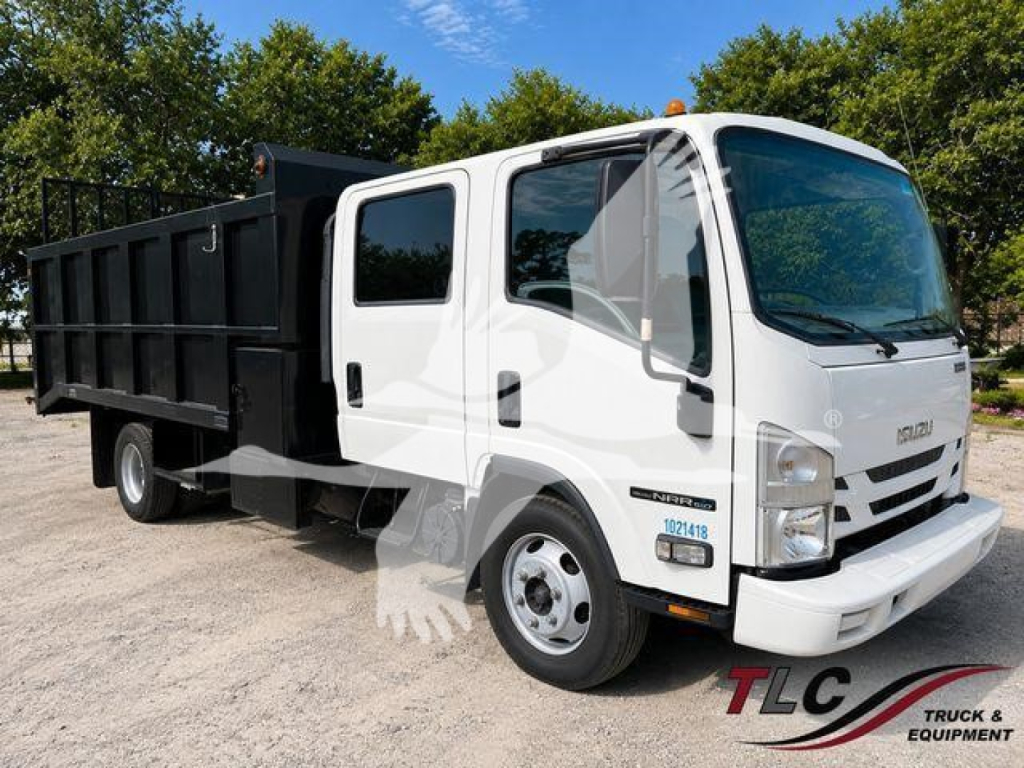
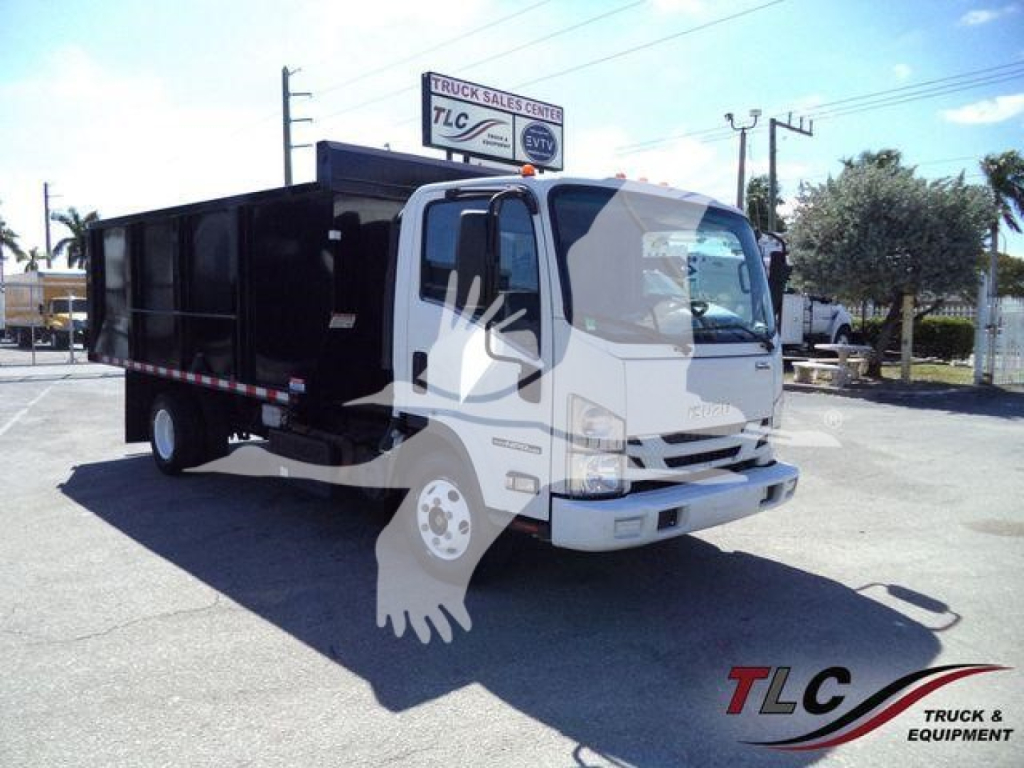
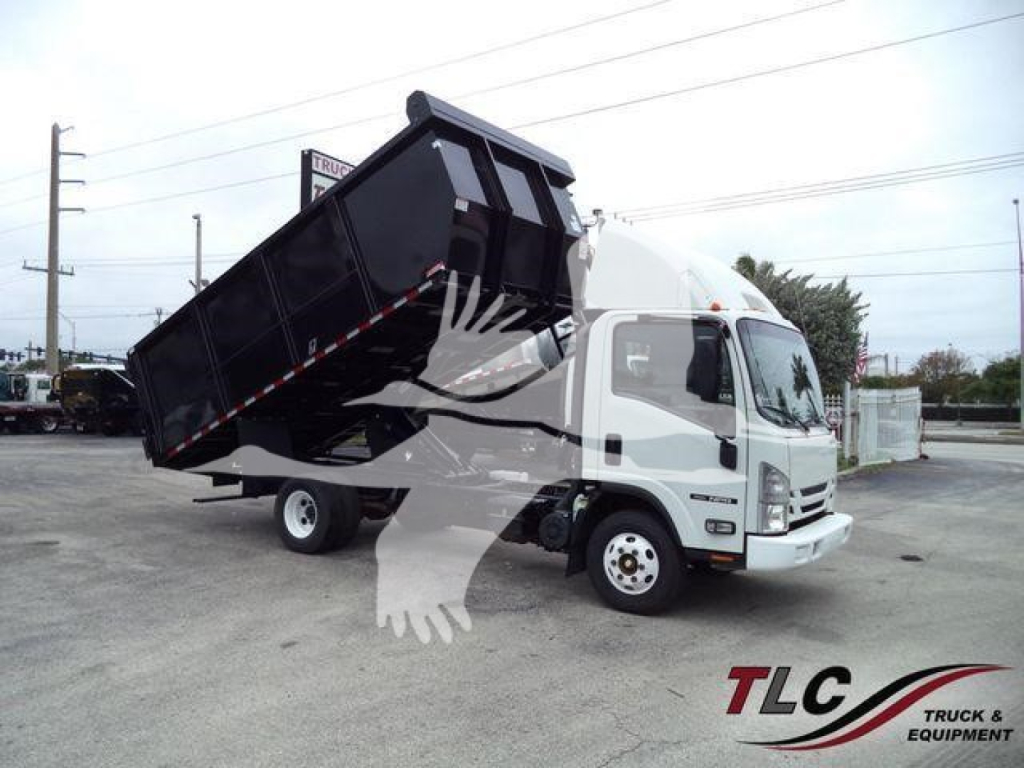
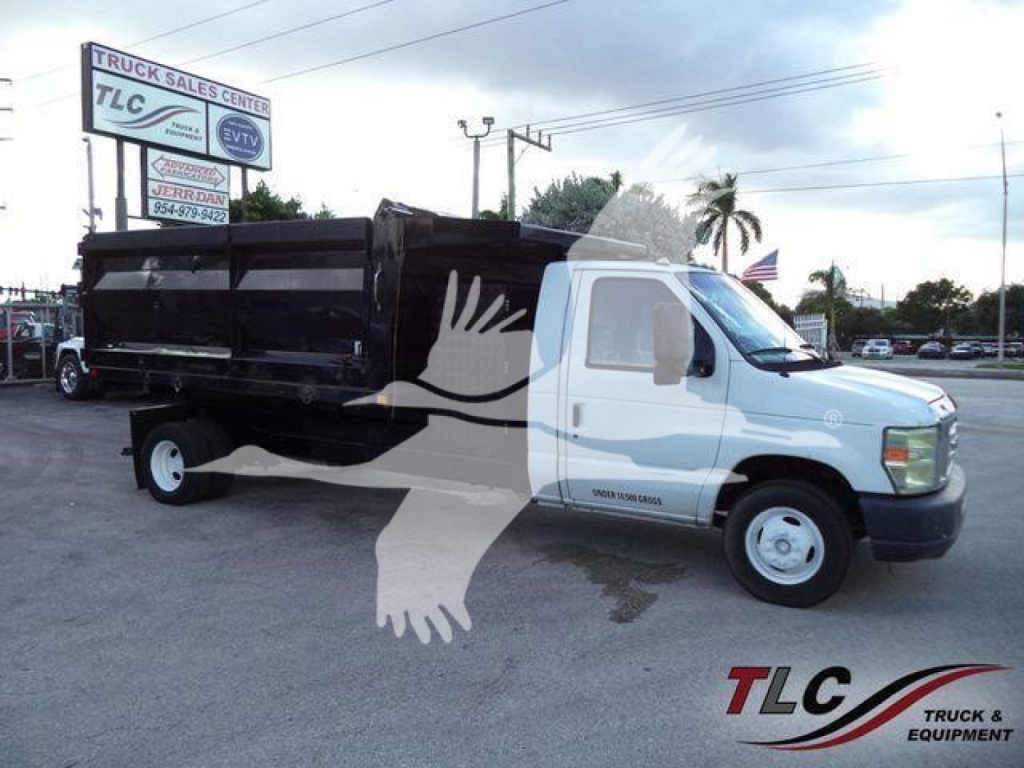
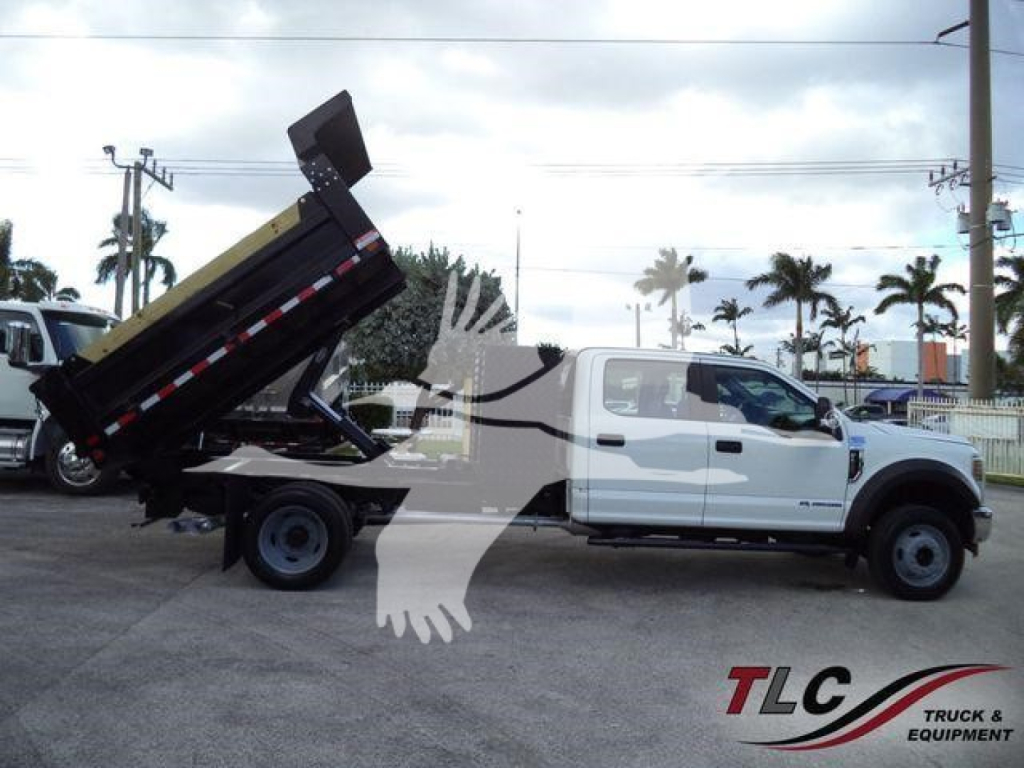
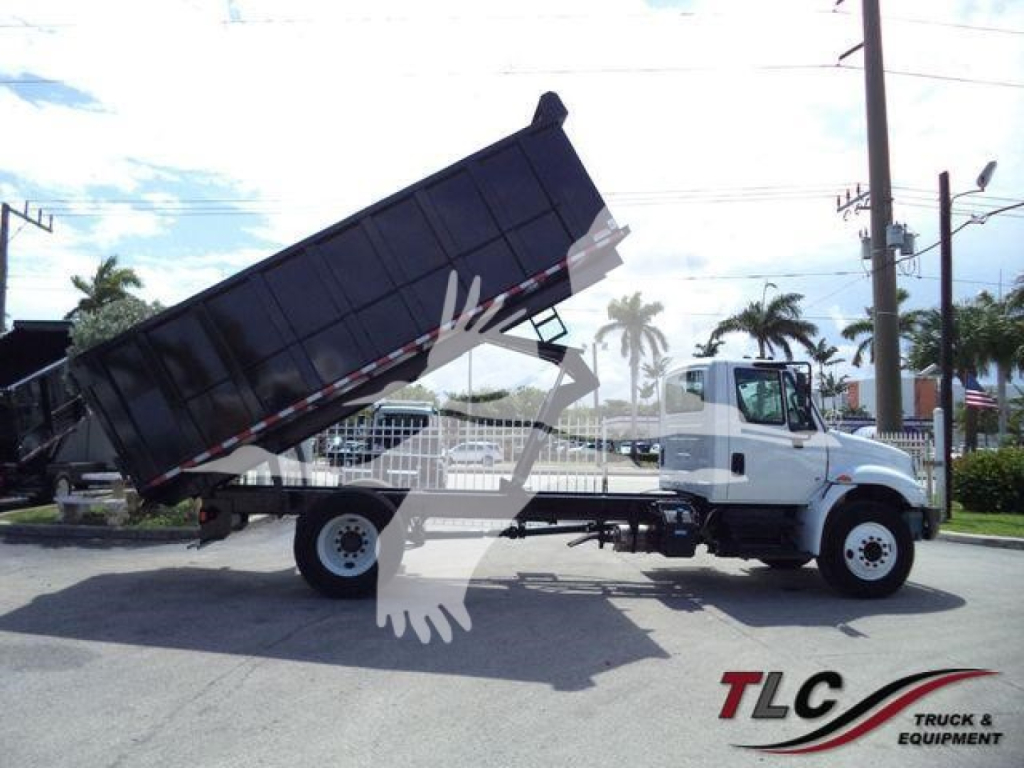
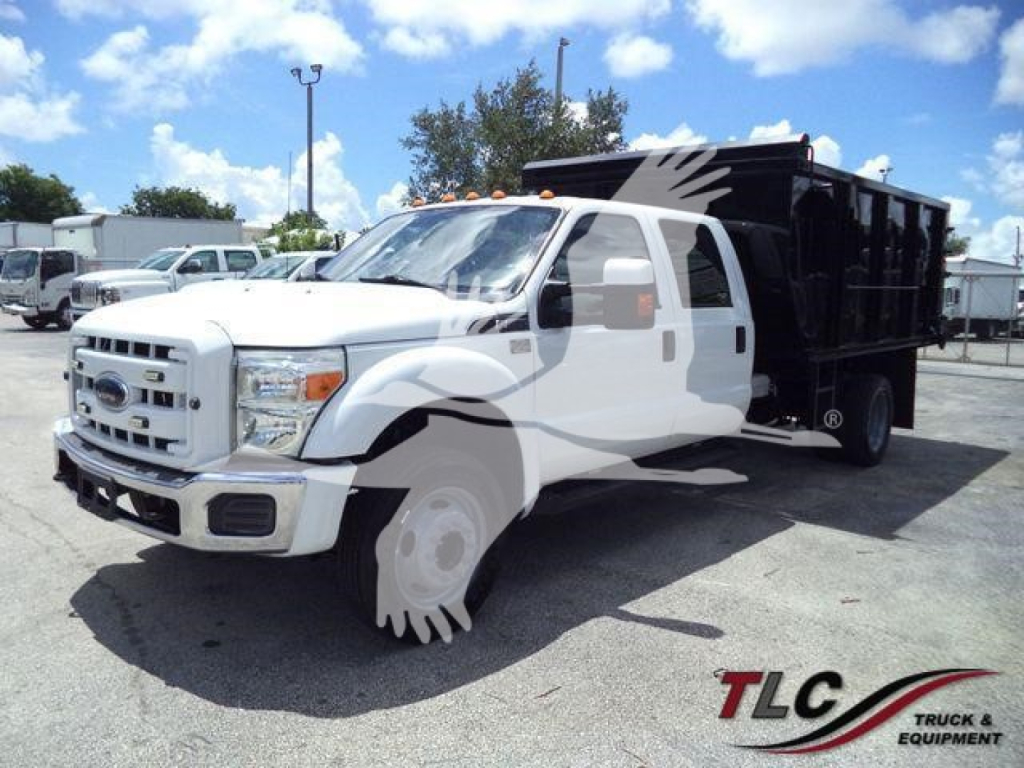
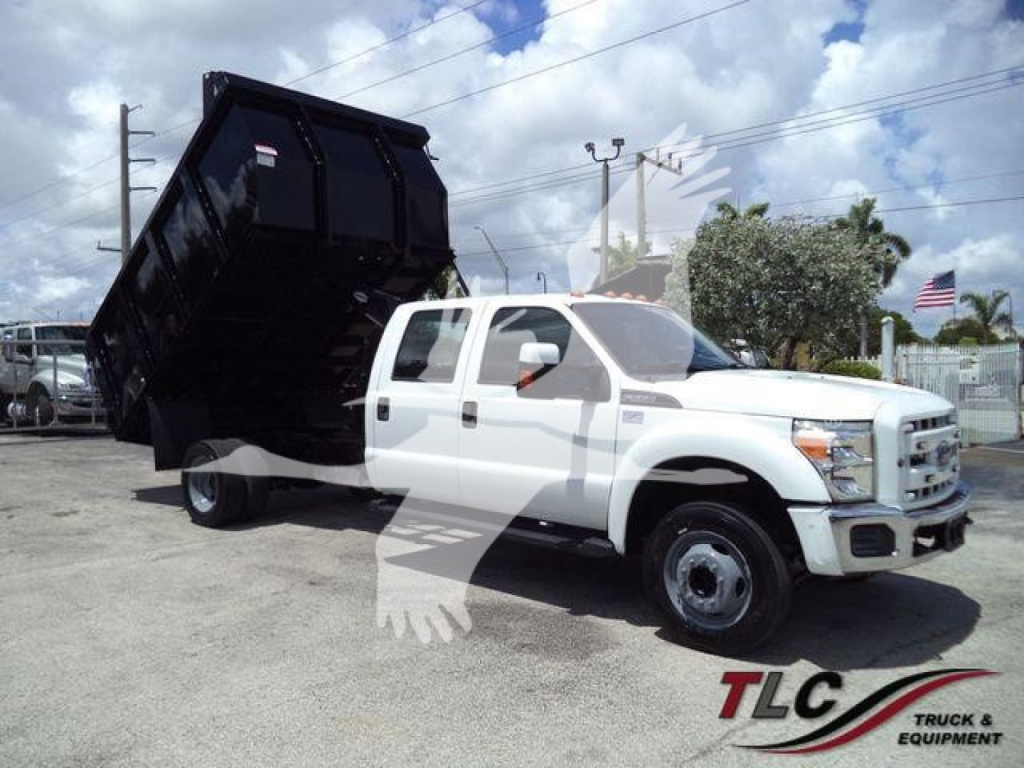
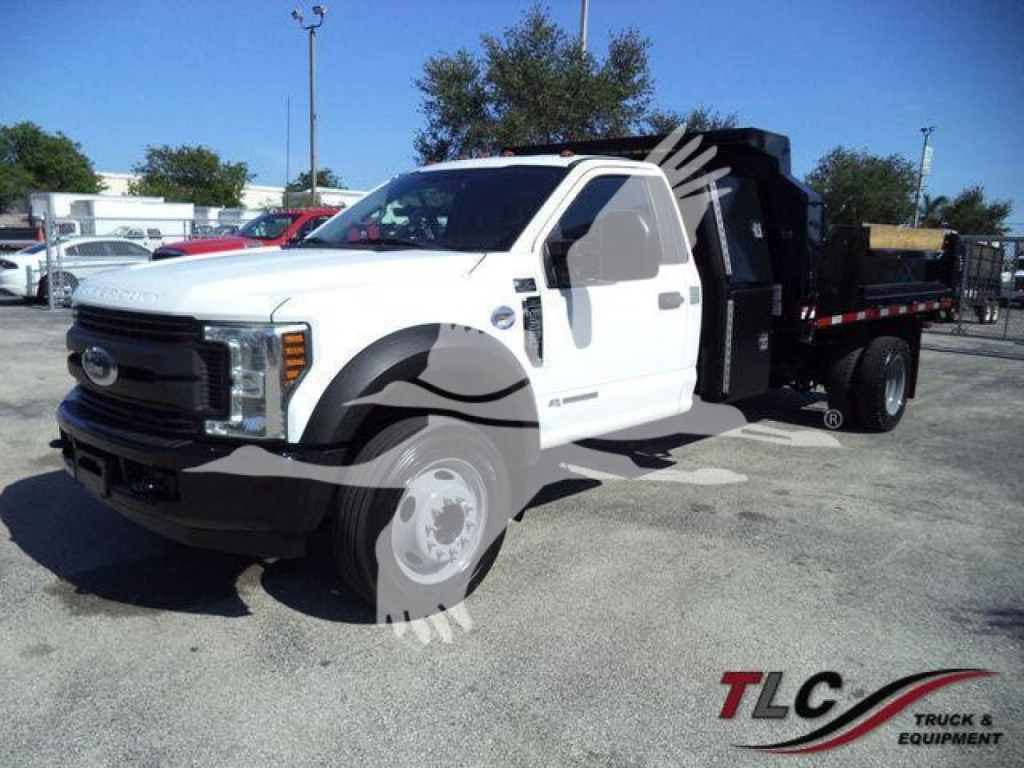
Shop dump trucks for sale in Florida, including landscape, trash, and contractor dumps with steel or aluminum bodies and single-axle setups.
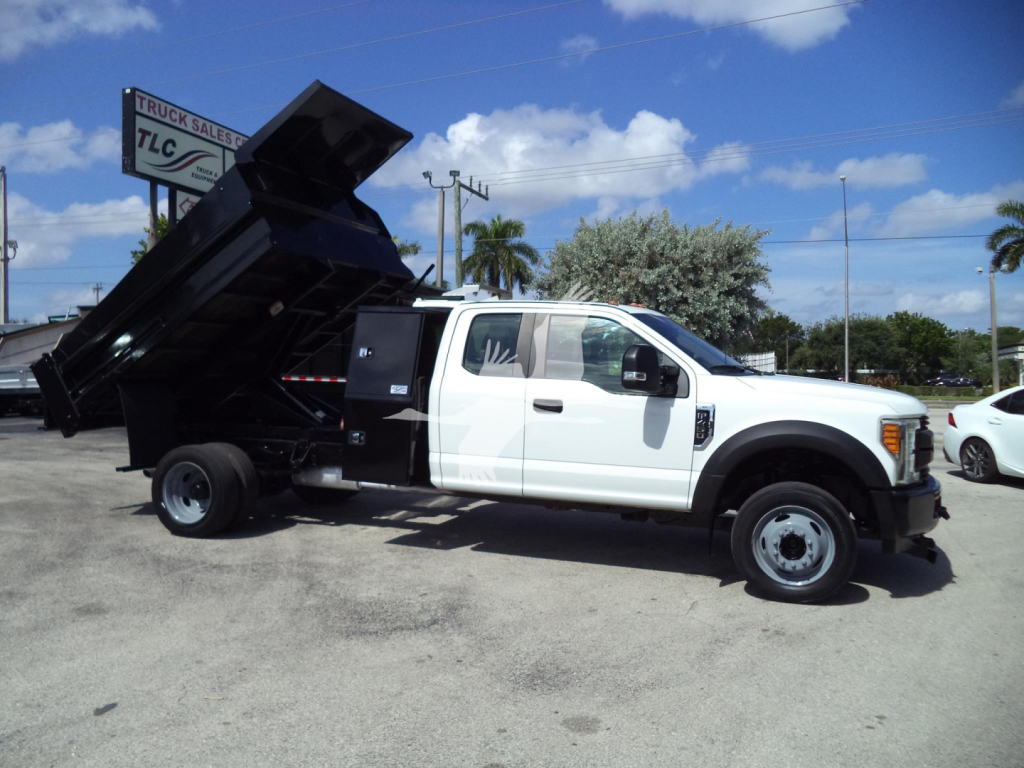
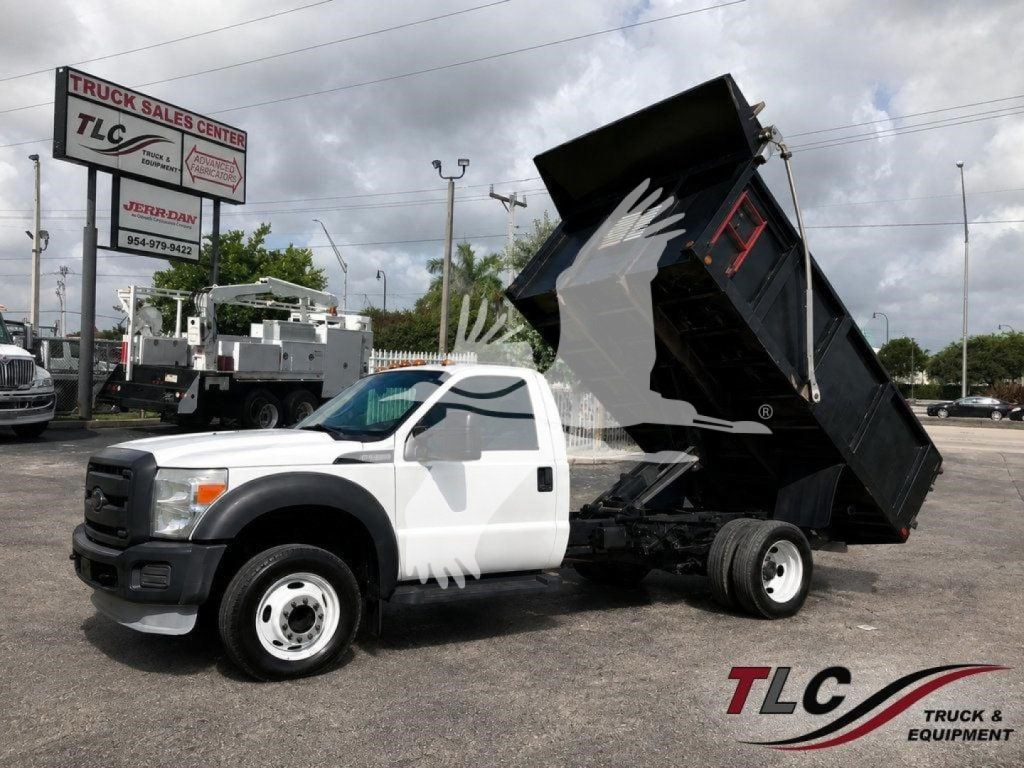
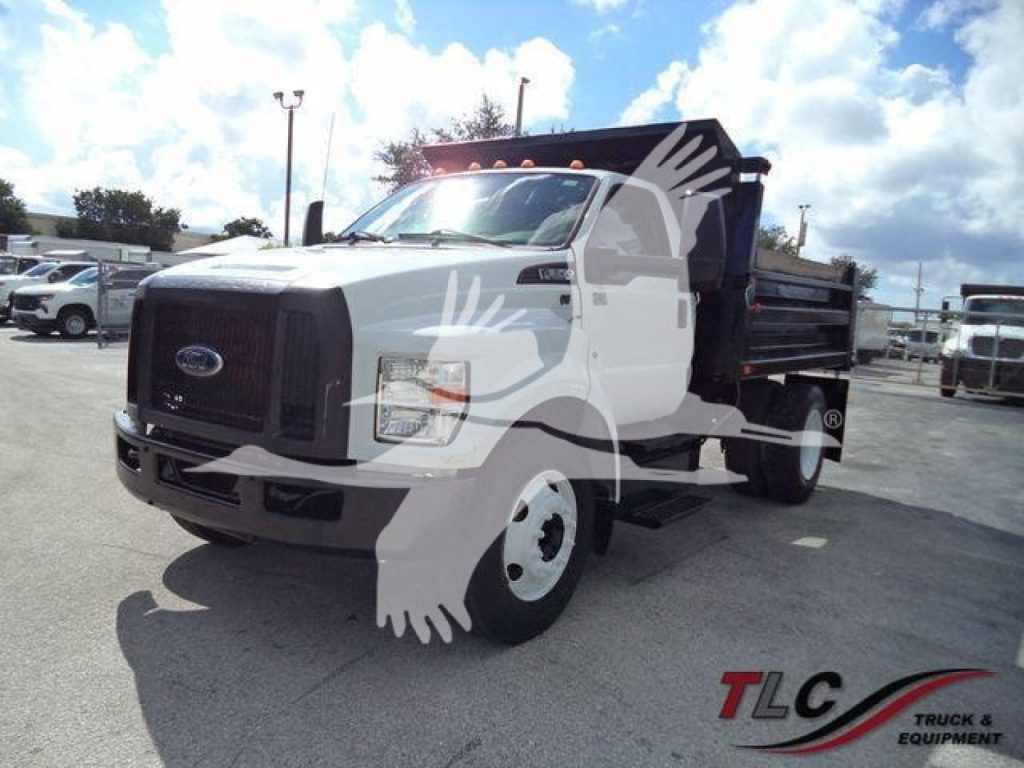
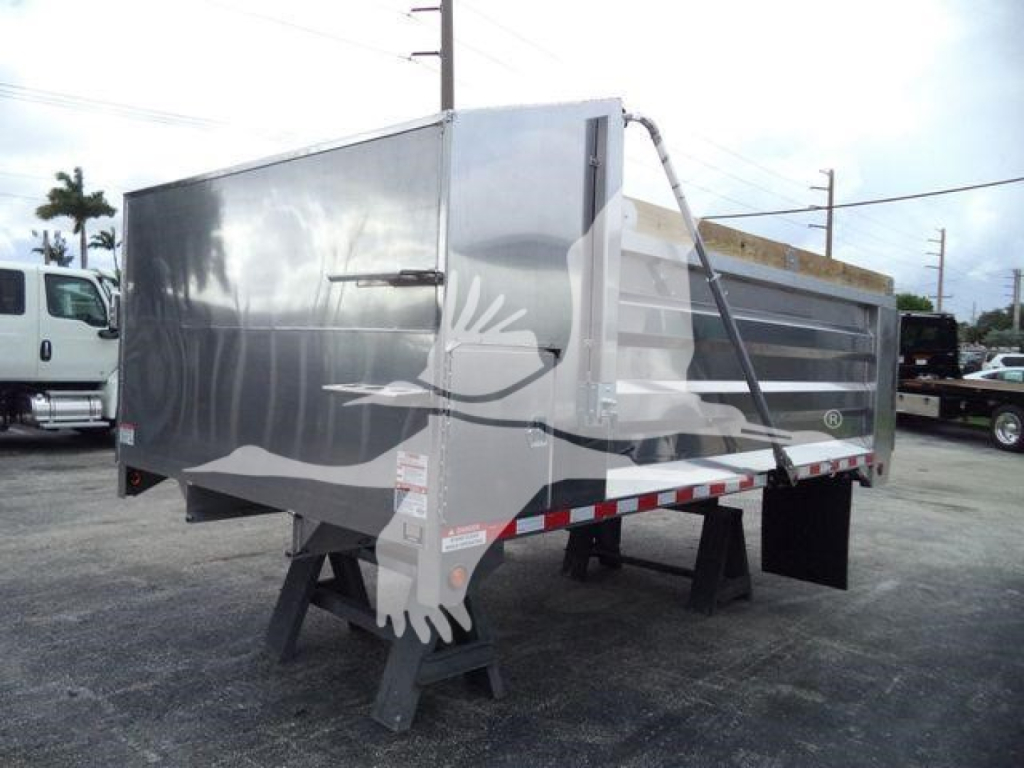
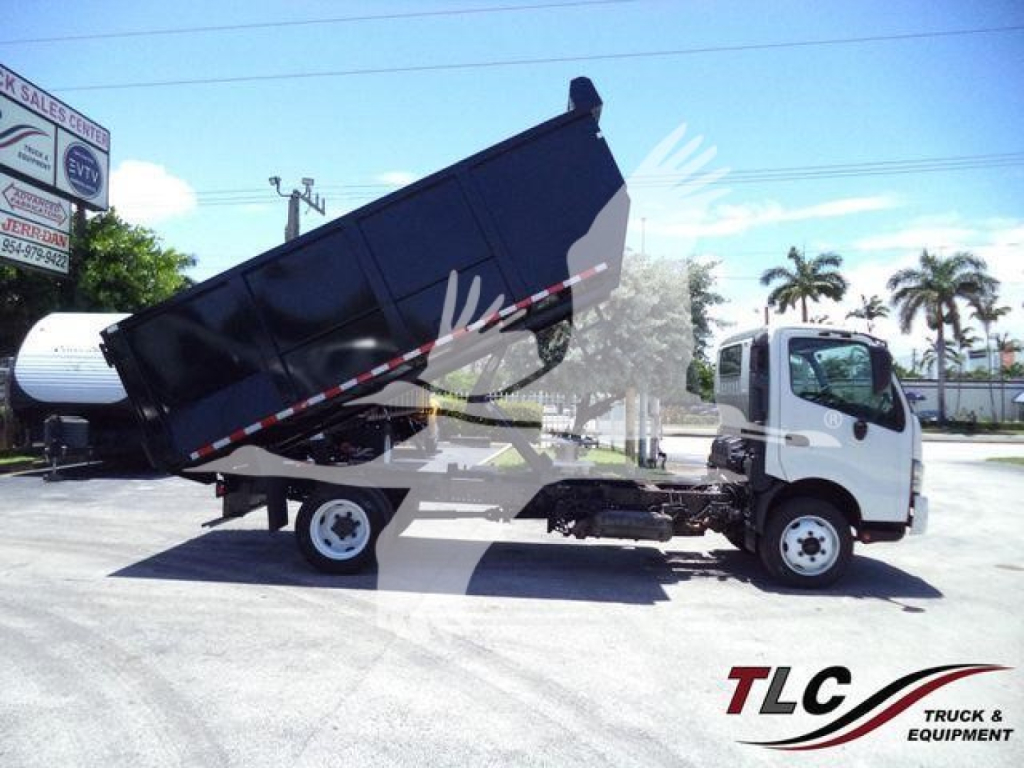
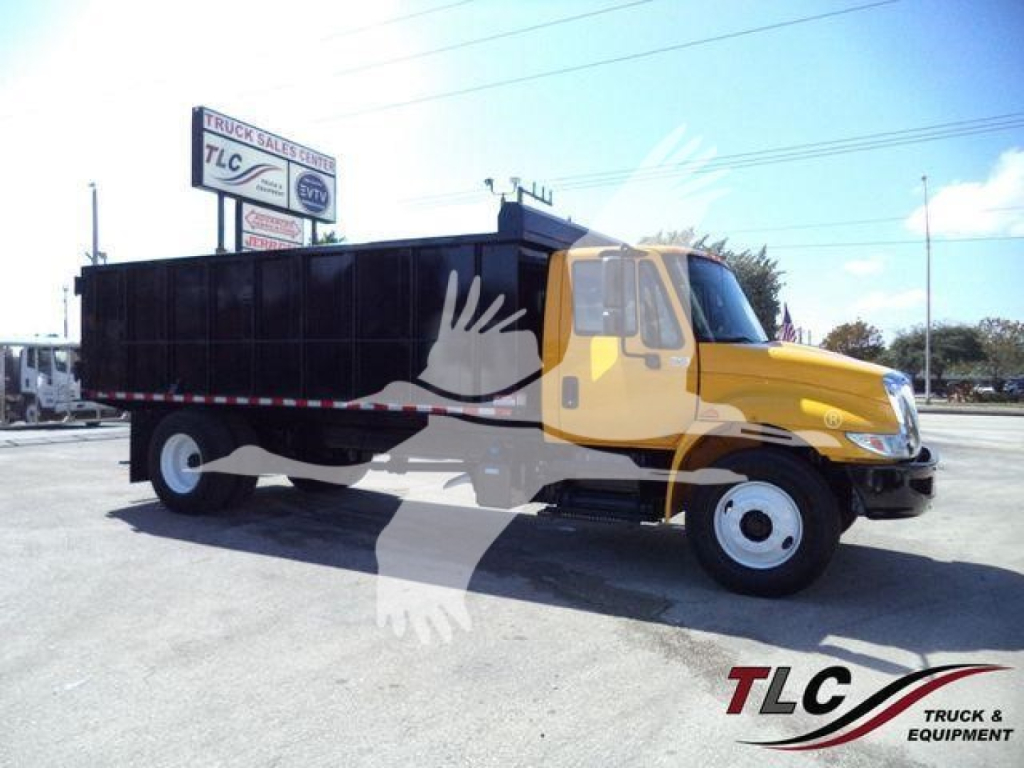
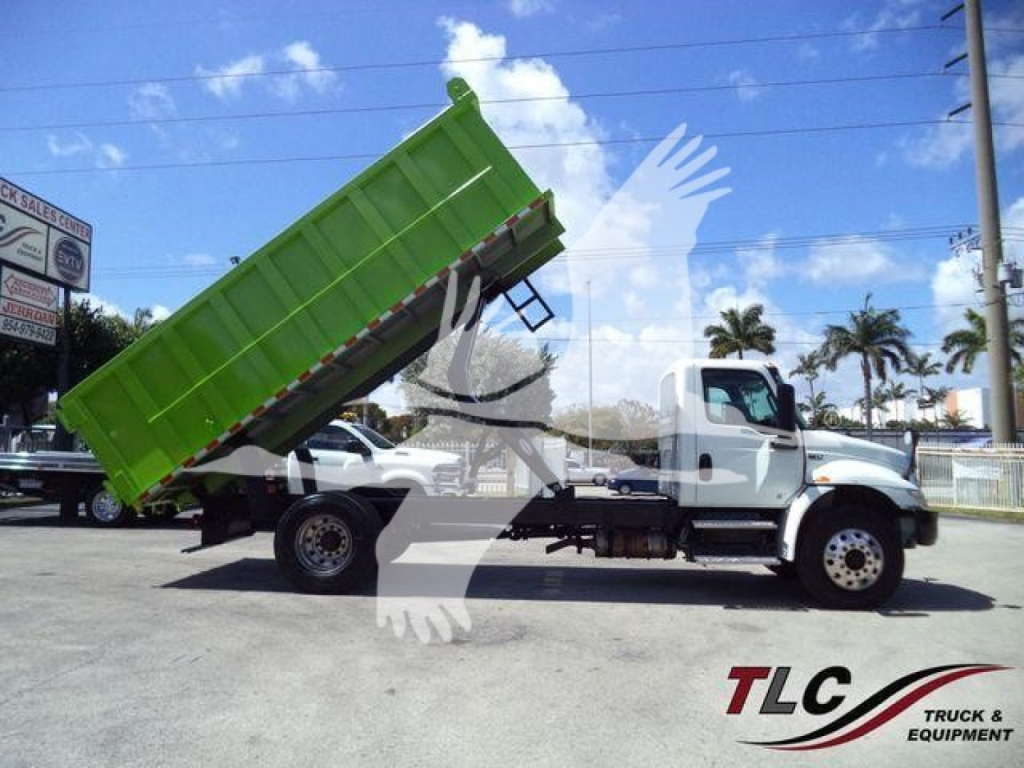
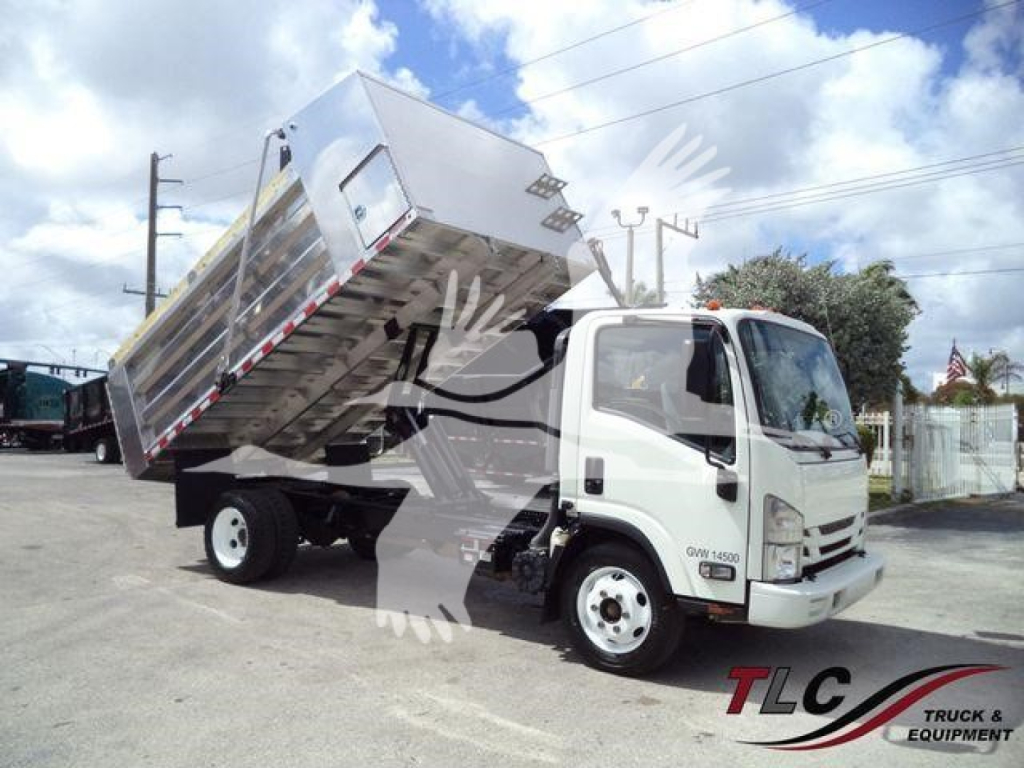
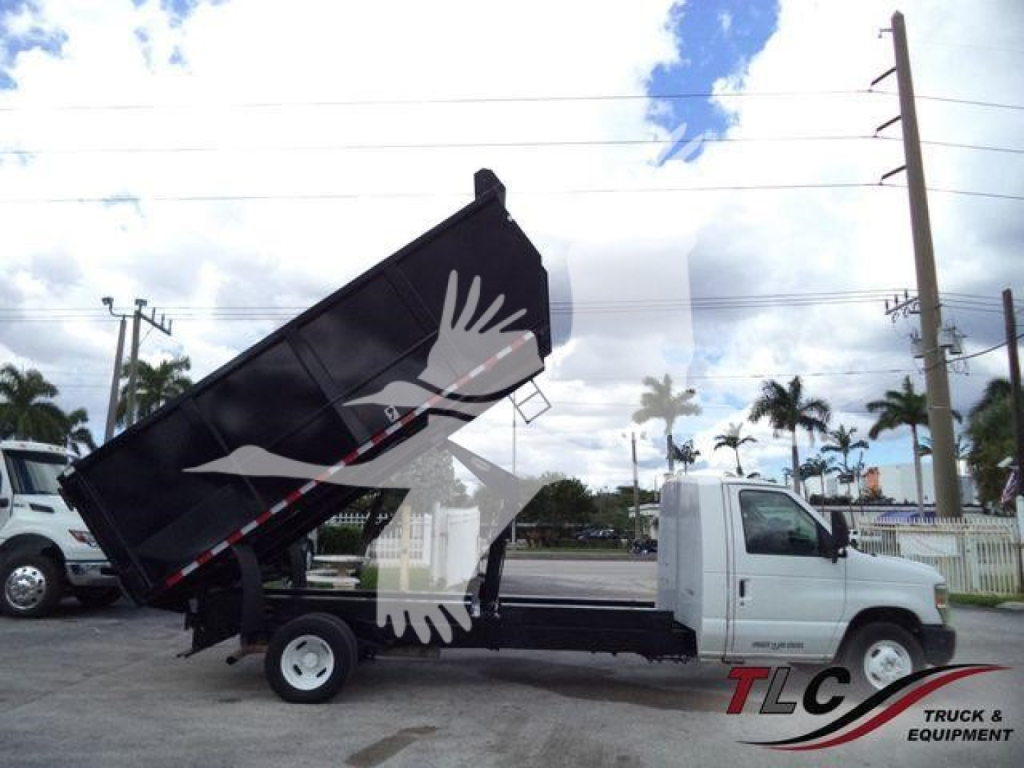
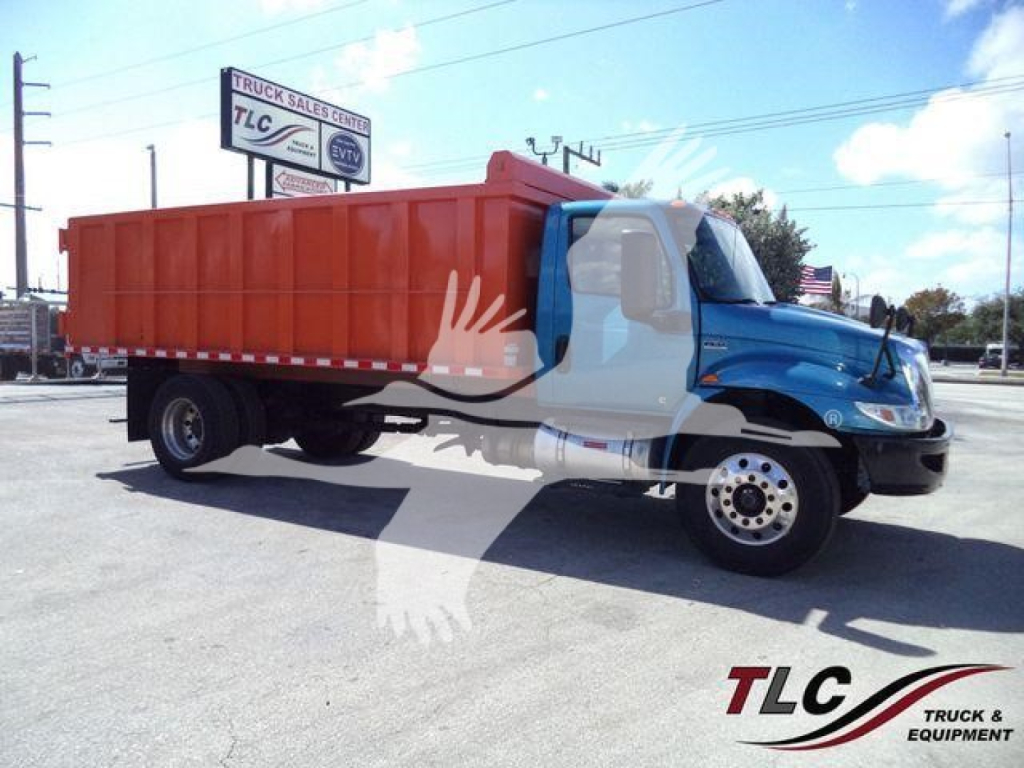
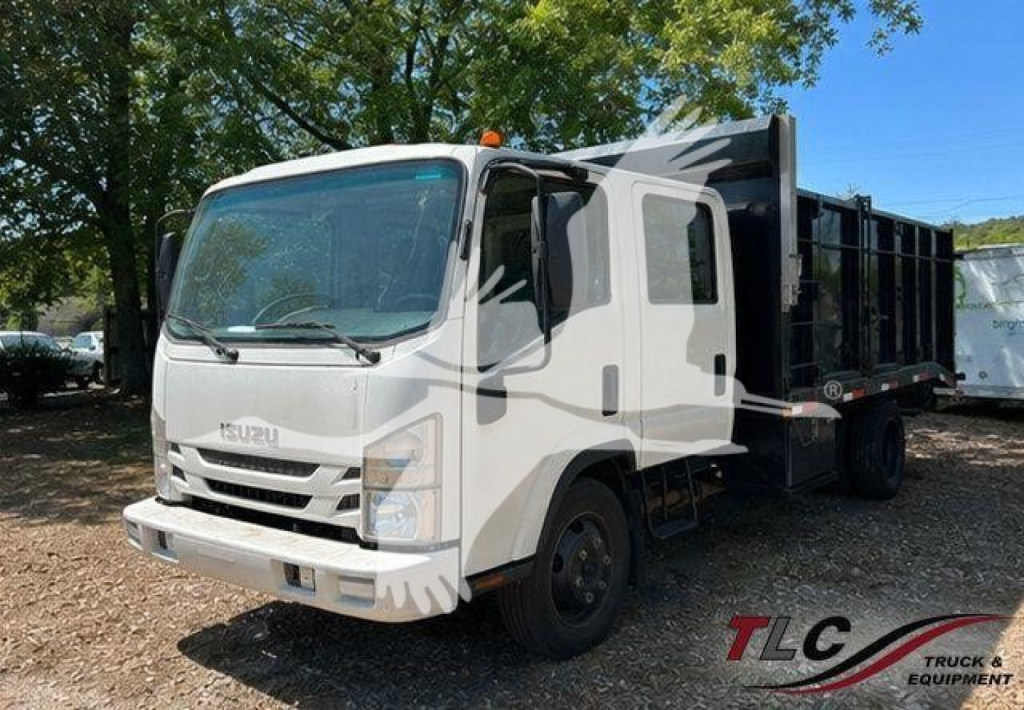
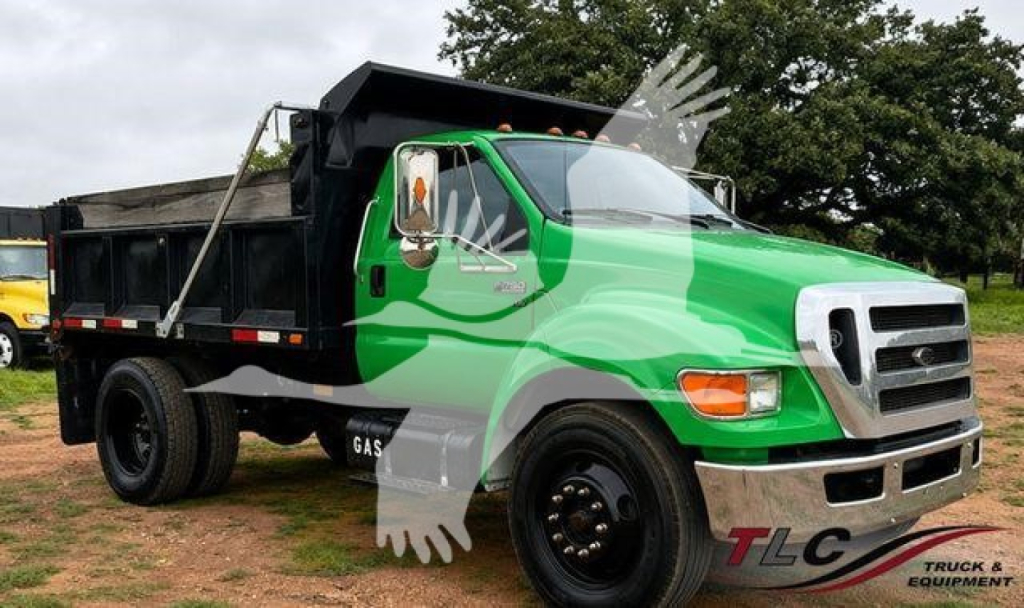
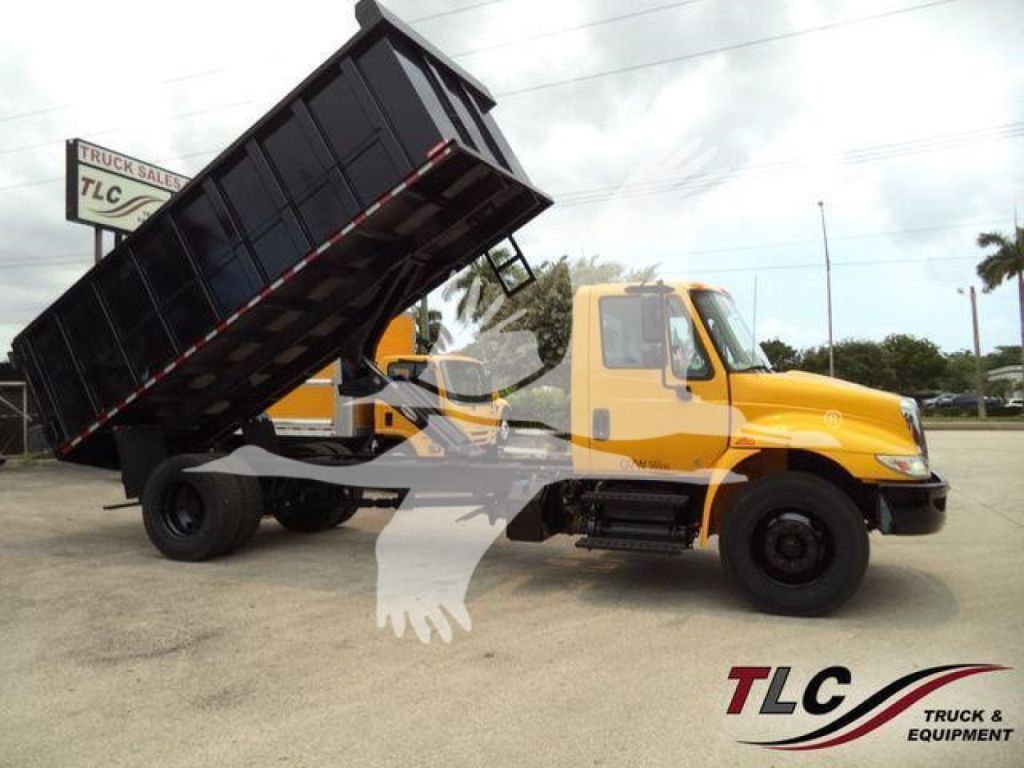
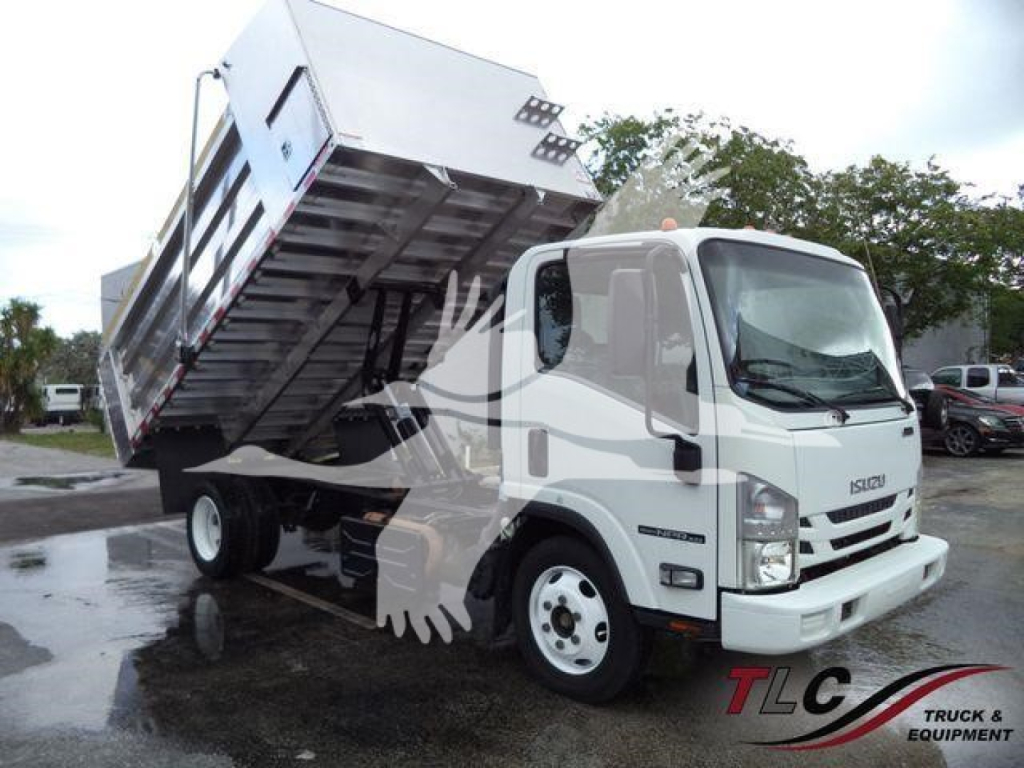
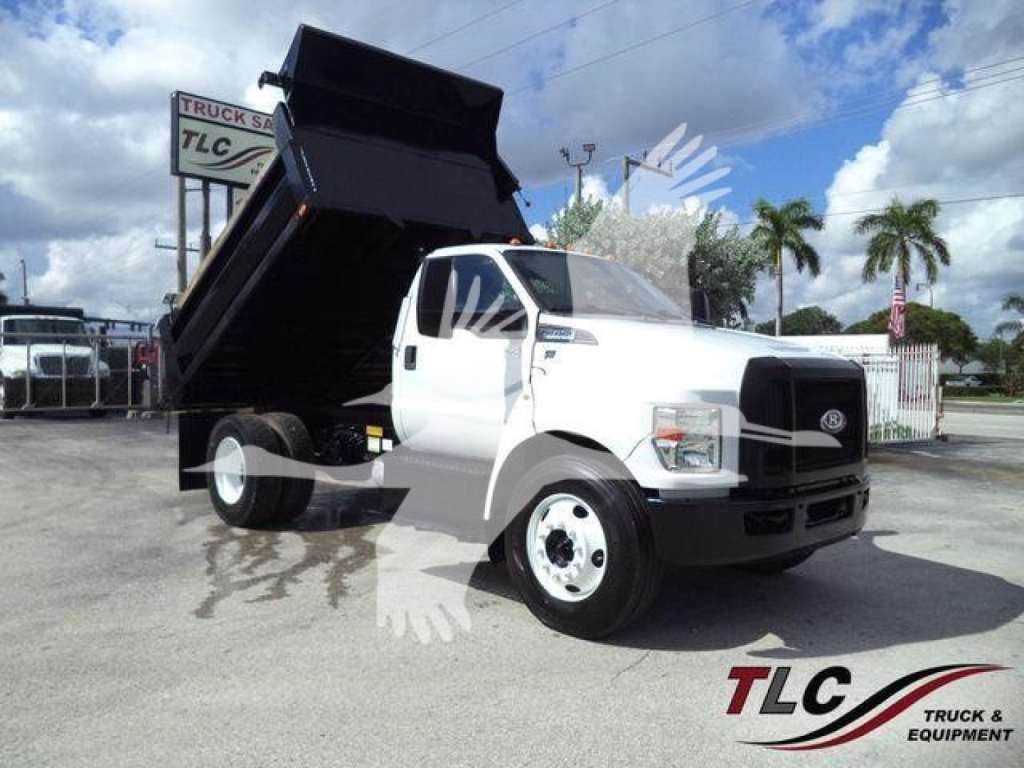
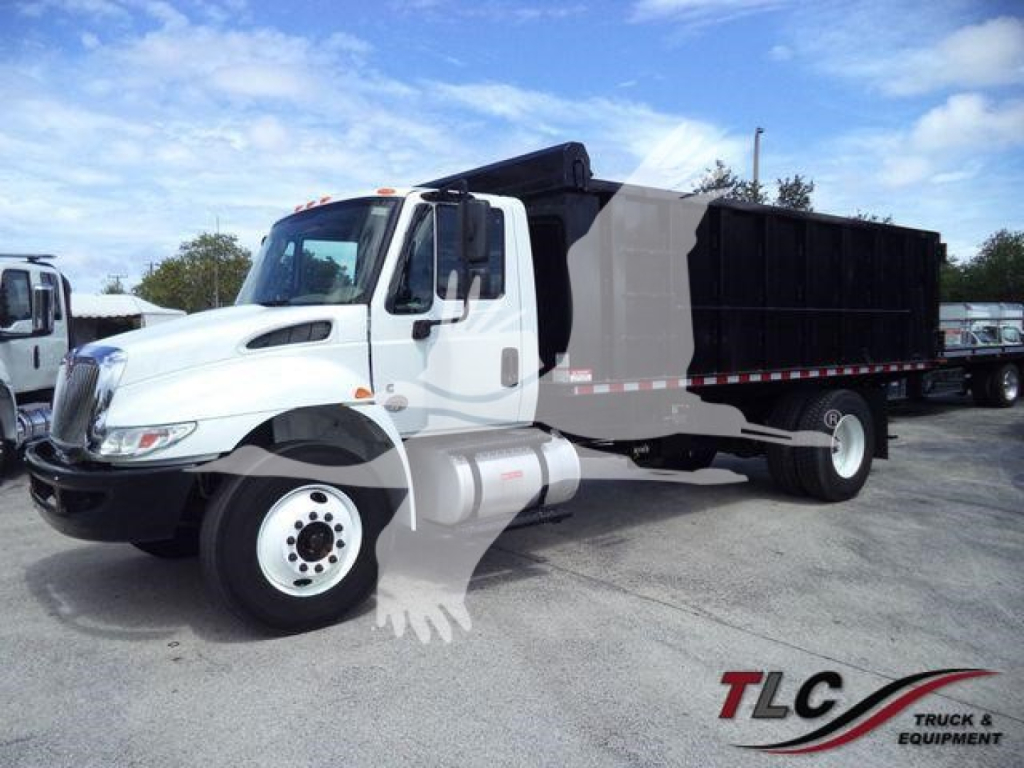
Showing 1 to 28 of 56 results
Selling a dump truck? List your dump truck for sale and reach thousands of commercial buyers.
Dump Trucks in Florida
A good buying decision starts with payload needs and body construction. Steel dump bodies generally hold up well in demolition, mixed debris, and rough loading conditions, but aluminum dump bodies reduce curb weight and can improve legal payload for lighter materials. Common body lengths in this class range from about 8 feet on dump inserts up to 14 or 18 feet on dedicated dump bodies, with tall side walls for cubic yard capacity. Scissor hoists are common on landscape-style units because they provide stable lifting under bulky loads, while dual-cylinder or electric-hydraulic systems are often seen on lighter pickup-based dumps and inserts. Tailgate design also changes usability. Barn doors, two-way tailgates, and single-swing rear doors each suit different unloading methods and material types.
Florida buyers should pay close attention to GVWR, axle rating, and drivetrain configuration before comparing price alone. Many dump trucks in this category are 4x2 trucks with spring suspension, automatic transmissions, and diesel engines, although gas-powered units still make sense for lower annual mileage or easier service access. Medium-duty dumps in the 14,500 to 23,500 GVWR range are common for crews that need CDL-sensitive capacity without stepping into a much larger tandem-axle truck. Crew cab versus regular cab is another practical choice. A crew cab can eliminate the need for a second pickup on landscaping and municipal crews, while a regular cab may leave more room for body length and payload. In coastal and high-humidity areas, corrosion resistance is worth serious attention, especially on subframes, hoists, door hardware, and crossmembers.
The best dump truck is the one matched to your material, route density, and unloading routine. A contractor hauling broken concrete has very different needs than a landscape company hauling brush, and a trash dump body with 48- to 54-inch sides is built around cube capacity rather than dense payload. Buyers should inspect hoist operation, body floor condition, hinge points, PTO or hydraulic pump function, tarp system, hitch wiring, and brake controller setup if trailer towing is part of the job. On cabover models, maneuverability and visibility are strong advantages in tight urban work, while conventional chassis may offer a more familiar service network and driving position. If the truck will run daily in stop-and-go Florida traffic, cooling system condition, A/C performance, and transmission behavior deserve as much attention as the dump body itself.
Frequently Asked Questions about Dump Trucks in Florida
What is the difference between a landscape dump truck and a standard contractor dump truck?
A landscape dump truck is usually set up for high-volume, lower-density material such as mulch, brush, leaves, storm debris, and trash. These trucks often have taller side walls, lighter aluminum bodies, barn-door or swing-door tailgates, and tarp systems to manage loose loads. A standard contractor dump truck is typically built for heavier material such as dirt, gravel, asphalt, or demolition debris, so body floors, sides, and hoists are often heavier-duty and payload is limited more by weight than cubic capacity.
Is an aluminum dump body better than a steel dump body?
Aluminum is not automatically better, but it is often the right choice for landscape and trash applications because it saves weight and resists corrosion well in humid or coastal environments. Steel bodies are usually preferred for abrasive or impact-heavy work because they tolerate tougher loading conditions and hard material better. The right choice depends on what the truck hauls most of the time, how it is loaded, and whether maximizing payload or maximizing durability is the bigger priority.
What GVWR range is common for dump trucks in this category?
A common range for light-duty and medium-duty dump trucks is roughly 14,500 to 23,500 pounds GVWR. Trucks in this class are popular because they are easier to maneuver than larger tandem-axle dumps and fit many landscaping, property maintenance, and local contractor applications. Buyers should compare GVWR with actual empty weight, body size, and planned material because a larger body does not always mean more legal payload.
Are cabover dump trucks a good choice in Florida?
Cabover dump trucks are a strong fit for many Florida operations because they offer tight turning radius, good forward visibility, and easier maneuvering on crowded streets, alleys, and job sites. They are especially useful for urban landscaping, municipal work, and debris hauling where frequent stops and confined access are common. Buyers should still confirm local service support, cab comfort, and axle capacity, since maneuverability alone does not make the truck the best fit for every operation.
What should I inspect first on a used dump truck?
Start with the hoist, body floor, frame condition, hydraulic system, and tailgate operation because those components determine how well the truck performs its core job. Then check for rust or corrosion on crossmembers, hinges, and underbody structure, especially in humid environments. After that, review engine, transmission, brakes, suspension, tire wear, and any towing equipment such as pintle hitches, electric brake controls, and trailer plugs. A clean chassis with a weak body can still be an expensive dump truck to put right.