
2019 Dump Trucks For Sale in Florida
Shop 2019 dump trucks for sale in Florida. Compare medium-duty and tri-axle setups, body styles, GVWR, hoists, tarps, and drivetrain options.
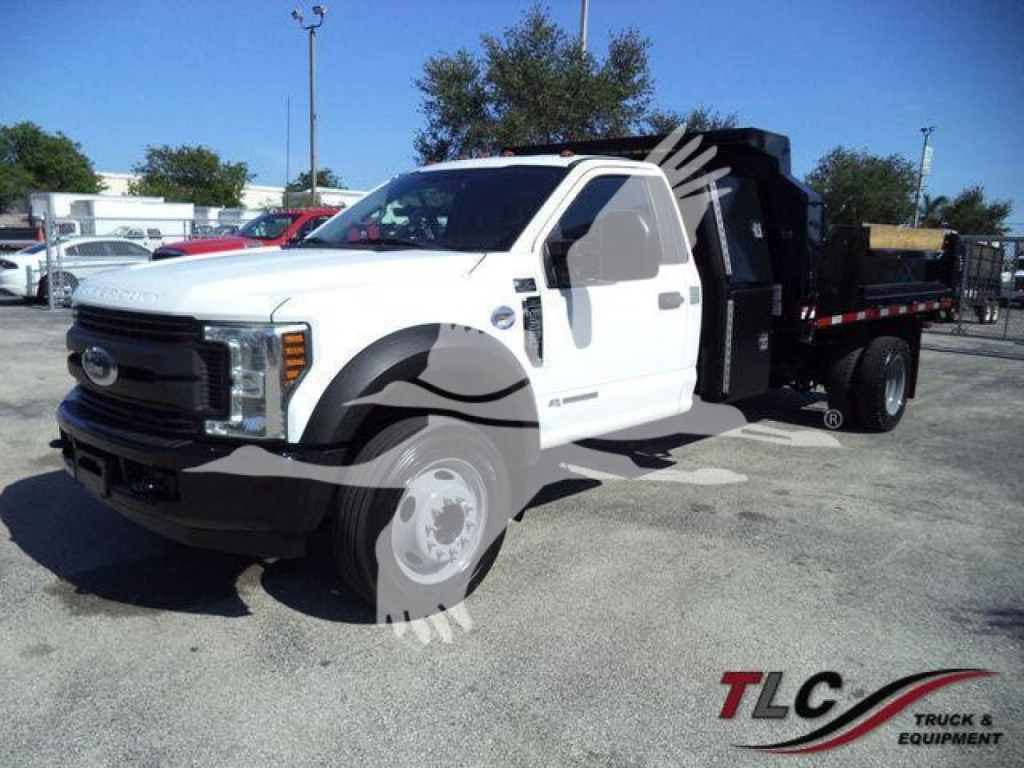
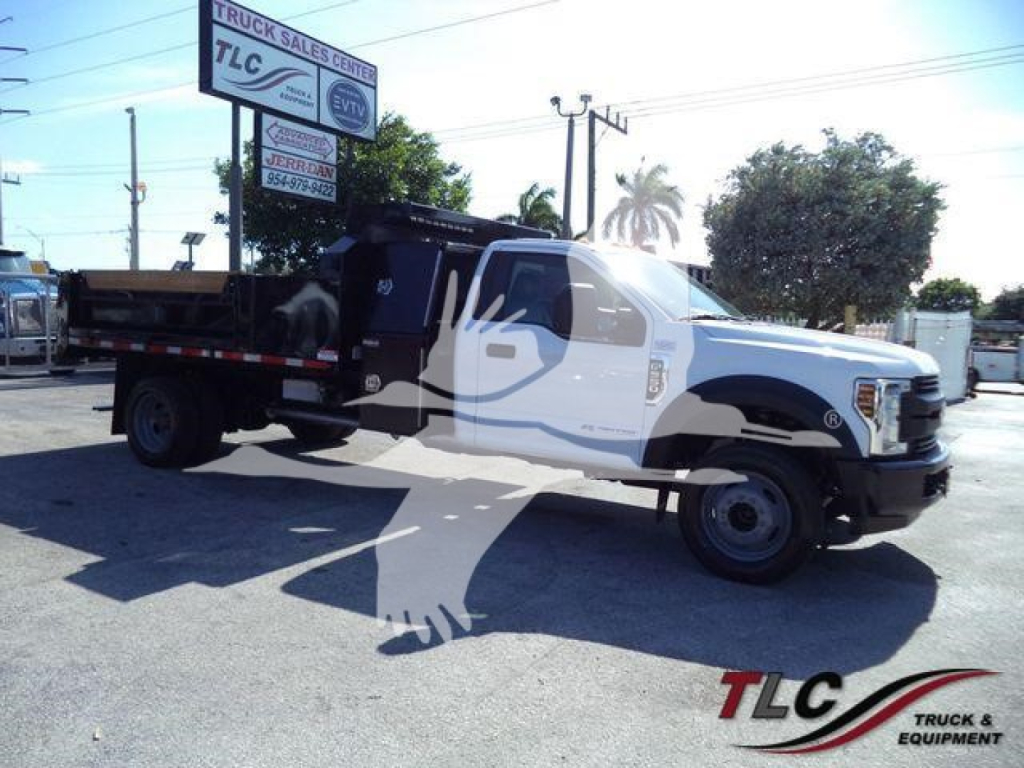
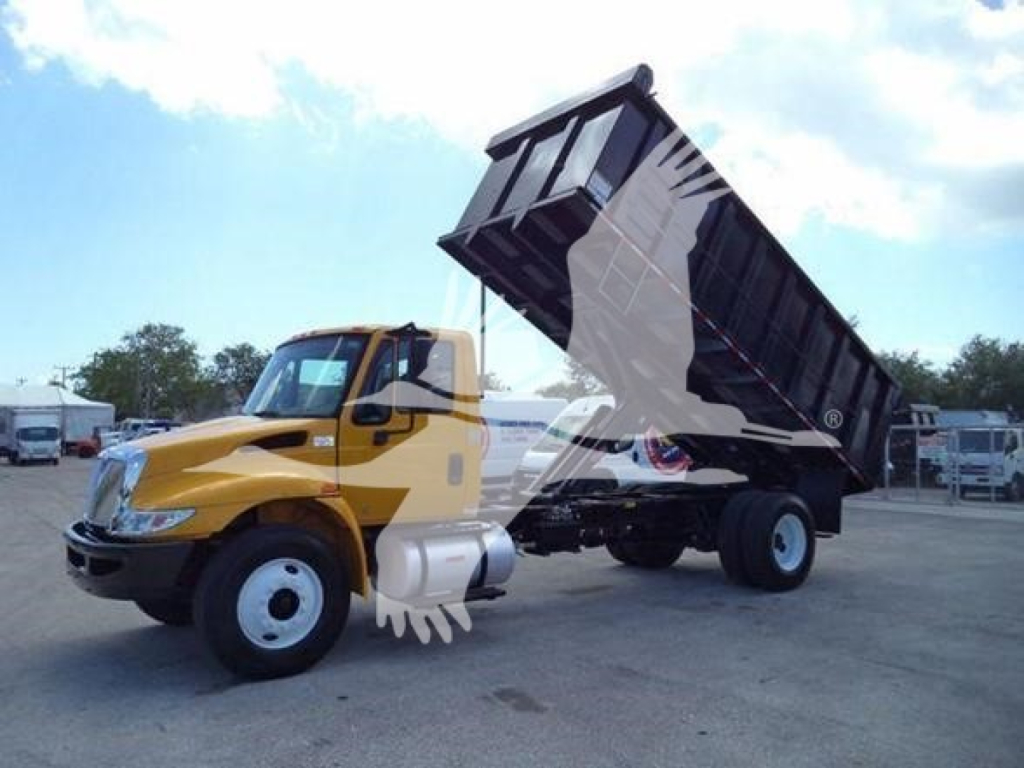
Selling a 2019 dump truck? List your 2019 dump truck for sale and reach thousands of commercial buyers.
2019 Dump Trucks in Florida
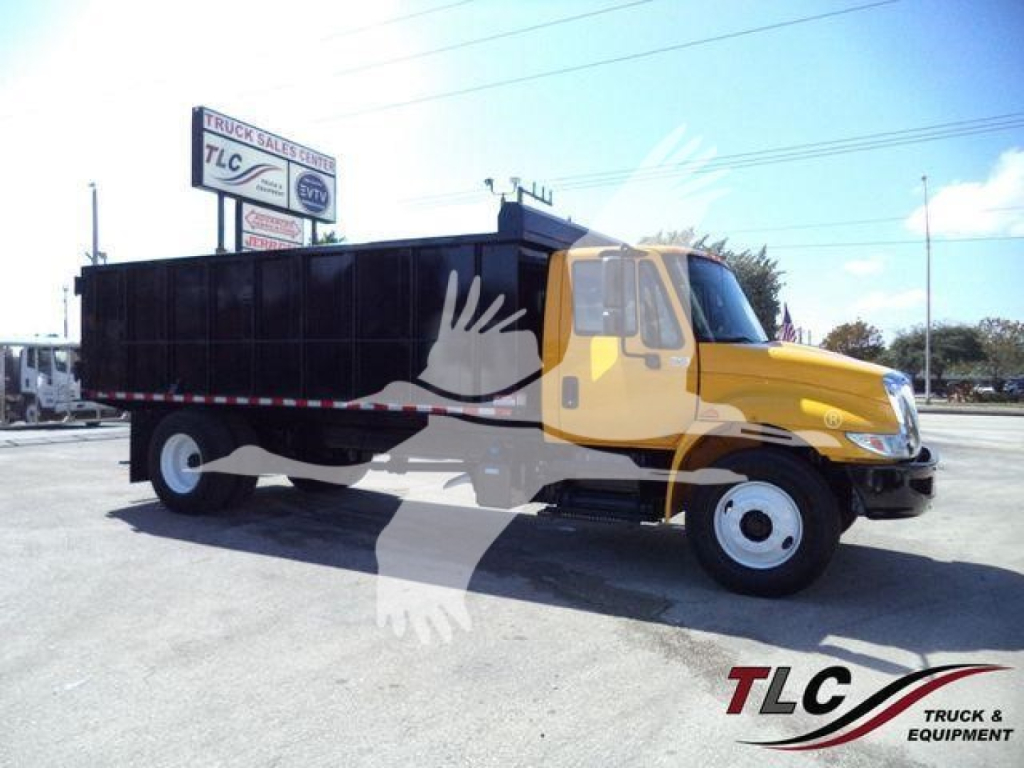
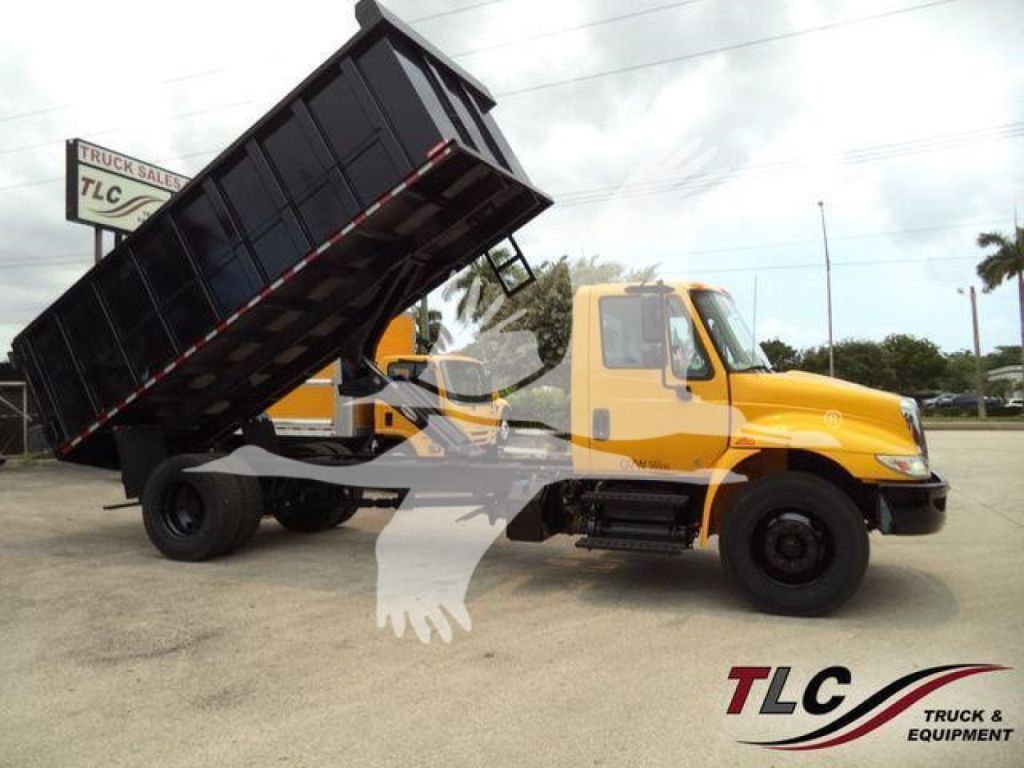
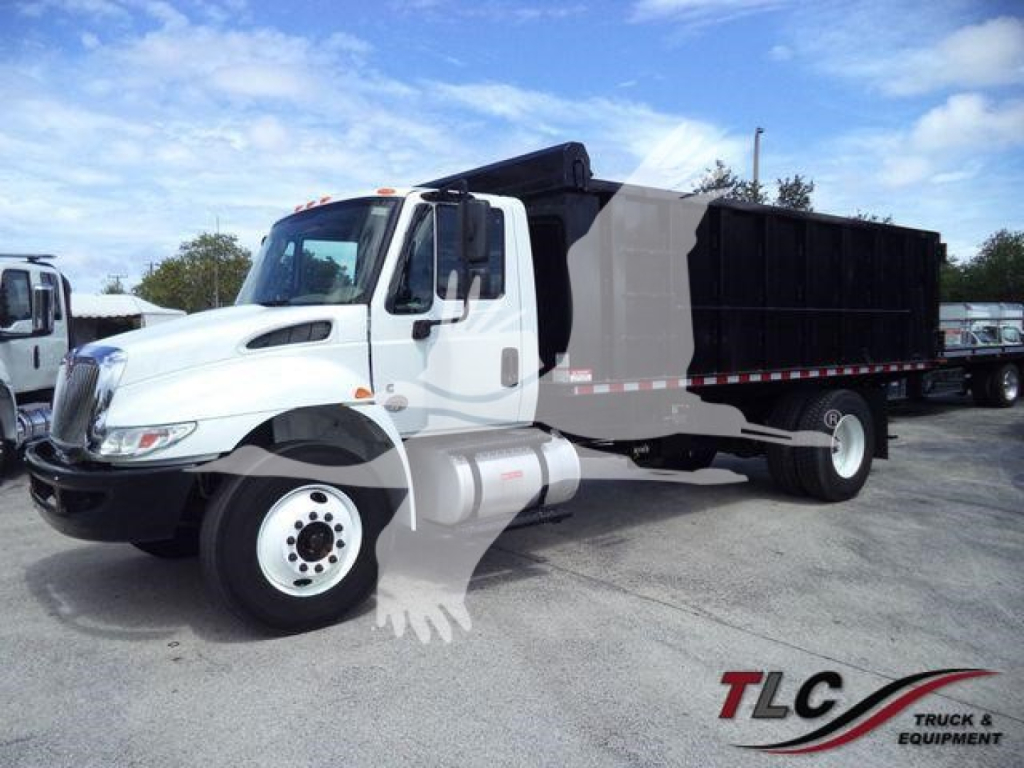
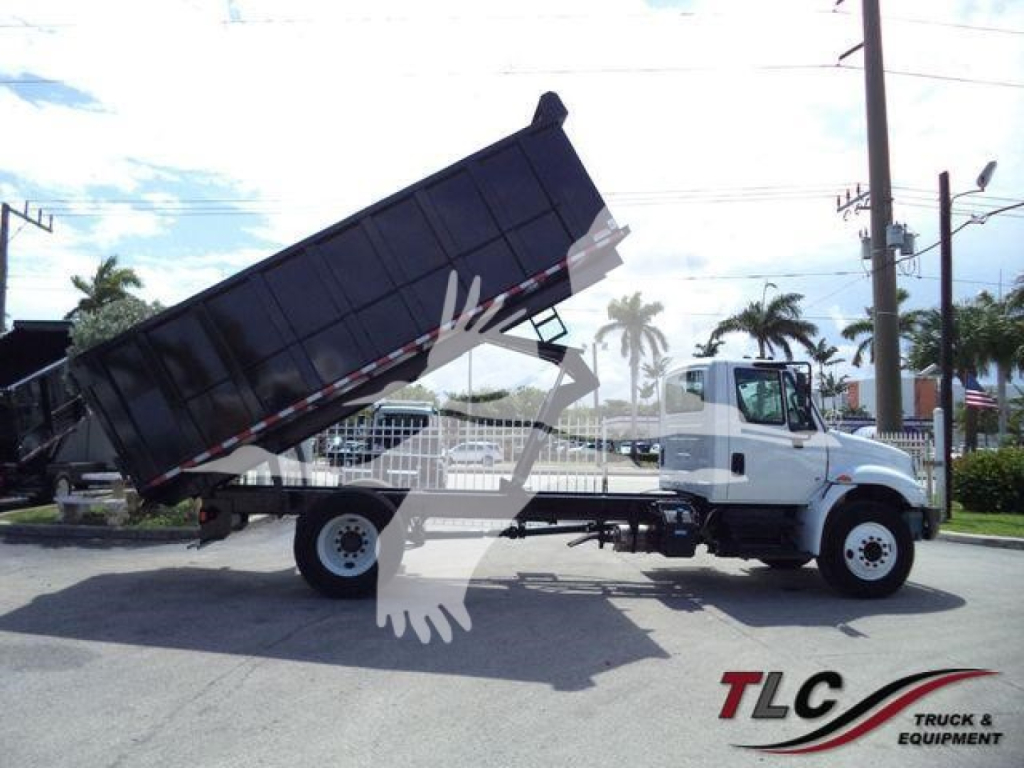
Body configuration matters as much as the cab and powertrain. Florida listings often include landscape and trash dump setups with taller side walls, swing gates, manual or electric tarps, and hitch packages for towing equipment. Heavier construction-oriented dump trucks may use shorter, more robust steel bodies for dirt, rock, asphalt, and broken concrete, while lighter-duty units may have aluminum inserts or high-volume steel bodies designed for leaves, brush, and storm debris. Hoist design is another key point. Buyers should confirm whether the truck uses a PTO-driven hydraulic hoist or an electric-hydraulic system, and check cylinder style, hoist capacity, and how well the system matches the intended material. Tailgate style, side height, floor thickness, and body manufacturer can make a real difference in service life.
On the chassis side, 2019 dump trucks commonly show up with diesel engines in medium-duty and heavy-duty applications, while smaller dump conversions may use gas power. Automatic transmissions are common in this segment, especially in municipal, landscape, and stop-and-go work, though heavier vocational trucks may still be spec'd for severe-duty service with higher horsepower and axle ratings. GVWR can range from under 20,000 pounds on pickup-based units to 26,000 pounds on CDL-sensitive medium-duty trucks and much higher on tri-axle trucks. In Florida, buyers should pay close attention to cooling performance, corrosion exposure, and suspension choice. Spring suspension is simple and durable for rough jobsite work, while air ride can improve driver comfort and help protect lighter bulk loads. Front axle capacity, lift axles, brake type, tire size, and wheelbase all affect turning radius, legal payload, and how the truck performs on tight urban routes or soft jobsite entrances.
A smart 2019 dump truck purchase comes down to matching the truck to the material, route, and loading method. Check for frame condition, body mounting quality, hoist wear, hinge and tailgate condition, PTO operation, and signs of floor bowing or sidewall fatigue. For Florida service, tarp function and body sealing matter if the truck will haul sand, mulch, or storm-related debris in wet conditions. If the truck will spend time on paving, site prep, or aggregate work, prioritize axle ratings, body construction, and drivetrain durability over cab trim. If it will handle landscaping, trash, or mixed municipal duty, body volume, side height, rear gate design, and ease of loading may be more important than raw payload alone.
Frequently Asked Questions about 2019 Dump Trucks in Florida
What should I look for first when buying a 2019 dump truck?
Start with payload, material type, and route conditions. A truck hauling rock or broken concrete needs a different body, hoist, and axle setup than a truck hauling mulch, brush, or light demolition debris. Buyers should compare GVWR, axle ratings, body length, side height, hoist type, and suspension before focusing on make or engine brand. That approach usually narrows the field faster and prevents buying a truck that is oversized for local delivery work or underspec'd for construction duty.
Are 2019 dump trucks in Florida more likely to be landscape dumps or heavy construction dumps?
Florida buyers will commonly see both, but landscape and trash dump configurations are especially common in medium-duty trucks because of demand from site services, storm clean-up, tree work, and material delivery. These trucks often have taller sides, larger cubic capacity, tarps, and hitch packages. Heavy construction dump trucks are also available, especially in tri-axle form, but they are usually spec'd with shorter, tougher bodies and higher axle capacities for dirt, asphalt, and aggregate.
Is a PTO hydraulic hoist better than an electric-hydraulic dump system?
For medium-duty and heavy-duty dump truck work, a PTO-driven hydraulic hoist is generally preferred because it is designed for repeated dumping cycles and heavier material. Electric-hydraulic systems are common on lighter dump bodies and inserts, and they can work well for pickup-based or lighter commercial use. The better choice depends on body size, payload, and duty cycle. Buyers should inspect lift speed, cylinder condition, leaks, pump performance, and whether the hoist is properly matched to the body and intended load.
What body features matter most on a used 2019 dump truck?
The most important body details are floor condition, sidewall strength, tailgate operation, hinge wear, and tarp functionality. Buyers should also review side height, rear door style, body material, and signs of hard use such as bowed floors, cracked welds, or rust around crossmembers and hoist mounts. A truck with the right chassis can still become an expensive mistake if the dump body is poorly mounted or heavily worn from abrasive material.
Do I need a CDL for a 2019 dump truck?
That depends on the truck's GVWR, GCWR, trailer use, and local operating rules. Many medium-duty dump trucks are built at or below 26,000 pounds GVWR to stay outside standard CDL thresholds, while heavier single-axle and tri-axle dump trucks will often require a CDL. Buyers should verify the door sticker ratings, axle capacities, and intended trailer combination before purchase so the truck fits both the job and the driver's licensing requirements.