
2016 Dump Trucks For Sale in Florida
Shop 2016 dump trucks for sale in Florida. Compare GVWR, body size, axle setup, hoist type, and dump body specs for construction or hauling.
Selling a 2016 dump truck? List your 2016 dump truck for sale and reach thousands of commercial buyers.
2016 Dump Trucks in Florida
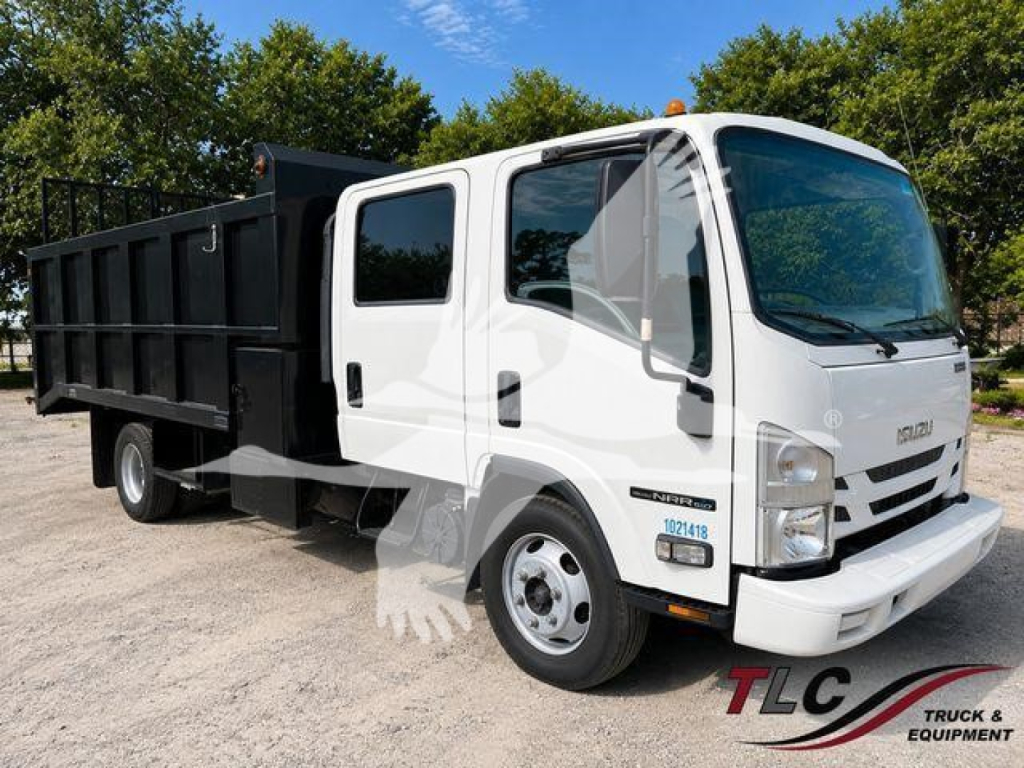
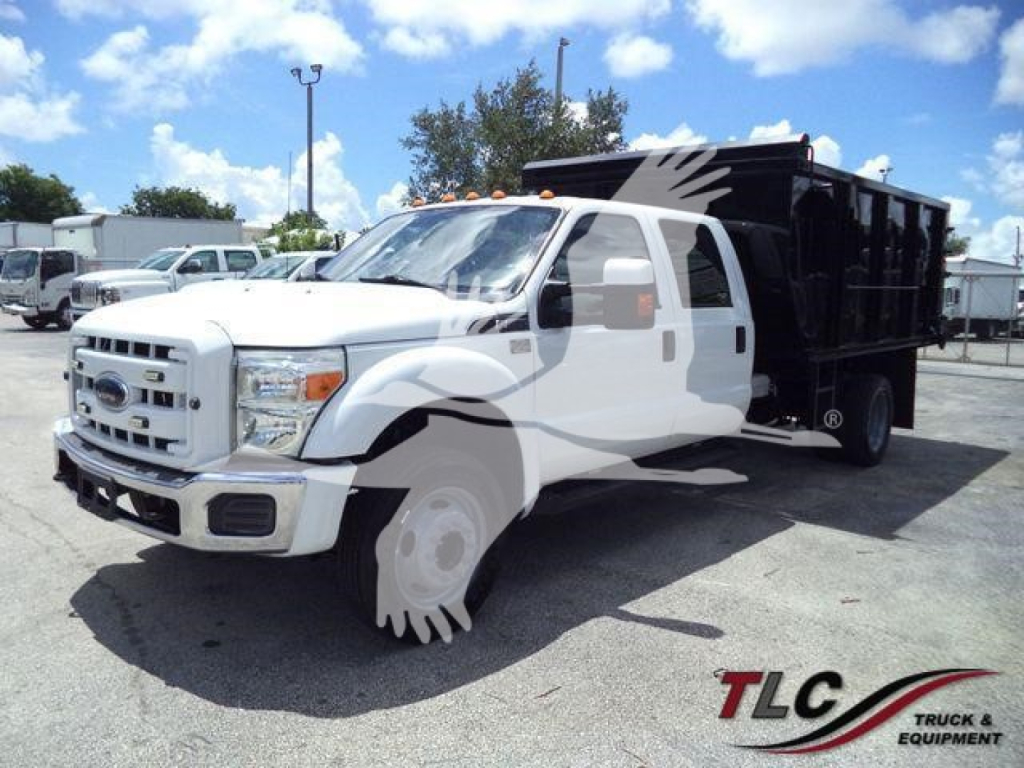
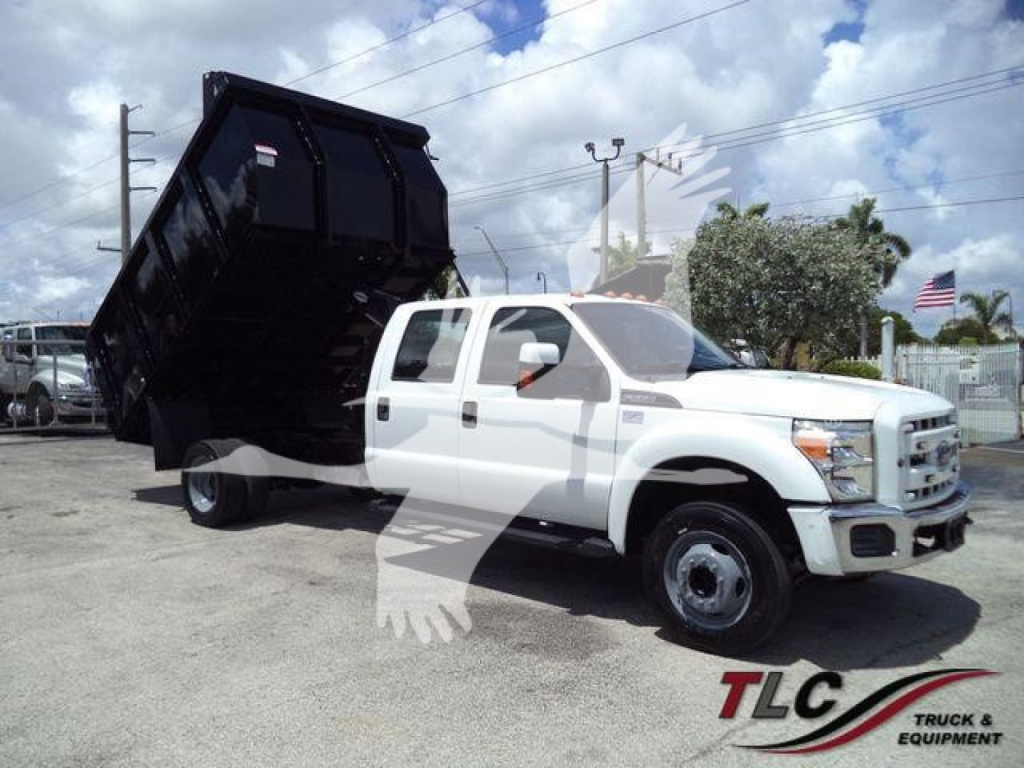
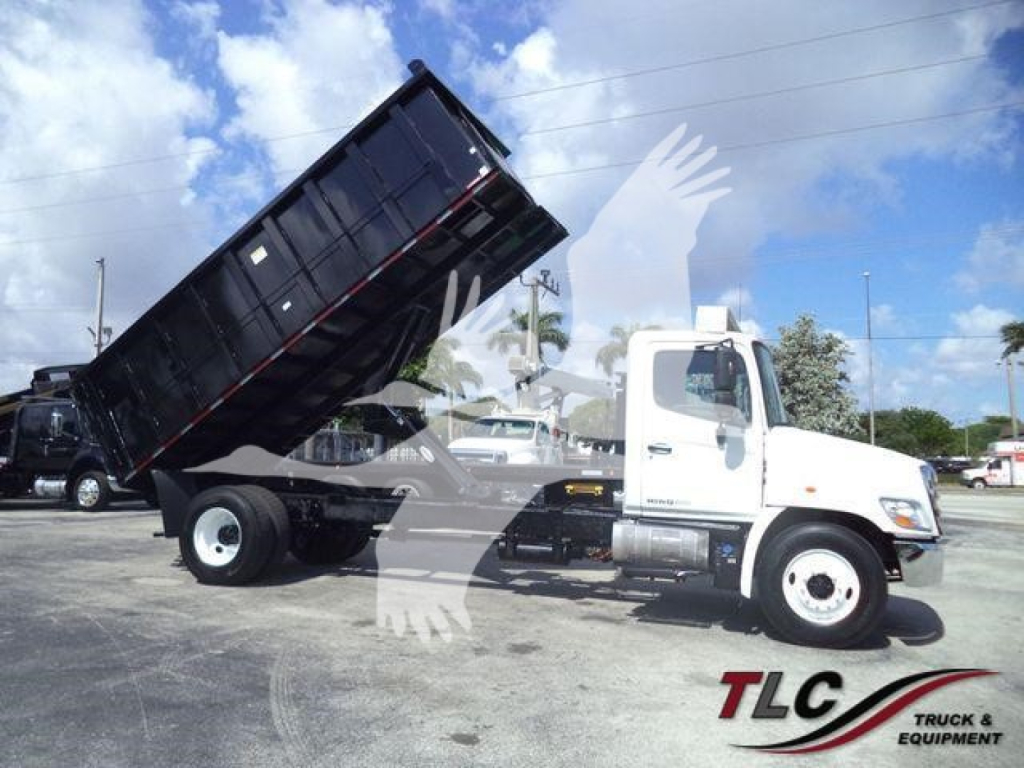
Body construction matters as much as the cab and chassis. Steel dump bodies generally hold up better in abrasive material like rock, broken concrete, and wet dirt, while aluminum bodies help save weight and resist corrosion in humid coastal conditions. Common body lengths on 2016 dump trucks range from about 9 to 16 feet on medium-duty units, with taller side walls on landscape and trash applications and shorter, stronger sides on dirt or gravel bodies. Check the hoist setup carefully. PTO-driven hydraulics are typically preferred for repeated, heavy-duty cycles, while electric-over-hydraulic systems are common on lighter applications. Rear door configuration also affects productivity, with barn doors, top-hinged spreader gates, and combo gates each fitting different material types.
A Florida buyer should also pay attention to axle configuration and maneuverability. A single-axle 2016 dump truck is easier to run in tight residential areas, smaller jobsites, and urban routes. Tandem and tri-axle dumps bring better payload capacity and bridge compliance for heavier commercial work, but turning radius, tire cost, and maintenance go up with the extra capacity. Engine choice matters too. Diesel power is still the standard for heavier hauling and frequent loaded miles, while gas-powered medium-duty dumps can make sense for local service fleets with lower annual mileage and easier maintenance requirements. Automatic transmissions are common in municipal and contractor fleets because they reduce driver fatigue and simplify stop-and-go work.
Condition should be evaluated beyond miles alone. On a 2016 dump truck, buyers should inspect frame rails for rust or repairs, body floors for bowing, hinge points and trunnions for wear, hoist cylinders for leaks, and wiring for corrosion around lights, PTO controls, and tarp systems. In Florida, salt air and moisture can be hard on electrical connections, hydraulic components, and underbody steel. It also helps to confirm brake type, tire size, hitch equipment, cab configuration, and any added work features such as cab shields, underbody toolboxes, backup cameras, trailer brake wiring, or pintle hitches. The best 2016 dump truck is the one matched to the material, route, and daily cycle time of the job.
Frequently Asked Questions about 2016 Dump Trucks in Florida
What should I look for first on a 2016 dump truck?
Start with the truck’s intended material and payload. GVWR, axle rating, suspension, body length, and hoist type should all match the work. A truck hauling mulch or storm debris needs a different body and side height than a truck carrying rock, asphalt millings, or wet sand. After that, inspect frame condition, hydraulic performance, body wear, and any signs of structural repair.
Is a steel or aluminum dump body better on a 2016 dump truck?
Steel is usually the better choice for severe-duty hauling because it handles abrasive and high-impact material better. Aluminum saves weight and offers better corrosion resistance, which can be useful in Florida’s humid and coastal environments. The tradeoff is that aluminum bodies are generally better suited to lighter material or applications where maximum payload and rust resistance matter more than impact durability.
Are single-axle or tandem dump trucks better for Florida work?
Single-axle dump trucks are often the better fit for residential construction, landscape supply, municipal routes, and jobs with limited access. They are easier to maneuver, usually less expensive to maintain, and simpler to operate in tighter spaces. Tandem dumps are better for heavier payloads and commercial site work where capacity matters more than maneuverability. The right choice depends on route restrictions, jobsite access, and the weight of the material being hauled.
How important is the hoist system on a 2016 dump truck?
The hoist system is central to how the truck performs day to day. PTO-driven hydraulic hoists are typically more suitable for repeated heavy dumps and demanding work cycles. Electric-over-hydraulic hoists are common on lighter dump and landscape bodies and can be effective for lower-volume operations. Buyers should check lift speed, cylinder condition, control function, and signs of leakage or uneven dumping.
What wear points are common on older dump trucks?
Common wear points include the body floor, side panels, tailgate hinges, tarp hardware, hoist pins, hydraulic cylinders, and rear suspension components. Frame corrosion, cracked crossmembers, worn spring packs, brake wear, and electrical problems around lighting and control systems are also common. A thorough inspection should include the underside, hydraulic plumbing, PTO operation if equipped, and any evidence of previous overloading.