
2016 Dump Trucks For Sale
Shop 2016 dump trucks for hauling aggregate, asphalt, debris, and snow. Compare axle setups, body specs, engines, PTOs, and vocational options.
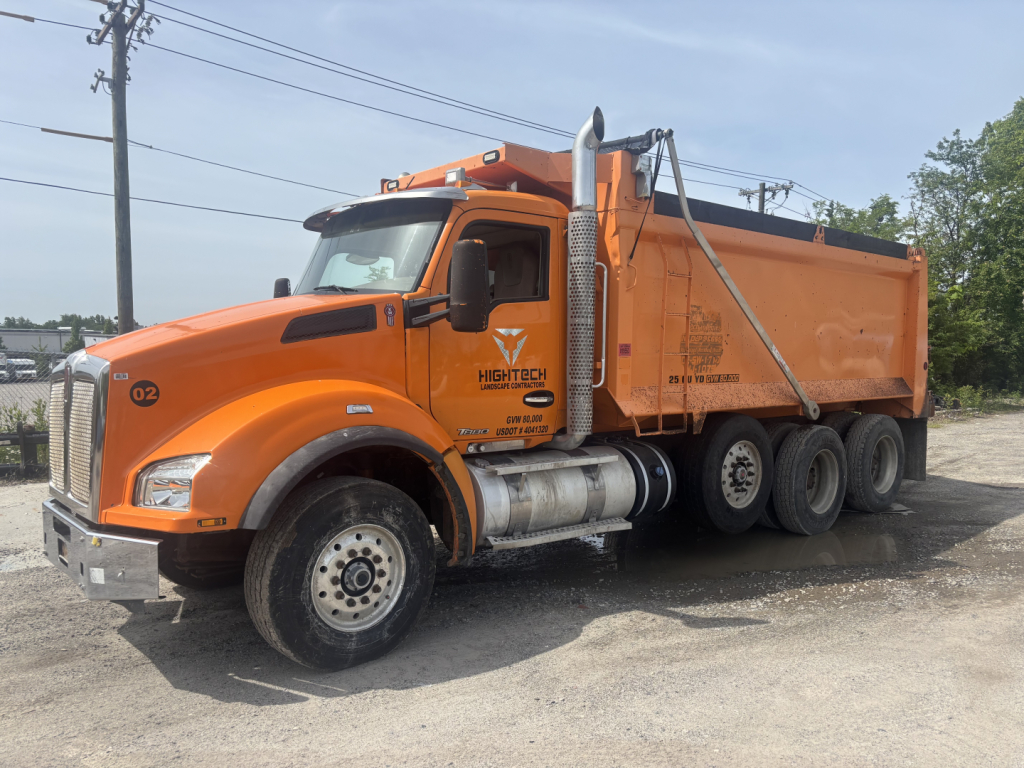
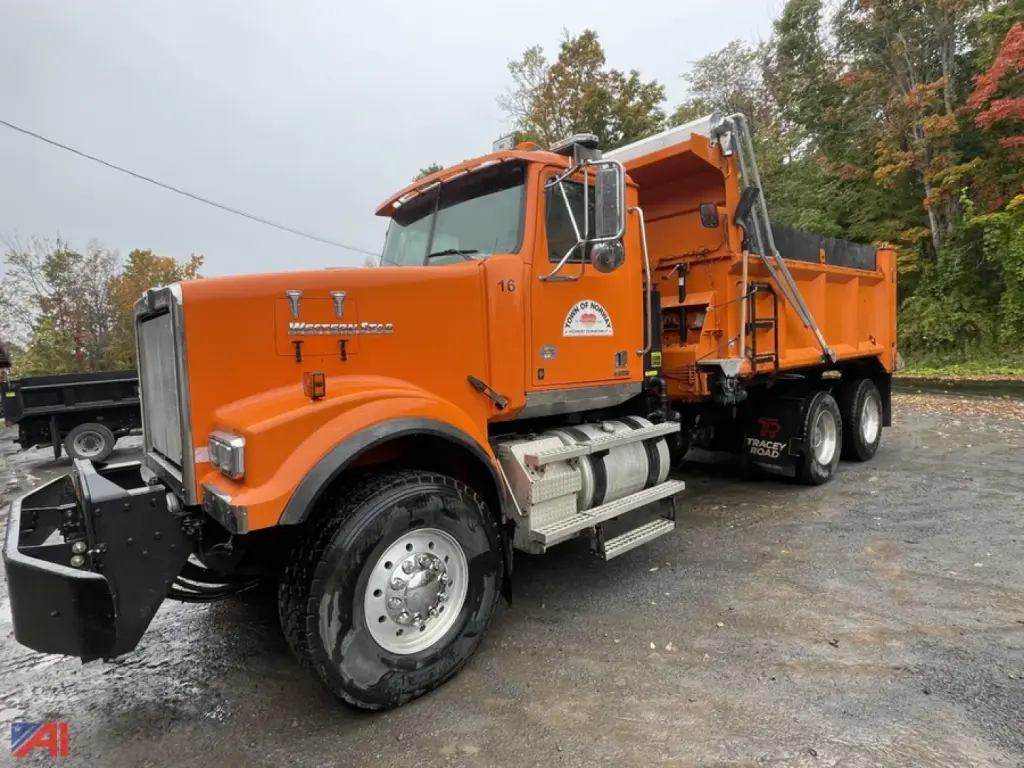
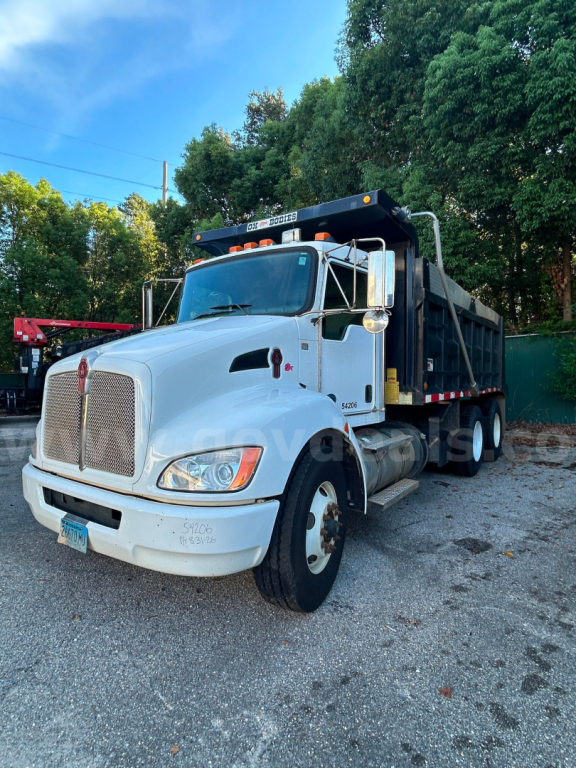
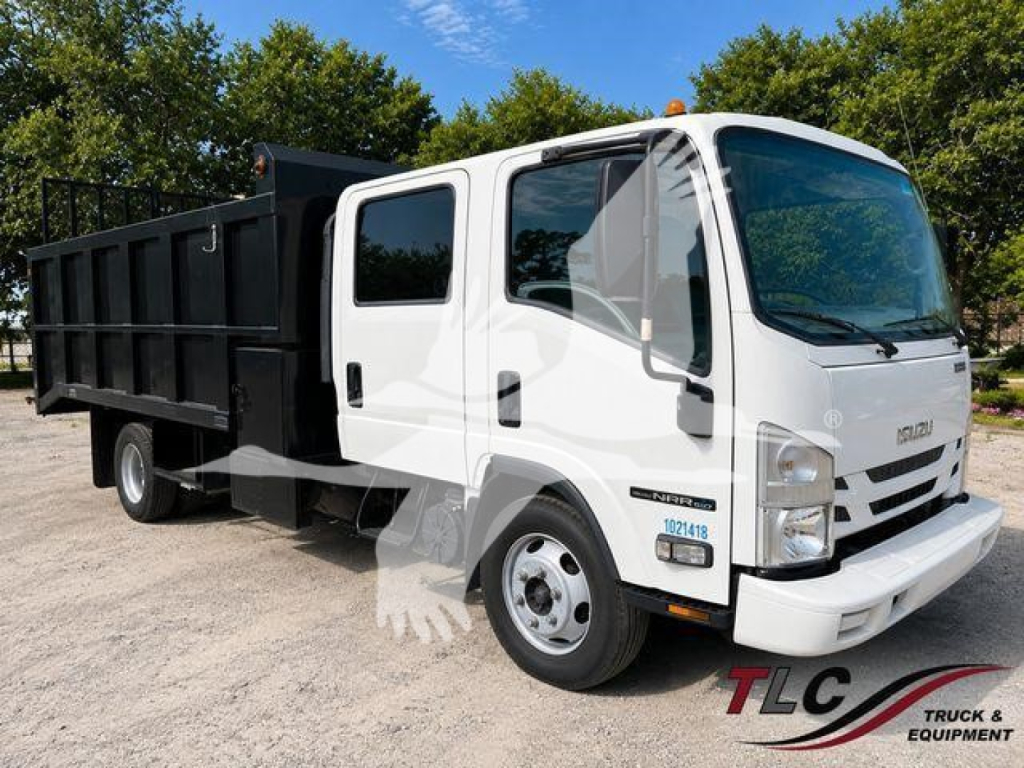
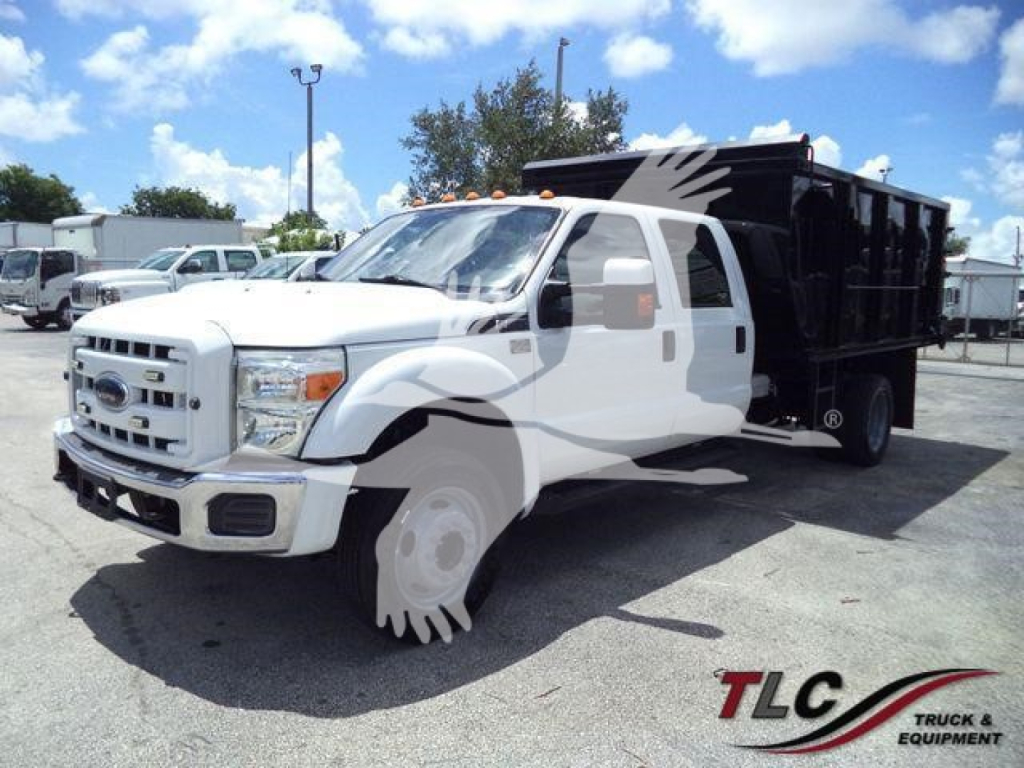
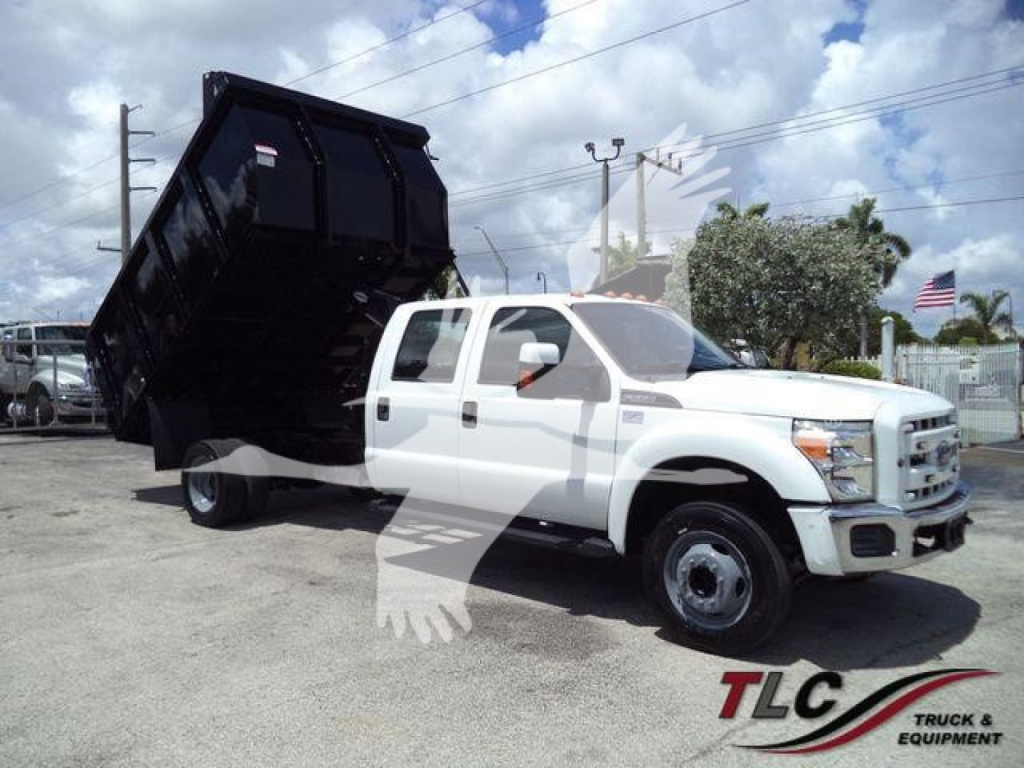
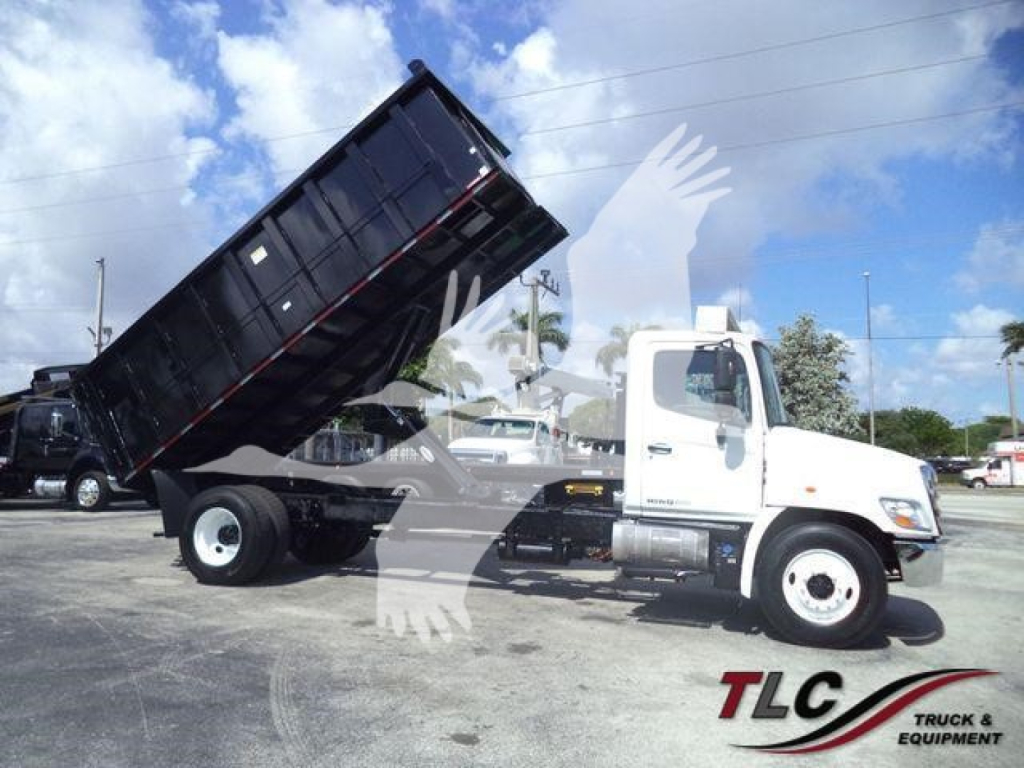
Selling a 2016 dump truck? List your 2016 dump truck for sale and reach thousands of commercial buyers.
2016 Dump Trucks
Most 2016 dump trucks in this class are powered by diesel engines from Cummins, Mack, Detroit, PACCAR, or Navistar, typically paired with Allison automatic or Eaton Fuller manual transmissions. Horsepower often falls in the 260 to 500 HP range depending on whether the truck is set up for local material delivery, severe-duty construction, or municipal snow work. Key spec points include front axle rating, rear axle capacity, suspension type, locking differentials, wheelbase, and PTO and hoist configuration. Many buyers also look closely at dump body construction, including body length, side height, floor thickness, tailgate style, liner condition, and whether the body is steel or aluminum. A vocational truck can look similar across listings, but the difference between a lightweight aggregate body and a heavy steel demolition body matters in daily production and long-term operating cost.
Application matters as much as raw capacity. A 2016 dump truck used in asphalt service may have a heated body, tarp system, and smooth hoist operation, while a municipal unit may include a front plow hitch, wing plow controls, underbody scraper mounts, or spreader hydraulics. Trucks set up for gravel, dirt, riprap, millings, or site debris need different body dimensions and wear resistance. Buyers should also review frame condition, crossmembers, cylinder mounts, pintle or trailer provisions, and signs of hard off-road service. On used dump trucks, attention should go beyond the engine and transmission to kingpins, spring hangers, walking beams or camelback suspension components, steering gear wear, brake condition, and any cracks or distortion around hoist attachment points.
For many fleets, 2016 dump trucks offer a practical balance of electronic diagnostics and established vocational reliability. The best fit comes from matching the truck to the actual material, route length, legal payload target, and loading method. A truck spending its life in tight urban work has different priorities than one running quarry-to-plant cycles all day. Body spec, axle rating, gearing, suspension, and hydraulic setup should all support the same job. When those pieces line up, a 2016 dump truck can still be a highly productive work truck for construction, road maintenance, aggregate hauling, snow and ice control, and general site support.
Frequently Asked Questions about 2016 Dump Trucks
What should I look for first when comparing 2016 dump trucks?
Start with axle configuration, GVWR, and dump body specification. Those three items determine legal payload, maneuverability, and the type of material the truck can handle efficiently. After that, review engine and transmission pairing, suspension type, PTO and hoist setup, and any vocational equipment such as plow mounts, spreaders, or pintle hitches. A truck can have the right powertrain but still be a poor fit if the body or axle ratings do not match the work.
Are 2016 dump trucks commonly available with automatic transmissions?
Yes. Many 2016 dump trucks were spec'd with Allison automatic transmissions, especially municipal, paving, and stop-and-go vocational applications. Automatic transmissions are popular in dump service because they reduce driver fatigue, improve consistency in tight jobsites, and work well with PTO-driven hydraulic systems. Manual transmissions are still common in heavier construction and regional haul applications, so the right choice depends on driver preference, terrain, and duty cycle.
How important is the dump body material on a 2016 dump truck?
It is one of the most important buying decisions. Steel bodies are heavier but generally better for abrasive material, demolition debris, and severe-duty use. Aluminum bodies reduce empty weight and can improve payload on applications like aggregate or asphalt, but they are not ideal for every abuse-heavy environment. Buyers should also inspect floor thickness, side wall condition, tailgate hardware, scuff areas, and any liner or tarp system because body condition has a direct effect on uptime and repair cost.
Can a 2016 dump truck still be a good choice for municipal or snow work?
Yes, especially if it was originally spec'd for that purpose. Many 2016 dump trucks were built with front plow frames, wing plow hydraulics, underbody scraper provisions, and spreader controls. Those trucks can be very effective for year-round use because they handle snow and ice in winter and switch to aggregate, patch material, or debris hauling in warmer months. The key is confirming the hydraulic system, controls, mounts, and electrical components are complete and operational.
What wear areas are most important on a used 2016 dump truck?
Pay close attention to the frame rails, hoist mounts, hinge points, body supports, suspension components, steering parts, brake system, and rear axle housings. Dump service puts repeated stress on the chassis, especially in off-road or uneven ground conditions. Also inspect the hydraulic cylinder, PTO engagement, pump performance, and signs of twisting or cracking around the body and subframe. On vocational trucks, wear in these areas often tells you more about the truck's real life than mileage alone.