
2017 Dump Trucks For Sale in Florida
Browse 2017 dump trucks for sale in Florida, including landscape and trash dump bodies, common GVWRs, hoists, tarp systems, and body options.
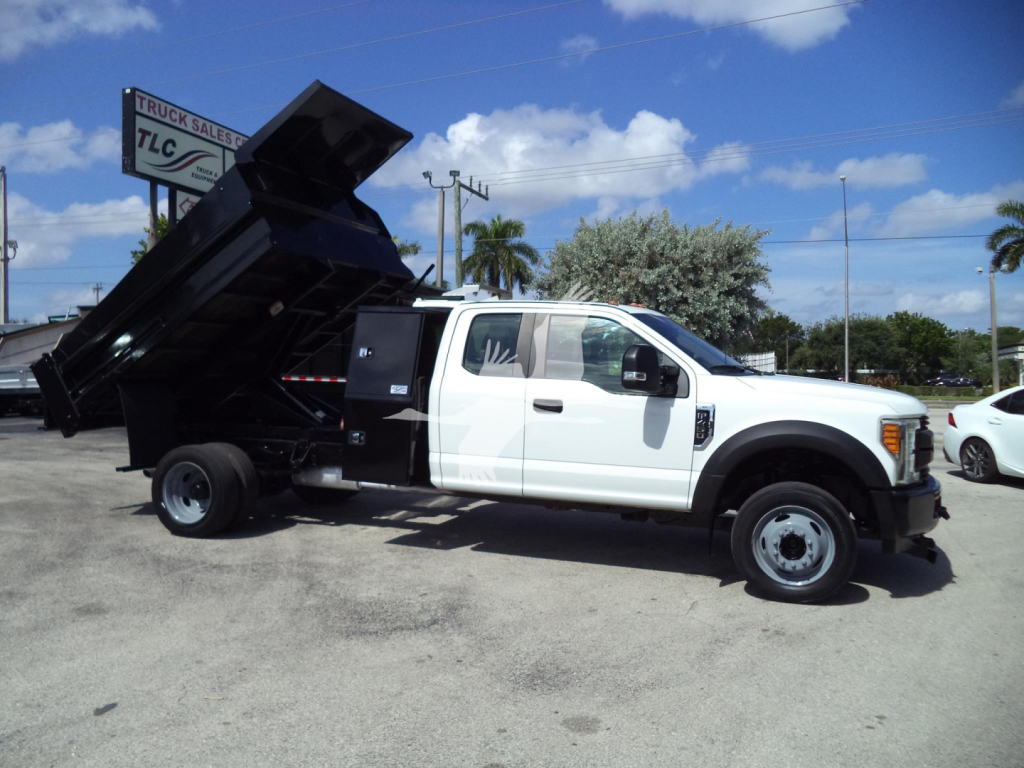
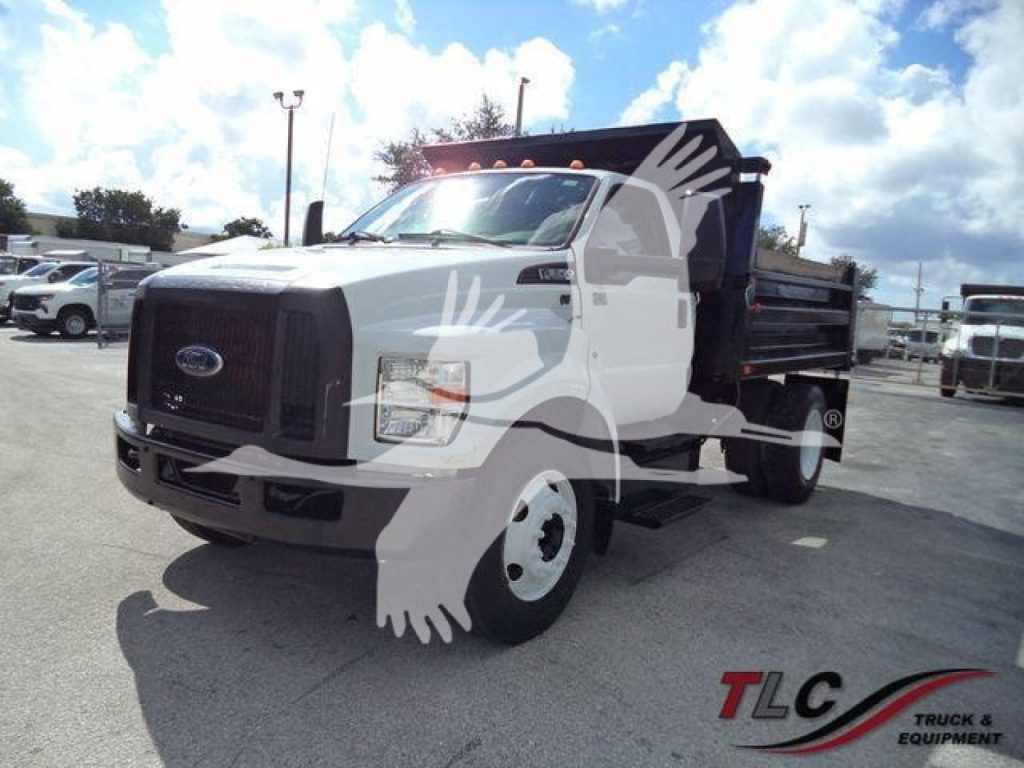
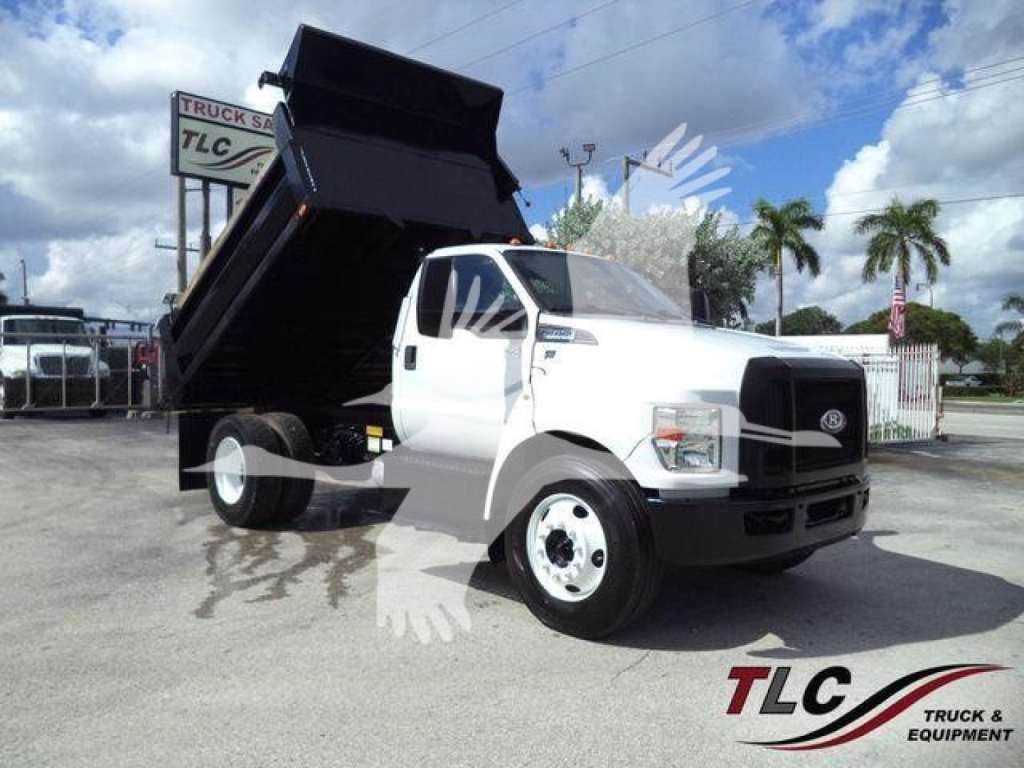
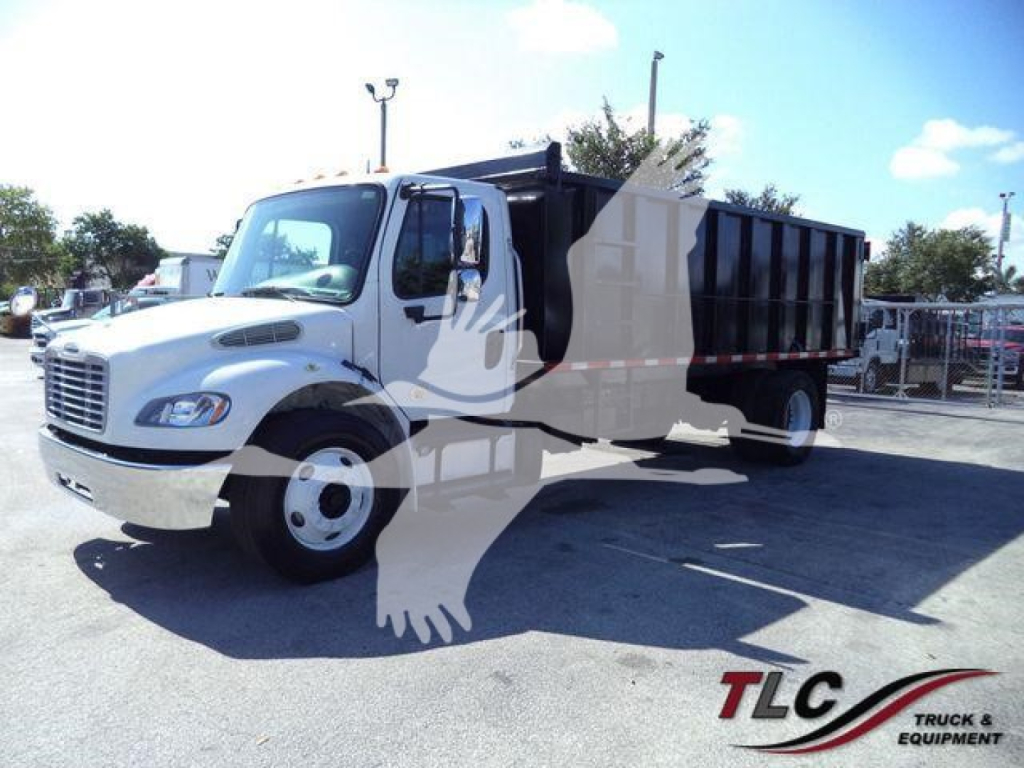
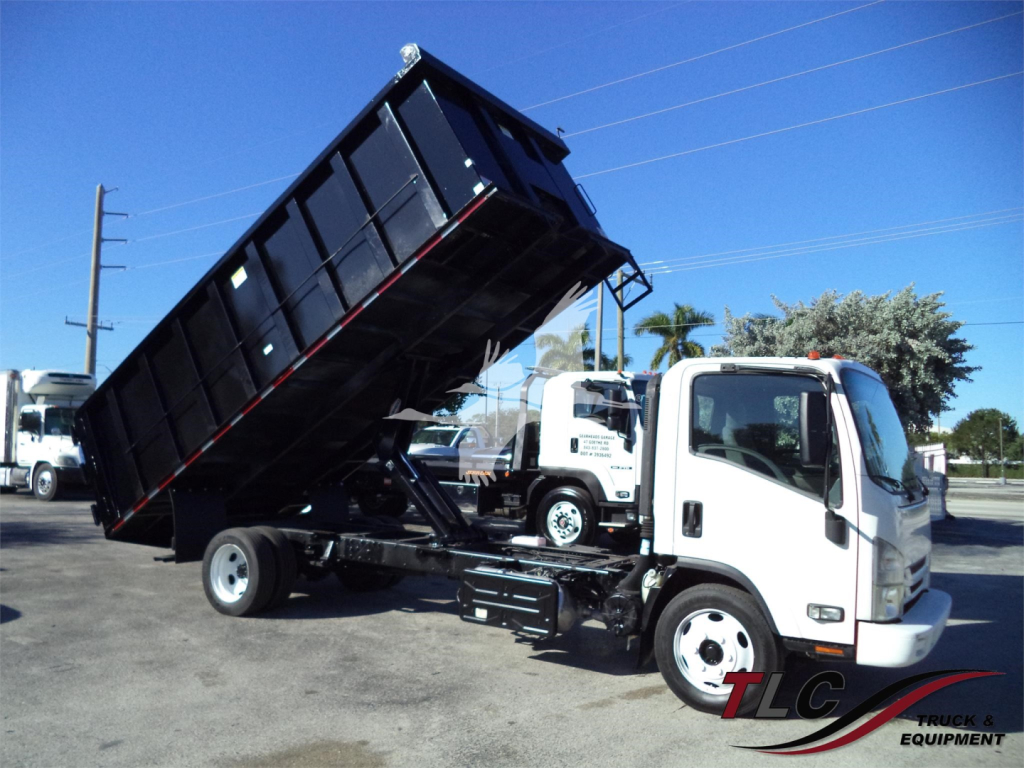
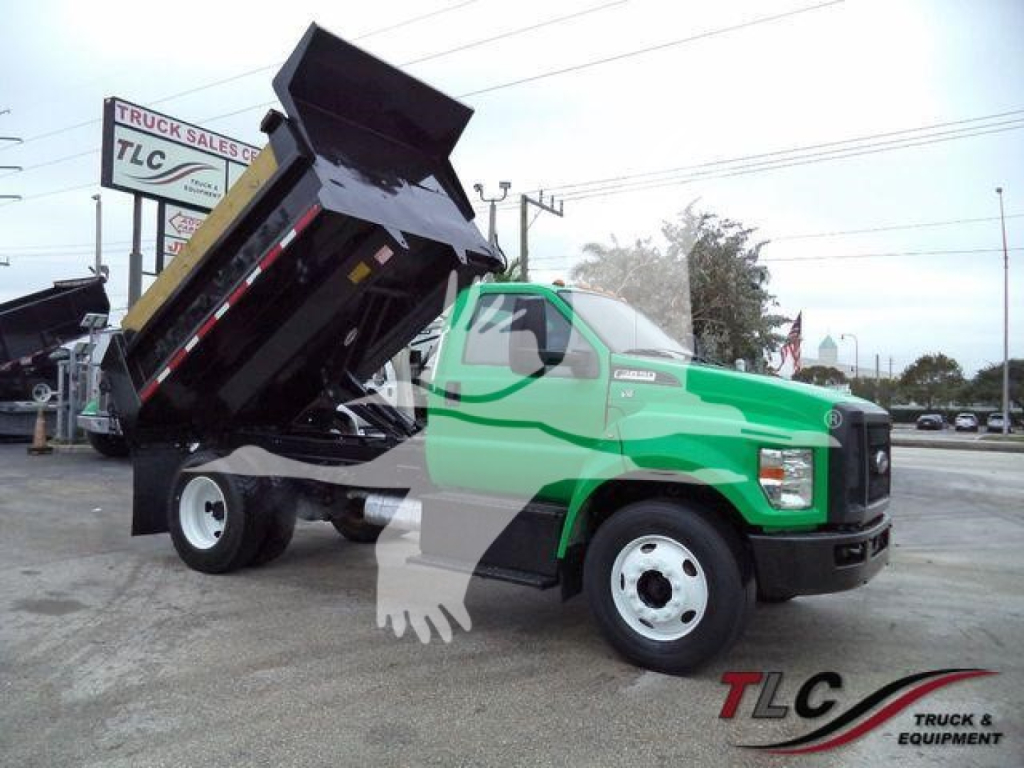
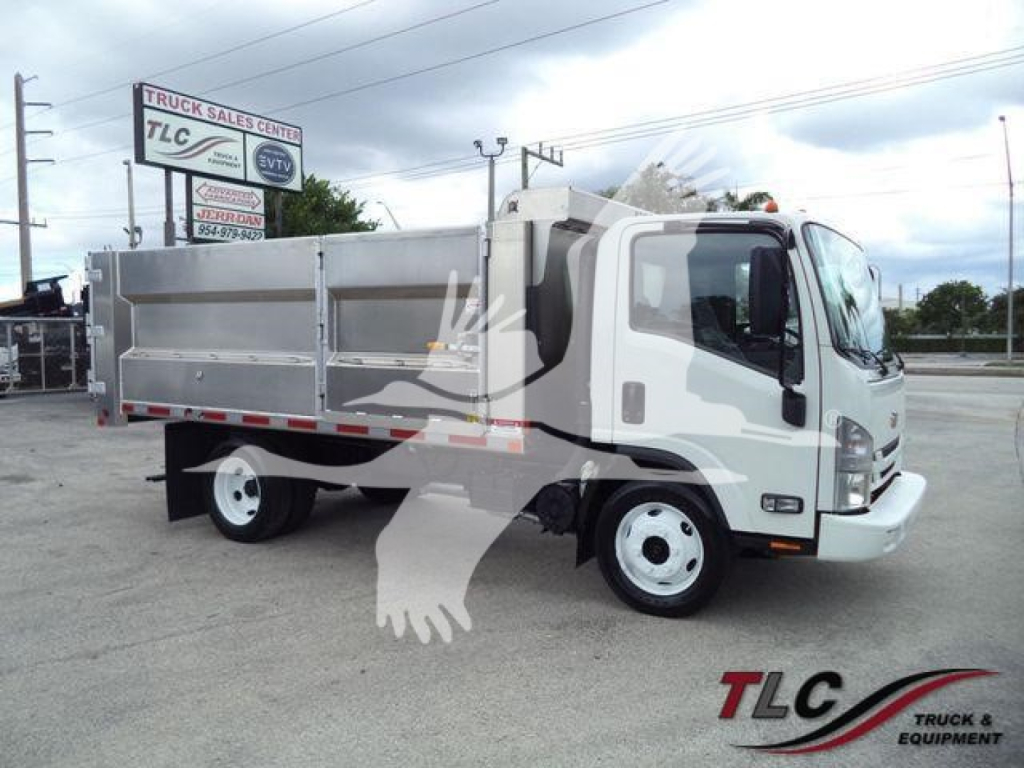
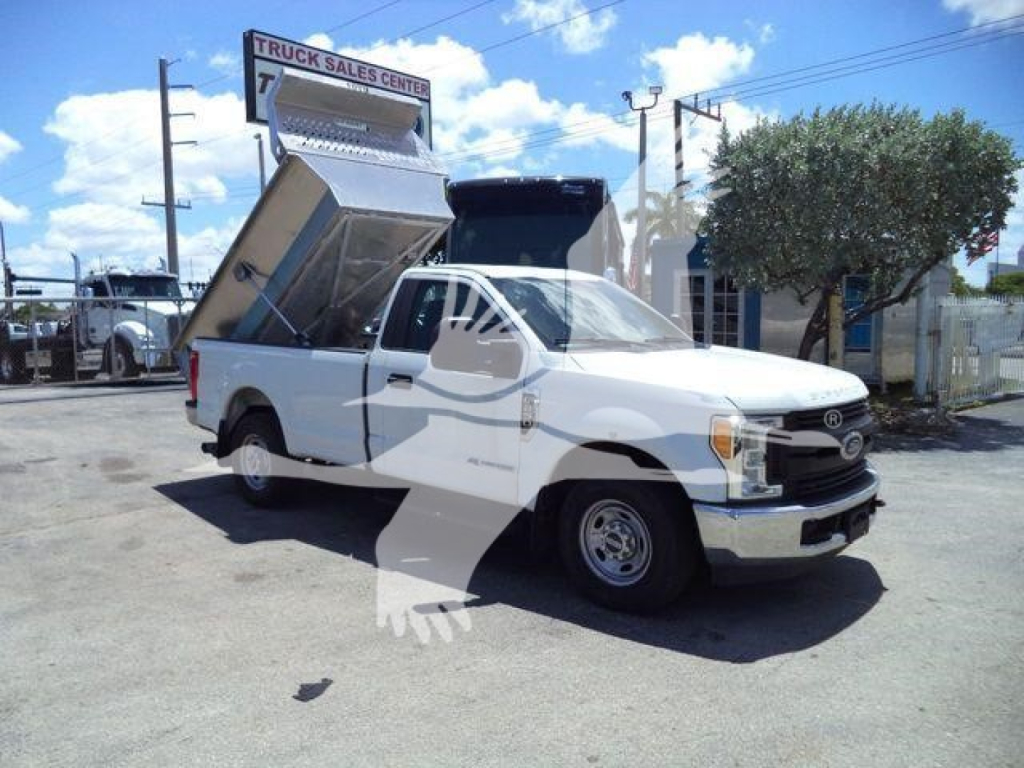
Selling a 2017 dump truck? List your 2017 dump truck for sale and reach thousands of commercial buyers.
2017 Dump Trucks in Florida
The first decision is usually chassis class and body style. A 14,500 GVWR gas unit can work well for landscape crews, maintenance contractors, and local haul jobs where lower operating cost and simple service access matter more than payload. A 26,000 GVWR non-CDL dump truck is a popular middle ground because it can carry more material while staying under the CDL threshold when spec'd correctly. Buyers comparing 2017 dump trucks should look closely at body length, side height, hoist design, and gate style. Longer 14-foot to 18-foot bodies with taller sides are common for trash and landscape applications, while more traditional contractor dumps may favor shorter, heavier bodies built for dirt, rock, asphalt, or demolition material.
Body construction matters as much as the engine and transmission. Steel dump bodies usually make sense for abrasive loads and jobsite use, but aluminum bodies can save weight and resist corrosion, which is worth attention in Florida's humid and coastal conditions. Check the hoist setup carefully. Scissor hoists are common on landscape and trash dump bodies and offer good lifting stability, while telescopic front-mounted hoists are often preferred on heavier vocational applications. Rear door configuration also affects daily usability. Barn doors, combo gates, and swing gates all suit different loading methods, especially if crews use skid steers, hand loading, or tow-behind equipment. A frame-mounted hitch with electric brake provision can add flexibility for trailers, compact equipment, and support tools.
On a 2017 model, condition and upfit quality should drive the buying decision more than badge alone. Review hydraulic components, PTO operation, floor thickness, crossmember condition, rear hinge wear, and any signs of body twist or hard overloading. In Florida, corrosion is often less about road salt and more about moisture, fertilizer exposure, landscaping debris, and coastal air, so inspect body seams, electrical connections, and underbody hardware. Also confirm axle ratings, brake type, suspension, tire size, and whether the truck is set up for your route structure and loading routine. A properly spec'd 2017 dump truck can still be a productive vocational asset for local hauling, site cleanup, nursery work, storm debris, and general contractor service.
Frequently Asked Questions about 2017 Dump Trucks in Florida
What should I look for first when buying a 2017 dump truck?
Start with GVWR, body type, and the material the truck will haul most often. Those three factors determine whether the truck is a fit before engine brand or cab features come into play. A light-duty landscape dump with tall sides is built for volume and debris, while a heavier contractor dump is built for denser loads like gravel, asphalt, or demolition material. After that, inspect the hoist, PTO, body floor, hinges, hydraulic lines, suspension, and brake system to confirm the truck matches the work and has not been overloaded.
Is a steel or aluminum dump body better for Florida use?
It depends on the application. Steel bodies generally hold up better with abrasive material and repeated loader use, making them a strong choice for construction and aggregate work. Aluminum bodies reduce empty weight and resist corrosion well, which can be a real advantage in Florida's humid and coastal environments. For landscape, trash, and lighter debris applications, aluminum can improve payload and long-term body life. For heavier material, steel usually remains the better vocational body choice.
Can a 2017 dump truck stay under CDL requirements?
Yes, many 2017 dump trucks are built at or below 26,000 GVWR, which is a common target for non-CDL operation. That said, CDL rules depend on the truck's registered weight, actual operating weight, trailer use, and state and federal requirements. Buyers should confirm the door sticker, axle ratings, body weight, and any planned trailer combination before assuming a truck is non-CDL compliant. A dump body upfit can change usable payload quickly, so the exact spec matters.
What hoist type is best on a dump truck?
The best hoist depends on the body and the work cycle. Scissor hoists are widely used on landscape and trash dump bodies because they provide stable lifting and package well on lighter chassis. Front telescopic hoists are common on heavier vocational dump trucks and are often preferred for higher-capacity applications. Buyers should inspect lift speed, cylinder condition, mounting points, and how the hoist matches the body length and expected load type. A good hoist setup is one that lifts safely, consistently, and without excessive frame stress.
Are 2017 dump trucks a good fit for landscape and debris hauling?
Yes, 2017 dump trucks are often a very practical fit for landscape, storm cleanup, nursery, and debris work, especially when equipped with high-side dump bodies, tarp systems, and swing or barn-style rear doors. This model year is new enough to offer modern cab layouts, automatic transmission options, and widely serviceable components, while still sitting in a price range that makes sense for many small fleets and owner-operators. The key is choosing a body length, side height, and chassis rating that match the volume and weight of the material being hauled.