
2017 Ford Dump Trucks For Sale in Florida
Shop 2017 Ford dump trucks in Florida. Compare F-550 style chassis, GVWR, dump body specs, hoists, and work-ready contractor setups.
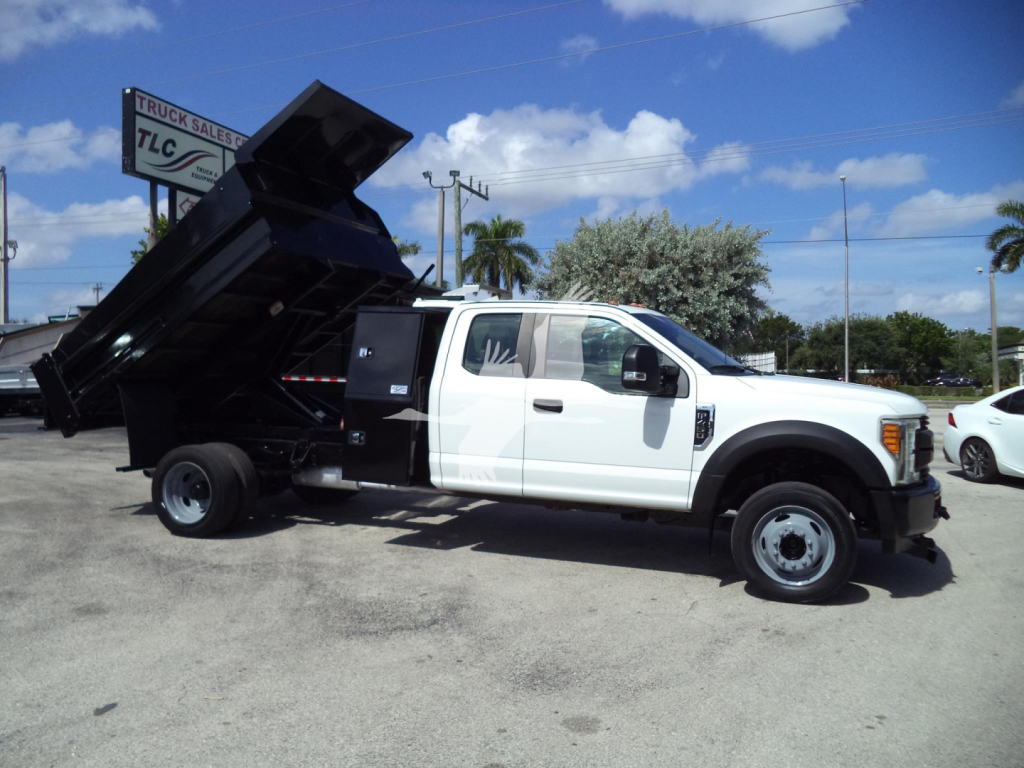
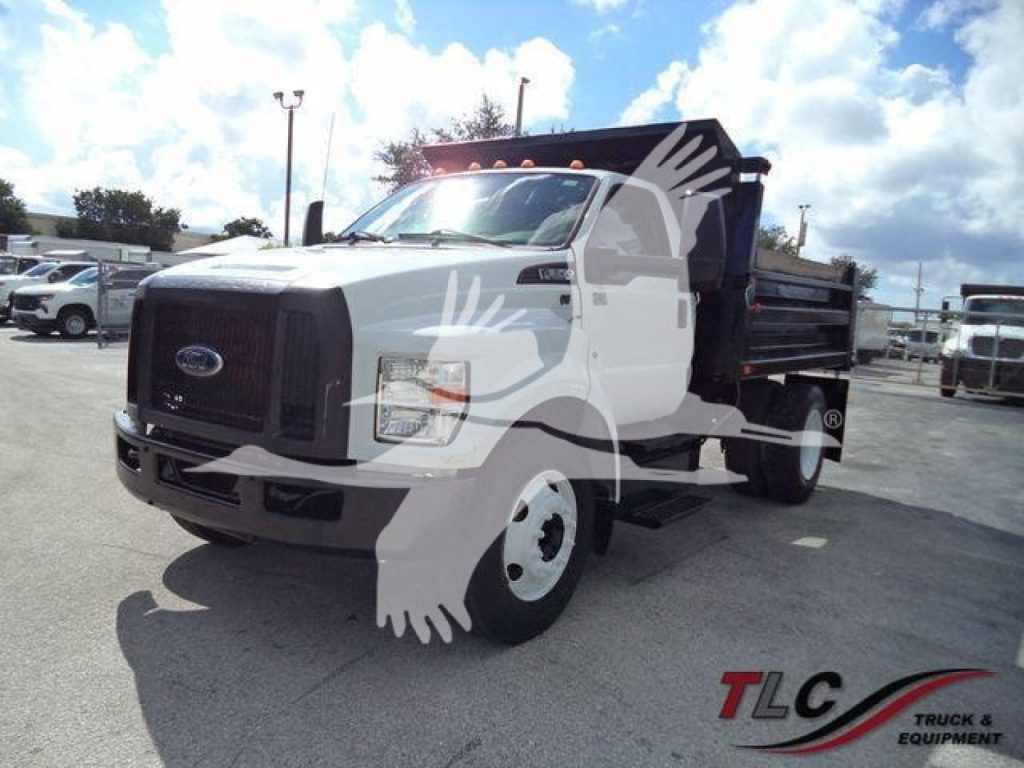
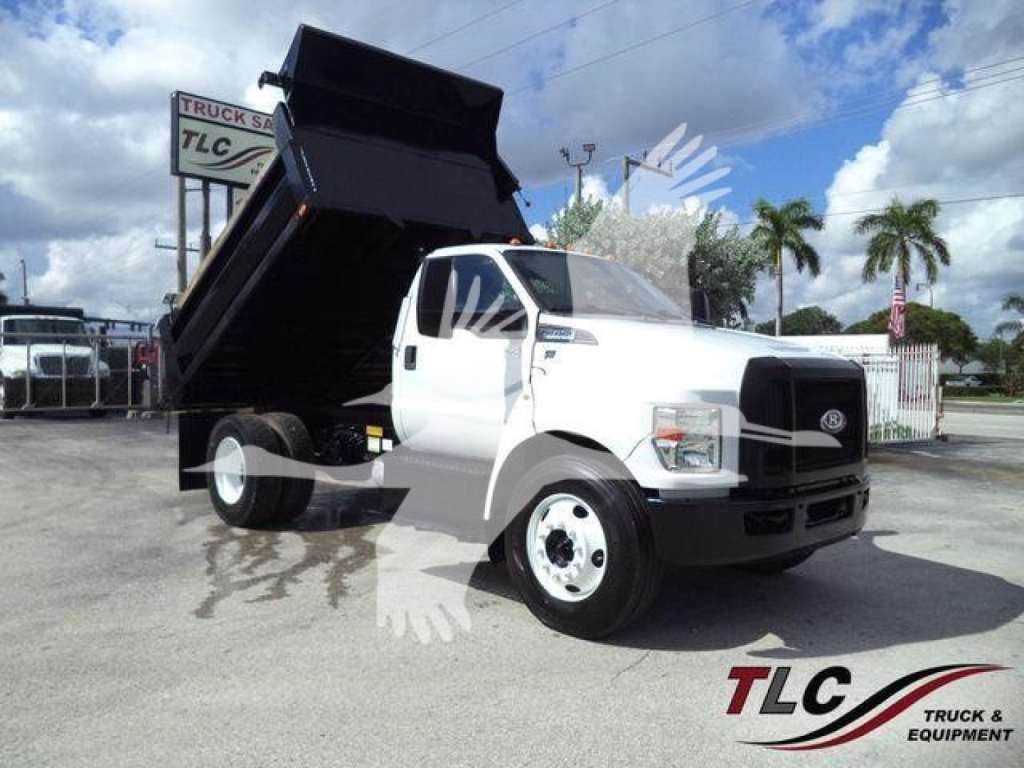
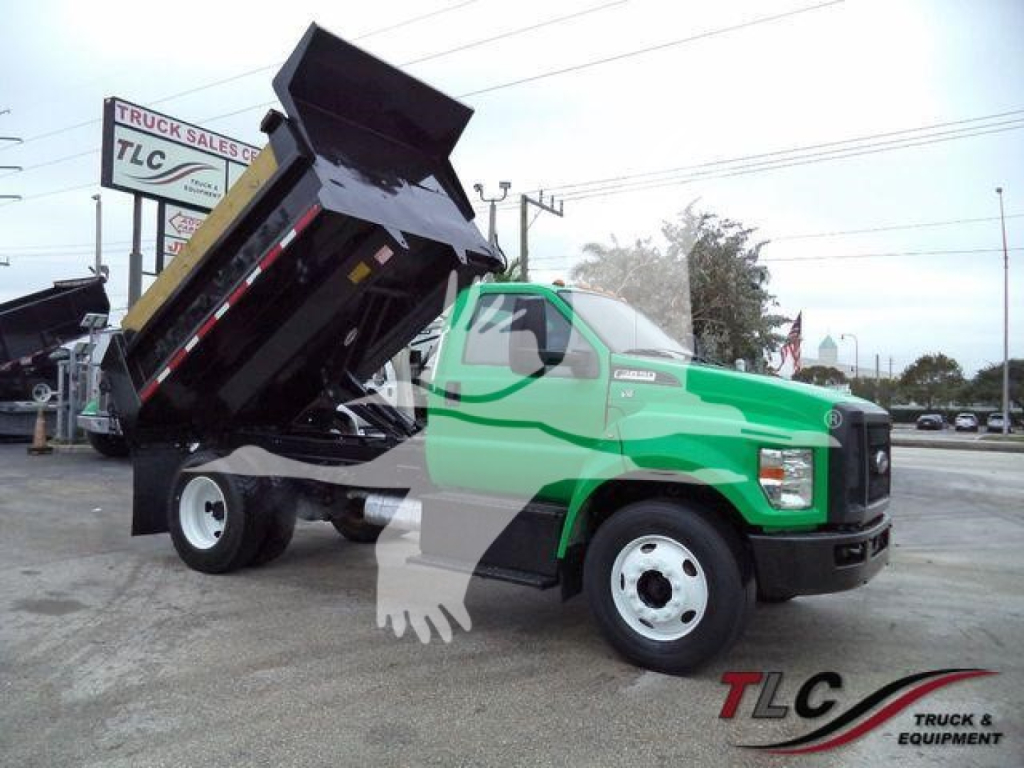
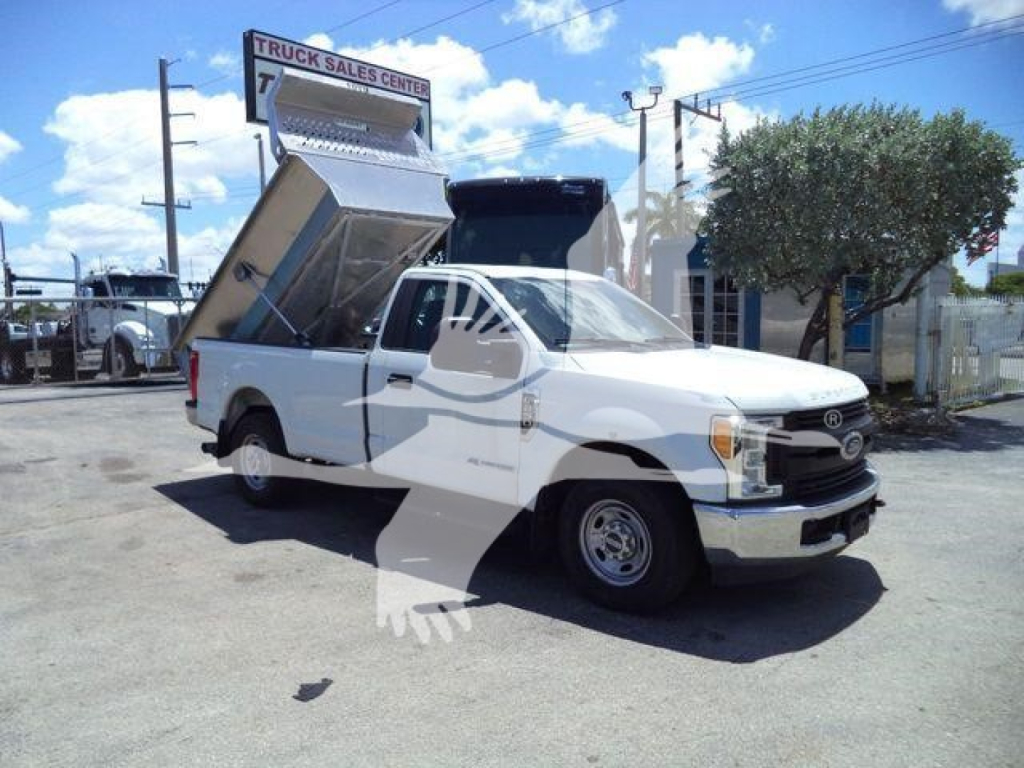
Selling a 2017 ford dump truck? List your 2017 ford dump truck for sale and reach thousands of commercial buyers.
2017 Ford Dump Trucks in Florida
On this model year, many buyers look closely at GVWR, cab configuration, drivetrain, and engine choice. Ford dump trucks in this class are often spec'd with regular cab or crew cab layouts, automatic transmissions, and either a gas V10 or the 6.7L Power Stroke diesel depending on intended duty cycle. A diesel truck usually fits frequent towing, heavier payloads, and higher annual mileage. A gas truck can still be a practical choice for shorter routes, lighter vocational use, and fleets that want lower upfront complexity. In Florida, air conditioning performance, cooling system condition, and signs of corrosion around the dump body, hoist mounts, and electrical connections deserve extra attention because heat, humidity, and coastal exposure can shorten component life.
The upfit matters as much as the chassis. Buyers should compare body length, side height, rear door style, hoist type, tarp system, hitch equipment, and underbody storage. A contractor dump may have lower sides, fold-down boards, and a combination tailgate for palletized material, gravel, and equipment support. A landscape or trash dump often carries taller sides, barn-door or single-swing rear access, and chipper-ready or debris-oriented body design. Electric-over-hydraulic hoists are common on this size Ford chassis and are well suited for stop-and-go vocational work, but hoist condition, cylinder leaks, subframe integrity, and PTO or power unit operation should be checked carefully. If towing is part of the job, verify receiver rating, trailer brake controls, 7-way plug function, and how the hitch is integrated into the rear structure.
A well-matched 2017 Ford dump truck can cover a wide range of jobs, but the best value comes from pairing the truck's GVWR and body design to the material being hauled every day. Buyers should pay attention to axle ratings, spring capacity, tire size, wheel condition, brake wear, and how much usable payload remains after the body and accessories are installed. Service history is especially important on vocational trucks because idling, jobsite loading, and frequent short trips create a different wear pattern than highway use. For Florida operators, a clean frame, dependable hydraulics, and a body spec that fits local hauling and cleanup work will usually matter more than cosmetic appearance alone.
Frequently Asked Questions about 2017 Ford Dump Trucks in Florida
What should I look for first on a 2017 Ford dump truck?
Start with GVWR, body length, side height, and body material because those factors determine what the truck can legally and efficiently haul. After that, inspect the hoist, subframe, floor thickness, rear door setup, and hitch equipment. On a vocational truck, the dump body condition and hydraulic operation often matter as much as the engine and transmission.
Is a diesel or gas engine better in a 2017 Ford dump truck?
A diesel is usually the better fit for heavier loads, frequent towing, and higher annual mileage because it provides stronger low-end torque and is well suited to sustained work. A gas engine can still make sense for lighter-duty routes, seasonal use, and operations that want lower initial cost and simpler service. The right choice depends on payload, terrain, trip length, and how often the truck will tow.
What body type is best for landscape or debris hauling?
Landscape and debris work usually benefits from a trash dump or high-side dump body with taller side walls, a wide rear opening, and a tarp system. Aluminum bodies are popular in this application because they reduce empty weight and resist corrosion, which helps preserve payload capacity. If the truck will also carry dense material like dirt or broken concrete, a heavier steel body may be the better long-term choice.
Why does Florida use affect dump truck buying decisions?
Florida conditions make cooling system performance, air conditioning, wiring condition, and corrosion inspection more important than in drier regions. Humidity, salt air near the coast, and frequent rain can affect electrical components, hydraulic connections, body mounts, and exposed steel. Buyers should inspect the frame, hoist components, rear crossmembers, and dump body seams carefully for rust, pitting, or poor repairs.
How important is the dump hoist on a Ford F-550 class truck?
The hoist is a critical wear item because it does the actual lifting work every day. Electric-over-hydraulic systems are common on Ford dump trucks in this class and generally work well for contractor and municipal applications, but buyers should check lift speed, holding strength, cylinder condition, pump noise, and any leaks at hoses or fittings. A strong engine does not make up for a weak or poorly maintained hoist.