
2010 Dump Trucks For Sale
Shop 2010 dump trucks for hauling gravel, asphalt, dirt, and debris. Compare body size, axle setup, engine specs, and vocational features.
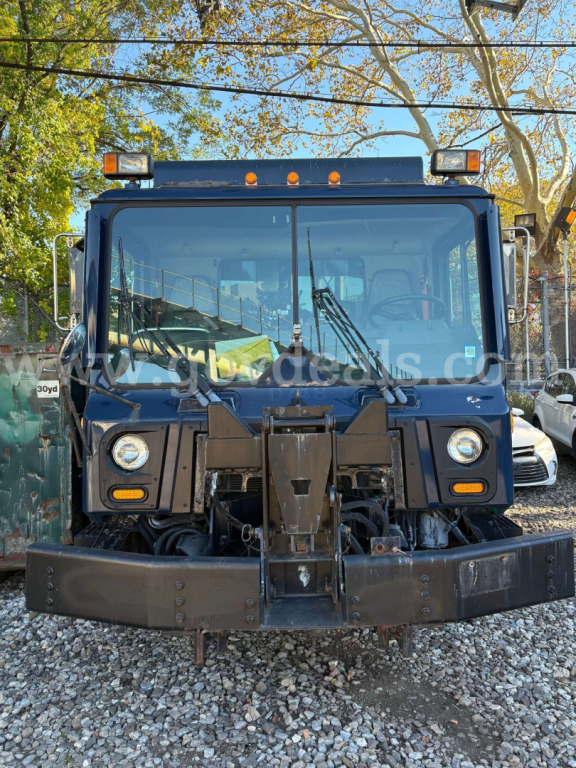
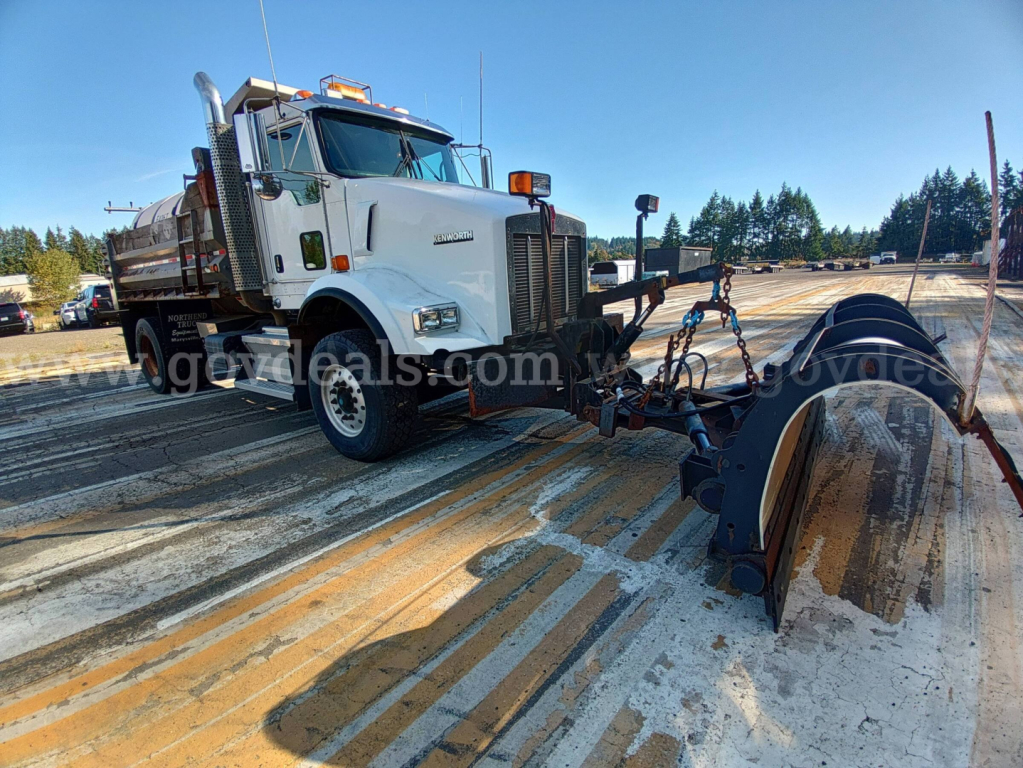
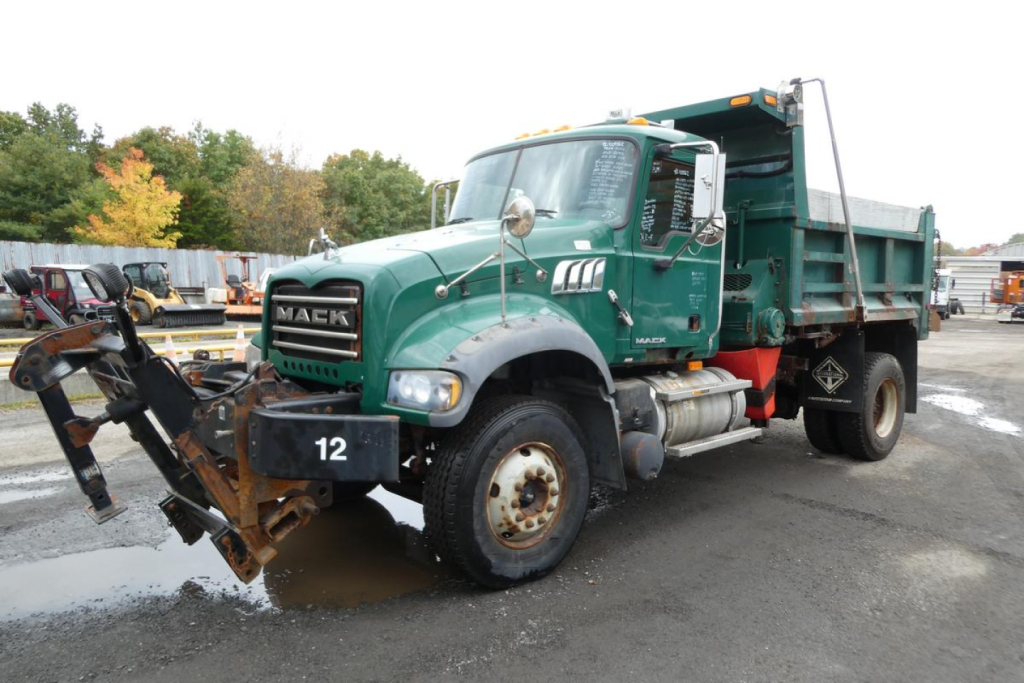

Selling a 2010 dump truck? List your 2010 dump truck for sale and reach thousands of commercial buyers.
2010 Dump Trucks
On a 2010 dump truck, axle configuration is one of the biggest value drivers. Single-axle units are easier to maneuver, lighter, and often better for local delivery, landscape supply, and municipal routes. Tandem-axle dump trucks generally offer stronger legal payload capacity and better durability for repeated off-road or jobsite use. Buyers should verify GVWR, front axle and rear axle ratings, suspension type, wheelbase, and body hoist capacity. Engine and transmission choices from this era commonly include medium-duty and heavy-duty diesel platforms paired with manual, automated manual, or automatic transmissions. PTO operation, hoist cycle speed, differential locks, and gearing all matter if the truck will see soft ground, steep grades, or frequent stop-and-go hauling.
Condition is especially important on a used 2010 dump truck because vocational work is hard on frames, suspensions, hydraulics, and bodies. Look closely at the subframe, crossmembers, hoist mounts, hinge points, trunnions, and cylinder seals. Body floor thickness, sidewall condition, and signs of previous patching can tell you a lot about how the truck was used. Corrosion around the cab, underbody, electrical connectors, and hydraulic lines is a major concern in snow-belt states where many dump trucks also carried plows and spreaders. If a truck has snow equipment, check the front frame extension, plow mount, central hydraulics, and charging system output. A clean drivetrain does not make up for a fatigued body or a cracked frame on a vocational unit.
It also helps to evaluate the truck as a complete work package, not just a chassis with a box. Features like air tailgates, high-lift gates, cab shields, tarp systems, pintle hitches, backup cameras, work lights, and locking differentials can change how useful a 2010 dump truck is in daily service. Some units are set up as landscape dumps with fold-down sides, while others are purpose-built for asphalt, municipal maintenance, or snow and ice control. The right choice depends on legal payload, turning radius, local bridge laws, and how much off-pavement use the truck will see. A well-spec'd 2010 dump truck can still be a productive vocational asset when the body, hydraulics, axle ratings, and service history line up with the work.
Frequently Asked Questions about 2010 Dump Trucks
What should I check first on a 2010 dump truck?
Start with axle ratings, GVWR, body size, and the condition of the dump body and hoist. A 2010 dump truck may look solid in photos but still have expensive vocational wear in the frame, body floor, hinge assembly, hydraulic cylinder, or suspension. Service records, engine hours if available, PTO function, and signs of corrosion or frame repair are just as important as mileage.
Is a single-axle or tandem-axle 2010 dump truck the better choice?
A single-axle 2010 dump truck is usually better for tight urban routes, landscape material delivery, lighter payloads, and lower operating costs. A tandem-axle dump truck is typically the better fit for heavier aggregate hauling, excavation work, and repeated jobsite use where payload and durability matter more. The best choice comes down to local weight laws, turning space, material density, and the body capacity you need.
Are 2010 dump trucks good for snow plow and municipal work?
Many 2010 dump trucks are well suited for municipal and winter service because they were commonly spec'd with front plow mounts, hydraulic systems, spreader controls, and heavy front axle ratings. The key is to inspect for rust, front frame stress, wiring repairs, and wear from seasonal attachments. A truck that spent years plowing can still be useful, but buyers should pay close attention to underbody corrosion and hydraulic condition.
What engine and transmission features matter most on a 2010 dump truck?
Torque delivery, PTO compatibility, transmission type, and rear axle ratio are more important than advertised horsepower alone. Dump trucks need driveline setups that can handle stop-and-go hauling, loaded starts, and hydraulic operation without excessive wear. Automatic transmissions can be useful in municipal or urban service, while manual or automated manual transmissions may appeal in heavier vocational applications depending on driver preference and maintenance history.
How do I know if a 2010 dump truck body is the right size for my work?
Match body length and side height to the material you haul most often, then confirm the truck can legally carry that load on its axle ratings. Light materials like mulch and brush need cubic capacity, while gravel, asphalt, and demolition debris reach weight limits much faster. Buyers should also consider tailgate style, liner needs, tarp setup, and whether the truck must support loaders, skid steers, or paving crews in daily operation.