
Dump Trucks For Sale in Pennsylvania
Browse dump trucks for sale in Pennsylvania, including single-axle and medium-duty models for paving, snow, municipal, and site work.
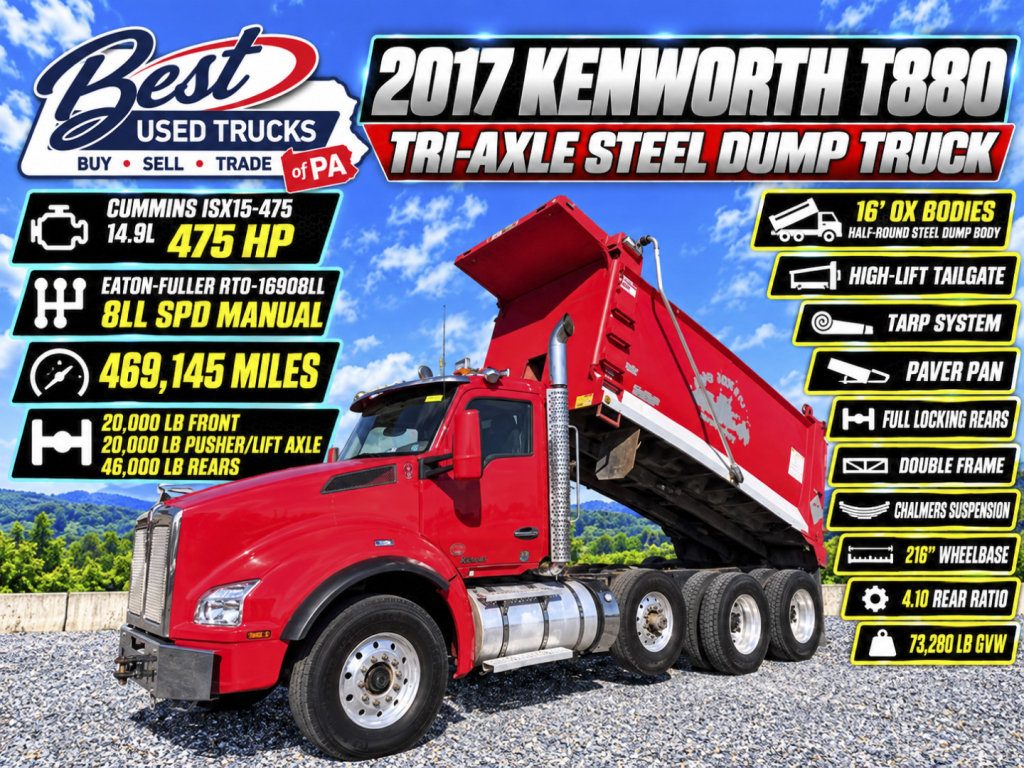
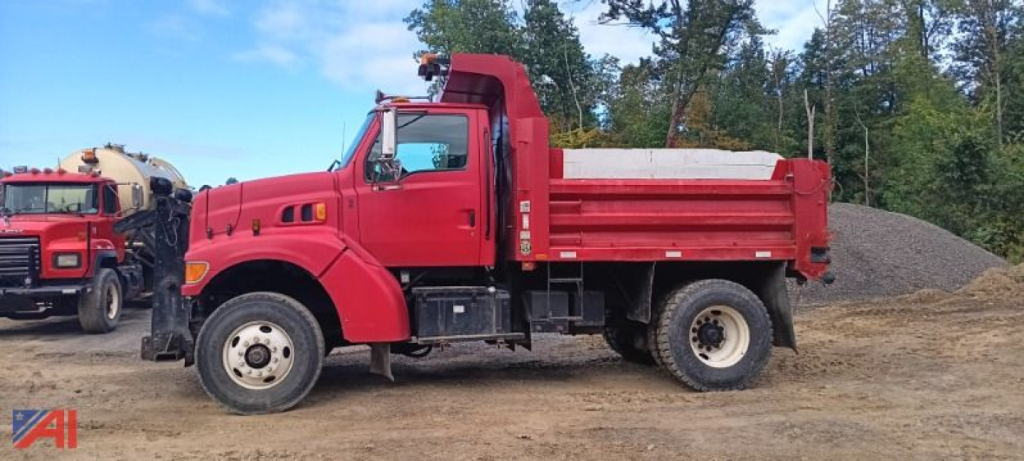
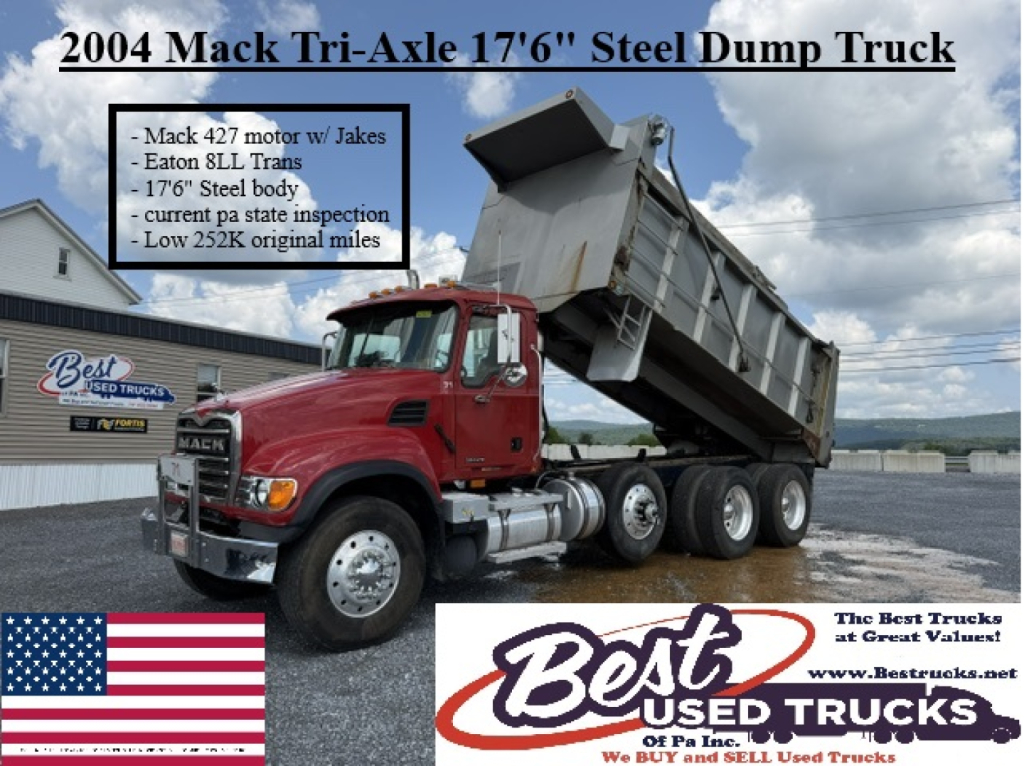
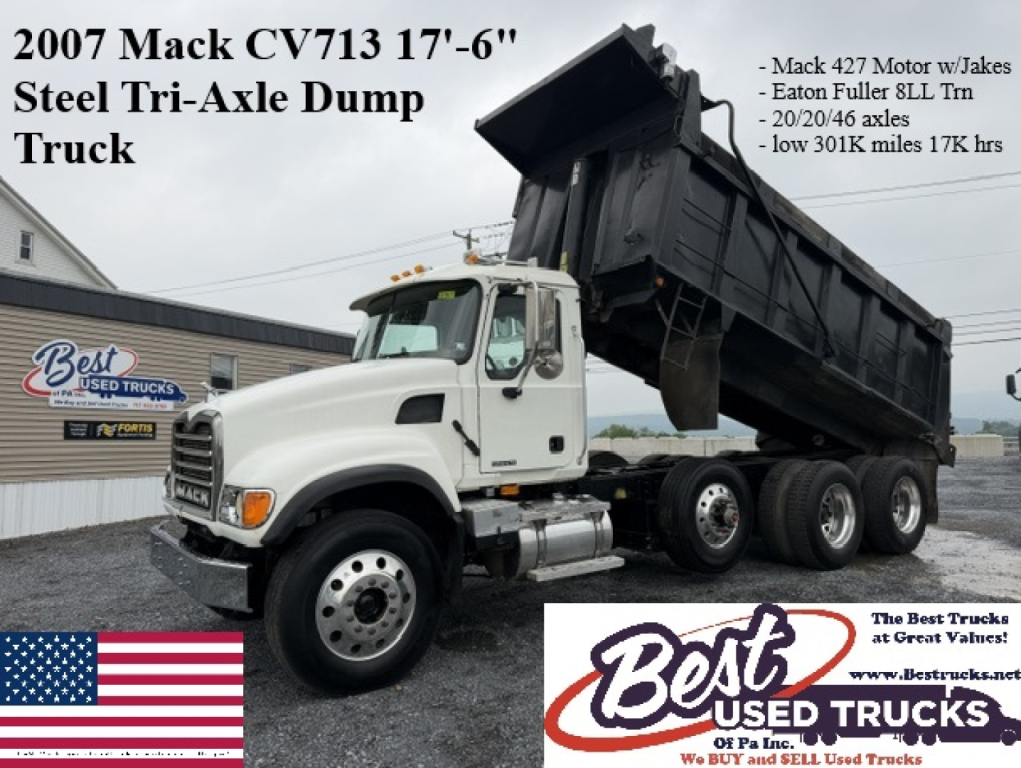

Selling a dump truck? List your dump truck for sale and reach thousands of commercial buyers.
Dump Trucks in Pennsylvania
Body choice matters. Steel dump bodies are favored for demolition debris, riprap, asphalt, and hard aggregate because they handle abrasion and impact better. Aluminum bodies reduce tare weight and can improve legal payload for lighter bulk materials such as topsoil, mulch, or salt. In Pennsylvania's four-season operating environment, stainless steel bodies and underbody components are also worth attention for corrosion resistance, especially on trucks that have spent years in snow and salt service. Check side height, board setup, hoist condition, floor wear, tailgate operation, and whether the truck uses a telescopic or scissor hoist. A truck with a sound chassis can still become expensive if the body, hinges, or hydraulic system need immediate work.
Chassis specs should match the route and material. A typical single-axle dump may carry front axle ratings around 12,000 to 16,000 pounds and rear axles in the 21,000 to 23,000 pound range, with GVWRs often landing near 33,000 to 39,000 pounds. Wheelbase affects turning radius and body length, and rear axle ratio plays a big role in launch and gradeability on hilly roads or muddy access points. Allison automatic transmissions are common in municipal and vocational service because they simplify stop-and-go driving and plow work. Spring suspension remains standard for durability and stability under load, while tire size, traction aids, and 4x4 capability can matter more in rural Pennsylvania, snow country, and off-pavement applications.
A used dump truck should be evaluated as a complete vocational package, not just a cab and engine. Buyers should look for frame rust, crossmember corrosion, PTO engagement, hydraulic leaks, hoist cycle speed, apron and tailgate wear, brake condition, and signs of overloading. If the truck has plow gear or a spreader setup, confirm the front axle capacity, hydraulic function, and condition of the electrical controls. Pre-emissions trucks remain attractive in this segment for buyers who want mechanical simplicity, but service history and current operating condition are still what determine value. The best dump truck for sale is the one whose body, axle ratings, drivetrain, and upfit match the work it will do every week.
Frequently Asked Questions about Dump Trucks in Pennsylvania
What is the best dump truck size for local construction and municipal work in Pennsylvania?
For many Pennsylvania buyers, a single-axle dump truck is the practical sweet spot for local hauling, road maintenance, landscaping supply delivery, and township service. It offers a tighter turning radius, lower operating weight, and easier maneuverability on older streets, alleys, and compact jobsites. Medium-duty and Class 7 single-axle units commonly handle 10 to 12 foot bodies well, and many can also support plow and spreader equipment for winter work.
Is a steel or aluminum dump body better?
Steel dump bodies are generally better for abrasive and high-impact materials such as broken concrete, rock, demolition debris, and dense aggregate. Aluminum dump bodies reduce empty weight and can increase payload for lighter materials like mulch, topsoil, and some municipal loads. In Pennsylvania, corrosion exposure from road salt also makes stainless or aluminum components attractive, but body selection should still be based first on what material the truck will haul most often.
What should I inspect first on a used dump truck?
Start with the hoist, PTO, and hydraulic system because those components define whether the truck can perform its core job. Then inspect the dump body floor, sides, tailgate, hinges, and frame rails for cracks, rust, distortion, or signs of repeated overloading. After that, review axle ratings, suspension condition, brake wear, transmission operation, and any vocational equipment such as plows, spreaders, or tarps. A strong engine does not offset a weak body or failing hydraulic package.
Are pre-emissions dump trucks still desirable?
Yes, pre-emissions dump trucks are still in demand because many buyers prefer their simpler engine systems and lower risk of diesel aftertreatment downtime. That can be especially appealing in vocational use where trucks idle, run short routes, or work seasonally. The tradeoff is age. A pre-emissions truck still needs careful inspection for rust, wiring condition, hydraulic wear, and overall maintenance history before it is considered a good value.
Do I need a tandem axle dump truck instead of a single axle?
A tandem axle dump truck makes sense when payload, legal bridge capacity, and material density exceed what a single axle can carry efficiently. If the truck will spend most of its time on residential streets, municipal routes, or smaller paving and utility jobs, a single axle is often easier to justify. If the work involves frequent aggregate hauling, quarry trips, or larger site development loads, a tandem may produce better productivity despite higher acquisition and operating costs.