
Dump Trucks For Sale in Texas
Shop dump trucks for sale in Texas, including single-axle and tandem-axle models for construction, aggregate, paving, and site work.
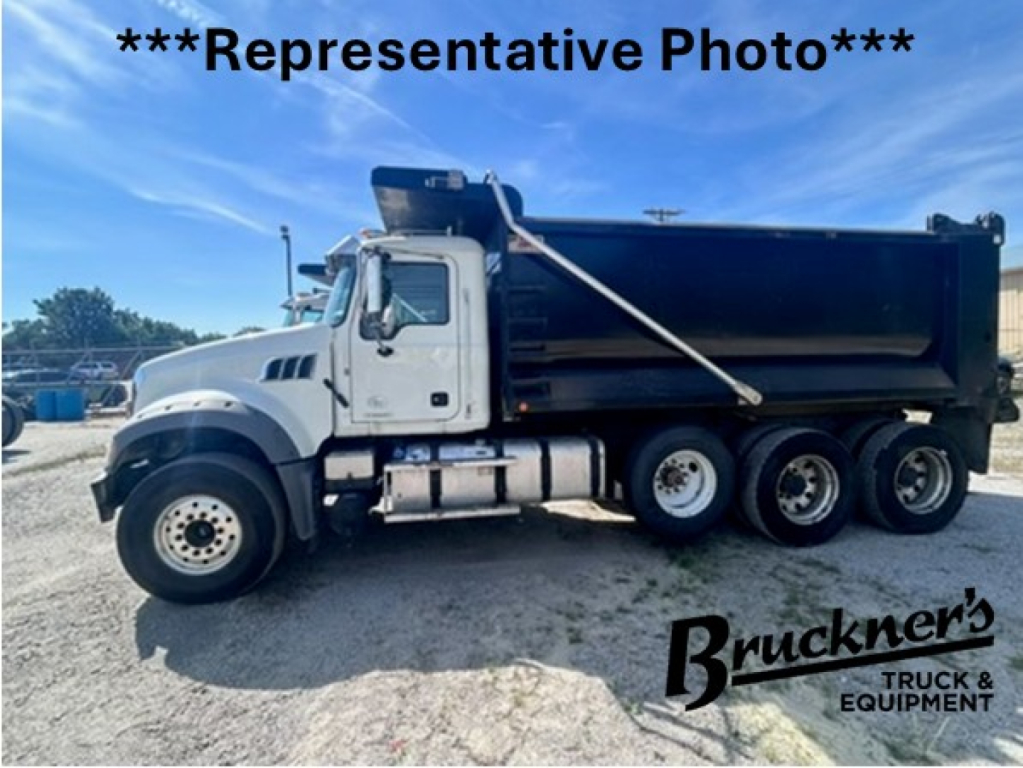
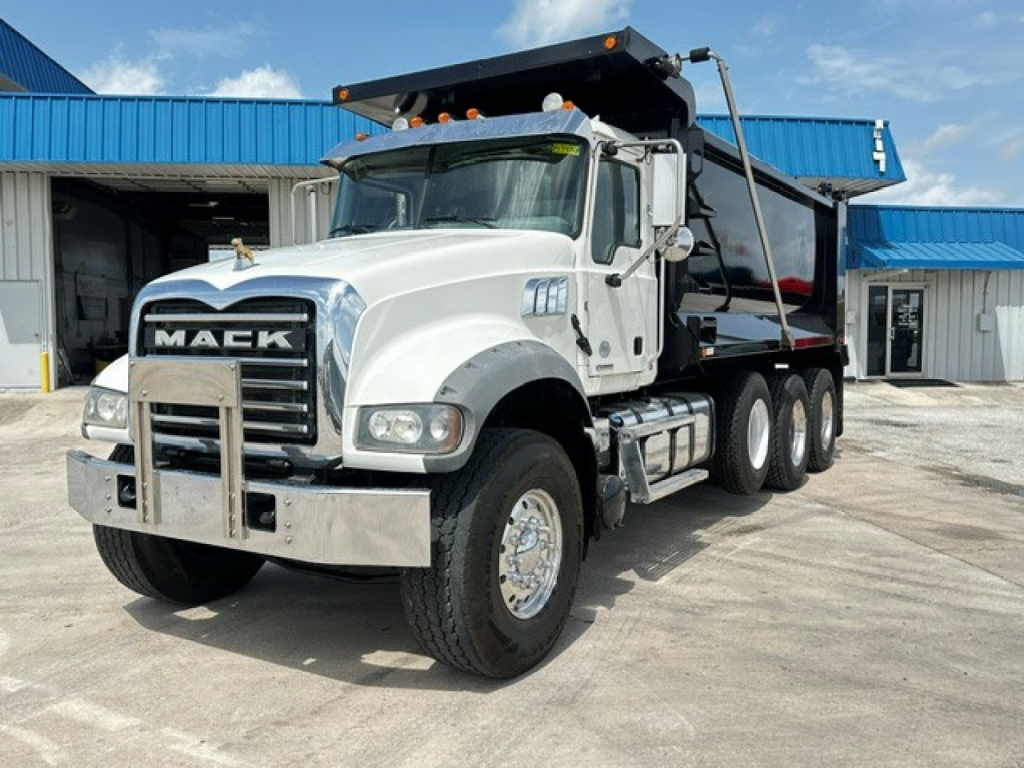
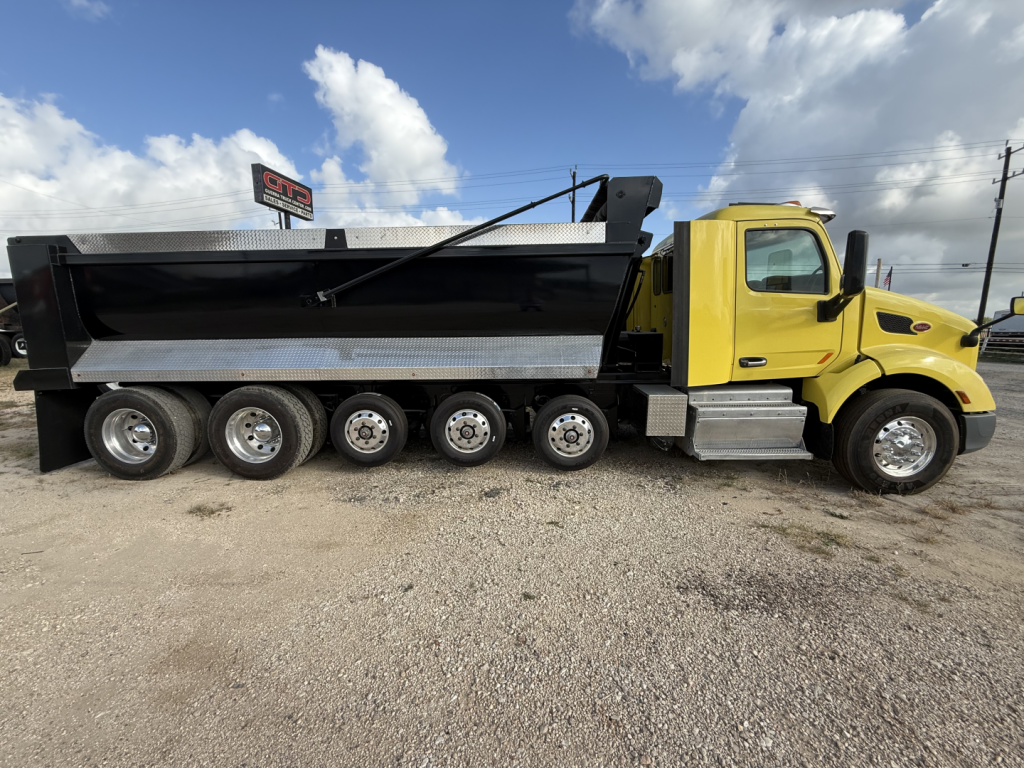
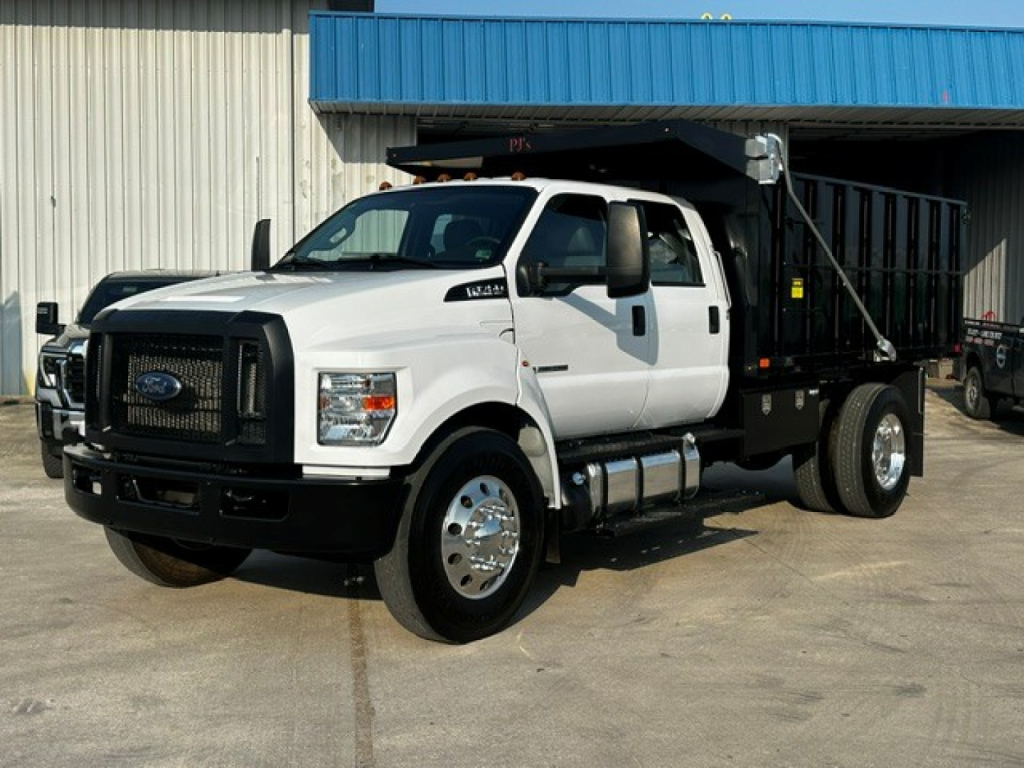
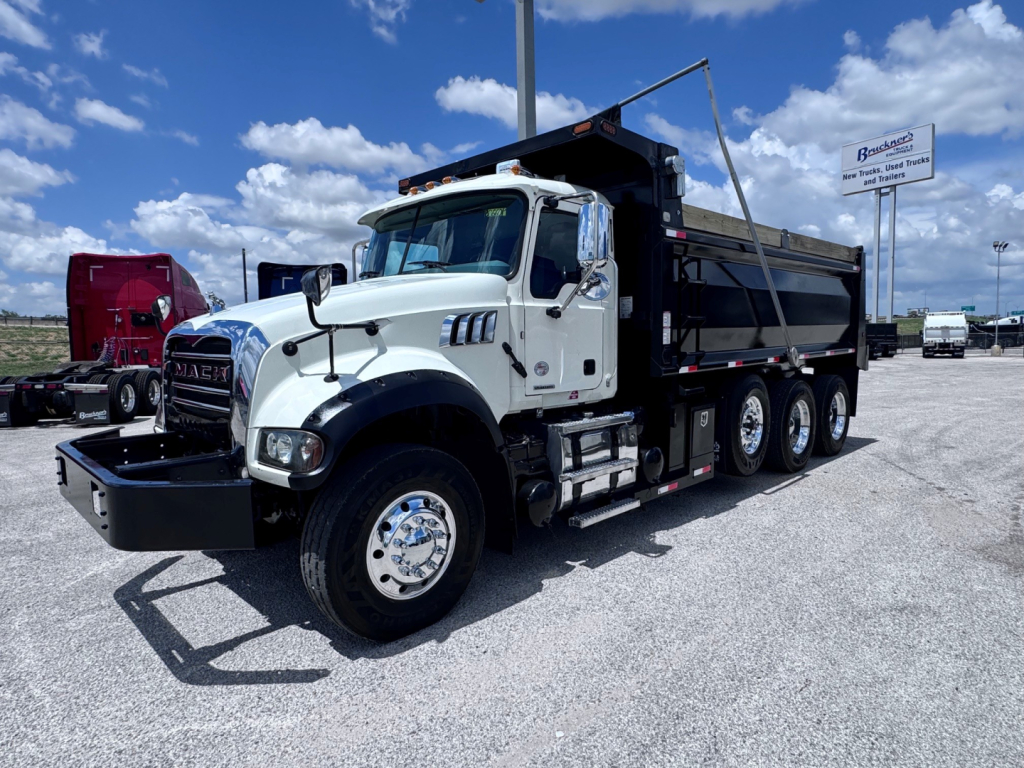
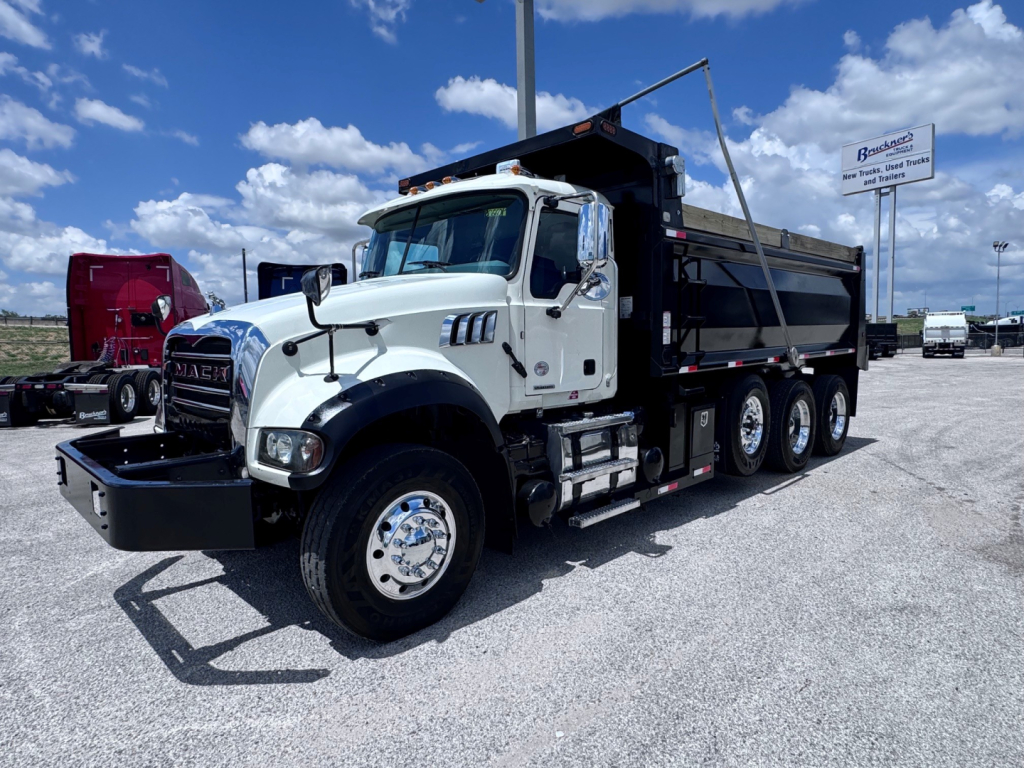
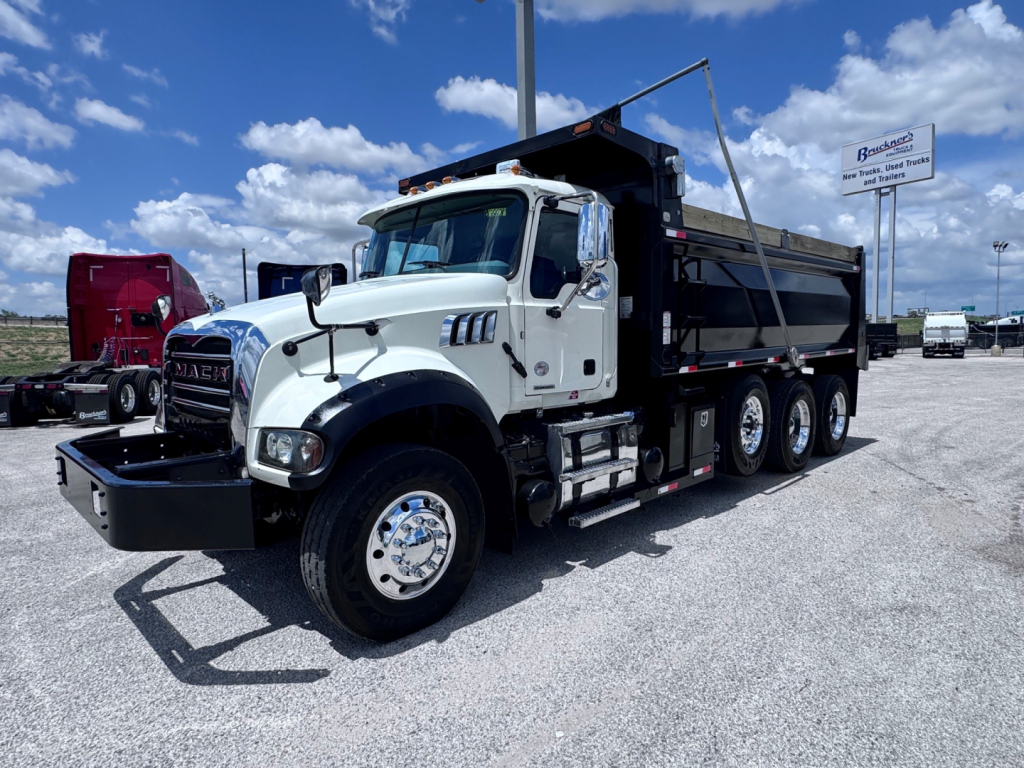
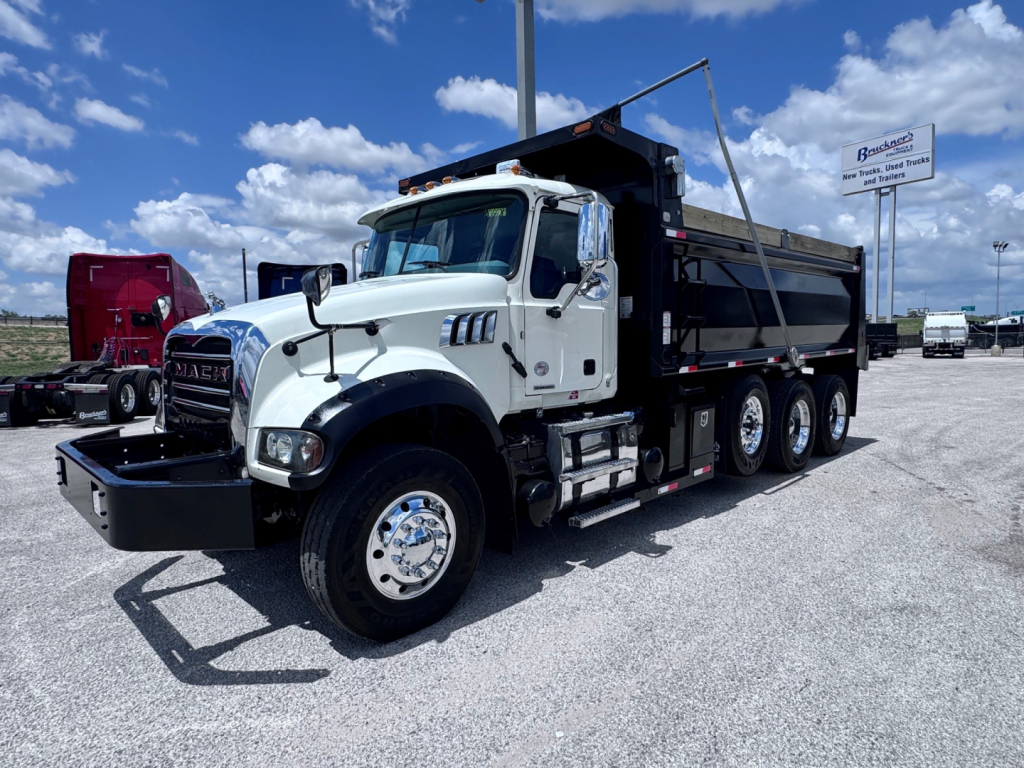
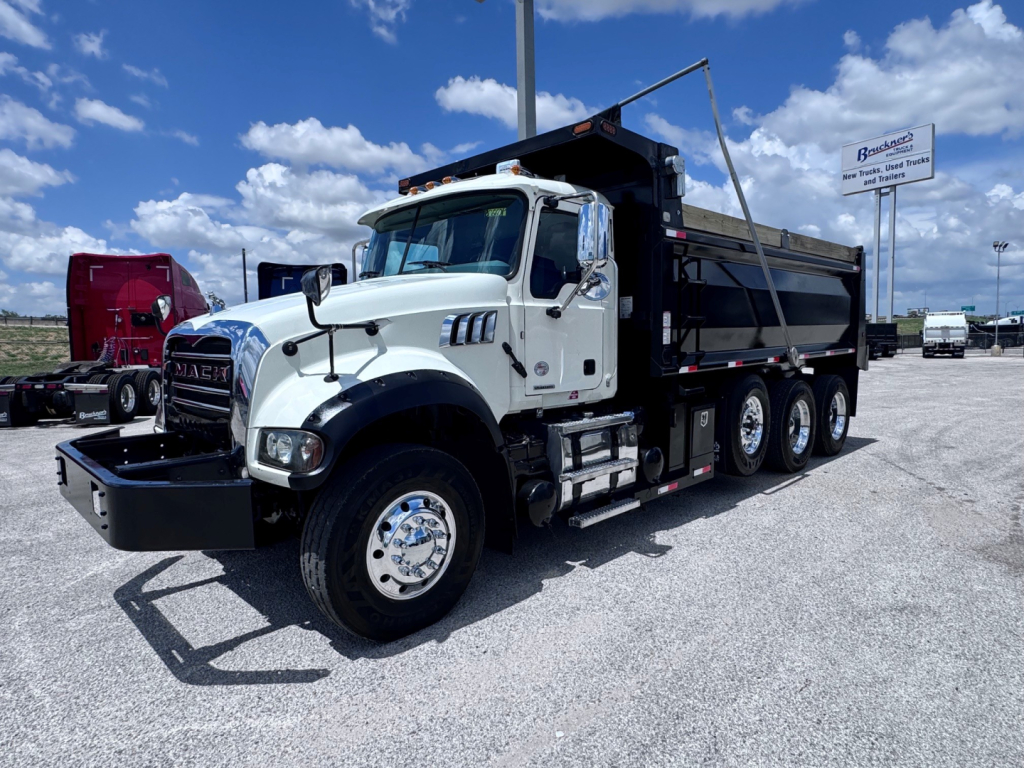
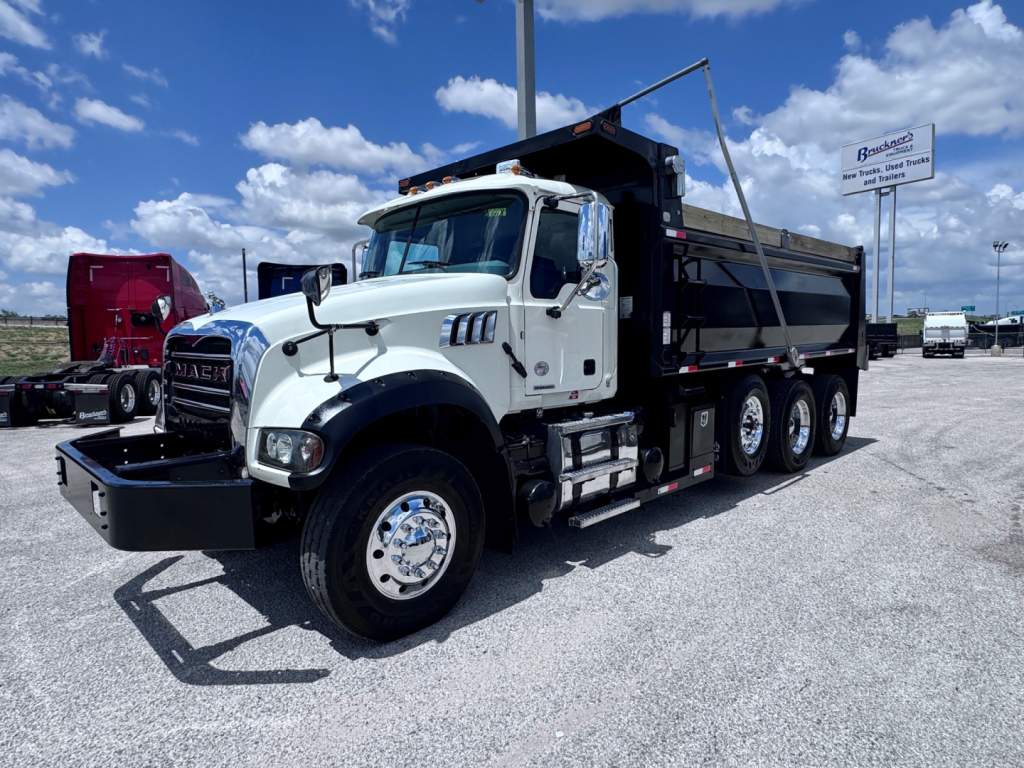
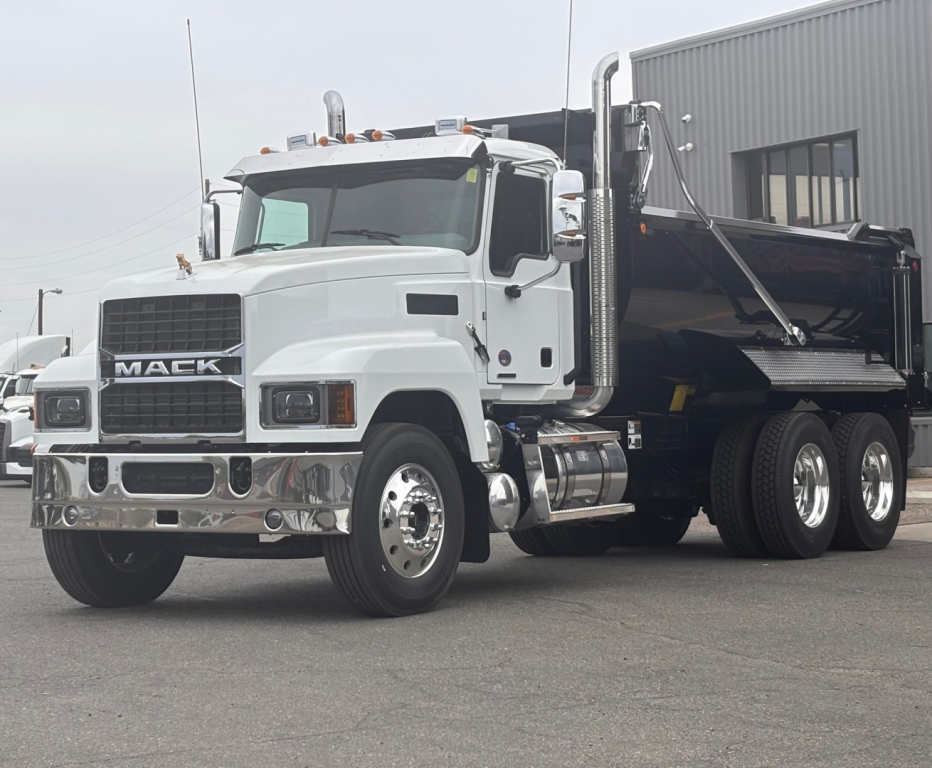
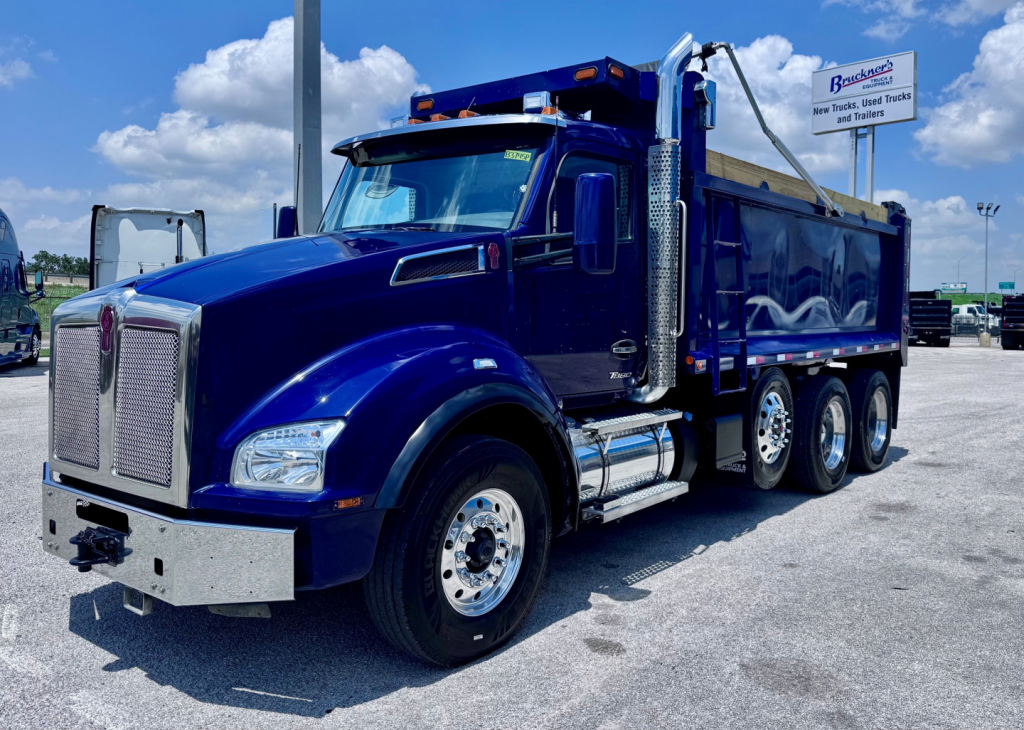
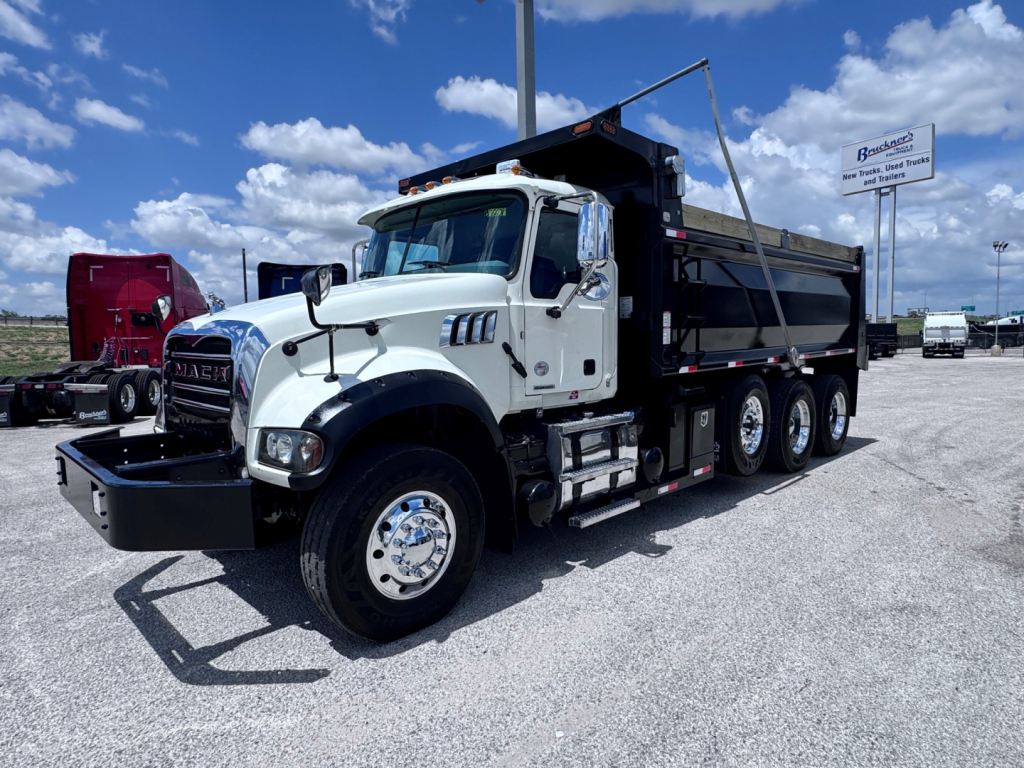
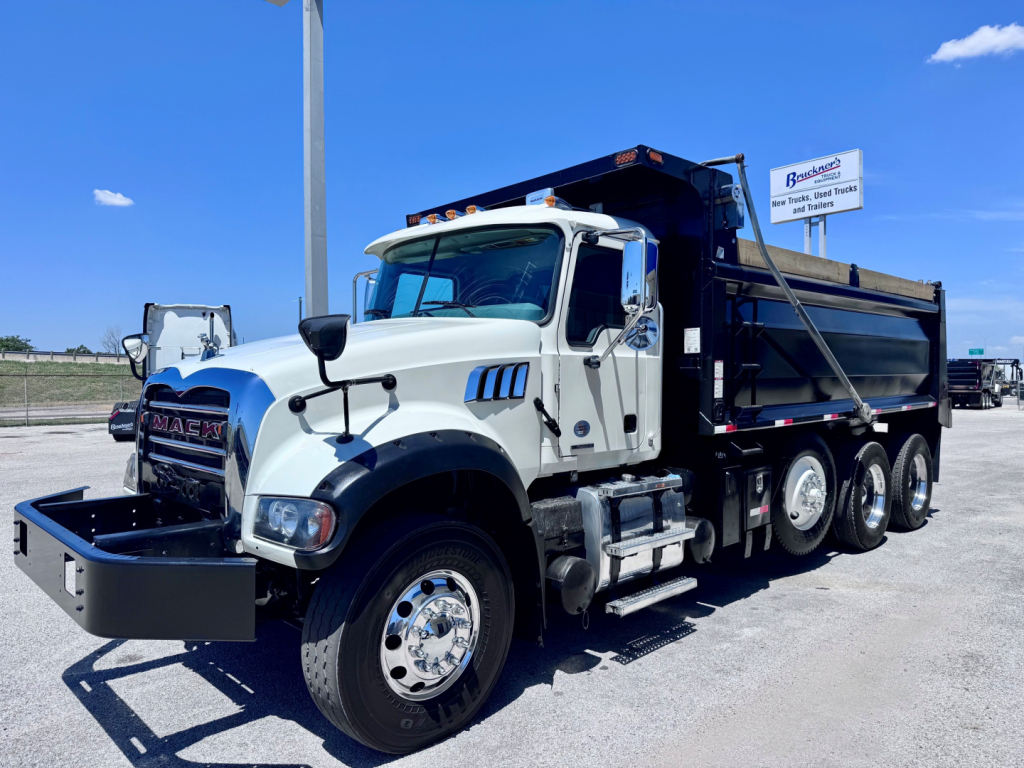
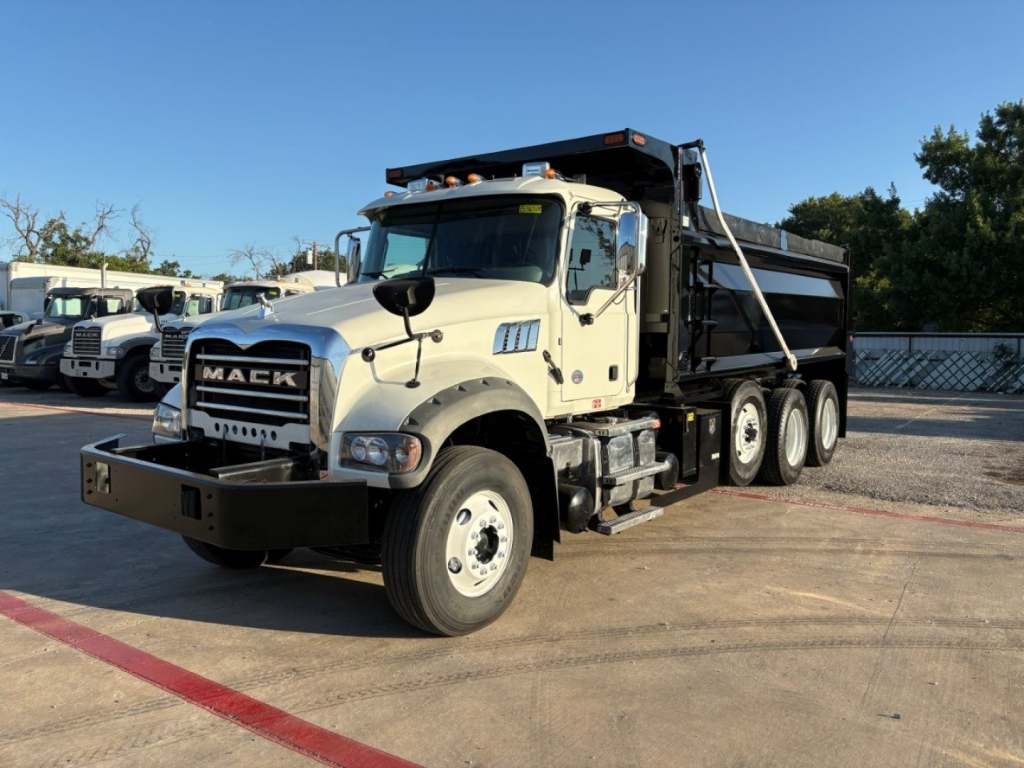
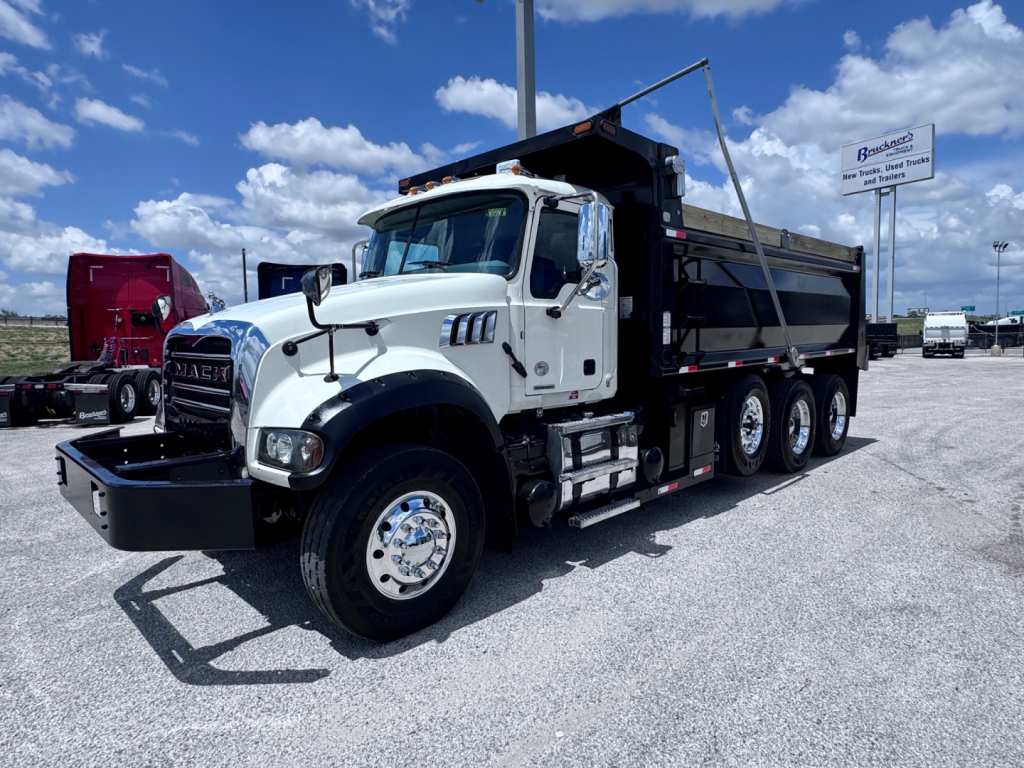
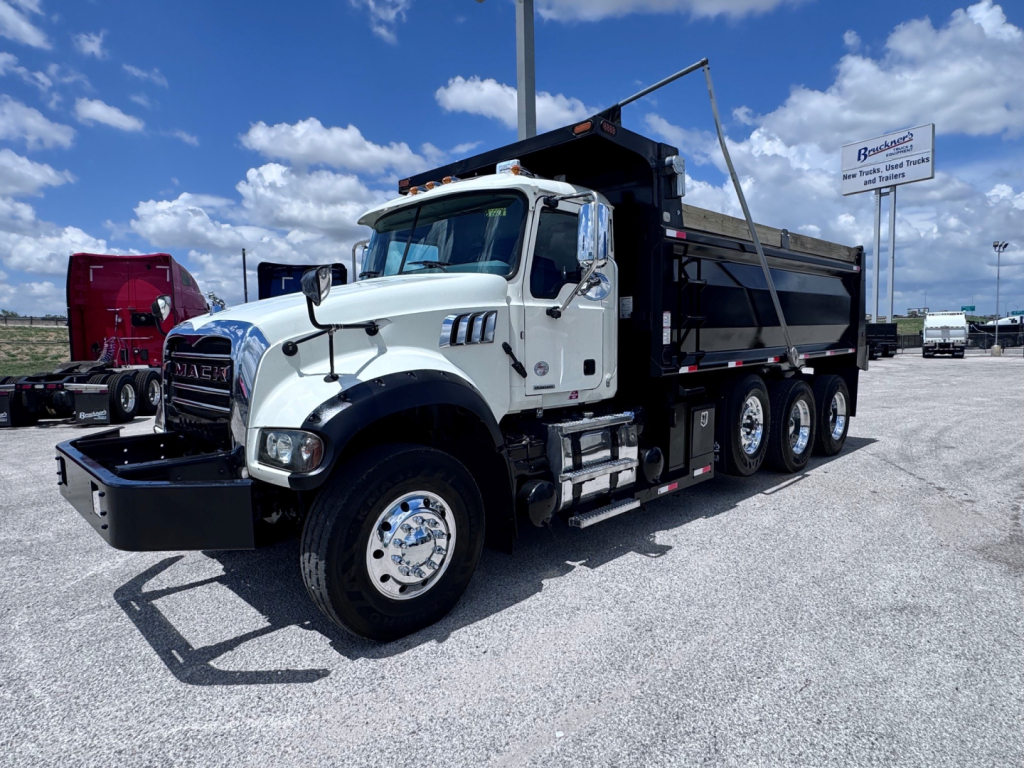
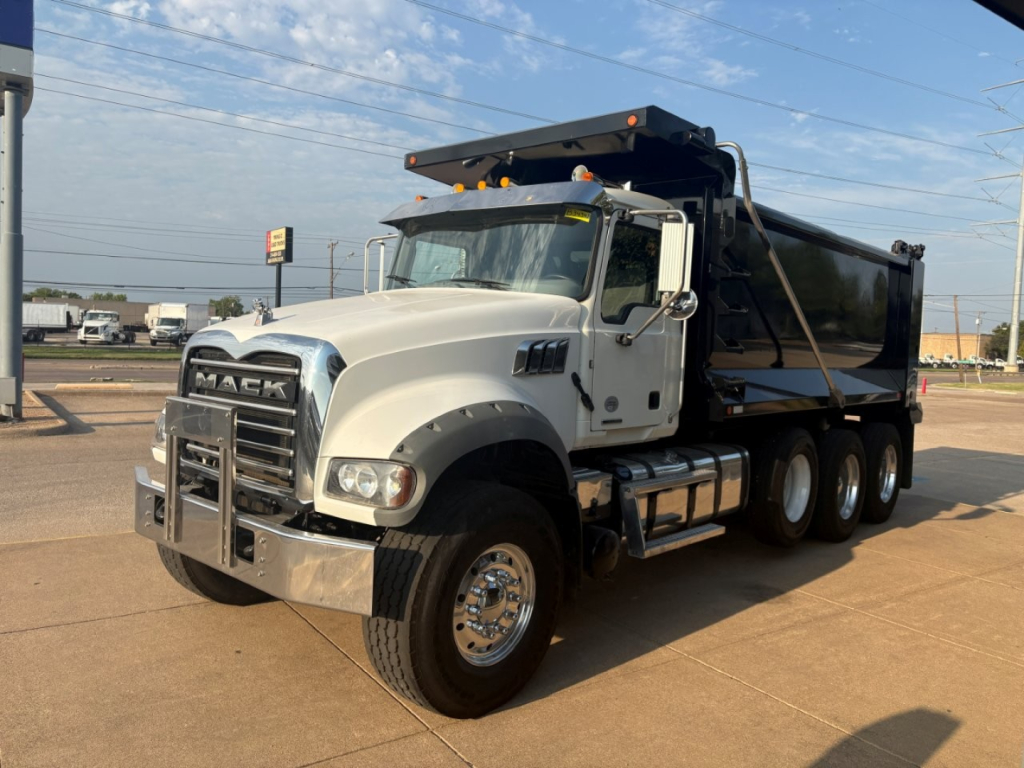
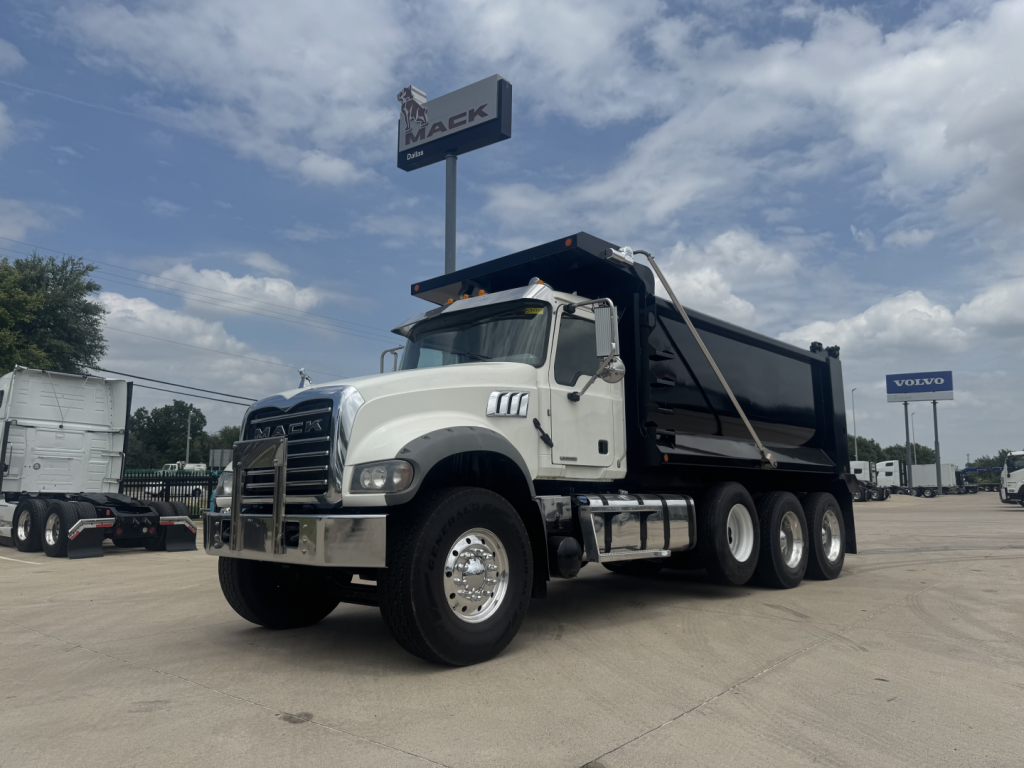
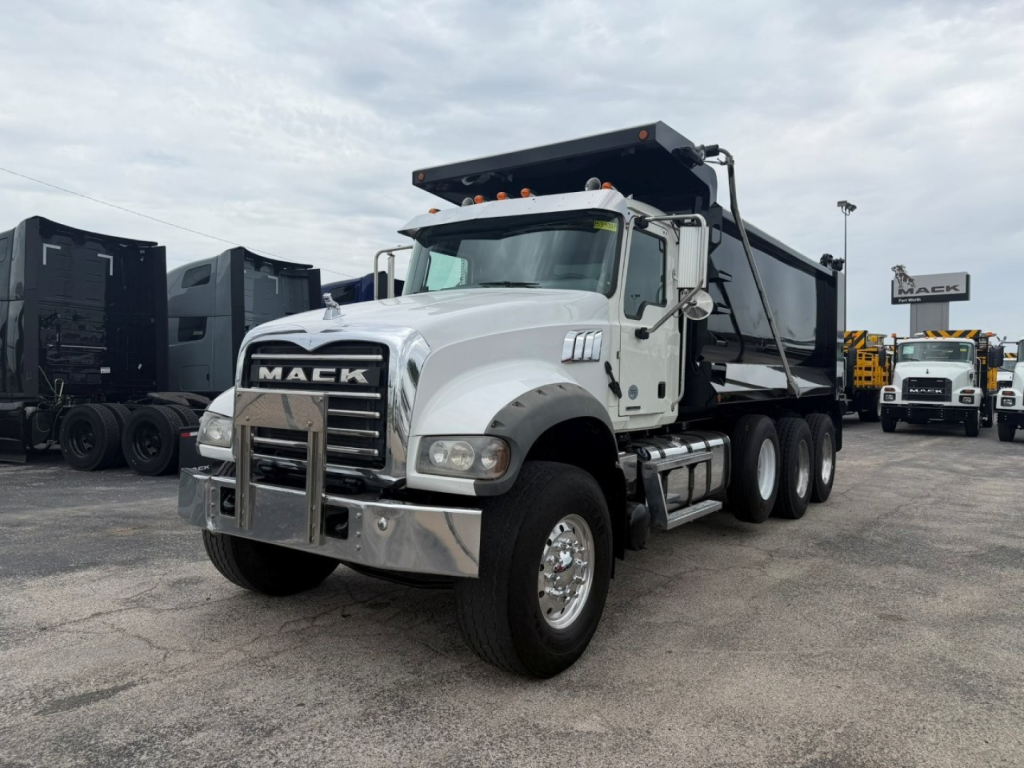
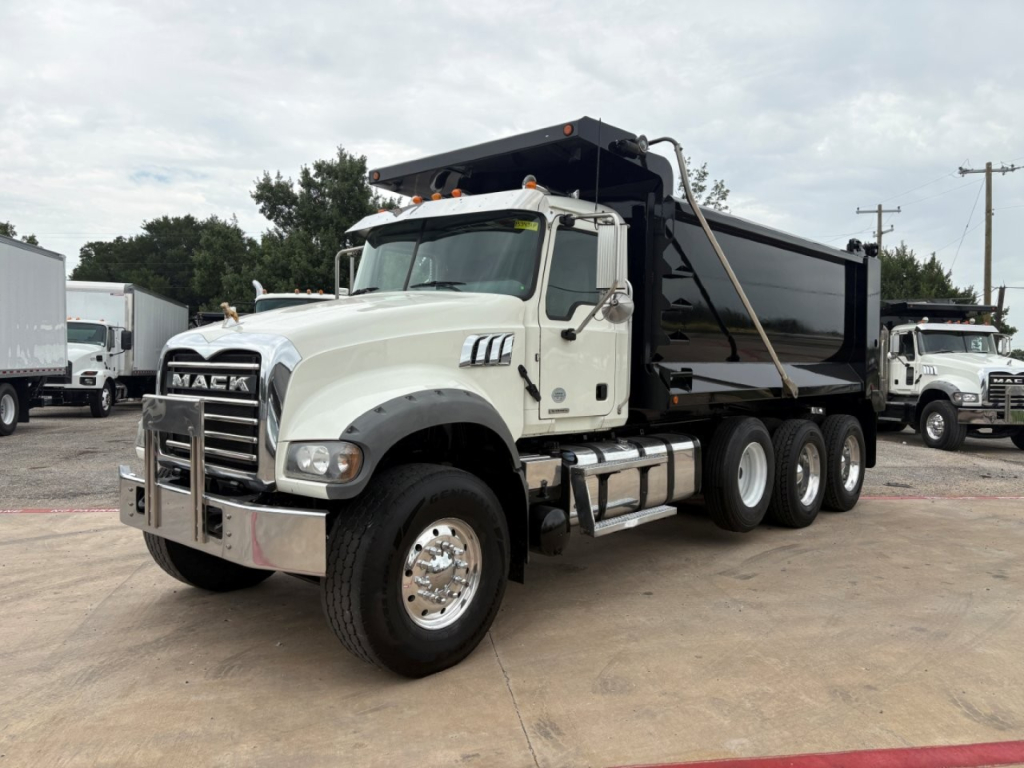
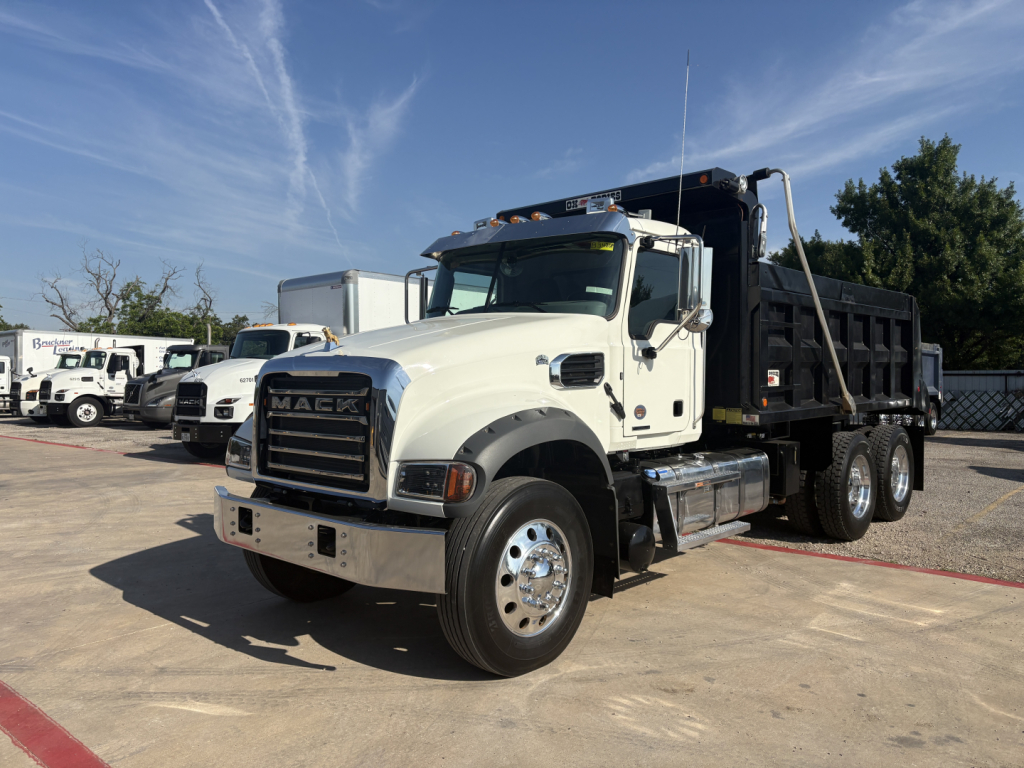
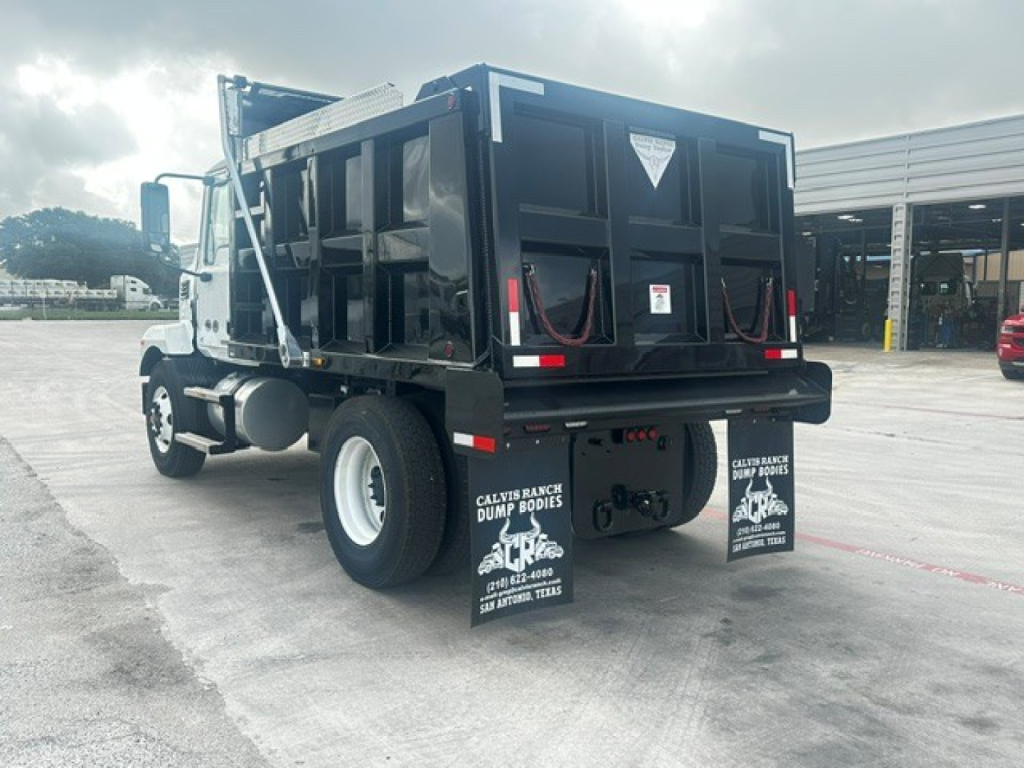
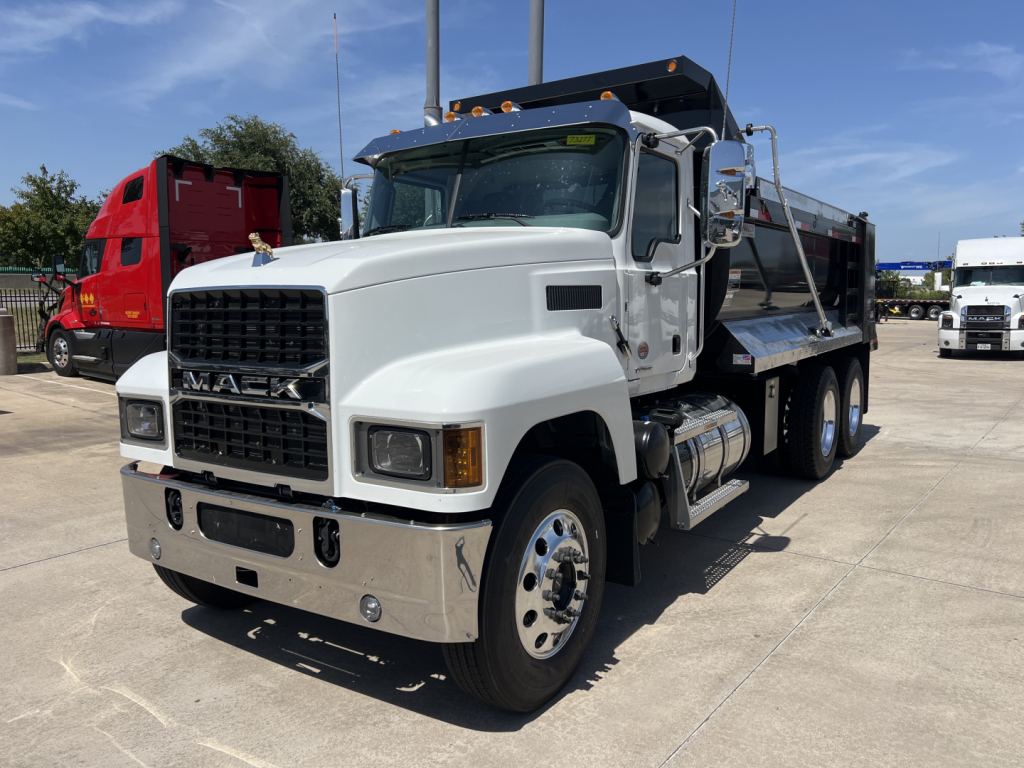
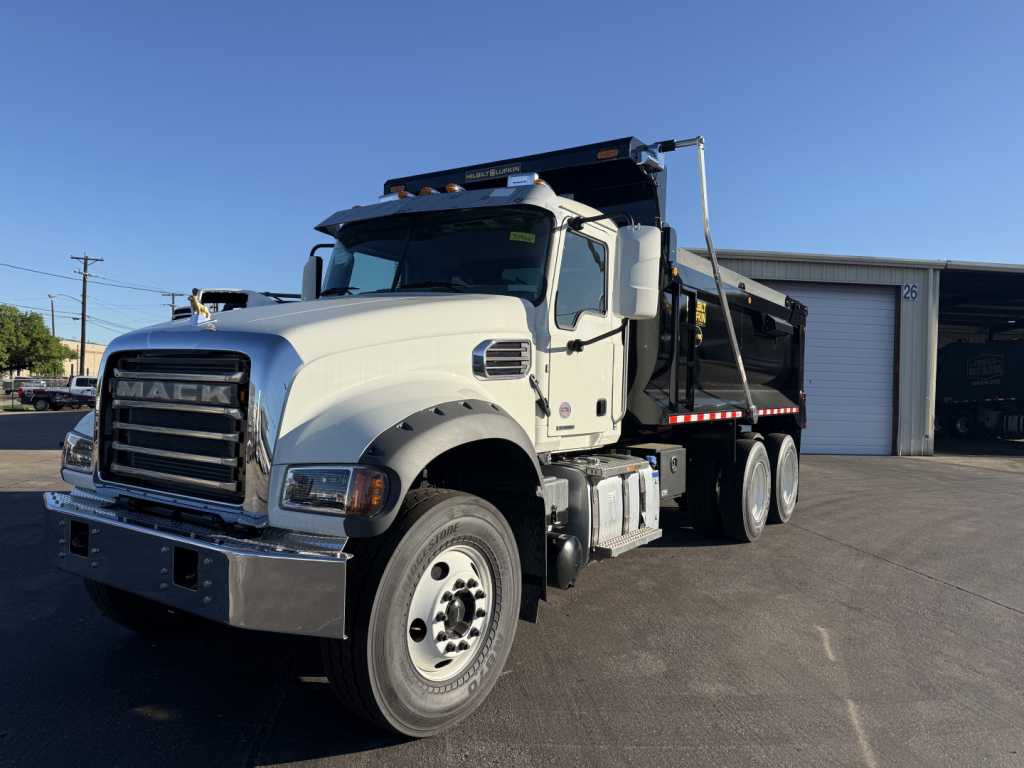
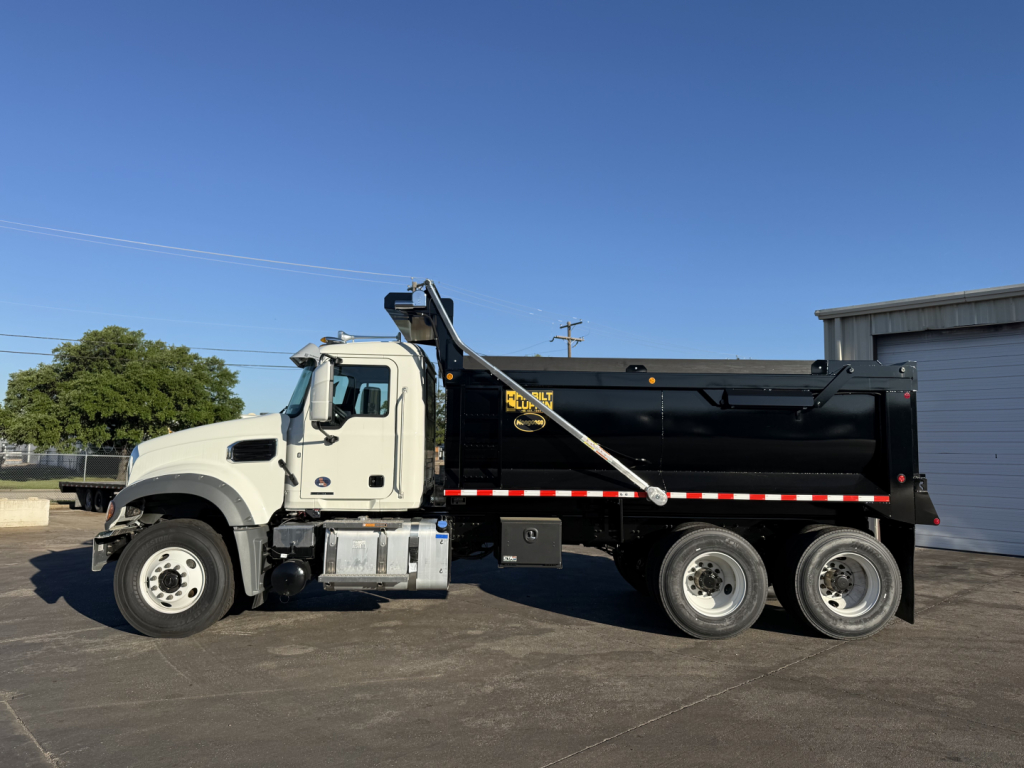
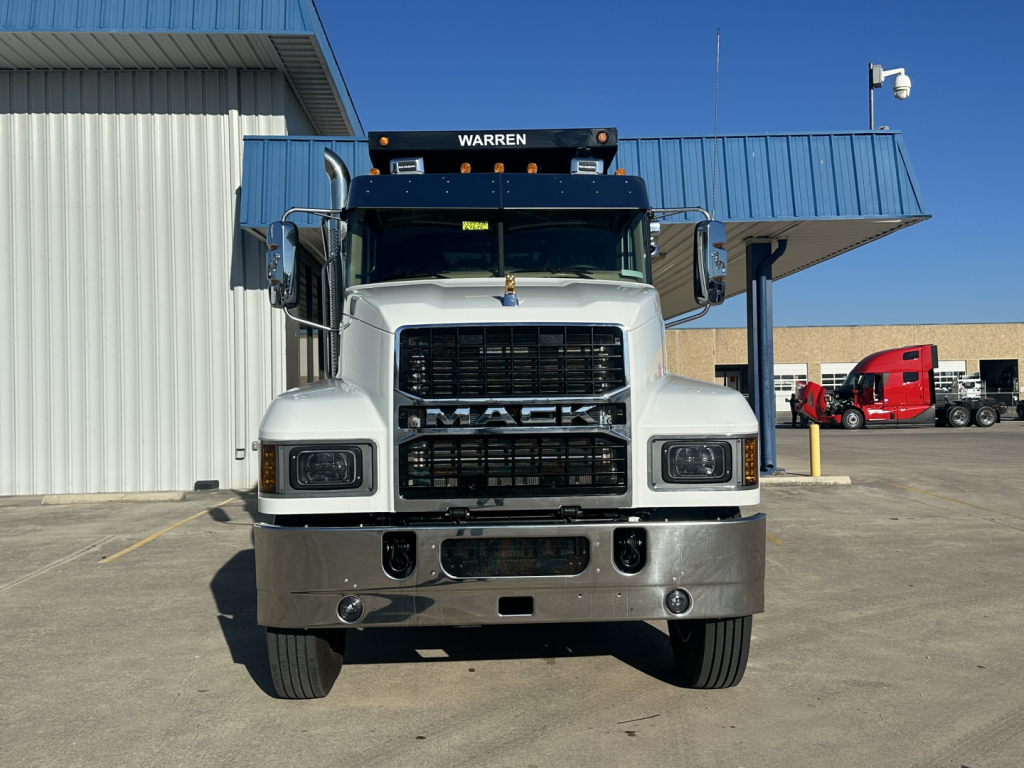
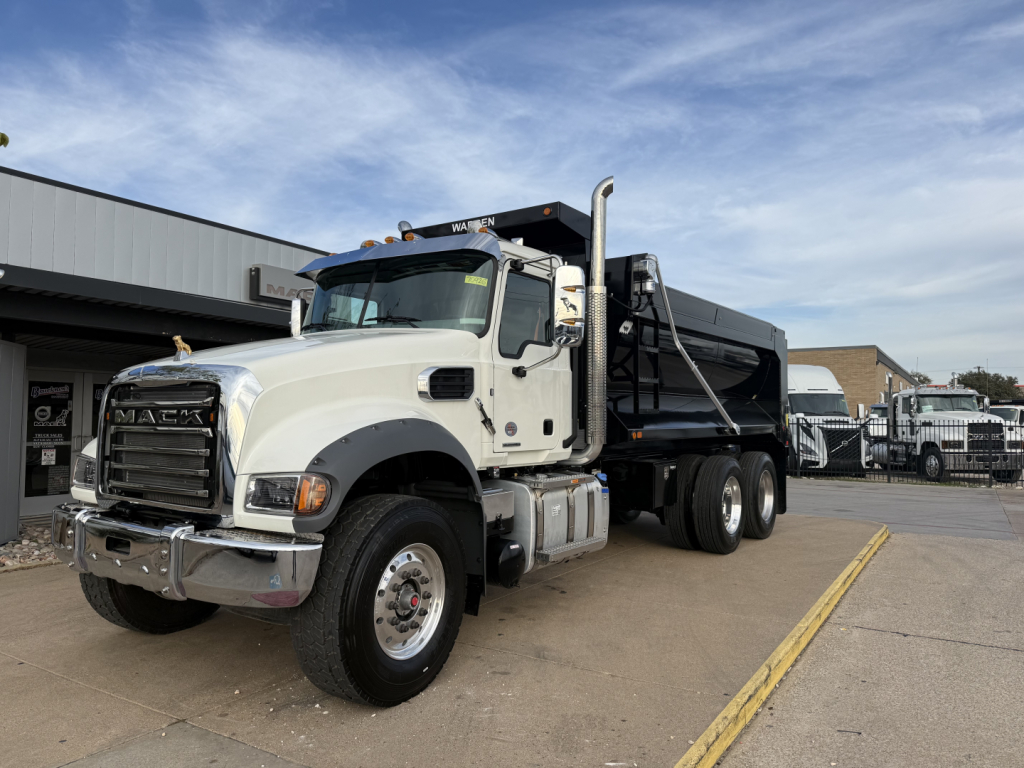
Showing 1 to 28 of 54 results
Selling a dump truck? List your dump truck for sale and reach thousands of commercial buyers.
Dump Trucks in Texas
Specs matter more in this category than appearance. Texas buyers usually pay close attention to axle ratings, suspension type, wheelbase, rear ratio, and body construction. Common configurations include GVWRs around 33,000 pounds for single-axle units and much heavier ratings for tandem trucks with 44,000-pound rears and vocational suspensions such as multi-leaf spring or Camelback. Engines in this class often range from medium-duty 300 HP diesel setups to 400-plus HP heavy-duty vocational power, paired with Allison automatics or automated manual transmissions. A shorter wheelbase helps turning radius and urban maneuverability, while a longer wheelbase supports larger dump bodies and improved load distribution.
Body and hoist details are just as important as the chassis. Buyers should look at body length, side height, steel floor thickness, double-wall construction, tailgate style, and whether the truck has a telescopic or underbody hoist. A center ditch gate, spreader apron, electric or spring-assist tarp system, and PTO setup can make a real difference depending on whether the truck is hauling sand, base, asphalt millings, riprap, or demo material. In Texas heat and dust, practical items like drum brakes, heated mirrors, backup alarms, pintle hitches, differential locks, and durable liners also deserve attention because they directly affect uptime and daily usability.
A good dump truck should match the work cycle, not just the payload target. For stop-and-go hauling and mixed-driver fleets, an automatic transmission can reduce fatigue and simplify operation. For rougher terrain and high-cycle production work, suspension strength, hoist capacity, and body integrity tend to matter more over the long run than headline horsepower alone. Buyers comparing dump trucks in Texas should think through legal payload, bridge law, body capacity versus material weight, and the type of jobsite access the truck will see most often. The right setup is the one that carries the material efficiently, dumps cleanly, and holds up to repeated loading on uneven ground.
Frequently Asked Questions about Dump Trucks in Texas
What is the difference between a single-axle and tandem-axle dump truck?
A single-axle dump truck usually has one rear drive axle and is commonly used for lighter payloads, tighter job sites, and urban delivery work. Tandem-axle dump trucks have two rear drive axles, higher GVWR and axle capacity, and are better suited for heavier materials such as aggregate, excavation spoil, and demolition debris. The tandem setup generally offers better traction, stronger frame and suspension options, and larger dump body capacity, but it also brings a larger turning radius and higher operating cost.
What dump body features matter most when buying a dump truck?
The most important dump body features depend on the material being hauled and how often the truck cycles each day. Buyers should look closely at body length, cubic-yard capacity, side height, floor and side construction, hoist type, and tailgate design. Double-wall bodies, one-piece steel floors, telescopic hoists, center ditch gates, spreader aprons, and tarp systems are all valuable depending on the job. A truck hauling abrasive rock or demolition material will benefit from heavier body construction than one used mainly for mulch, topsoil, or light aggregate.
Are automatic transmissions common in dump trucks?
Yes. Automatic transmissions are common in medium-duty and vocational dump truck applications, especially in trucks used for local hauling, municipal work, and fleets with multiple drivers. Allison automatics are widely used because they are easy to operate in stop-and-go conditions and can help reduce driver fatigue. Heavier dump trucks may also use automated manual transmissions, which can offer strong vocational performance and fuel efficiency while still simplifying operation compared with a traditional manual gearbox.
What GVWR range should I expect in a dump truck?
GVWR varies by configuration and intended use. Many single-axle dump trucks are built around the 33,000-pound class, which is a common threshold for medium-duty vocational work. Tandem-axle dump trucks typically run much higher, often with front and rear axle ratings that support substantially greater body capacity and heavier legal payloads. The right GVWR depends on the material, route, state weight rules, and whether the truck will spend more time on public roads or off-road job sites.
What should Texas buyers pay special attention to in a dump truck?
Texas buyers often need a dump truck that can handle heat, dust, uneven jobsite conditions, and a mix of highway and off-road travel. Cooling performance, suspension durability, axle ratings, differential lock, body strength, and tarp reliability are all important. It also helps to match wheelbase and body size to the type of work, since a truck used in metro construction or municipal work may need better maneuverability than a truck running aggregate or heavy site development routes. Legal weight compliance and practical uptime features usually matter just as much as engine output.