
Sterling Dump Trucks For Sale
Browse Sterling dump trucks built for municipal, construction, and hauling work, with common specs, drivetrain options, and body setups.
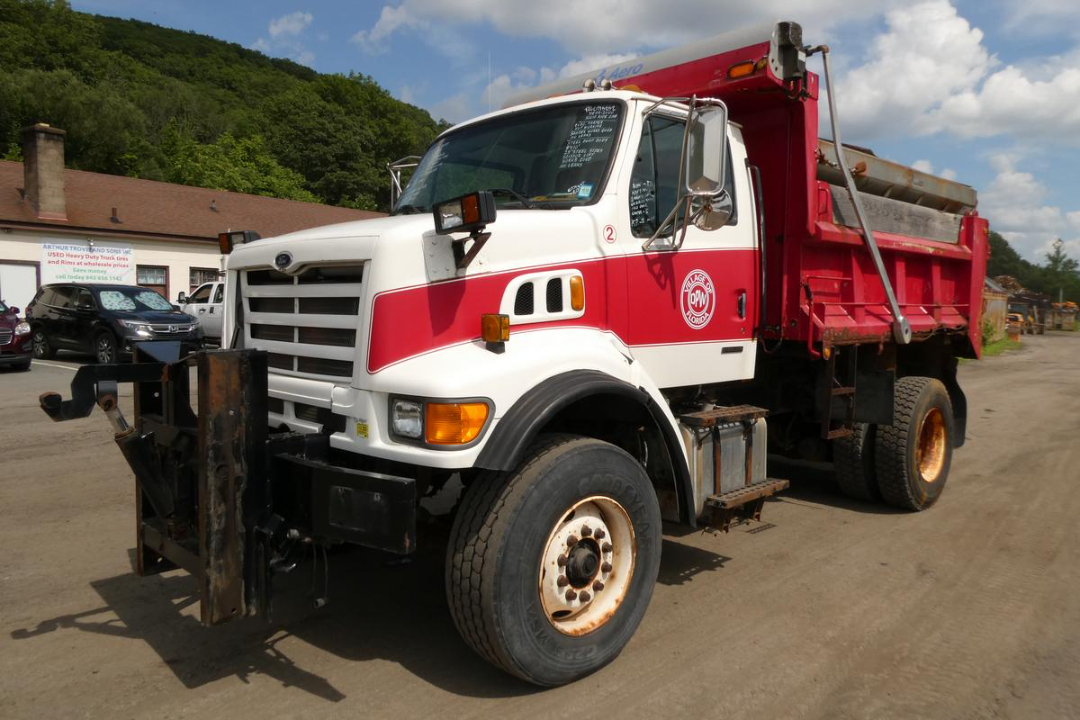
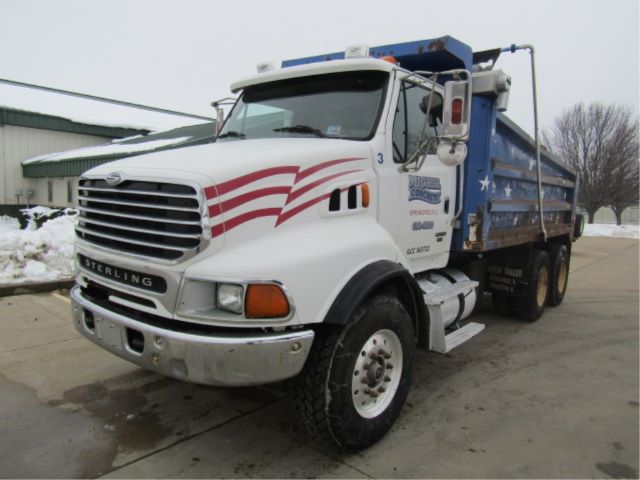
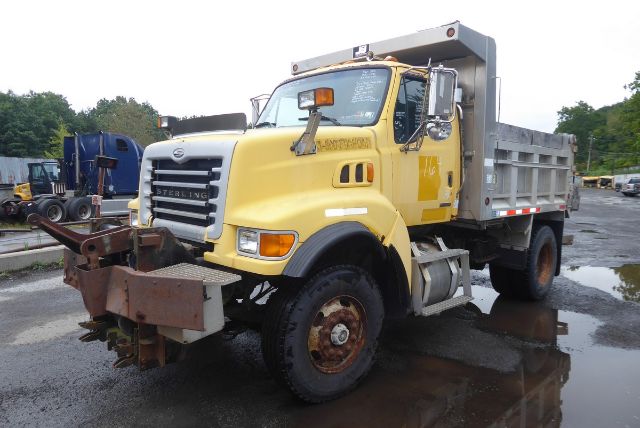
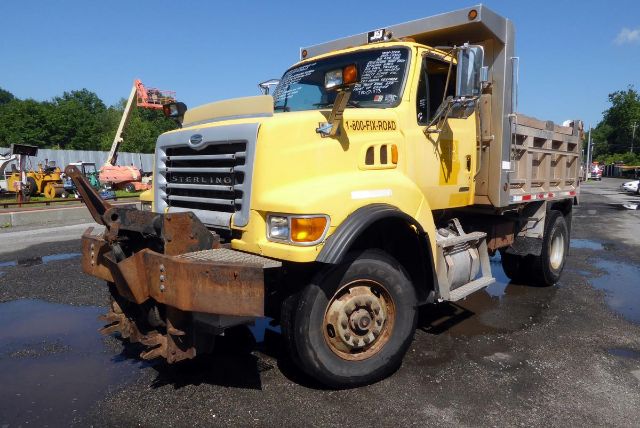

Selling a sterling dump truck? List your sterling dump truck for sale and reach thousands of commercial buyers.
Sterling Dump Trucks
Frequently Asked Questions about Sterling Dump Trucks
What should I look for first on a used Sterling dump truck?
Start with the dump system and chassis, not just the engine. Confirm the hoist raises smoothly under load, check for cylinder leaks, inspect the body floor and sidewalls for corrosion or patching, and verify the PTO and hydraulic pump engage correctly. On municipal-spec trucks, also test the plow hydraulics, spreader controls, tailgate operation, and any auxiliary wet line functions because those items often see hard seasonal use. Frame condition, rear suspension wear, brake condition, and evidence of rust around spring hangers and cab mounts are also key inspection points.
What engines and transmissions are common in Sterling dump trucks?
Sterling dump trucks from the used market often carry Caterpillar diesel engines such as the 3126 or larger mid-range vocational engines, along with manual Fuller transmissions or Allison automatics. The right choice depends on the work cycle. A manual transmission can be a good fit for hauling and mixed-road use where driver control and gearing matter, while an Allison automatic is common in municipal and stop-and-go applications because it simplifies operation and works well with plow and spreader duty. Engine horsepower and axle ratio should be matched to body size, payload expectations, and terrain.
Are Sterling dump trucks good for snow plow and spreader applications?
Yes. Many Sterling dump trucks were originally built for municipal and highway department service, so they are often equipped with front plow frames, wing plow provisions, underbody scrapers, and salt or sand spreader systems. Buyers should verify whether the front axle rating, hydraulic capacity, and electrical controls are still appropriate for winter equipment. It is also important to inspect the condition of the plow harnesses, lighting, controls, and corrosion on the body and frame because winter service can be harder on trucks than standard aggregate hauling.
How do I choose between a single-axle and tandem-axle Sterling dump truck?
A single-axle Sterling dump truck is usually the better fit for tighter jobsites, local material delivery, and operations that need lower empty weight and easier maneuverability. Tandem-axle trucks are better suited for heavier payloads, tougher off-road conditions, and higher gross vehicle weight ratings. The decision should be based on legal payload in your state, bridge formula considerations, axle ratings, and the type of material being moved. Body length, wheelbase, and turning radius also matter because a truck that carries more is not always the most efficient truck for restricted sites.
What body and spec details matter most on a Sterling dump truck?
Body material, hoist design, axle ratings, and hydraulic layout are the main spec areas to compare. Aluminum bodies help reduce tare weight and can improve payload, while steel bodies generally hold up better in severe-duty applications like demolition, riprap, or abrasive material. Look at side height, floor thickness, tailgate style, and whether the truck has an air-operated gate, tarp system, pintle hitch, or central hydraulic setup. Cab-to-axle measurement and wheelbase are especially important because they affect body fit, weight distribution, and how well the truck handles both on the road and in confined work areas.