
Hino Dump Trucks For Sale
Browse Hino dump trucks with medium-duty diesel power, PTO hydraulics, dump bodies, and CDL or non-CDL specs for landscape, municipal, and site work.
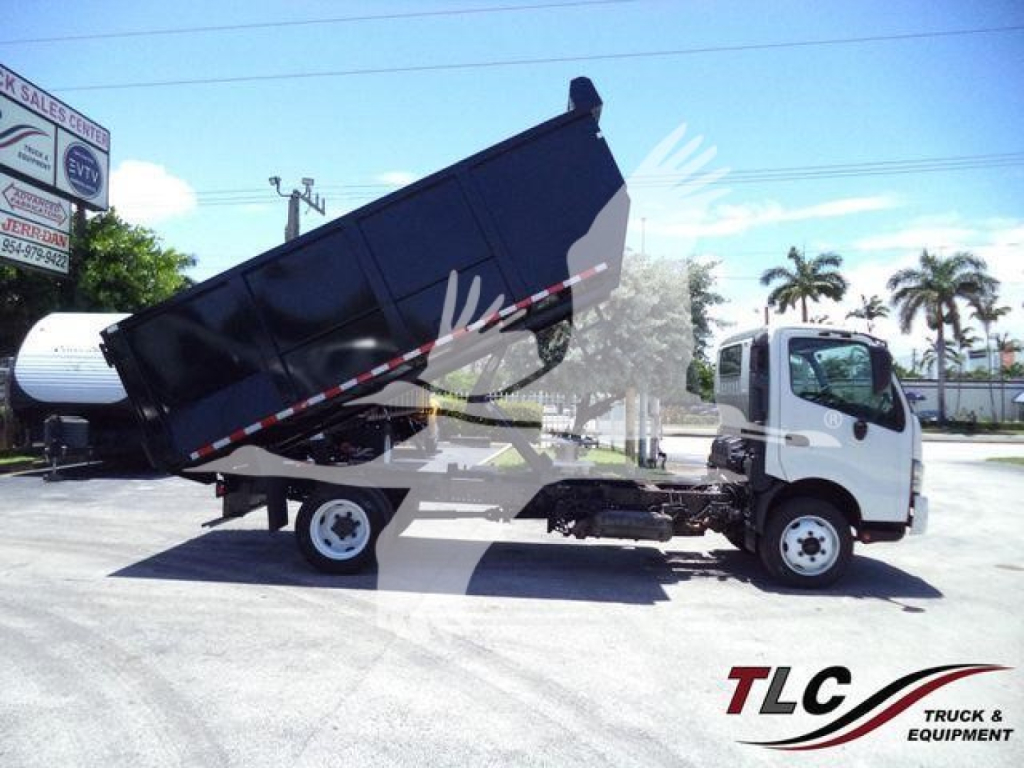
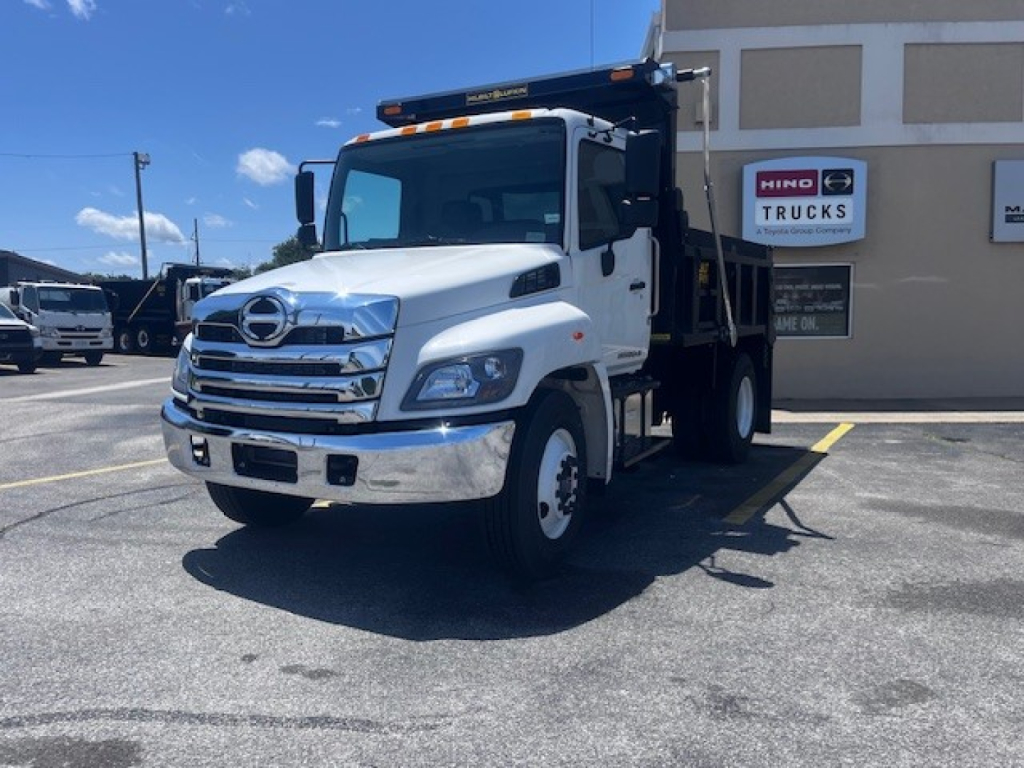
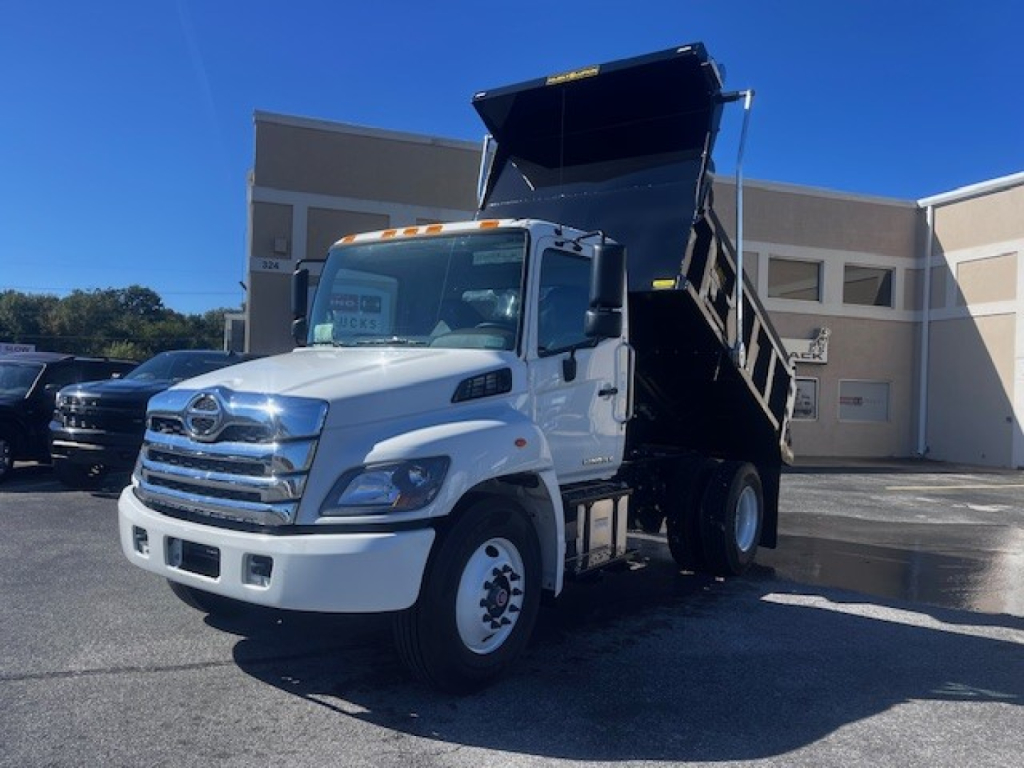
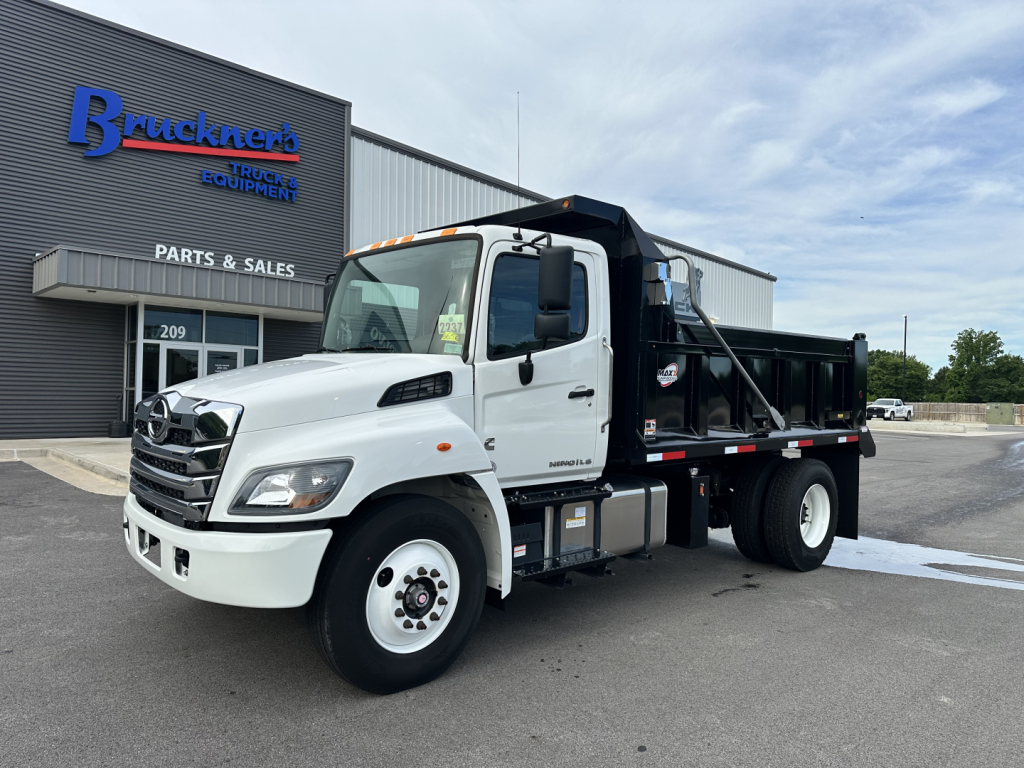
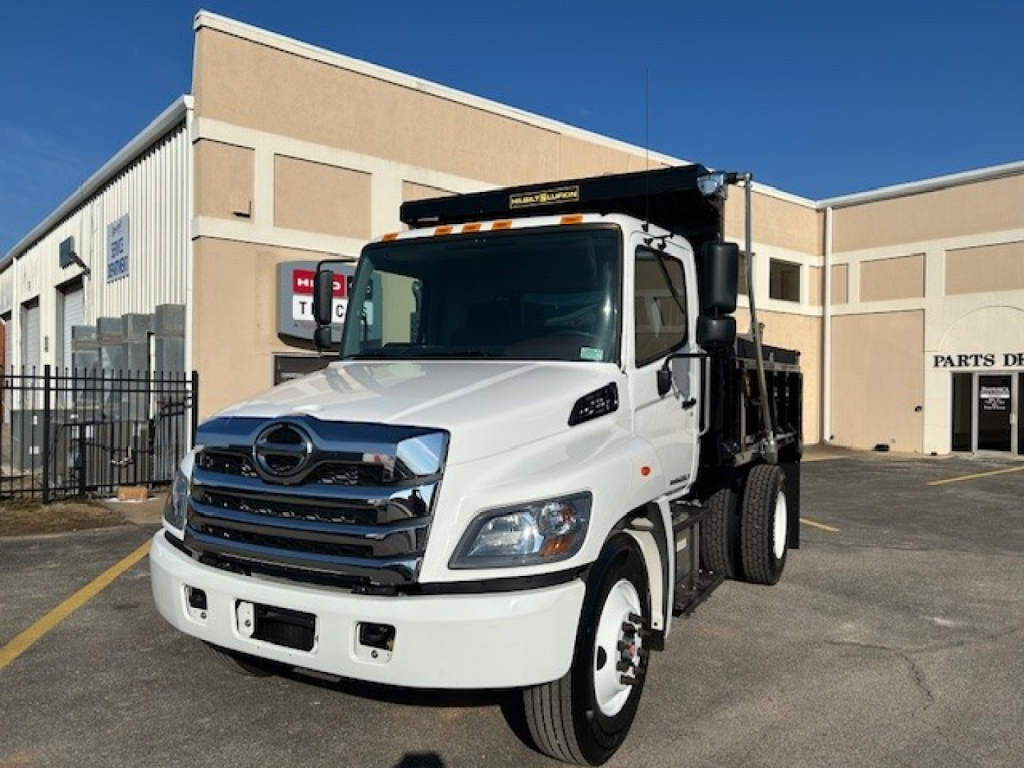
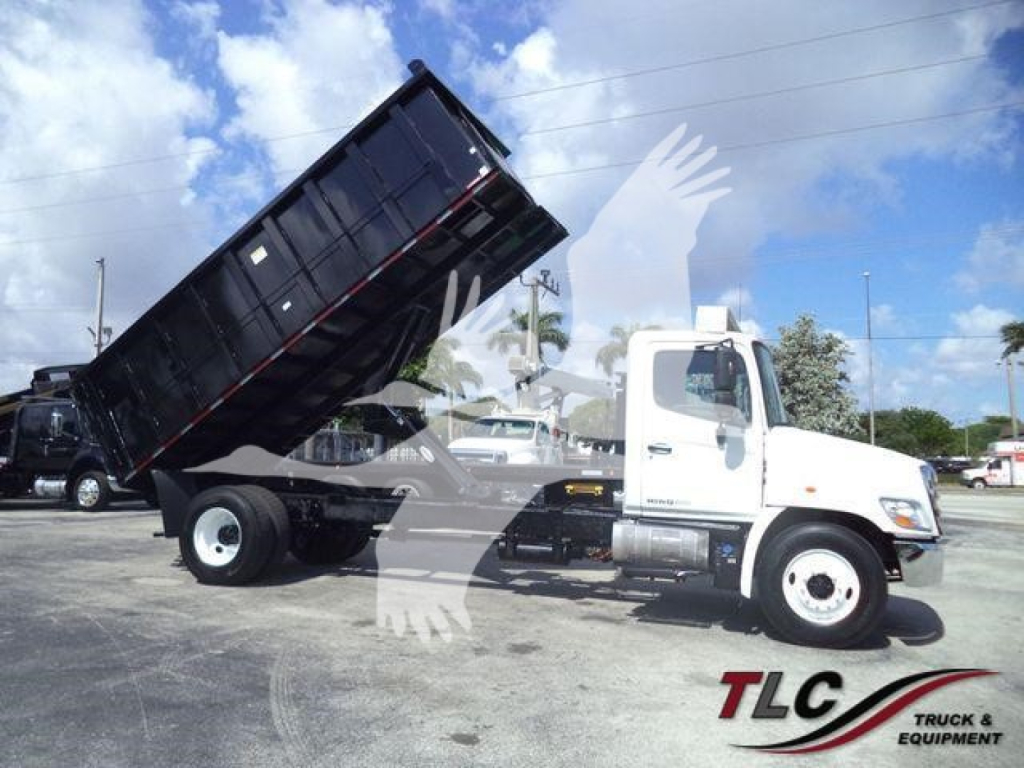
Selling a hino dump truck? List your hino dump truck for sale and reach thousands of commercial buyers.
Hino Dump Trucks
A key buying decision is CDL versus non-CDL spec. Many Hino dump trucks are ordered around a 25,950-lb GVWR to stay under the CDL threshold, which makes them attractive for landscaping crews, tree service operators, and local contractors managing multiple drivers. Higher-rated L7 configurations around 35,000-lb GVWR provide more payload and stronger component ratings, but body size, axle ratings, and local bridge-law considerations matter as much as the badge on the hood. Common body lengths run around 10 to 18 feet depending on wheelbase and intended use, with details like side height, rear door style, AR steel floors, pintle hitches, tarp systems, and hoist capacity affecting real-world productivity.
Powertrain specs in this class usually center on diesel six-cylinder engines paired with Allison automatic transmissions. Older Hino conventionals often carry Hino diesel power, while newer L-series trucks frequently use the Cummins B6.7 or ISB6.7 in the 260-hp range with Allison 2500 or 3500 RDS transmissions. That combination is well suited for stop-and-go routes, PTO operation, and drivers who rotate between crews. Buyers should pay close attention to rear axle ratio, suspension type, and wheelbase because those choices determine startability, dump-body fit, and how the truck behaves with a loaded bed or attached trailer. Spring suspension is common on this class and remains a practical choice for vocational use.
Body and upfit details deserve as much scrutiny as the chassis. A light-duty landscape dump with tall side walls and a manual or electric tarp serves a different role than a contractor dump with abrasion-resistant steel, a heavy pintle hitch, and electric trailer brakes. Check hoist brand and cylinder design, floor thickness, crossmember spacing, hinge construction, and whether the rear gate is a single-swing, barn-door, or combination tailgate. On used Hino dump trucks, look closely for frame corrosion, hoist leaks, PTO engagement quality, body cracking around hinge points, and signs of overload wear in springs, brakes, and rear tires. A well-matched Hino dump truck can be a very efficient local work truck when the GVWR, body spec, and axle setup align with the material being hauled.
Frequently Asked Questions about Hino Dump Trucks
What are Hino dump trucks commonly used for?
Hino dump trucks are commonly used for landscaping, mulch and topsoil delivery, light aggregate hauling, construction cleanup, municipal maintenance, and seasonal snow work. Their medium-duty size makes them practical in urban areas, residential neighborhoods, and tight jobsites where a larger tandem dump truck is harder to maneuver. Many are also equipped with pintle hitches so they can pull equipment or material trailers.
Can you get a Hino dump truck in a non-CDL configuration?
Yes. One of the main advantages in this category is the availability of Hino dump trucks spec'd around 25,950-lb GVWR, which keeps the truck under the standard CDL threshold in many applications. That can simplify staffing and expand the pool of eligible drivers. Buyers still need to account for body weight, payload, trailer use, and state or local regulations before assuming a specific truck will fit a non-CDL operation.
What engine and transmission setup is typical in a Hino dump truck?
Common Hino dump truck powertrains include medium-duty diesel six-cylinder engines paired with Allison automatic transmissions. Older models may use Hino diesel engines, while newer Hino L7 trucks often use the Cummins B6.7 or ISB6.7 around 260 horsepower with Allison 2500 or 3500 RDS automatics. This setup is popular because it handles stop-and-go work well, supports PTO hydraulic operation, and is easy to manage for mixed-driver fleets.
What should I inspect on a used Hino dump truck?
Focus on both the chassis and the dump body. Inspect the frame rails for rust or repairs, check spring packs and shackles for overload wear, and verify brake condition, tire wear, and PTO engagement. On the body, inspect the floor, crossmembers, hinge points, hoist, hydraulic lines, tailgate hardware, and tarp system. Uneven bed lift, oil seepage, cracked welds, or distortion near the rear hinges can indicate hard vocational use or repeated overloading.
How do I choose the right dump body size on a Hino chassis?
The right body size depends on wheelbase, axle ratings, material density, and how the truck will be used. Shorter 10-foot bodies are common on higher-GVWR contractor setups that carry heavier material, while longer 14-foot to 18-foot bodies are more often used for lighter bulk loads such as brush, mulch, or debris. Buyers should match body cubic-yard capacity to actual payload needs rather than simply choosing the largest bed that fits the chassis.