
Freightliner Conventional Sleeper Trucks For Sale
Shop Freightliner conventional sleeper trucks with Cascadia specs, DD15 power, sleeper options, fuel-saving setups, and fleet-ready features.
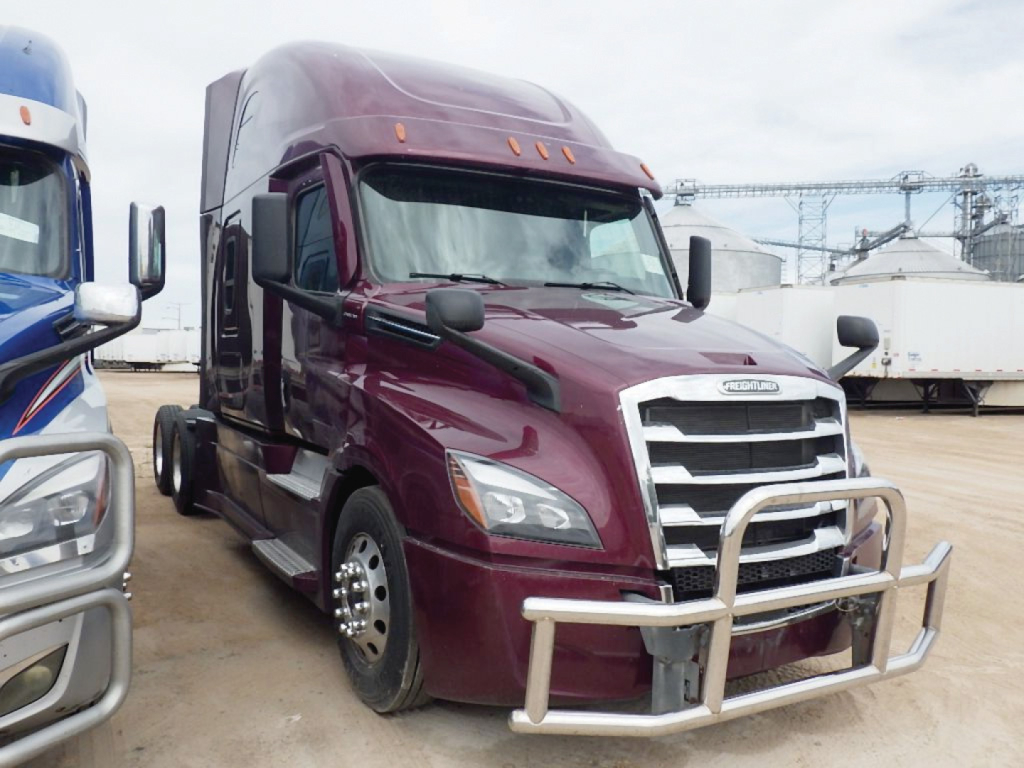
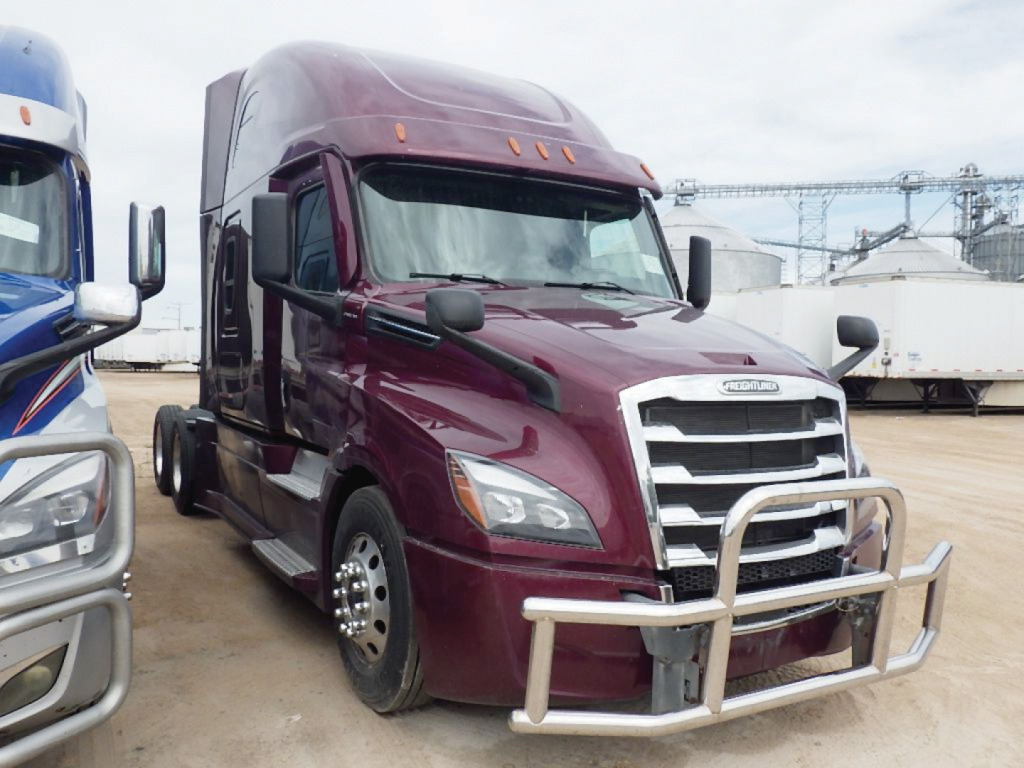
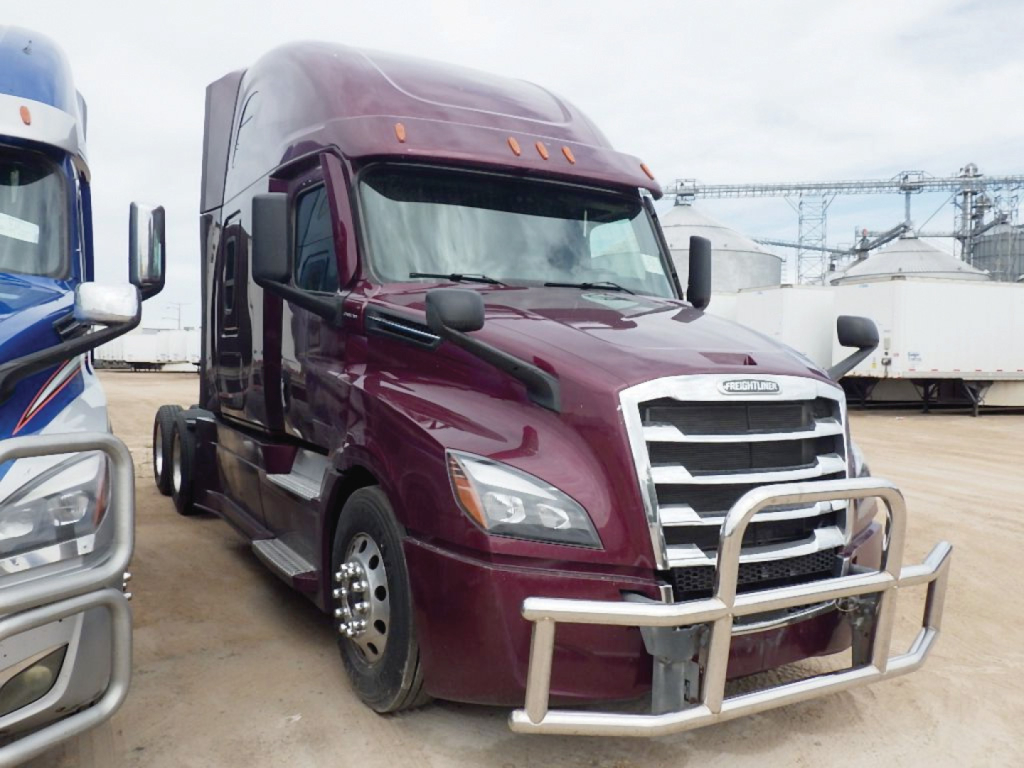
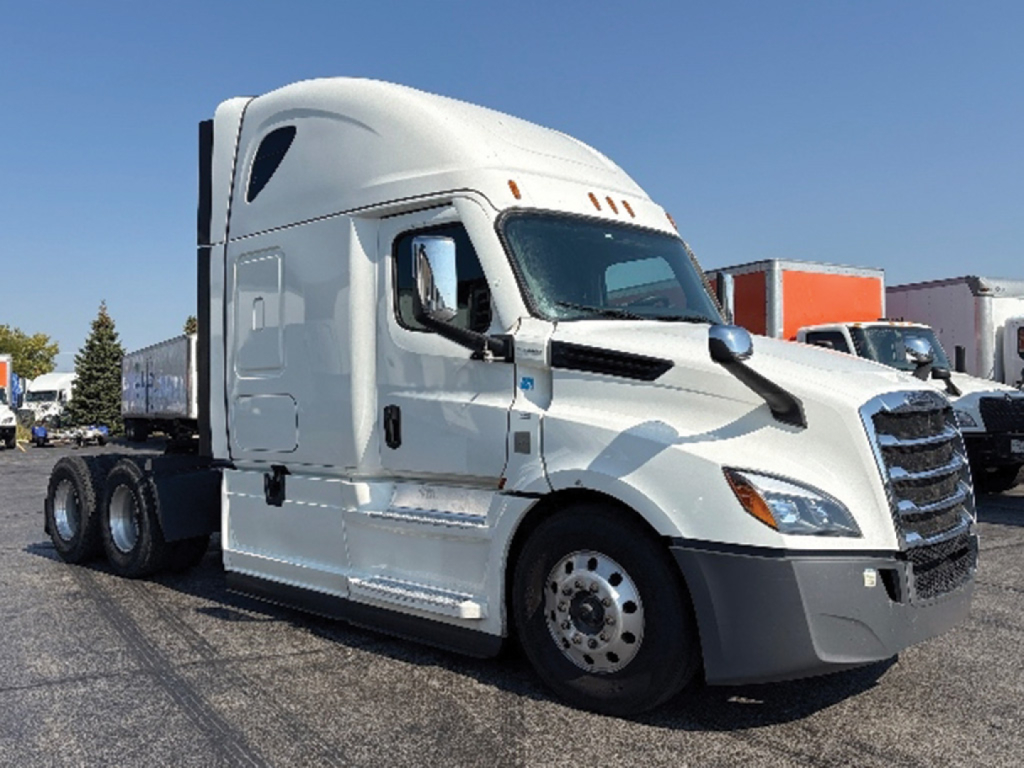
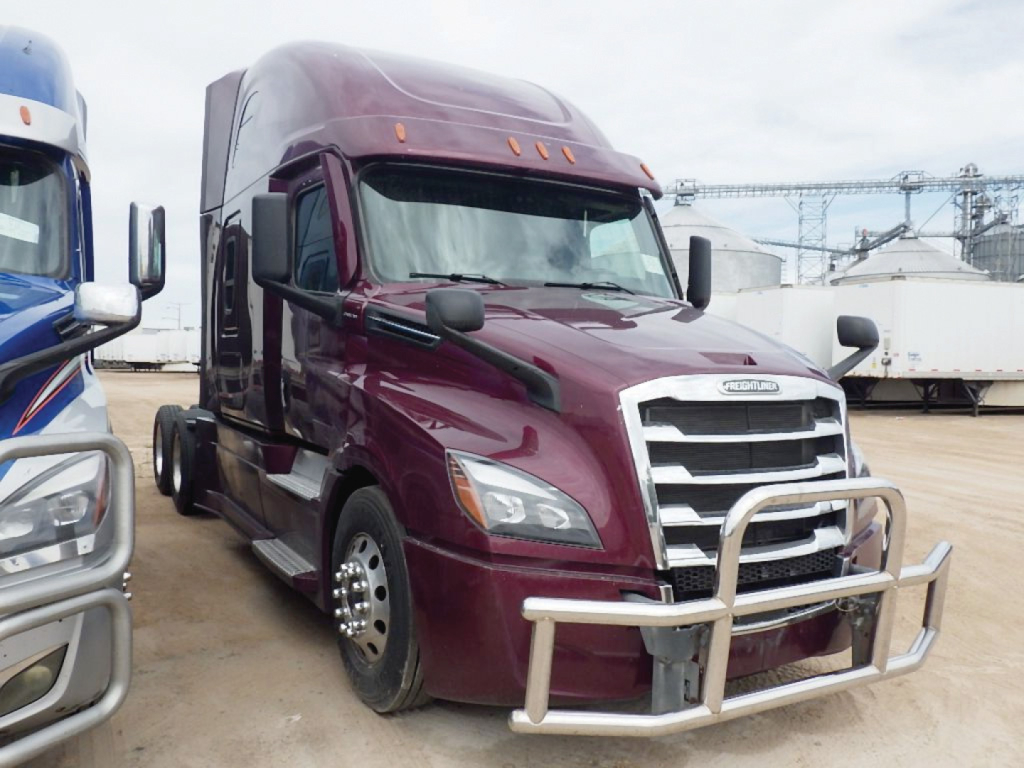
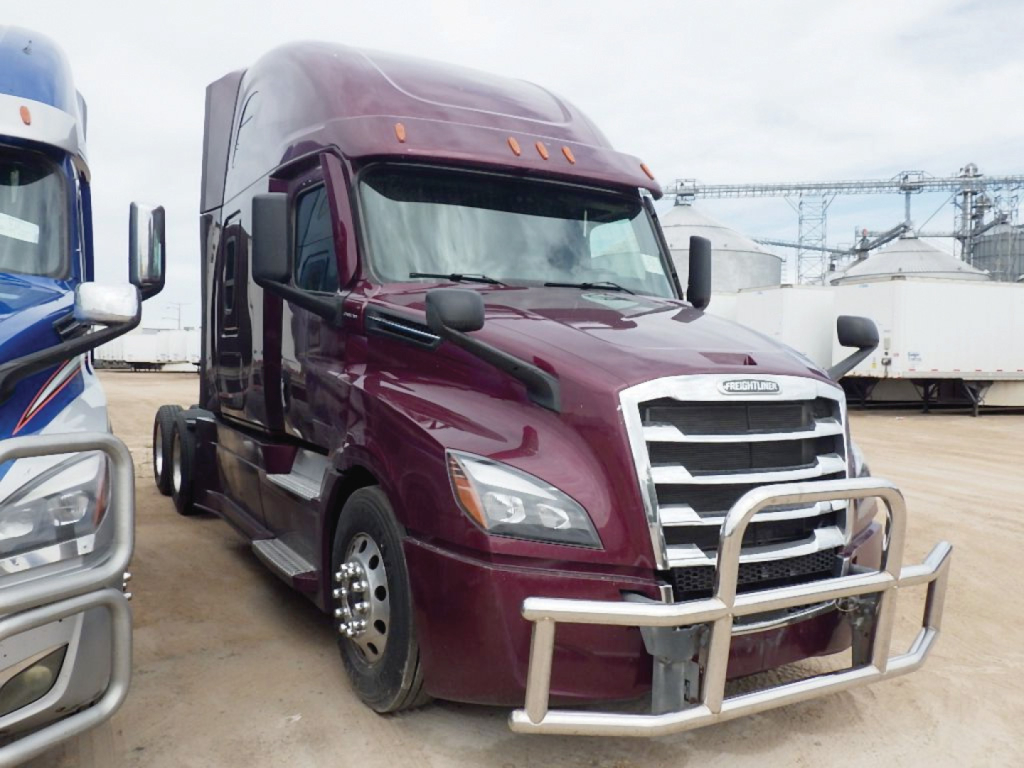
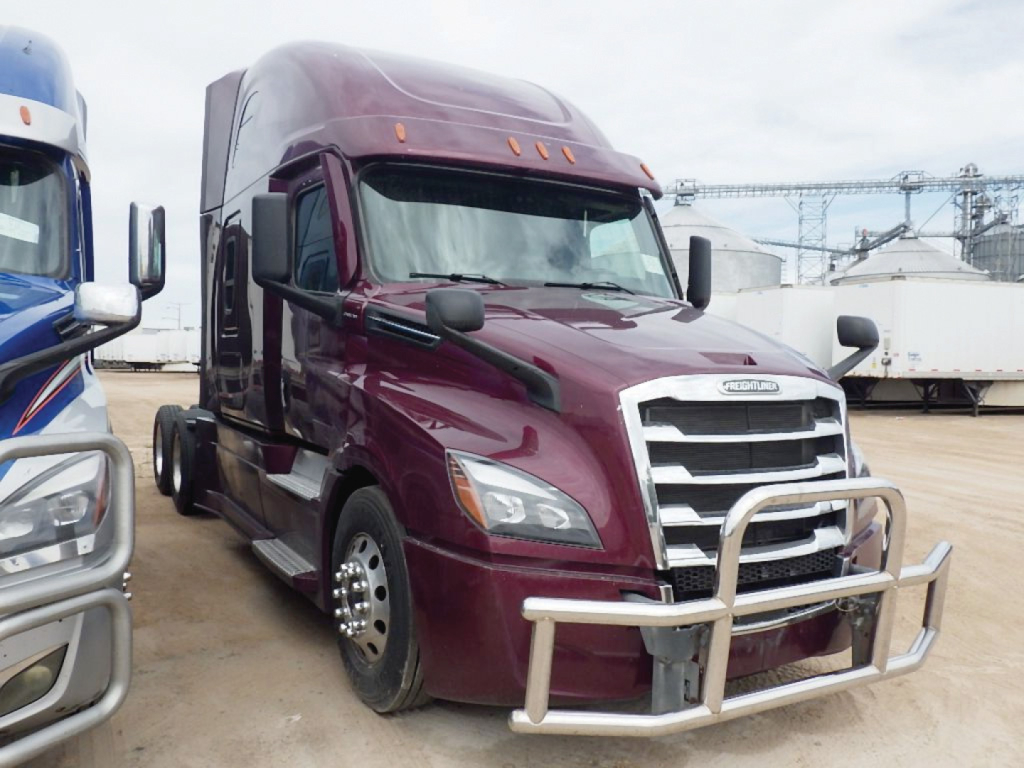
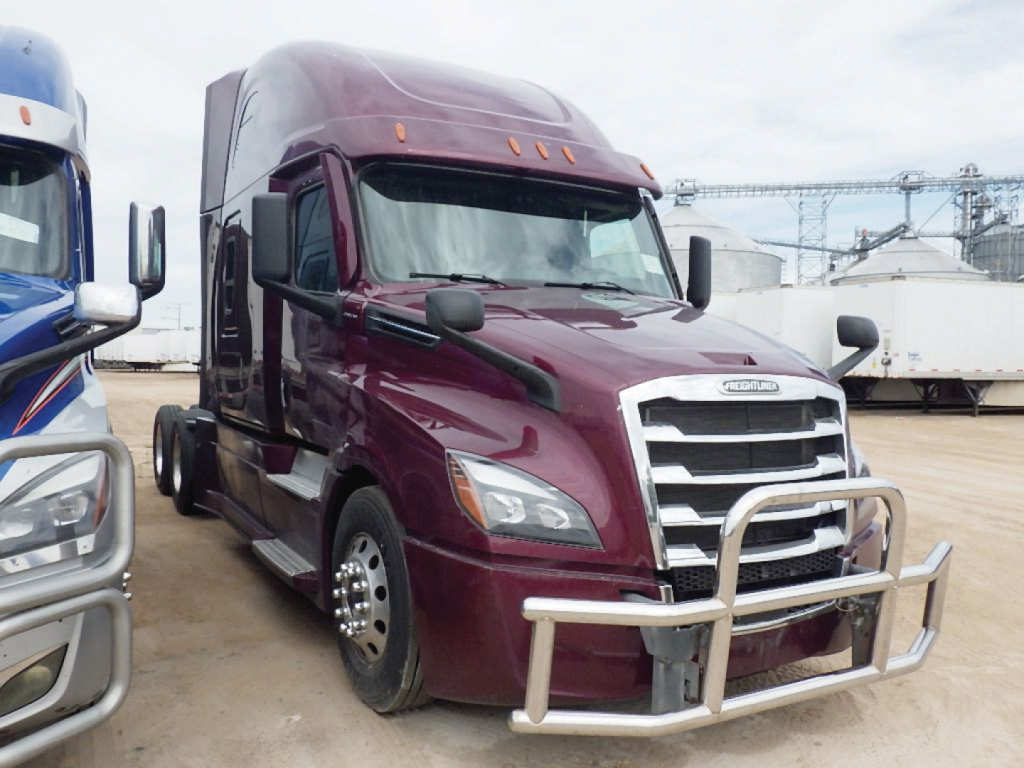
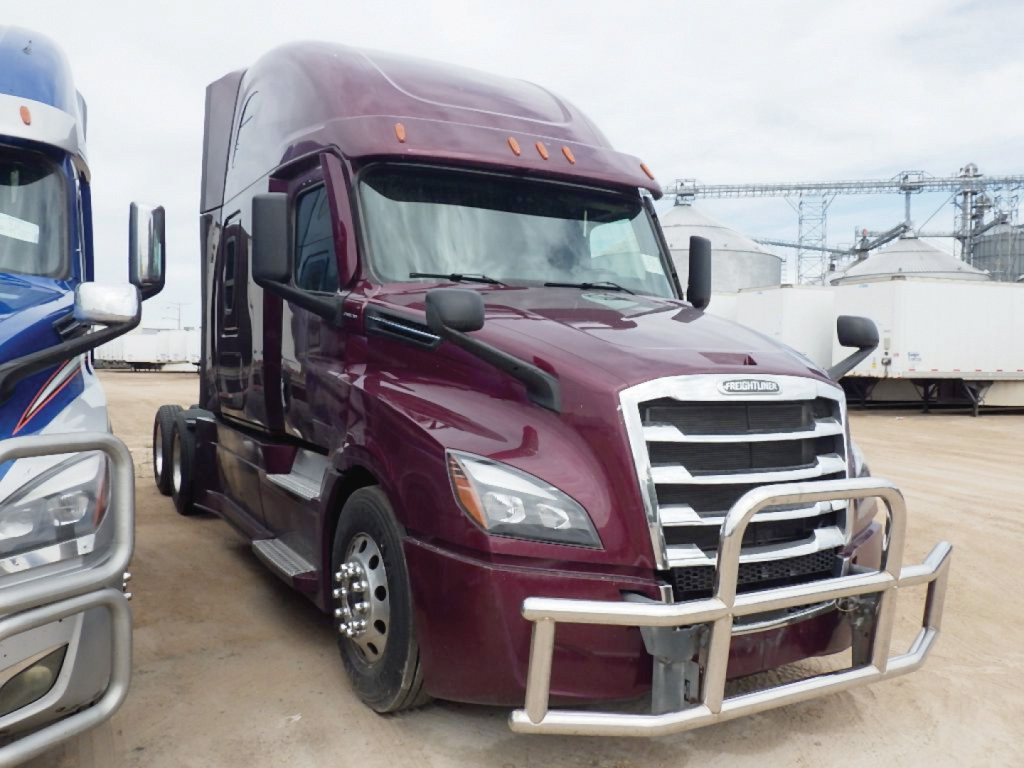
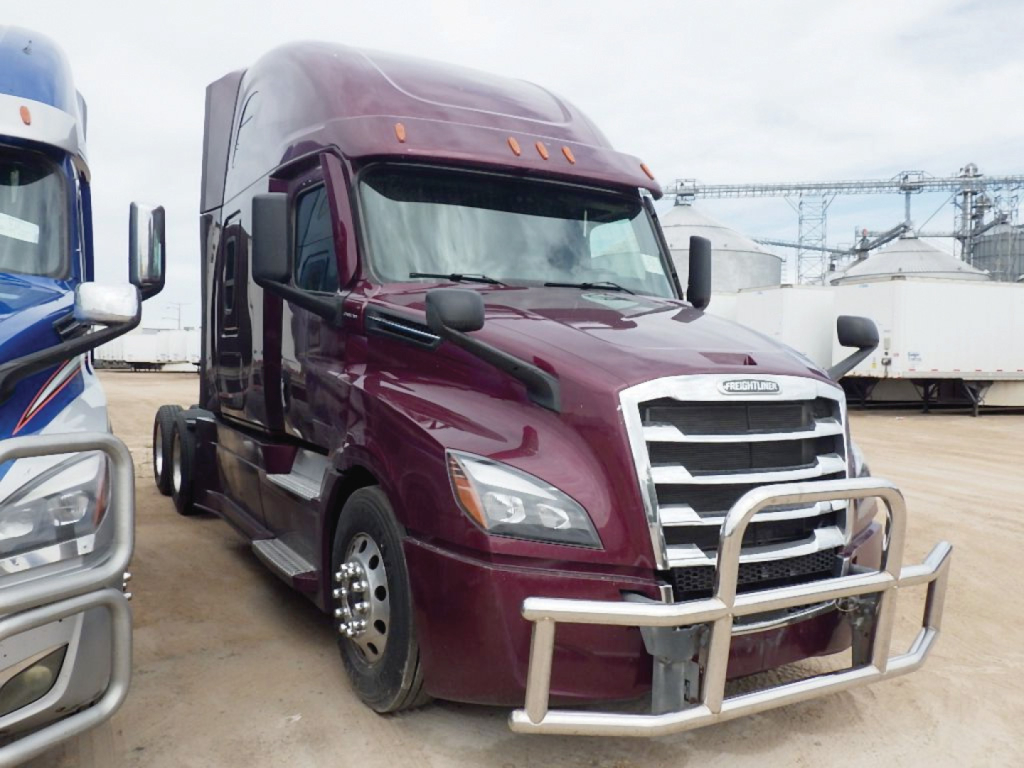
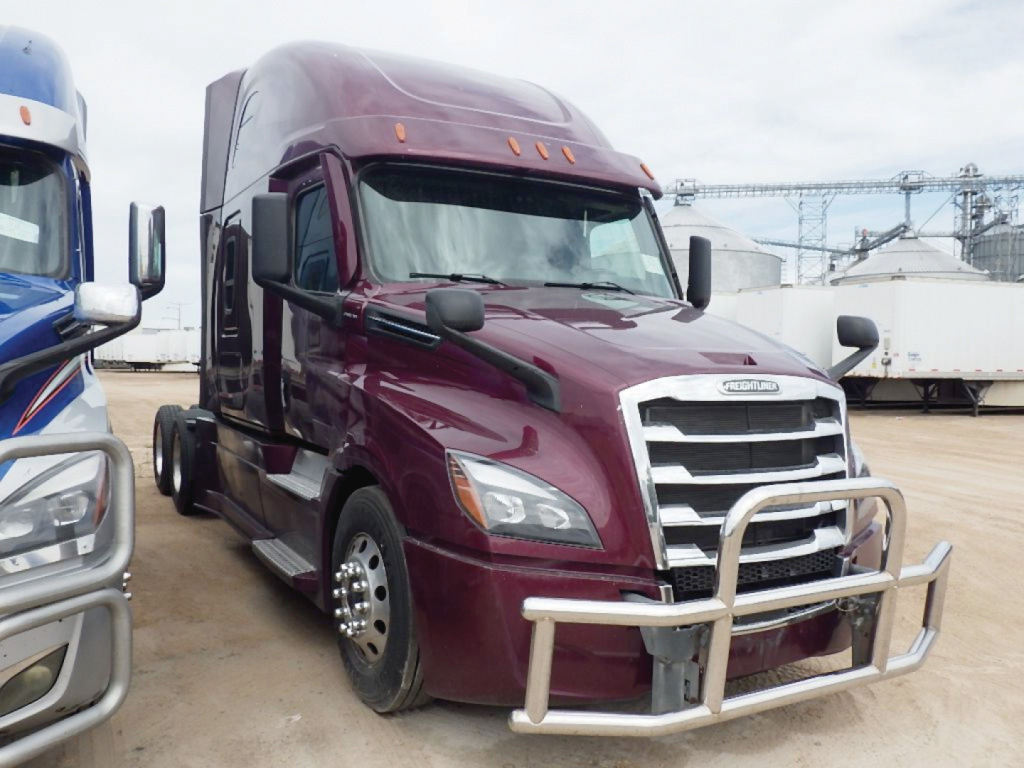
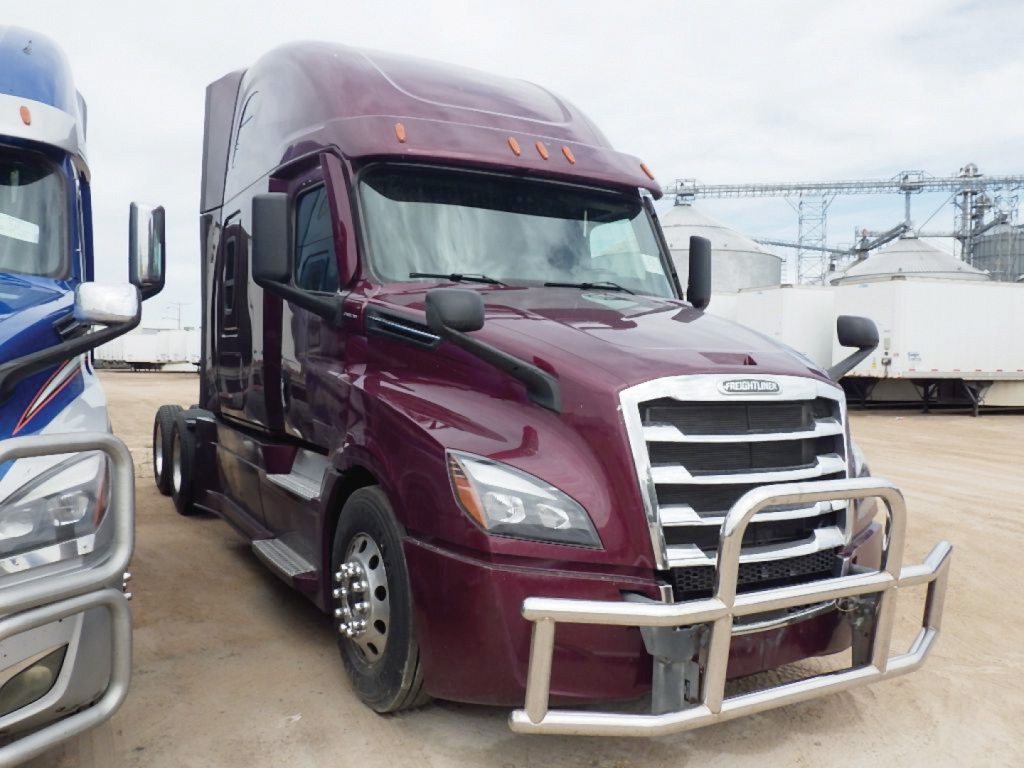
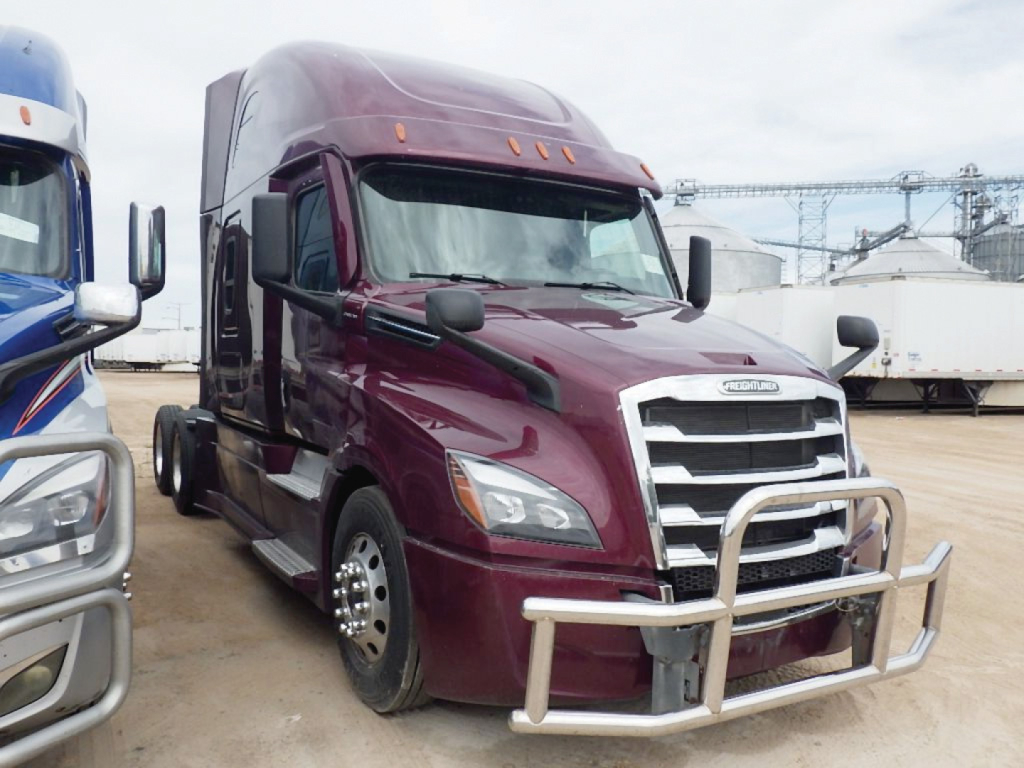
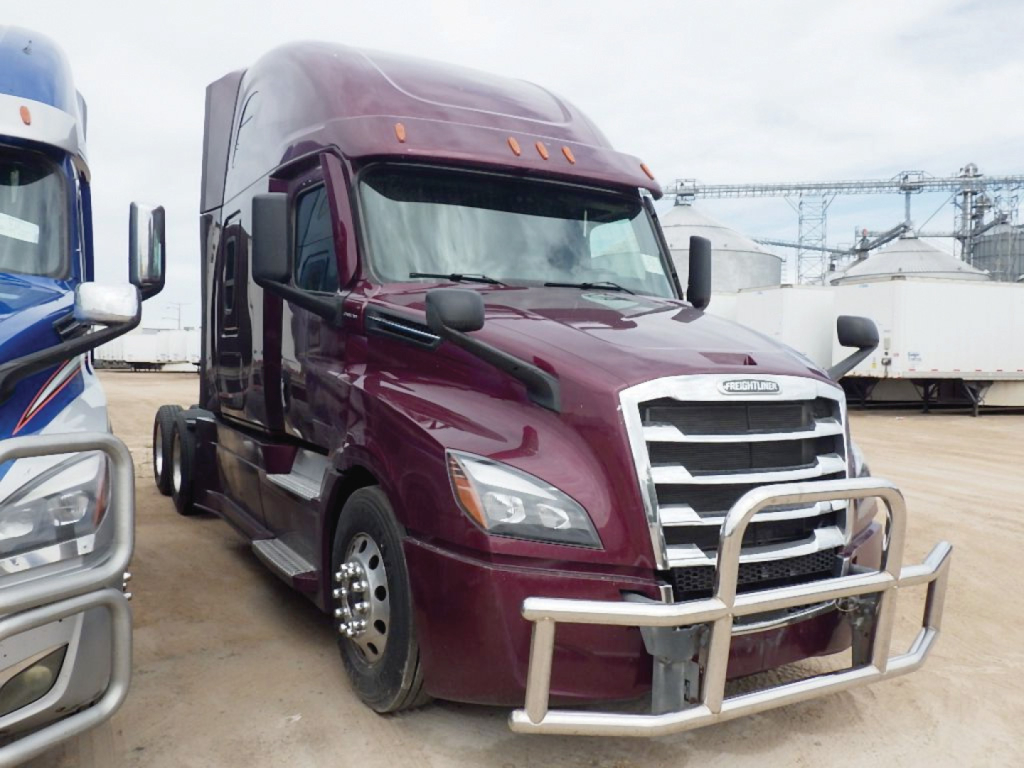
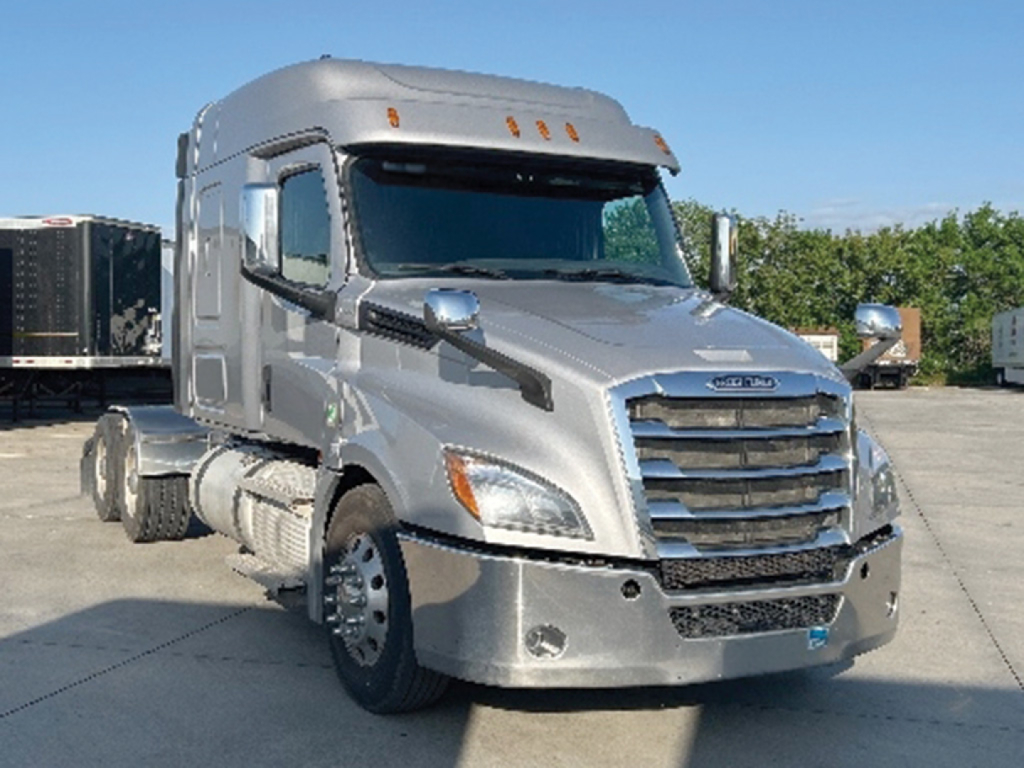
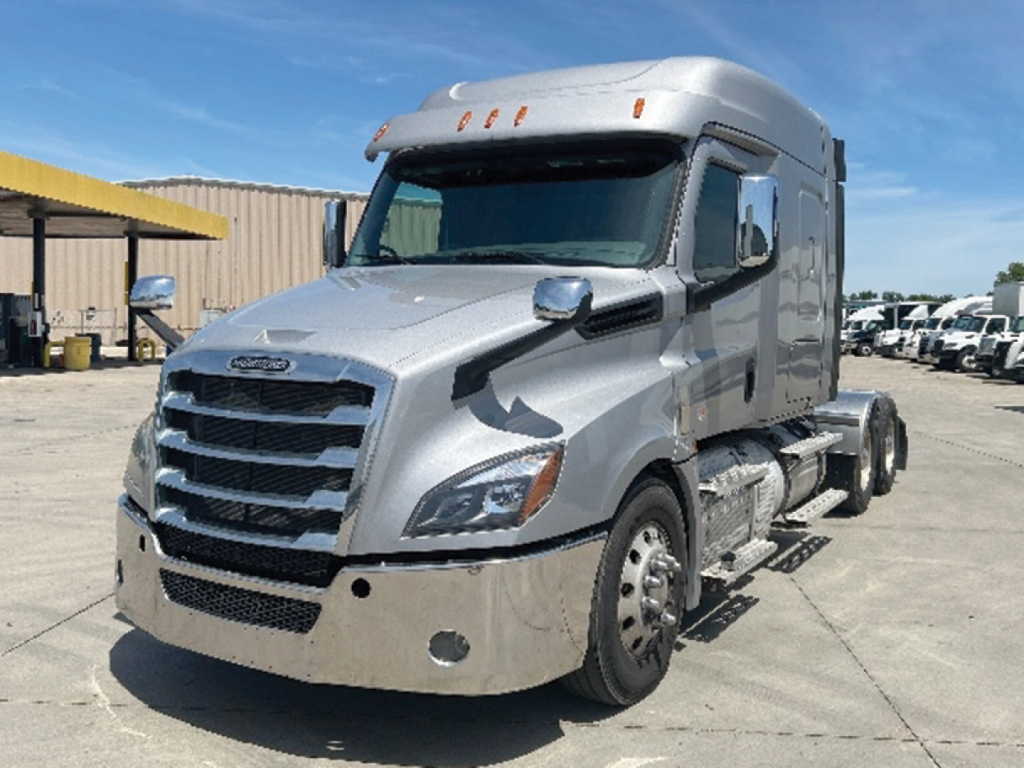
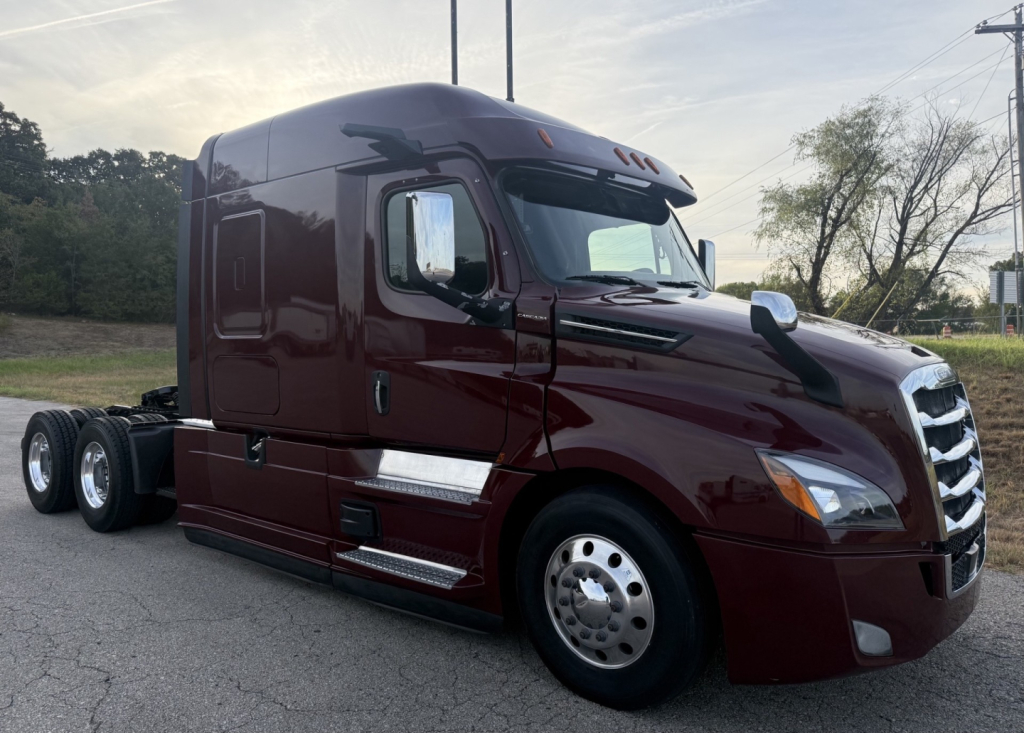
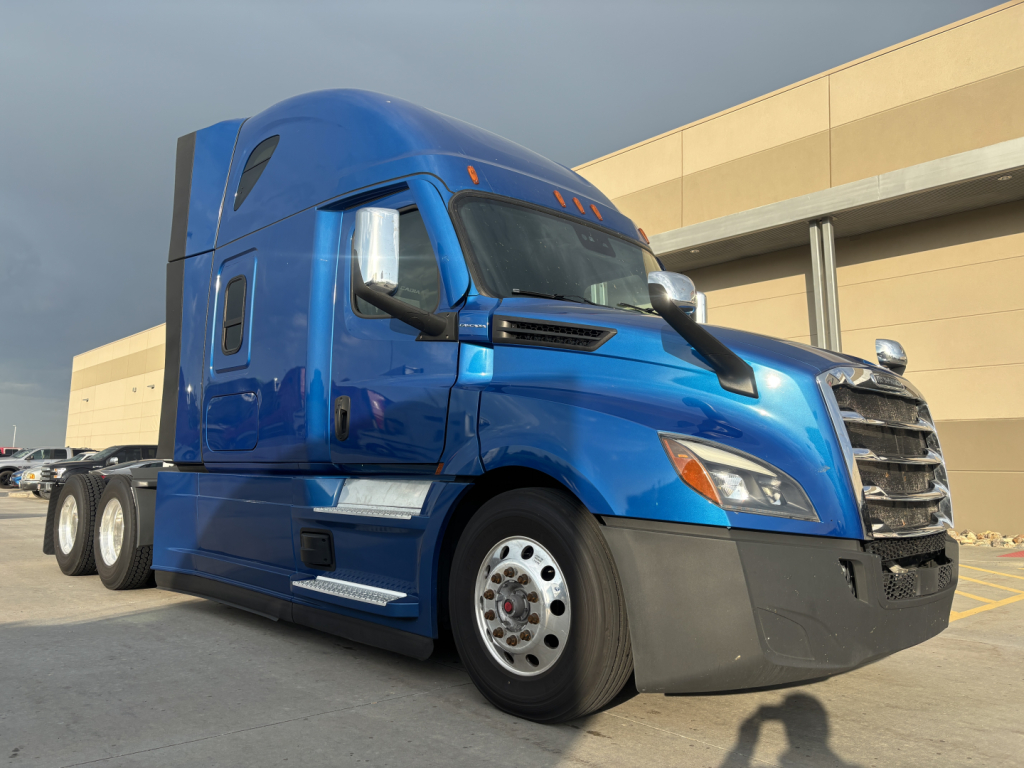
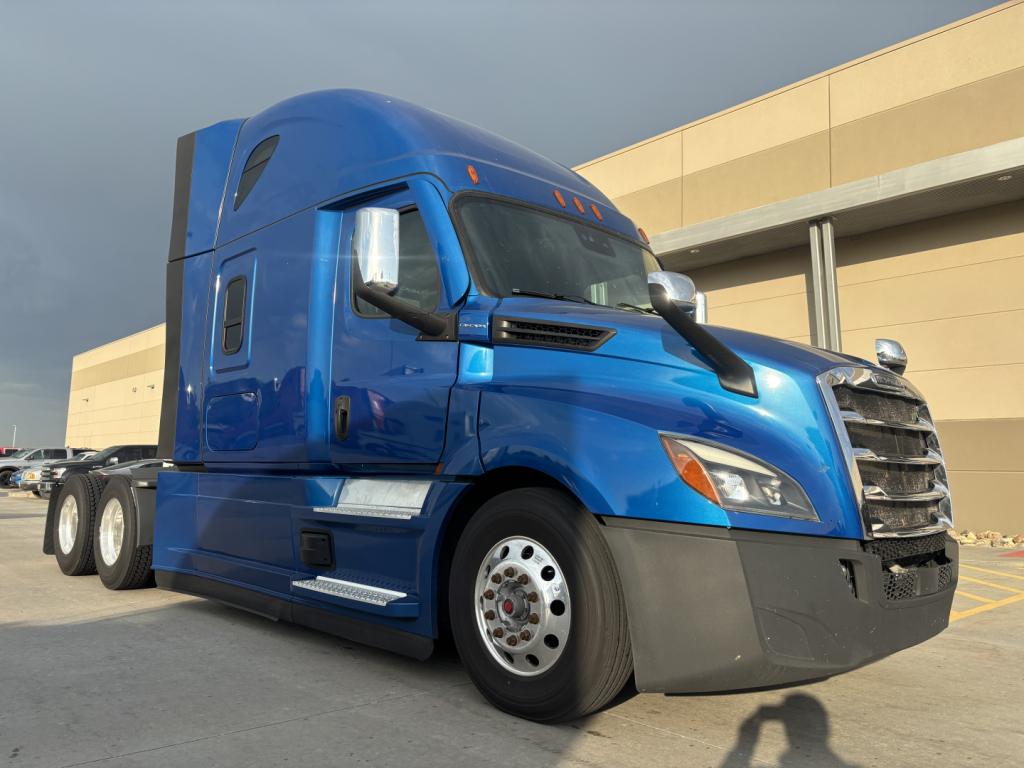
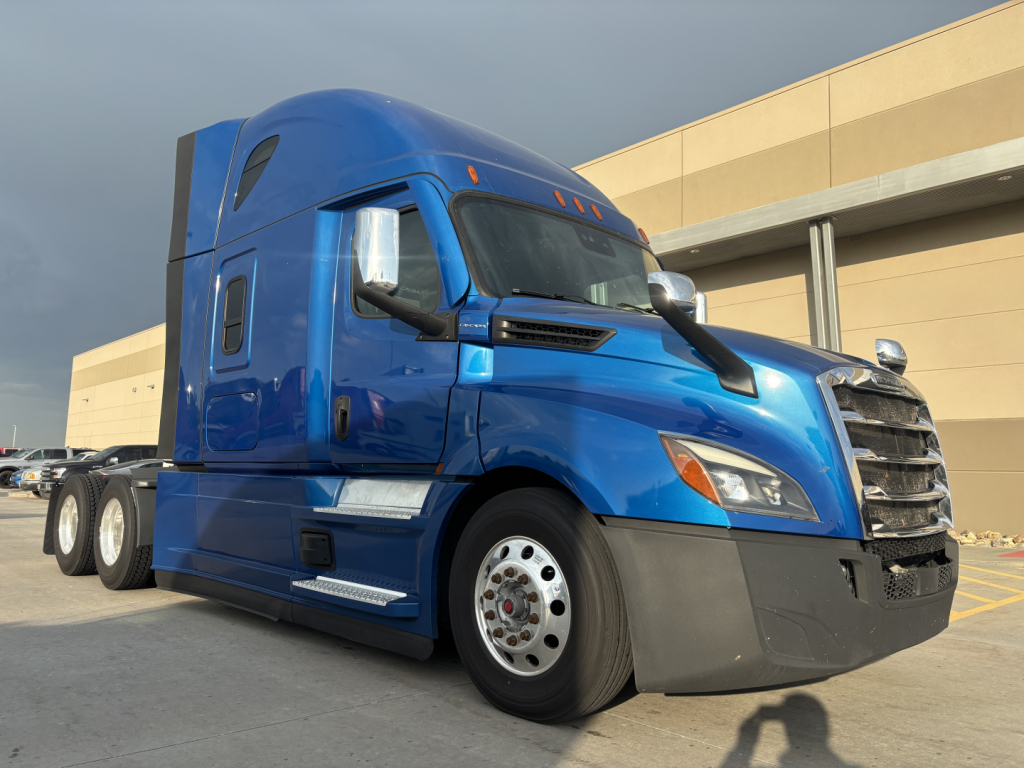
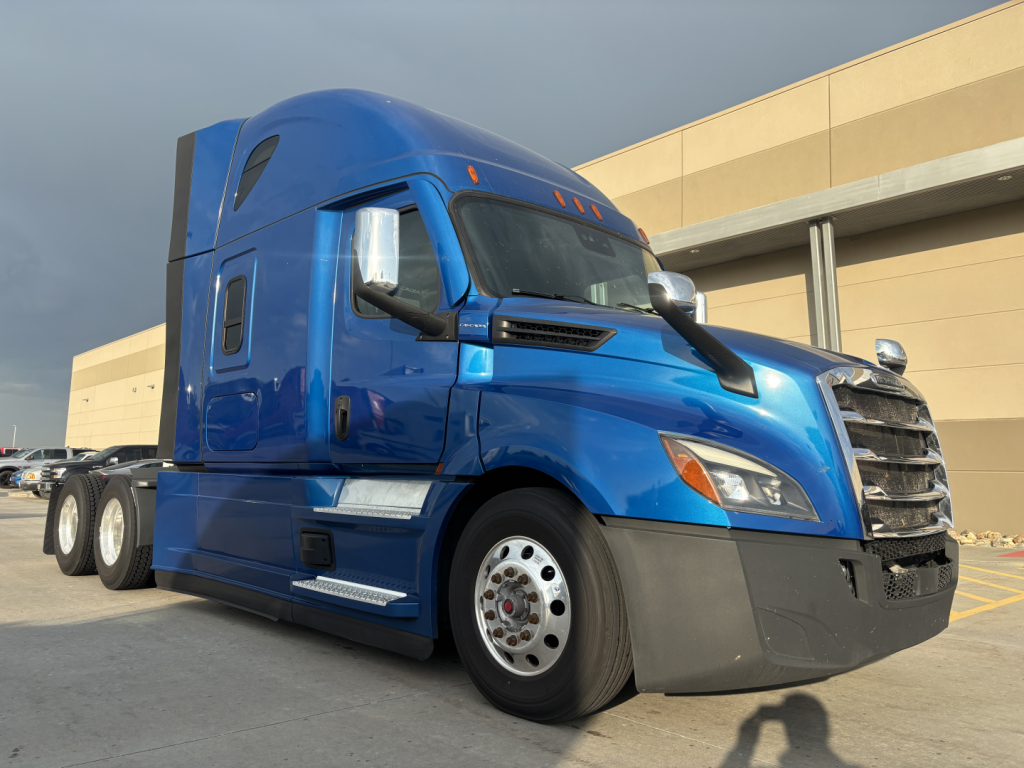
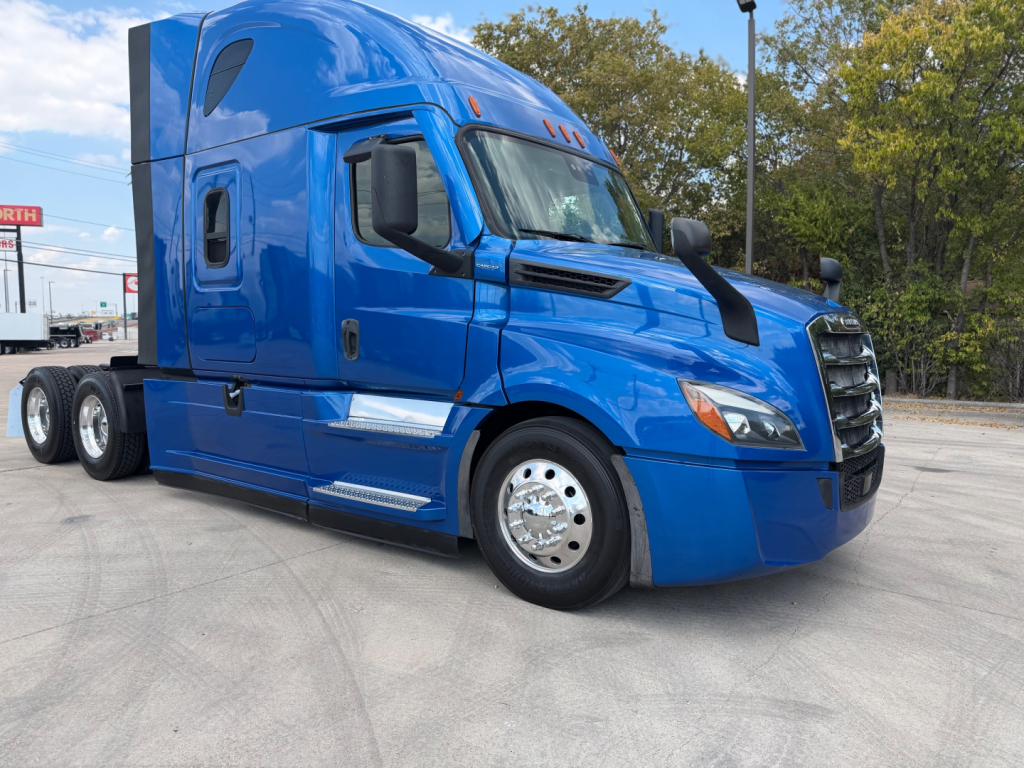
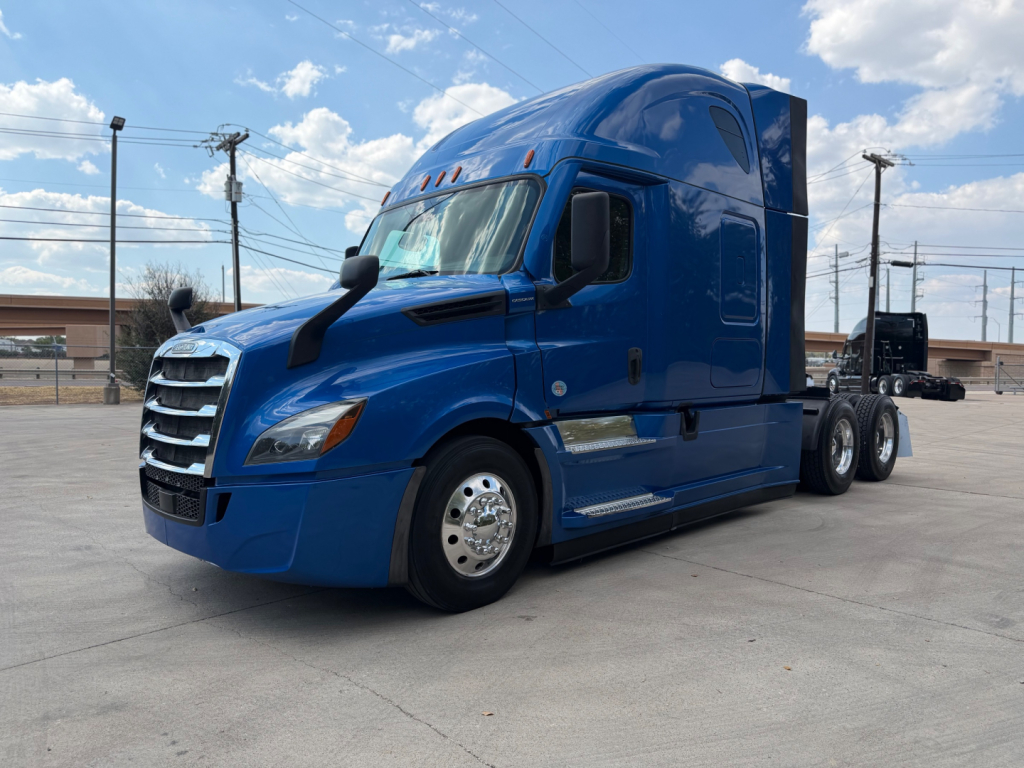
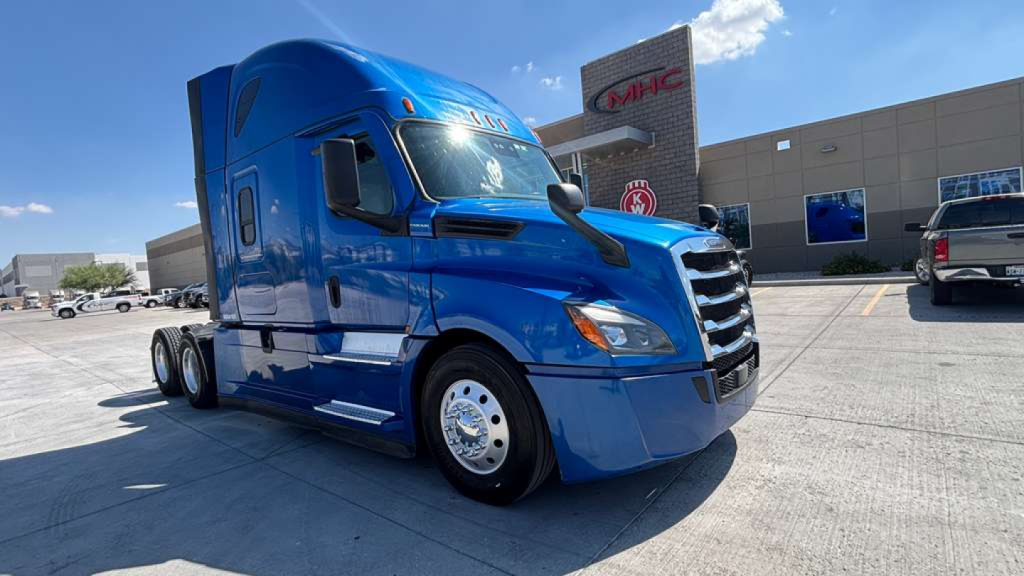
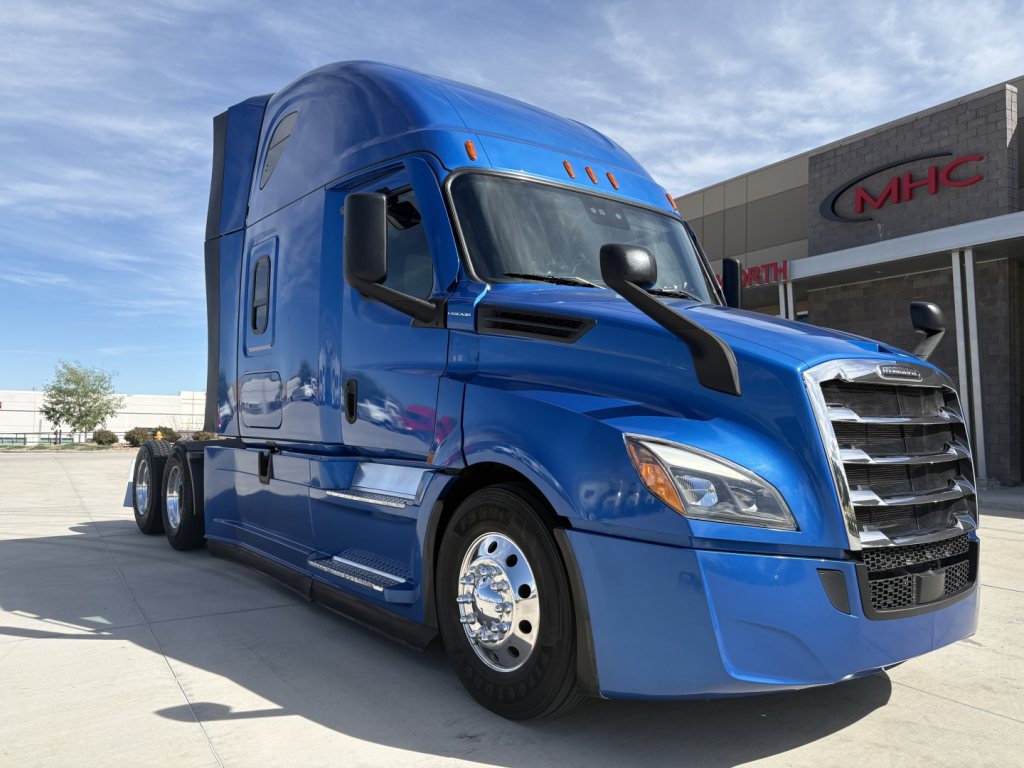
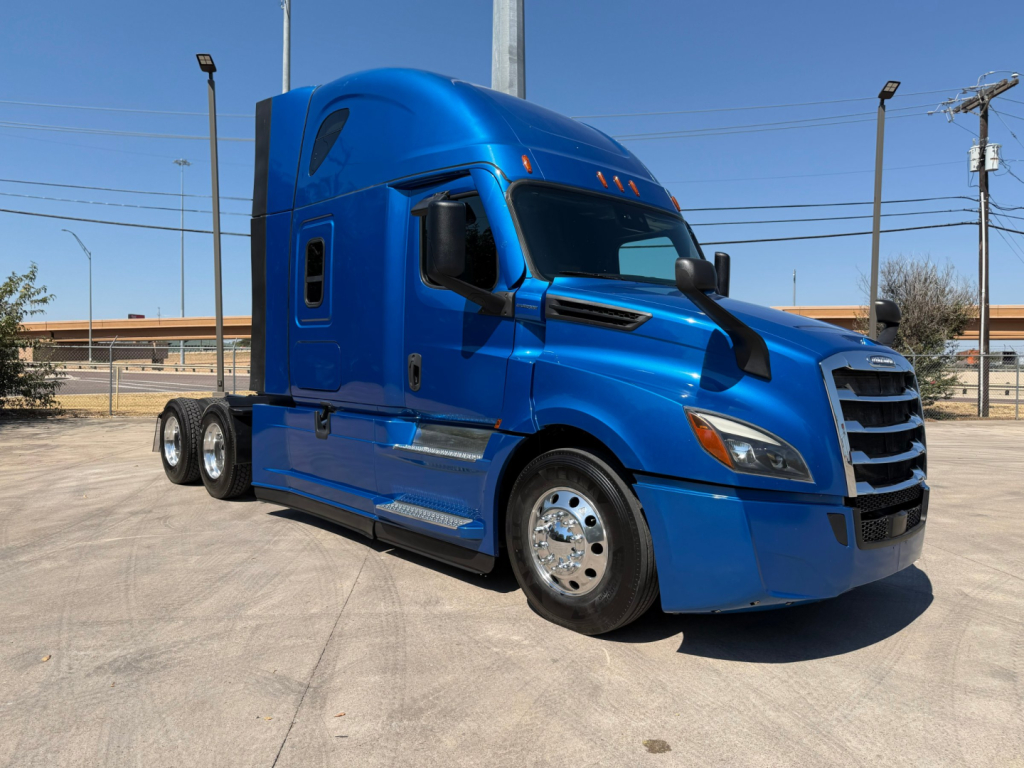
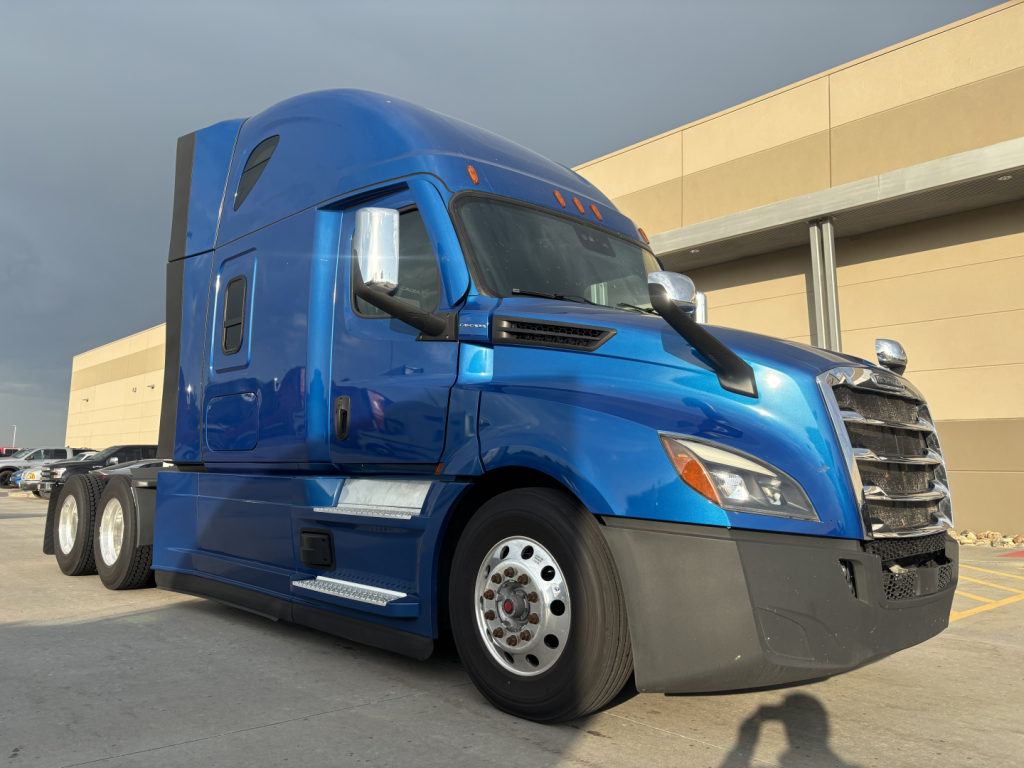
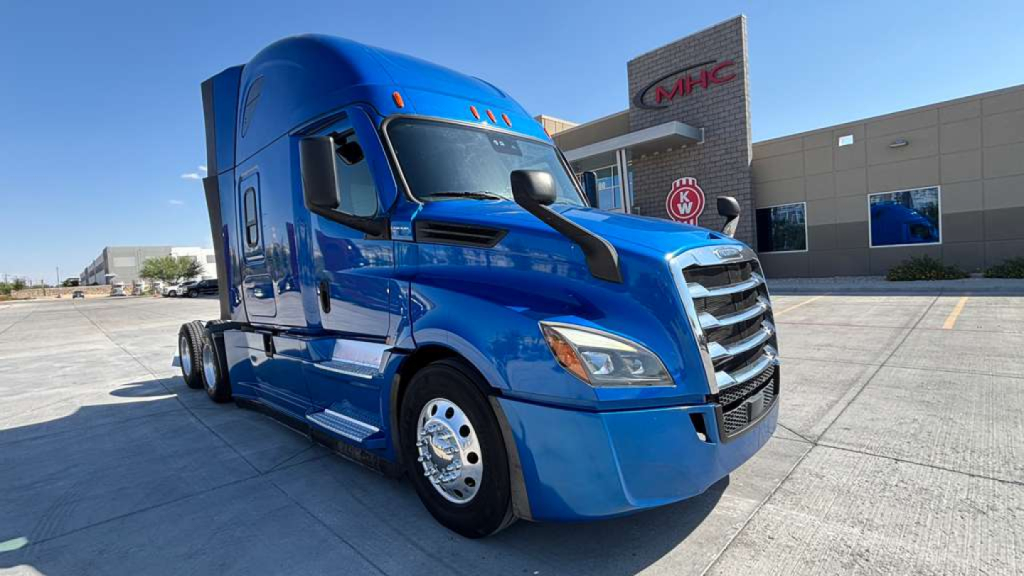
Showing 29 to 56 of 282 results
Have freightliner conventional sleeper truck to sell? List it here to reach thousands of buyers.
Freightliner Conventional Sleeper Trucks
Most Freightliner conventional sleepers in the market are spec'd with Detroit power, especially the DD15 in the 400 to 505 horsepower range. That engine is widely used in linehaul applications and is often paired with a DT12 automated manual or a 10-speed manual transmission. For buyers focused on fuel mileage, lower horsepower ratings combined with taller rear ratios such as 2.16, 2.64, or 3.08 can make sense on van freight and lighter gross weights. For heavier freight, mountain routes, or fleets that want stronger startability, a higher horsepower DD15 with a shorter ratio such as 3.36 is often the better fit. Suspension, wheelbase, and fifth wheel setup also matter. Air ride suspension, air slide fifth wheels, and wheelbases around 210 to 230 inches are common because they balance ride quality, trailer compatibility, and maneuverability.
Sleeper configuration is another major decision point. Freightliner conventional sleeper trucks are commonly found with 48-inch mid-roof, 72-inch raised roof, and double-bunk layouts. A mid-roof sleeper keeps weight and height down and can be a practical regional or shorter OTR choice. A raised roof or double-bunk setup gives more living space for team operations or extended trips. Features like bunk heaters, refrigerators, inverters, optimized idle systems, and APUs can reduce idling and improve driver retention. Aerodynamic spec choices such as roof fairings, cab extenders, and side fairings also affect fuel burn, especially at highway speed.
Late-model Freightliner sleepers also tend to bring strong safety and driver-assist content into the buying decision. Collision mitigation, adaptive cruise control, lane departure warning, disc brakes, and steering wheel controls are common on newer Cascadia units. These features can help with insurance considerations, driver acceptance, and highway fatigue. When comparing listings, pay close attention to mileage, remaining engine and aftertreatment coverage, transmission warranty status, tire size, fuel capacity, and any signs of a fleet maintenance history. A well-spec'd Freightliner conventional sleeper can serve as a dependable owner-operator truck or a scalable fleet tractor, especially when the drivetrain and sleeper setup match the freight lane it is expected to run.
Frequently Asked Questions about Freightliner Conventional Sleeper Trucks
What engine is most common in Freightliner conventional sleeper trucks?
The Detroit DD15 is the most common engine in late-model Freightliner conventional sleeper trucks, especially in Cascadia tractors. It is widely used in over-the-road applications because it offers a broad horsepower range, strong parts support, and familiarity at dealerships and independent repair shops. Most buyers will see DD15 ratings from about 400 to 505 horsepower, with the right choice depending on average gross weight, terrain, and fuel economy goals.
What sleeper size should I choose in a Freightliner conventional sleeper?
The right sleeper size depends on route length, driver needs, and payload priorities. A 48-inch mid-roof sleeper is often a good fit for regional work, slip-seat operations, or shorter over-the-road runs where compact dimensions matter. A 72-inch raised roof or double-bunk layout is usually better for extended trips, team driving, and drivers who need more storage and living space. Interior features such as a bunk heater, fridge, inverter, and optimized idle system can be just as important as sleeper length.
Is a DT12 automated transmission a good choice in a Freightliner sleeper truck?
For many buyers, yes. The DT12 automated manual is common in Freightliner sleeper trucks because it simplifies driver training, supports fuel-efficient shifting, and reduces clutch wear compared with a traditional manual in many applications. It is especially popular in fleet and long-haul service. Buyers should still review service records, calibration history, and how the transmission was matched to rear axle ratio and engine horsepower.
What rear axle ratio works best for a Freightliner Cascadia sleeper?
The best rear axle ratio depends on speed, terrain, and freight weight. Taller ratios such as 2.16, 2.64, or 3.08 are typically chosen for highway fuel economy and lighter to moderate linehaul work. Shorter ratios such as 3.36 can improve pulling power and startability for heavier loads or hill country. The ratio should always be evaluated with the transmission type, tire size, and expected cruise speed because those factors determine engine rpm and overall drivability.
What should I inspect first on a used Freightliner conventional sleeper truck?
Start with the engine and aftertreatment history, transmission operation, and any remaining warranty coverage. Then review mileage, idle hours, tire condition, brake type, suspension wear, and signs of consistent fleet maintenance. On sleeper-equipped trucks, it is also smart to inspect the bunk HVAC, heater, inverter, refrigerator, seals, and storage condition. A clean service record and a drivetrain spec that matches the intended lane usually matter more than cosmetic upgrades.