
2012 Freightliner Conventional Sleeper Trucks For Sale
Shop 2012 Freightliner conventional sleeper trucks with specs, cab options, engine insights, and buying tips for long-haul operations.
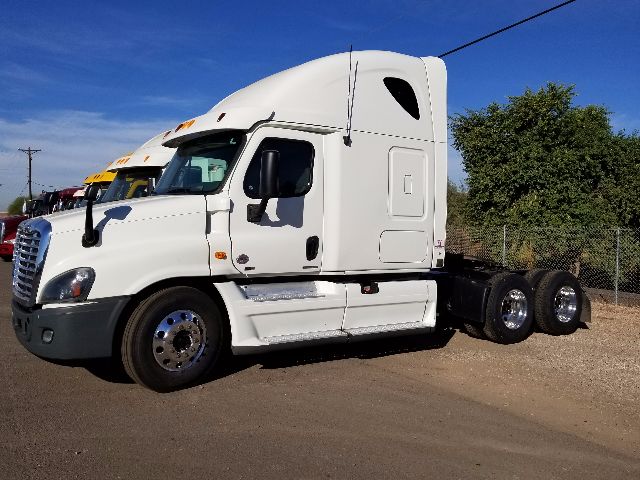
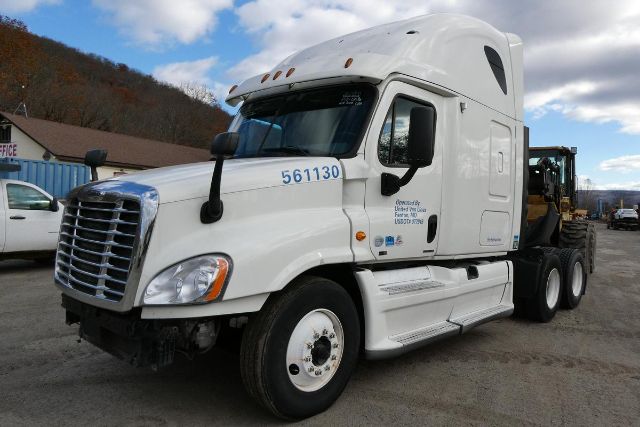
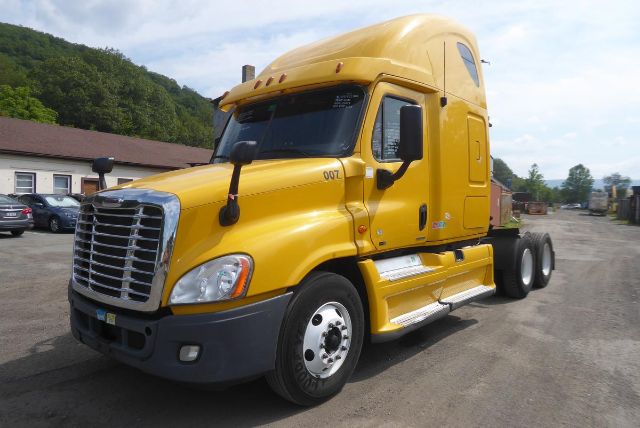
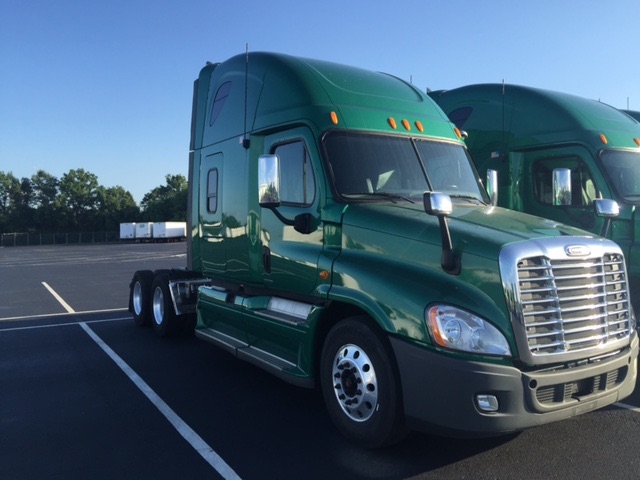
Selling a 2012 freightliner conventional sleeper truck? List your 2012 freightliner conventional sleeper truck for sale and reach thousands of commercial buyers.
2012 Freightliner Conventional Sleeper Trucks
The key buying decision on a 2012 conventional sleeper is how the truck was spec'd for its first life. A lighter highway spec may have a mid-roof or raised-roof sleeper, 6x4 tandem drive axles, and an emphasis on fuel economy with taller gearing. Heavier or more versatile specs may include higher horsepower, locking differentials, full fairings, sliding fifth wheel, and a wheelbase tailored to trailer type and kingpin settings. Many trucks from this era were ordered with 10-speed, 13-speed, or automated manual transmissions, so buyers should match the drivetrain to route profile, driver preference, and maintenance capability. Suspension type, front axle rating, and fuel capacity also affect how well the truck fits over-the-road work.
On a 2012 model, emissions system condition deserves close attention. This was the SCR era, so DEF system health, DPF service history, and fault-code history can tell you a lot about expected downtime risk. A strong used sleeper should be evaluated for aftertreatment maintenance records, injector performance, coolant condition, clutch wear if manual, and signs of excessive idle time. Inside the cab, sleeper size, upper bunk configuration, cabinet layout, inverter setup, and APU or bunk heater installation all affect driver comfort and retention. Freightliner sleepers from this period are also known for straightforward dash layout and good visibility, which still matters for team operations and high-mileage solo runs.
For buyers comparing multiple 2012 Freightliner sleeper trucks, the smartest approach is to look beyond mileage alone. Engine hours, maintenance consistency, frame condition, rust exposure, tire wear pattern, brake life, and prior fleet versus owner-operator use often tell the real story. A well-maintained 2012 Freightliner conventional sleeper can still be a productive road tractor for dry van, refrigerated freight, general freight, and dedicated lanes, especially when the drivetrain spec matches the load and terrain.
Frequently Asked Questions about 2012 Freightliner Conventional Sleeper Trucks
What engine is most common in a 2012 Freightliner conventional sleeper truck?
The Detroit DD15 is one of the most common engines found in 2012 Freightliner conventional sleeper trucks, especially in Cascadia highway tractors. Some trucks from this year may also have a Detroit DD13 or a Cummins engine depending on original fleet spec. The best choice depends on horsepower rating, torque, service history, and how the truck will be used, not just engine brand alone.
Is a 2012 Freightliner sleeper truck good for over-the-road use?
Yes, a 2012 Freightliner conventional sleeper can still be a solid over-the-road truck if it has been maintained correctly and spec'd for highway work. Raised-roof sleepers, aerodynamic fairings, larger fuel capacity, and fuel-efficient rear axle ratios are common features that support long-haul use. Buyers should verify emissions system condition, cab comfort features, and drivetrain match for the intended freight and terrain.
What should I inspect first on a 2012 Freightliner sleeper?
Start with the engine and aftertreatment system. On a 2012 truck, DEF components, DPF service records, SCR faults, coolant condition, and any active or stored fault codes are critical. After that, inspect transmission operation, axle ratios, suspension wear, frame condition, tire wear, brake life, and signs of high idle hours or poor preventive maintenance.
What sleeper sizes are common on 2012 Freightliner conventional trucks?
Common configurations include mid-roof and raised-roof sleepers, often in the 48-inch to 72-inch range depending on the original order. The sleeper layout affects storage, bunk space, standing room, and driver comfort on extended runs. Buyers looking at team service or longer dispatch cycles usually place more value on raised-roof cabs, upper bunks, and added cabinet or appliance options.
Does mileage matter more than engine hours on a 2012 sleeper truck?
Mileage matters, but engine hours can be just as important on a used sleeper truck. A lower-mile truck with very high idle time may show more wear in emissions components and engine systems than a higher-mile truck that spent most of its life moving on the highway. The strongest buying decision comes from looking at mileage, hours, maintenance records, and overall condition together.