
Freightliner Conventional Sleeper Trucks For Sale in Washington
Browse Freightliner conventional sleeper trucks for long-haul and regional work, with specs, sleeper options, drivetrain details, and buyer guidance.
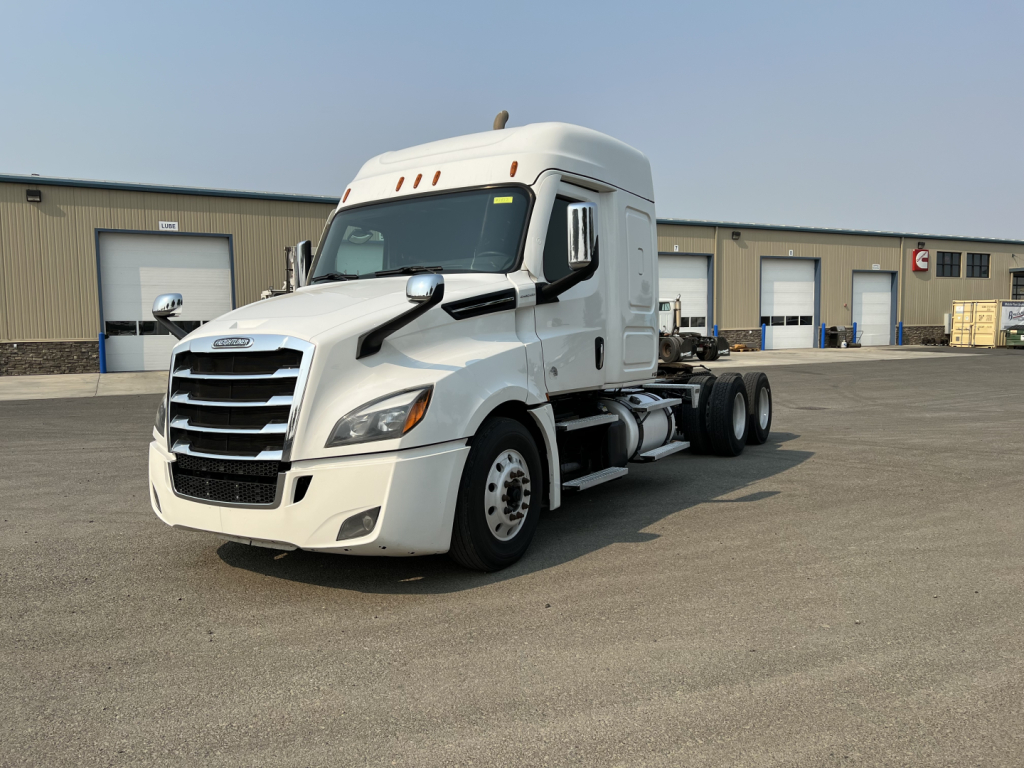
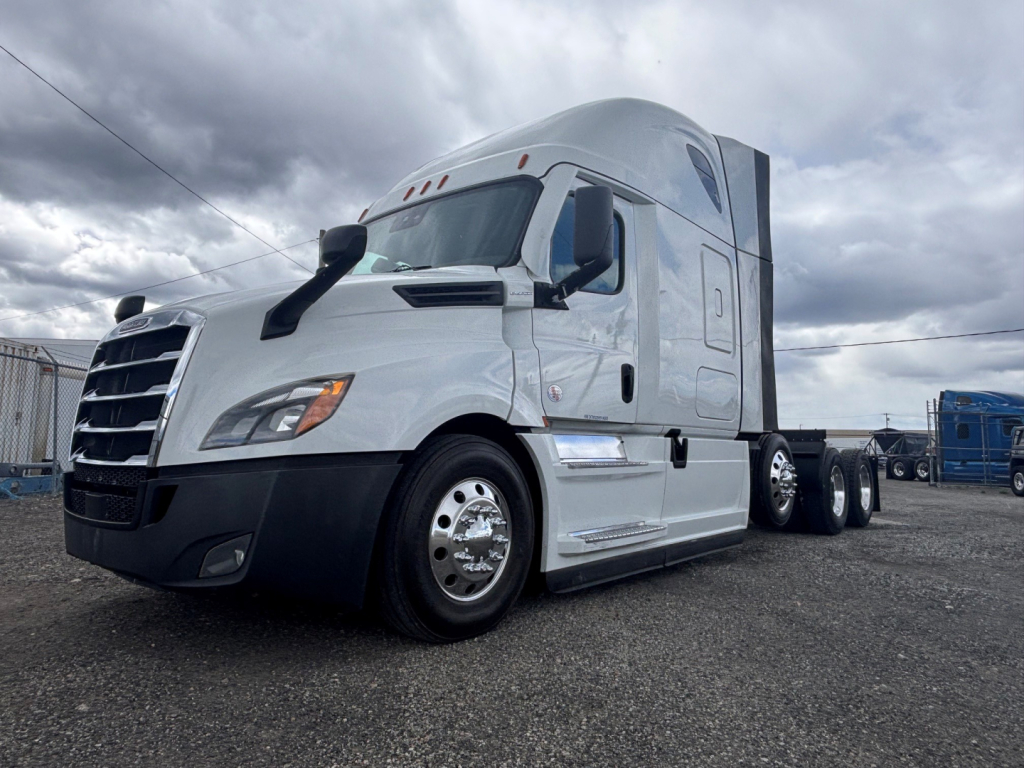
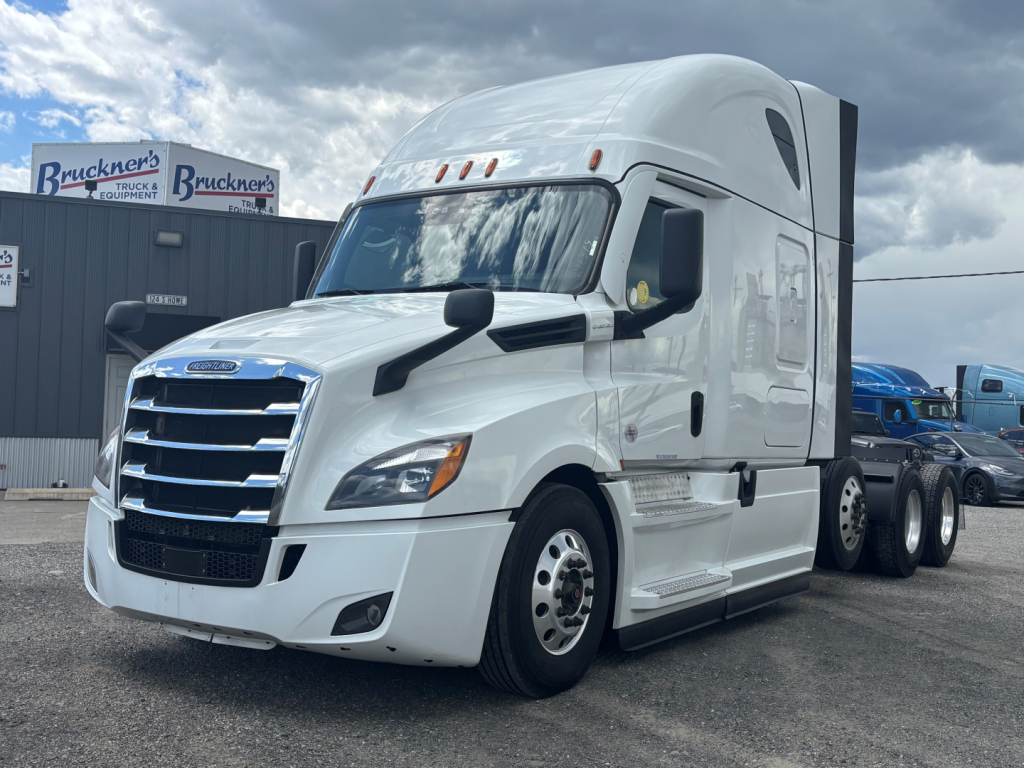
Selling a freightliner conventional sleeper truck? List your freightliner conventional sleeper truck for sale and reach thousands of commercial buyers.
Freightliner Conventional Sleeper Trucks in Washington
The spec sheet deserves a close read. Common Freightliner sleeper setups include Detroit DD13, DD15, or DD16 engines paired with Detroit DT12 automated manual transmissions, though manual and other transmission combinations can still be found. Typical axle arrangements are 6x4, with wheelbases, fifth wheel positions, and rear axle ratios set up around the intended freight and terrain. In Washington, buyers often pay extra attention to mountain-grade performance, cooling system condition, and drivetrain gearing because routes through the Cascades can expose weak specs quickly. Gross combination weight rating, front axle capacity, suspension type, and fairing condition all affect how well the truck fits heavy van, reefer, or general freight work.
The sleeper itself should be matched to the operation. Mid-roof and raised-roof cabs can offer very different storage, standing room, and bunk layouts. For solo operators, a smaller sleeper may keep weight down and improve maneuverability. For teams or extended-haul lanes, larger sleepers with cabinet space, upper bunks, inverter prep, and auxiliary HVAC become more important. Buyers should also look at interior wear, idle management systems, and the condition of the bunk seals, HVAC controls, and electrical accessories. On newer Freightliner conventional sleepers, safety and driver-assist features may include collision mitigation, lane departure warning, adaptive cruise, and telematics integration, all of which can affect insurance, uptime, and driver acceptance.
A good Freightliner sleeper truck is not just about engine horsepower. It is about matching the cab, bunk, wheelbase, suspension, and powertrain to the freight you actually haul. For dry van and reefer fleets, aerodynamic package condition, fairings, and fuel tank capacity are practical ownership factors. For buyers comparing multiple used units, service history, emissions system maintenance, tire wear patterns, and aftertreatment condition usually tell more than the odometer alone. Freightliner remains popular partly because parts availability, dealer support, and technician familiarity are strong in most major freight corridors, which makes this category especially relevant for buyers who need a sleeper tractor that can stay productive across Washington and beyond.
Frequently Asked Questions about Freightliner Conventional Sleeper Trucks in Washington
What is the main advantage of a Freightliner conventional sleeper truck over a day cab?
The main advantage is built-in overnight capability. A conventional sleeper truck includes a bunk area behind the seats, which allows drivers to stay on the road longer without relying on hotels and makes the truck better suited for long-haul, team, and multi-day regional runs. The sleeper also adds storage, room for personal gear, and in many cases space for idle management and driver comfort features that are not available in a day cab.
What engine and transmission combinations are common in Freightliner sleeper trucks?
Many Freightliner conventional sleepers are spec'd with Detroit powertrains, especially DD13 and DD15 engines matched to a DT12 automated manual transmission. Some heavier or specialized applications may use a DD16, while certain used units may have manual transmissions or alternative specs depending on original fleet requirements. The right combination depends on gross weight, terrain, cruise speed targets, and how much emphasis you place on fuel economy versus pulling performance.
What should buyers in Washington pay attention to when shopping for a used sleeper tractor?
Washington buyers often need a truck that can handle mountain grades, changing weather, and a mix of interstate and regional freight. Rear axle ratio, horsepower and torque rating, cooling system health, brake condition, and tire spec all matter more when the truck will regularly cross the Cascades or run heavier loads. It is also smart to review emissions system service records, check for corrosion or moisture-related electrical issues, and confirm that the truck's gearing matches the terrain instead of flatland-only operation.
How do I choose the right sleeper size for my operation?
Sleeper size should follow route length, driver count, and payload priorities. A smaller sleeper can reduce weight and may suit regional or solo work where drivers are home more often. A larger raised-roof sleeper usually makes more sense for over-the-road lanes, team drivers, or anyone spending multiple nights in the truck. Storage layout, bunk configuration, cabinet space, and HVAC performance are all more important than sleeper length alone because those details affect everyday usability.
Are Freightliner conventional sleeper trucks considered good fleet trucks?
They are widely used in fleet service because they are typically easy to spec, widely supported, and familiar to drivers and technicians. Freightliner conventional sleepers are common on major freight lanes, which helps with parts access and service network coverage. That does not automatically make every unit a good buy, but it does mean buyers can often evaluate them against a large base of real-world operating data, known maintenance patterns, and established resale demand.