
Freightliner Conventional Sleeper Trucks For Sale in Iowa
Shop Freightliner conventional sleeper trucks in Iowa. Compare cab size, engine, wheelbase, drivetrain, and specs for long-haul sleeper service.
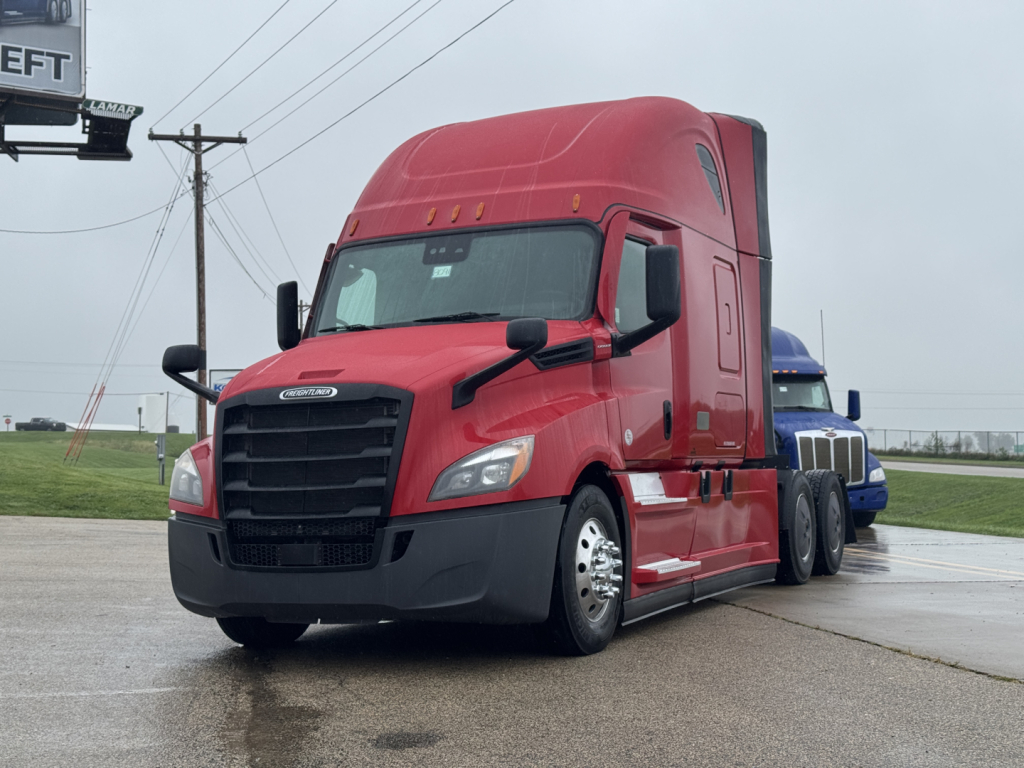
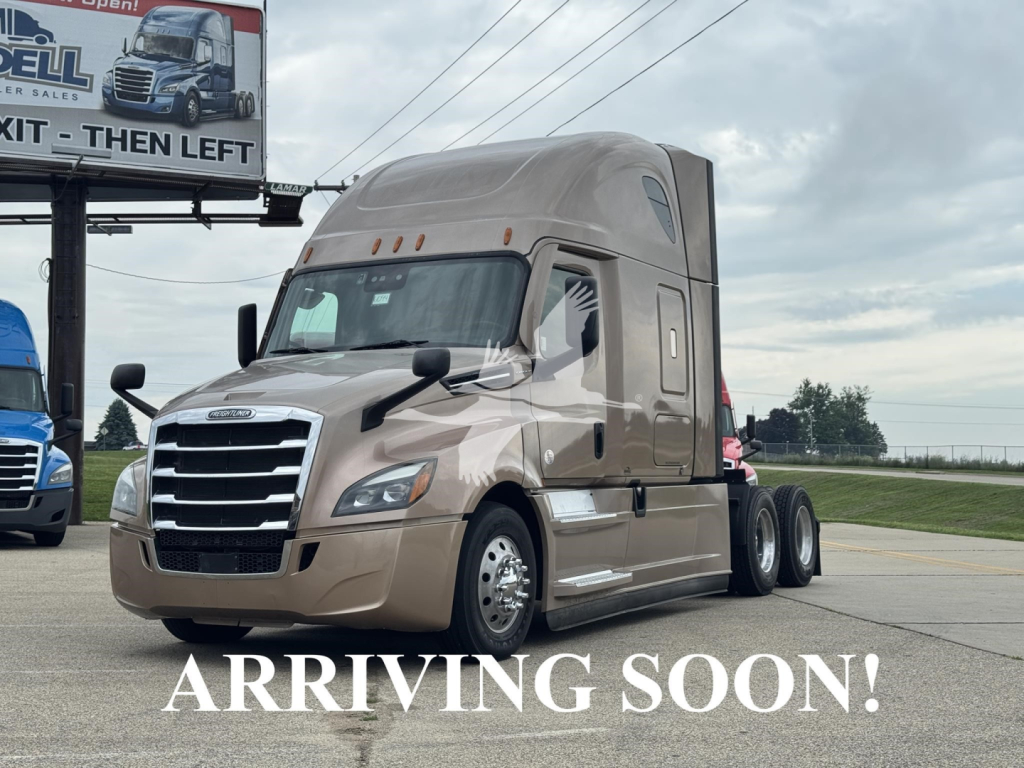
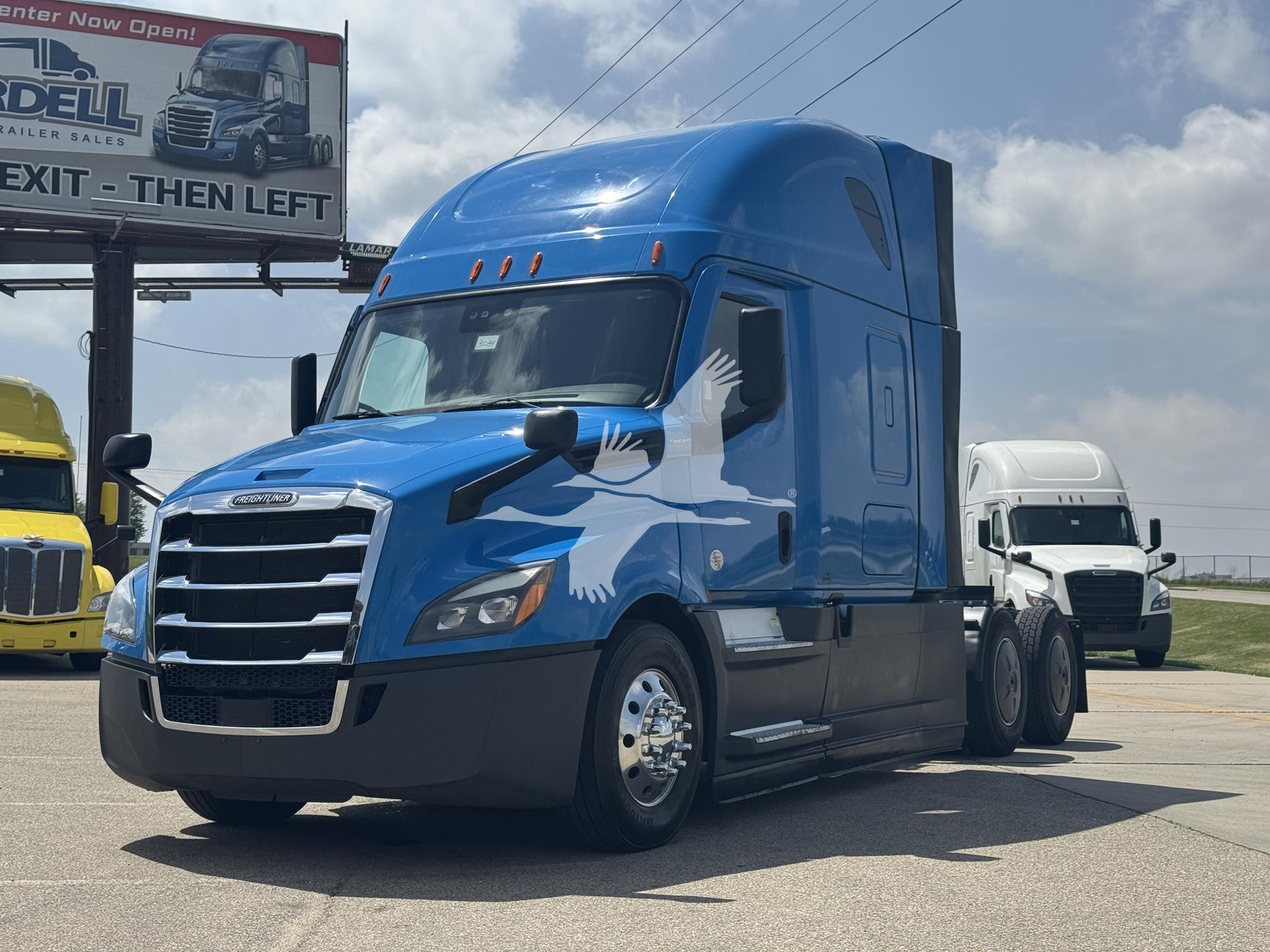
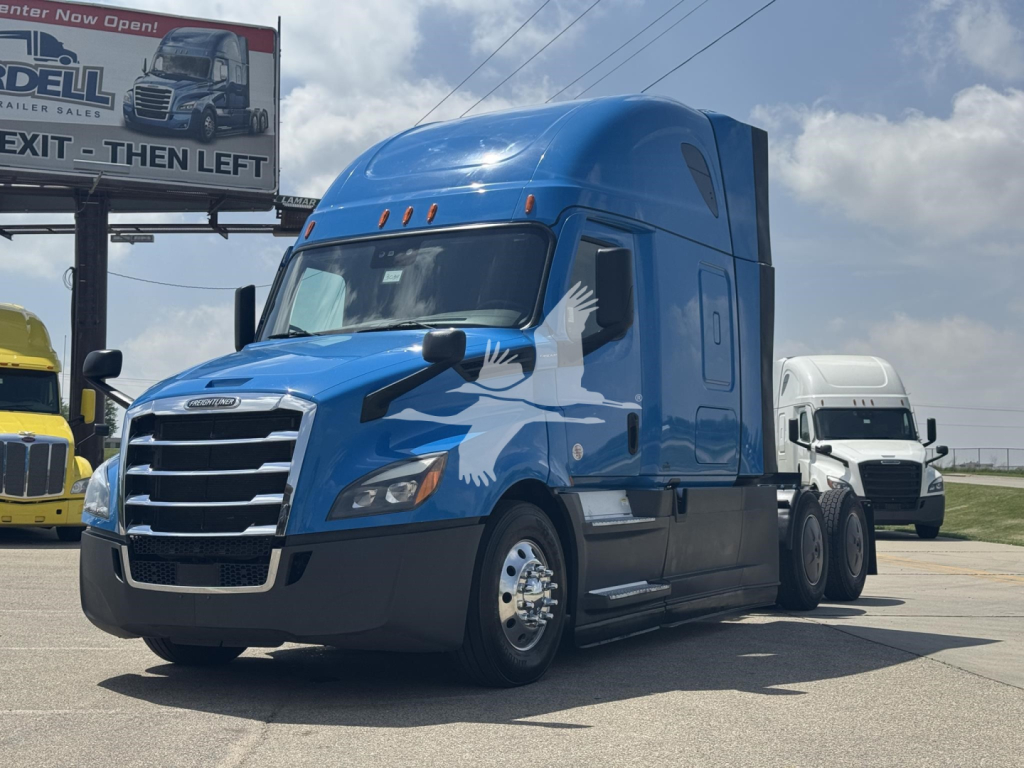
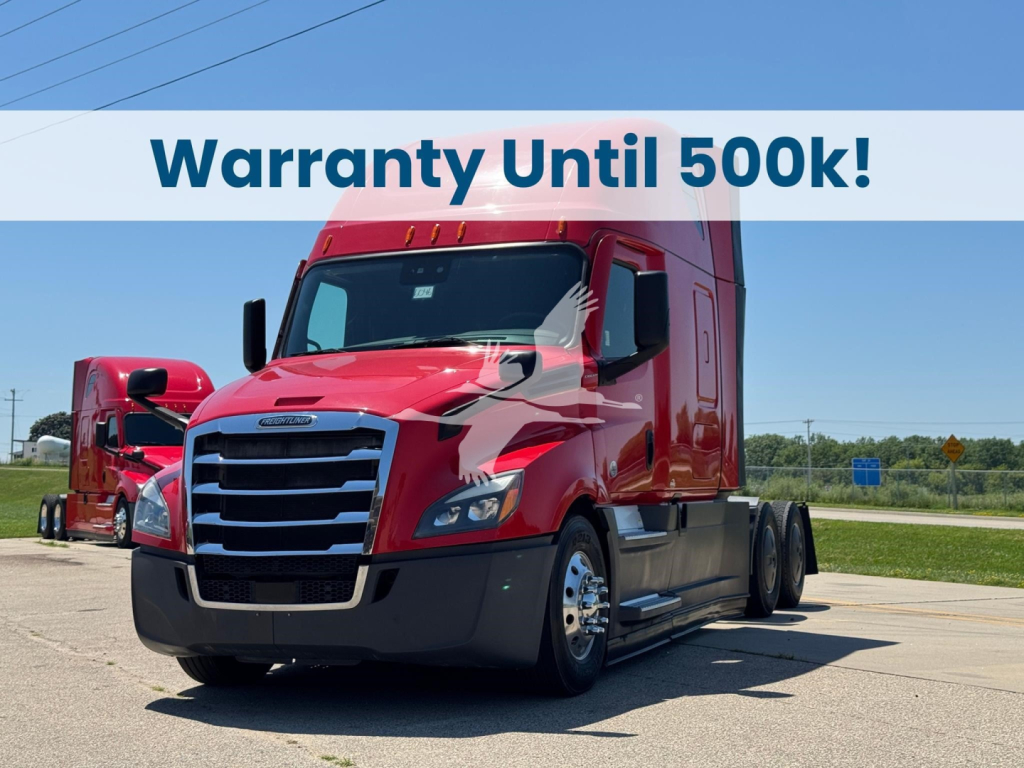
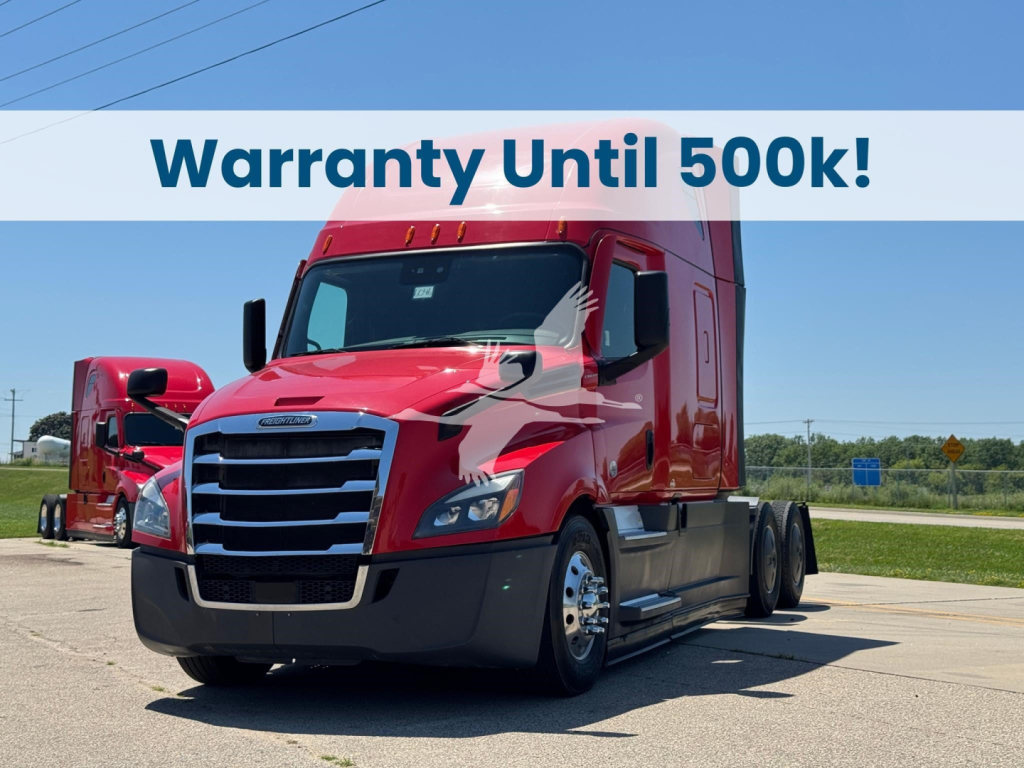
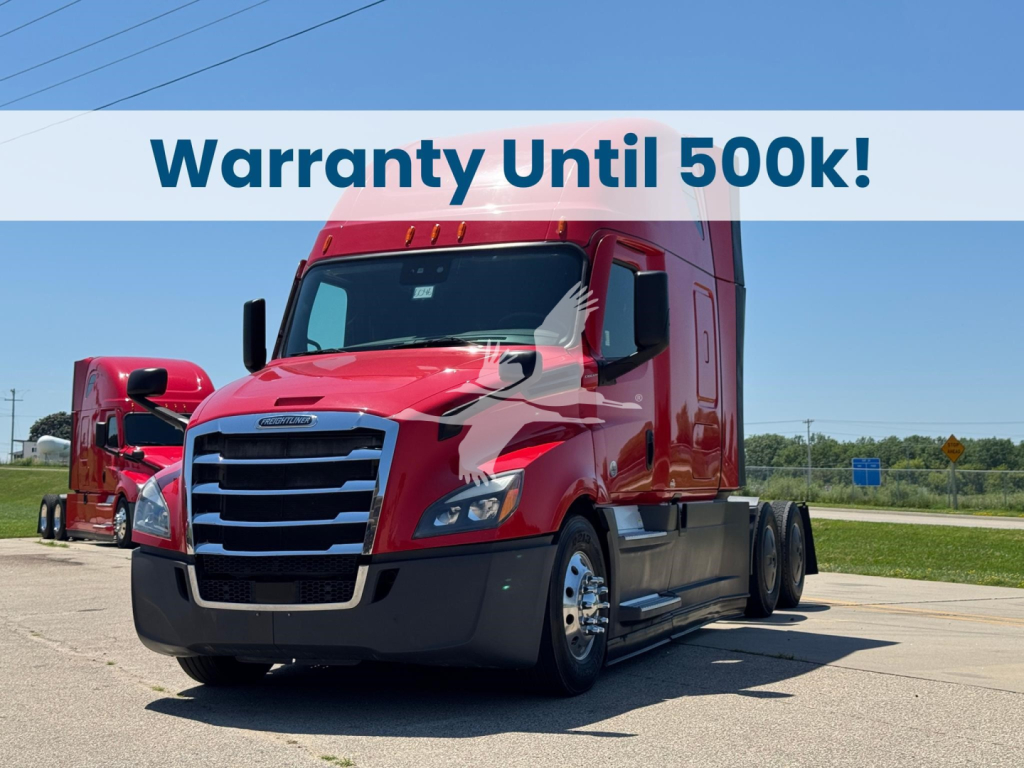
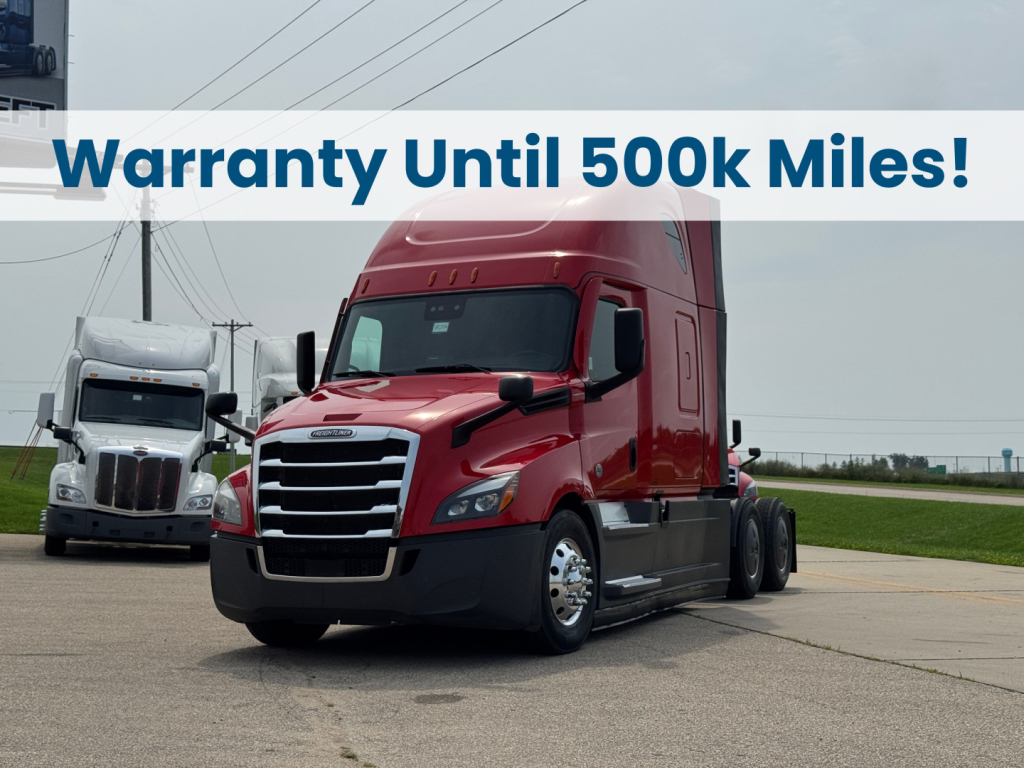


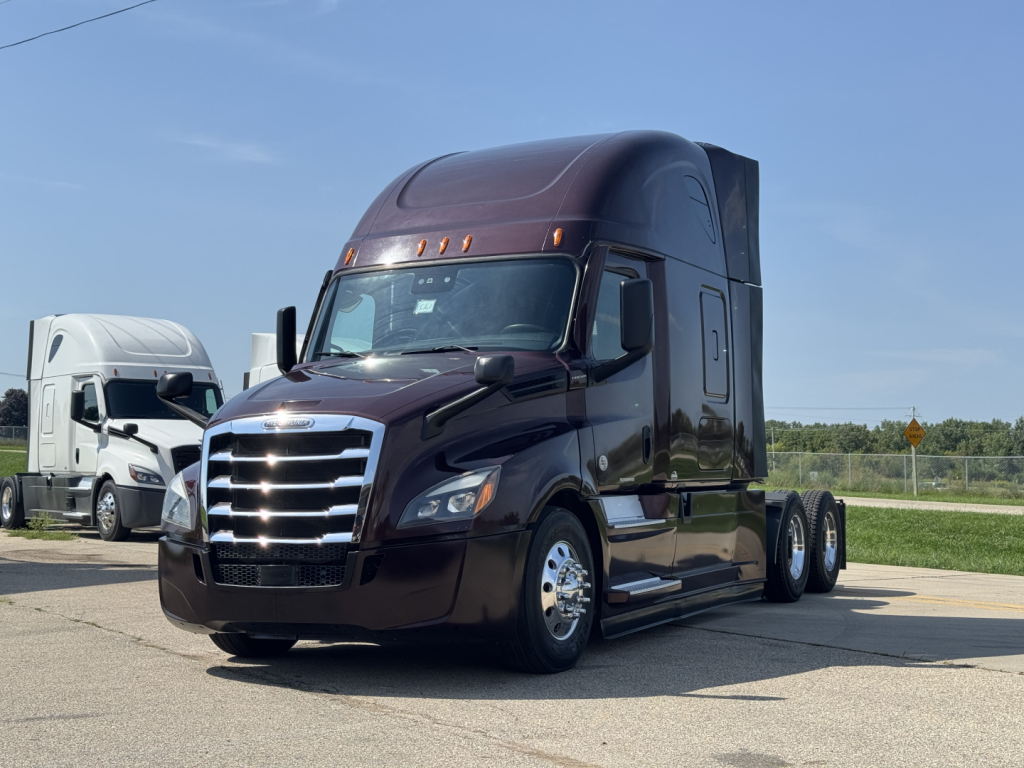
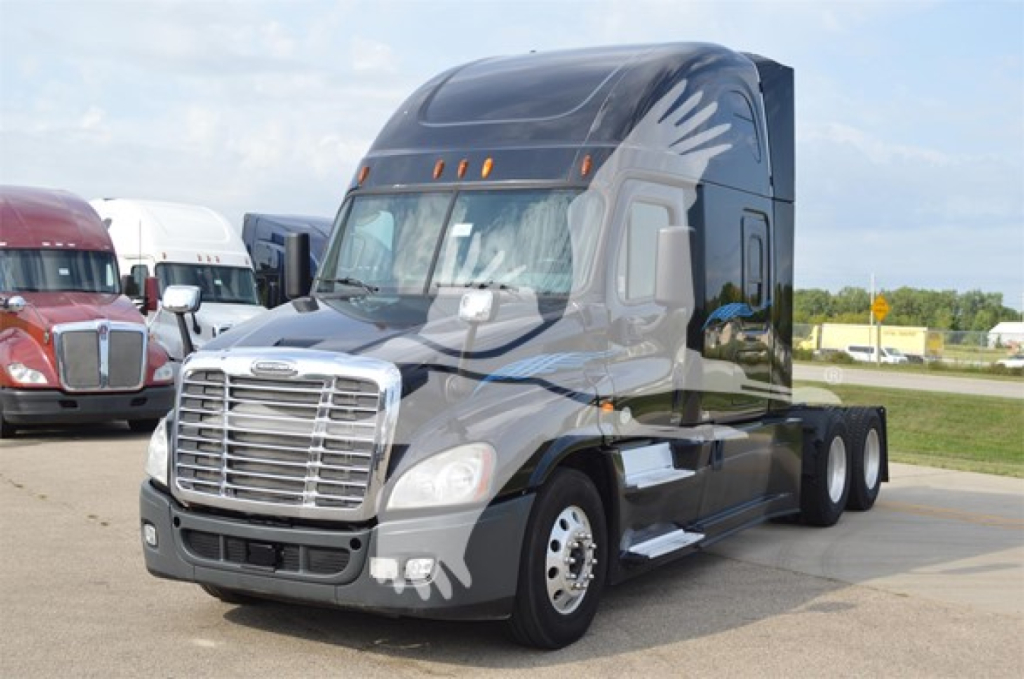
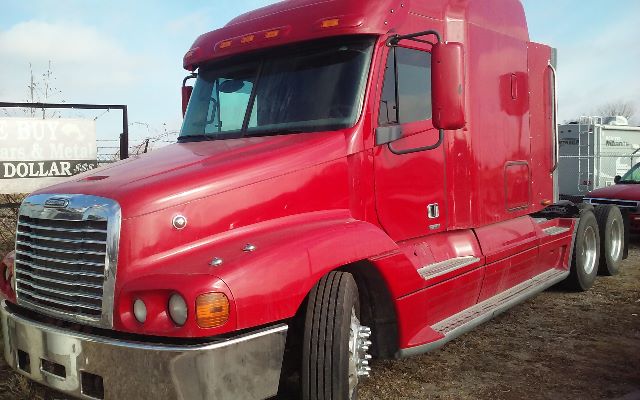
Selling a freightliner conventional sleeper truck? List your freightliner conventional sleeper truck for sale and reach thousands of commercial buyers.
Freightliner Conventional Sleeper Trucks in Iowa
The main buying decisions usually come down to sleeper size, engine platform, transmission, axle ratio, and wheelbase. Freightliner conventional sleepers may be spec'd with Detroit or Cummins power, and older pre-emissions units still draw interest from buyers who want mechanical simplicity and lower acquisition cost. Later trucks tend to offer better aerodynamics, improved cab insulation, automated manual transmissions, and fuel-saving driveline packages. A buyer comparing listings should pay close attention to horsepower and torque ratings, rear axle ratio, suspension type, tandem capacity, and whether the truck was built for 5th wheel flexibility or a dedicated trailer setup. Wheelbase and kingpin setting matter if the truck will be used across different trailer lengths or in tighter loading environments.
Cab condition is especially important in this category because sleeper trucks spend their lives on long runs. Look at bunk layout, HVAC performance, storage, insulation, and signs of wear in the seats, dash, and flooring. On the chassis side, review maintenance records for common high-mileage items such as turbocharger service, DPF and SCR history on emissions-equipped trucks, clutch or automated transmission calibration, suspension wear, and steer axle component replacement. Tire condition, brake life, and frame integrity can tell you a lot about how the truck was operated. If the truck is set up for Midwest freight, corrosion, winter exposure, and undercarriage condition deserve a close inspection.
Freightliner conventional sleeper tractors are also known for practical uptime considerations. Service networks are broad, body and cab parts are generally accessible, and many technicians are familiar with these trucks. That matters when a unit is expected to stay productive in linehaul service. Buyers should match the truck's spec to the intended lane and trailer type rather than simply shopping by year or mileage. A lighter, more aerodynamic sleeper spec may make sense for dry van or reefer work, while a heavier suspension, different gear ratio, or longer wheelbase may be better for specialized freight. The best value usually comes from a truck with a clear maintenance history, the right driveline for the job, and a sleeper configuration that supports the driver's actual time on the road.
Frequently Asked Questions about Freightliner Conventional Sleeper Trucks in Iowa
What should I look for first when buying a used Freightliner conventional sleeper truck?
Start with the driveline spec and maintenance history. Engine make, horsepower, torque, transmission type, axle ratio, and wheelbase determine how well the truck matches your freight and lanes. After that, review service records for emissions components, turbocharger work, transmission repairs, suspension wear, and major engine work. A sleeper tractor with the right spec and documented upkeep is usually a better buy than one with lower mileage but the wrong configuration.
Are pre-emissions Freightliner sleeper trucks still desirable?
Yes, many buyers still seek pre-emissions Freightliner sleeper trucks because they are simpler and can have lower repair complexity than later emissions-equipped models. They can be attractive for owner-operators who want lower upfront cost and are comfortable maintaining an older truck. The tradeoff is age, higher mileage in many cases, and the possibility of more wear in the cab, chassis, and driveline. Condition and maintenance matter more than model year alone.
What sleeper size is best for long-haul use?
That depends on how many nights the driver spends in the truck and how much onboard storage is needed. A larger mid-roof or raised-roof sleeper generally offers better comfort for over-the-road work, with more room for bunk space, cabinets, and daily living gear. Smaller sleepers can still work well for regional operations where the truck is used for occasional overnight runs. The right choice balances driver comfort, weight, and the type of freight operation.
How important are wheelbase and kingpin setting on a conventional sleeper tractor?
They are very important because they affect trailer gap, bridge law compliance, maneuverability, and weight distribution. A longer wheelbase may improve ride quality and fit some specialized applications, but it can limit turning in tight yards or docks. Kingpin setting and 5th wheel position also influence how the truck handles different trailer lengths and axle spread requirements. Buyers running mixed trailers or tight loading areas should verify these dimensions before purchase.
Is an automatic transmission a good choice in a Freightliner sleeper truck?
For many operations, yes. Automated and automatic-style transmissions can reduce driver fatigue, improve consistency, and help fleets with driver hiring and training. They are especially useful in regional or mixed-route service with frequent traffic and stop-and-go conditions. The key is confirming proper calibration, clutch life if applicable, and service history. A well-maintained automated transmission can be a strong fit for modern sleeper tractor use.