
Freightliner Conventional Sleeper Trucks For Sale in New York
Shop Freightliner conventional sleeper trucks in New York. Compare Cascadia specs, sleeper sizes, DD13 and DD15 power, and highway-ready setups.
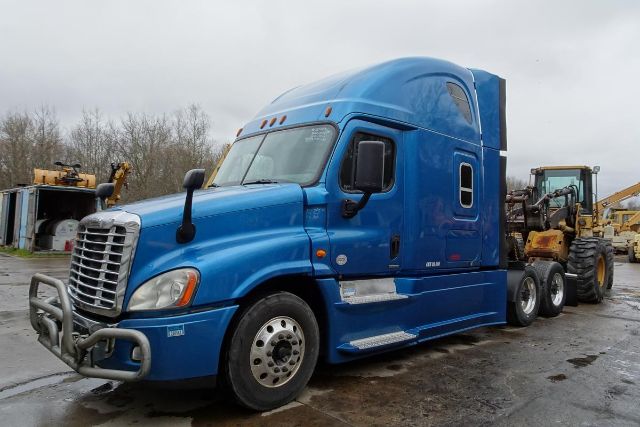
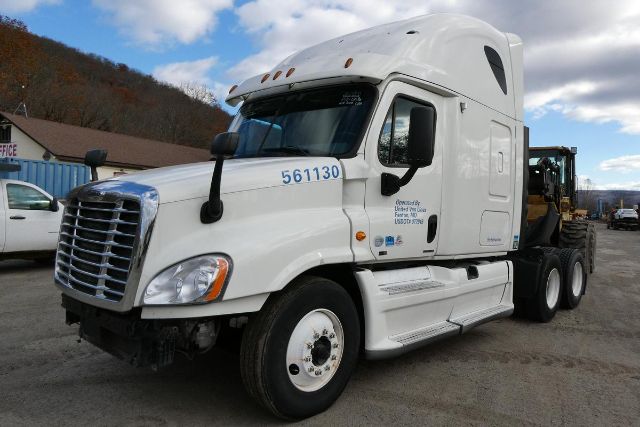
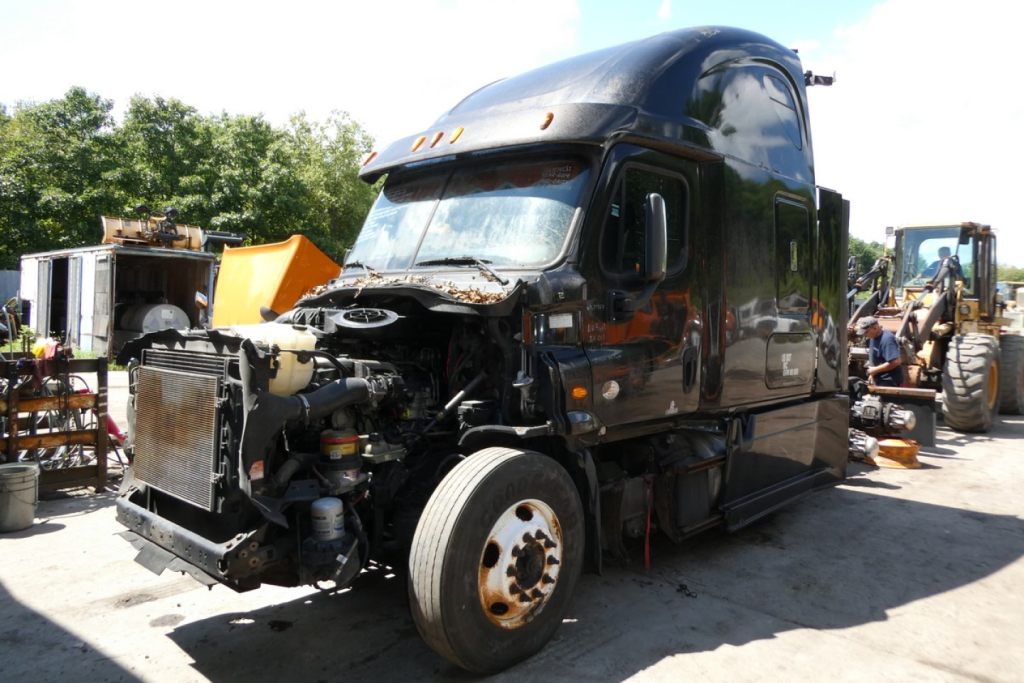
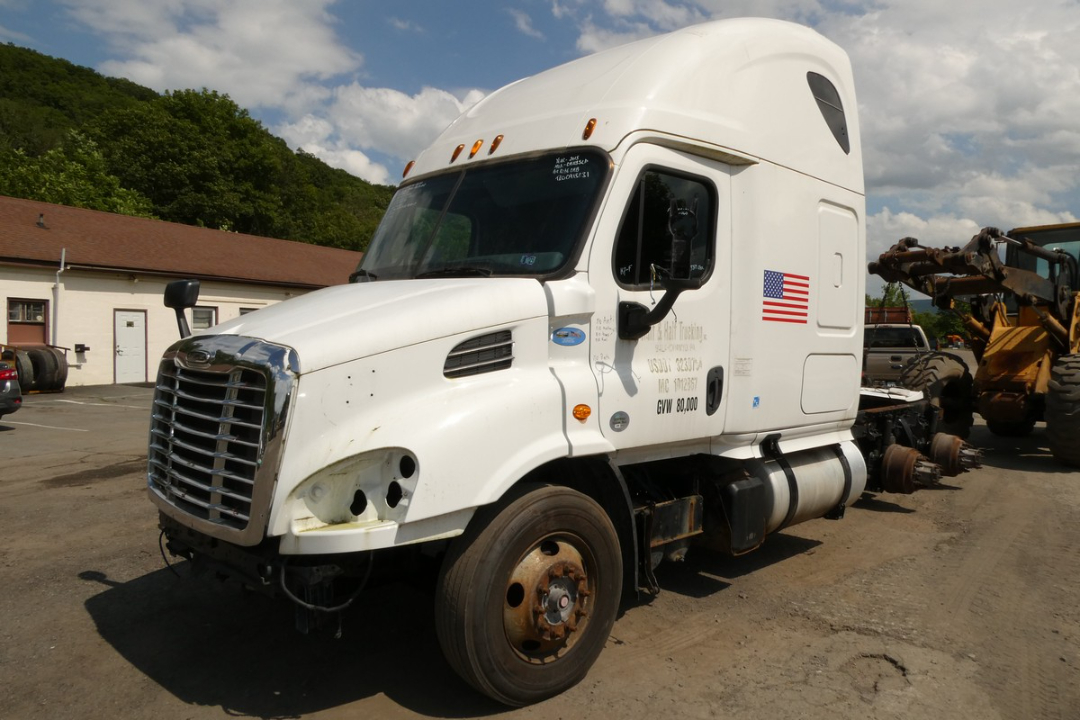
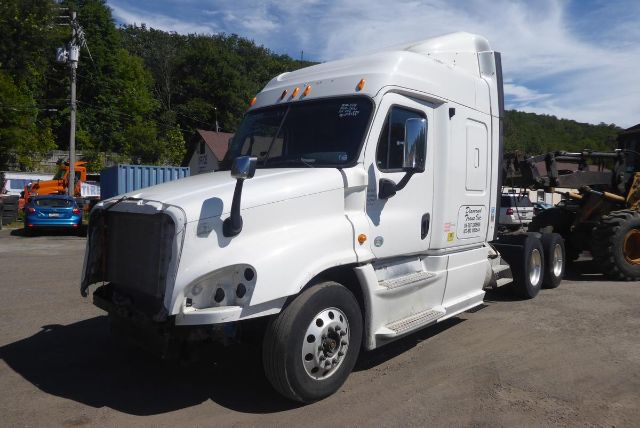
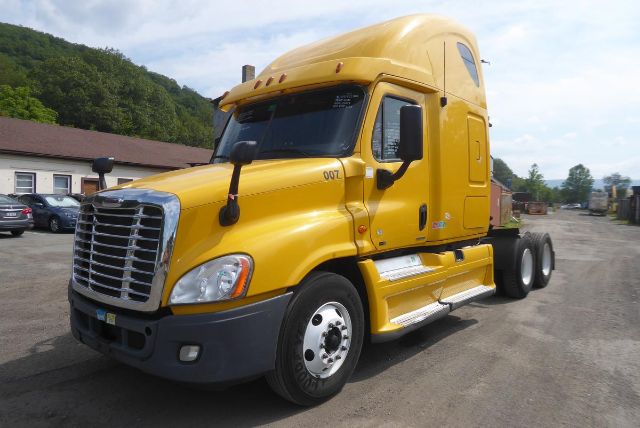
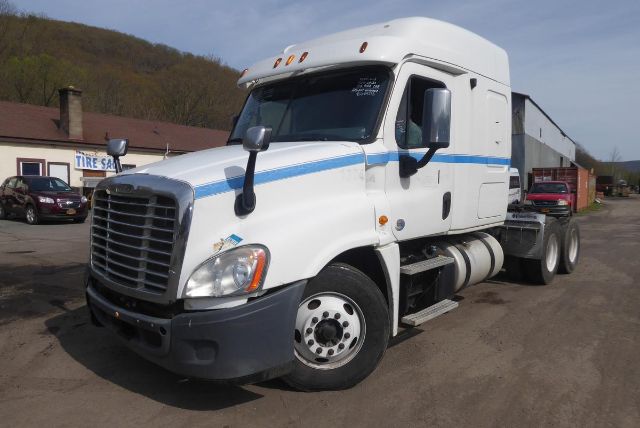
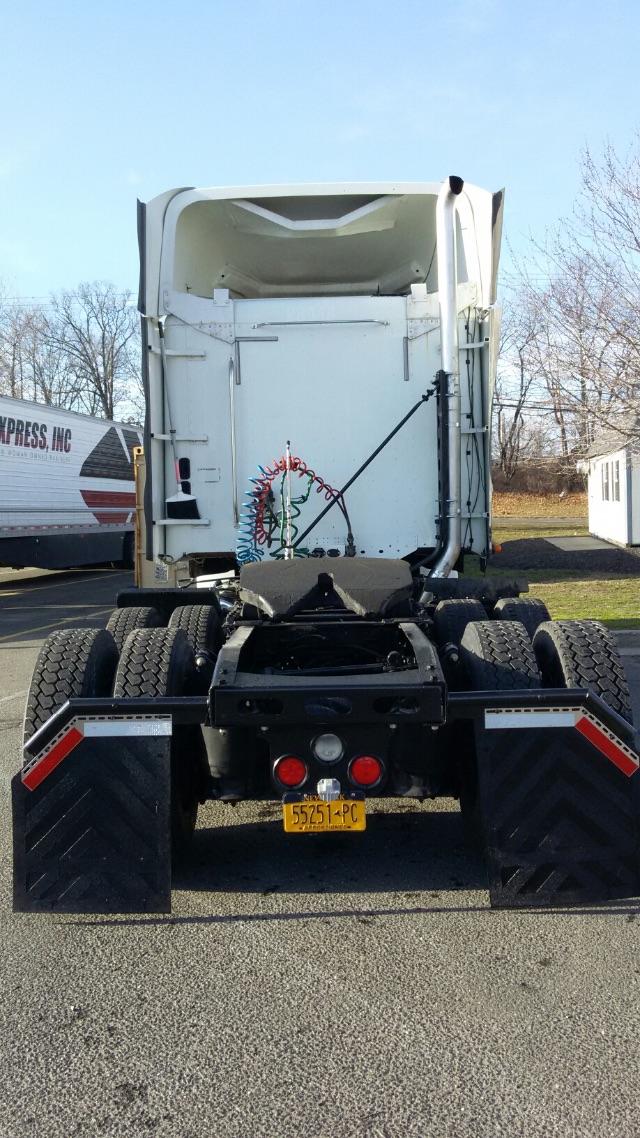

Selling a freightliner conventional sleeper truck? List your freightliner conventional sleeper truck for sale and reach thousands of commercial buyers.
Freightliner Conventional Sleeper Trucks in New York
The biggest buying decision is usually drivetrain spec. Freightliner sleeper tractors commonly show up with Detroit DD13 or DD15 engines, often in the 410 to 505 horsepower range, paired with Eaton-Fuller 10-speed manuals or Detroit DT12 and other 12-speed automated transmissions. For heavier gross weights or more aggressive terrain, buyers often lean toward a DD15 with a deeper rear ratio such as 3.36, 3.42, or 3.70. For fuel-focused over-the-road work, a taller ratio like 2.53 may make sense when matched correctly to tire size, transmission, and cruise speed. A 12,000 to 13,200 lb front axle and 40,000 lb rear axle setup is standard, with AirLiner 4-bag suspension being one of the most common configurations.
Sleeper size and cab layout matter more than many buyers expect. Freightliner conventional sleepers are commonly found with 54-inch, 60-inch, 64-inch, and 70-inch sleepers in mid-roof or high-roof designs, with single or double bunk layouts. A 54-inch sleeper can work well for regional or occasional overnight runs and usually keeps overall weight down. A 60-inch to 70-inch high-roof sleeper is a better fit for teams, longer dispatch cycles, or drivers who need more storage and stand-up room. Wheelbase, cab-to-axle, and fifth wheel slide travel should be checked against trailer swing clearance, bridge law considerations, and maneuverability in tighter Northeast terminals.
A serious buyer should also pay close attention to emissions system history, transmission operation, suspension condition, and sleeper integrity. On used Freightliner conventional sleeper trucks, common inspection points include DEF and aftertreatment performance, electronic engine brake operation, DT12 clutch and actuator behavior, manual transmission wear, air ride leaks, and signs of roof, fairing, or side skirt damage. Because Cascadia sleepers are widely used, replacement body panels, interior pieces, and drivetrain components are generally easier to source than on lower-volume models. That makes the Freightliner conventional sleeper category especially attractive to buyers focused on uptime, fleet standardization, and predictable operating costs.
Frequently Asked Questions about Freightliner Conventional Sleeper Trucks in New York
What engines are most common in Freightliner conventional sleeper trucks?
Detroit diesel engines are the most common in this category, especially the DD13 and DD15. The DD13 is often chosen for lighter long-haul or regional applications where fuel economy and lower curb weight matter. The DD15 is more common in full over-the-road service because it offers stronger torque and horsepower options for heavier freight, higher average gross weights, and more demanding terrain.
What sleeper size is best for a Freightliner Cascadia conventional sleeper?
The right sleeper size depends on route length, driver schedule, and payload priorities. A 54-inch mid-roof sleeper is typically enough for regional operations or single drivers with fewer nights on the road. A 60-inch, 64-inch, or 70-inch high-roof sleeper provides better stand-up room, storage, and double bunk options, which makes it a better fit for long-haul routes, team driving, and drivers who spend extended time in the truck.
Are automated transmissions common in Freightliner sleeper tractors?
Yes. Many Freightliner conventional sleeper trucks are spec'd with Detroit DT12 or other automated manual transmissions, especially in fleet applications. These transmissions can improve driver consistency, reduce clutch-related wear, and simplify hiring in fleets with mixed driver experience. Buyers should still verify shift quality, clutch calibration, software fault history, and service records, because transmission performance depends heavily on maintenance and proper setup.
What axle and suspension setup is typical on a Freightliner conventional sleeper?
A typical setup is a 6x4 tandem axle tractor with a 12,000 to 13,200 lb front axle and 40,000 lb rears. AirLiner 4-bag air ride suspension is one of the most common configurations in this class. This setup is popular because it supports highway stability, driver comfort, and compatibility with standard van and reefer freight while keeping service parts widely available.
What should I inspect first on a used Freightliner conventional sleeper truck?
Start with the engine, emissions system, transmission, and sleeper structure. Confirm the condition of the DD13 or DD15, check for active fault codes, and review any history related to the DEF system, DPF, and aftertreatment components. Then inspect transmission operation, suspension air bags, bushings, and fifth wheel function. On the cab and sleeper, look for roof leaks, fairing damage, worn bunk hardware, HVAC issues, and signs of hard fleet use that can affect downtime after purchase.