
Freightliner Conventional Sleeper Trucks For Sale in North Carolina
Shop Freightliner conventional sleeper trucks in North Carolina. Compare Cascadia and Coronado specs, sleeper sizes, drivetrains, and road-ready features.
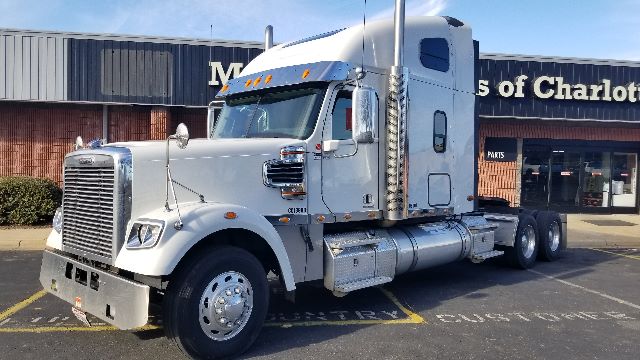
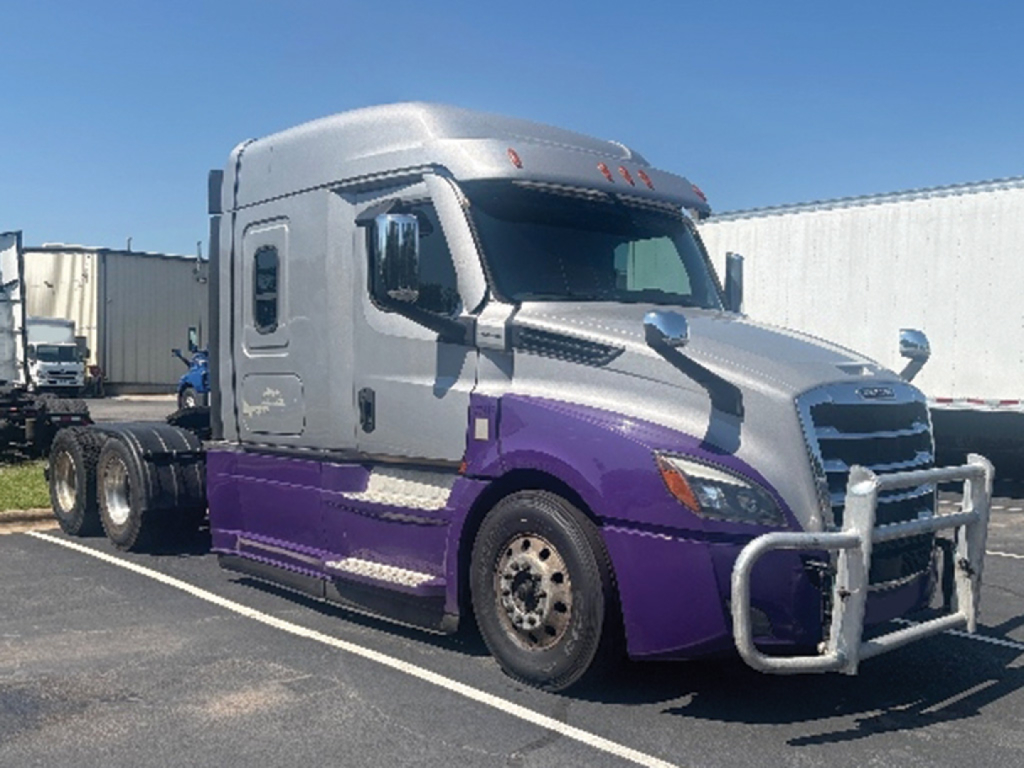
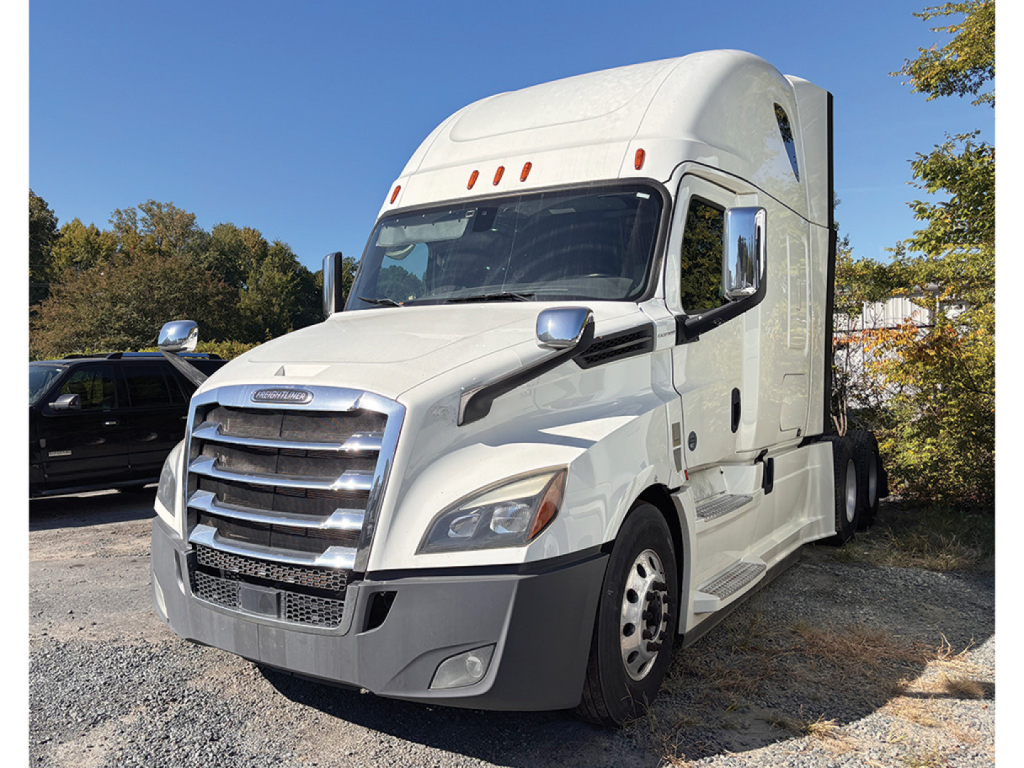
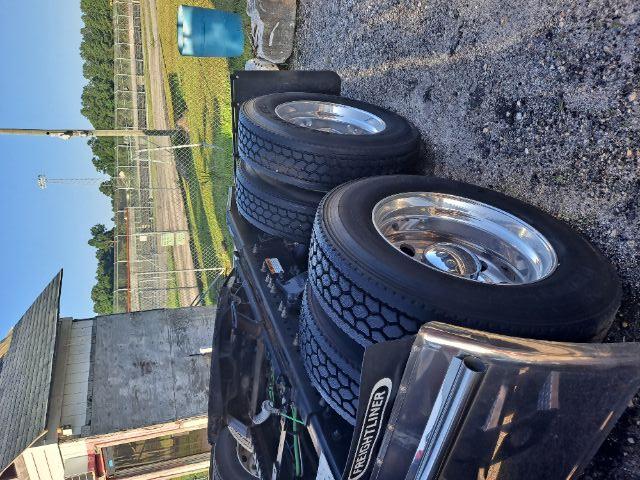
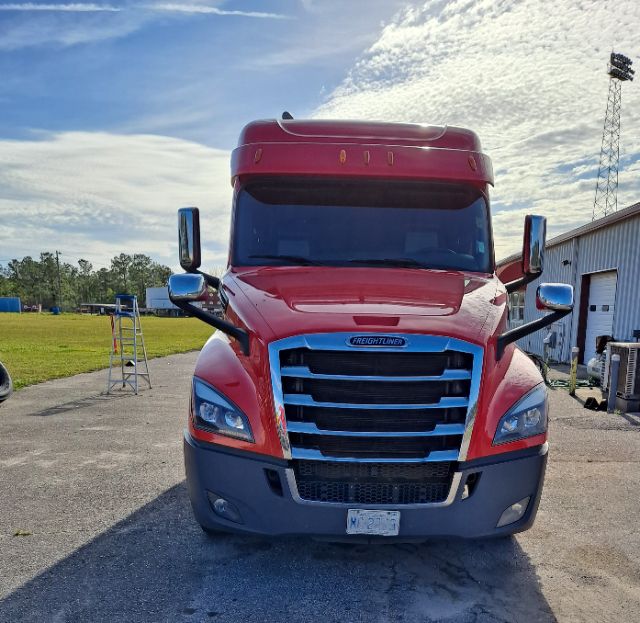

Selling a freightliner conventional sleeper truck? List your freightliner conventional sleeper truck for sale and reach thousands of commercial buyers.
Freightliner Conventional Sleeper Trucks in North Carolina
The sleeper is one of the first decisions to make. A 60-inch raised roof sleeper is a practical fit for shorter wheelbase requirements, lighter overall spec, and regional work that still needs overnight capability. A 72-inch raised roof or mid-roof sleeper gives a driver more living space, better storage, and often an upper bunk, which matters on team operations or extended trips. Buyers should compare sleeper layout, bunk heater, APU, cabinet configuration, and interior trim level, not just sleeper length. A well-spec'd cab with cruise control, tilt-telescoping wheel, power windows, and good insulation can make a meaningful difference in retention and driver fatigue.
Powertrain choices on Freightliner sleepers are usually straightforward but important. Detroit DD15 engines paired with DT12 automated transmissions are common on newer Cascadias and are popular for fuel-efficient linehaul service. Manual transmissions still show up in older or specialty specs and can appeal to fleets with driver preference, training familiarity, or certain haul profiles. Rear axle ratios such as 3.08 and 3.23 are typical on highway trucks, with 3.08 generally aimed at lower cruise RPM and fuel economy, while 3.23 or 3.42 can be better suited for mixed terrain, heavier loads, or customers prioritizing startability over top-end fuel numbers. Wheelbase, fifth wheel travel, and fuel capacity should be matched to trailer mix and lane profile before comparing cosmetic features.
A serious buyer should also look beyond engine and sleeper size to the details that affect operating cost. Newer Freightliner conventional sleepers often include disc brakes, collision mitigation systems, aerodynamic fairings, and cab extenders that support lower maintenance and better efficiency. Tire size, low-profile versus tall rubber, super singles versus duals, and aluminum versus steel wheel spec all influence replacement cost and payload strategy. On used units, service history, idle hours, emissions system condition, and signs of prior dedicated use are just as important as mileage. Freightliner remains a strong choice in this class because parts availability, dealer coverage, and technician familiarity are generally strong across major freight corridors, including the Southeast.
Frequently Asked Questions about Freightliner Conventional Sleeper Trucks in North Carolina
What is the difference between a Freightliner Cascadia sleeper and a Freightliner Coronado sleeper truck?
The Cascadia is Freightliner’s mainstream aerodynamic highway tractor and is usually the first choice for fleets focused on fuel economy, driver-assist features, and linehaul efficiency. The Coronado is a more traditional conventional truck with a longer hood, more chrome-heavy styling in many specs, and strong appeal in specialized hauling or owner-operator applications. In practical buying terms, the Cascadia usually offers better aero performance and more standardized fleet specs, while the Coronado is often selected for appearance, heavier custom spec, or a different driver preference.
What sleeper size is best on a Freightliner conventional sleeper truck?
The right sleeper size depends on route length, wheelbase limits, and how much living space the driver needs. A 60-inch sleeper is often a good fit for regional overnight operations or fleets that want a shorter, lighter tractor. A 72-inch sleeper is more common for long-haul work because it provides better storage, more room to move around, and often an upper bunk for team driving. Buyers should evaluate interior layout, bunk heater, storage cabinets, and APU setup along with the quoted sleeper measurement.
Is the Detroit DD15 a good engine choice in a Freightliner sleeper truck?
The Detroit DD15 is one of the most common engines in Freightliner highway sleepers and is widely accepted as a strong fit for over-the-road service. It offers a broad horsepower range, good parts support, and easy pairing with the DT12 automated transmission in many fleet specs. For used-truck buyers, the engine itself is only part of the picture. It is smart to review maintenance records, emissions system history, idle hours, software updates, and any evidence of repeated aftertreatment repairs before making a decision.
What rear axle ratio should I look for in a Freightliner sleeper truck?
Rear axle ratio should match your freight weight, terrain, and target cruise speed. A 3.08 ratio is common in fuel-focused highway specs and usually supports lower engine RPM at road speed. A 3.23 ratio is a balanced option for fleets that run mixed terrain or variable freight. A 3.42 ratio can make sense for heavier pulling applications, more stop-and-go work, or customers who want stronger launch performance. The ratio should always be considered together with transmission type, tire size, and expected trailer weight.
What should I inspect first on a used Freightliner conventional sleeper?
Start with service records, engine hours, and emissions-related history because those items often tell you more than odometer mileage alone. Then inspect brake type and wear, suspension condition, tire match and tread depth, fifth wheel operation, and evidence of frame or cab damage. Inside the sleeper, check HVAC performance, bunk heater operation, cabinet condition, and signs of water intrusion. On newer trucks, verify that safety systems such as collision mitigation are functioning properly and that any warning lights or fault codes have been addressed.