
Freightliner Conventional Sleeper Trucks For Sale in Illinois
Browse Freightliner conventional sleeper trucks in Illinois, including Cascadia models with DD15 power, raised-roof sleepers, and fleet specs.
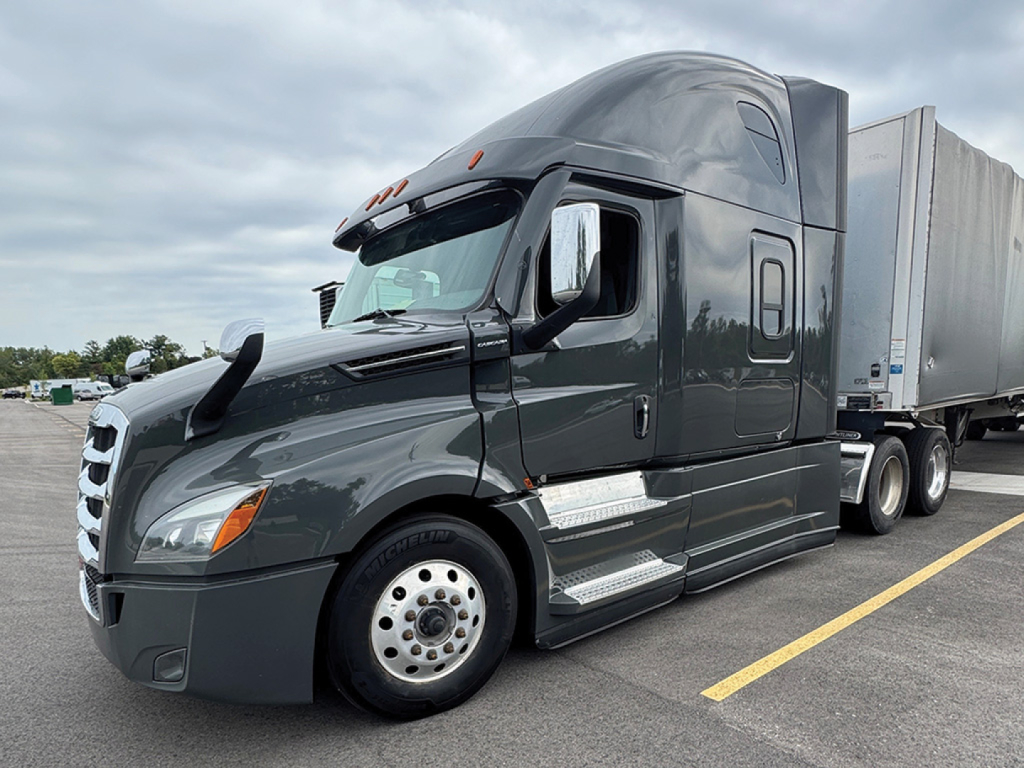
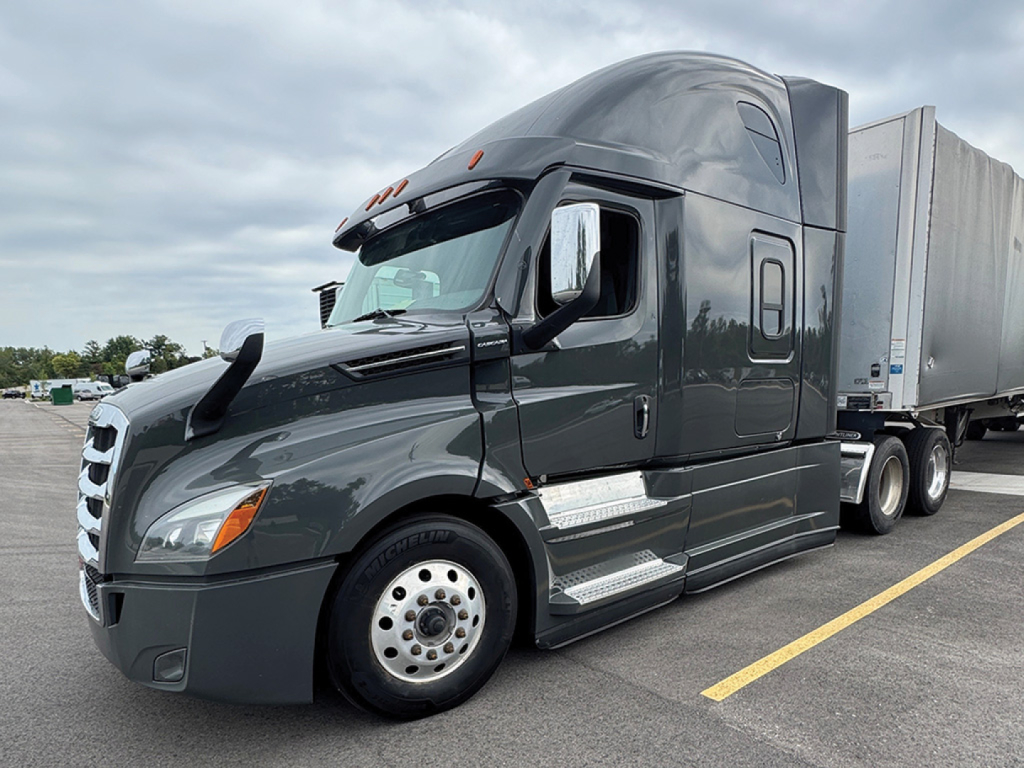
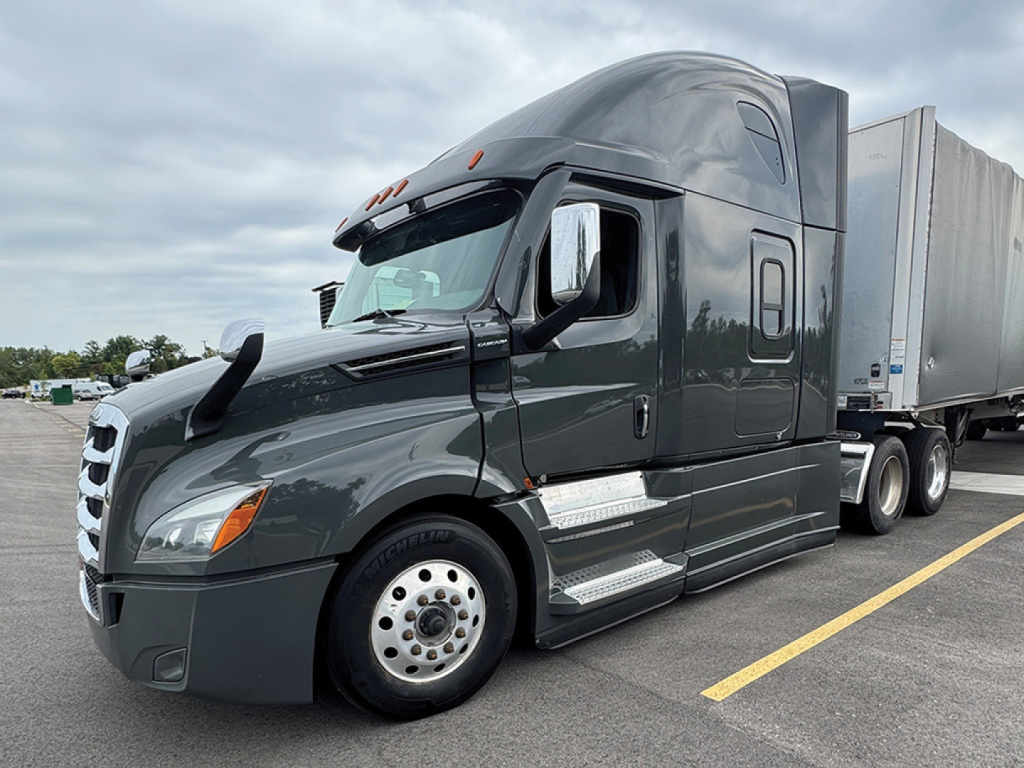
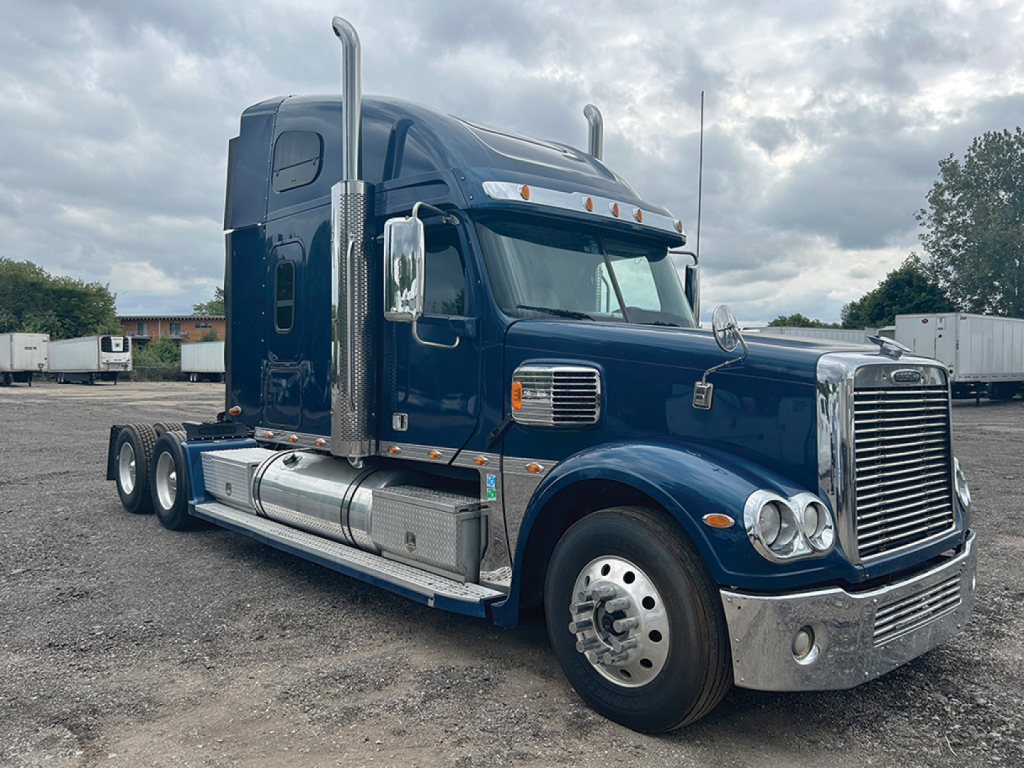
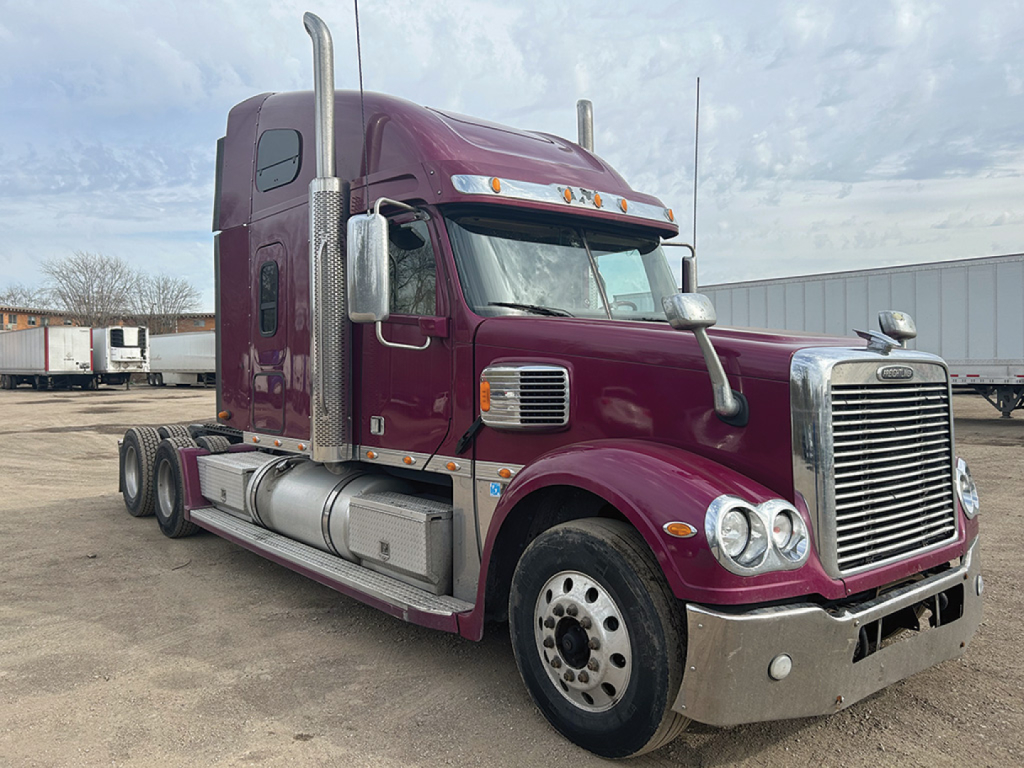
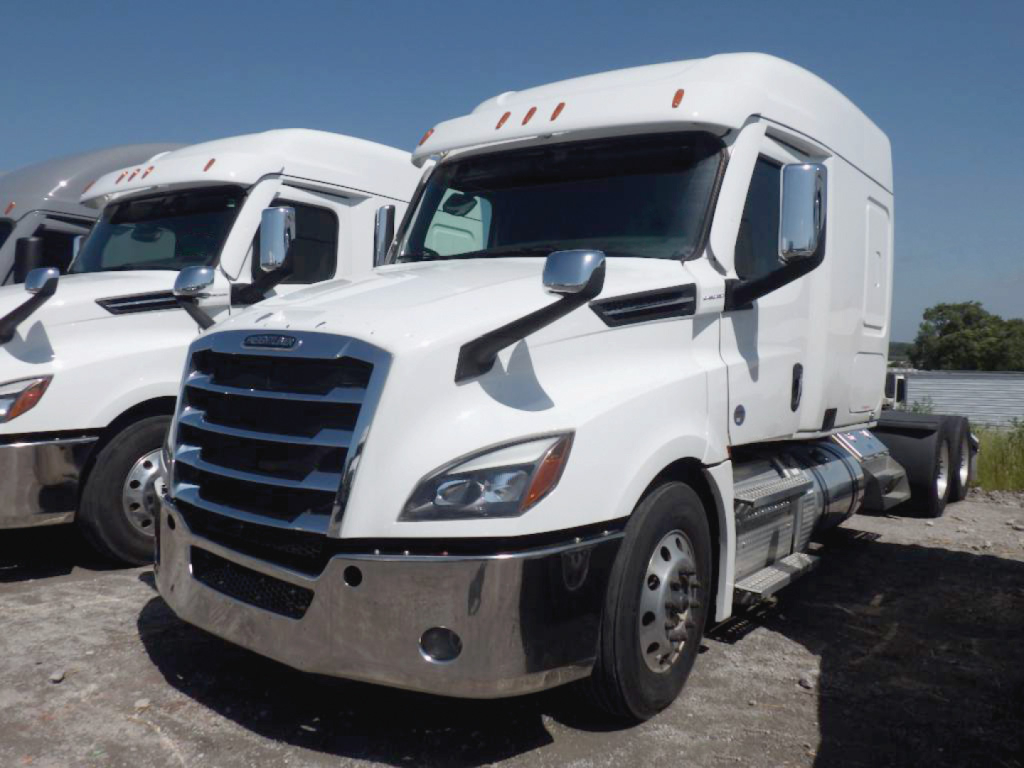
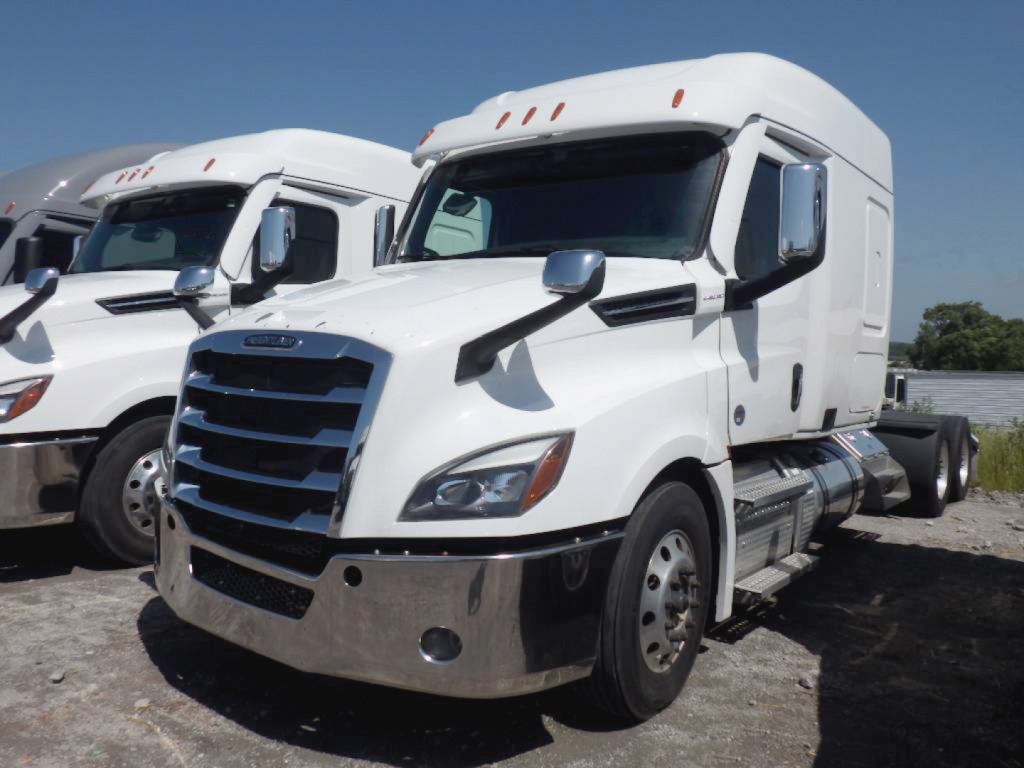
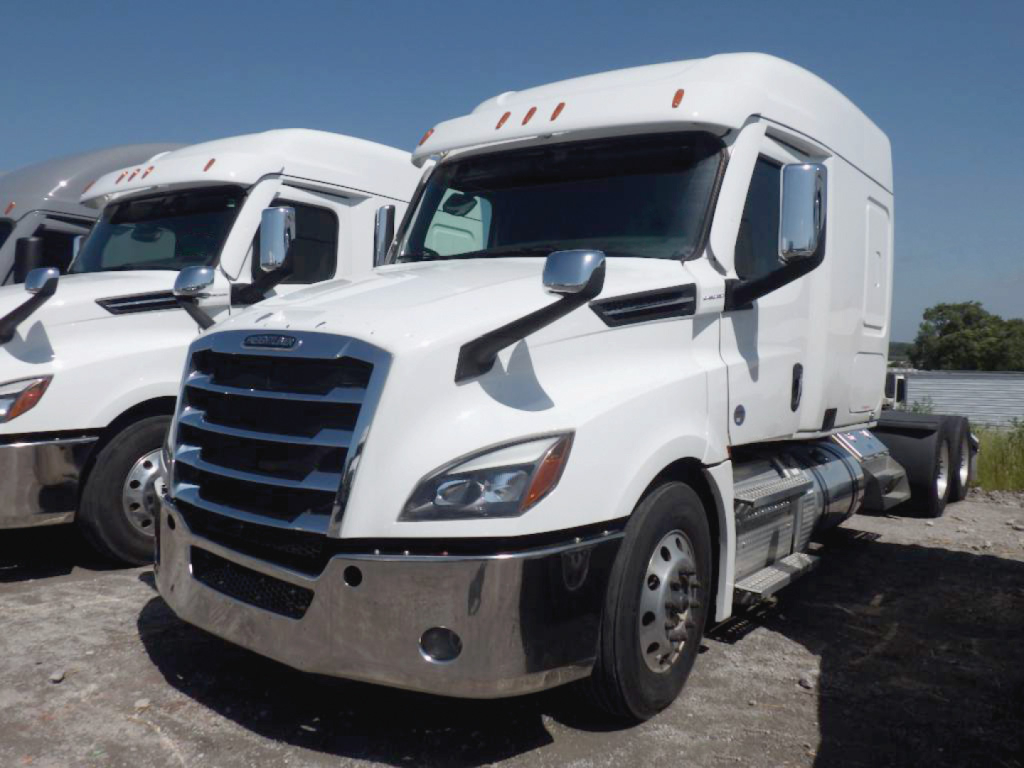
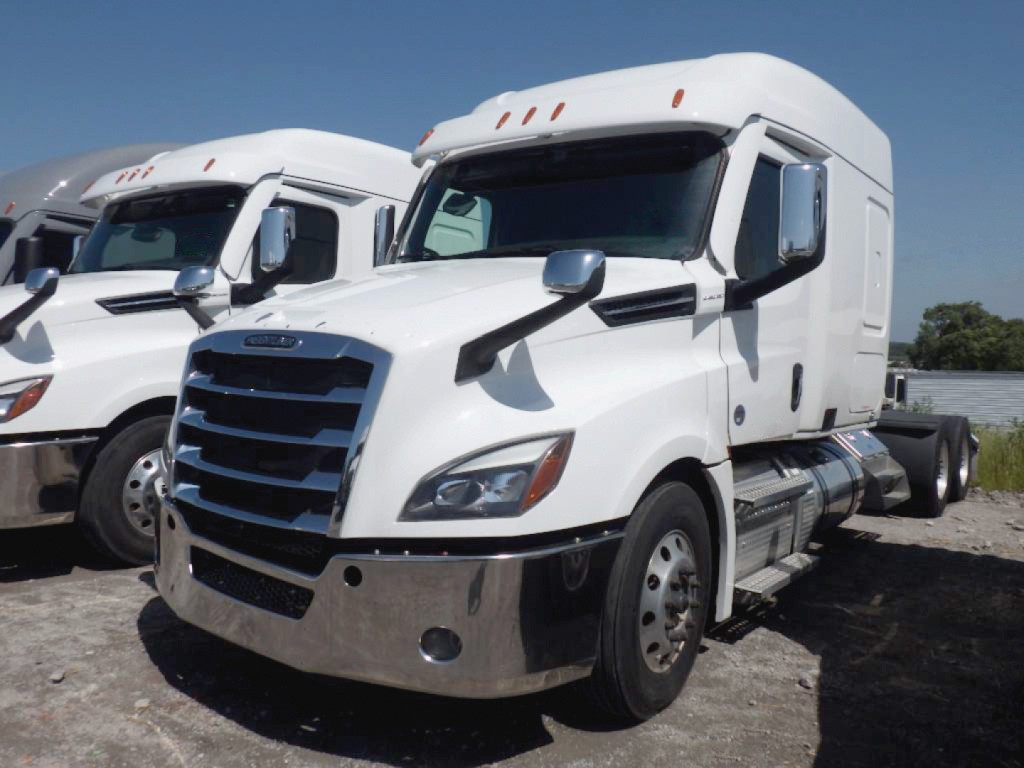
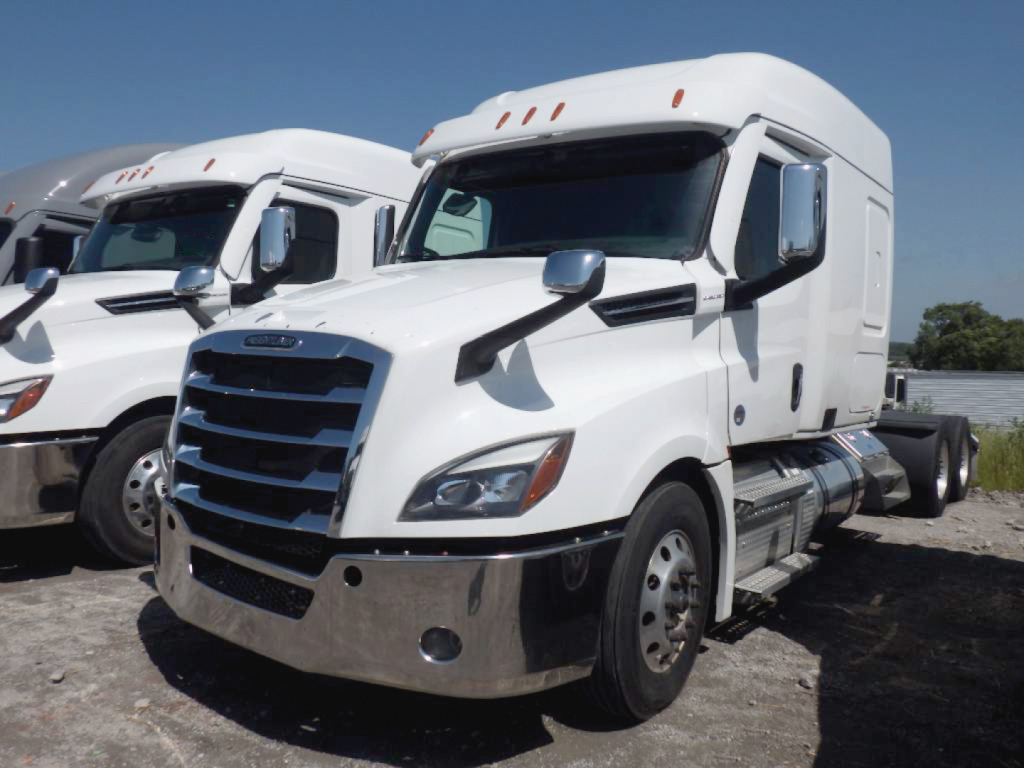
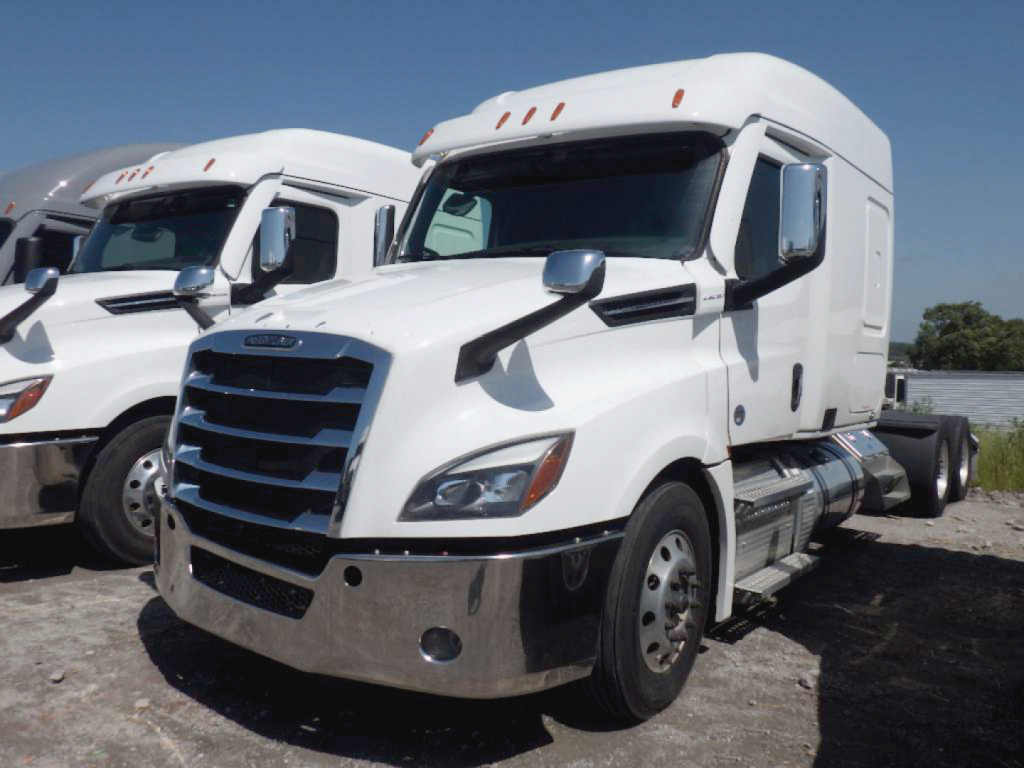
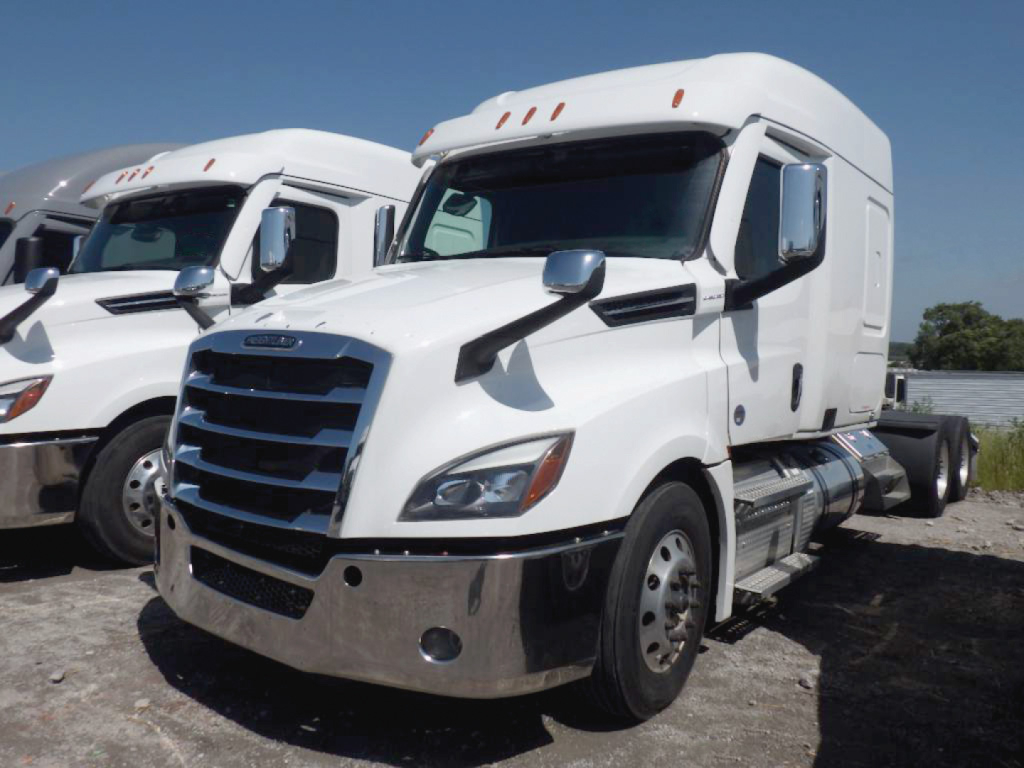
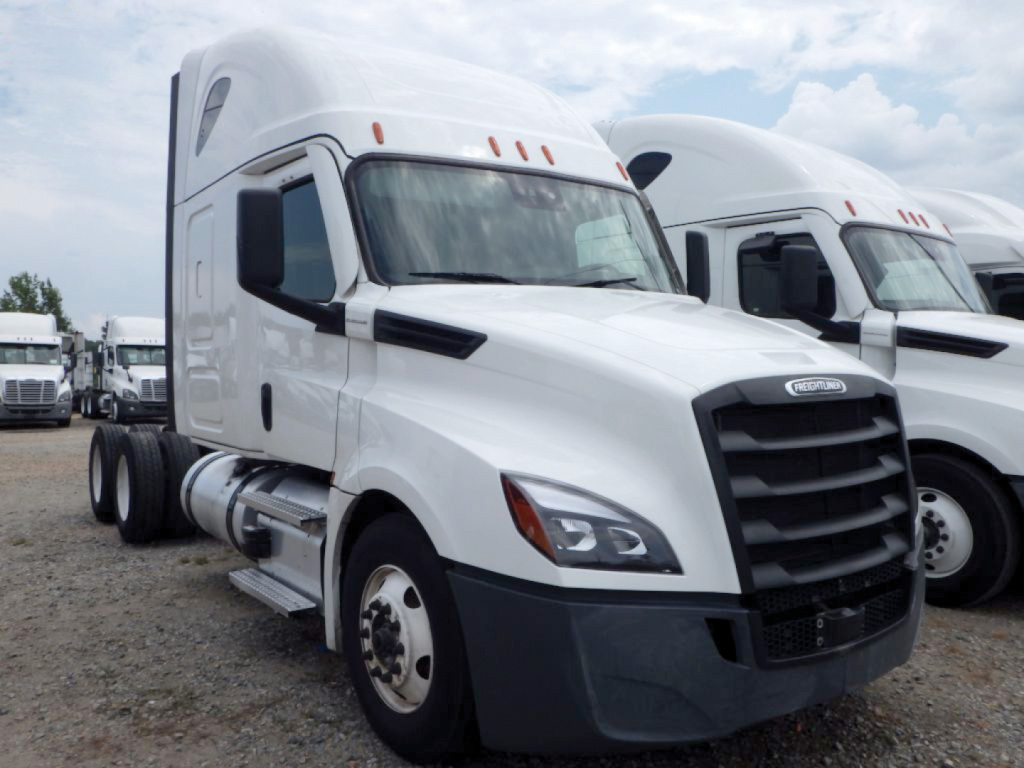
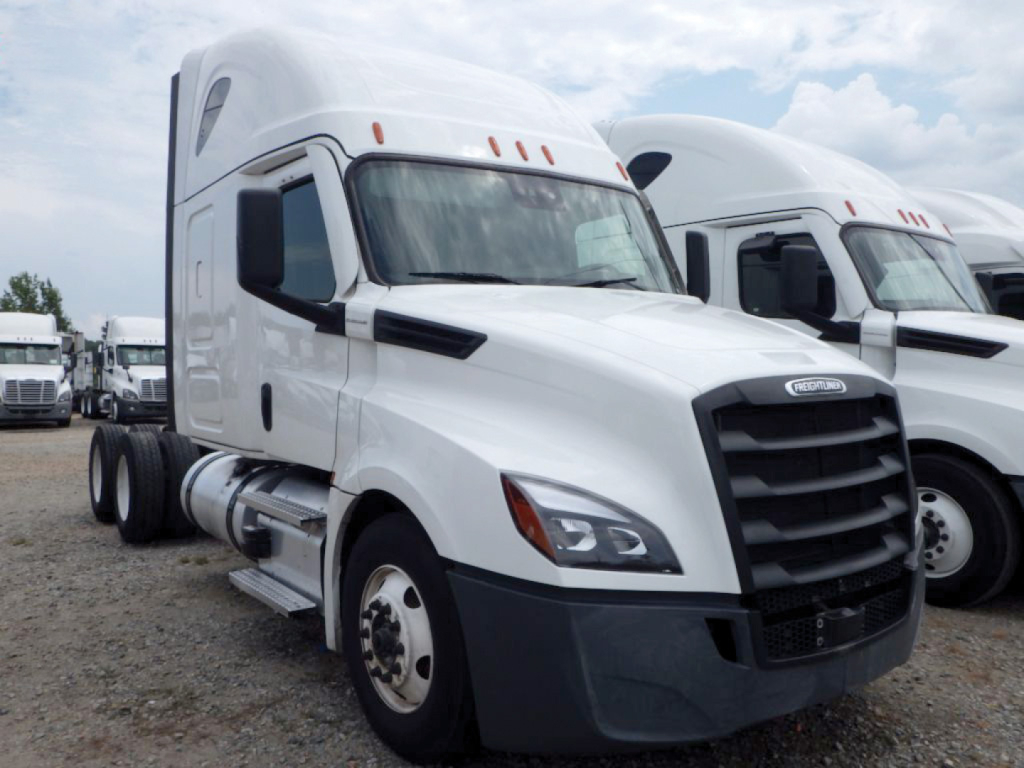
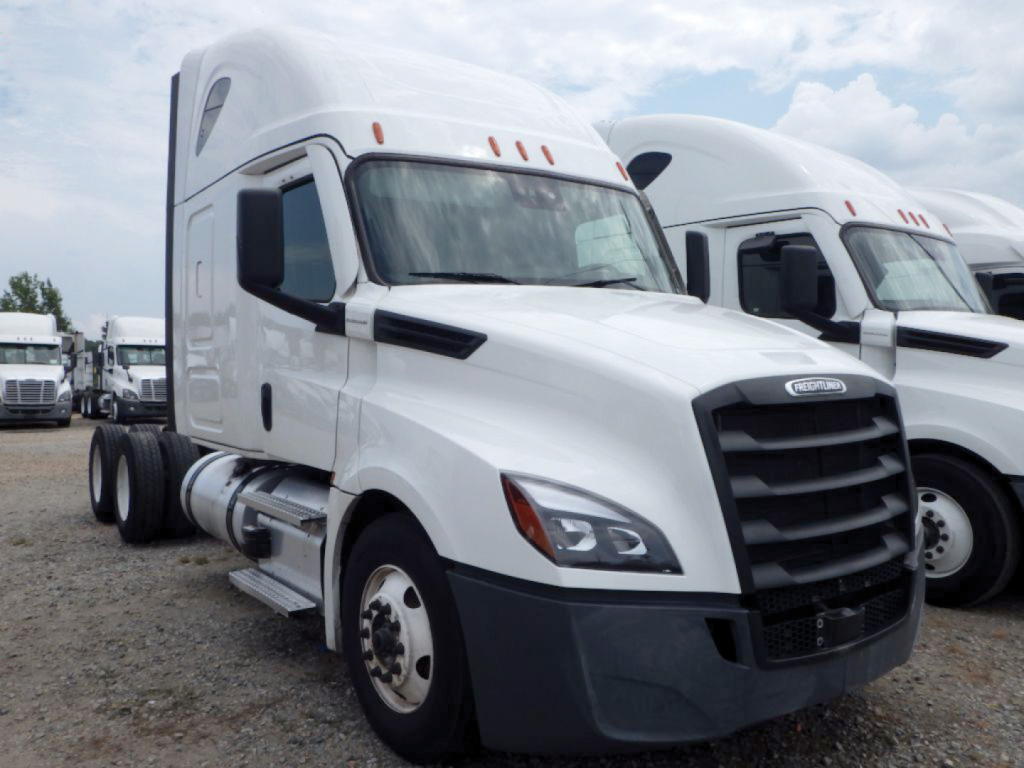
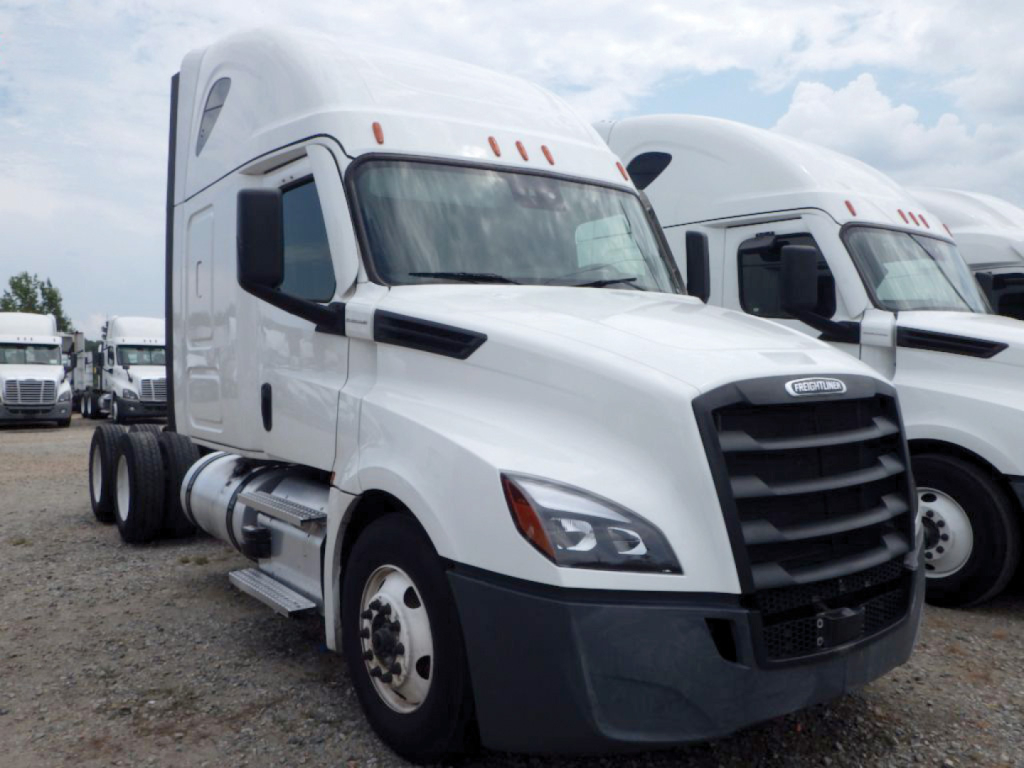
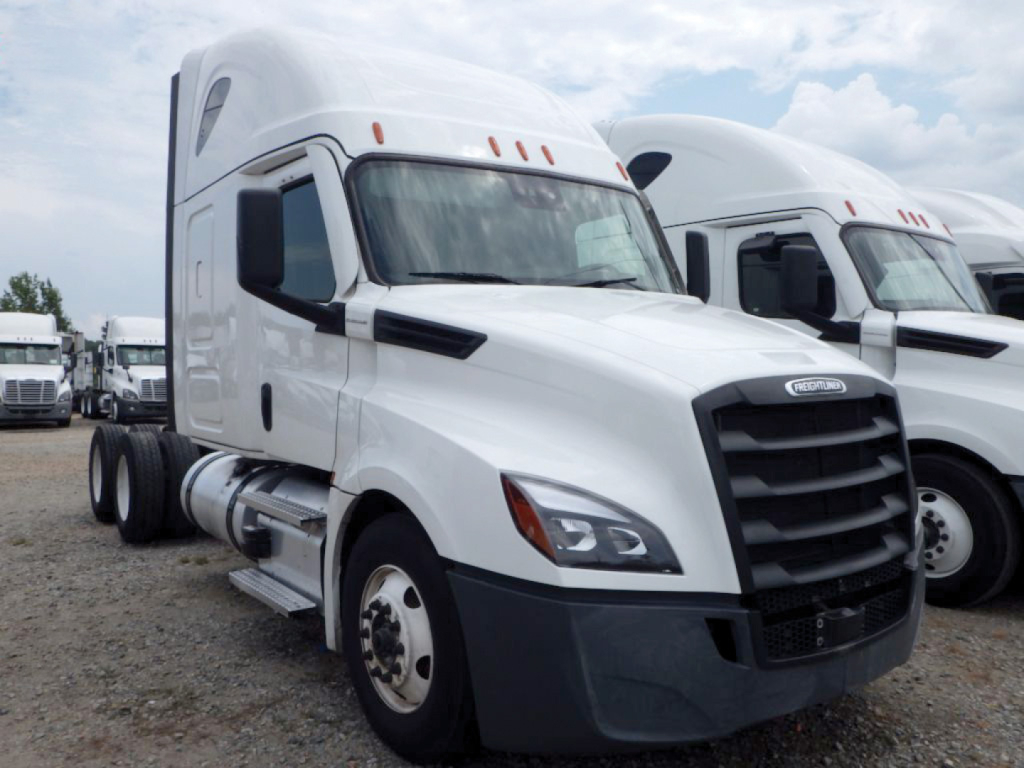
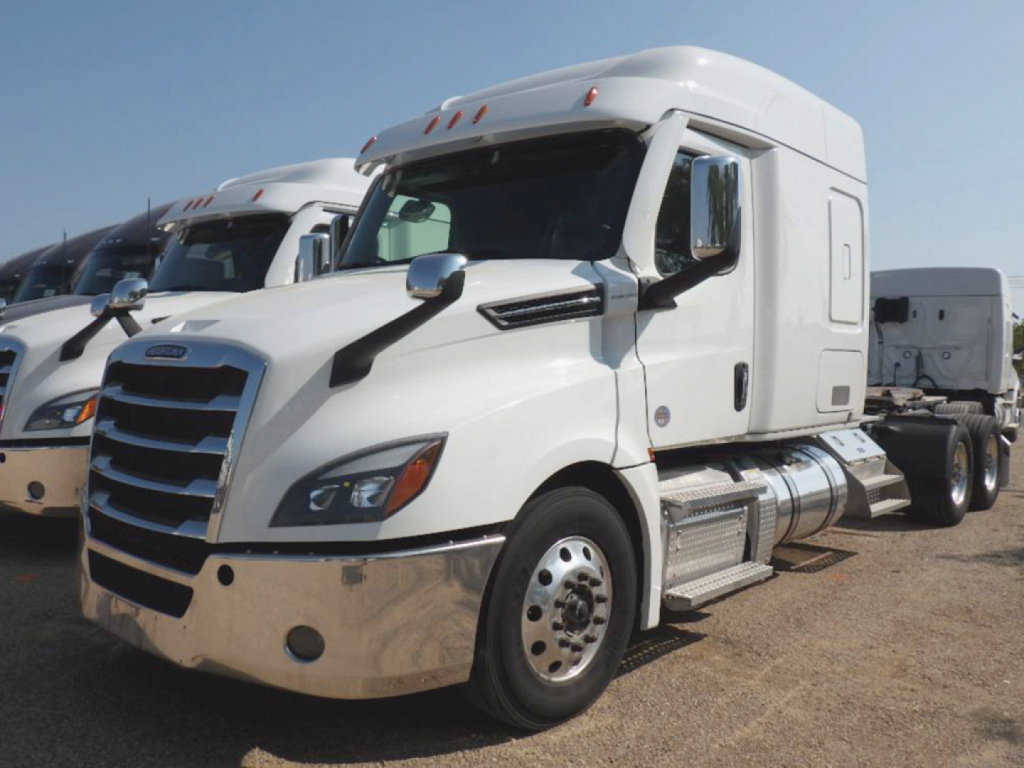
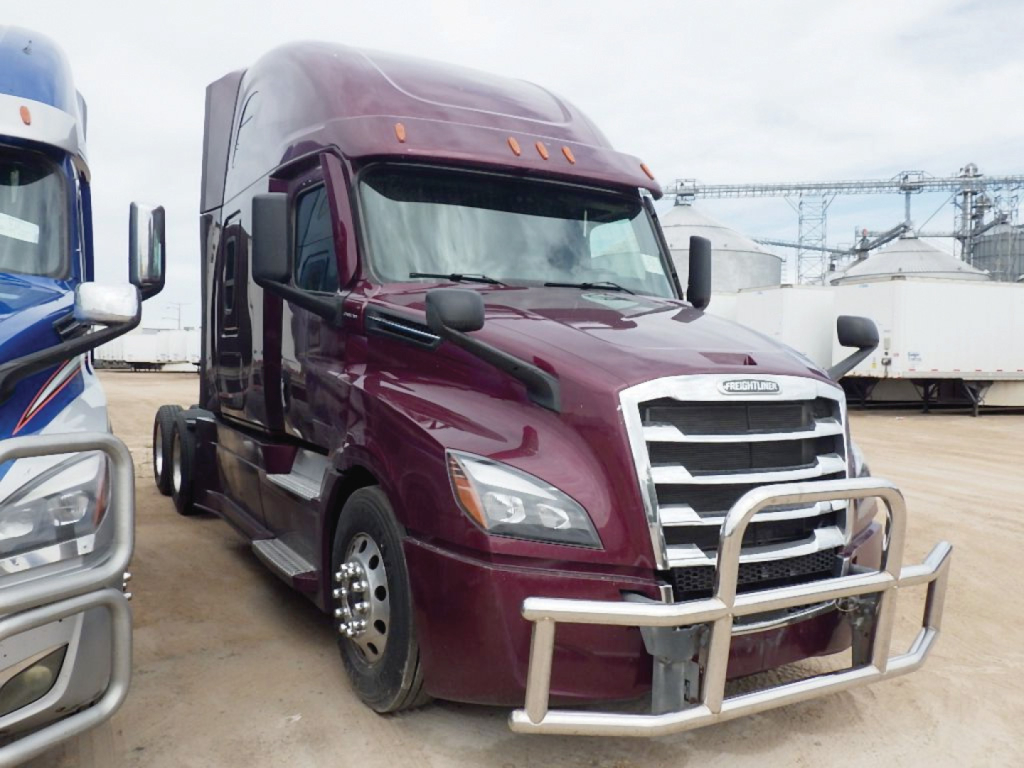
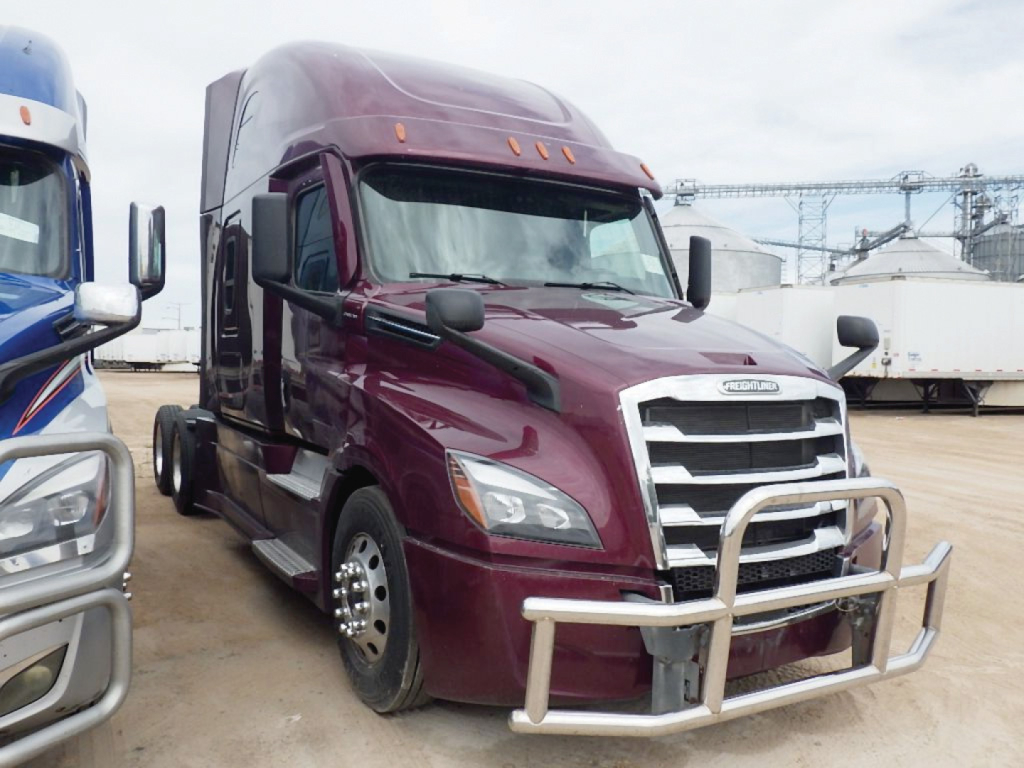
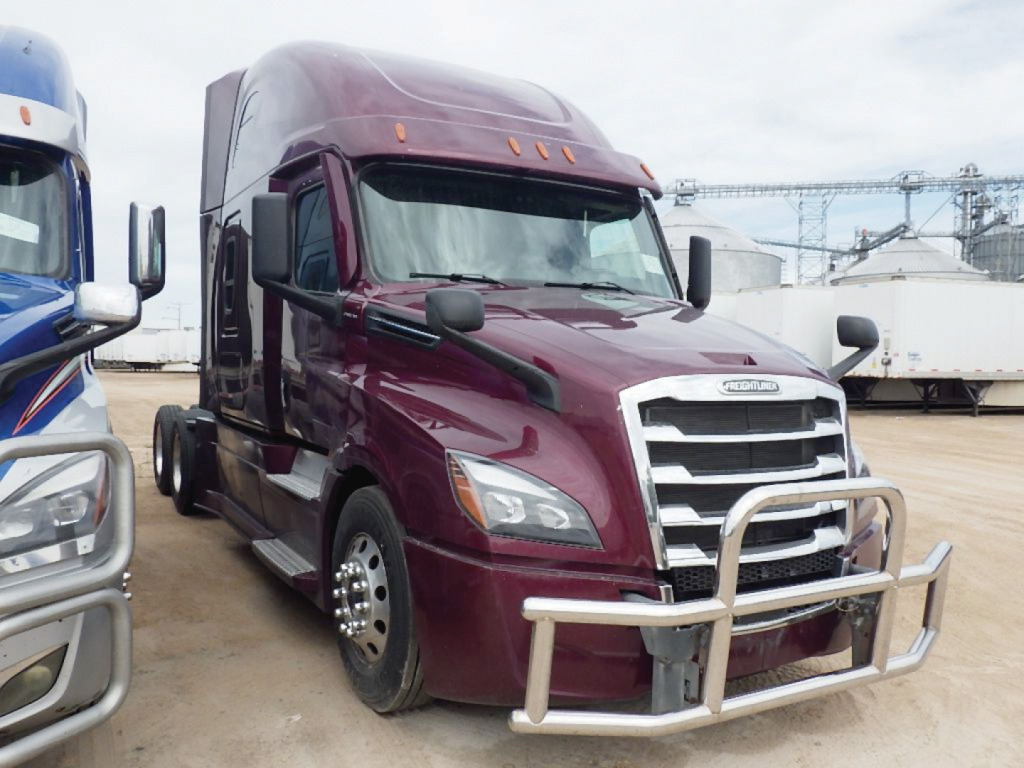
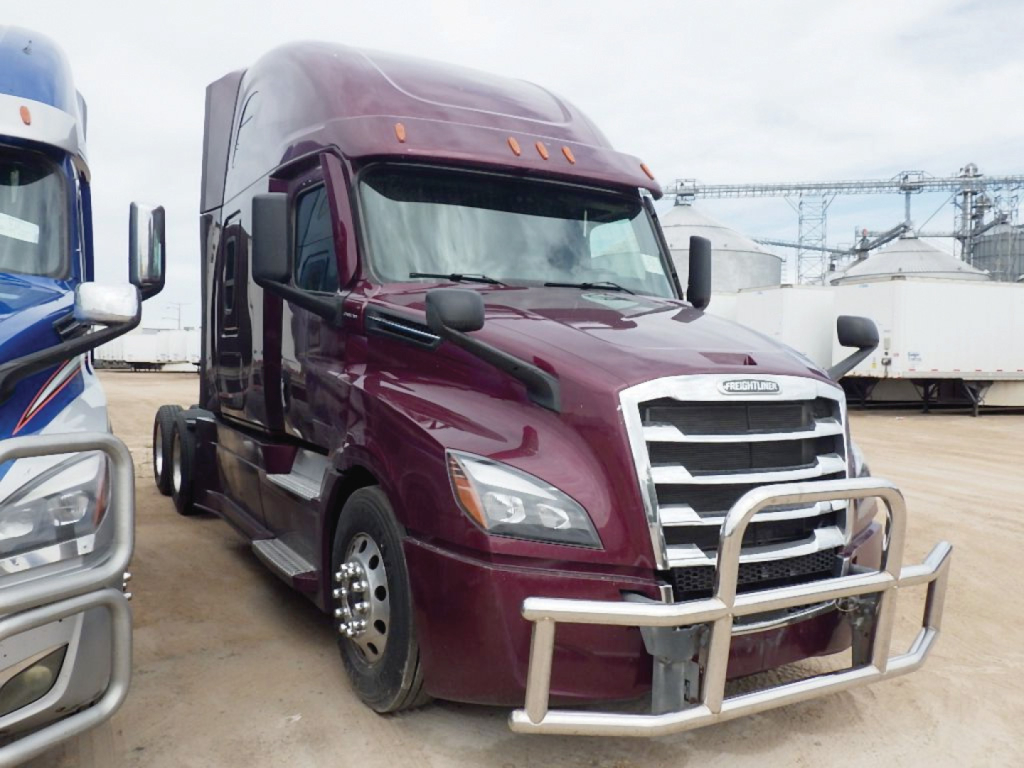
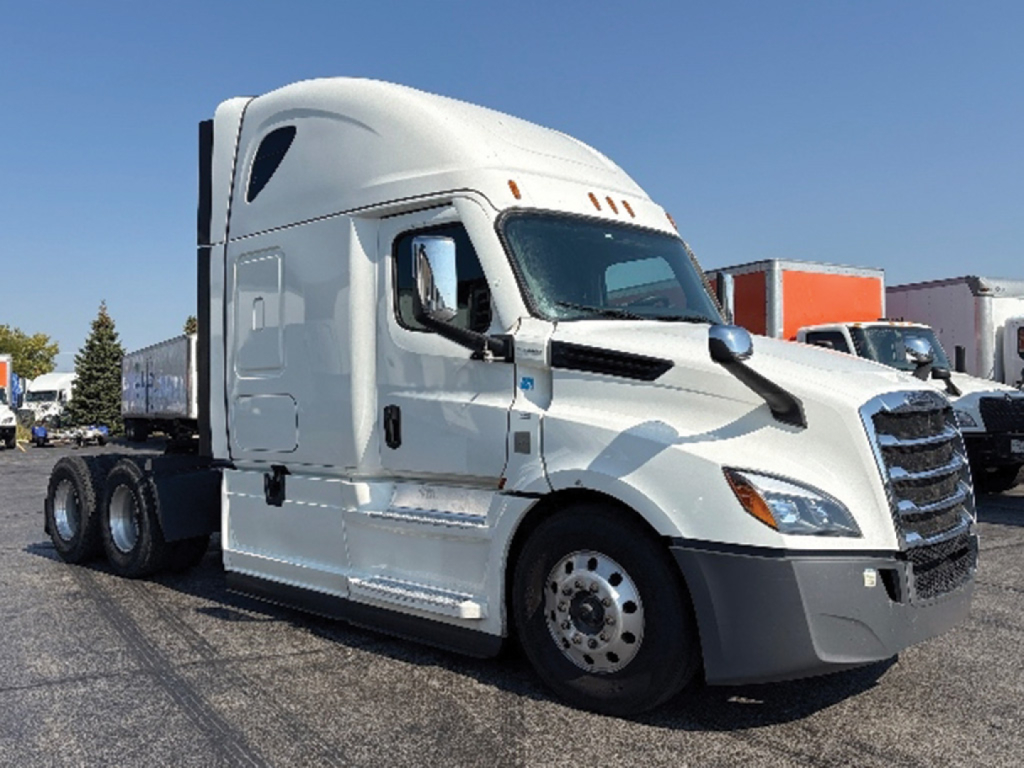
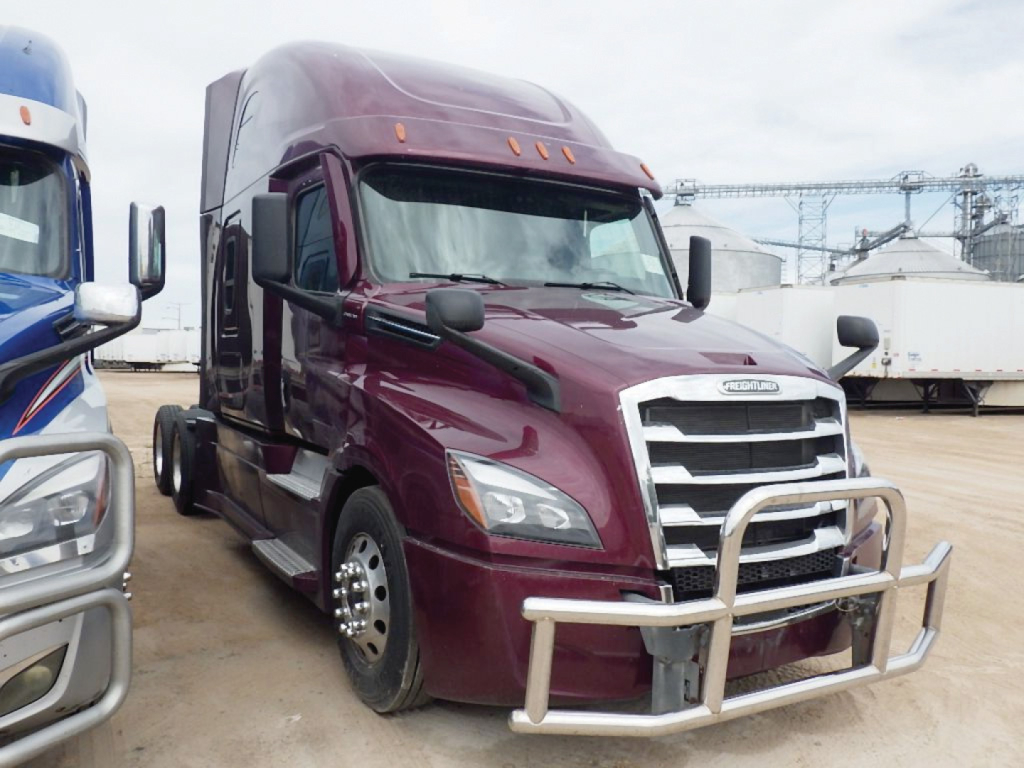
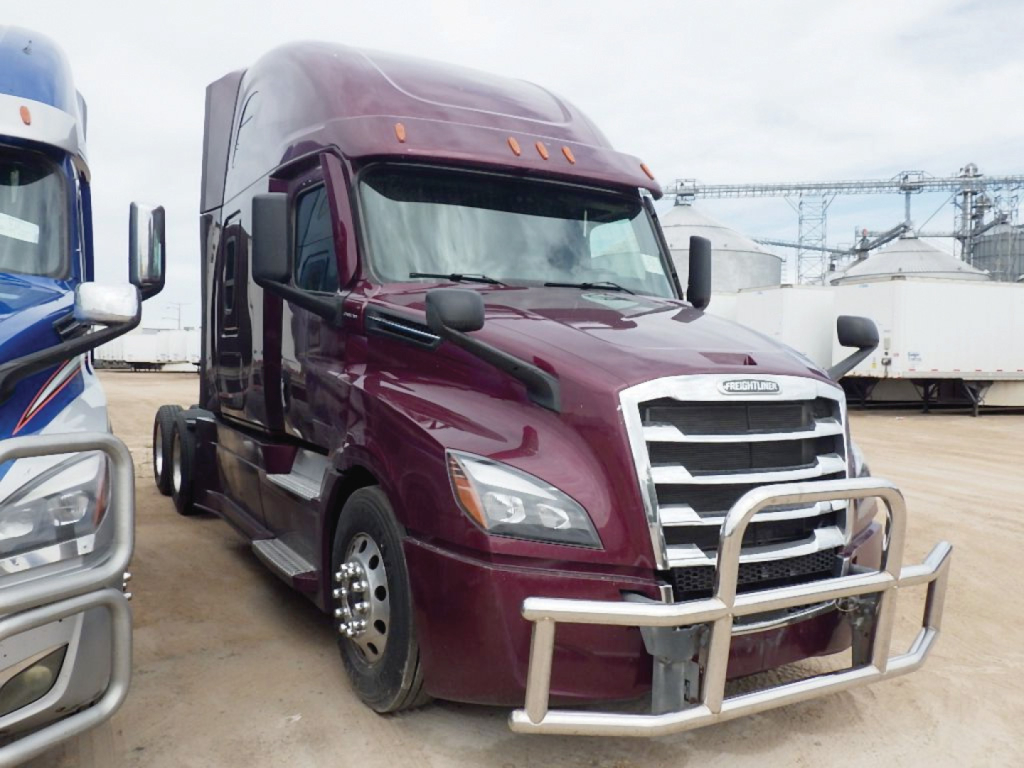
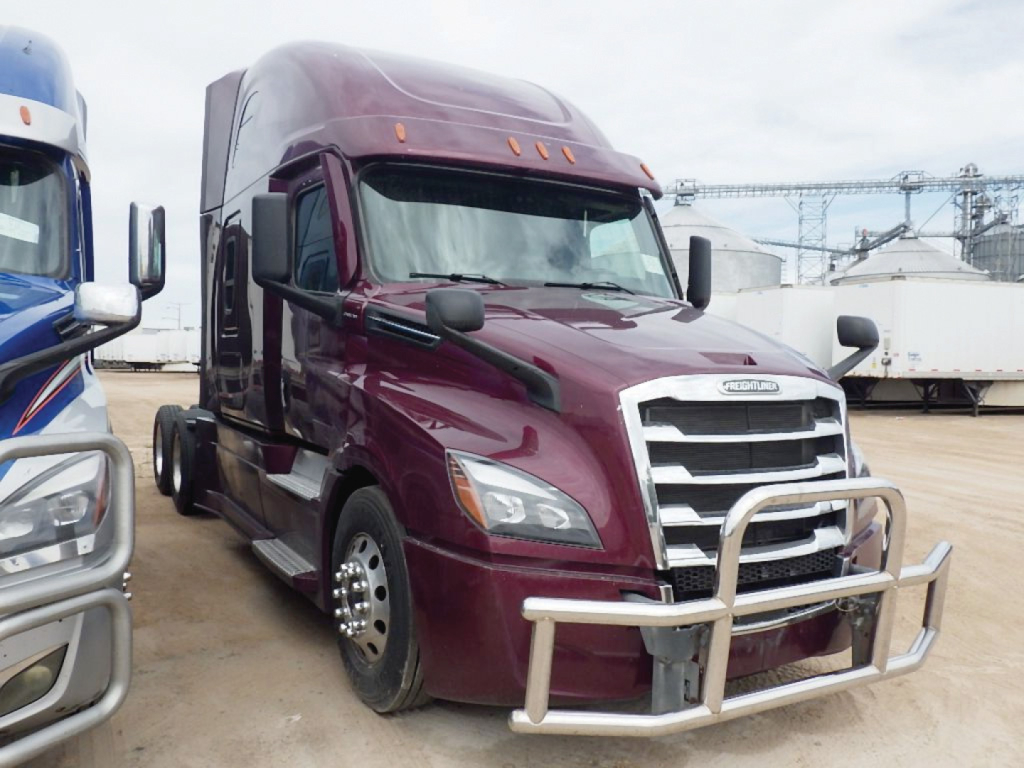
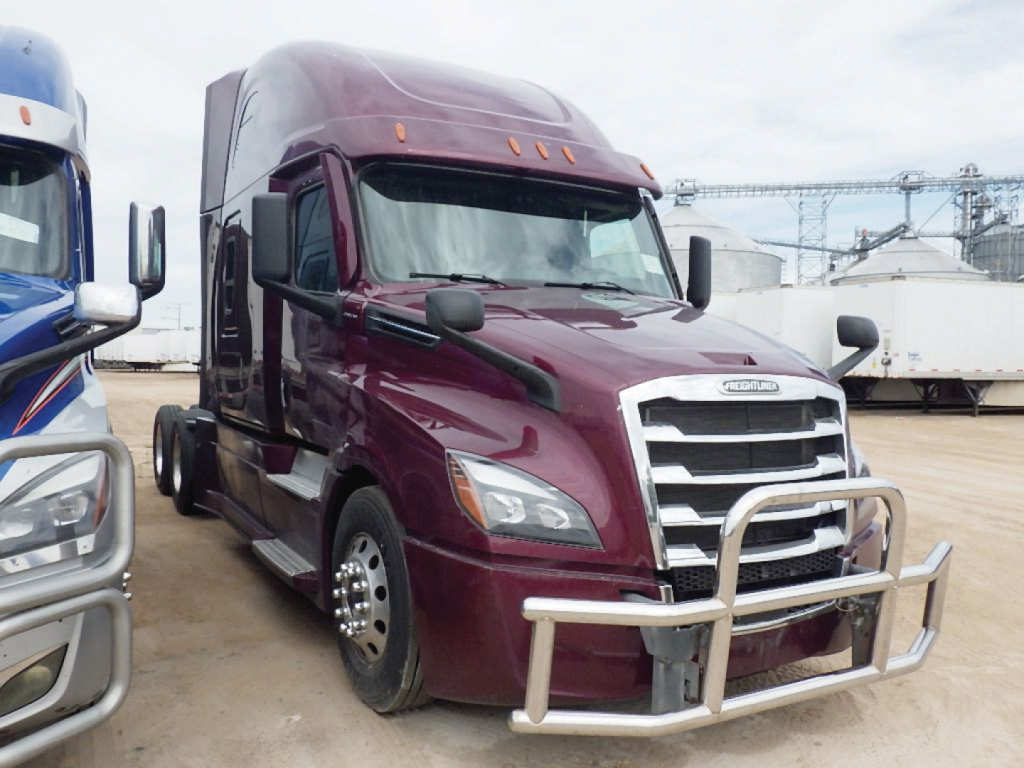
Showing 1 to 28 of 70 results
Have freightliner conventional sleeper truck to sell? List it here to reach thousands of buyers.
Freightliner Conventional Sleeper Trucks in Illinois
Most Freightliner sleeper trucks on the market are powered by Detroit engines, especially the DD15, paired with the DT12 automated manual transmission. That combination is popular because it balances fuel efficiency, highway drivability, and parts support across large dealer and service networks. Horsepower often falls in the 400 to 455 HP range with 40,000 lb rears, making these trucks suitable for standard 80,000 lb GCW applications. Rear axle ratios can vary quite a bit, and that choice matters. A 2.28 or 2.47 ratio favors fuel mileage and lower cruise RPM on flatter interstate lanes, while a 2.85 or 3.08 ratio may better suit heavier freight, shorter haul work, or operations that see more stop-and-go driving and tougher terrain.
Buyers should pay close attention to sleeper layout, wheelbase, and fifth wheel configuration because those specs affect real-world usability more than the badge on the hood. Wheelbases in the mid-220s to low-240s are common on Freightliner conventional sleepers and can change how the truck tracks, turns, and carries weight with different trailer lengths. An air slide fifth wheel adds flexibility for fleets pulling mixed trailer types or managing axle weights closely, while a stationary fifth wheel can be fine for dedicated trailer pools. Disc brakes, collision mitigation, air ride suspension, aluminum fuel tanks, cab extenders, side fairings, and low-profile 22.5 tires are all common features that point to a highway-focused aerodynamic spec.
For Illinois buyers, it also makes sense to evaluate how a sleeper truck is equipped for Midwest year-round service. A bunk heater, climate control system, engine brake, and good fairing package all add value in cold weather and on long interstate runs. Freightliner conventional sleeper trucks are often chosen because they are easy to place into fleet service, familiar to drivers, and relatively straightforward to source parts for. The strongest buyers in this category usually compare not just year and mileage, but engine rating, rear ratio, sleeper size, safety tech, and maintenance history to make sure the truck matches the freight it will actually haul.
Frequently Asked Questions about Freightliner Conventional Sleeper Trucks in Illinois
What engine and transmission are most common in Freightliner conventional sleeper trucks?
The most common setup is a Detroit DD15 diesel engine paired with a Detroit DT12 automated manual transmission. This combination is widely used in Freightliner Cascadia sleeper trucks because it offers a strong mix of fuel economy, highway performance, and service support. Buyers looking at used units often favor this spec because many fleets standardized on it, which helps with driver familiarity, parts availability, and maintenance consistency.
What rear axle ratio is best for a Freightliner sleeper truck?
The best rear axle ratio depends on the lane and the weight of the freight. Lower numerical ratios such as 2.28 or 2.47 are generally chosen for fuel-efficient highway operation at steady interstate speeds. Higher ratios such as 2.85 or 3.08 can be a better fit for heavier loads, more frequent starts and stops, or routes with more grades. A buyer should match the ratio to cruise speed, tire size, engine calibration, and the type of trailer the truck will pull.
Is a 72-inch raised-roof sleeper a good choice for over-the-road work?
Yes. A 72-inch raised-roof sleeper is one of the most common and practical configurations for over-the-road service. It provides enough room for an upper bunk, storage, and basic living space without pushing the truck into a more specialized premium sleeper category. For team operations or drivers staying out for extended periods, this size is often the minimum sweet spot for comfort and resale appeal.
What should I check first on a used Freightliner Cascadia sleeper?
Start with engine history, aftertreatment service records, transmission performance, and any fault code history. Then look at the sleeper equipment, fifth wheel type, rear axle ratio, brake type, and tire condition to confirm the truck matches the intended application. It is also smart to verify whether the truck has collision mitigation, an APU, a bunk heater, or other fleet options that affect driver acceptance and operating cost. On a highway tractor, the right spec matters as much as the overall condition.