
2020 Freightliner Conventional Sleeper Trucks For Sale in Illinois
Shop 2020 Freightliner conventional sleeper trucks in Illinois. Compare Cascadia specs, sleeper sizes, powertrains, and long-haul features.
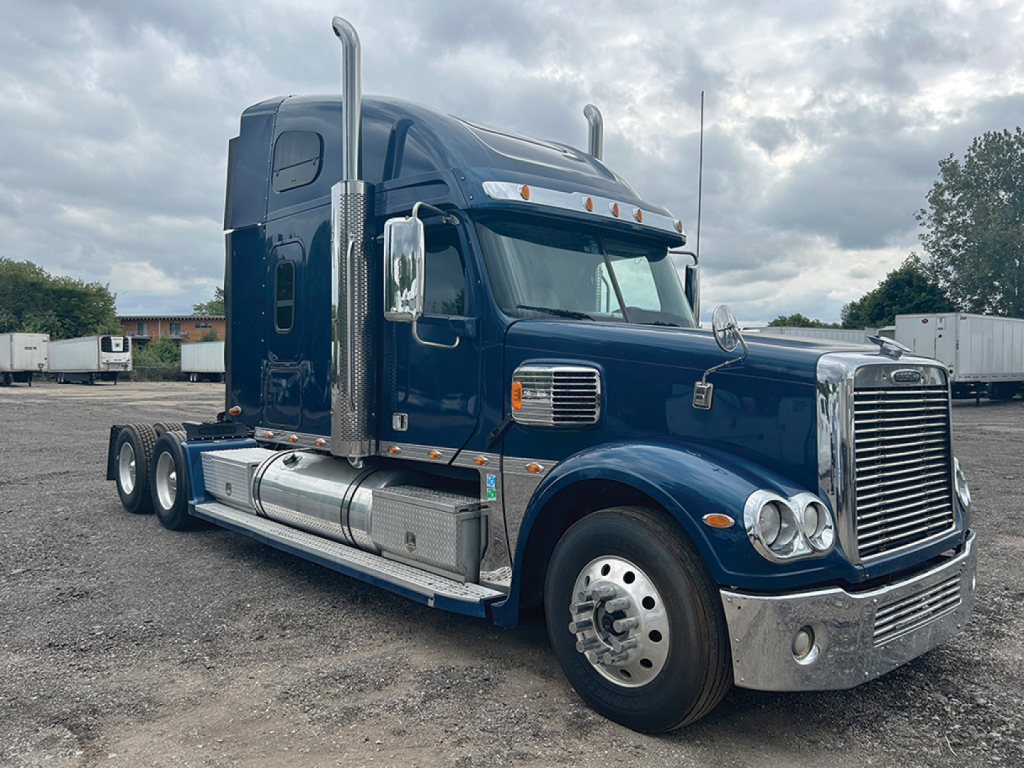
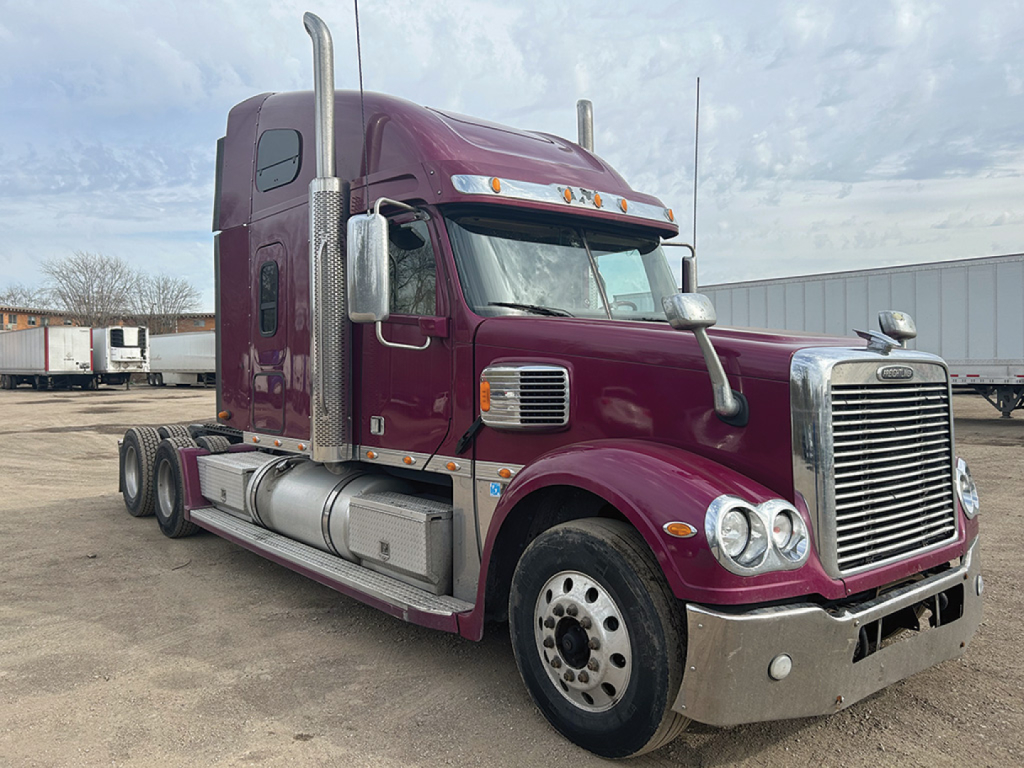
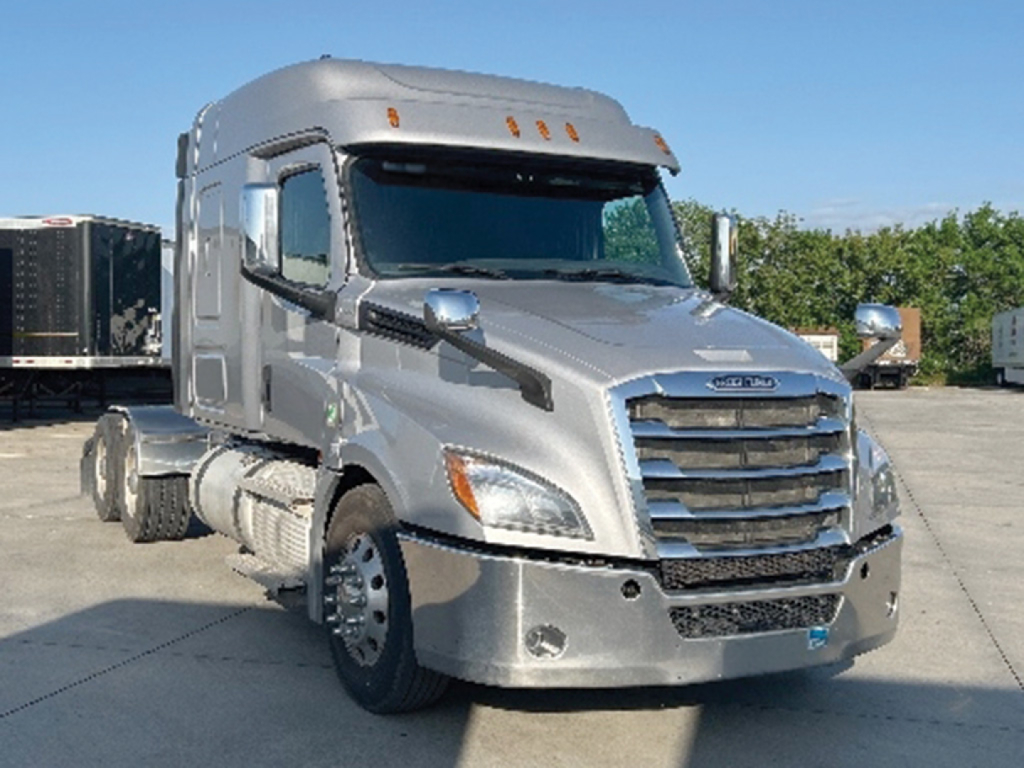
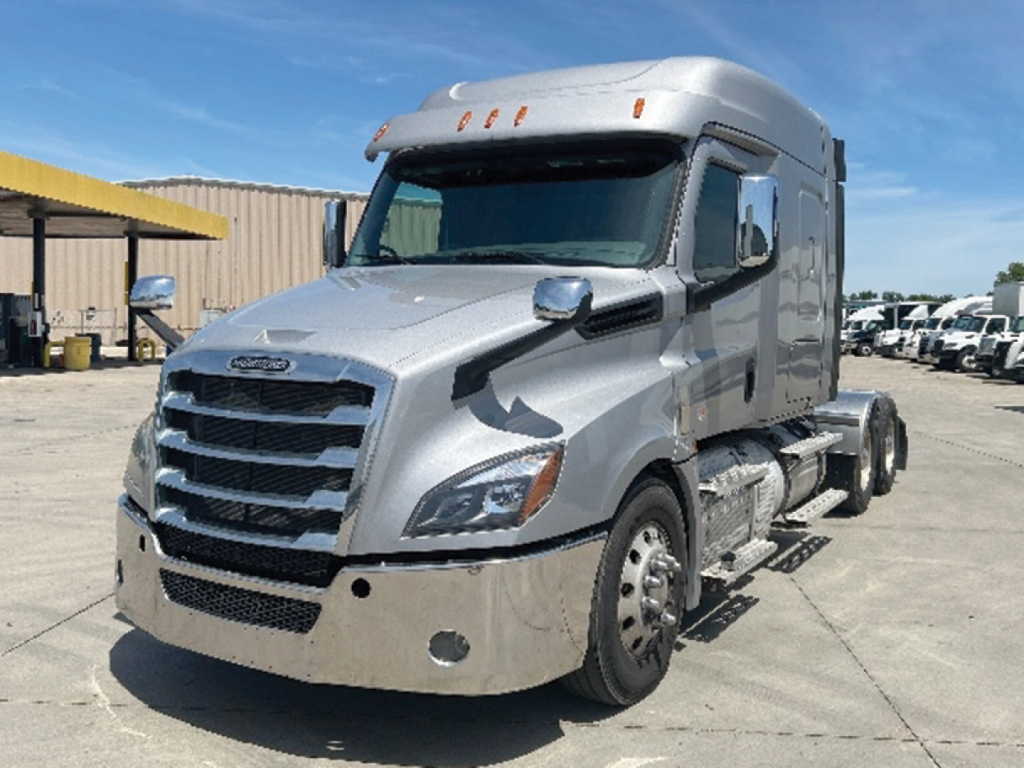

Have 2020 freightliner conventional sleeper truck to sell? List it here to reach thousands of buyers.
2020 Freightliner Conventional Sleeper Trucks in Illinois
The main buying decisions usually come down to engine, transmission, axle ratio, and sleeper layout. Many 2020 Freightliner sleepers are spec'd with a Detroit DD15 paired with a DT12 automated manual or a traditional manual transmission. Horsepower commonly lands in the 400 to 505 HP range, with 455 HP being a very common linehaul spec. Rear axle ratios such as 2.85, 3.08, or 3.25 can tell you a lot about the truck's intended duty cycle. Lower numerical ratios generally favor fuel mileage on steady highway routes, while a slightly deeper ratio can be a better fit for heavier loads, hill country, or more stop-and-go operation. Wheelbase, fifth wheel travel, and fuel capacity also deserve close attention if the truck will be matched to different trailer lengths or run in longer dispatch cycles.
Sleeper comfort is more than a convenience issue. It affects retention, uptime, and how well a truck fits team service or multi-day routes. Common Freightliner sleeper sizes include mid-roof and raised-roof layouts, often in the 60-inch to 72-inch range. Features such as upper bunks, bunk heaters, APUs, refrigerator prep, storage cabinets, and upgraded interior trim can make a substantial difference for a driver living in the truck. In Illinois, where seasonal temperature swings are real, heating and idle-management equipment can be especially valuable for reducing fuel burn and engine idling through winter and summer extremes.
A careful buyer should also evaluate the truck beyond the headline specs. Check emissions system history, service records, brake type, tire condition, and suspension wear points. Look at collision mitigation, cruise control, power accessories, and telematics readiness if the truck is going into a fleet. Freightliner conventional sleepers are popular because they balance aerodynamics, cab space, and operating cost, but the best fit depends on the lane, trailer, gross weight, and maintenance plan. A 2020 model can be a strong value point for buyers who want modern safety and efficiency features without stepping into a brand-new truck price bracket.
Frequently Asked Questions about 2020 Freightliner Conventional Sleeper Trucks in Illinois
What engine is most common in a 2020 Freightliner conventional sleeper truck?
The Detroit DD15 is one of the most common engines found in 2020 Freightliner conventional sleeper trucks, especially in Cascadia linehaul specs. It is widely used because it offers a strong balance of fuel economy, horsepower, torque, and parts availability. Many trucks in this class are rated around 455 HP, though higher horsepower ratings are also available depending on the original application.
Is a 2020 Freightliner sleeper truck better suited for long-haul or regional work?
A 2020 Freightliner conventional sleeper can handle both, but the spec sheet will tell you where it fits best. Raised-roof sleepers, larger fuel capacity, lower rear axle ratios, and automated transmissions usually point toward long-haul use. A shorter wheelbase, smaller sleeper, and different gearing may be better for regional freight with occasional overnight runs. The truck should be matched to route length, payload, terrain, and trailer type.
What sleeper size should I look for in a Freightliner conventional?
A 72-inch raised-roof sleeper is a common choice for over-the-road freight because it gives the driver more standing room, storage, and living space. Smaller mid-roof or shorter sleepers can work well for dedicated regional lanes or operations where weight and maneuverability matter more than extended cab living space. The right sleeper size depends on how many nights the driver is in the truck and whether the operation runs solo or team.
Are automated transmissions common in 2020 Freightliner sleeper trucks?
Yes, many 2020 Freightliner conventional sleepers are equipped with automated manual transmissions such as the Detroit DT12. These transmissions are popular in fleet service because they help standardize driver performance, reduce missed shifts, and can improve fuel economy when paired with the right axle ratio. Manual transmissions are still valued by some owner-operators and vocational-heavy users, but automated specs are very common in this model year.
What should I inspect first on a used 2020 Freightliner sleeper?
Start with maintenance records, engine hours, mileage, emissions system history, and any documentation for major repairs. After that, inspect the tires, brakes, suspension, kingpins, fifth wheel, and sleeper equipment such as HVAC and bunk heater operation. On a 2020 model, buyers should also verify the condition of driver-assist features, electrical systems, and any telematics hardware, since downtime from electronics issues can be just as costly as mechanical repairs.