
2026 Freightliner Conventional Sleeper Trucks For Sale
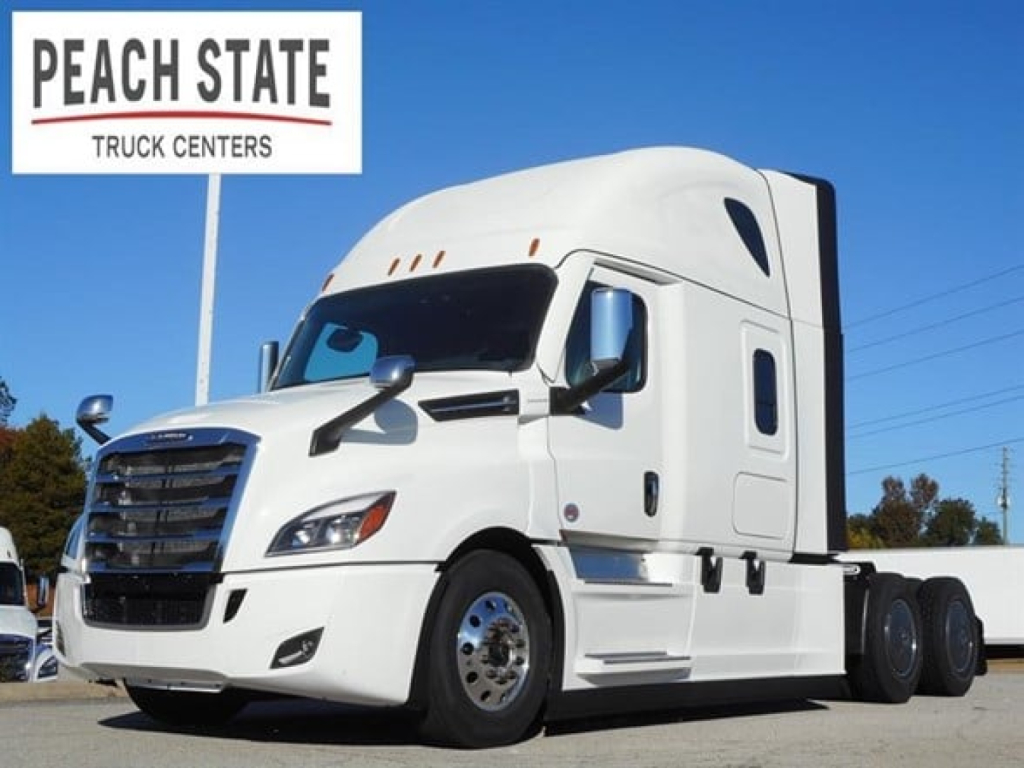
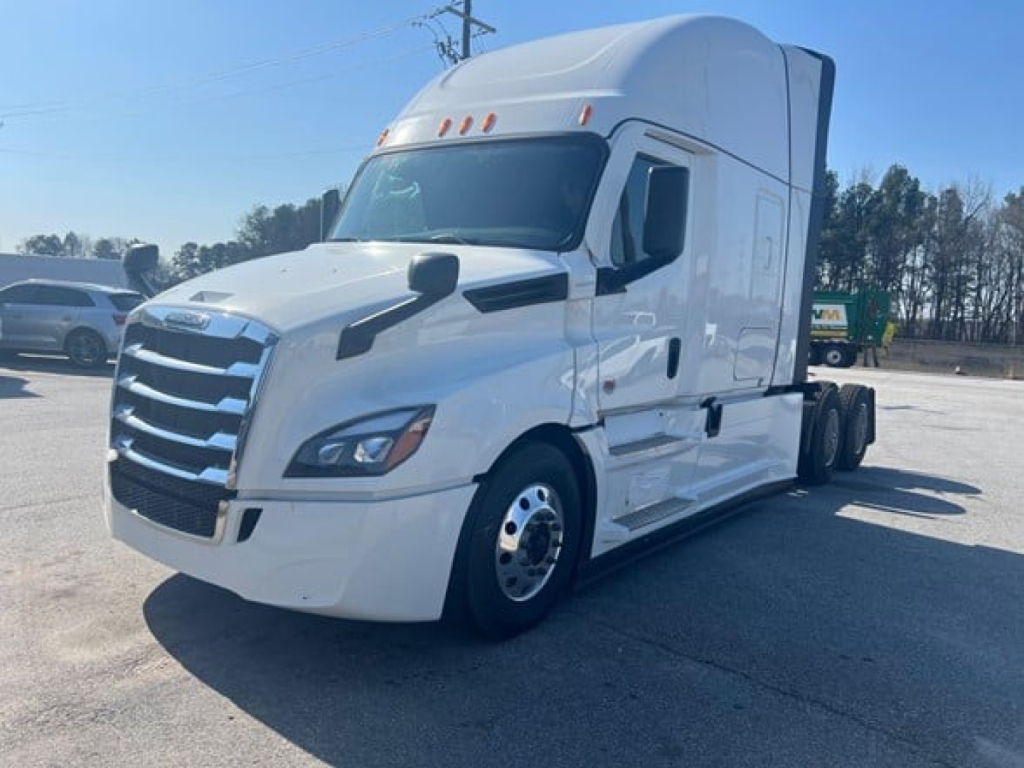
Shop 2026 Freightliner conventional sleeper trucks, including Cascadia-style highway sleepers with efficient powertrains and driver-focused specs.
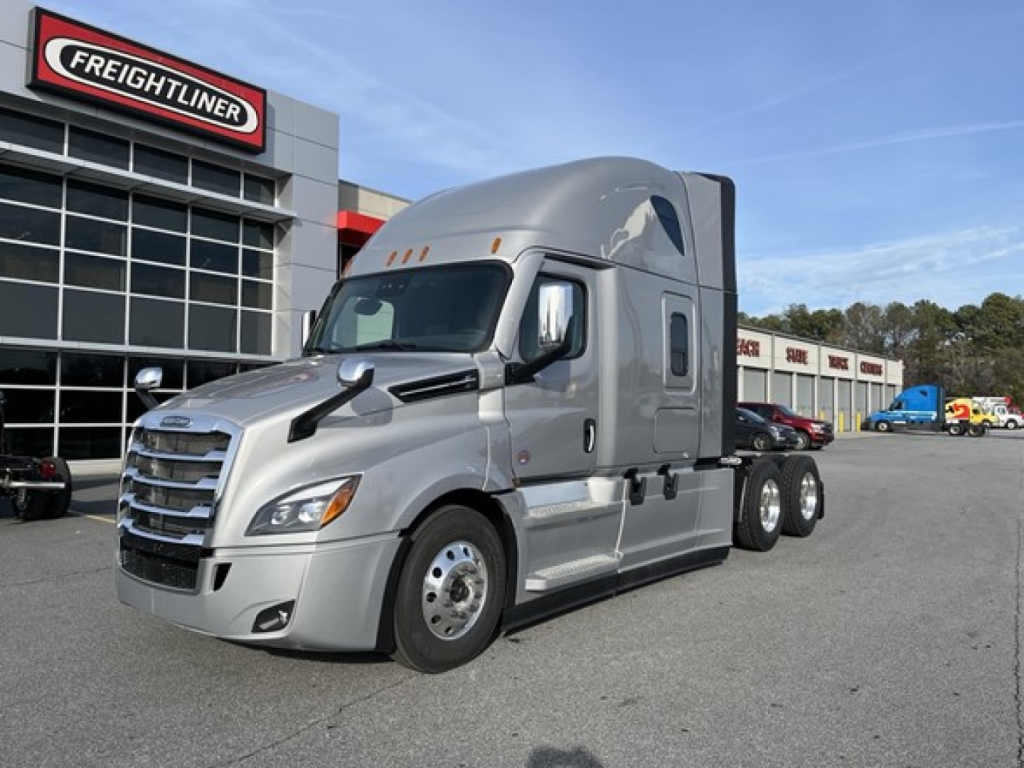
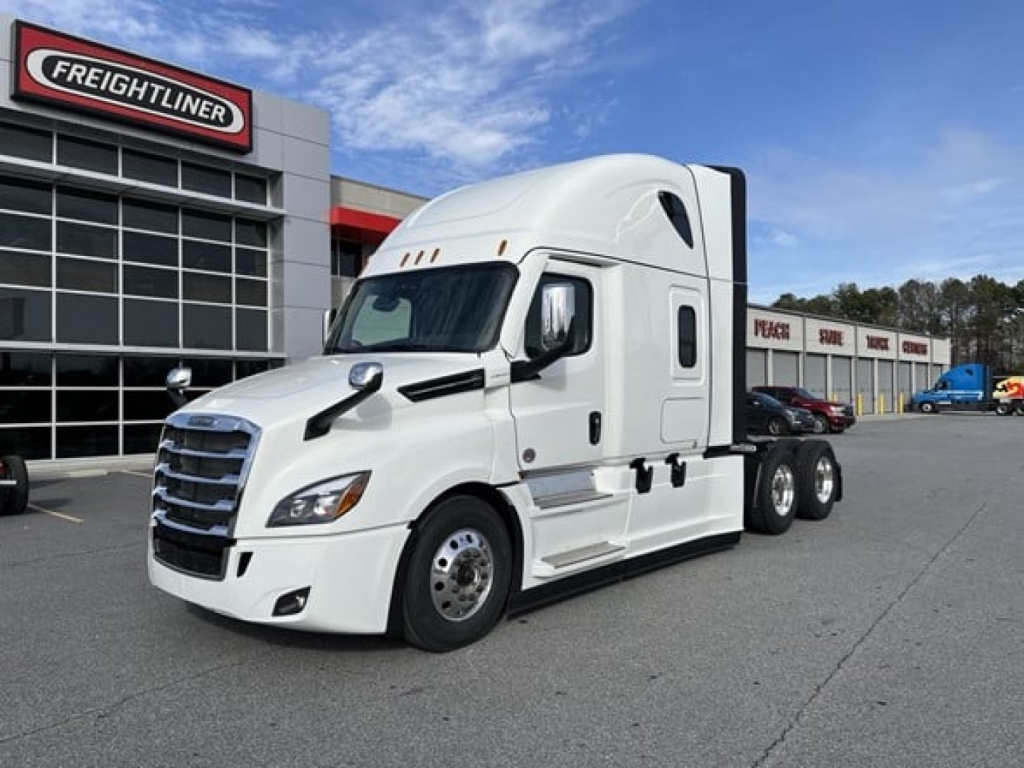
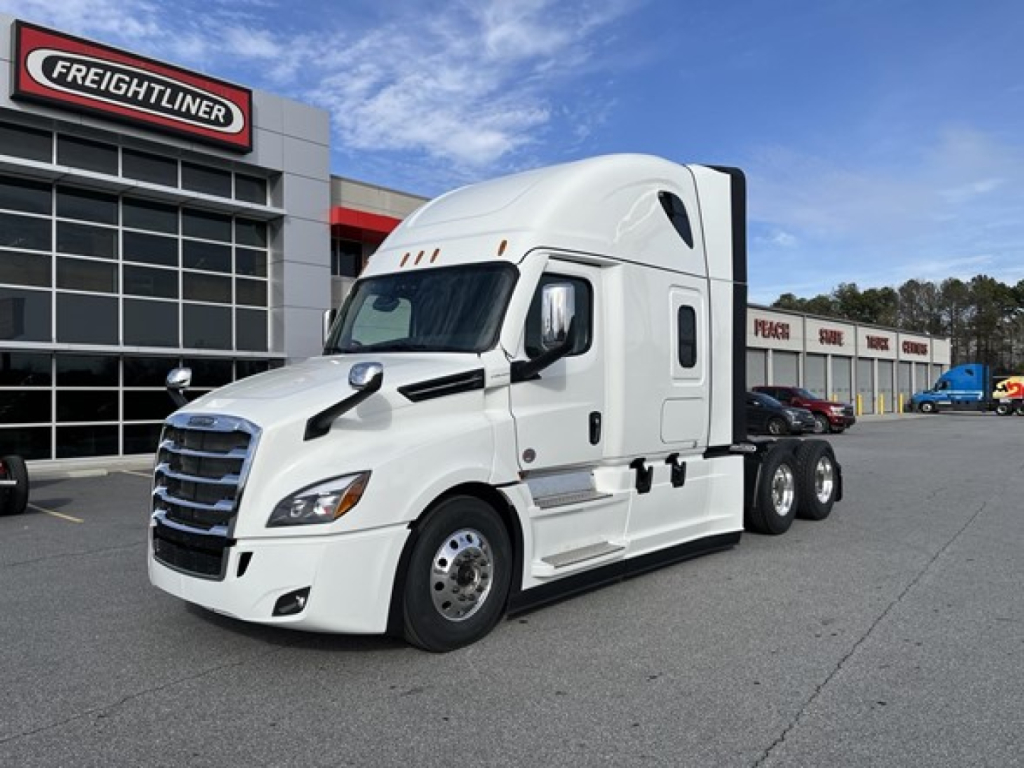
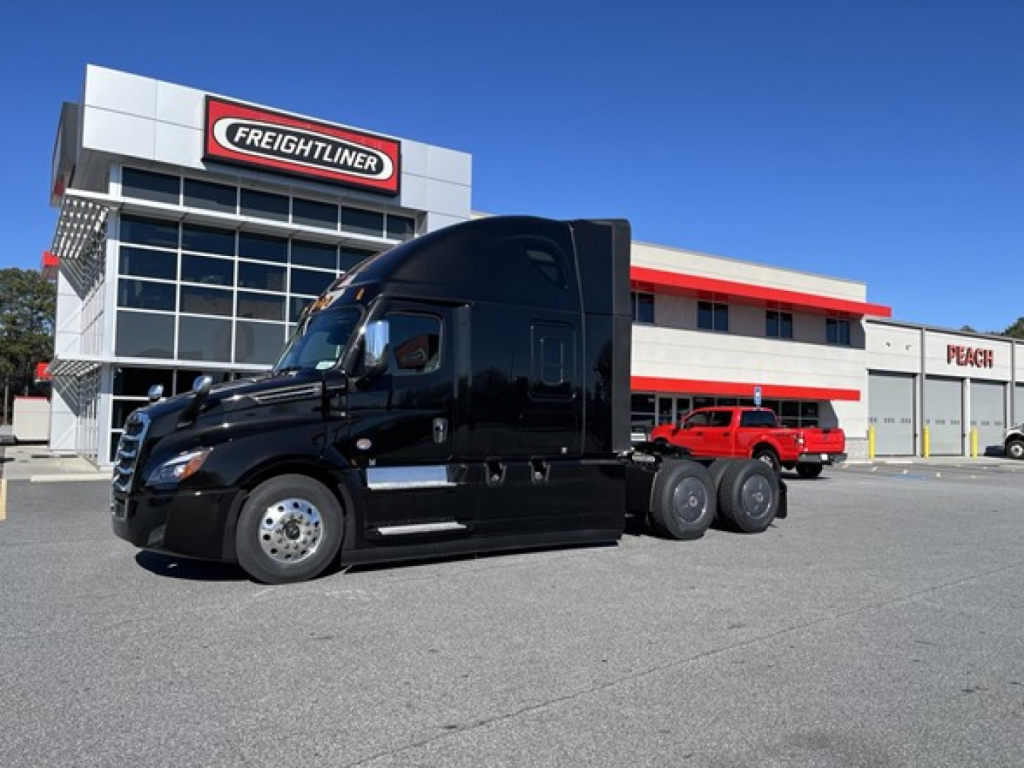
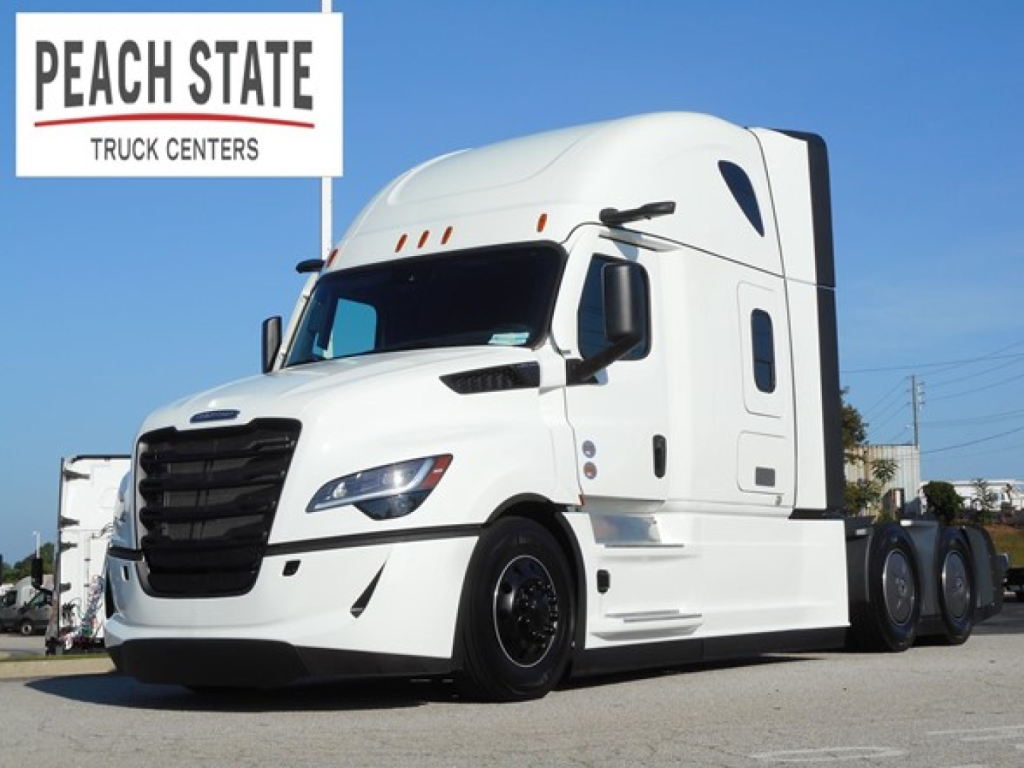
Have 2026 freightliner conventional sleeper truck to sell? List it here to reach thousands of buyers.
2026 Freightliner Conventional Sleeper Trucks
The main spec decisions usually start with engine, transmission, rear axle ratio, and sleeper size. Freightliner sleeper tractors are commonly paired with Detroit power, especially the DD13 or DD15, with horsepower ranges often selected around the mid-400s up to 500-plus horsepower depending on terrain, gross weight, and cruising speed targets. Many are spec'd with the Detroit DT12 automated manual transmission, though buyer preference still depends on fleet standardization and driver acceptance. Rear axle ratios such as 2.64, 2.85, or 3.08 are common in highway applications, and they matter because they change cruise RPM, gradeability, and fuel burn. A 72-inch raised-roof sleeper is a popular configuration for teams and long-haul solo drivers, while interior options like double bunks, bunk heaters, refrigerator prep, inverter packages, and premium storage can make a real difference in retention and utilization.
A smart buyer will also pay close attention to chassis and braking specs, not just the cab. Typical configurations in this class include tandem rear axles rated around 40,000 pounds, air ride suspension, air slide fifth wheels, and wheelbases often in the 225- to 235-inch range depending on body packaging and trailer swing clearance. Disc brakes have become increasingly desirable for stopping performance and serviceability, and aluminum wheels, low rolling resistance tires, and optimized aero packages all support fuel economy goals. Safety technology is a major consideration on late-model Freightliner sleeper trucks, with many units equipped or spec'd to support collision mitigation, lane departure warning, adaptive cruise functions, and other driver-assistance systems that fleets now treat as core operating equipment rather than luxury features.
For buyers comparing 2026 Freightliner conventional sleepers, the best fit comes down to duty cycle. Long, flat interstate lanes may favor a taller rear ratio and a fuel mileage spec. Mountain freight, heavier loads, or more time off-highway may justify more horsepower, a different axle ratio, and a durability-focused chassis setup. Sleeper layout, fuel tank capacity, fairing condition, and service access all matter because this is a truck meant to produce every day. Freightliner remains a leading choice in the conventional sleeper market because parts support, dealer reach, driver familiarity, and resale strength are all established advantages in real fleet use.
Frequently Asked Questions about 2026 Freightliner Conventional Sleeper Trucks
What is a conventional sleeper truck, and how is it different from a day cab?
A conventional sleeper truck is a highway tractor with a long hood and an integrated sleeping compartment behind the cab. Compared with a day cab, it adds bunk space, storage, and often larger fuel capacity for overnight and multi-day runs. That makes it the standard choice for over-the-road freight, team driving, and regional operations that keep drivers away from home for extended periods.
What engine and transmission setups are most common in a Freightliner conventional sleeper?
In this category, Detroit powertrains are the most common, especially the DD13 and DD15 paired with the DT12 automated manual transmission. Buyers typically choose horsepower and torque based on freight weight, terrain, and cruise speed goals. A fuel economy spec may lean toward a lower-RPM drivetrain combination, while a heavy-haul or mountain application may call for more horsepower and a shorter rear axle ratio.
Why does rear axle ratio matter on a sleeper tractor?
Rear axle ratio affects engine RPM at road speed, launch feel, grade performance, and overall fuel efficiency. Ratios such as 2.64 or 2.85 are often used in linehaul applications to reduce cruise RPM and improve fuel mileage, while a 3.08 or deeper ratio can help with heavier loads or more demanding terrain. The right ratio depends on your transmission, tire size, gross combination weight, and the average route profile.
What sleeper size is most practical for over-the-road use?
A 72-inch raised-roof sleeper is one of the most practical and common choices for long-haul work because it balances maneuverability with living space. It gives solo drivers enough room for storage and rest, and it also works well for team operations when spec'd with upper and lower bunks. Buyers should also look at cabinet layout, bunk heater, inverter, refrigerator space, and other comfort features that affect time on the road.
What should buyers inspect first on a late-model Freightliner sleeper truck?
Start with the powertrain and emissions history, then move to chassis configuration, safety systems, and sleeper condition. Service records, aftertreatment maintenance, brake type, suspension spec, fifth wheel setup, and tire condition all have a direct effect on operating cost. On aerodynamic highway tractors, it is also worth checking fairings, cab extenders, and hood alignment because damaged aero components can hurt fuel economy and indicate prior repairs.