
2026 Freightliner Conventional Sleeper Trucks For Sale in Georgia
Shop 2026 Freightliner conventional sleeper trucks in Georgia. Compare Cascadia specs, sleeper sizes, Detroit power, and fleet-ready features.
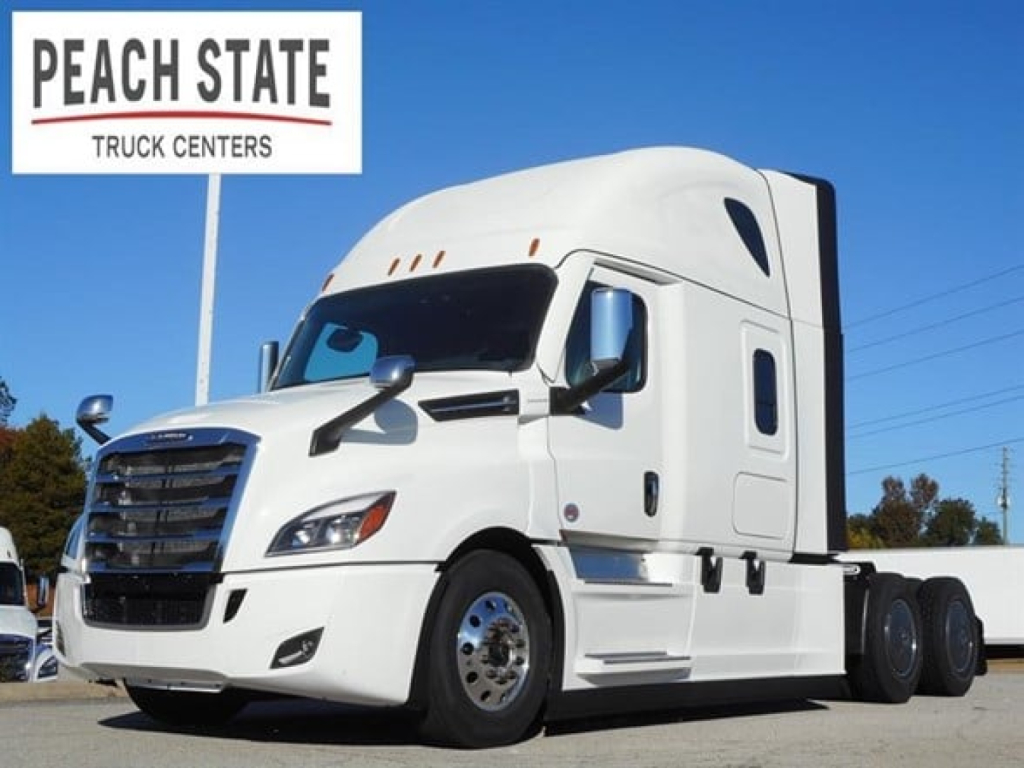
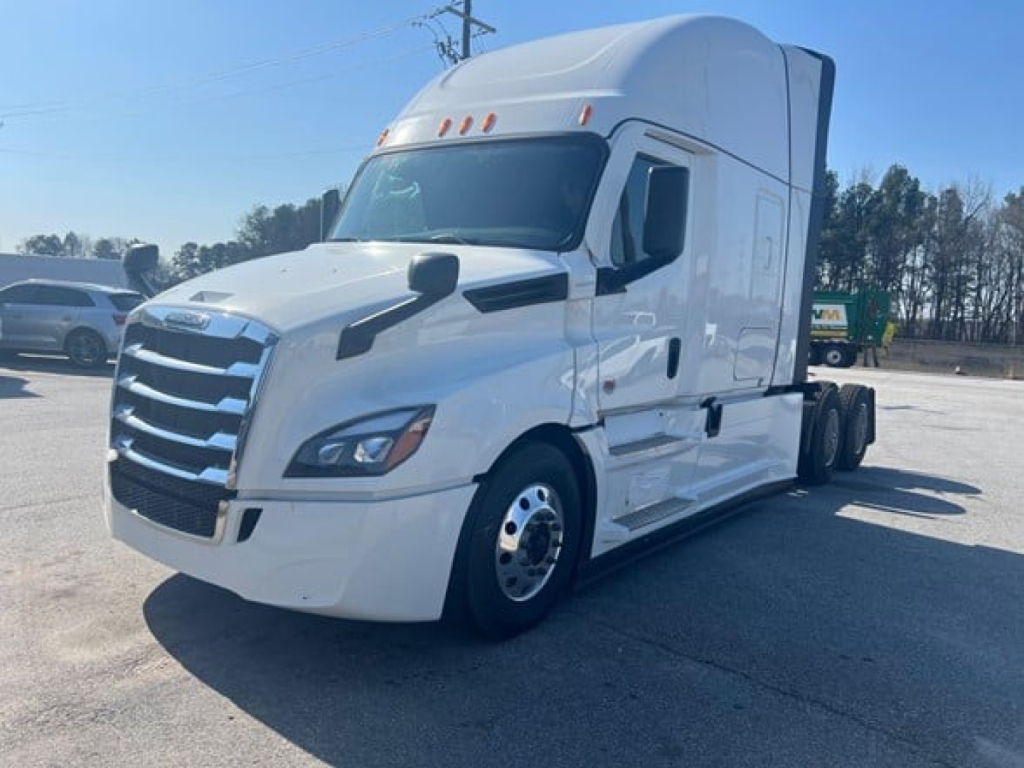
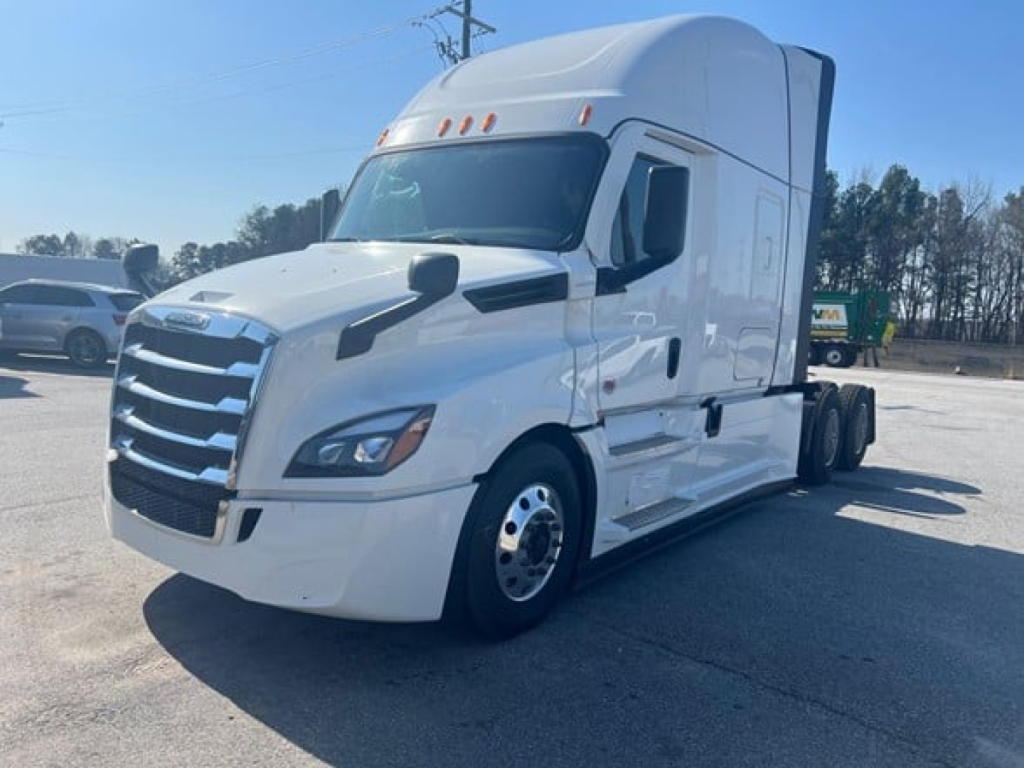
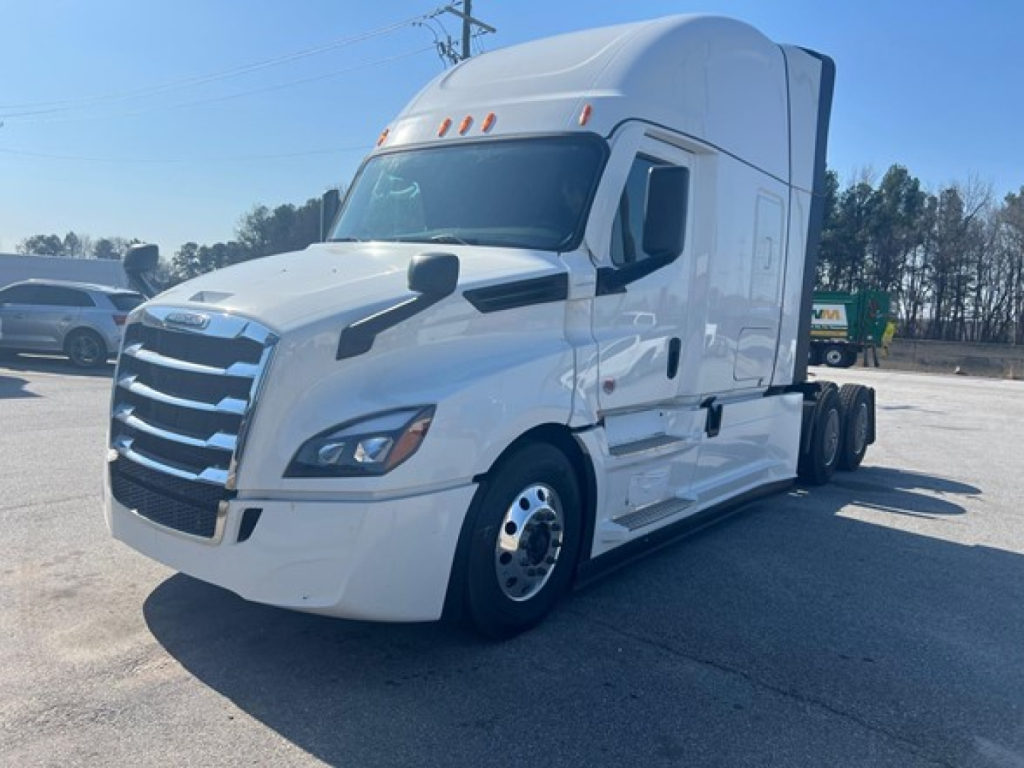
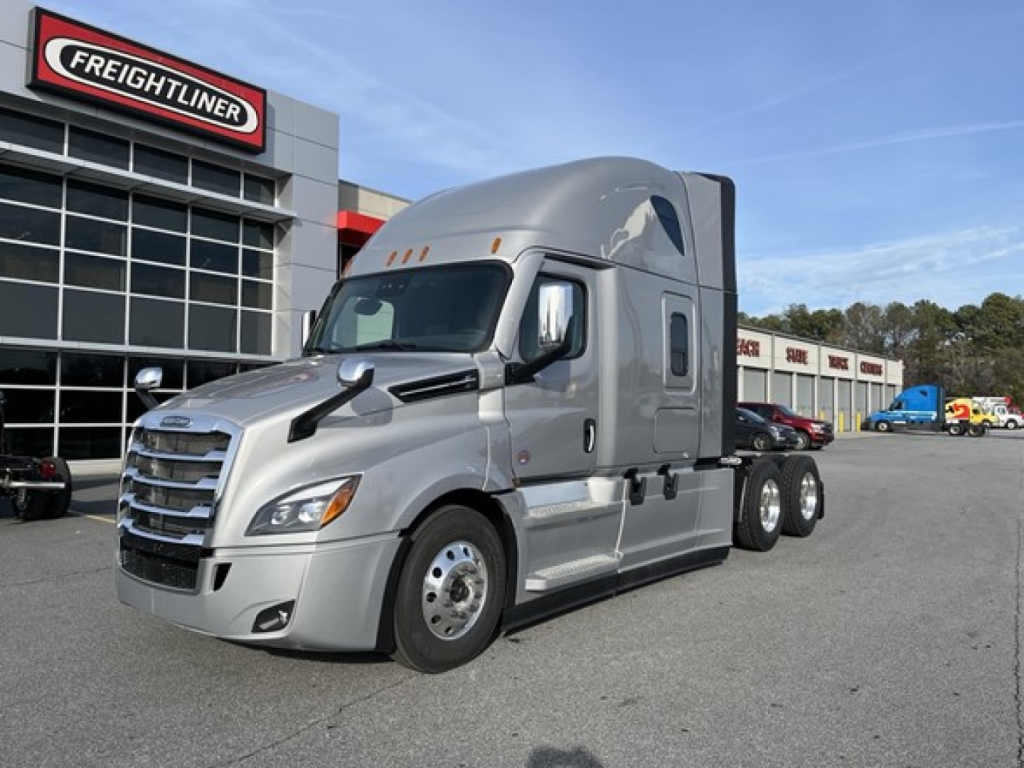
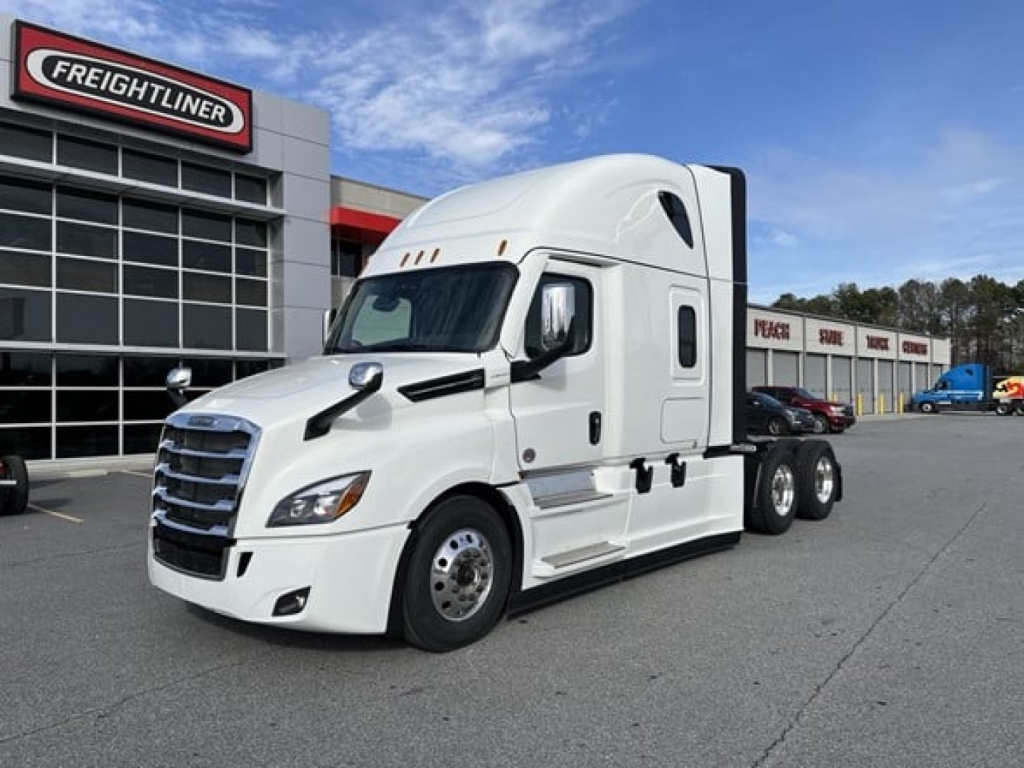
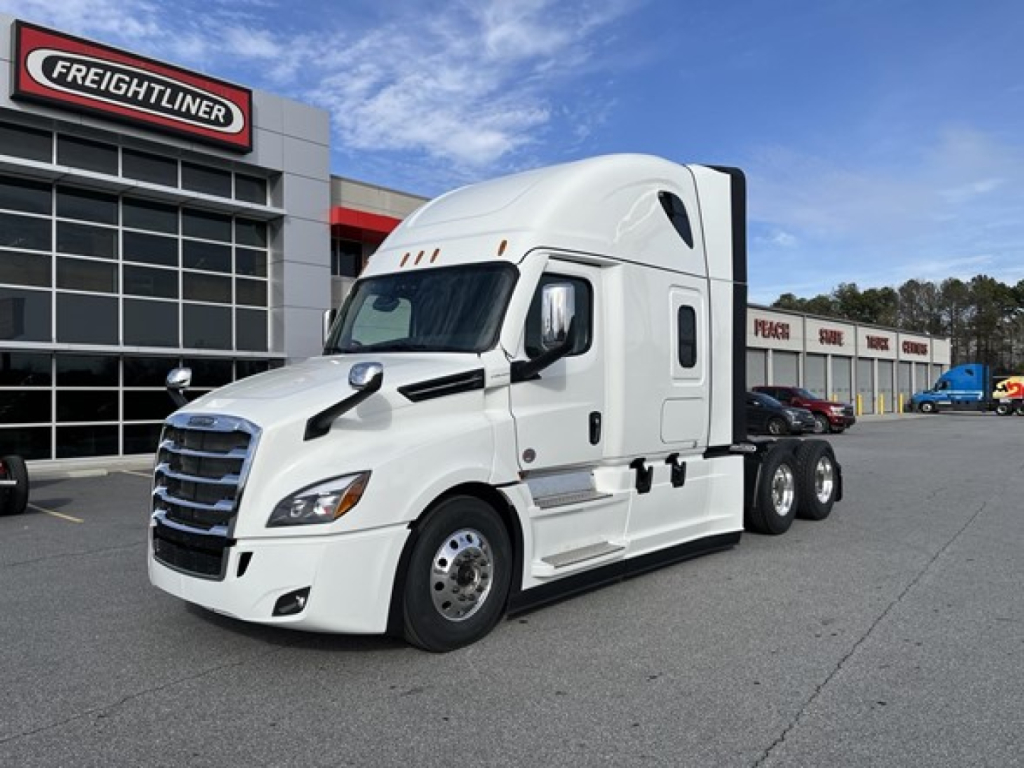
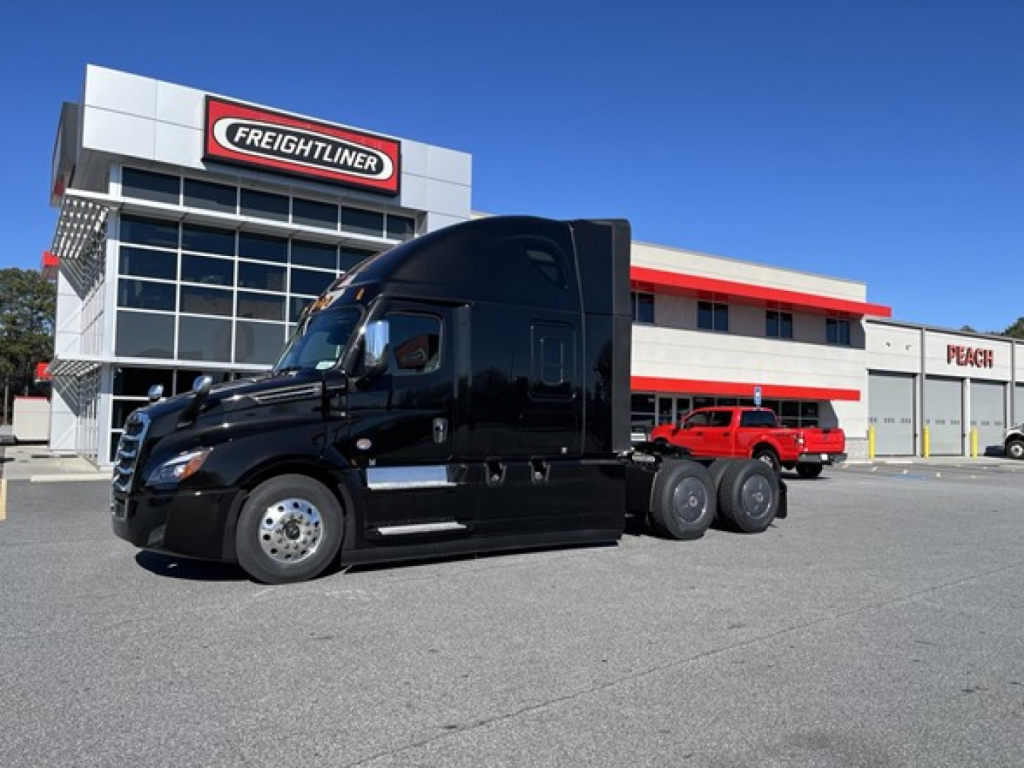
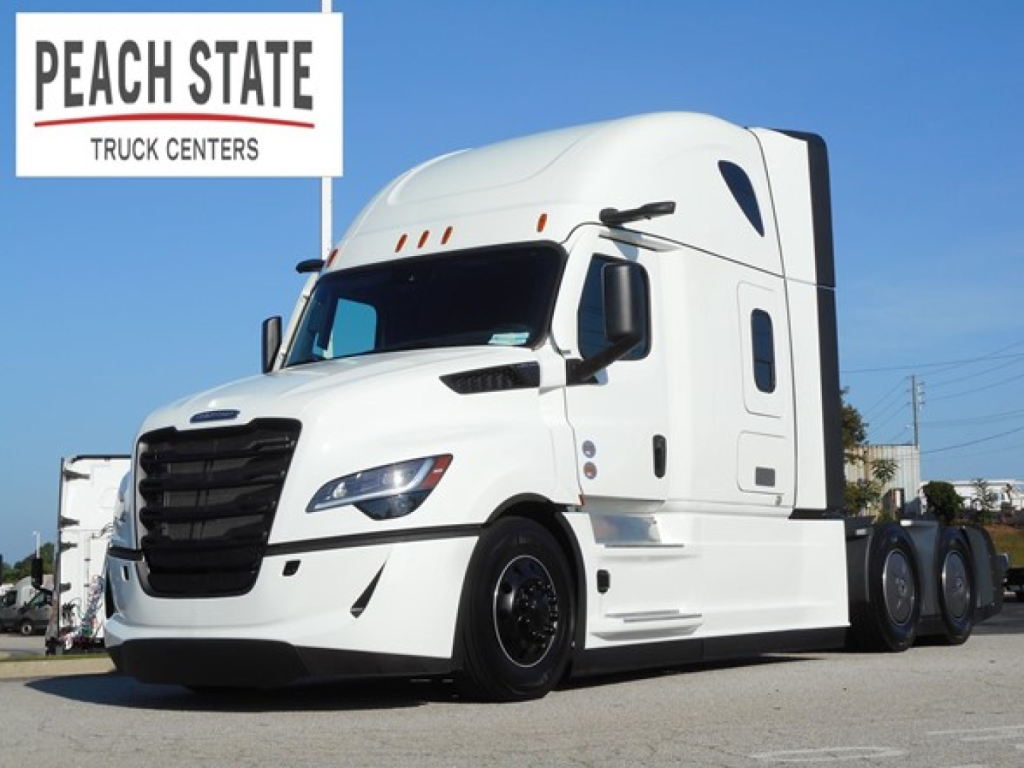
Have 2026 freightliner conventional sleeper truck to sell? List it here to reach thousands of buyers.
2026 Freightliner Conventional Sleeper Trucks in Georgia
Sleeper configuration matters as much as the drivetrain. Conventional sleeper cabs can range from more compact mid-roof and day-cab-adjacent layouts to full raised-roof sleepers designed for team or long-haul use. The right choice depends on trip length, driver retention goals, and payload priorities. A lighter spec may favor shorter regional runs, while a larger sleeper with bunk HVAC, inverter prep, storage cabinets, and refrigerator space can be a better fit for irregular-route or multi-day work. Buyers should also check wheelbase, fifth wheel position, and fuel tank layout because these details affect bridge law compliance, trailer gap, maneuverability, and overall package weight.
Freightliner conventional sleepers are also known for their broad service network and familiar parts support, which is a major consideration for fleets and owner-operators trying to control downtime. Safety and driver-assist content has become a bigger part of the buying decision in newer model years. Depending on spec, trucks in this class may include collision mitigation, lane departure warning, adaptive cruise control, side guard assist, and integrated telematics. Interior details such as digital dash layout, power accessories, HVAC performance, and noise control are worth comparing too, especially if the truck will be assigned to a single driver for high annual mileage.
A serious buyer should review the complete chassis spec rather than shopping by model name alone. Front axle rating, suspension type, brake package, wheel material, tire size, fairings, APU or idle reduction equipment, and warranty coverage all change the truck's fit for the job. For dry van and reefer work, an aerodynamic highway spec is usually the right direction. For heavier freight or mixed regional service, a buyer may want a stronger axle and suspension package with enough flexibility for changing loads. The best 2026 Freightliner sleeper truck is the one whose cab, powertrain, and wheelbase are matched to the lane, not just the badge on the hood.
Frequently Asked Questions about 2026 Freightliner Conventional Sleeper Trucks in Georgia
What engine is most common in a Freightliner conventional sleeper truck?
The most common engines in this category are the Detroit DD13 and Detroit DD15. The DD13 is often chosen for lighter long-haul or regional applications where fuel economy and lower weight matter. The DD15 is more common when buyers want stronger pulling power for heavier freight, higher average gross weights, or more demanding terrain. The right choice depends on payload, route profile, and the target balance between fuel burn and performance.
Is a DT12 automated transmission a good choice for long-haul sleeper trucks?
Yes. The Detroit DT12 automated manual transmission is widely used in Freightliner sleeper trucks because it helps standardize shifting, reduce driver fatigue, and support fuel-economy programming. It also simplifies training for fleets with multiple drivers. Buyers should still confirm the transmission programming, overdrive setup, and rear axle ratio, because those spec details have a major effect on cruise RPM, gradeability, and overall drivability.
What sleeper size should a buyer look for in a conventional sleeper truck?
Sleeper size should match trip length and driver use. A smaller sleeper can work well for regional lanes with occasional overnights and helps keep overall weight down. A larger raised-roof sleeper is usually a better fit for over-the-road work, team operations, or any application where the driver spends multiple nights in the truck. Storage, bunk layout, HVAC, inverter capability, and idle-reduction equipment are often more important than raw sleeper dimensions alone.
What specs matter most when comparing Freightliner Cascadia sleeper trucks?
The most important specs are engine rating, transmission, rear axle ratio, wheelbase, sleeper configuration, fuel capacity, and axle ratings. Buyers should also review suspension type, fairings, tire and wheel package, safety systems, and fifth wheel location. Two Cascadias can look nearly identical but perform very differently depending on how they were ordered. A full chassis spec sheet is the best way to compare trucks accurately.
Why are Freightliner conventional sleepers popular with fleets and owner-operators?
They are popular because they combine aerodynamic design, broad parts availability, familiar service support, and flexible spec choices. Freightliner sleeper trucks are commonly used in dry van, reefer, and dedicated route applications, so many technicians already know the platform well. That usually helps with uptime, resale confidence, and driver acceptance, especially on high-mileage highway operations.