
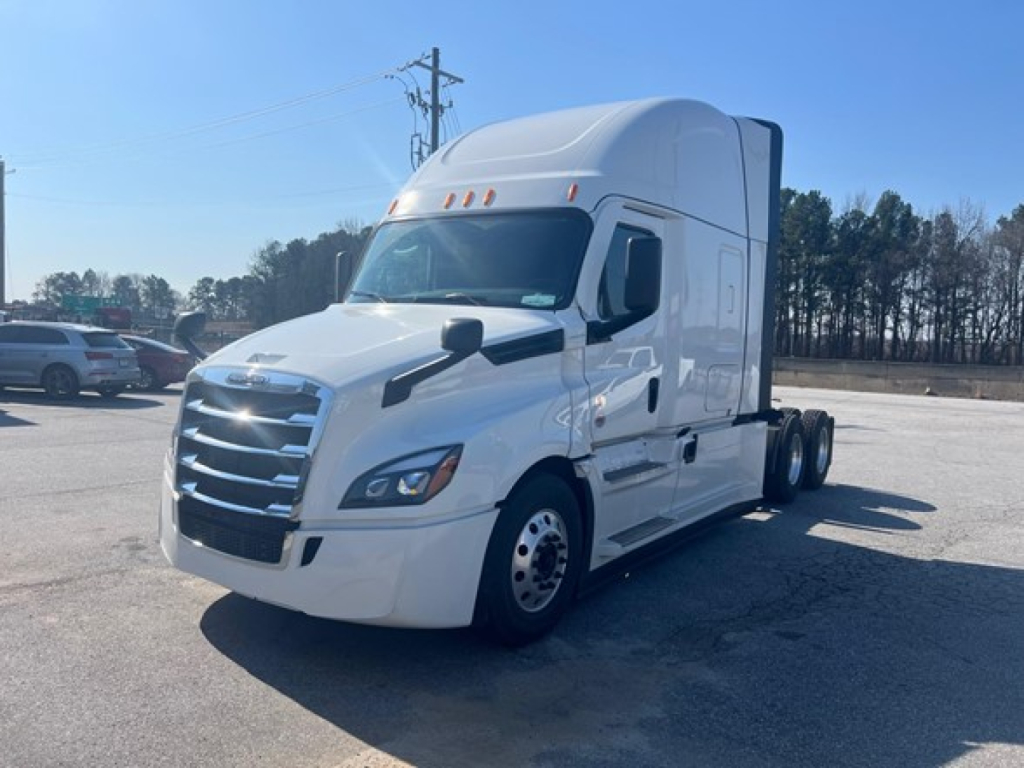
2027 Freightliner Conventional Sleeper Trucks For Sale
Shop 2027 Freightliner conventional sleeper trucks, including Cascadia sleepers with DD15 power, aero specs, safety tech, and long-haul comfort.
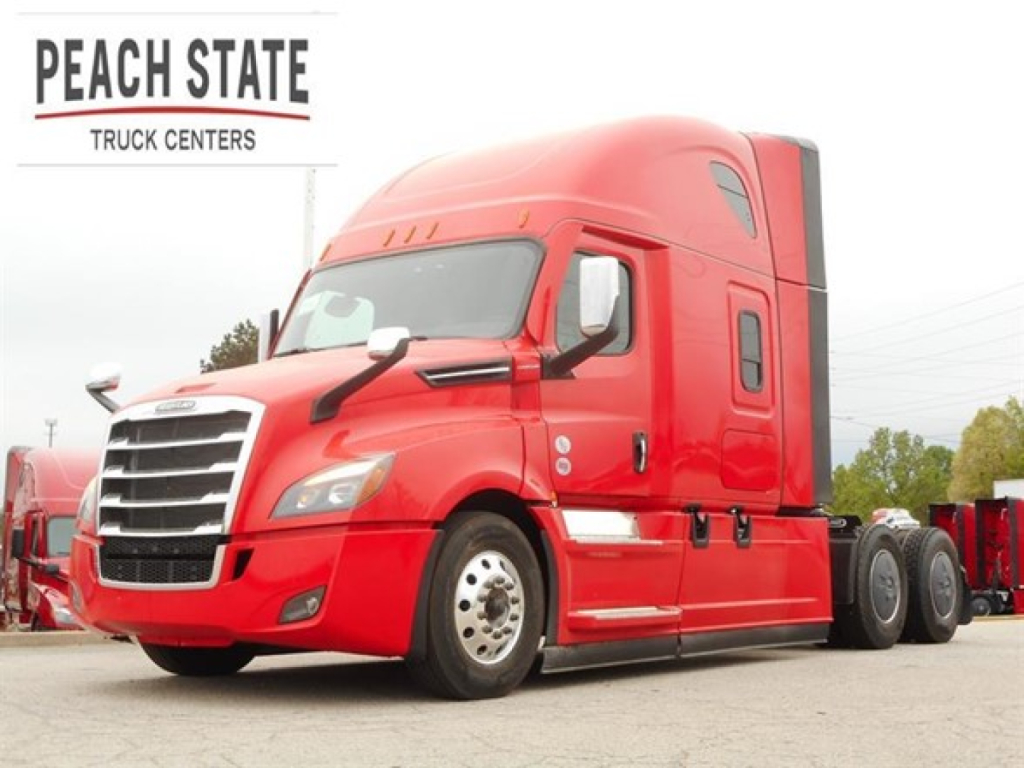
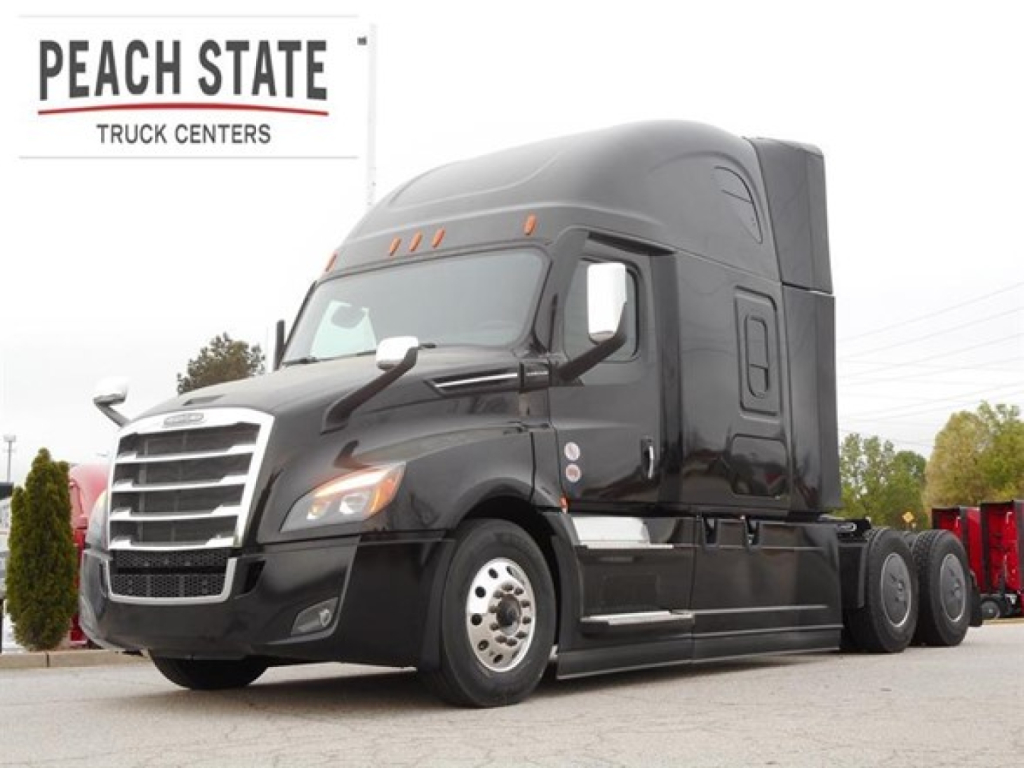
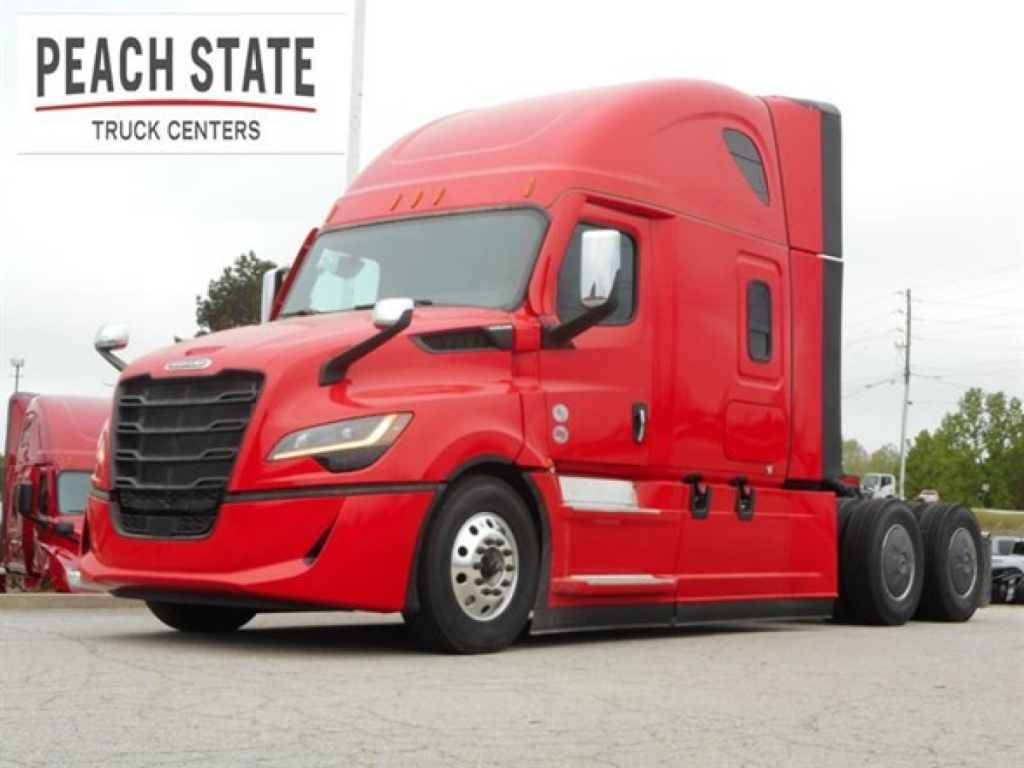
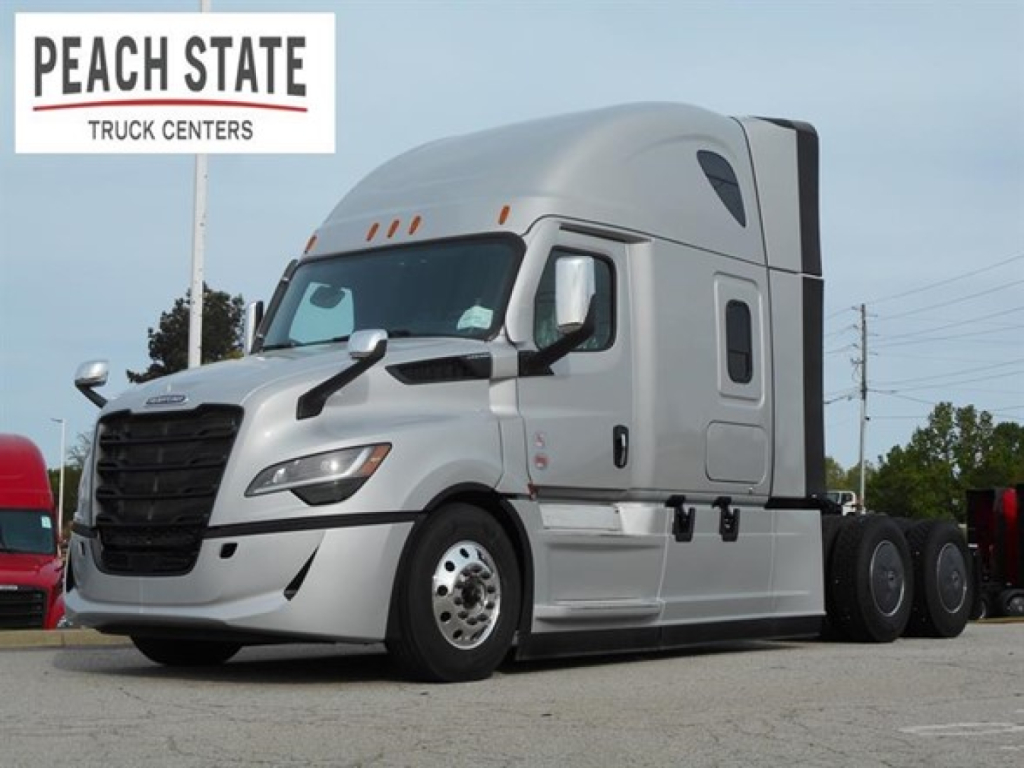
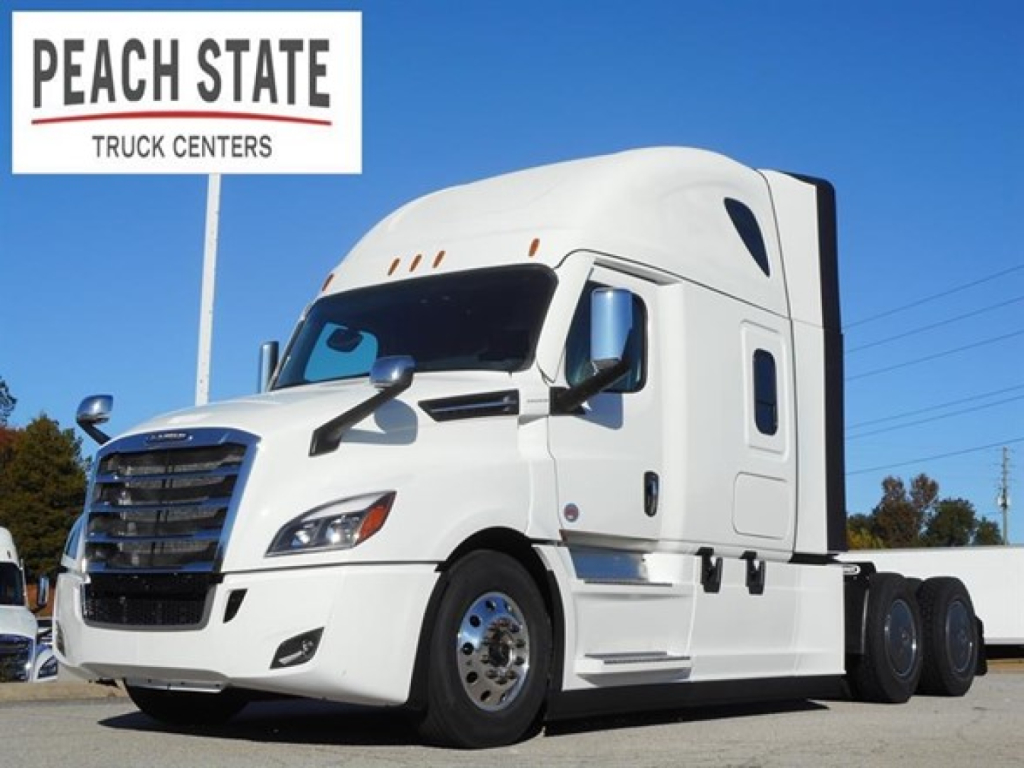
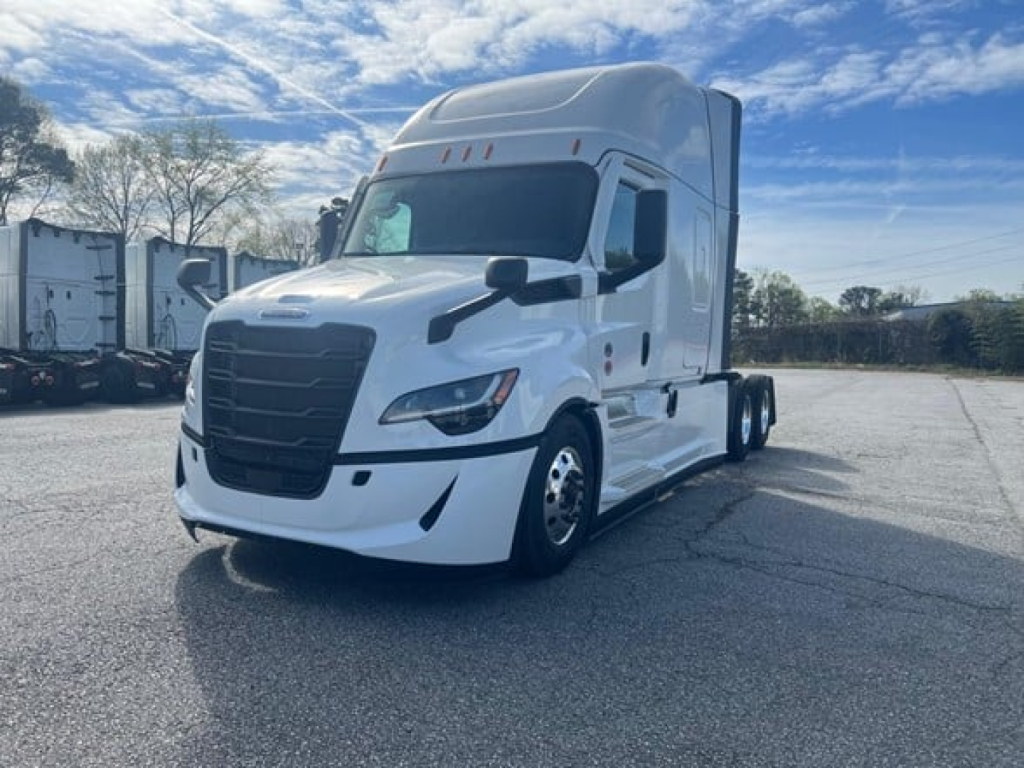
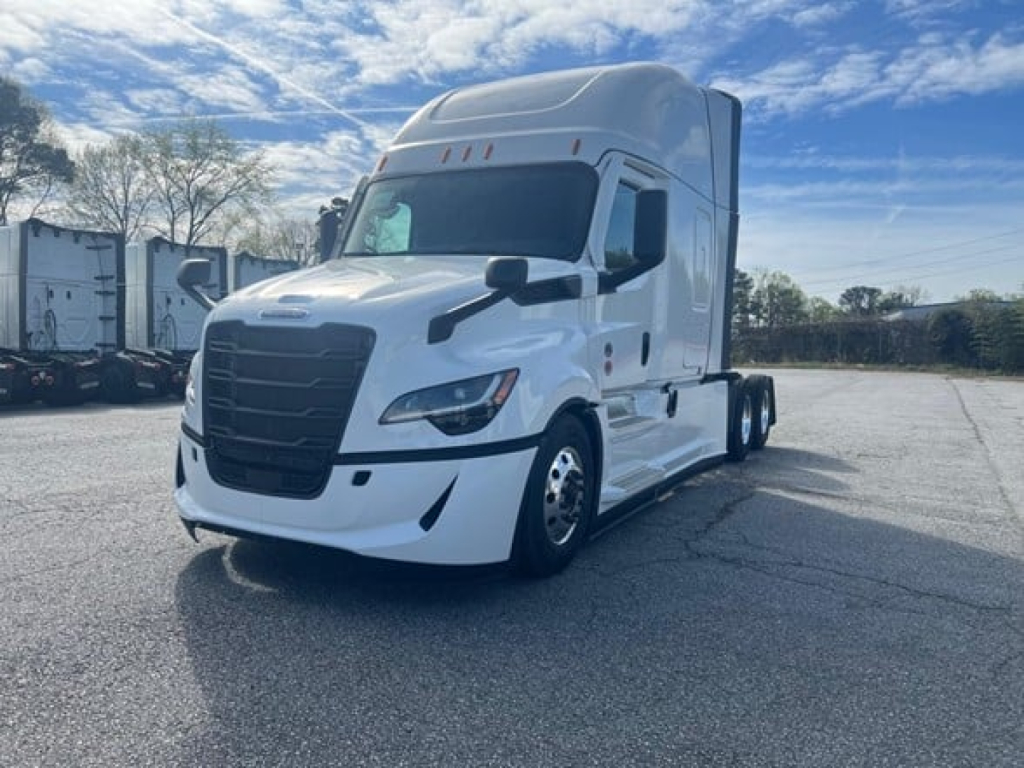
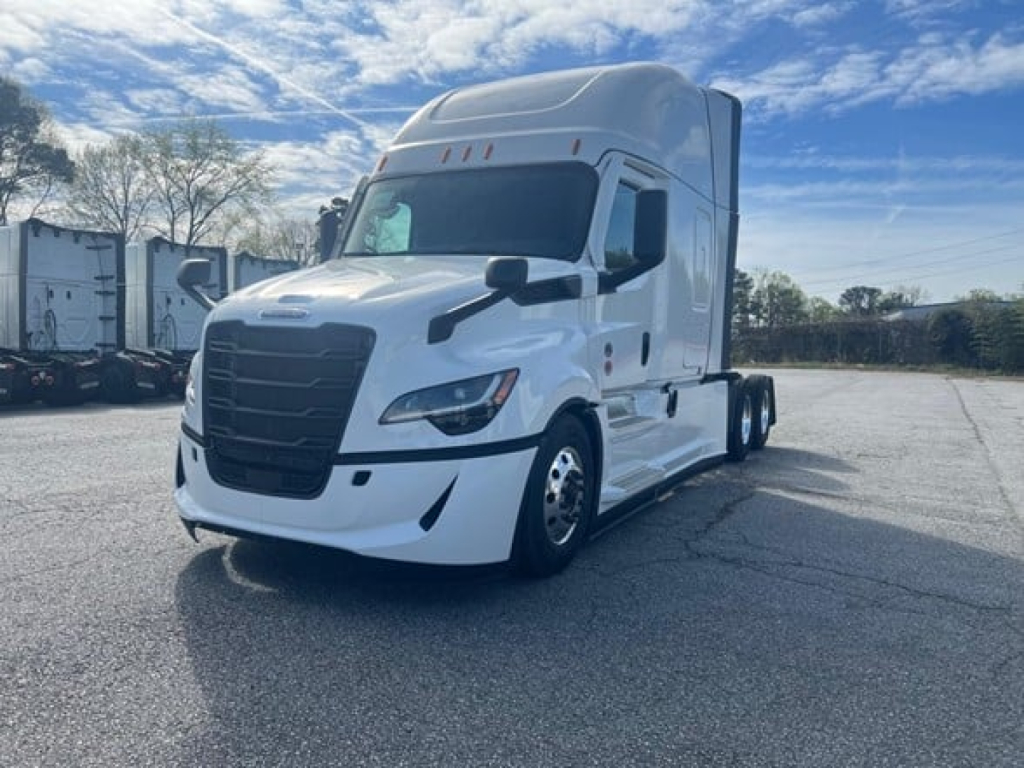
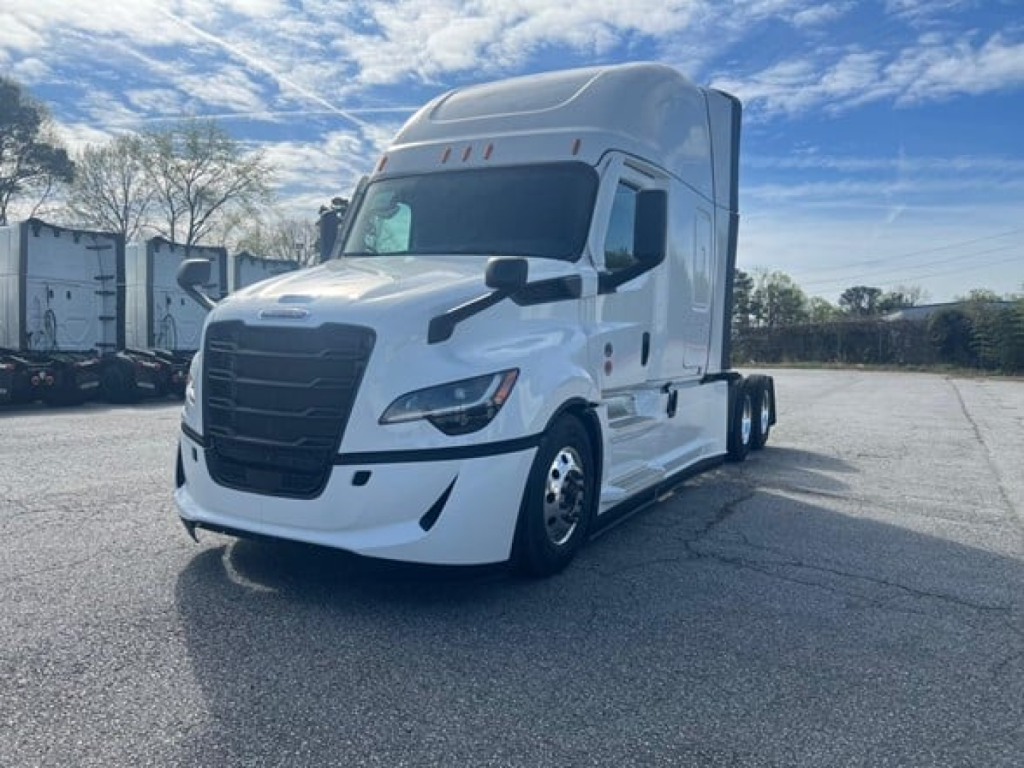
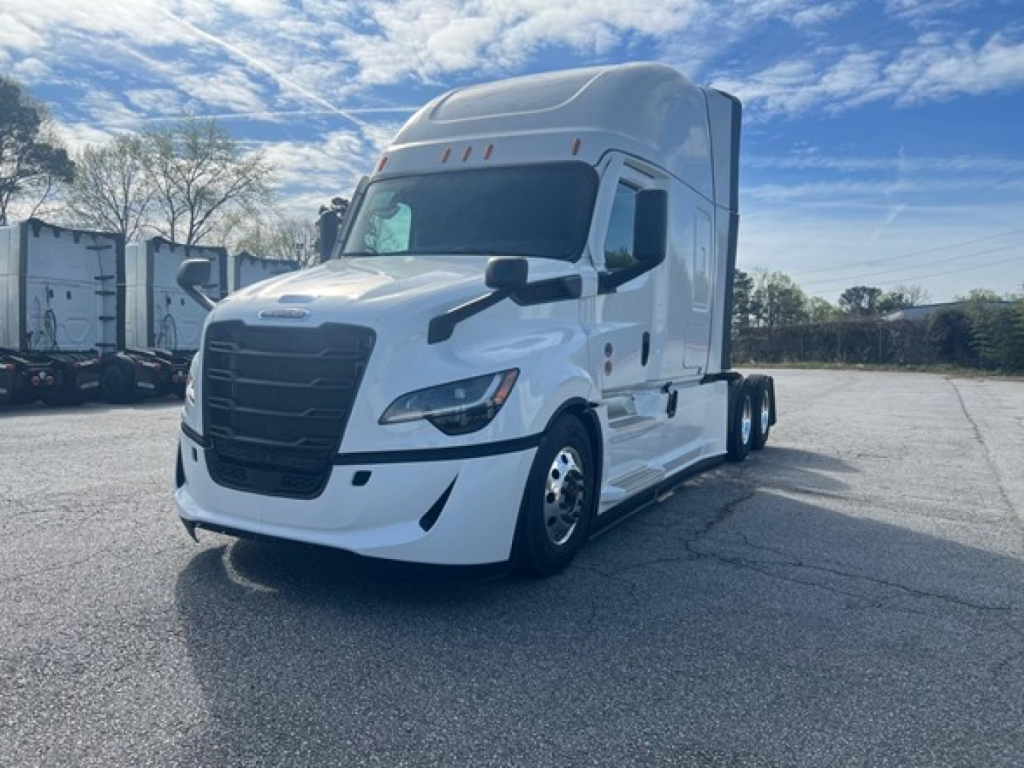
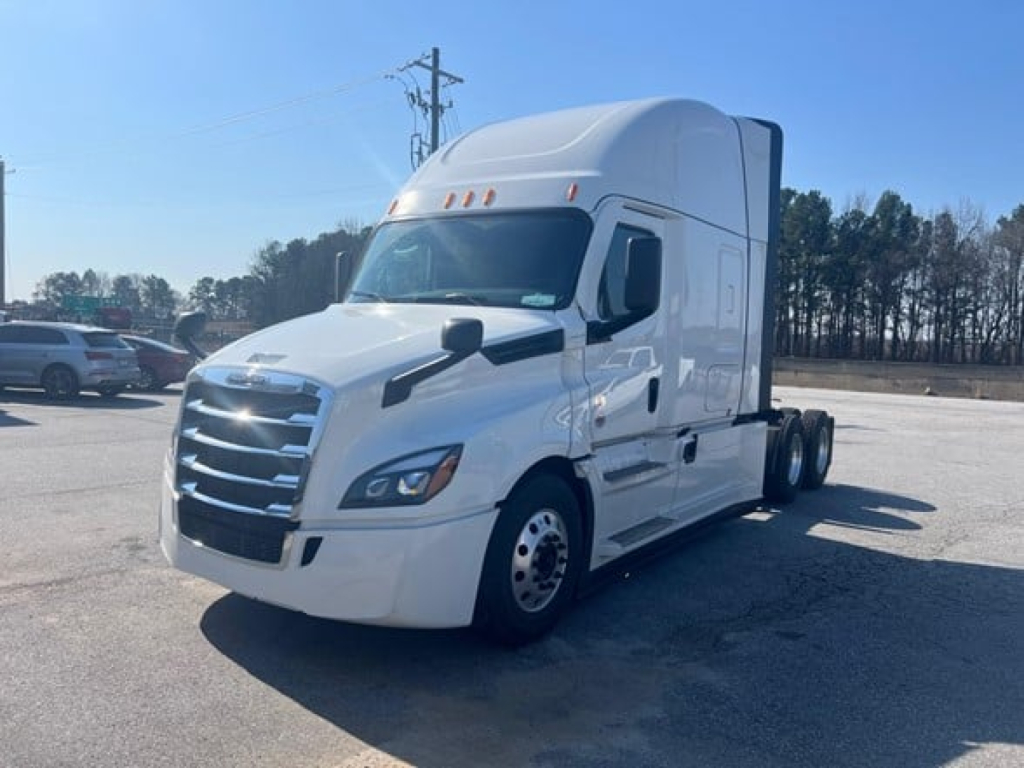
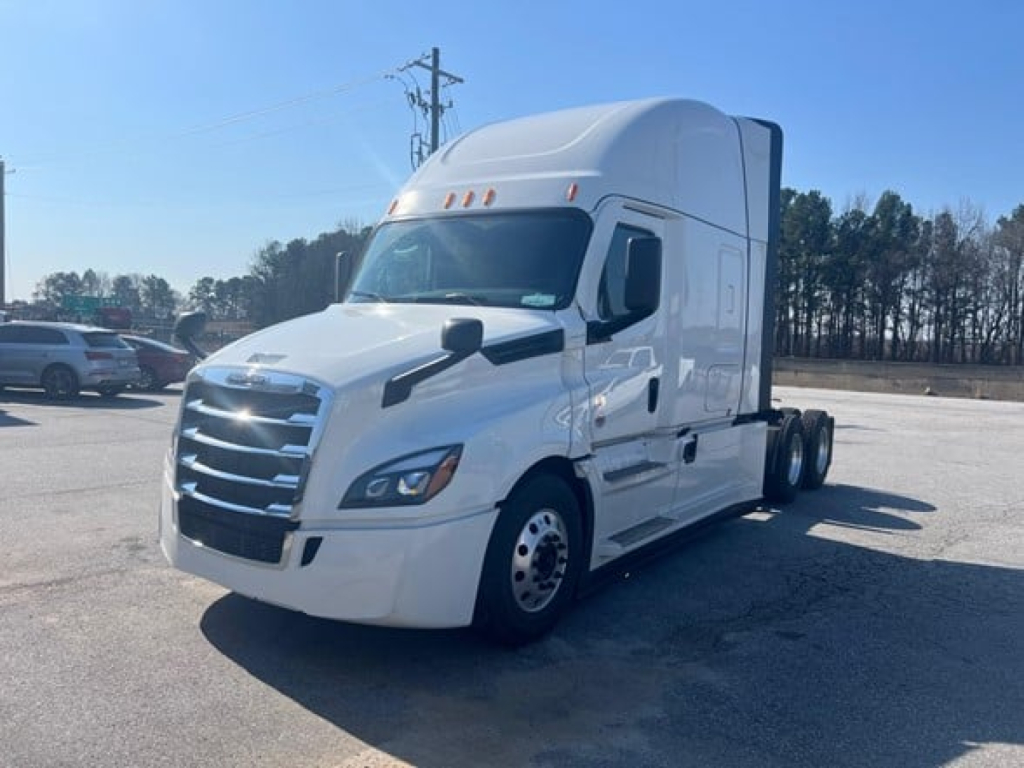
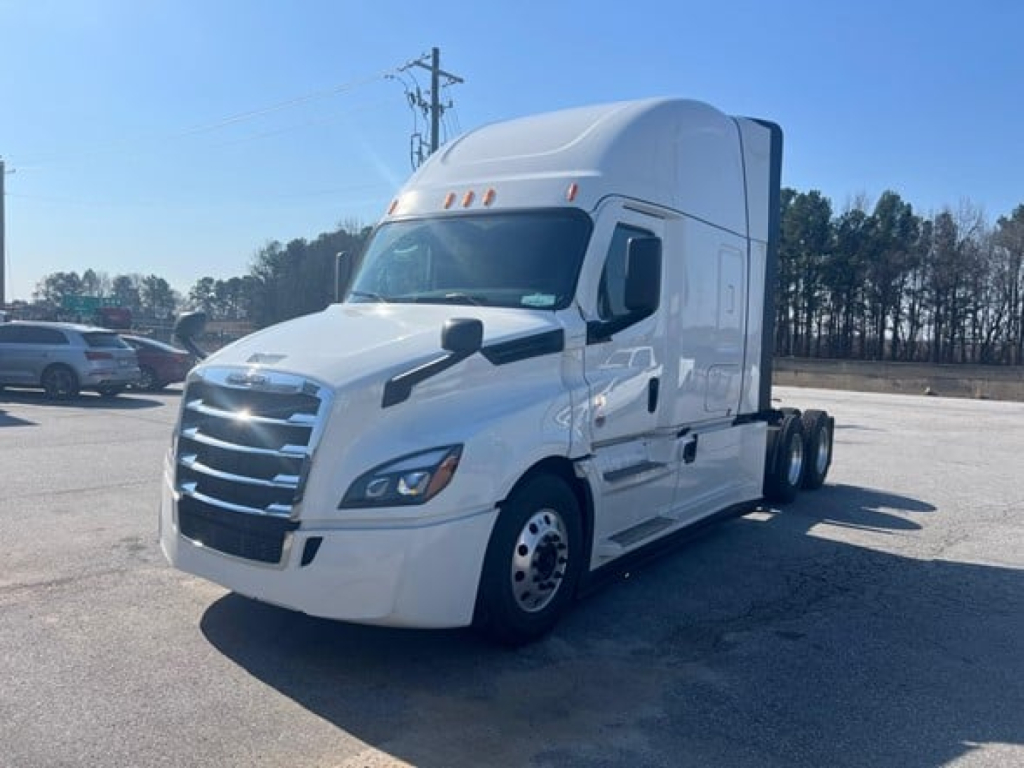
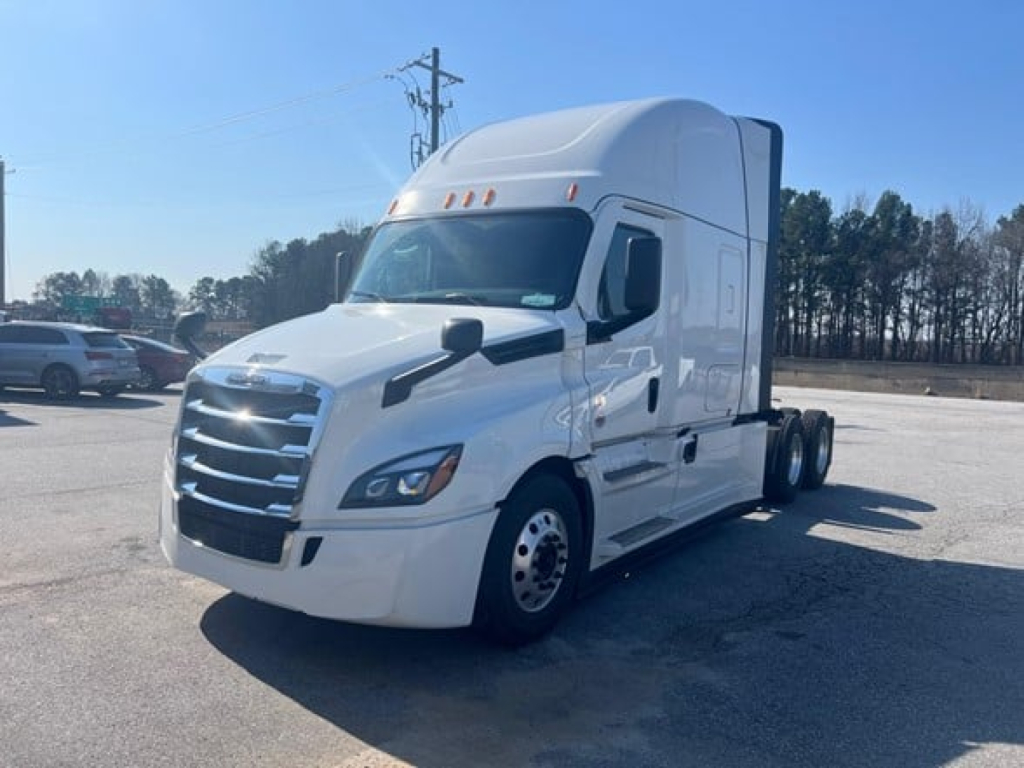
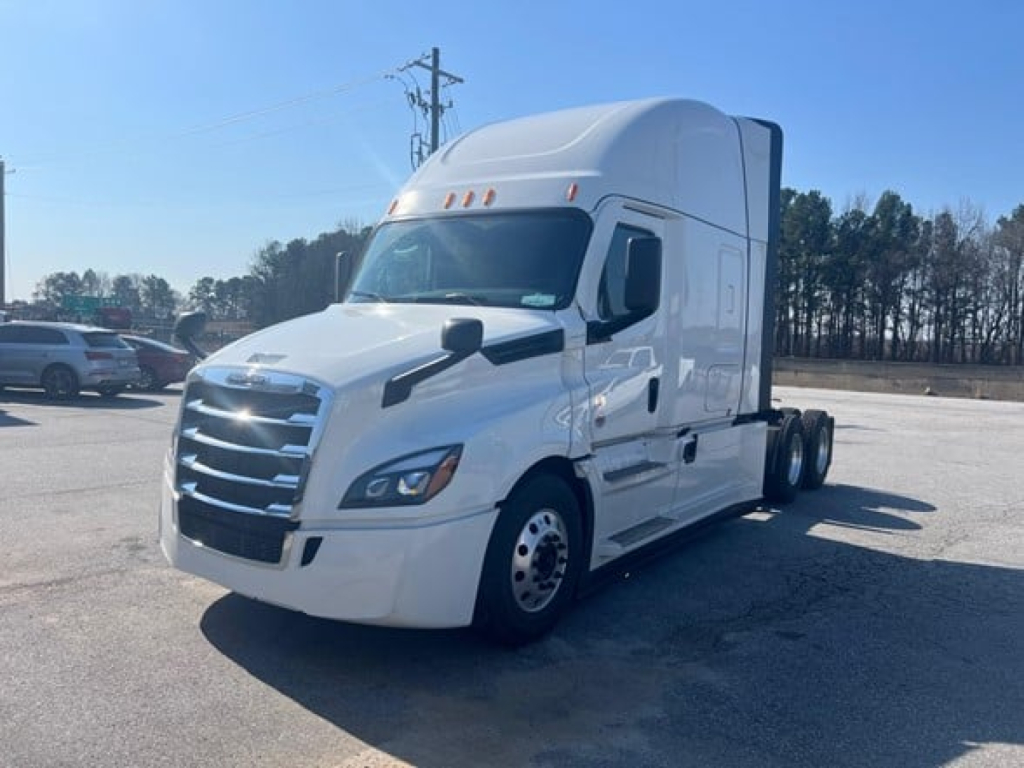
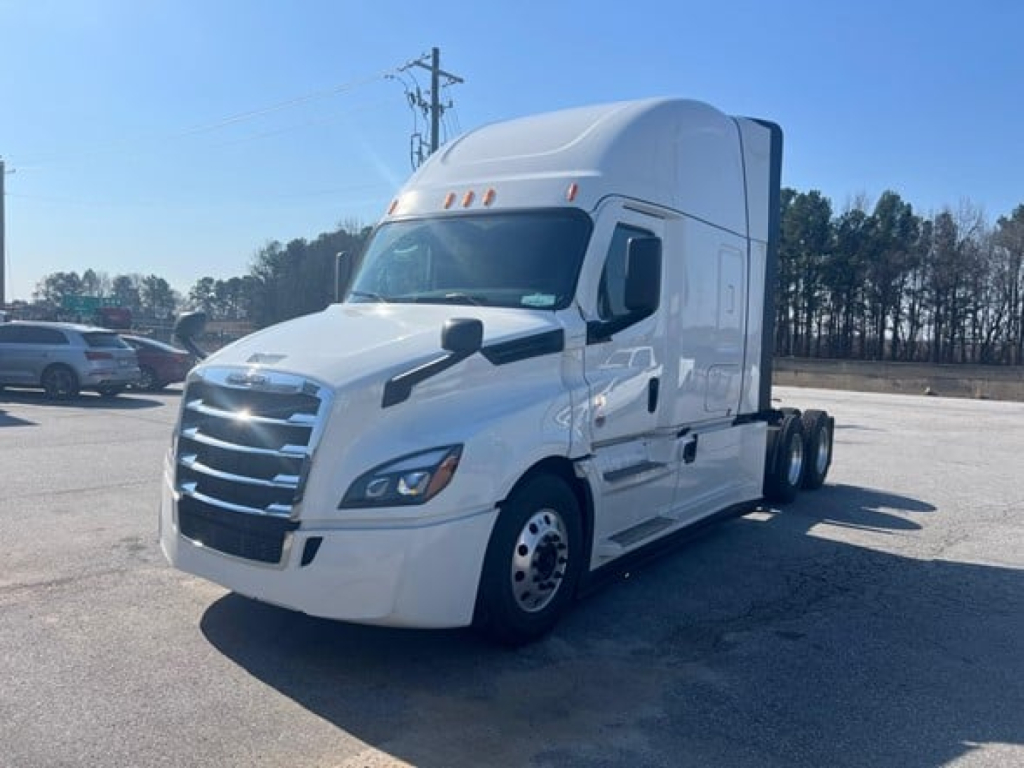
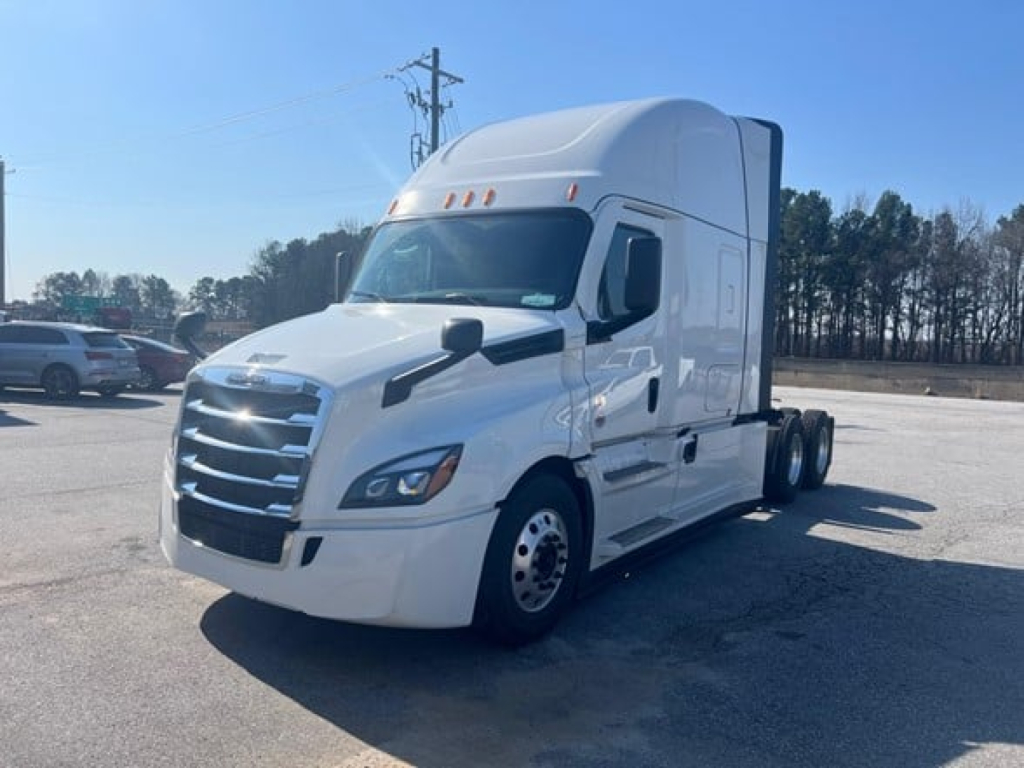
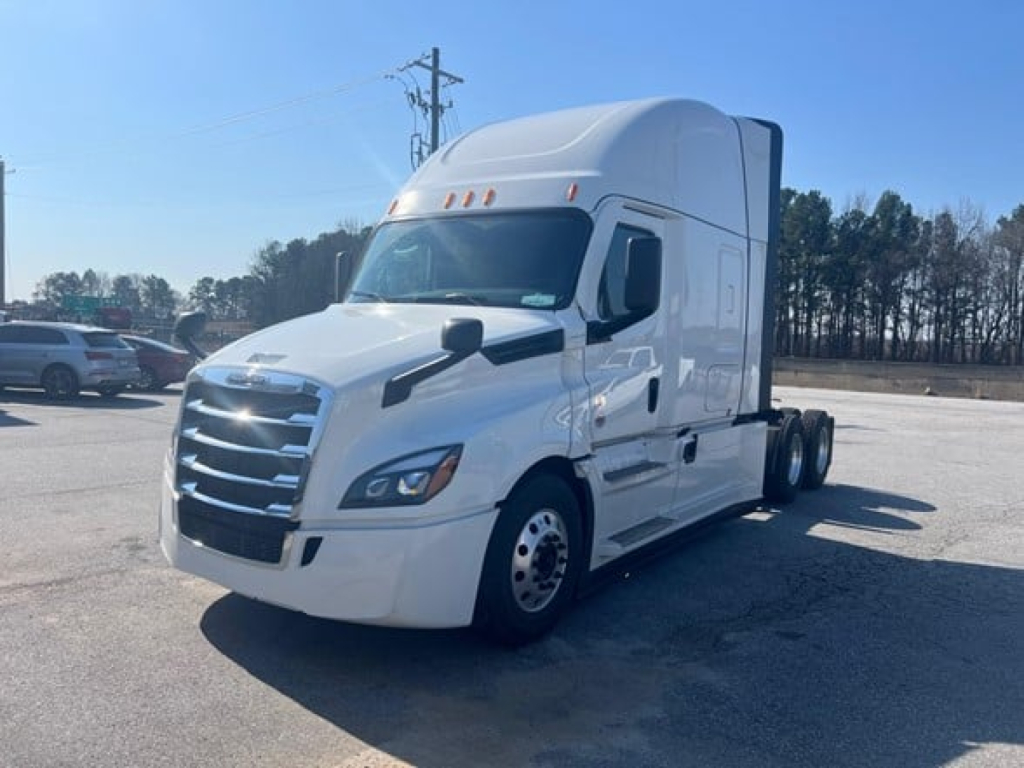
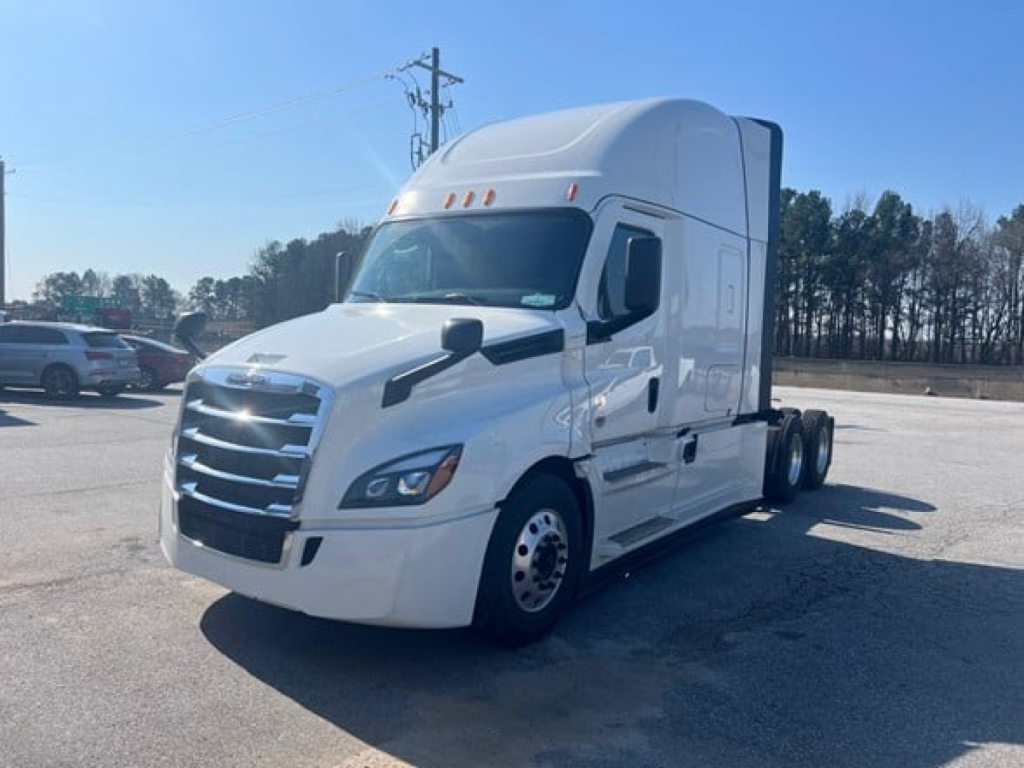
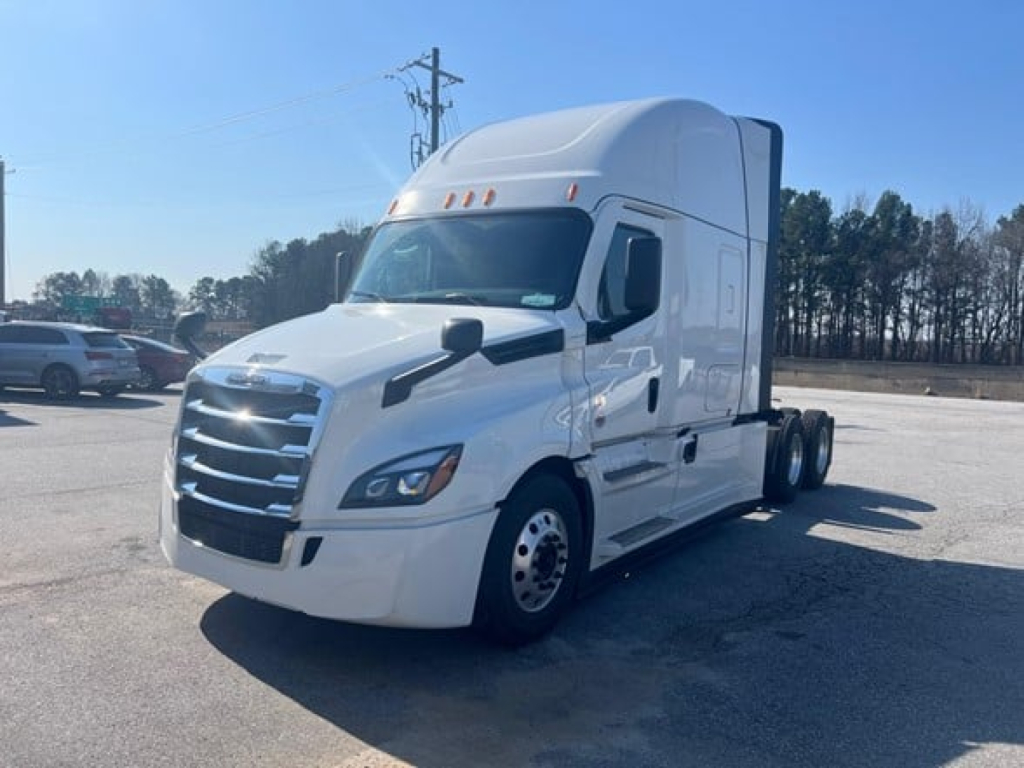
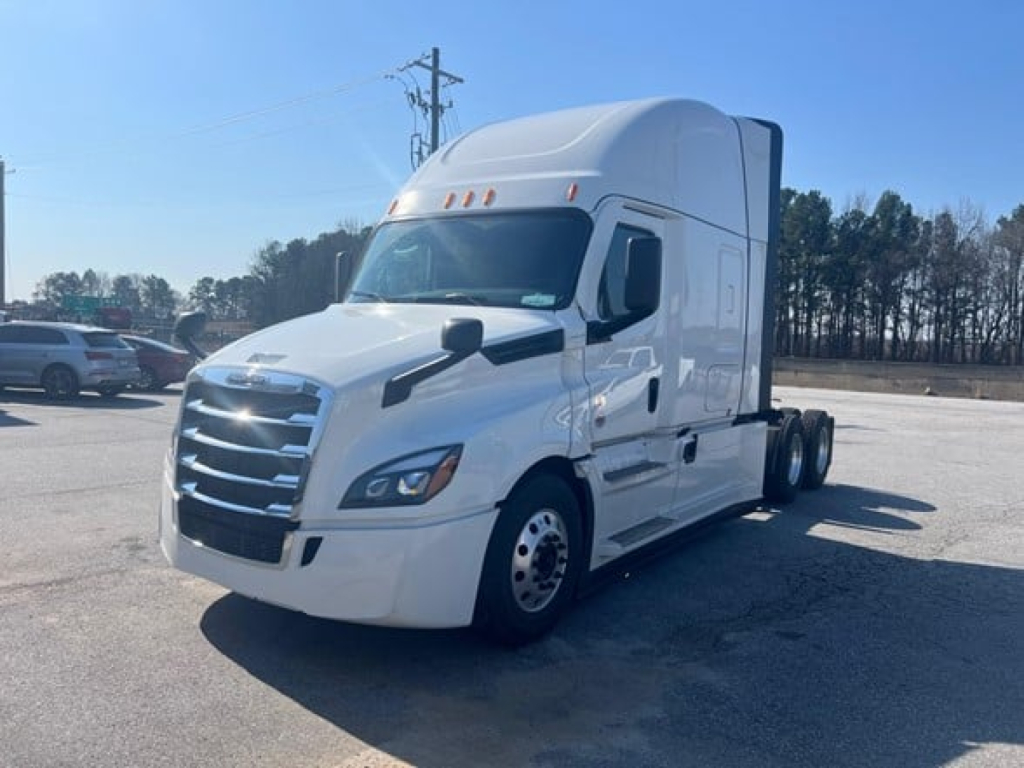
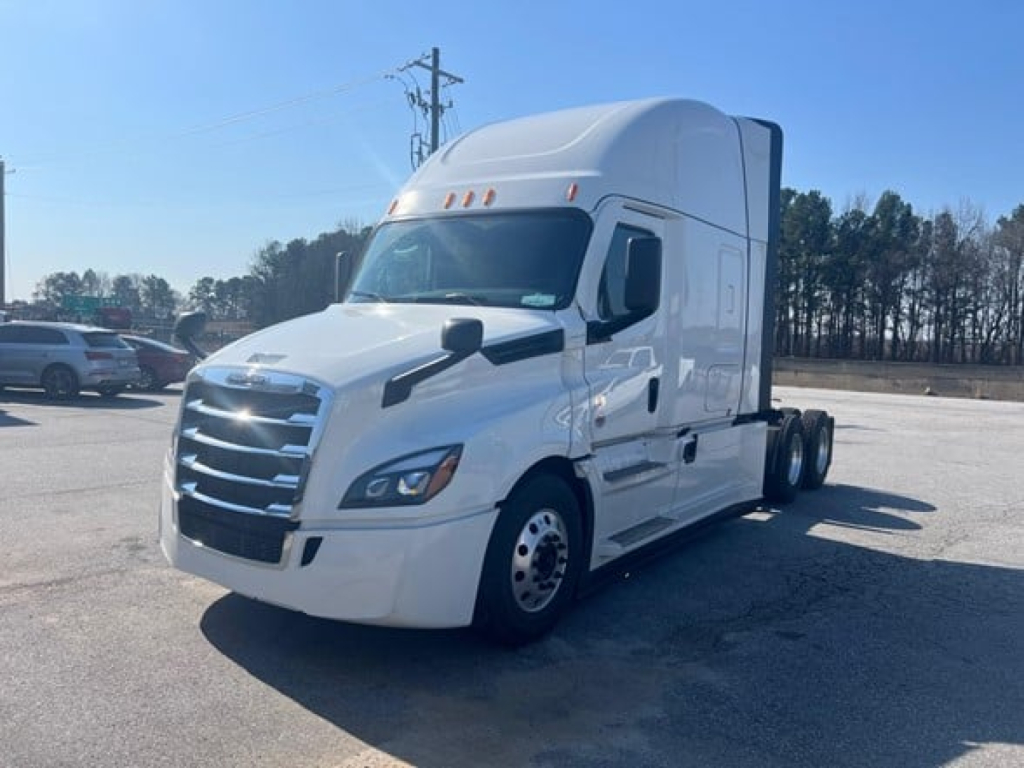
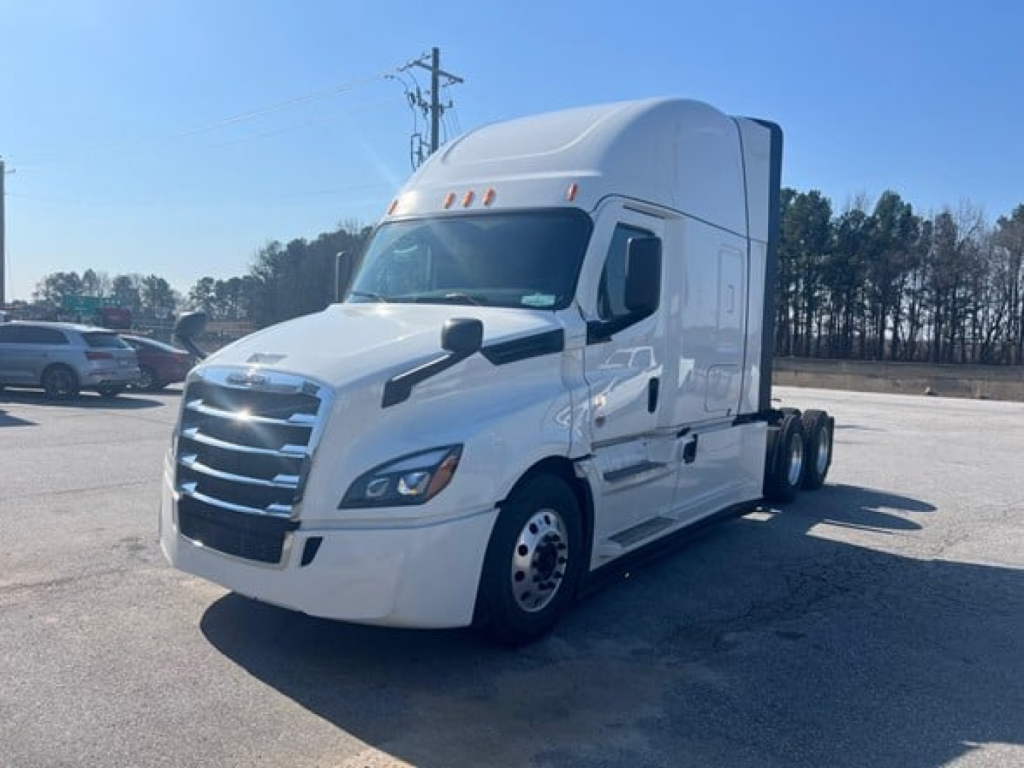
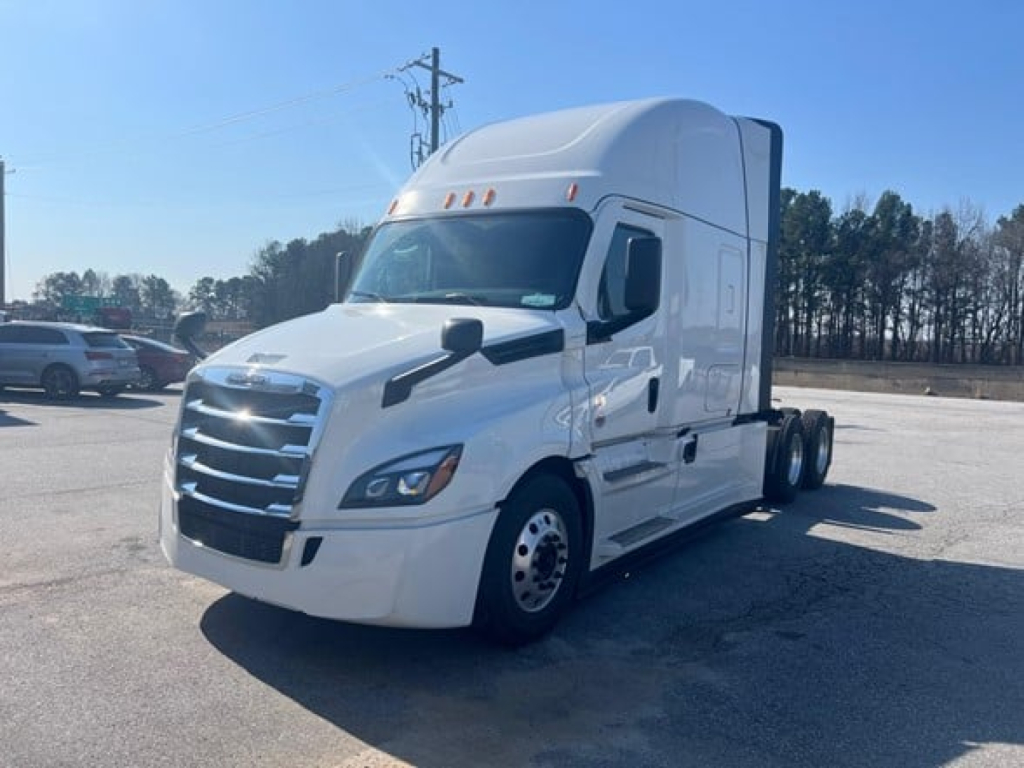
Have 2027 freightliner conventional sleeper truck to sell? List it here to reach thousands of buyers.
2027 Freightliner Conventional Sleeper Trucks
Most late-model Freightliner sleepers in this class are spec'd with Detroit power, especially the DD15, often in ratings around 455 to 505 horsepower with torque figures up to 1,650 lb-ft. The DT12 automated manual transmission is common because it simplifies driver training, supports fuel-efficient shift logic, and pairs well with predictive cruise and downspeeding strategies. A 72-inch raised-roof double bunk sleeper is one of the most popular configurations for team operations and longer dispatch cycles, while smaller sleeper packages can make sense for regional work. On the chassis side, pay attention to wheelbase, tandem axle rating, fifth wheel placement, fuel capacity, and fairing configuration. Those details affect bridge compliance, trailer gap, ride quality, and total operating range.
Freightliner conventional sleepers also stand out for aerodynamic design and driver-assist technology. Buyers shopping newer units will often see collision mitigation, lane departure warnings, side guard assist, digital dash displays, and camera-based visibility systems. These features can improve safety performance and help with insurance, but they should be weighed alongside practical ownership items such as service access, warranty coverage, and dealership support in your operating lanes. Interior spec matters too. Factory inverters, bunk heaters, refrigerators, double bunks, and storage layout can make a real difference in team-driver acceptance and time spent idling.
For a buyer comparing multiple 2027 Freightliner conventional sleeper trucks, the smart approach is to match the truck to the freight. A higher-horsepower DD15 with a raised-roof sleeper fits heavy long-haul and team use, while a lighter aero spec may be the better economic choice for dry van or dedicated lanes with consistent weights. Review mileage expectations, idle policy, emissions warranty, and the exact safety package before making a decision. On a highway sleeper tractor, the best spec is usually the one that lowers cost per mile without creating driver complaints or limiting the loads you can legally and efficiently pull.
Frequently Asked Questions about 2027 Freightliner Conventional Sleeper Trucks
What is a Freightliner conventional sleeper truck used for?
A Freightliner conventional sleeper truck is primarily used for over-the-road freight hauling, including dry van, refrigerated, dedicated contract, and general long-haul operations. The sleeper compartment gives drivers a built-in living space for overnight runs, team driving, and longer dispatch cycles. In most fleets, this type of truck is chosen when the route requires highway efficiency, strong resale value, and enough driver comfort to support multi-day trips.
What engine and transmission are common in a 2027 Freightliner conventional sleeper?
The most common setup in this category is a Detroit DD15 diesel engine paired with a Detroit DT12 automated manual transmission. Buyers will often see horsepower ratings in the mid-400s up to around 505 horsepower, with torque commonly reaching 1,650 lb-ft on higher-output specs. This combination is popular because it balances pulling power, fuel economy, and drivability, especially in fleets using downsped axle ratios and automated shifting strategies.
How do I choose the right sleeper size on a Freightliner Cascadia?
Sleeper size should match the truck's duty cycle and driver schedule. A 72-inch raised-roof double bunk sleeper is a strong fit for long-haul operations, team driving, and applications where drivers stay out for extended periods. A smaller sleeper can reduce weight and may be more practical for regional operations with frequent home time. The right choice depends on how long the truck stays on the road, how much interior storage is needed, and whether you are trying to improve driver comfort and retention.
What specs matter most when comparing Freightliner conventional sleepers?
The most important specs are engine rating, transmission, rear axle ratio, wheelbase, sleeper configuration, and fuel capacity. Those items directly affect gradeability, fuel economy, trailer compatibility, bridge-law flexibility, and operating range. Buyers should also review safety systems, emissions coverage, fifth wheel position, and interior options such as inverter, bunk heater, and refrigerator because those details influence uptime, driver acceptance, and total cost of ownership.
Are newer Freightliner sleeper trucks good for fuel economy?
Newer Freightliner sleeper trucks are generally considered strong performers for fuel economy because they combine aerodynamic body design, integrated powertrain controls, and automated transmission logic. Actual results still depend on spec and operation. A truck with the right axle ratio, cruise settings, tire package, and trailer gap can perform very efficiently on highway lanes, while a poorly matched spec can give up those gains. For buyers focused on cost per mile, the full spec sheet matters more than model name alone.