
2027 Freightliner Conventional Sleeper Trucks For Sale in Georgia
Shop 2027 Freightliner conventional sleeper trucks, including Cascadia models, built for long-haul efficiency, driver comfort, and fleet uptime.
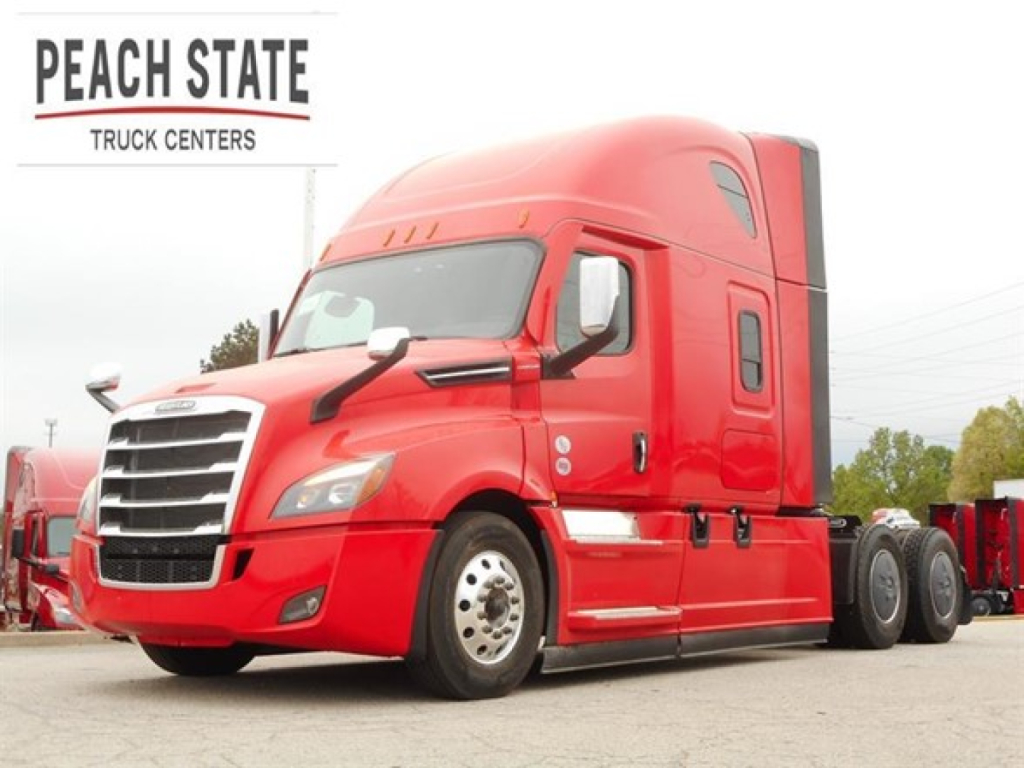
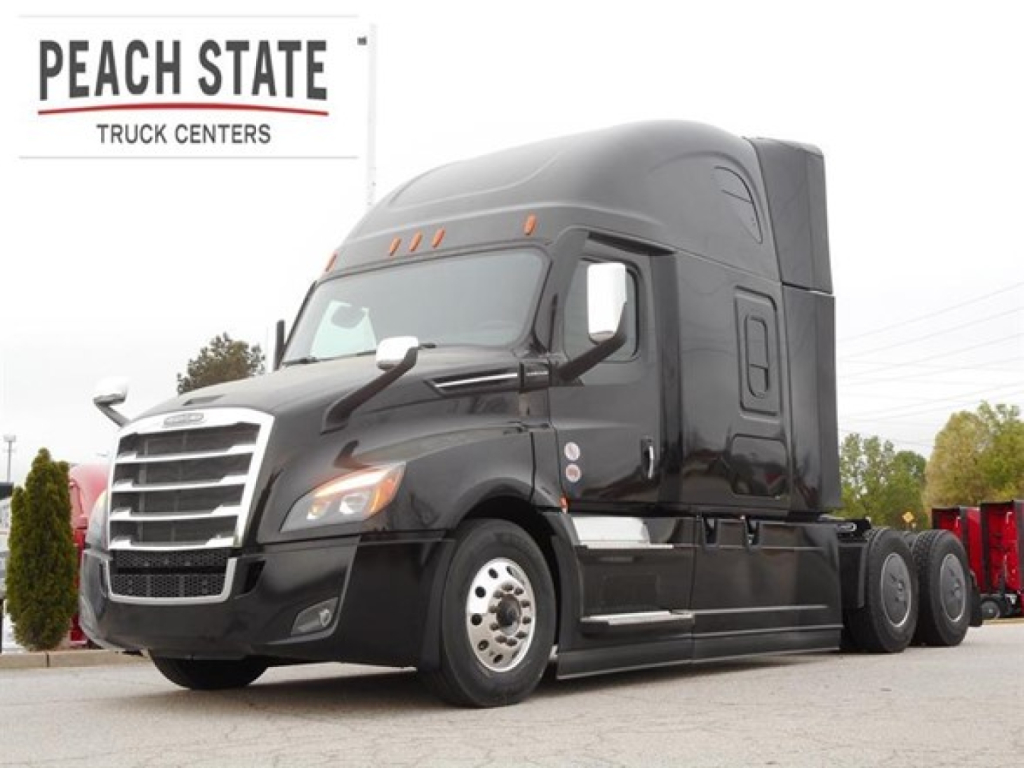
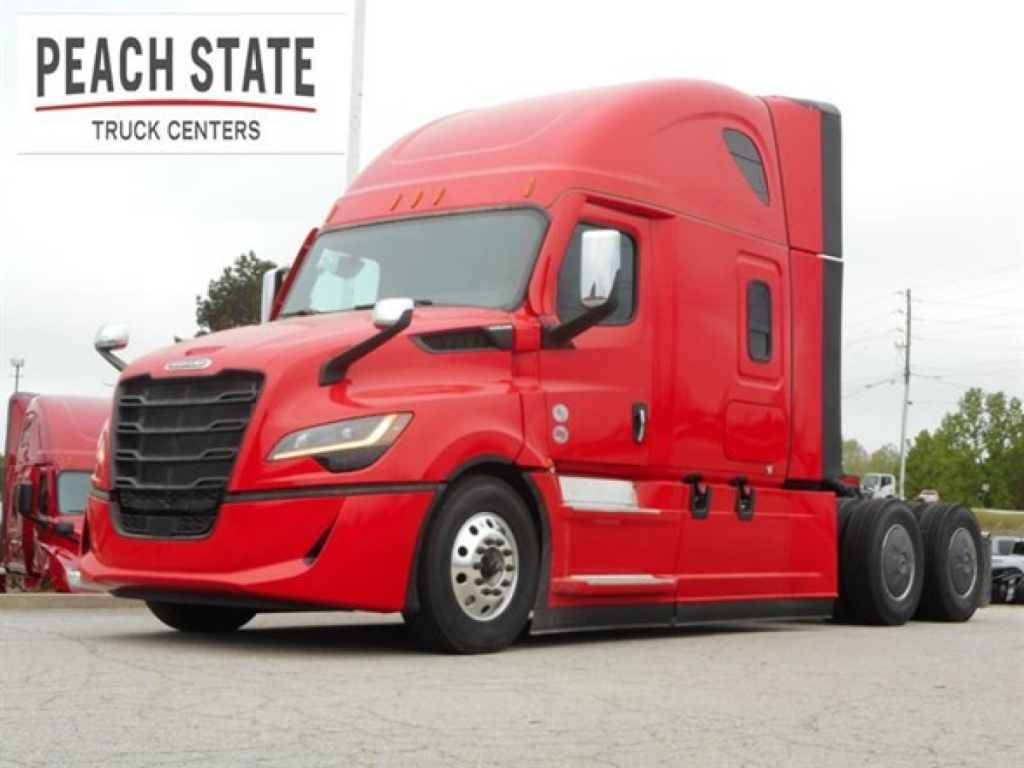
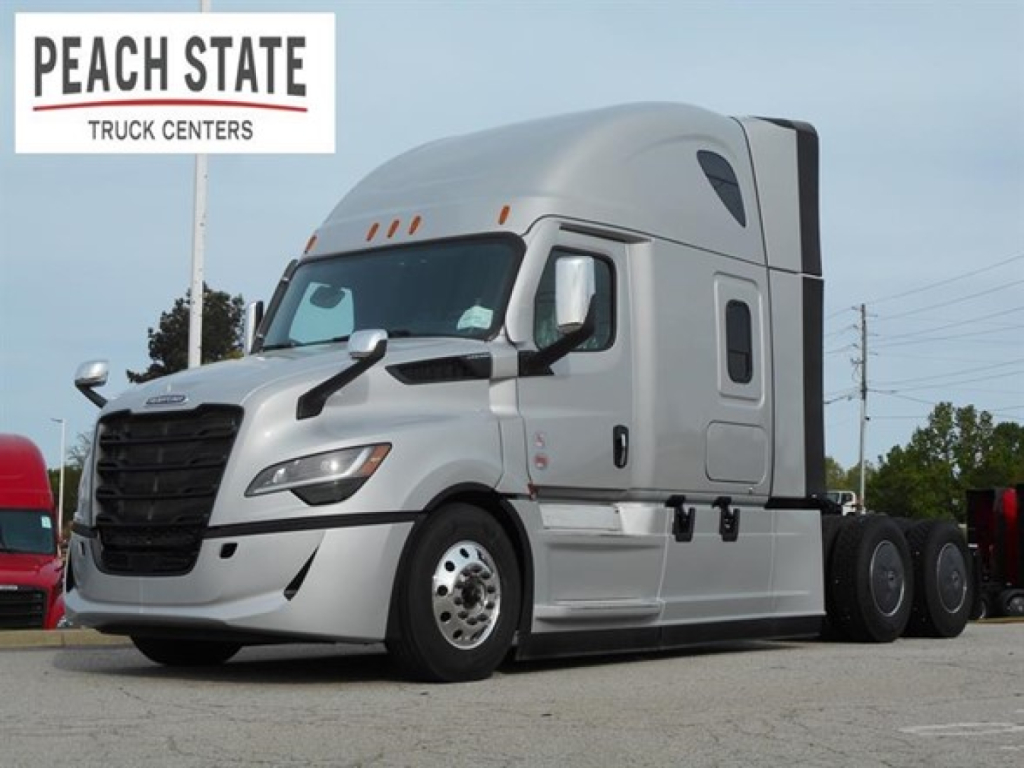
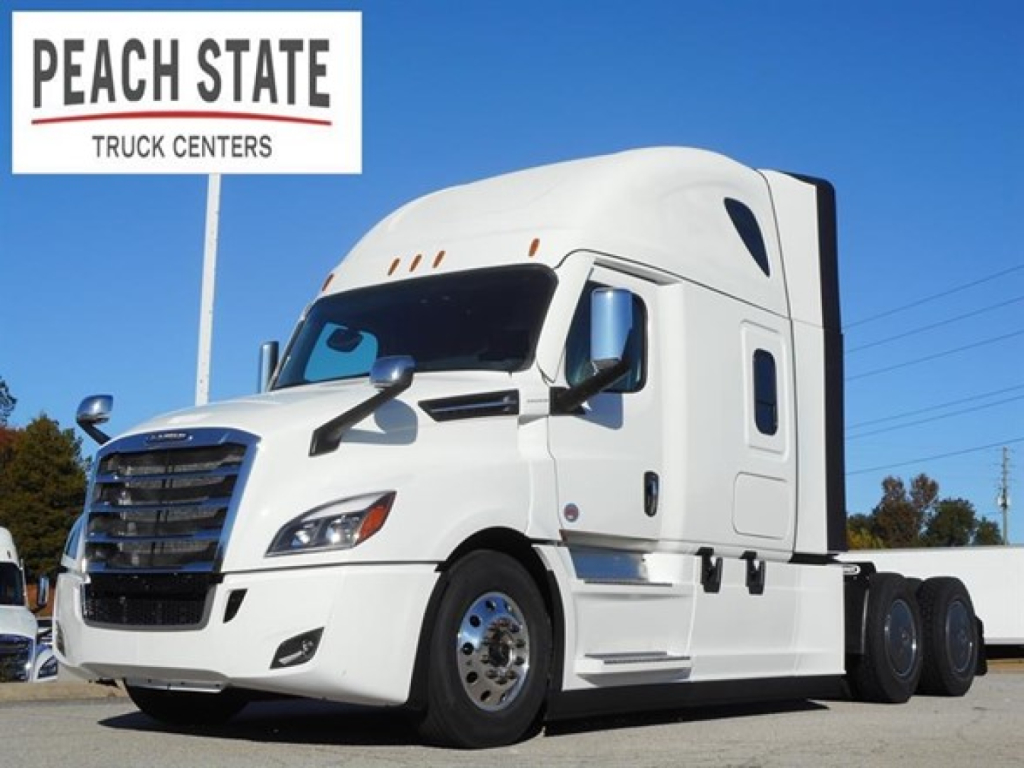
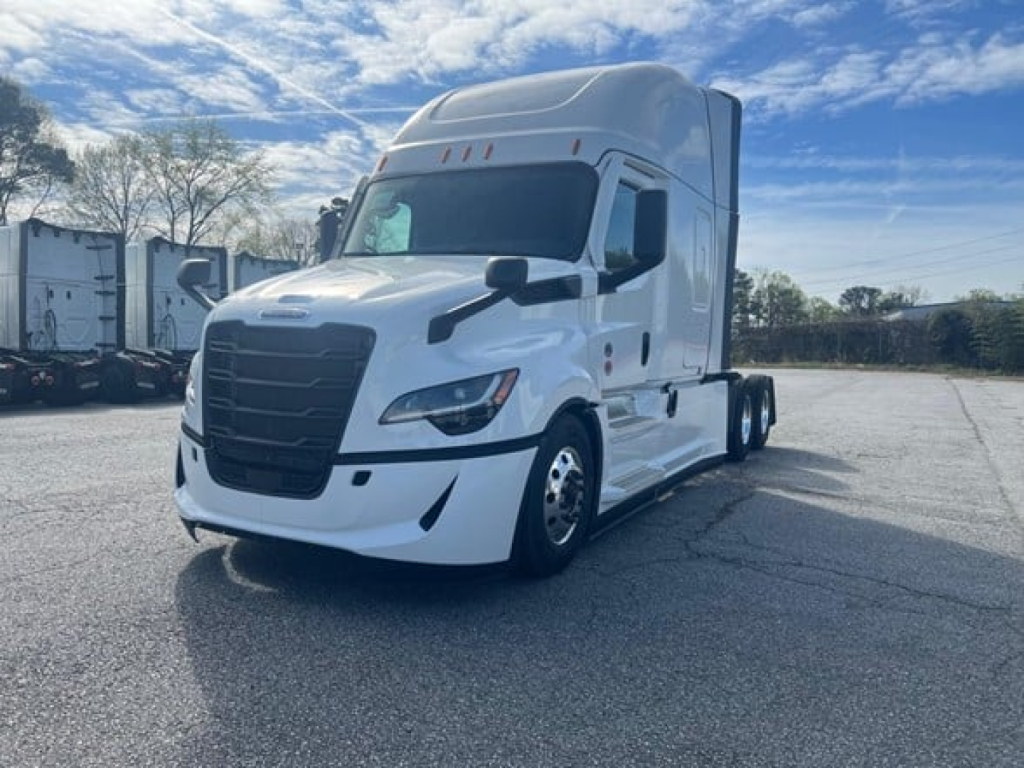
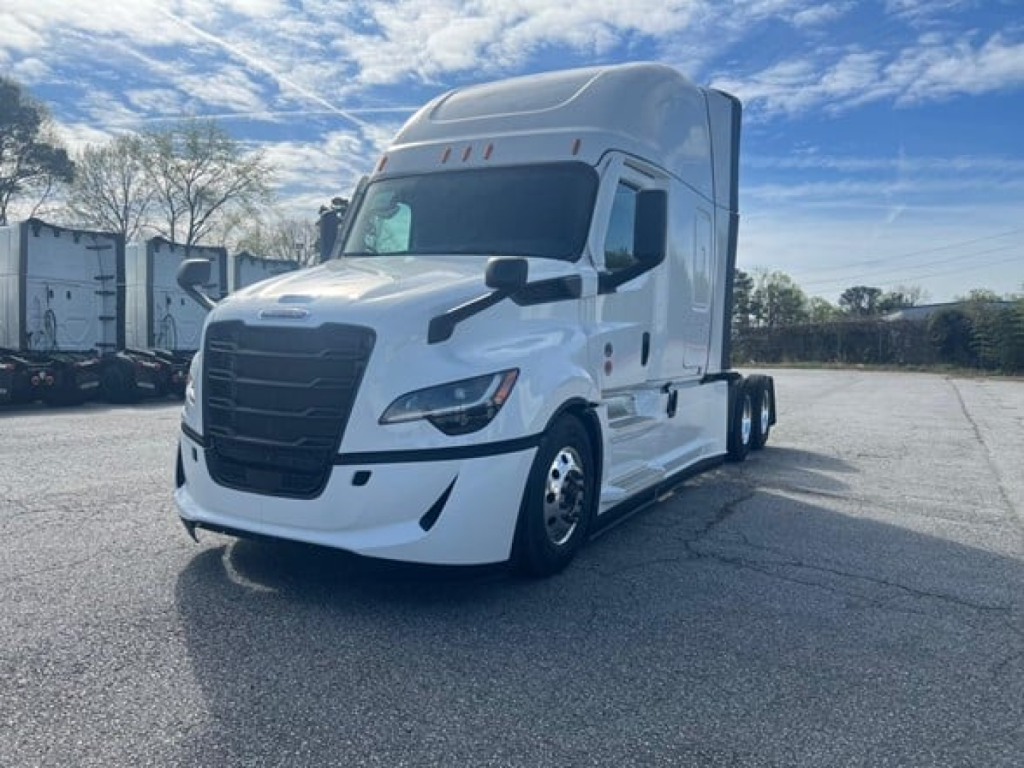
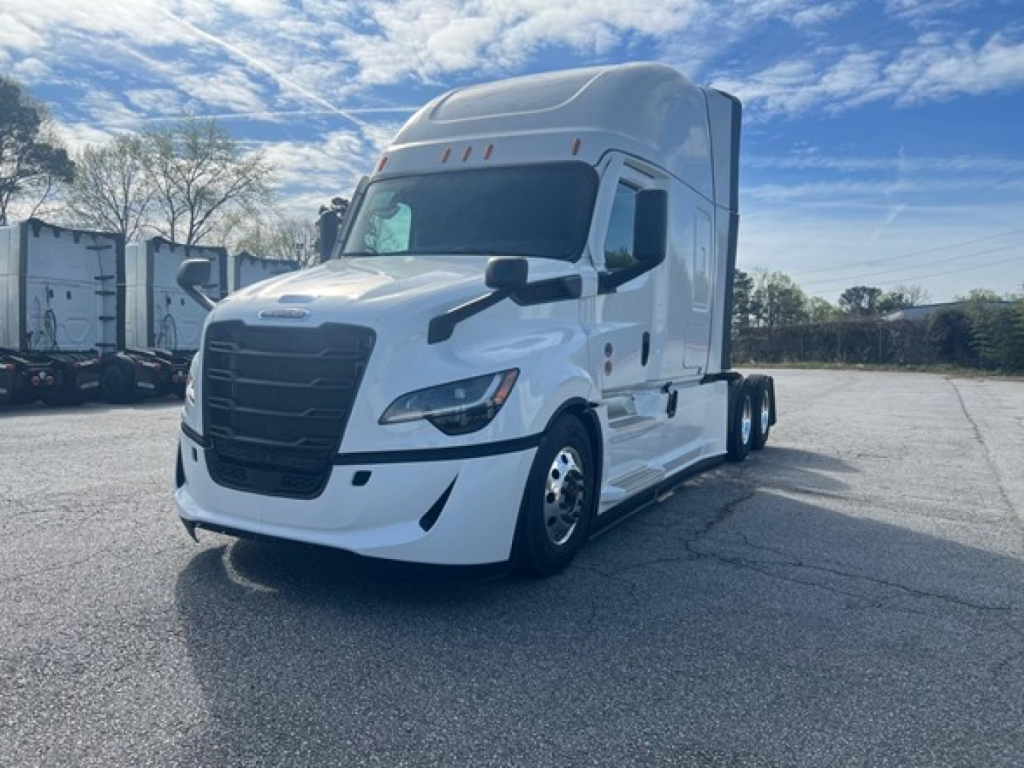
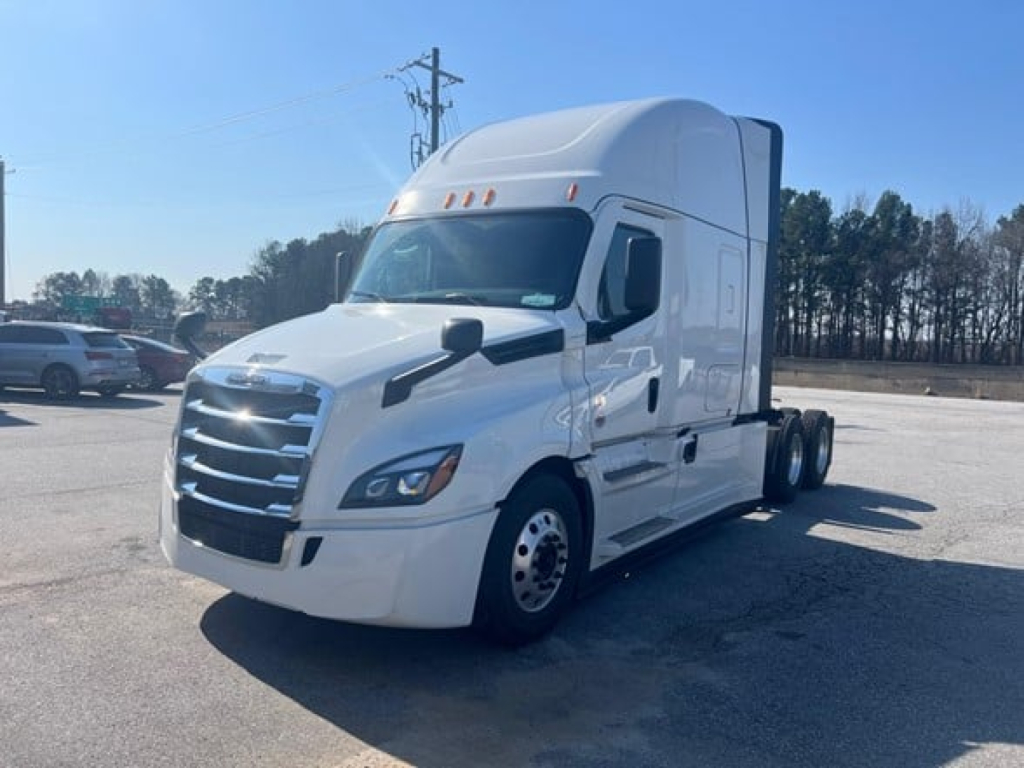
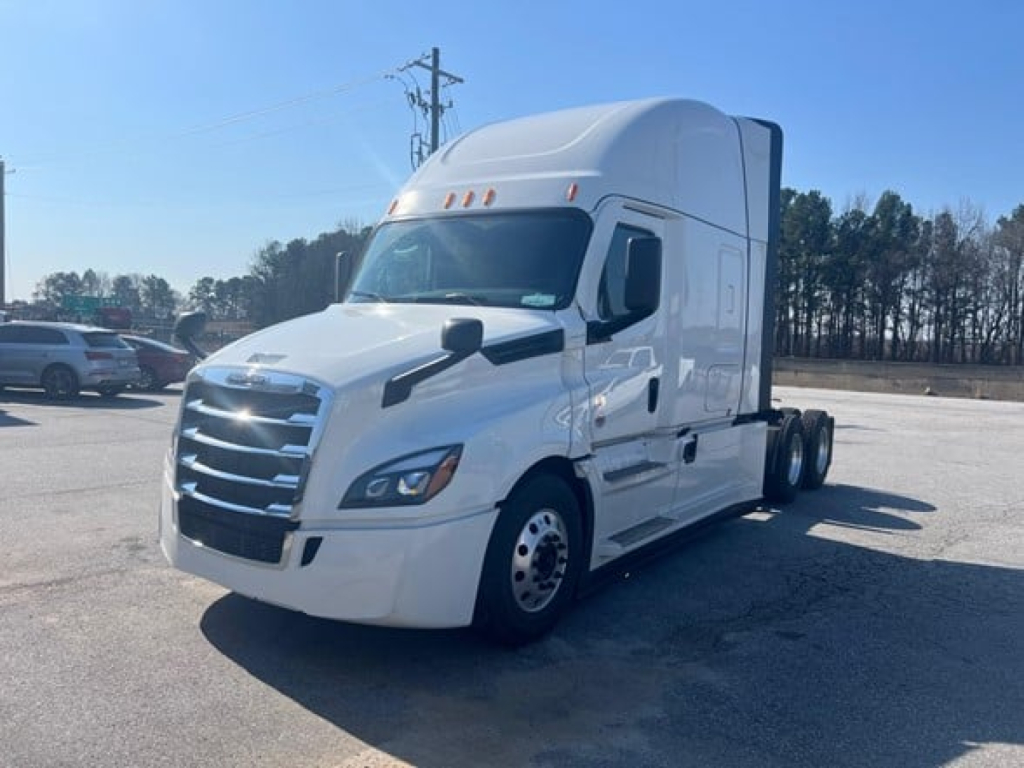
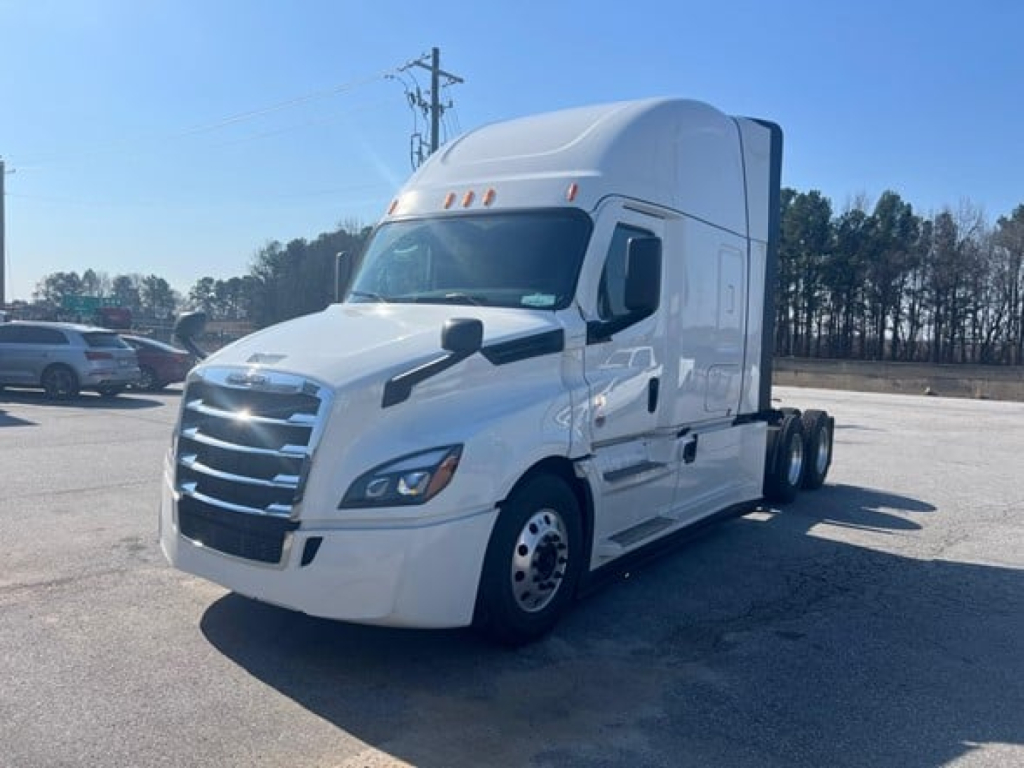
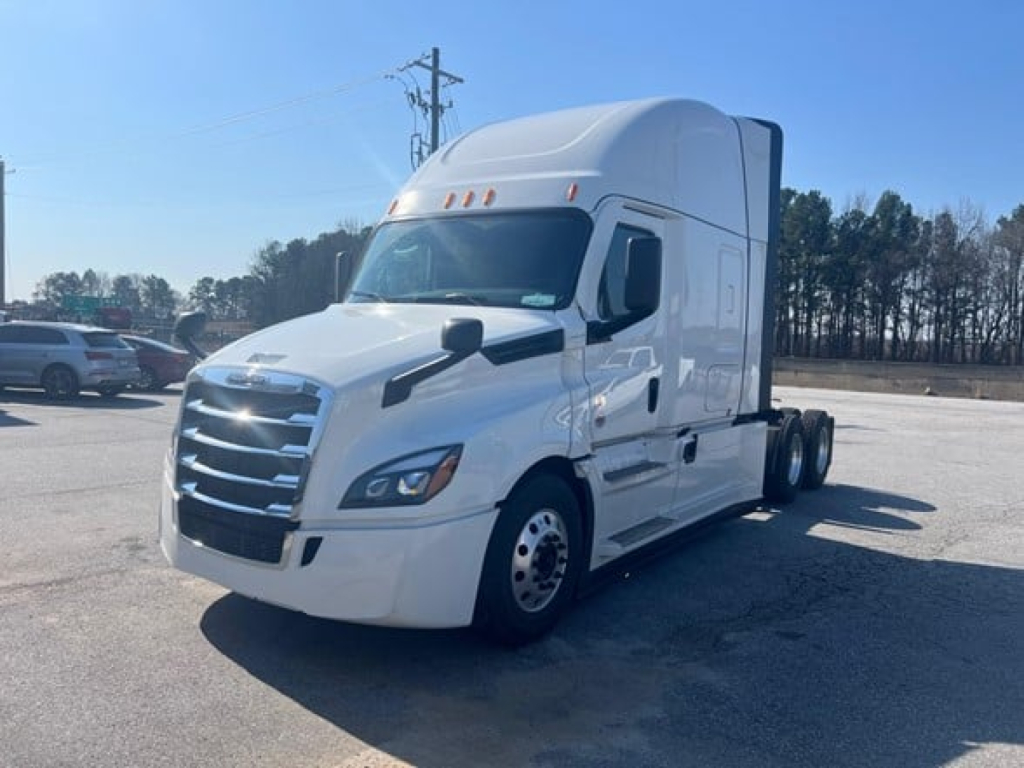
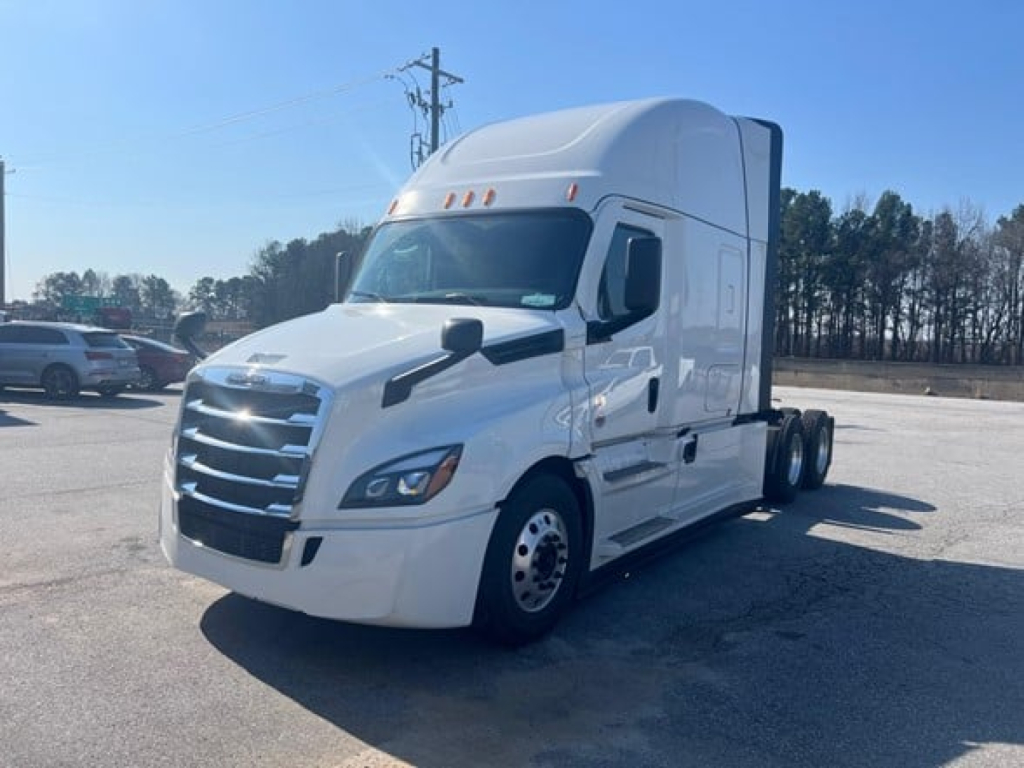
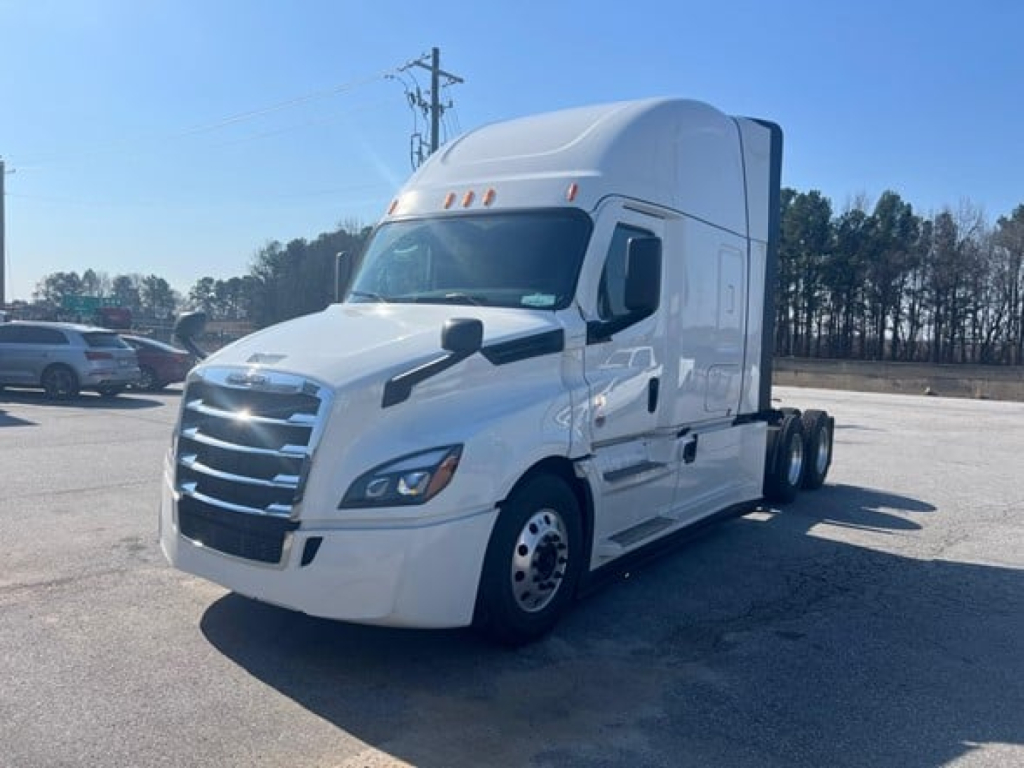
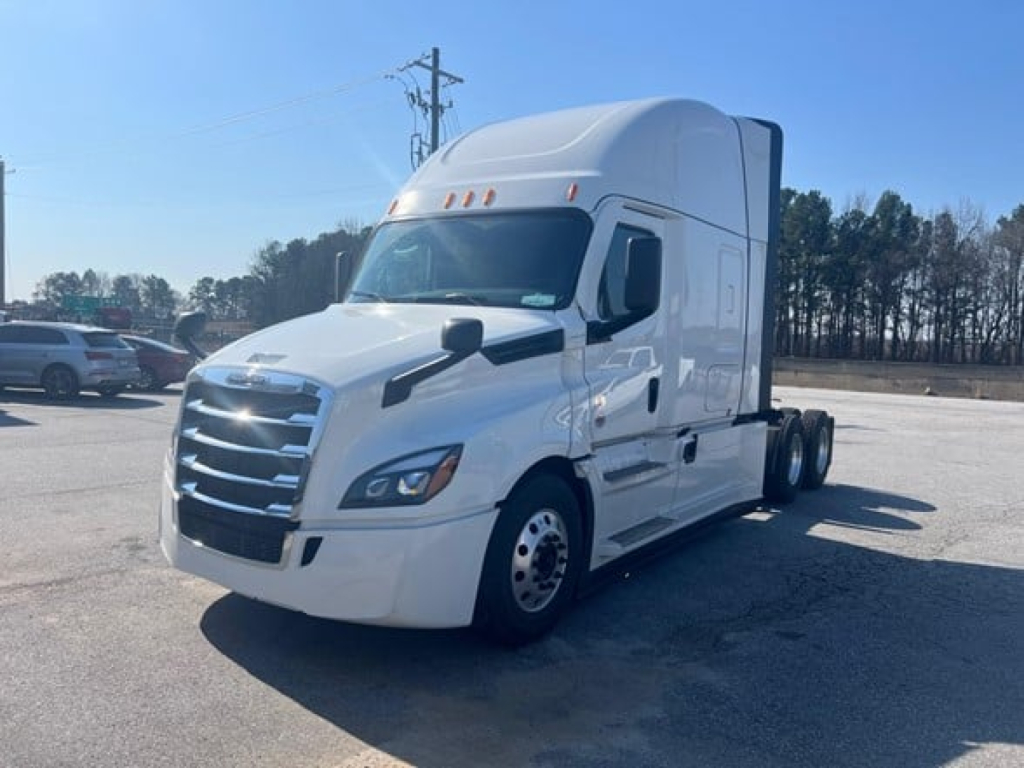
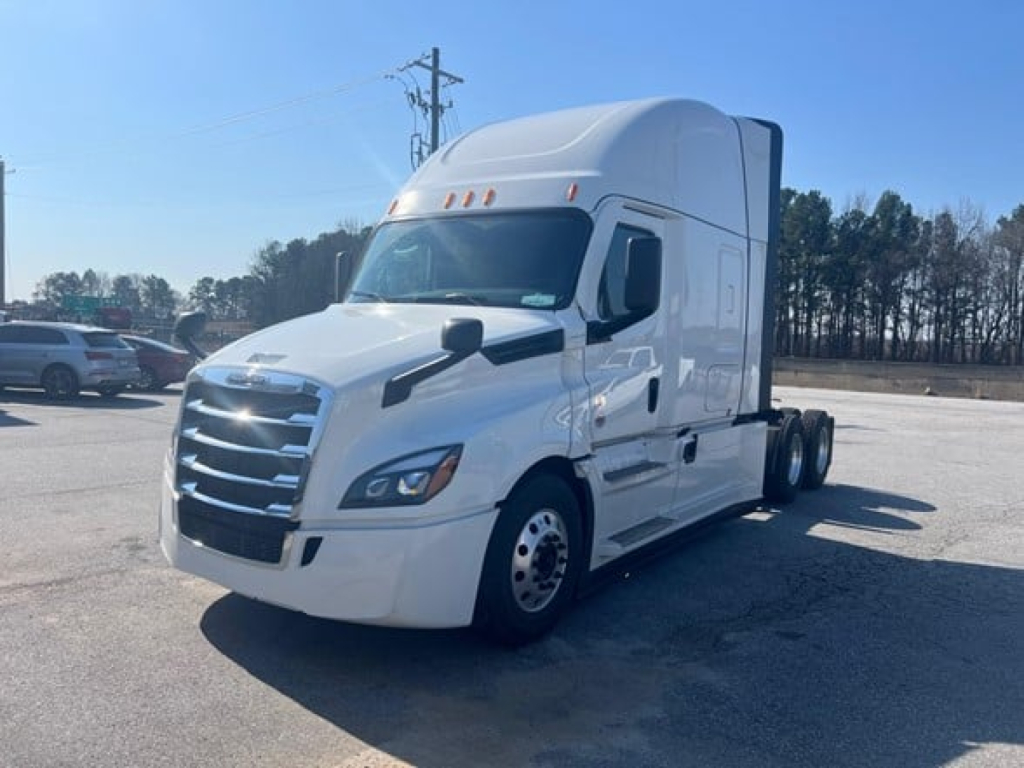
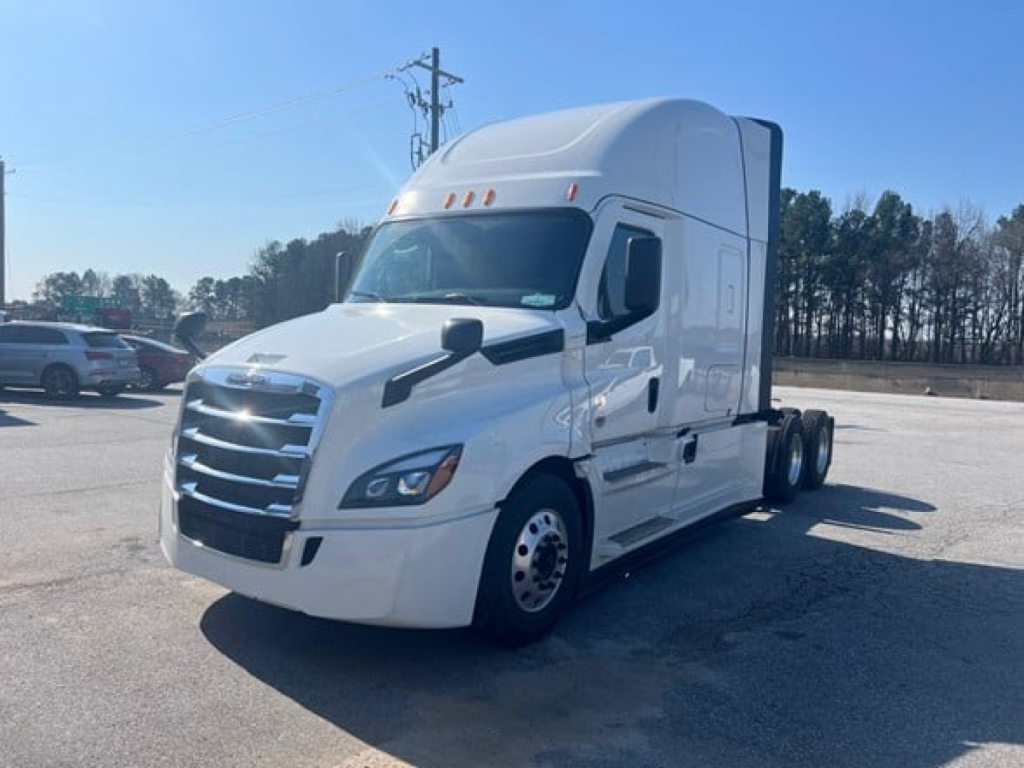
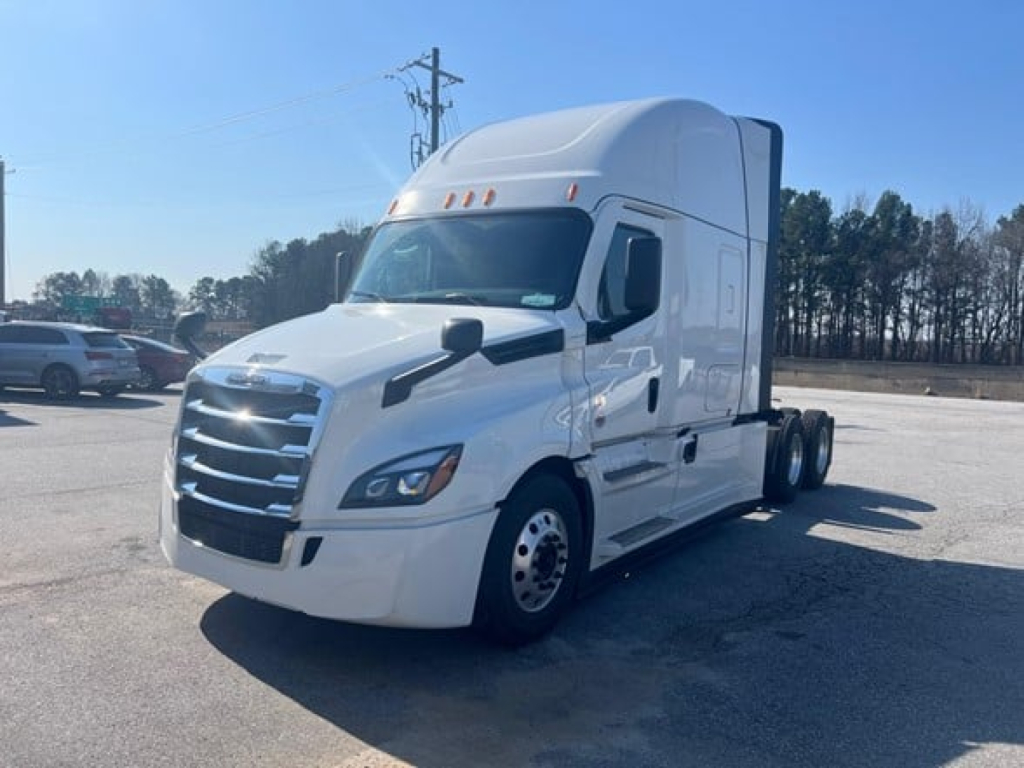
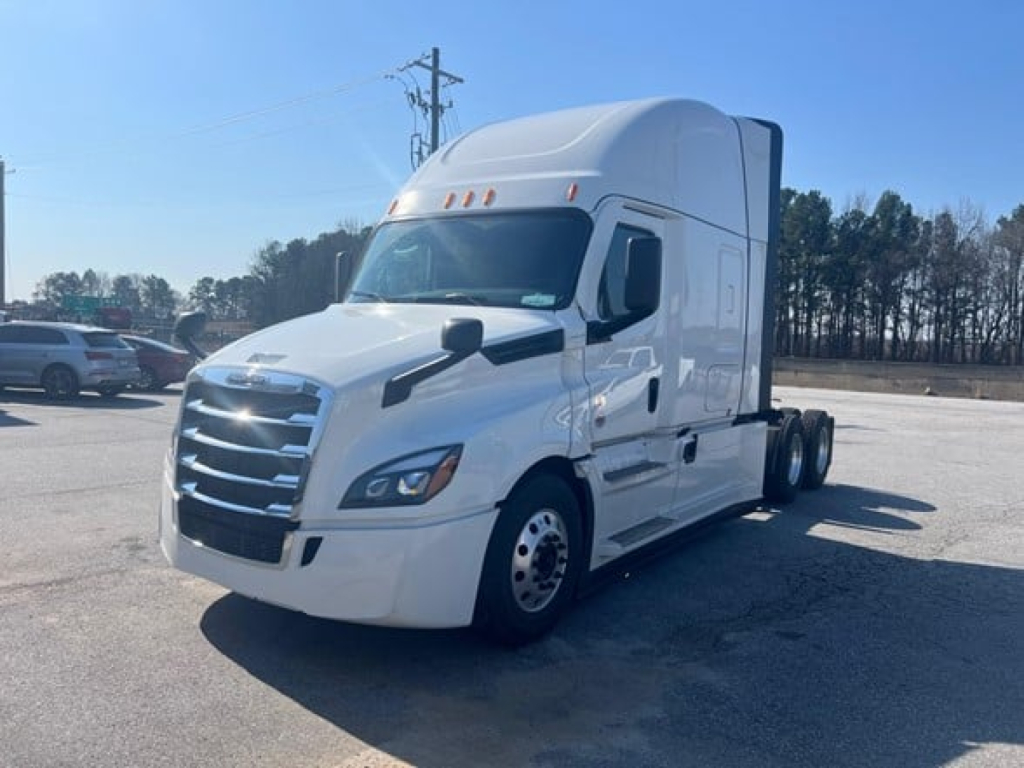
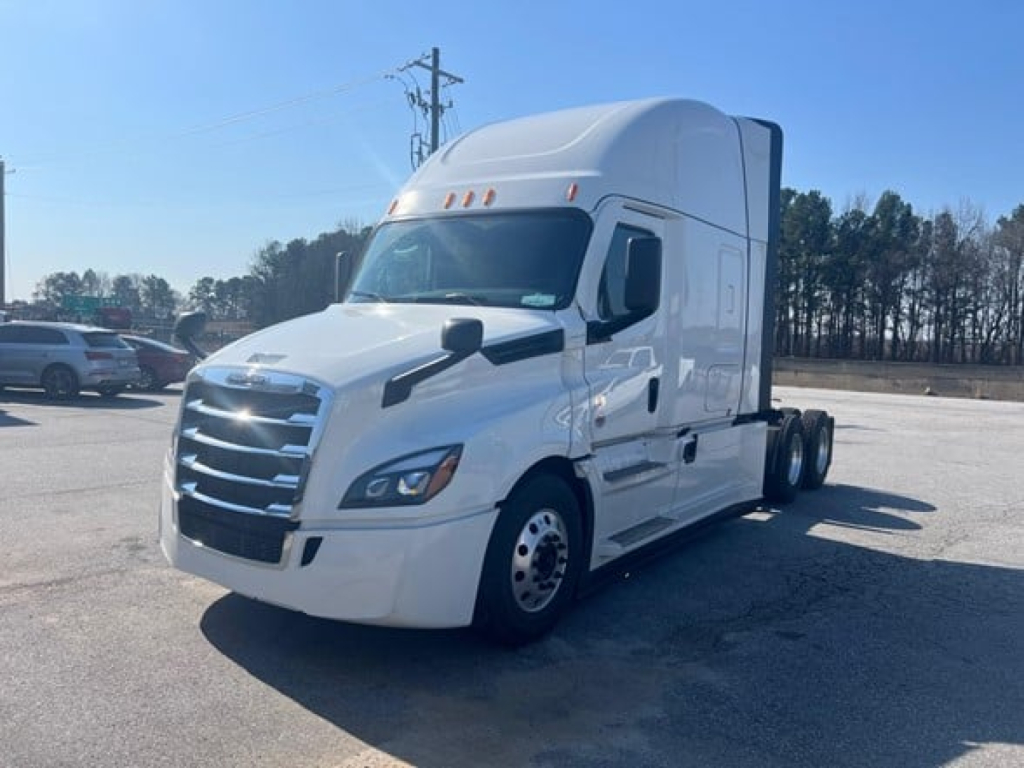
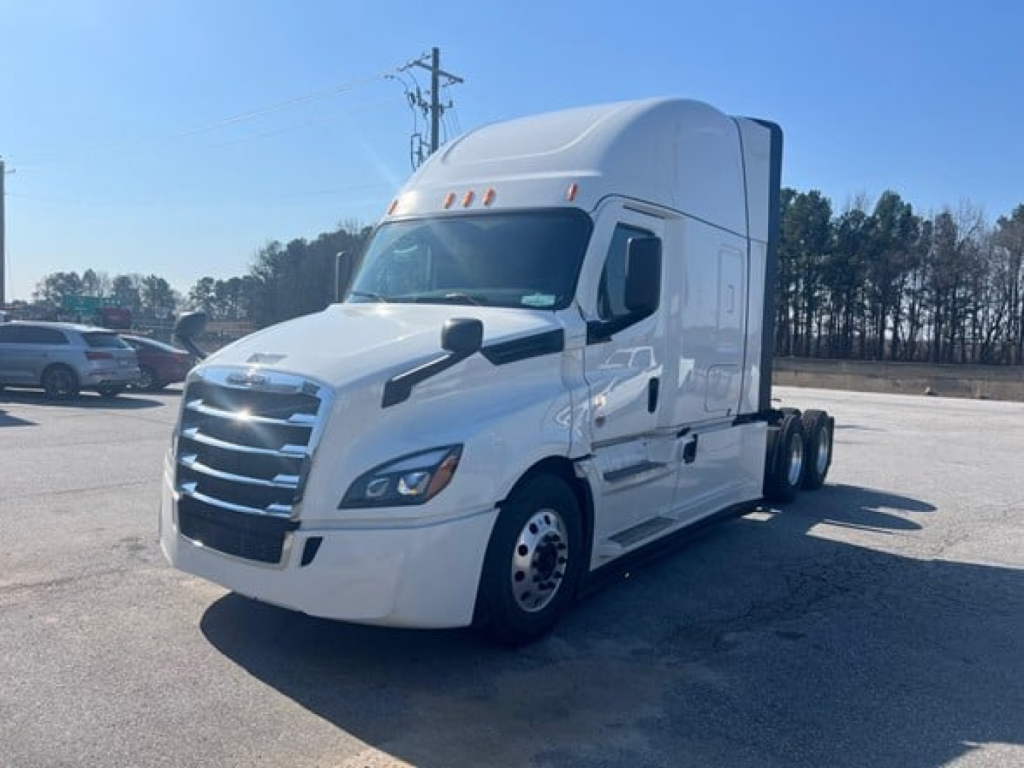
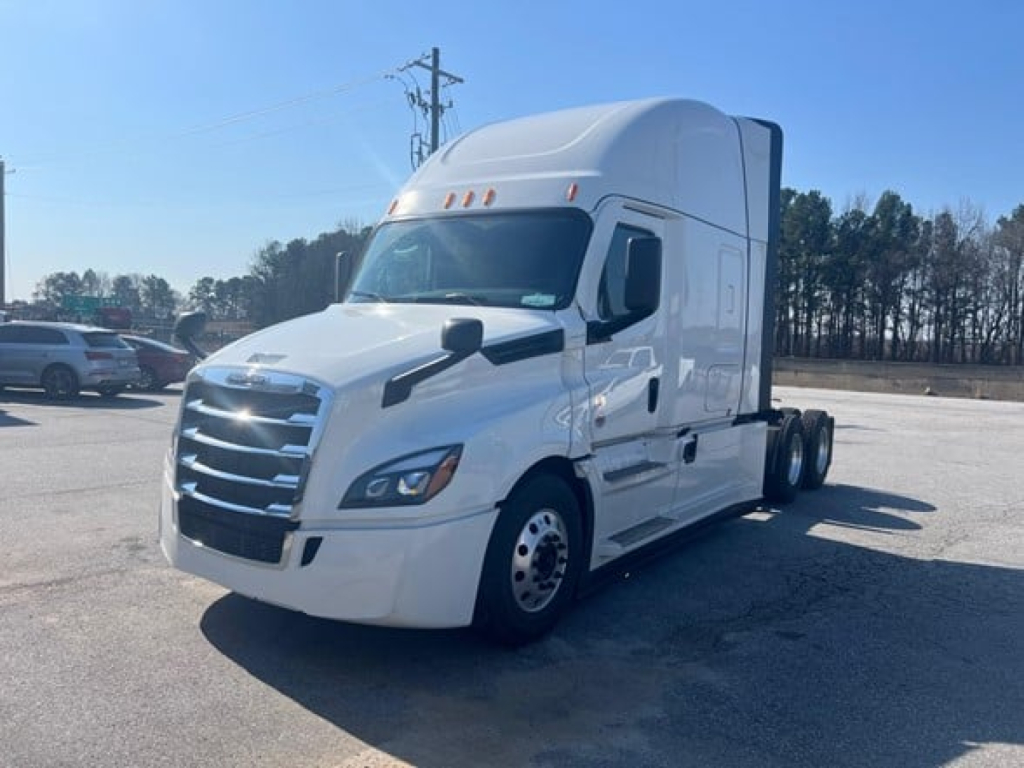
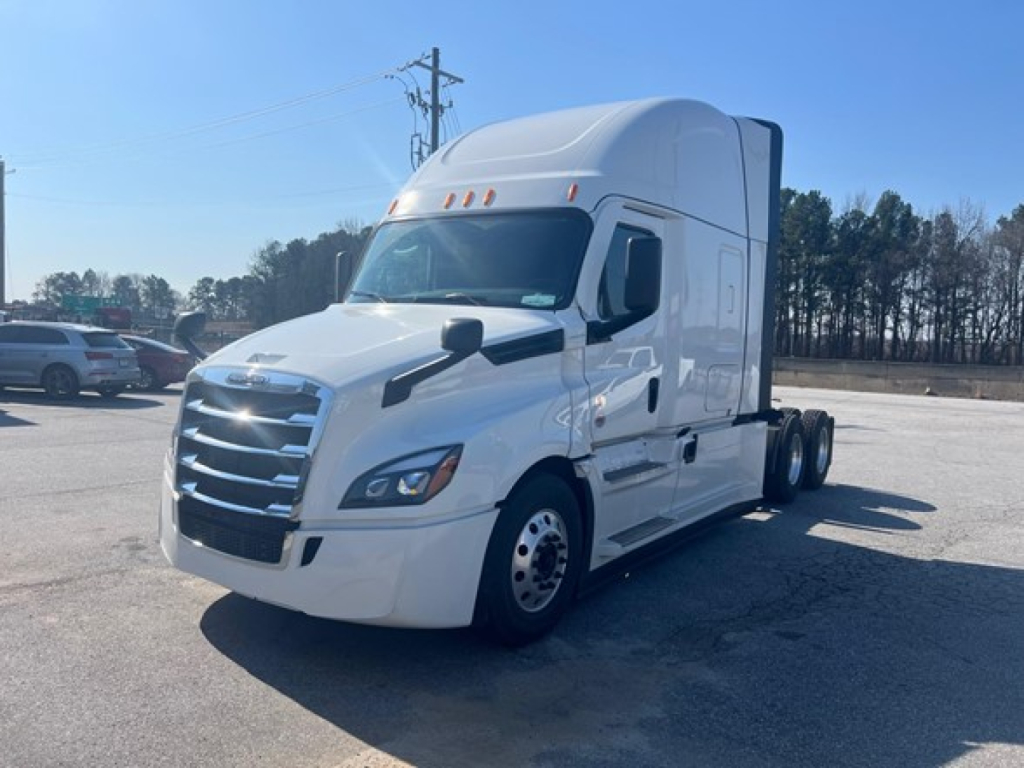
Have 2027 freightliner conventional sleeper truck to sell? List it here to reach thousands of buyers.
2027 Freightliner Conventional Sleeper Trucks in Georgia
The main spec decisions usually start with the powertrain. Many Freightliner sleeper trucks are ordered with Detroit DD15 engines and DT12 automated manual transmissions, a combination widely used for fuel-efficient linehaul service. Buyers should compare horsepower and torque ratings against application, especially if the truck will pull heavy van, reefer, or bulk loads through rolling terrain in Georgia and across the Southeast. Rear axle ratio, wheelbase, and suspension setup also matter because they influence cruise RPM, maneuverability, and bridge law flexibility. If the truck will be paired with a dry van or reefer, look closely at fifth wheel placement, kingpin setting compatibility, and fuel tank capacity for the route structure.
Cab and sleeper configuration can make a real difference in resale and daily usability. Raised roof sleepers in the 72-inch range are common for team operations and solo drivers who spend multiple nights out. Features such as bunk heaters, factory refrigerators, optimized storage, premium seats, and idle reduction systems can improve driver comfort and cut unnecessary engine hours. Safety and driver-assist technology is another major buying point in newer Freightliner conventional sleepers. Common systems include collision mitigation, lane departure warning, lane keep assist, side object monitoring, and integrated telematics support, all of which can affect insurance, training, and fleet standardization.
For buyers comparing 2027 models, the big advantages are usually emissions-era refinement, warranty coverage, and current-spec aerodynamics and electronics. It is still important to verify front axle capacity, gross vehicle weight rating, tandem rating, tire size, and brake specification before matching a truck to its intended freight. A well-spec'd Freightliner conventional sleeper should balance fuel burn, serviceability, uptime, and driver acceptance, which is why this category remains a core choice for carriers running highway miles year-round.
Frequently Asked Questions about 2027 Freightliner Conventional Sleeper Trucks in Georgia
What is a conventional sleeper truck?
A conventional sleeper truck is a highway tractor with a hood-forward cab design and a built-in sleeper compartment behind the driver area. It is designed for long-haul and overnight operations where the driver needs rest space, storage, and enough fuel and wheelbase flexibility for extended route work. In the Freightliner lineup, the Cascadia is the best-known example of this configuration.
What engine and transmission are common in Freightliner conventional sleeper trucks?
A common setup is the Detroit DD15 engine paired with the DT12 automated manual transmission. This combination is popular because it supports strong fuel economy, broad service network familiarity, and driver-friendly highway operation. Final horsepower, torque, and axle ratio should still be matched to freight weight, terrain, and average cruising speed.
What sleeper size is most common on a long-haul Freightliner?
Many long-haul Freightliner conventional sleepers are spec'd with a raised roof sleeper around 72 inches. That size gives enough room for overnight living, added storage, and amenities like a refrigerator or bunk heater without moving into a larger specialty configuration. The right sleeper size depends on solo versus team use, trip duration, and driver preference.
What should buyers check when comparing sleeper truck specs?
Key items include engine rating, transmission type, rear axle ratio, wheelbase, sleeper size, axle capacities, fifth wheel position, and fuel capacity. Buyers should also review safety systems, idle management equipment, tire and brake specifications, and maintenance history if the truck is used. These details determine how well the truck fits van, reefer, flatbed, or dedicated route service.
Why are Freightliner conventional sleeper trucks popular with fleets and owner-operators?
They are widely used because they combine aerodynamic design, parts availability, strong dealer support, and familiar Detroit powertrain options. Freightliner sleeper trucks also tend to be easy to standardize across a fleet and easy to place into long-haul freight applications. For many buyers, the appeal is a practical mix of fuel efficiency, driver comfort, and serviceability.