
Freightliner Conventional Sleeper Trucks For Sale in California
Guide to Freightliner conventional sleeper trucks in California. Engines, DT12 or manual specs, CARB compliance, aerodynamics, sleeper options.
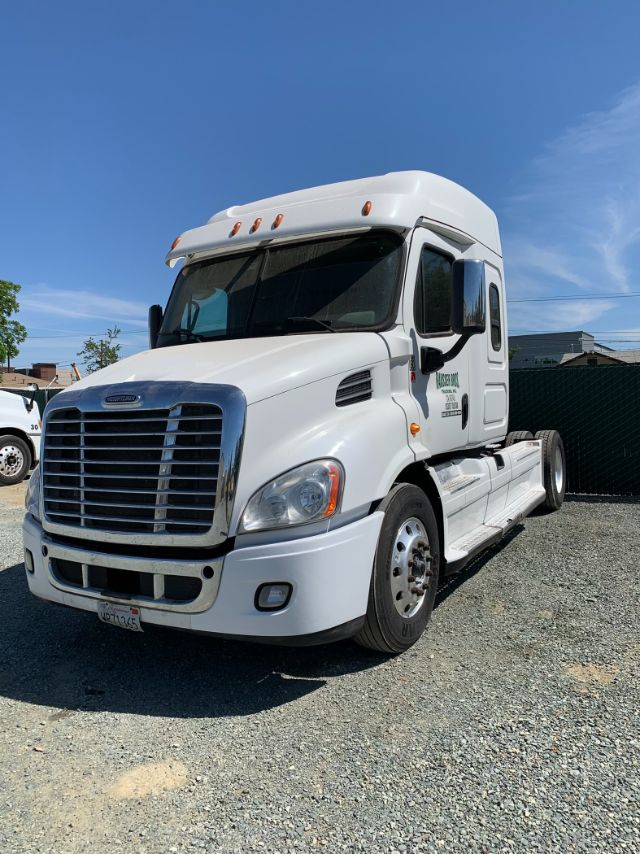
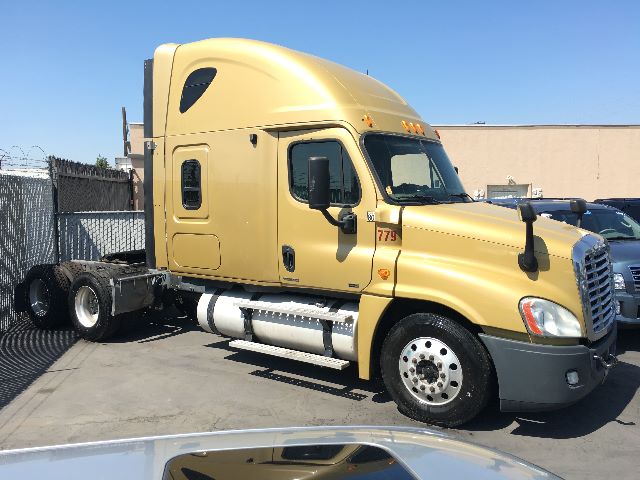
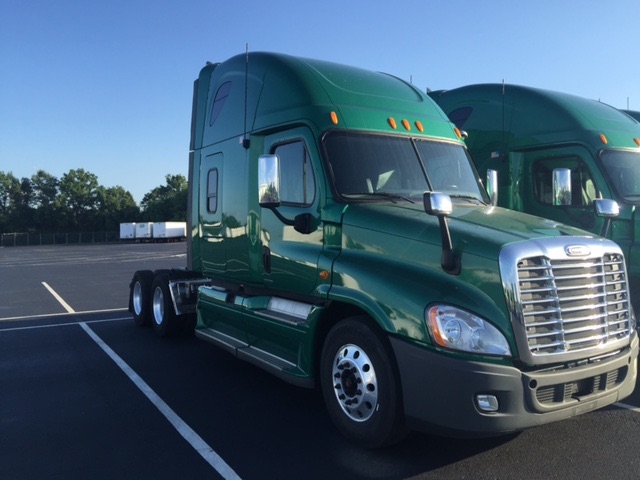

Selling a freightliner conventional sleeper truck? List your freightliner conventional sleeper truck for sale and reach thousands of commercial buyers.
Freightliner Conventional Sleeper Trucks in California
Aerodynamic Cascadias with roof fairings, cab extenders, chassis skirts, and low rolling resistance tires can deliver strong fuel numbers on I 5 and US 99, especially with downsped gearing. Common axle ratios range from the low 2s to mid 3s, with 2.16 to 2.64 often paired to DT12 and direct drive setups for linehaul, while 2.79 to 3.08 can suit mixed terrain or heavier regional work. Engine brakes are essential for grades like the Grapevine and Donner, and later models often include air disc brakes for shorter stops and lower fade. Stability control, collision mitigation, and adaptive cruise appear as Detroit Assurance or Bendix systems, which can help reduce risk in dense California traffic.
Sleeper configurations typically include 60, 72, or 76 inch bunks in mid roof or raised roof profiles. Mid roof sleepers clear many intermodal and flatbed height constraints, while raised roof cabs maximize upper bunk space for team operations and long solo hauls. Look for ParkSmart or other battery HVAC systems, diesel APUs, bunk heaters, and factory inverters to manage California’s 5 minute idle limit without sacrificing driver comfort. Interiors on later Cascadia models add integrated storage, LED lighting, and improved insulation for lower NVH and better HVAC efficiency.
Chassis choices revolve around a 12,000 to 13,200 lb steer axle with a 40,000 lb tandem, most often in 6x4, though some 6x2 downspeed specs exist for fuel economy. Wheelbase affects ride and maneuverability in tight urban deliveries, and a shorter setup can help with yard turns around Southern California distribution centers. Pay close attention to aftertreatment health, since DOC, DPF, and SCR systems drive uptime in California duty. Request ash load data, DPF service intervals, DEF pump and doser history, and NOx sensor replacement records. Matching the Detroit integrated powertrain or a well maintained manual spec to your route speed, grade profile, and payload will decide total cost of ownership more than any single feature.
Frequently Asked Questions about Freightliner Conventional Sleeper Trucks in California
Which engines and transmissions are most common on Freightliner conventional sleepers?
The Detroit DD13, DD15, and DD16 are the most common engines, frequently paired with the Detroit DT12 automated manual transmission. Many trucks also use Eaton Fuller manuals from 10 to 18 speeds, and some units run Cummins X15 power. The right match depends on payload, cruise speed, and terrain.
What should I verify for California CARB compliance on a sleeper tractor?
Confirm the engine is 2010 emissions or newer, which satisfies the California Truck and Bus Regulation for most heavy duty applications. Check for a valid California Clean Idle sticker if idling is expected, and review aftertreatment service records for the DOC, DPF, and SCR systems. Drayage work has additional port requirements, so verify those rules if you operate at the ports.
What axle ratio works best for California routes with grades and traffic?
Downsped axle ratios from roughly 2.16 to 2.64 with a DT12 or direct drive transmission can deliver excellent fuel economy on linehaul at steady speeds. If your routes include heavier regional freight, frequent stops, or steep grades, slightly faster ratios such as 2.79 to 3.08 can improve launch and hill performance. Pair the ratio to your typical cruise speed and tire size, and make sure engine brake performance is adequate for long descents.
How do I choose between mid roof and raised roof sleepers?
Mid roof sleepers help with height sensitive work like intermodal or flatbed and can improve aerodynamics when matched to certain trailer profiles. Raised roof sleepers maximize headroom and upper bunk space, which benefits team operations and extended over the road cycles. Prioritize driver comfort features such as battery HVAC or a diesel APU to comply with California idle restrictions without sacrificing rest quality.
What maintenance records matter most on a used Freightliner sleeper?
Ask for complete aftertreatment history, including DPF cleaning or replacement intervals, DEF pump and doser work, and NOx sensor replacements. Review engine oil analysis, valve set documentation, clutch or DT12 service, brake and hub inspections, and any collision mitigation calibrations. Consistent records are a strong indicator of uptime and lower total cost of ownership.