
Used International Trucks For Sale
Browse used International trucks including LT and 4300 models. Compare specs, engines, cab styles, and applications for fleet or owner-operator use.
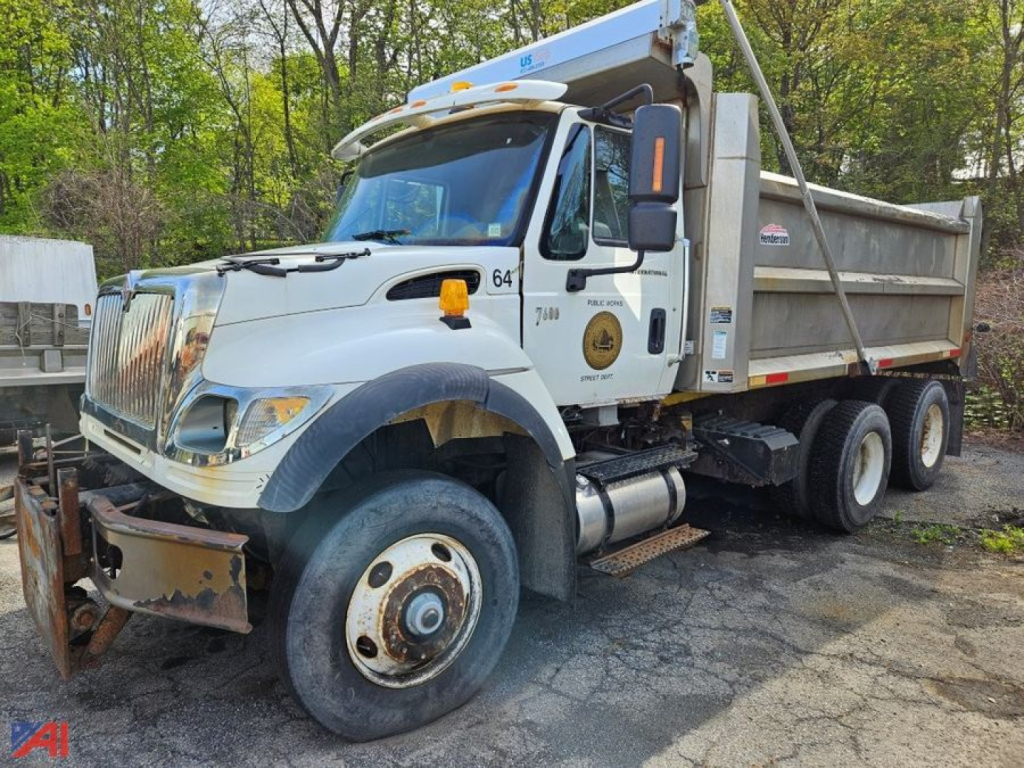
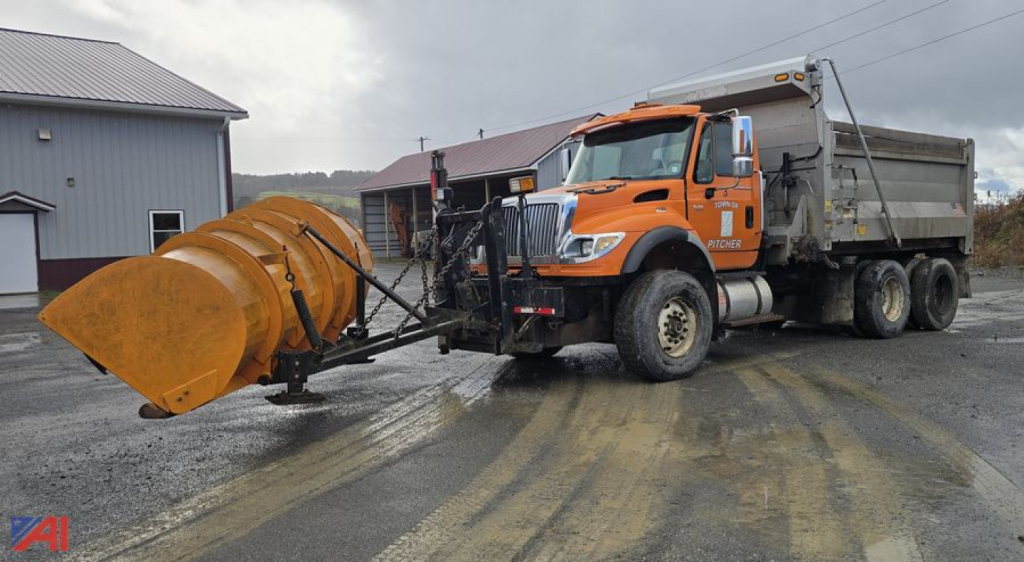
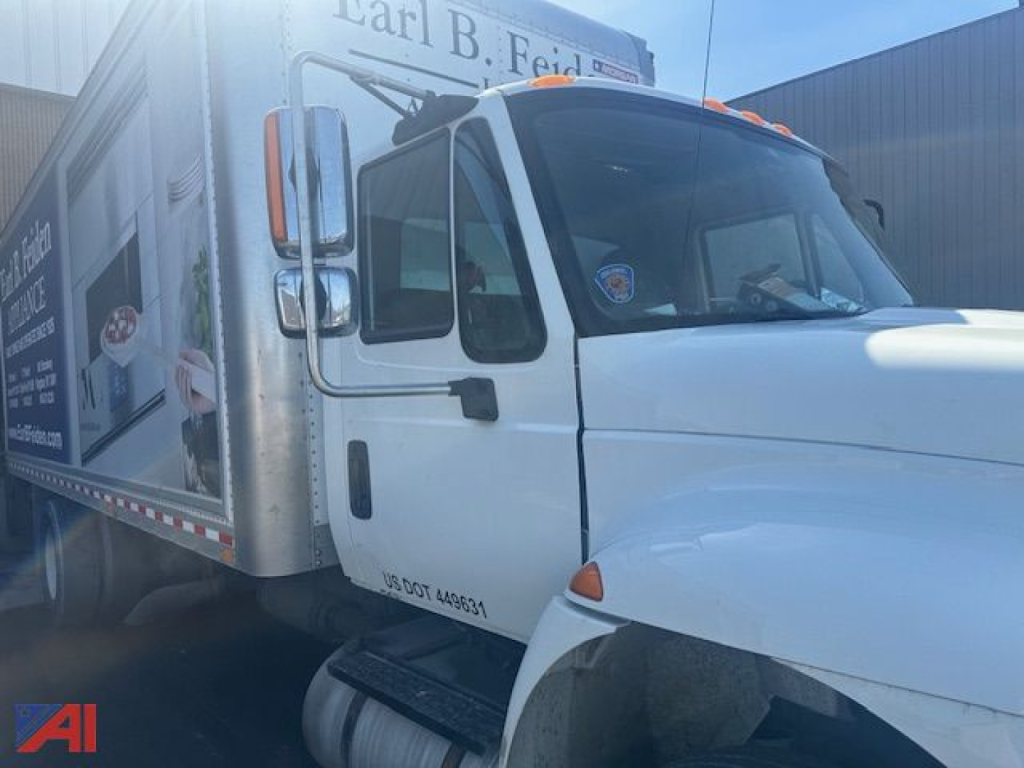

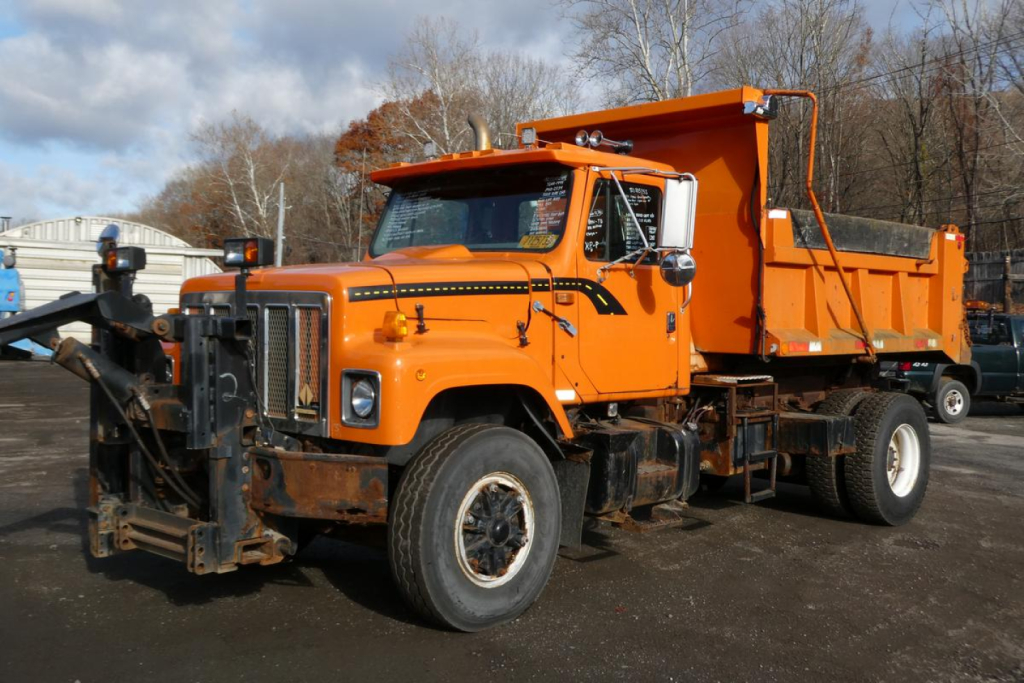
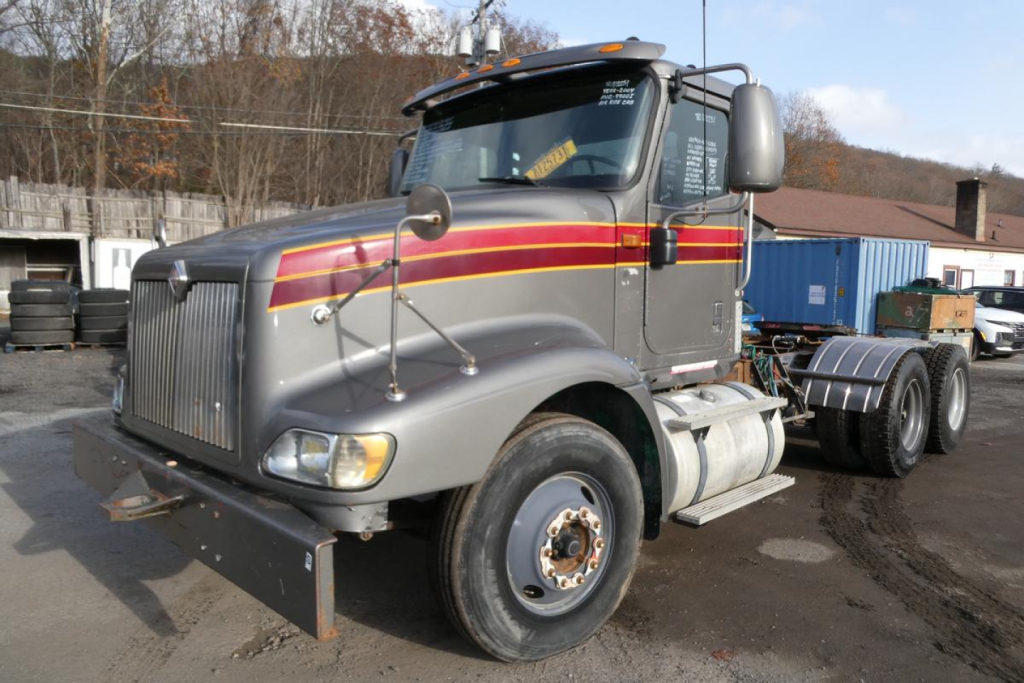
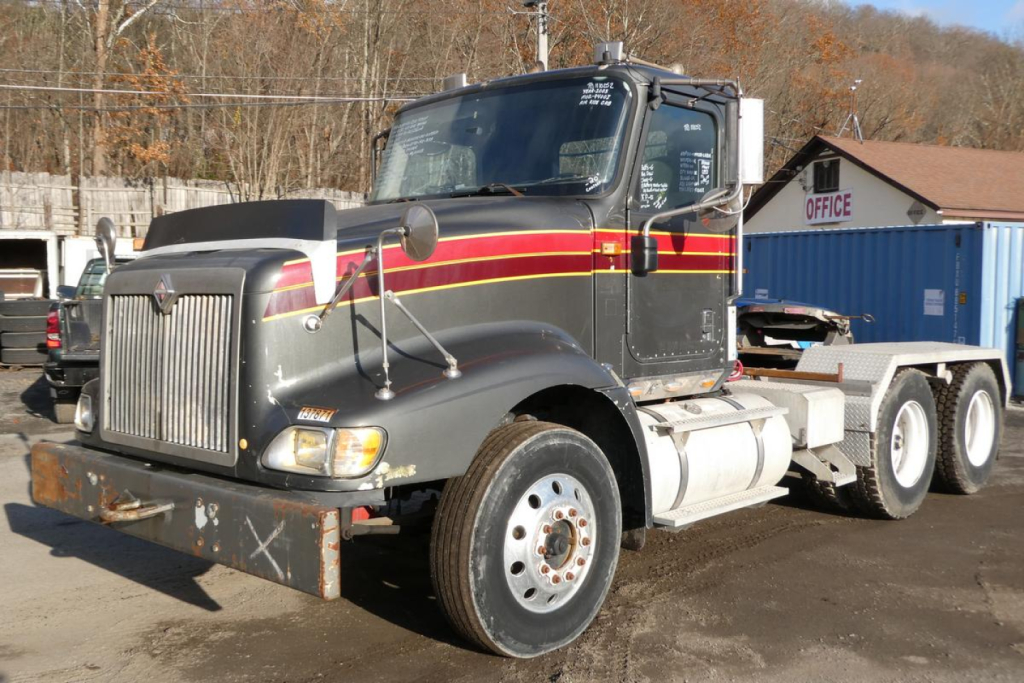
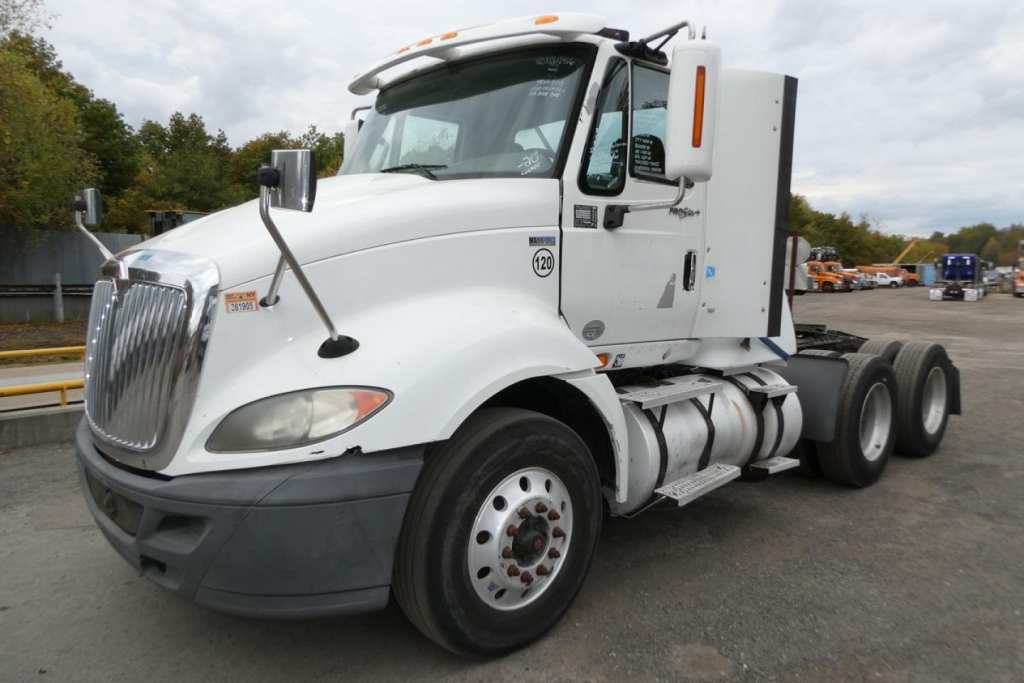
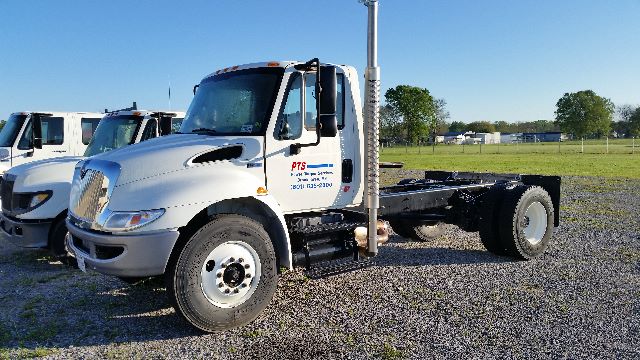
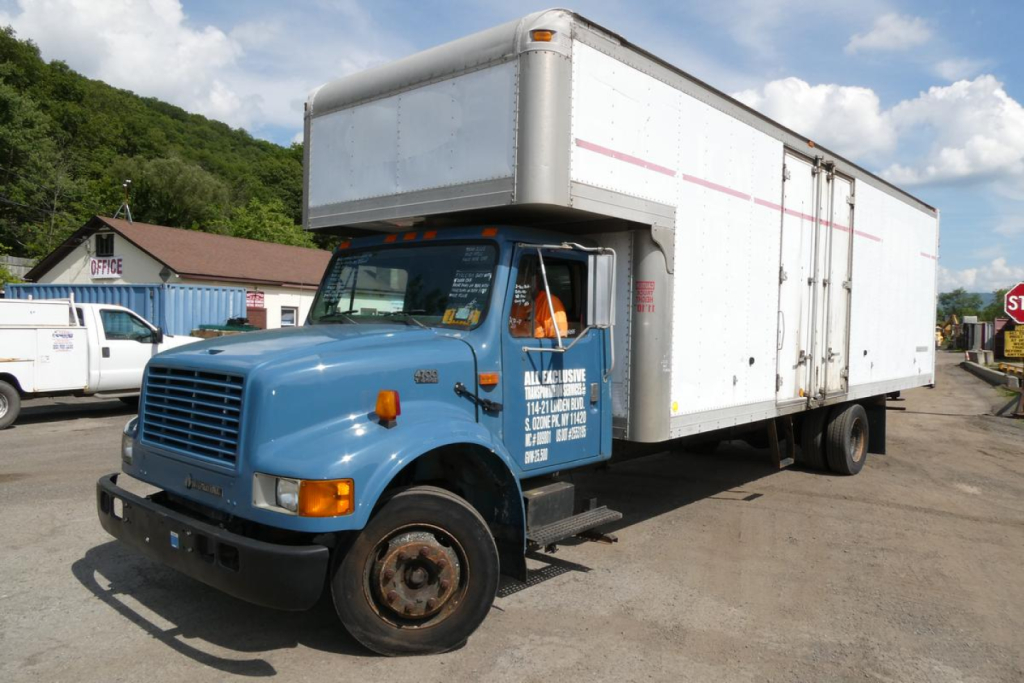
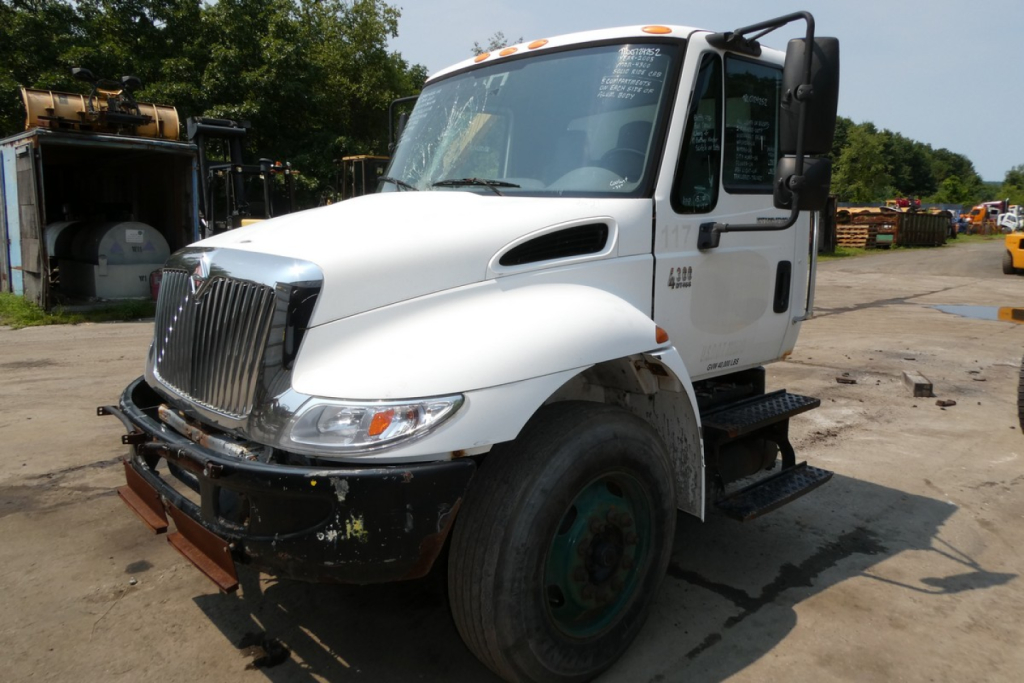
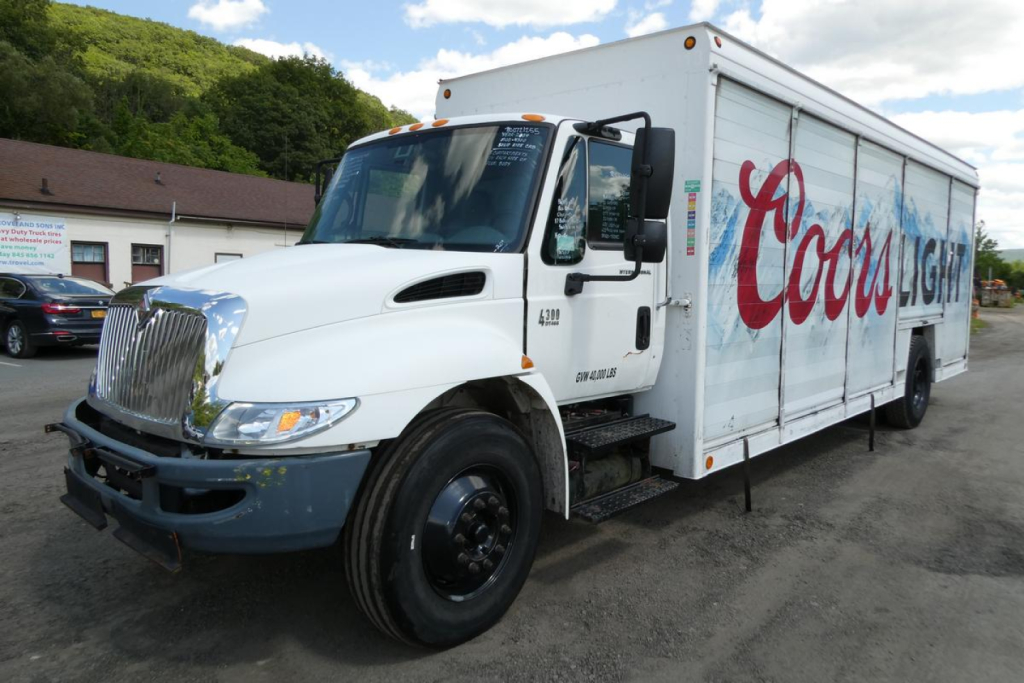
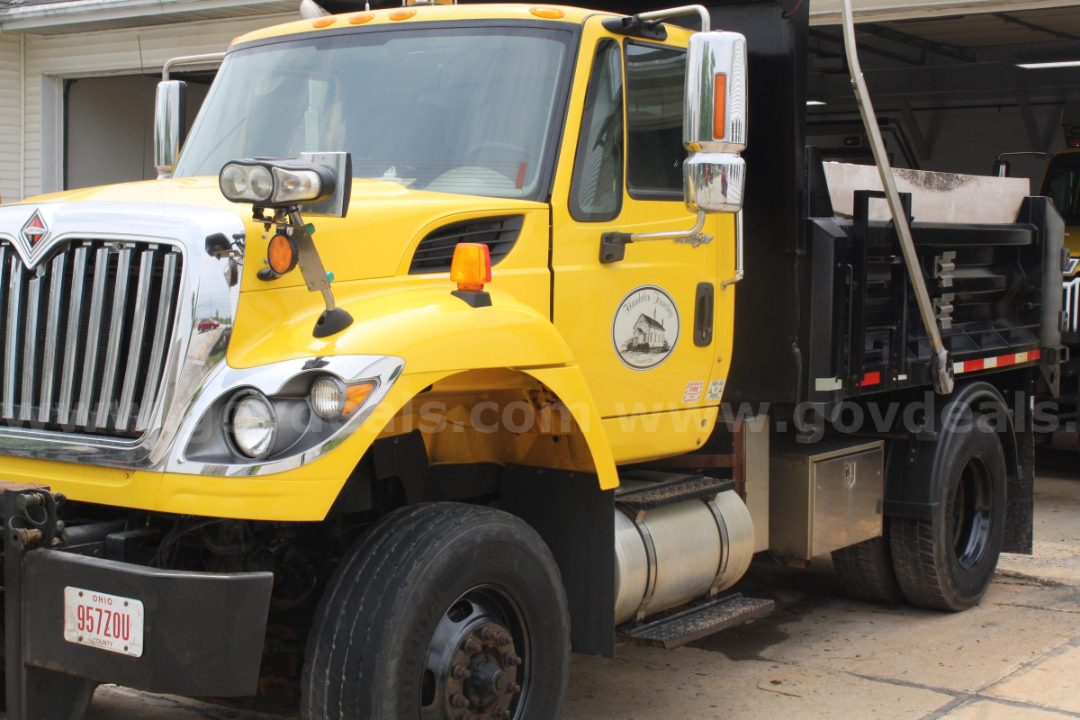
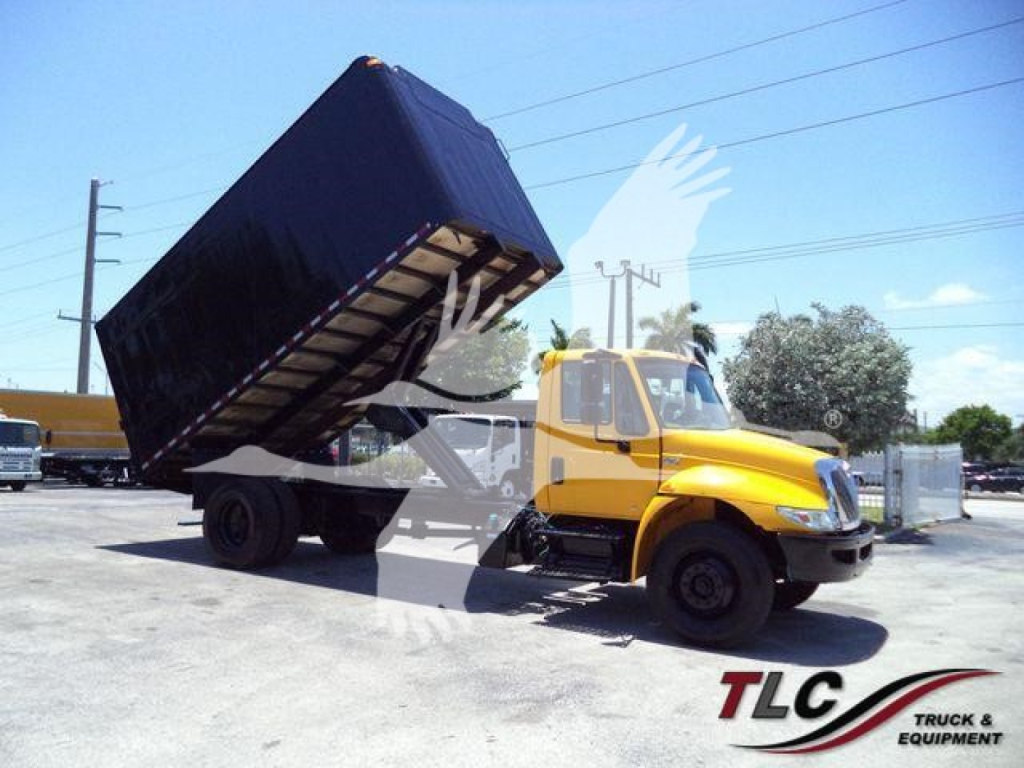
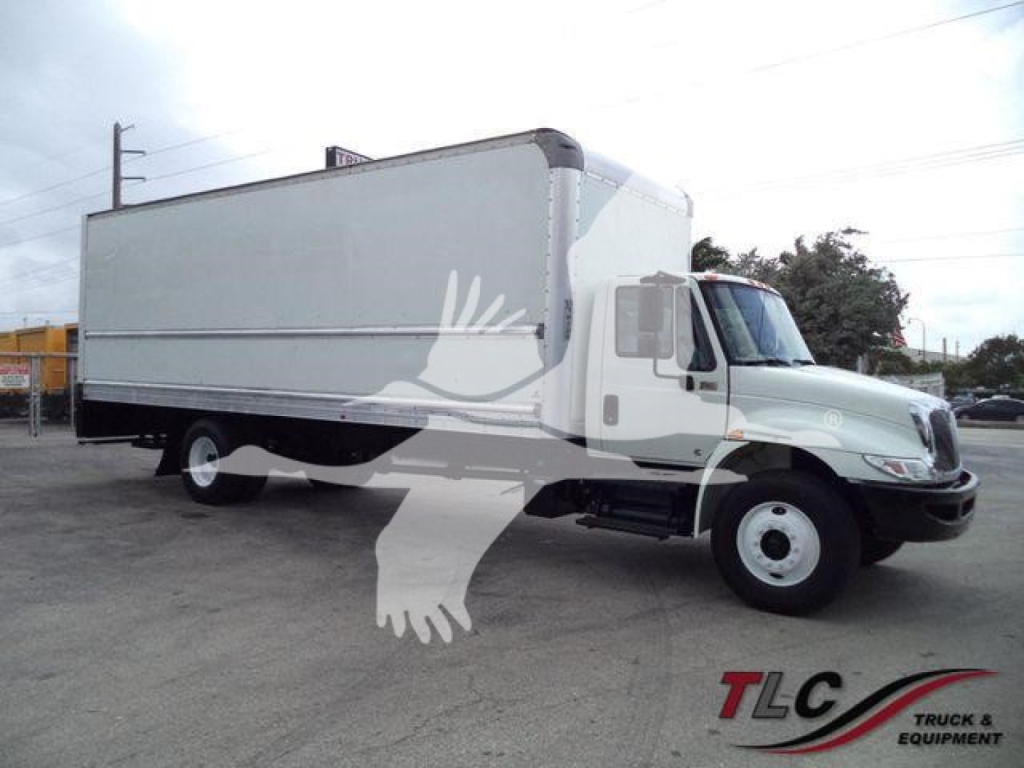
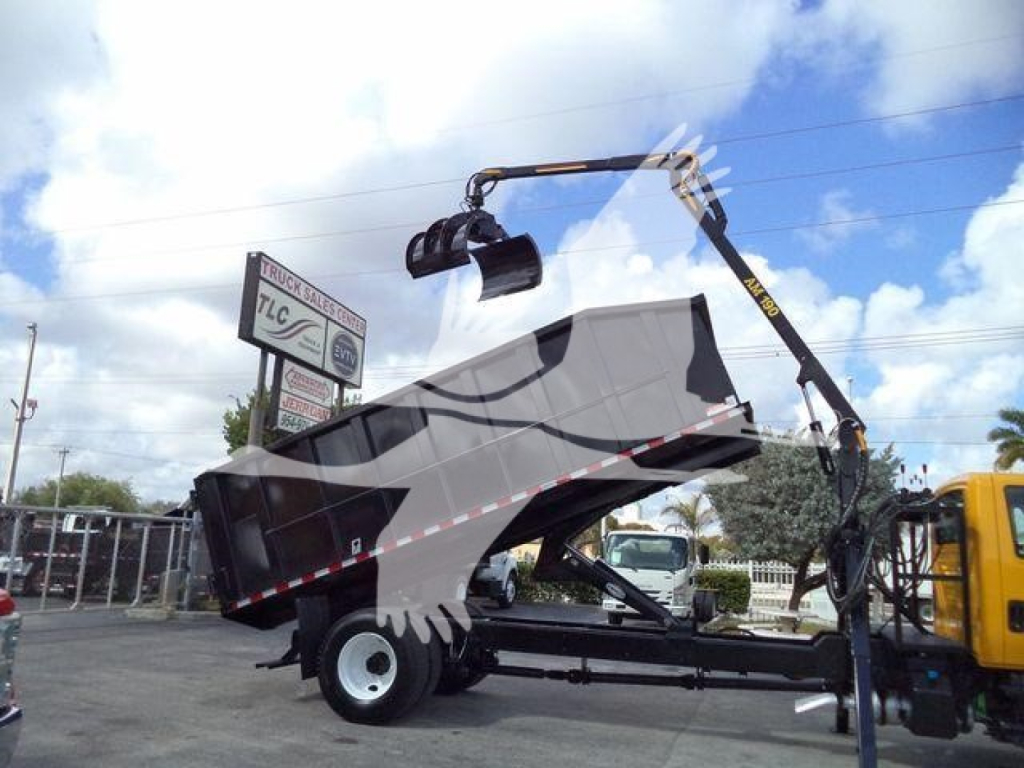
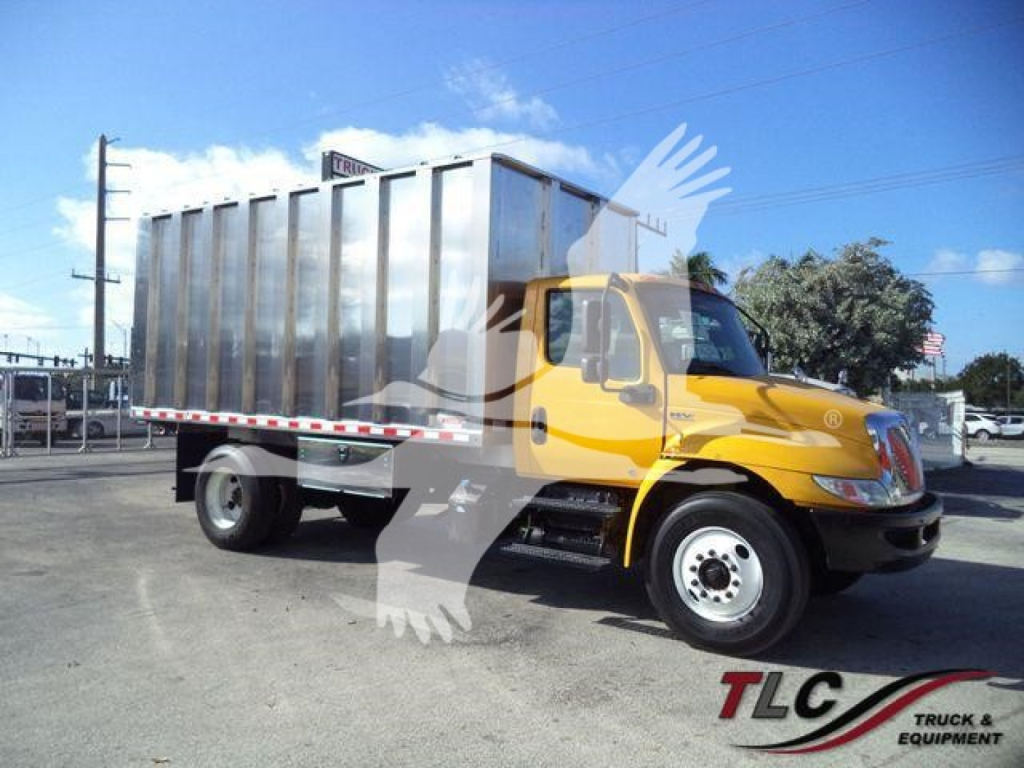

Showing 121 to 144 of 267 results
Have used international truck to sell? List it here to reach thousands of buyers.
Used International Trucks
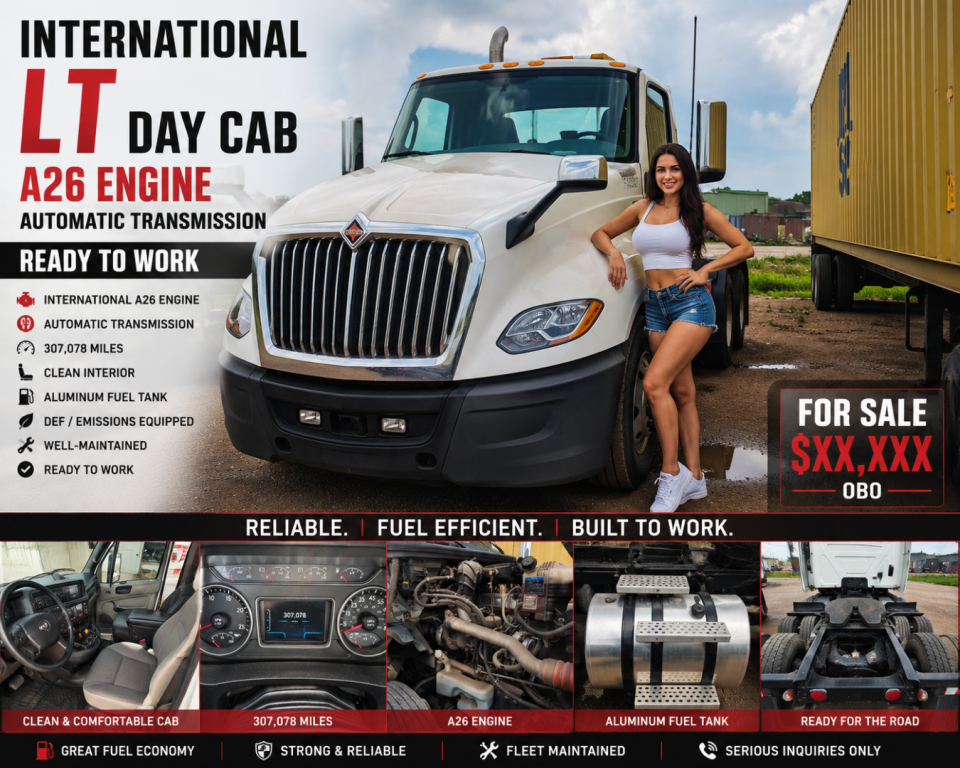
For highway use, the LT series is one of the most common late-model International trucks on the used market. These tractors are often spec'd with the Navistar A26 or Cummins X15, paired with automated manual or fully automatic transmissions, tandem rears, air ride suspension, and aerodynamic packages that include roof fairings and cab extenders. Pay close attention to horsepower and rear axle ratio because those two specs heavily influence fuel economy, cruise RPM, and startability under load. A 2.64 or 2.79 ratio can make sense for linehaul and lighter freight, while a 3.25 ratio may better suit heavier regional work, frequent stop-and-go operation, or more demanding terrain. Wheelbase, fifth wheel travel, front axle rating, and brake type also matter if the truck will be assigned to dedicated trailers or operate in tight urban yards.
For medium-duty buyers, the International 4300 remains a common choice for refrigerated delivery, dry freight, landscape, utility, and municipal work. These trucks are typically spec'd with diesel engines in the mid-200 to low-300 horsepower range, Allison automatic transmissions, and single rear axles. When shopping used straight trucks, the body and upfit can be just as important as the chassis. Reefer buyers should verify refrigeration unit hours, evaporator condition, floor type, door seals, liftgate capacity, and whether the body has scuff liners, E-track, curbside access, or insulated liners appropriate for the product being hauled. Wheelbase, body length, and gross vehicle weight rating should match your route density and payload expectations.
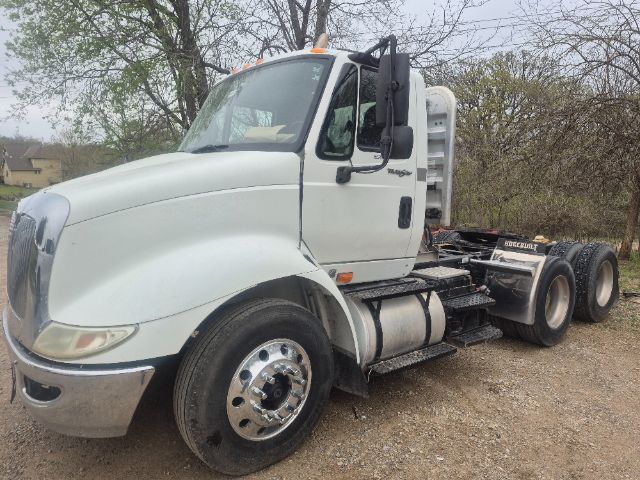
Condition matters more than badge alone on a used International truck. Look for documented maintenance, aftertreatment service history, brake and tire condition, suspension wear, and signs of uneven loading or frame modification. On LT sleepers, check sleeper HVAC, inverter or APU setup, bunk condition, and fuel tank capacity for route length. On day cabs, focus on turning radius, visibility, and driveline spec for regional freight or port work. International trucks can be a strong value in the used market when the spec matches the job, especially for fleets that want practical serviceability, driver-friendly controls, and a wide range of configurations from long-haul tractors to body-ready medium-duty trucks.
Frequently Asked Questions about Used International Trucks
What are the most common used International truck models for highway and local work?
The most common used International trucks are typically the LT series for highway tractor applications and the 4300 for medium-duty local delivery or vocational work. The LT is widely used in day cab and sleeper form for regional and over-the-road freight, while the 4300 is a popular chassis for reefer bodies, box trucks, stake beds, and utility applications. Model choice should be based on route length, trailer type, payload, and whether the truck will run in urban delivery, regional haul, or long-distance service.
Is the International LT a good used truck for fleet or owner-operator use?
A used International LT can be a good fit when the truck has the right drivetrain spec and a solid maintenance history. Buyers often like the LT for its aerodynamic design, accessible service points, and availability with engines such as the Navistar A26 or Cummins X15. For fleet use, consistency of spec across multiple units is important for driver familiarity and maintenance planning. For owner-operators, the key questions are fuel economy, engine and aftertreatment history, sleeper amenities, and whether the axle ratio matches the weight and terrain of the intended operation.
What should I check on a used International 4300 refrigerated truck?
On a used International 4300 reefer truck, inspect both the chassis and the refrigeration body as separate systems. Confirm engine and transmission service records, brake and suspension condition, and tire wear on the truck itself. Then review reefer unit hours, maintenance logs, pull-down performance, evaporator and condenser condition, insulation integrity, door seal condition, floor wear, and liftgate operation if equipped. A clean body with sound insulation and a properly maintained refrigeration unit is critical because body repairs and temperature-control issues can become expensive quickly.
Which engine and transmission combinations are common in used International trucks?
Common engine choices in used International highway trucks include the Navistar A26 and Cummins X15, while medium-duty models such as the 4300 often carry Cummins ISB-series engines or similar mid-range diesels. Transmissions frequently include automated manuals in tractor applications and Allison automatics in medium-duty and delivery roles. The best combination depends on application. Automated manuals are common for fuel-conscious fleet highway use, while Allison automatics are favored in stop-and-go routes where ease of operation and smooth low-speed performance matter.
How important are axle ratio and wheelbase when buying a used International truck?
Axle ratio and wheelbase are two of the most important spec details on any used truck because they directly affect performance and job compatibility. Axle ratio influences launch, gradeability, cruise RPM, and fuel economy, so a low numerical ratio usually favors highway efficiency while a higher numerical ratio supports heavier or more demanding work. Wheelbase affects trailer gap, body fit, turning radius, bridge law considerations, and overall maneuverability. A truck can be mechanically sound and still be the wrong purchase if those two specs do not match the operation.