
Used International Digger - Derrick Trucks For Sale
Shop used International digger derrick trucks with strong frames, reliable hydraulics, insulated booms, low tare weight, and corrosion resistant bodies.
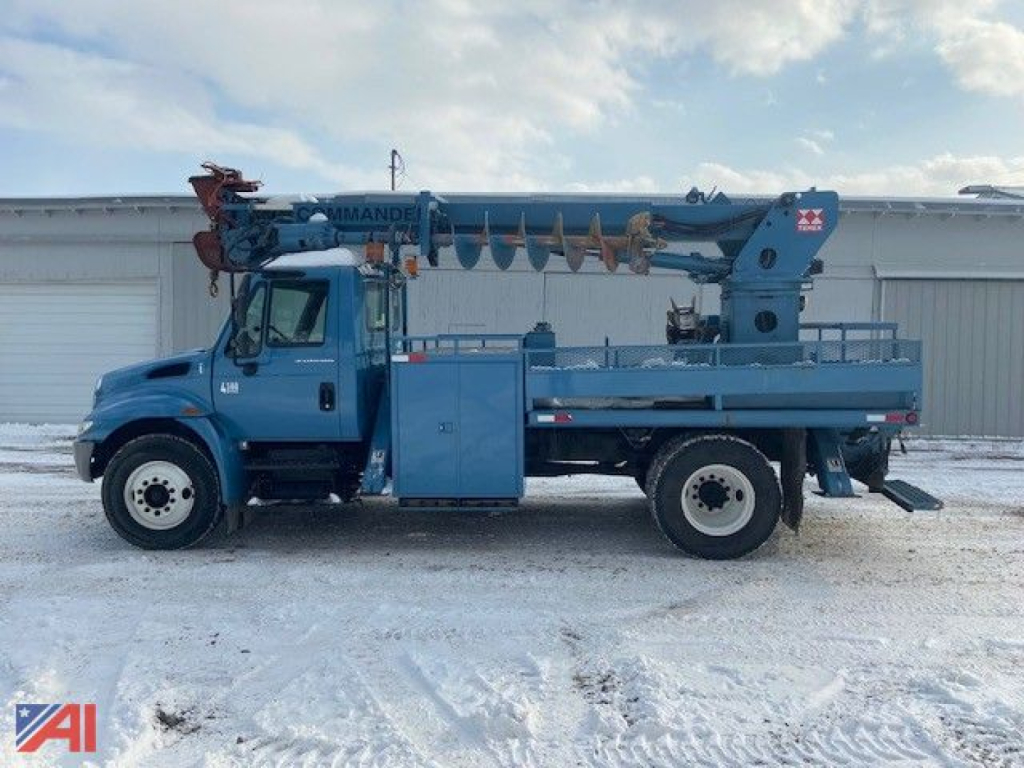
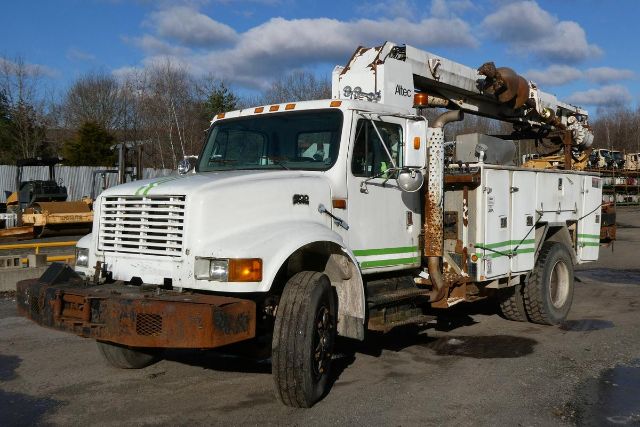

Selling a used international digger - derrick truck? List your used international digger - derrick truck for sale and reach thousands of commercial buyers.
Used International Digger - Derrick Trucks
Structural integrity starts with the subframe and bed. A well engineered pedestal mount and full length outrigger spreads that tie into a high RBM frame resist torsion from digging and pole setting. Bed floors in 3/16 steel treadplate or reinforced aluminum with tight crossmember spacing prevent oil canning and keep compartment seams sealed, which protects tools and maintains body geometry under load. Inspect rotation bearing play, turret fasteners, and outrigger box welds, and verify the floor load rating if you stage transformers, pole sections, or heavy auger tooling on deck. Heavy scuff liners, drip rails, and reinforced compartment floors extend service life when chains, slings, and bits move across the body daily.
Thermal integrity is driven by the hydraulic system and the insulated boom. A correctly sized reservoir with return filtration and an oil cooler holds fluid temperature in long dig cycles, load sense or variable displacement pumps limit heat generation at idle, and auto throttle on International chassis maintains charge pressure without overheat. In cold climates, engine block heaters, hydraulic tank heaters, and low temperature fluids preserve response and protect pumps and seals. Insulated fiberglass booms depend on clean gelcoat and sound inserts for dielectric rating, schedule dielectric tests per ANSI, monitor liner condition, and address UV chalking or epoxy repairs promptly to keep the rating intact across temperature swings.
Corrosion resistance controls lifecycle cost. International vocational frames with factory e-coat or epoxy undercoating, stainless or galvanneal bodies, powder coated subframes, and sealed Deutsch connectors resist road salt and jobsite grime. Look for intact seam sealant, stainless hinges, and molded door gaskets that keep water out of compartments, and verify harness routing for Diamond Logic multiplex wiring is protected from spray. Fiberglass sections should show uniform gelcoat without exposed fiber, aluminum outrigger components need proper isolation from steel to prevent galvanic corrosion, and all pins, wear pads, and cylinder rods should be well greased and free of scale. Confirm brake lines, spring hangers, and PTO or transmission cooler plumbing are clean and solid, since corrosion in these areas is a common downtime driver on high duty cycle utility fleets.
Frequently Asked Questions about Used International Digger - Derrick Trucks
What boom capacity and sheave height should I target for typical distribution pole work?
Match the load chart to your heaviest expected pole at the working radius, then add margin for hooks, rigging, and wind. Many utility crews do well with a 25k to 30k ft lb class digger derrick and a sheave height in the 47 to 60 ft range, which sets most 35 to 60 ft distribution poles. If you routinely handle longer transmission poles or require higher lift over obstructions, look for higher sheave height and a stronger load chart at longer radii.
How can I evaluate bed floor strength and subframe integrity on a used International digger derrick truck?
Inspect the pedestal base and outrigger boxes for cracks, pulled welds, or elongated fastener holes, then check bed floor thickness and crossmember spacing. Stand on the deck and look for oil canning, open seams at the compartment floors, or rust jacking under treadplate. Verify the frame RBM rating and look for inserts or double frame sections where the subframe attaches. Rotate the turret to feel for bearing lash and cycle outriggers under load to confirm the structure holds alignment without excessive deflection.
Why does tare weight matter on a digger derrick and how do I keep it in check?
Tare weight consumes GVWR, which directly reduces legal payload for poles, cribbing, tools, and crew gear. High tare can also overload the steer axle once the boom is stowed and the auger is mounted. Favor aluminum or galvanneal bodies, compact outrigger packages, and lighter tool stow solutions to save several hundred pounds. Scale the truck fully outfitted with augers, blocks, and rigging, then compare to axle ratings and bridge limits to make sure you have usable payload with margin for seasonal equipment.
What thermal and dielectric checks are critical before putting an insulated derrick in service?
Confirm recent dielectric test documentation and visually inspect the boom gelcoat, inserts, and liners for contamination, cracks, or repairs. Wipe down the insulated sections and check end caps and seals. For hydraulics, sample fluid for cleanliness, confirm cooler operation, and watch return temperature during extended dig cycles. Listen for cavitation, check pump case drain flow, and verify auto throttle or high idle functions so the system maintains charge pressure without overheating in hot weather.
Which International chassis specs work best for off road utility access with a digger derrick?
Look for 6x6 or 6x4 with locking differentials, high ground clearance, and 20k steer with 40k to 46k tandem rears for stability. Allison 3500RDS or 4500RDS with a properly sized PTO simplifies hydraulic integration, and a wheelbase matched to the subframe improves weight distribution. Front frame extensions support a bumper winch, and heavy duty cooling with a transmission heat exchanger helps in slow, high load work on soft ground.